Feathers grow from small pockets in the skin called feather follicles. Understanding how emu oil is extracted from the bird helps connect feather biology to how these products are processed after harvest Feathers grow. Each follicle contains a structure at its base called the dermal papilla, which acts as a biological organizer, signaling the surrounding cells to start building a new feather from the ground up.
How Do Bird Feathers Grow and Regrow Step by Step

Marcus Chen
4 Jul 2026
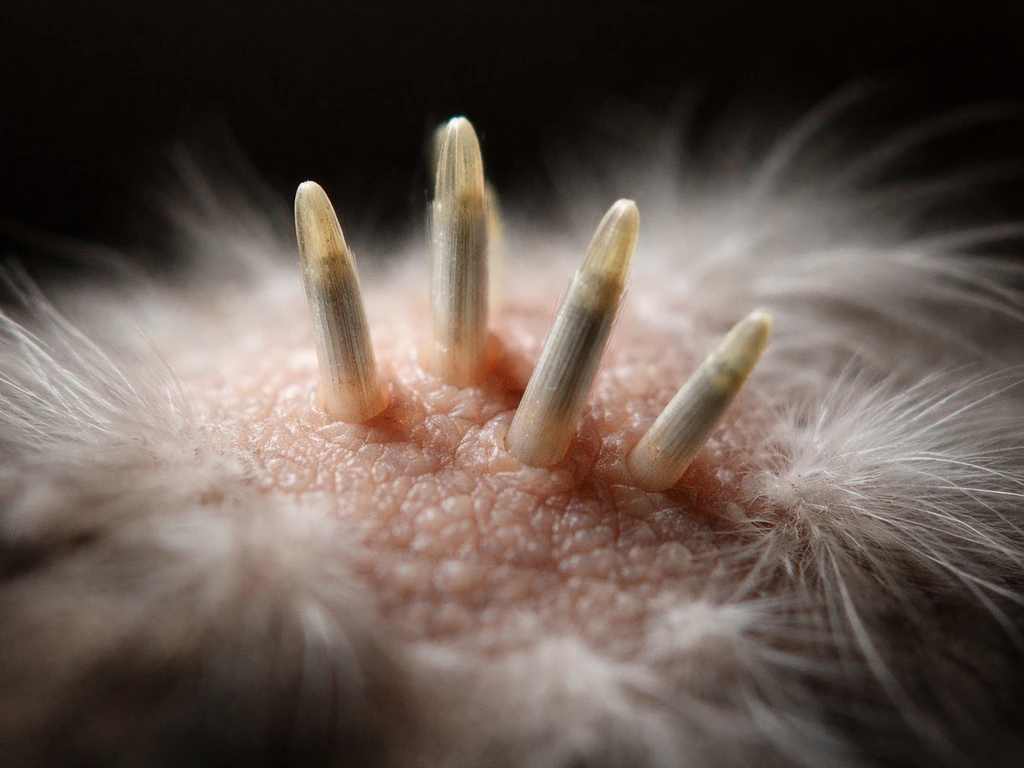
The feather itself is built from keratin, the same tough protein found in your fingernails, assembled upward from the base of the follicle outward through the skin. The whole process is cyclical: follicles go through growth phases, rest phases, and shed phases, which is what molting actually is. Understanding that cycle is the key to understanding everything else about feather growth.
Where feathers actually form: the follicle
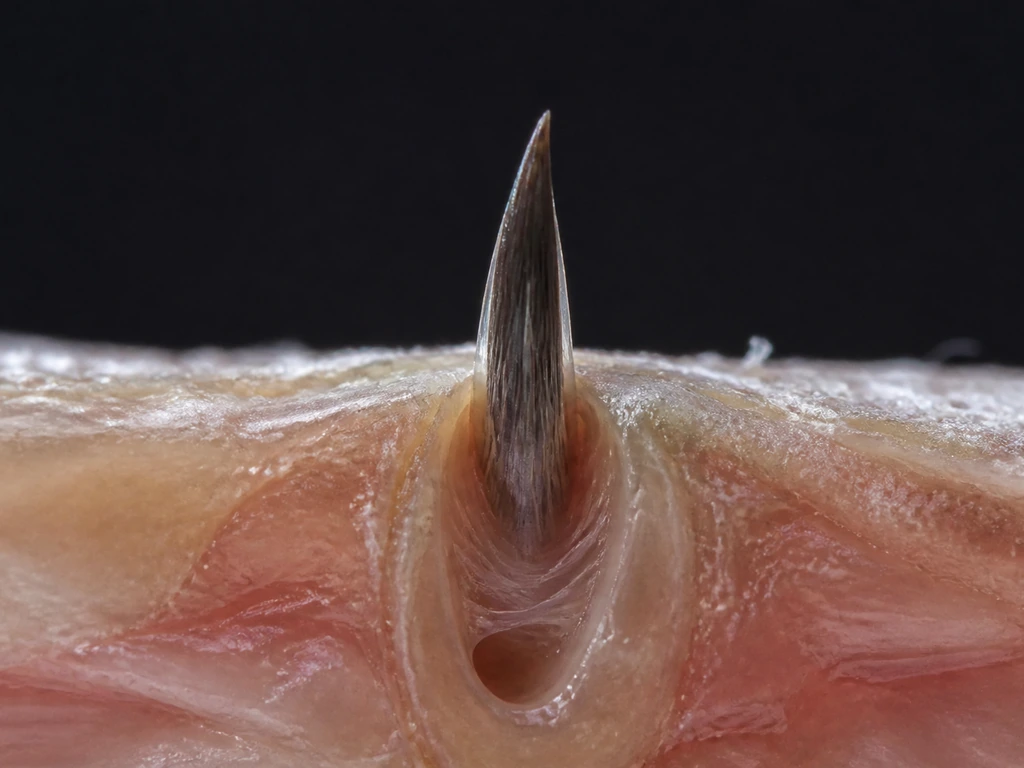
Every feather on a bird traces back to a specific follicle embedded in the skin. These aren't random openings; they form at precise locations during embryonic development through a coordinated back-and-forth between two tissue types: the epidermis (the outer skin layer) and the dermis beneath it. The bird nest fern is named for the way its fronds arch and form a nest-like rosette, which is a reminder that plants also have growth centers and cycles that shape their form.
The epidermal cells organize into a small raised structure called a placode, and underneath it, dermal cells cluster together to form the dermal papilla. Think of the dermal papilla as the foreman of the project. It sends chemical signals upward that instruct the epidermal cells exactly what to build and when.
Once the follicle is established, it stays in the skin for the life of the bird. It doesn't disappear between molts; it just goes quiet. When conditions are right, the dermal papilla wakes back up and starts the next round of feather production. This is why a feather that falls out during molting can be replaced by a new one growing from the exact same spot. The follicle is a permanent organ, not a one-time structure.
The follicle cycle and what molting really means
Molting is not feathers just falling out randomly. It is the feather follicle completing a tightly regulated biological cycle. Scientists describe this cycle using phases borrowed from hair biology, and they map onto bird follicles surprisingly well. Here is how each phase works in practice:
- Anagen (growth phase): The dermal papilla is active, the follicle is supplied with blood, and a new feather is being built upward. This is the phase you can observe as a pin feather.
- Catagen (transition phase): Growth slows, the follicle begins to remodel itself, and the feather is nearing completion.
- Telogen (resting phase): The feather is fully grown and sitting in the follicle. The blood supply has withdrawn. The bird is between molts.
- Exogen (shed phase): The old feather is released from the follicle, which then re-enters anagen and starts growing the next feather.
Most people think of molting as just "losing feathers," but the loss is actually the final step of the previous cycle, not the beginning of the next one. The new feather often starts growing almost immediately after the old one drops. In most wild birds, molt happens once or twice a year and is triggered by changes in day length (photoperiod). In captive birds with controlled lighting, this timing can shift or become irregular, which is one reason pet birds sometimes seem to molt unexpectedly.
Pin feathers: what they are and how a feather actually builds itself
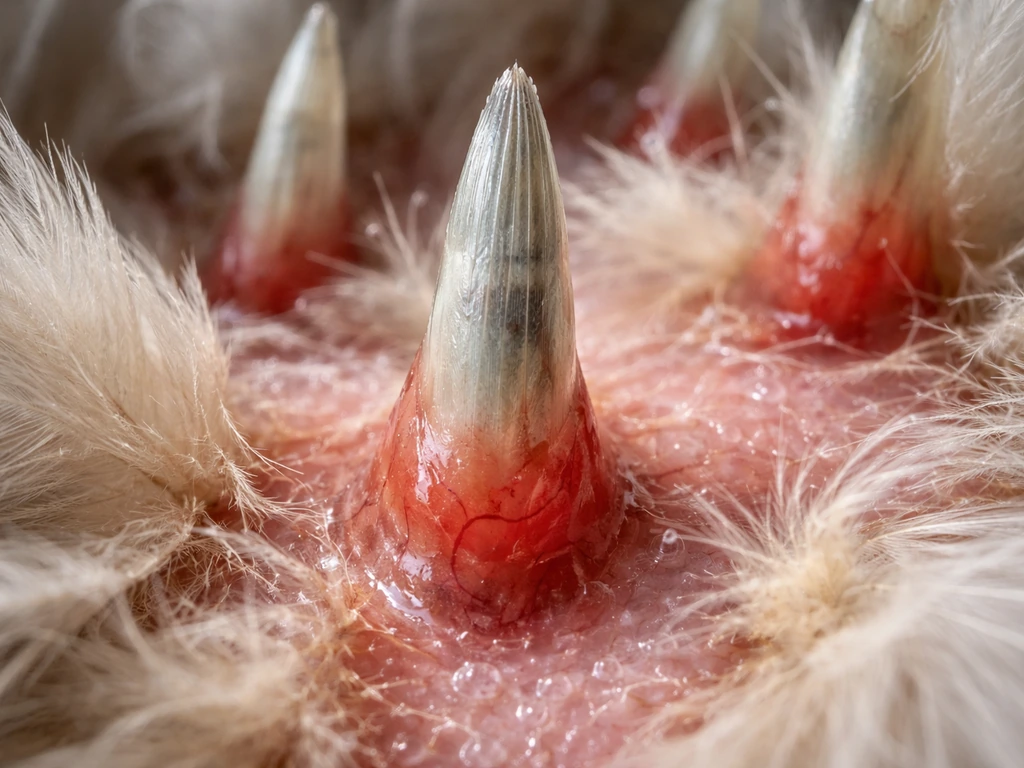
A pin feather, also called a blood feather, is what you are looking at when a new feather is in its anagen phase and actively growing. The name comes from the fact that the feather shaft is still supplied with blood at this stage, which gives it a dark, almost bluish or reddish appearance at the base. The [developing feather is encased in a tight keratin sheath](https://www. nature.
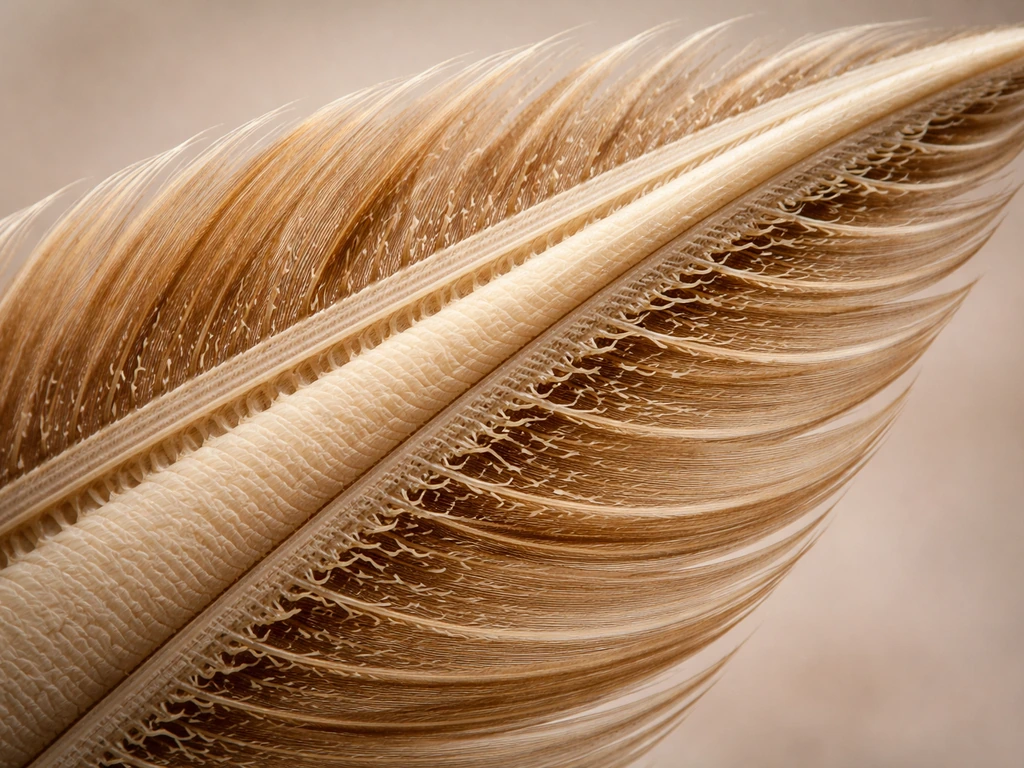
com/articles/s42003-020-01467-2) that looks like a waxy tube or quill stub coming out of the skin. Inside that sheath, the feather's structure, including its rachis (the central shaft), barbs, and barbules, is being assembled from the base upward. These newly formed feather parts are ultimately made largely from keratin, which is why feather structure matters.
As the feather matures, the blood supply gradually retreats toward the base. The sheath at the tip starts to crack and flake away, revealing the finished barbs beneath. Birds preen the sheath off themselves, and flock-mates often help with feathers in hard-to-reach spots like the head. This is one reason you'll see birds preening each other; it is not just bonding, it is practical maintenance. The feather is not considered fully grown until the blood supply at the base has completely withdrawn and the sheath is gone.
One important handling note: pin feathers are sensitive and fragile. They have a live blood supply, so breaking one can cause real bleeding and real pain. If you have a pet bird going through molt, avoid handling pin feathers directly. A broken blood feather sometimes requires veterinary attention if it won't stop bleeding.
How long feather regrowth actually takes
This is the question every bird owner asks, and the honest answer is: it varies a lot. Species, age, which feathers were lost, and the bird's overall health all affect the timeline. That said, here are realistic ranges based on what is known:
| Bird type | Typical molt/regrowth duration | Notes |
|---|---|---|
| Budgerigars | 6 to 10 weeks | Continuous partial molt; rarely lose all feathers at once |
| Parrots (psittacines generally) | 6 to 8 weeks for a full molt | Pin sheaths soften and flake off progressively |
| Chickens | 8 to 12 weeks, sometimes up to 16 | Older or stressed hens tend toward the longer end |
| Most songbirds | Roughly 6 to 8 weeks for annual molt | Flight feathers may take longer than body feathers |
Age matters here too. Juvenile birds go through what is called a juvenal plumage phase, where down is replaced by their first real feathers. This transition involves a burst of follicle activity that looks different from adult molting and can seem rapid and uneven. Adult birds generally have a more predictable, gradual molt. Older birds, particularly those under stress or with nutritional deficiencies, can take noticeably longer for full regrowth, sometimes stretching a molt to four months or more.
Flight feathers (primaries and secondaries on the wings) typically take longer to fully regrow than body contour feathers, simply because they are larger and require more material. If a bird has had its flight feathers clipped, regrowth follows the molt cycle, meaning the bird may need to go through a full molt before those feathers are replaced. Pet owners often expect regrowth in days and are surprised when it takes months.
What affects feather growth quality and speed
Nutrition
Feathers are almost entirely protein, so dietary protein is foundational. Feather cleanliness depends on factors like skin oils, dust, and whether the bird can preen effectively. A bird that isn't getting enough high-quality protein will produce weaker feathers, grow them more slowly, or show stress bars (thin horizontal lines across feather barbs that mark a period of nutritional stress during growth). Beyond protein, specific micronutrients matter: [biotin deficiency in birds is directly linked to poor feathering and skin problems](https://www.
merckvetmanual. com/management-and-nutrition/nutrition-small-animals/nutritional-requirements-of-small-animals? mredirectid=2389&ruleredirectid=30), and zinc deficiency causes feathering abnormalities in poultry. Vitamins A and D play roles in skin and immune health that indirectly support follicle function.
The simplest fix for pet birds is feeding a nutritionally complete pellet-based diet rather than a seed-only diet, which is notoriously deficient in several of these nutrients.
Stress and hormones
Stress hormones can disrupt the follicle cycle. A bird that experiences chronic stress, whether from loud environments, a bully cage-mate, illness, or poor husbandry, may go through irregular molts, produce poor-quality feathers, or begin feather-damaging behavior. The endocrine connection runs deep: hormones like prolactin, and signals tied to gonadal activity, are directly involved in controlling when molt starts and stops. Thyroid dysfunction, for instance, is associated with poor feather quality and infrequent molting in birds.
Photoperiod and season
Day length is the main environmental clock birds use to time their molts. In the wild, shortening days in late summer signal the start of the post-breeding molt in many species. In captive birds kept under artificial or inconsistent lighting, this signal gets muddled. Some aviculturists intentionally manage light cycles to influence molt timing, but for most pet bird owners, keeping a consistent light schedule (roughly 10 to 12 hours of light per day) is the practical takeaway.
Skin and follicle health
Bacterial and fungal infections in feather follicles can physically block or deform new feather growth. Mites and other ectoparasites cause skin irritation that disrupts normal preening and can damage follicles directly. A follicle that is repeatedly traumatized, whether by infection, self-plucking, or injury, can eventually lose its ability to produce a feather entirely. Chronic feather plucking is one of the most common ways captive birds permanently damage their own follicles.
How to support healthy feather growth (practical steps)

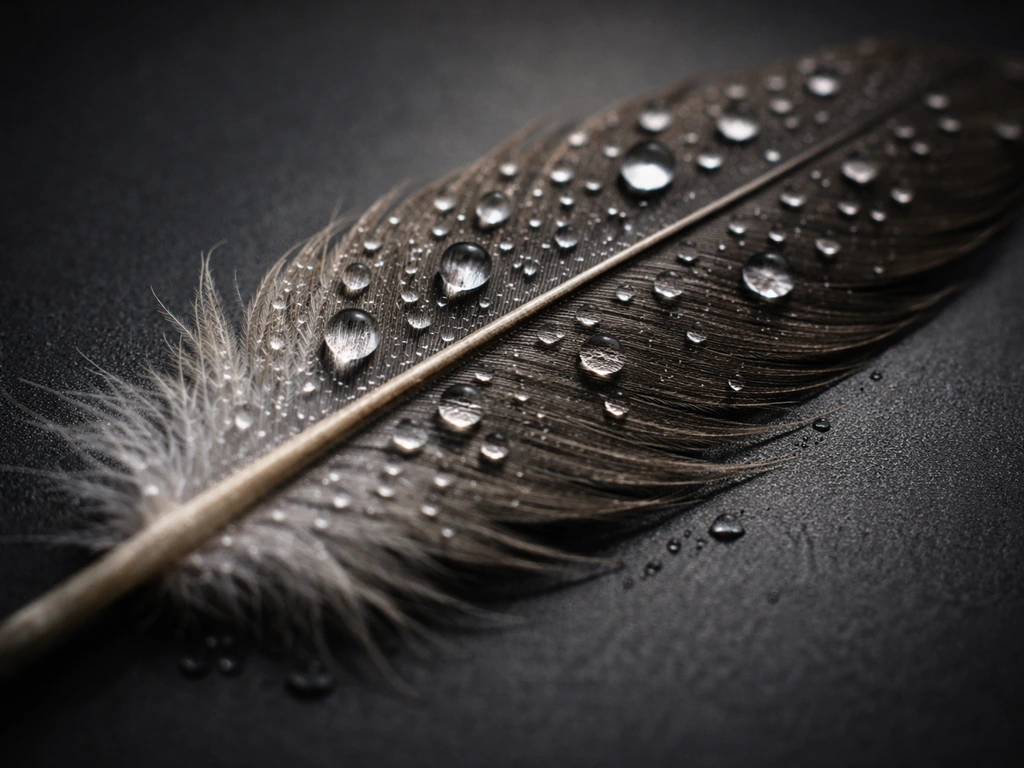
For pet bird owners, most of what you can do to support healthy feather growth comes down to consistent, good husbandry rather than any special intervention. These feather structures also help explain whether bird feathers are waterproof and how well they repel water are bird feathers waterproof. Here is what actually makes a difference:
- Switch to a pellet-based diet if you haven't already. Seeds are fine as a supplement but shouldn't be the whole diet. Pellets formulated for your bird's species are designed to cover the micronutrient gaps that all-seed diets leave, including the ones tied to feather health.
- Don't randomly add vitamin supplements unless a vet has identified a specific deficiency. Oversupplementing fat-soluble vitamins like A and D can cause toxicity. Let a complete diet do the work.
- Keep a consistent light schedule. Aim for 10 to 12 hours of light and 12 to 14 hours of darkness per day, roughly mimicking natural cycles. Erratic lighting disrupts the hormonal signals that regulate molt.
- Offer regular bathing or misting opportunities. Bathing supports normal preening behavior, which helps birds shed pin-feather sheaths and maintain feather structure. A light misting with room-temperature water two to three times a week works well for most species.
- Provide environmental enrichment. Boredom and under-stimulation are major drivers of feather-damaging behavior in parrots. Foraging toys, varied perches, and regular interaction reduce the risk of birds turning their attention to their own feathers.
- Minimize unnecessary stressors. New animals, sudden schedule changes, loud machinery nearby, and frequent handling during molt can all add up. During active molt, birds are often more sensitive and irritable, and that is normal.
- Leave pin feathers alone. Resist the urge to peel sheaths off maturing pin feathers. Let the bird handle it through preening. Only intervene (with vet guidance) if a blood feather breaks and does not stop bleeding.
When feather growth looks abnormal: warning signs
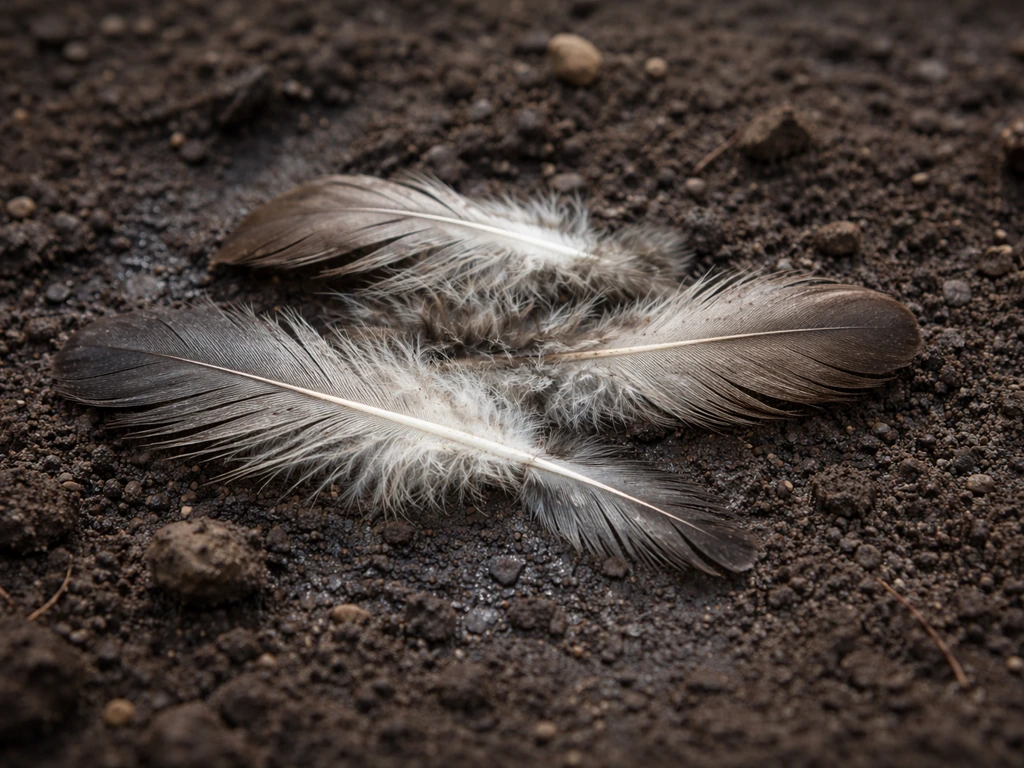
Normal molt produces gradual, somewhat symmetrical feather replacement. Feathers are lost and replaced in a predictable sequence, which keeps the bird functional (especially its flight capability) throughout the process. If something looks off, it is worth paying attention to. After the molt cycle ends, the shed bird feathers themselves can decompose under the right conditions, such as moisture and microbial activity. Here are the signs that something beyond normal molt is happening:
- Feather loss in areas the bird cannot reach with its own beak (top of the head, back of the neck): this strongly suggests another bird or animal is doing the plucking, or there is a skin condition causing the loss.
- Abnormal-looking pin feathers: deformed, discolored, or stunted pin feathers that don't open normally can indicate follicle infection, nutritional deficiency, or systemic illness.
- Absence of powder down in species that normally produce it (cockatoos, African grey parrots, cockatiels): reduced powder is a red flag for psittacine beak and feather disease (PBFD) and warrants immediate vet evaluation.
- Feathers not growing back after what seems like a full molt cycle: if bare patches remain for more than 10 to 12 weeks without new feather emergence, veterinary diagnostics are warranted.
- Self-plucking behavior: birds that are removing their own feathers need a vet visit, not just environmental tweaks. Medical causes including mites, skin infections, hormonal imbalance, and systemic disease must be ruled out before concluding it is behavioral.
- Stress bars across multiple feathers: frequent stress lines suggest ongoing nutritional or health problems during feather growth, not just a one-time event.
- Infrequent or absent molts: birds that seem to never molt, or that have persistently dull and worn plumage without replacement, can have thyroid or other hormonal issues.
The key point is that feather problems are rarely cosmetic. Skin and feather abnormalities are often the first visible sign that something is wrong internally or environmentally. A board-certified avian veterinarian can run skin scrapings to check for mites, culture the skin for bacterial or fungal infections, assess nutritional status, and evaluate hormonal function. Getting that workup done early matters because repeated follicle trauma, especially from chronic self-plucking, can permanently close off a follicle's ability to produce new feathers. Once that happens, the damage is irreversible.
What normal regrowth looks like: a realistic timeline
If you are watching a bird go through molt or recovering from feather loss, here is roughly what to expect at each stage. Keep in mind this is a general guide; timing varies by species, the size of the feathers involved, and the bird's health.
| Timeframe | What you typically observe |
|---|---|
| Days 1 to 5 | Old feather drops; follicle is in early anagen; nothing visible externally yet |
| Week 1 to 2 | Pin feather tip becomes visible as a small dark stub emerging from the skin |
| Week 2 to 4 | Pin feather elongates; blood supply visible at base; sheath intact; feather is sensitive |
| Week 4 to 6 | Sheath starts cracking at tip; barbs begin to emerge; bird preens actively |
| Week 6 to 10 | Sheath fully shed; feather reaches mature size; blood supply withdrawn; normal appearance restored |
| Week 10 to 16+ | In older birds, stressed birds, or large flight feathers, full regrowth may extend into this range |
One thing that surprises a lot of people is how uneven molt can look mid-process. Seeing a bird with patches of pin feathers alongside mature plumage is completely normal. Birds don't replace all feathers at once; they do it in a staggered sequence that keeps them functional. That slightly scrappy, half-finished appearance during molt is not a sign anything is wrong. It just means the process is underway, and patience is the main thing required. If you are also wondering why bird nest fern grow on trees, it comes down to their epiphytic lifestyle and need for bright, airy conditions.
FAQ
If my bird had flight feathers clipped, how do those feathers regrow compared with normal molt?
Yes, but regrowth timing depends on whether the follicle cycle is already in progress. If you clip wings and then the bird molts naturally, those flight feathers follow the same molt phases as other feathers, so you may need to wait until the next cycle reaches the primaries and secondaries rather than seeing rapid regrowth right away.
How can I tell whether uneven feather loss is normal molt versus something more serious?
Birds can shed damaged or old keratin sheaths at different speeds, so the surface can look “off” even when follicles are healthy. A better indicator is whether you see new shafts forming beneath, and whether pin feathers develop blood bases before the sheath cracks and flakes off later.
What should I do if I accidentally break a pin (blood) feather?
Because blood feathers can bleed heavily, stop handling immediately if one is broken or you notice a widening dark spot or drooping shaft. Keep the bird in a calm, warm environment and contact an avian vet if bleeding does not slow quickly or the feather area becomes swollen or infected.
If I improve my bird’s diet, when should I expect changes in feather growth?
Nutrition can influence the cycle, but sudden changes usually do not show up overnight. If you recently switched diet, give it time and watch for improvements in skin quality and feather structure at the next growth stage, since feathers reflect stress during the period they were forming.
Is it okay to use supplements, or is pellet food really necessary for good feather regrowth?
No. Seed-only diets often lack enough amino acids and key micronutrients, so birds may molt but produce poorer feather quality or long, irregular regrowth. A nutritionally complete pellet-based diet, offered consistently (plus species-appropriate supplements only if needed), supports steadier follicle output.
Can I control molt by changing my bird’s lighting schedule, and what mistakes should I avoid?
Light schedule changes can trigger molt timing, but the response varies by species and prior condition. For most pet birds, consistency matters more than experimenting, and abrupt light changes can lead to irregular feathering or feather-damaging behavior during the stress response.
How do I connect behavioral or environmental stress to what I’m seeing in the feathers?
Stress can be intermittent, and it often shows up as problems that match the timing of that stress window, such as weaker feathers or visible stress bars later. If the environment, social setup, or health status has recently changed, that history can help interpret the feather quality you see now.
Can a bird permanently stop growing feathers in an area after chronic feather plucking or infection?
Yes, repeated follicle trauma can permanently reduce feather output even if the bird later receives correct nutrition and care. This is especially common with chronic plucking, persistent itch from mites or infection, or repeated injury to the same region, so early diagnosis can preserve follicle function.
What does it mean if my bird gets pin feathers, but they never seem to turn into normal mature feathers?
Sometimes. If a bird starts producing pin feathers but they fail to develop past the sheath stage, that can suggest a local issue such as parasites, fungal or bacterial involvement, or ongoing irritation that blocks normal assembly. Vet evaluation is particularly important when pin feathers are repeatedly present but never mature.
How do I know whether a bald patch will fill in during the same molt cycle or won’t regrow?
Not all feather “holes” are the same. A true follicle problem typically looks like repeated failure to generate new shafts from that specific spot, whereas normal molt timing usually involves staggered coverage and gradual replacement. Photographs of the same area over weeks can help distinguish persistent absence from normal stagger.