
Yes, bird feathers are dirty in a technical sense, but probably not in the way you're picturing. A wild bird feather you find on the ground carries dust, pollen, preen oil residue, and a community of bacteria that live on the feather's keratin surface. That said, a feather from a healthy bird that was preening regularly is far cleaner than most surfaces you touch every day. The bigger risks come from specific pathogens like Salmonella or avian influenza that can hitchhike on feathers, especially from sick or dead birds. So the real answer is: feathers are biologically impure, handling one without washing your hands afterward is a bad idea, but finding a single feather won't make you sick if you take basic precautions.
Are Bird Feathers Dirty? How Clean They Are and When to Clean

Marcus Chen
1 May 2026
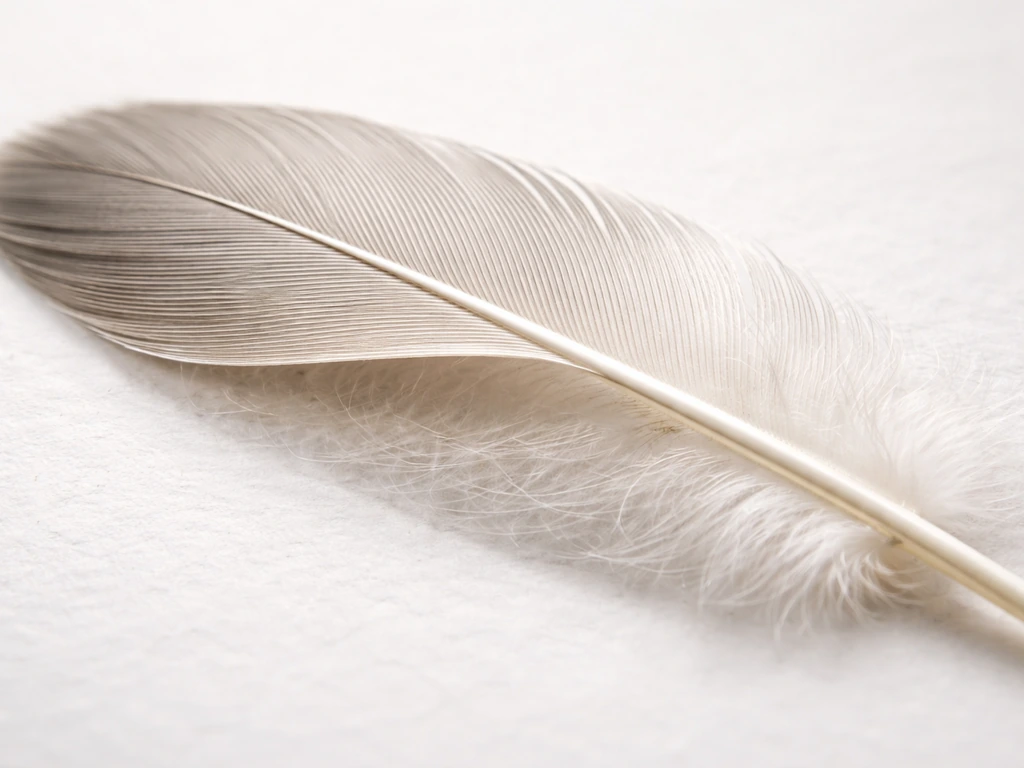
What "dirty" actually means when we talk about feathers
When most people ask if bird feathers are dirty, they usually mean one of two things: are they visibly grimy, or are they crawling with germs? Both are legitimate concerns, and the answer to each is different.
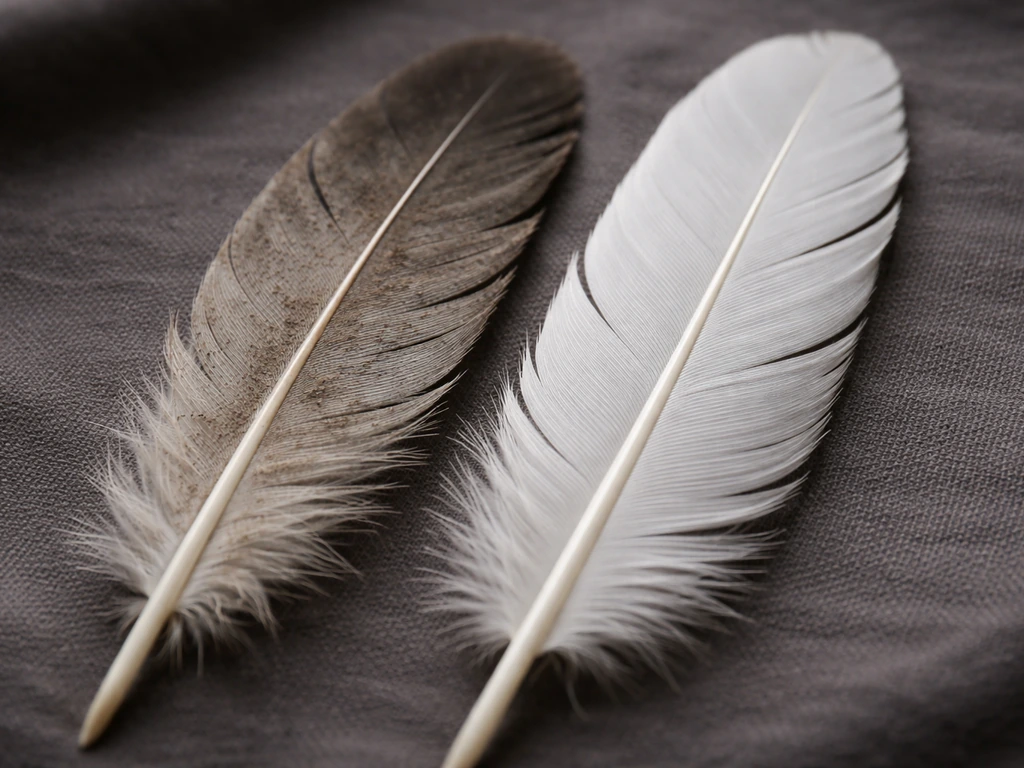
Visible grime is real but uneven. A feather from a mud-foraging wader looks different from one dropped by a songbird in a clean suburban yard. Feathers pick up whatever environment a bird moves through: dirt, dust, plant pollen, oils from skin contact, and bits of food or nesting material. Some of that is cosmetic. Some of it matters biologically.
The microbial side is less visible but more relevant to your health. Feathers have a protein structure made of keratin (the same material as your fingernails), and that surface is colonized by bacteria. Bird feathers are made of keratin, the same protein found in your fingernails. A 2005 study on wild bird feathers established that feather-associated microbes are definitely present, but also noted that the full range of bacterial species living on wild plumage is still not well characterized. A 2005 study of wild bird plumage reported prevalence and genetic diversity of feather-associated Bacillus, including keratin-degrading contexts, based on sampling wild-caught birds’ feathers blank" rel="noopener noreferrer">feather-associated microbes are definitely present. That honest uncertainty matters: we know something is there, we just don't always know exactly what. This is worth keeping in mind rather than dismissing or catastrophizing.
How clean are wild bird feathers in practice
Wild feathers sit at the dirtier end of the spectrum compared to feathers from captive or domestic birds. Here's what typically accumulates on them:
- Bacteria: feather-degrading bacteria like Bacillus species break down keratin directly, and other bacterial groups from soil, water, and the bird's own skin are commonly found
- Fungi and mold spores: especially on feathers from waterfowl or birds in humid environments
- Preen oil: birds apply this themselves from the uropygial gland near the tail. It's not a contaminant in the harmful sense, but it does make feathers feel greasy and attract particulate matter
- External parasites: feather lice (Mallophaga) and feather mites live on many wild birds; a shed feather can still carry eggs or live individuals
- Environmental particles: pollen, dust, pesticide residues (if the bird lives near agricultural land), heavy metals in urban environments
- Fecal bacteria: birds' digestive and reproductive systems share a single exit point (the cloaca), so some fecal contamination on tail and rump feathers is common
Feathers from domestic or captive birds (poultry, pet parrots, etc.) have a different contamination profile. They're more likely to carry known agricultural pathogens like Campylobacter or Salmonella from farm environments, but less likely to carry the unpredictable range of wildlife pathogens. Neither is inherently safer: just different.
Do bird feathers actually need to be cleaned
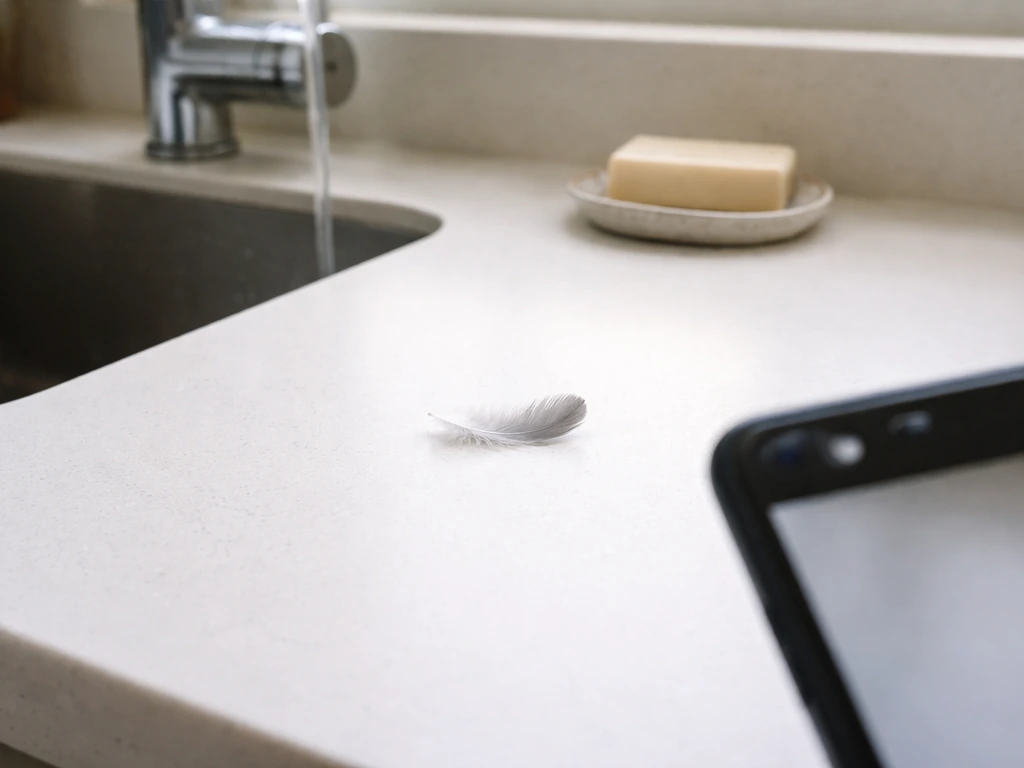
This depends entirely on what you're doing with the feather. Here's how to think about it:
| Situation | Cleaning needed? | What to do |
|---|---|---|
| You picked one up and put it down | No | Just wash your hands with soap and water |
| You want to photograph or observe it | No | Handle minimally, wash hands after |
| Using for an art or craft project | Yes, recommended | Low-heat drying and gentle surface cleaning (see below) |
| Collecting for display or storage | Yes, strongly recommended | Full cleaning and drying protocol |
| Found near a dead or sick bird | Avoid entirely | Do not handle; dispose safely if necessary |
| Child handled it at length | N/A | Wash child's hands immediately and thoroughly |
The cleaning question also matters for the feather itself. Feathers are not just inert decorative objects. They're precision structures with interlocking barbs and barbules that give them their shape, waterproofing ability, and insulating properties. Aggressive cleaning (hot water, bleach, rough scrubbing) destroys that structure. So when cleaning is warranted, gentle is the only approach that preserves the feather at all.
How birds keep their feathers clean without any help from us
Birds are not passive about feather hygiene. Preening is the main maintenance behavior, and most birds do it for several hours a day. During preening, a bird uses its beak to realign displaced barbs, remove parasites, redistribute preen oil from the uropygial gland, and remove loose debris. It's genuinely impressive when you watch it closely: the bird is essentially zipping the feather structure back together, barb by barb.
Preen oil (also called uropygial oil) gets a lot of attention. Preen oil is also the substance people mean when they ask how emu oil is extracted from the bird. It has mild antibacterial and antifungal properties, which helps suppress the growth of feather-degrading microbes. It also gives feathers water-repellent properties. That connection is why many feathers resist water in normal conditions, even though they can still carry microbes water-repellent properties. This is closely tied to whether bird feathers are waterproof, which is a separate but related topic worth understanding if you want the full picture of how feathers function.
Beyond preening, many birds dust-bathe or water-bathe to dislodge parasites and loose debris. Some species (like some raptors) sun themselves in ways that may help reduce microbial loads. The point is: a healthy wild bird is actively managing feather cleanliness as a survival function, not as an aesthetic one. A bird nest fern is a distinctive houseplant with fronds that grow from a central cup, where debris and water can collect. A feather that's already been shed is no longer part of that system.
Safe ways to handle feathers without spreading germs
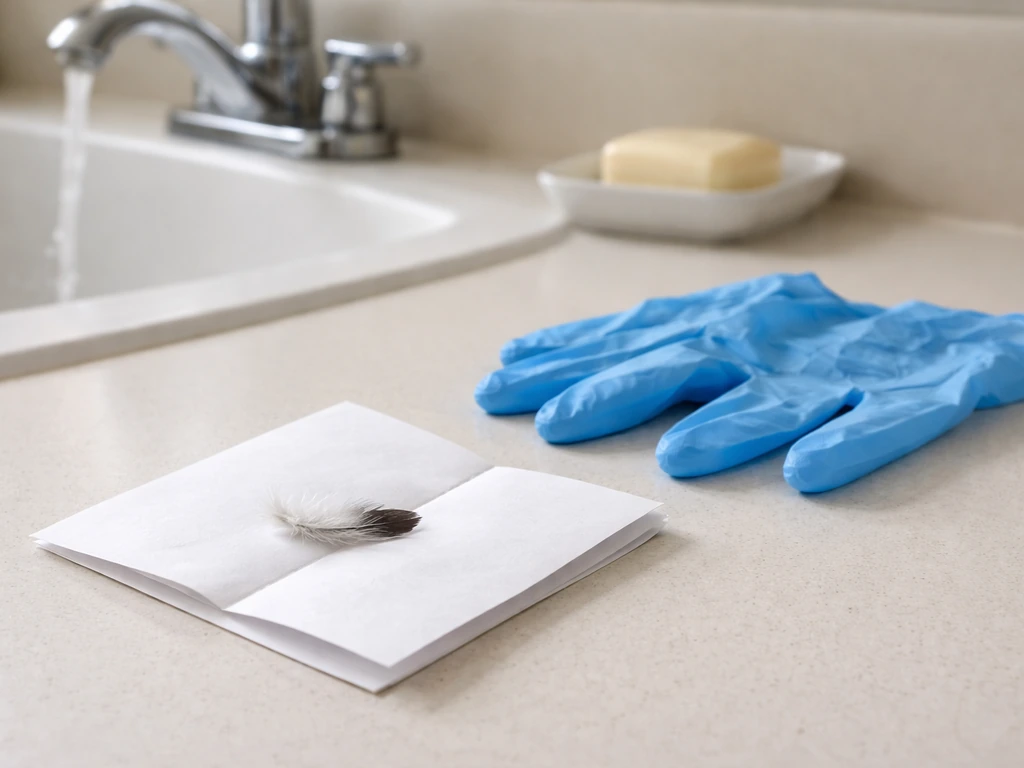
The single most important thing you can do is wash your hands afterward. That sounds boring, but it genuinely handles most of the risk for casual, brief handling. Beyond that, here are practical steps for different levels of contact:
- Pick up feathers with gloves or a folded piece of paper if you want to be cautious, especially if you have cuts on your hands or a compromised immune system
- Avoid touching your face, eyes, or mouth while handling any feather
- Keep feathers away from food preparation surfaces
- If a feather has visible feces, mold, or insects on it, treat it as higher-risk: either avoid it or wear disposable gloves
- Wash hands with soap and water for at least 20 seconds after handling
- If children are involved, make hand-washing non-negotiable immediately after they're done looking at the feather
For collectors who handle feathers frequently, gloves and a dedicated storage space (sealed container or bag) are worth the minor effort. Keeping feathers away from other soft furnishings also reduces the chance of spreading any mites or eggs that might have survived on the feather.
If you do need to clean a feather: a practical step-by-step
Before cleaning anything, understand that water damages feather structure if applied aggressively or with heat. The goal is to reduce microbial load and remove surface debris without destroying the barb structure that makes a feather look like a feather.
- Wear disposable gloves throughout the process
- Inspect the feather first: if it has visible mold, heavy insect activity, or came from near a dead animal, skip cleaning and dispose of it
- Shake or gently brush off loose debris with a soft dry brush, working tip to base
- For surface dirt: prepare a bowl of lukewarm water with a tiny drop of mild dish soap. Do not use hot water, bleach, or alcohol, as these strip preen oil residue and damage the barbule hooks that hold the feather structure together
- Submerge briefly and gently swirl. Do not scrub
- Rinse once in clean lukewarm water
- Pat lightly with a paper towel, then allow to air dry flat or hanging at room temperature. Do not use a hair dryer on high heat; if needed, use the lowest cool-air setting from a distance
- Once fully dry, gently reshape barbs by running your fingers along the feather from shaft outward, mimicking what a bird's beak does when preening
This process handles most cosmetic cleaning needs and reduces surface bacterial load. It does not sterilize the feather, and it's not designed to. If you need a fully sterile feather for a medical or scientific purpose, that's outside DIY territory.
When to skip DIY entirely
There are a few situations where you should not handle, clean, or keep a feather, regardless of how interesting or beautiful it is.
- The feather came from near a dead bird: risk of avian influenza (H5N1 and related strains remain active in wild bird populations as of 2026), Salmonella, and Newcastle disease is meaningfully higher
- The bird appeared sick before you found the feather: matted, disoriented, or lethargic birds are more likely to carry transmissible pathogens
- You live in an area with a known avian flu outbreak: local health advisories take priority over any general guidance here
- You're immunocompromised, pregnant, or handling feathers on behalf of a young child or elderly person: the risk-to-benefit ratio shifts significantly
- The feather belongs to a protected species: in the United States, the Migratory Bird Treaty Act makes it illegal to possess feathers from most wild native birds, even ones you find on the ground. This applies to over 1,000 species. Cleaning and keeping a red-tailed hawk feather, for example, is a federal offense regardless of how you obtained it
That last point surprises a lot of people. It surprised me too when I first looked it up. The law exists to prevent demand for wild bird feathers from driving poaching, but it applies even to naturally shed feathers. A Congressional Research Service report on the Migratory Bird Treaty Act (MBTA) summarizes legal issues, including prohibitions that affect possession of migratory bird parts legal prohibitions affecting possession of migratory bird parts under the Migratory Bird Treaty Act. When in doubt, photograph it and leave it. You get the memory, none of the legal or health complications.
Understanding why feathers are structured the way they are (their keratin composition, how they grow, and how they break down after death) gives you a much better instinct for handling them appropriately. You might also be wondering why bird nest fern grow on trees, since this plant has an unusual epiphytic lifestyle tied to how it gets moisture and nutrients from the air. That growth process also explains why feathers can change color, thickness, and shape over time how do bird feathers grow. After a bird dies, the keratin in its feathers does decompose over time, but it is a slow process do bird feathers decompose. If you're wondering whether feathers grow back after molting or damage, that depends on the bird's molt cycle and how the feather was affected do feathers grow back. Feathers are biological objects, not inert craft materials, and treating them that way is both safer and more interesting.
FAQ
If I touch a wild feather, do I need to wash my hands every time, even if it looks clean?
Yes, it is still a good idea. Even feathers that look dust-free can have preen oil residue, pollen, and microbes on the keratin surface. A quick hand wash after handling, before you eat or touch your face, covers most of the casual risk.
Are bird feathers dirty in the same way as bird droppings?
Not usually. Droppings are more directly associated with fecal pathogens, while a shed feather is more likely to pick up environmental dust, pollen, skin contact oils, and a general mix of microbes. That said, feathers from sick or dead birds can still carry higher-risk organisms.
Can one feather make me sick if I just pick it up and keep it?
The risk from a single brief handling is generally low for healthy people if you avoid touching your face and wash your hands afterward. Higher risk comes from extended handling, touching eyes or mouth, or dealing with feathers from visibly sick or dead birds.
What should I do if the feather came from a dead or sick bird?
Avoid handling it directly. If you must dispose of it, use gloves or a barrier (like paper) and then seal it in a bag. Wash hands thoroughly afterward, and do not shake the feather, since that can aerosolize loose debris and microbes.
Is it safer to wear gloves when handling feathers, or is washing hands still necessary?
Gloves reduce direct contact but do not make the feather “clean.” You still should wash your hands after removing gloves, especially because gloves can pick up contamination on the outside and transfer it when you take them off.
How can I clean a feather without damaging it, and what should I avoid?
Use gentle surface cleaning only. Avoid hot water, bleach, soaking, and rough scrubbing, because these can disrupt the interlocking barb structure and ruin waterproofing and insulation. If you are just removing loose dust, light brushing and minimal moisture are safer than any sanitizing soak.
Does washing or wiping a feather sterilize it?
No. Gentle cleaning is mainly for reducing surface debris and microbial load, not for sterilization. If you truly need a sterile item for medical or lab use, you typically need a controlled process you should not attempt at home.
Are feathers from domestic birds less dirty than wild feathers?
They often have a different contamination profile. Domestic birds can carry agriculture-associated pathogens depending on the source and husbandry conditions, while wild feathers have more variable environmental wildlife-associated microbes. Neither category is automatically “safe,” it is just different risk mixtures.
Do feathers stay infectious after drying, or does it get better over time?
It can improve, but you cannot rely on time alone. Microbes and residues can persist on keratin surfaces, and drying does not guarantee safety. Storage in a sealed container and limiting handling are more reliable than assuming the feather becomes harmless after a while.
Is it legal to keep naturally shed wild bird feathers in my country?
Often it is, but rules vary by location and by species. Some jurisdictions restrict possession if it could contribute to poaching, even for naturally shed feathers. When you are unsure, document the feather and check local wildlife regulations before keeping or selling it.
What is the best storage method if I want to keep feathers for a collection?
Use a sealed container or bag to reduce dust exposure and cross-contamination with bedding or clothing. Keep them separate from fabric items if possible, since mites or eggs (if present) can spread. Labeling with where and when you found or received each feather can also help with risk assessment later.
If I get feather dust on furniture or clothes, do I need to sanitize everything?
Usually not, but do not ignore it. Vacuum or wipe the area with a damp disposable cloth, and launder any washable items if they picked up visible dust. Avoid dry sweeping or shaking the feather, since it spreads fine particles into the room.