
Bird feathers are water-resistant, not fully waterproof. If you are also looking into plant ferns, you might be wondering what is bird nest fern and why it grows in a rosette form. That distinction matters more than it sounds. Most birds can shed rain and brief water contact without any real problem, but if feathers become genuinely waterlogged, they clump together, lose their insulating air pockets, and a bird can lose body heat fast. The good news is that feather structure is surprisingly sophisticated, and for many species it works so well that water simply beads up and rolls off before it ever gets a chance to soak in.
Are Bird Feathers Waterproof? How Water-Resistant They Are

Marcus Chen
27 May 2026
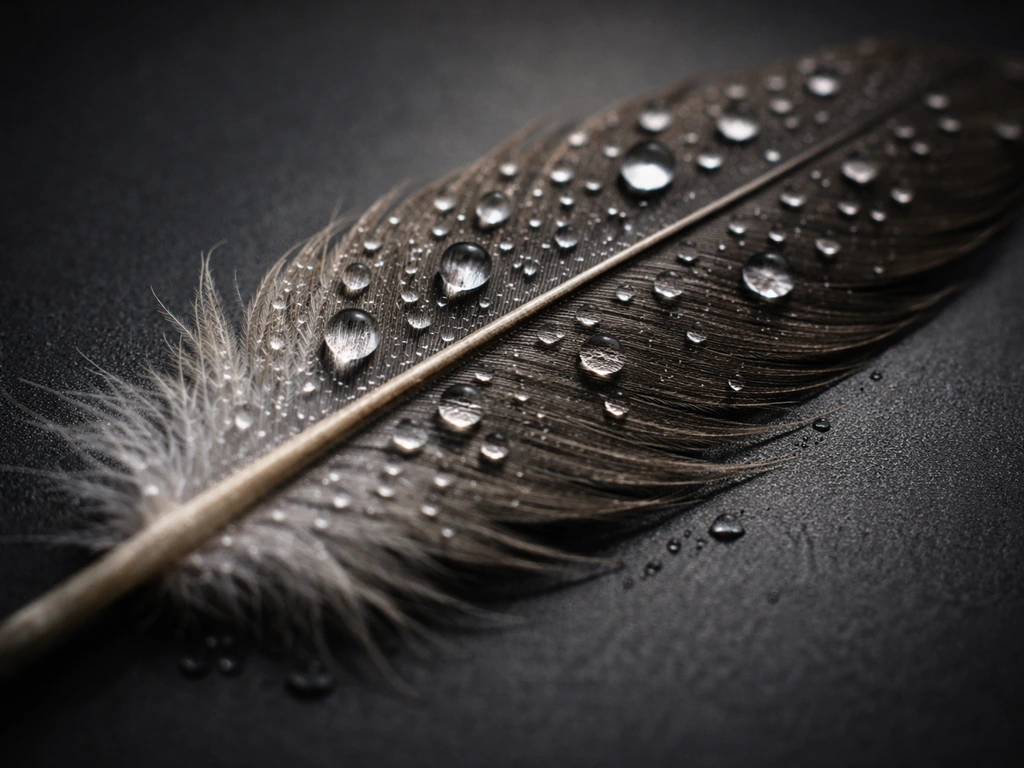
Waterproof vs. water-resistant: what's the real difference?
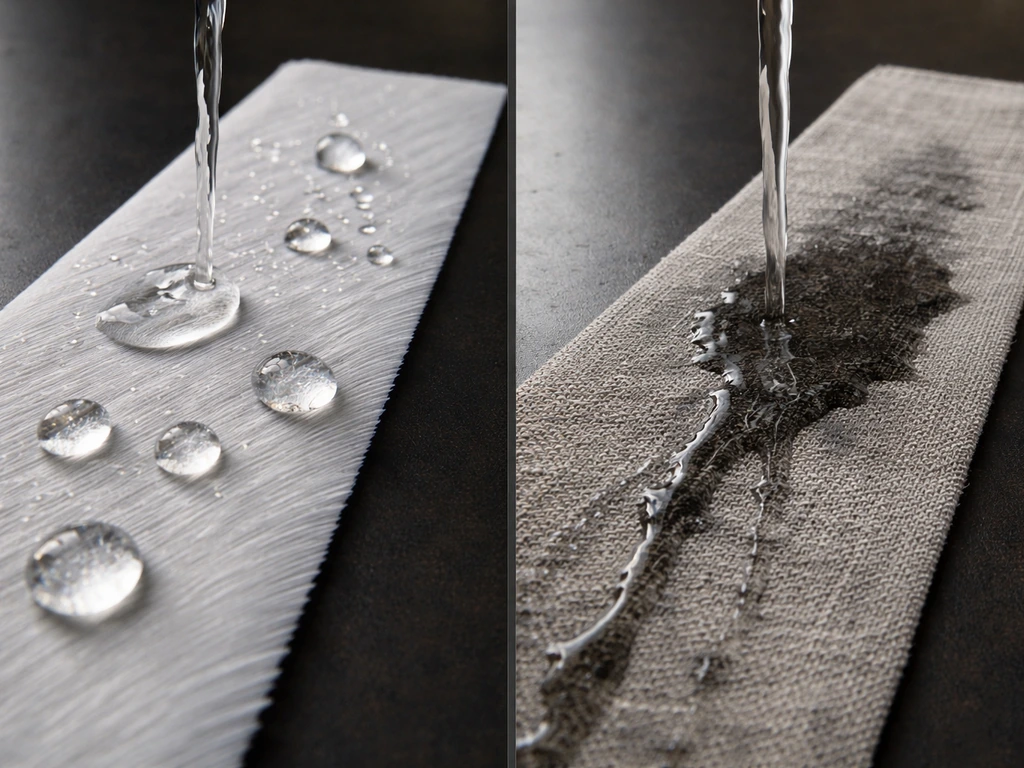
"Waterproof" would mean water cannot penetrate at all, under any conditions. Feathers don't quite reach that bar. What they do instead is resist wetting through a combination of physical structure and surface chemistry, which in practice keeps most birds dry and functional through rain, splashing, and even brief submersion. The technical term researchers use is "water-repellent," and for most land birds that's exactly what you see: droplets bead up on the surface and roll off rather than soaking through.
Aquatic birds like ducks, cormorants, and diving species push this further. Their feathers are engineered to handle prolonged contact with water, and research shows that after a dive, their plumage can actually shed water spontaneously once they surface, a process driven by the physics of how air is trapped within the feather's micro-structure. A 2014 study describes this as feather water behavior in “composite wetting states,” where droplets sit on a hydrophobic microstructure while tiny air pockets are trapped within barbules, enabling spontaneous dewetting after emergence in diving birds Quantification of feather structure, wettability and resistance to liquid penetration. Even so, cormorants are famous for standing with their wings spread to dry them out, which tells you even the best avian waterproofing has its limits.
How feather structure controls water behavior
The waterproofing in a feather isn't a coating you can see. It's built into the architecture of the feather itself, which is worth understanding because it changes how you think about what feathers actually are. If you've read about what bird feathers are made of, you'll know they're built from keratin, the same protein in your fingernails. Since feathers are made of keratin, understanding the structure and chemistry helps explain how they repel water. But the structure is what does the real work here.
A feather has a central shaft called the rachis. Branching off that are barbs, and off each barb are even smaller branches called barbules. The barbules on adjacent barbs hook together like tiny zippers, creating a dense, flat mesh. That mesh is the key: the gaps between interlocked barbules are small enough that surface tension prevents liquid water from passing through. Water droplets sit on top of this mesh, touching the tips of the barbules but not penetrating between them. Researchers describe this as a "composite wetting state" (sometimes called the Cassie-Baxter state), where tiny air pockets trapped within the barbule structure keep the water from making full contact with the feather surface.
For diving birds, the geometry gets even more precise. Studies have found that densely spaced barbules with a low spacing ratio are what allow the feather to maintain that air-trapping state under the pressure of a dive, and then recover after the bird surfaces. It's a passive, structural system, no moving parts required.
Why preening and oils matter (but aren't the whole story)
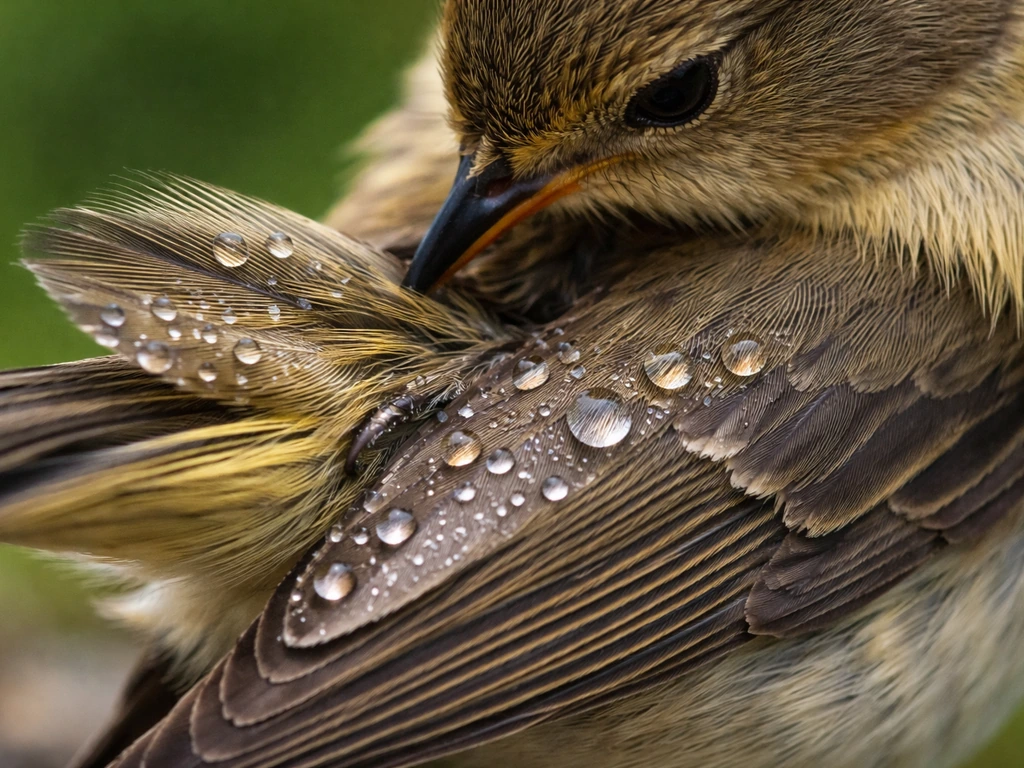
Most people have heard that birds produce oil from a gland near the base of their tail called the uropygial gland (or preen gland), and that spreading this oil over feathers is what makes them waterproof. Emu oil, often used as a traditional remedy, is extracted from emu fat through a rendering process before it is filtered emu oil extraction. That's a common oversimplification. Preening oil does add water repellency by increasing the water contact angle on the feather surface, pushing it above 90 degrees, which is the threshold at which water droplets tend to bead and roll rather than spread and soak. But research is clear that oil alone isn't sufficient. The physical structure of the feather has to be intact and properly aligned for waterproofing to work. International Bird Rescue notes that waterproofing works mainly through the feather's hierarchical barb and barbule alignment creating a mesh and trapped air, not by oil alone blank" rel="noopener noreferrer">oil alone isn't sufficient.
Think of it this way: if you flatten or damage the barbules so that the zipped mesh falls apart, no amount of oil will compensate. The structural geometry has to be right first. Oil then enhances the hydrophobic (water-repelling) chemistry of that surface. That's why birds spend so much time preening: they're not just applying oil, they're also realigning and re-zipping those barbules every time the feather gets ruffled or disorganized.
This is also why oil spills are so catastrophic for seabirds. When petroleum-based oil contaminates feathers, it doesn't just add more grease. It disrupts the structural arrangement of the barbules and coats the surfaces in a way that prevents the normal Cassie-Baxter air-trapping state from forming. The feather becomes wettable, water penetrates, and the bird loses insulation almost immediately. Cleaning a contaminated bird requires removing that contaminant residue entirely so the feather structure can function again.
What actually happens when feathers get wet
When water resistance fails and feathers become genuinely waterlogged, a few things happen in sequence and they compound each other quickly. When that happens, the feathers do not truly decompose right away, but their structure and insulating performance break down quickly do bird feathers decompose. First, the barbules lose their structural arrangement and the feather clumps. Instead of a flat, airy mesh, you get a dense, matted surface with no trapped air. That air is what gives feathers their insulating value: down feathers in particular trap warm air close to the bird's body, and when they're compressed and wet, that insulation collapses entirely.
Second, wet feathers are heavier. For a small bird, even a modest increase in wing loading can affect flight performance. A bird trying to escape a predator or forage efficiently while its feathers are waterlogged is working significantly harder than normal. Third, and most urgently for the bird, heat loss accelerates. Water conducts heat away from the body far more efficiently than air does, so a waterlogged bird in cool weather can lose body temperature faster than it can generate it. Small birds are especially vulnerable because they have a high surface area to volume ratio to begin with.
How to tell if feathers are waterlogged in real life
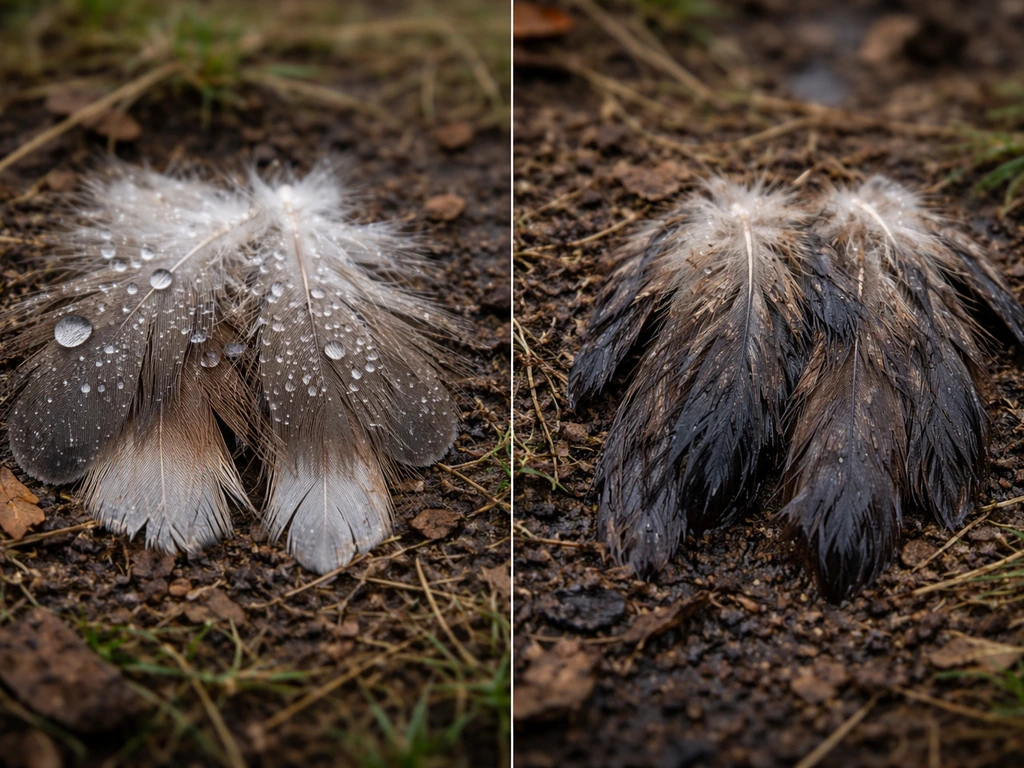
If you spot a bird that looks wet, here's how to read what you're actually seeing. There's a meaningful difference between a bird that looks damp on the surface and one that's genuinely waterlogged. If you suspect a bird's feathers are dirty, look for changes in how well they shed water, because contamination can interfere with waterproofing dirty bird feathers.
| What you observe | What it likely means |
|---|---|
| Water beading on the surface, feathers still look smooth and organized | Normal water resistance working correctly |
| Feathers look slightly damp but bird is moving and behaving normally | Surface wetting only, insulation likely intact |
| Feathers visibly clumped or spiked, body shape looks irregular | Structural arrangement disrupted, possible waterlogging |
| Bird appears fluffed and lethargic, not moving away from you | Heat loss likely occurring, bird may be in distress |
| Feathers matted flat and separated, skin may be visible | Feathers fully saturated, potential hypothermia risk |
A healthy bird that got caught in rain will usually shake itself, preen briefly, and look normal within minutes. A bird that's been in prolonged water contact or that has compromised plumage (from contamination, injury, or illness) won't recover as fast. Lethargy is the key warning sign: a bird that isn't actively trying to escape your presence is telling you something is wrong.
When you find a wet bird: what to do next
If you come across a bird that appears waterlogged or distressed rather than just damp, the first and most important thing is to avoid the assumption that you can fix it yourself by drying it with a hair dryer or toweling it off. Both of those approaches can damage the feather structure further, stress the bird, or cause overheating. The goal is to stabilize, not intervene.
- Do not handle the bird unless it is clearly unable to move or in immediate danger. Stress alone can be fatal to small birds.
- If the bird must be contained, place it in a cardboard box with air holes in a quiet, warm (not hot) room. Do not add water or food unless you're directed to by a wildlife rehabilitator.
- Contact a local wildlife rehabilitator or bird rescue organization as soon as possible. They have the tools, knowledge, and legal authorization to treat wild birds.
- If you suspect petroleum oil contamination specifically, do not attempt to clean it yourself. Improper cleaning can damage feather structure further and cause the bird to lose more heat. This is a job for trained rehabilitators.
- While waiting for help, keep the bird calm and at a stable temperature. Avoid bright lights and noise.
One thing worth keeping in mind: a bird sitting in the rain or standing in shallow water isn't automatically in trouble. Many species, including herons, ducks, and gulls, spend most of their lives in wet conditions and their plumage handles it fine. The concern is a bird that looks distressed, can't fly, is unusually approachable, or has visibly clumped and matted feathers. Normal wet birds shake it off, quite literally, and get on with their day.
The bigger picture on feather biology
Feather waterproofing is one piece of a much more integrated system. Feathers also regulate body temperature, enable flight, provide camouflage, and play roles in communication and mating. The water-resistance function depends on the feather being structurally intact, which connects directly to how feathers grow and how they're maintained through preening. Birds also rely on how feathers grow, which is closely related to other growth and attachment strategies in nature, such as how bird nest fern can grow on trees. Because feathers are made of keratin and are essentially dead structures once fully grown, they can't self-repair the way skin does. How do bird feathers grow? It comes down to how new keratin structures form during feather development and then become a fixed, non-regenerating layer until molting. A barbule that's been physically broken or chemically disrupted stays that way until the feather is molted and replaced. If feathers have been damaged or broken, they will only be replaced when the bird molts, so you should not expect them to grow back instantly.
That's a useful frame for understanding why preening is such a constant behavior in birds. It's not just grooming. It's structural maintenance of a system that keeps the bird alive: warm, dry, and airworthy. The next time you watch a bird methodically working through its feathers, it's doing something a lot more sophisticated than it looks.
FAQ
If feathers are water-repellent, why do birds still preen so much after rain?
Preening oil helps droplets bead, but it cannot restore the microscopic “zipped” barbule mesh if it is physically broken or chemically contaminated. If you see feathers that clump, look matted, or stop shedding water, the issue is usually structural damage or contamination rather than “not enough oil.”
How can I tell if a bird is merely damp versus actually waterlogged?
A feather can look wet on the outside yet still be mostly functional if water is sitting as droplets over the surface. True waterlogging usually shows clumping, loss of the normal layered look, and slower recovery (the bird does not shake and re-fluff back to normal within a few minutes).
What should I do if I find a bird that looks wet, can I dry it at home?
Hair dryers, towels, and rubbing can disrupt barbule alignment and trap moisture in the feather structure. If you must help, the safest approach is to keep the bird warm and quiet, minimize handling, and contact a wildlife rehabilitator for species-appropriate drying and care.
If a bird’s feathers get damaged in wet weather, will they grow back waterproof quickly?
Yes, feathers can stay compromised until molt because fully formed keratin structures do not regenerate. If a barbule is torn or the mesh is chemically altered, it typically will not “heal,” it will be replaced later during the next molt cycle.
Are all bird species equally waterproof, or do some handle rain better?
Some birds tolerate water better because their feather structure and preening routines are adapted to their habitat. For example, diving birds recover air-trapping after dives more effectively, but even they can become impaired if feathers are stained or the mesh is disrupted.
Why are oil spills more dangerous than just rain for seabirds’ feathers?
Oil-based residues, including many petroleum products, are especially disruptive because they prevent the feather from returning to its normal air-trapping wetting state. Even after the visible oil is gone, leftover residue can keep the plumage more wettable than it should be.
Can continuous rain still make a feathering system fail even if it’s designed to repel water?
Bright or heavy rain can overwhelm the feather’s ability to keep droplets beading if the bird is exposed long enough or repeatedly. Signs to look for are clumped feathers, reduced movement, difficulty flying, and unusually close approach rather than just “standing in the rain.”
What role does feather dirt play in waterproofing failure?
Dirty feathers may shed water poorly because grime can change surface chemistry and physically interfere with how droplets sit on the mesh. In practice, a bird with contamination may look damp longer and may not recover quickly with a normal shake and brief preen.
After a dive, how long should it take for a water bird to look “normal” again?
If feathers are structurally intact, brief submersion often leads to shedding and recovery, but repeated dives, long cold exposure, or impaired plumage can combine into a bigger problem. A key edge case is when the bird cannot regain its normal fluffed alignment and actively behaves lethargically.
Can a bird be in danger even if its feathers still repel water?
Water is only one stressor. Even with good water-repellent feathers, a bird can become chilled if it is also injured, malnourished, or has an illness that limits thermoregulation and preening. Lethargy and lack of escape behavior are more reliable concern signals than wet appearance alone.