
Yes, bird feathers do decompose, but they do it slowly and on their own timeline. A bird nest fern (Asplenium nidus) is a tropical fern known for its distinctive, nest-like fronds that curl from a central cup. A feather sitting on wet soil in a warm garden will break down noticeably within a few months to a year. That same feather dropped into a landfill or left in a dry, sealed environment might look recognizable for several years. The key variable is keratin, the tough structural protein feathers are built from, which resists microbial attack far better than most organic matter. So the honest answer is: feathers biodegrade, just not quickly or reliably in every setting.
Do Bird Feathers Decompose? Timelines and Practical Disposal

Marcus Chen
2 Jul 2026
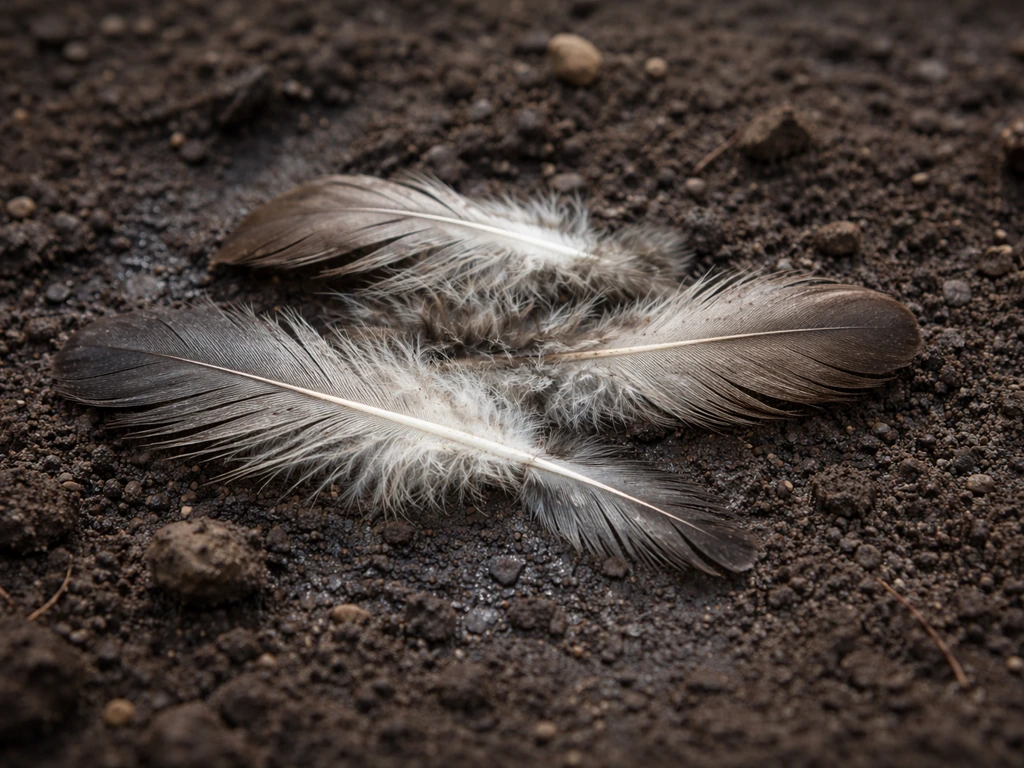
What feathers are actually made of, and why that slows things down
Feathers are made almost entirely of beta-keratin, a fibrous protein that birds (and reptiles) produce instead of the alpha-keratin found in human hair and nails. The difference matters because beta-keratin is organized into an exceptionally tight, laminated microstructure. The central shaft, called the rachis, branches into barbs, which branch again into tiny barbules, and all of it is built from these blank" rel="noopener noreferrer">densely packed keratin fibers cross-linked by disulfide bonds. If you want a deep look at how that structure is assembled, the article on what bird feathers are made of covers the anatomy in detail.
That cross-linked structure is exactly what makes feathers so difficult to break down. Most soil microbes and fungi that handle organic matter in compost or forest floors produce enzymes designed to attack sugars, fats, or simple proteins. Keratin requires specialized keratinolytic enzymes, which are far less common in typical outdoor environments. Feathers also receive a coating of preen oil, which birds apply during grooming to maintain waterproofing.
That oily layer repels moisture, and since most microbial decomposition requires water to get into the material, preen-oiled feathers are even more resistant at first. As keratin ages, those disulfide cross-links do start to break down chemically, which gradually weakens the structure and makes feathers more susceptible to physical damage and microbial entry. But that initial resistance is the main reason feathers outlast a piece of fruit or a leaf by a wide margin.
What actually controls how fast a feather breaks down
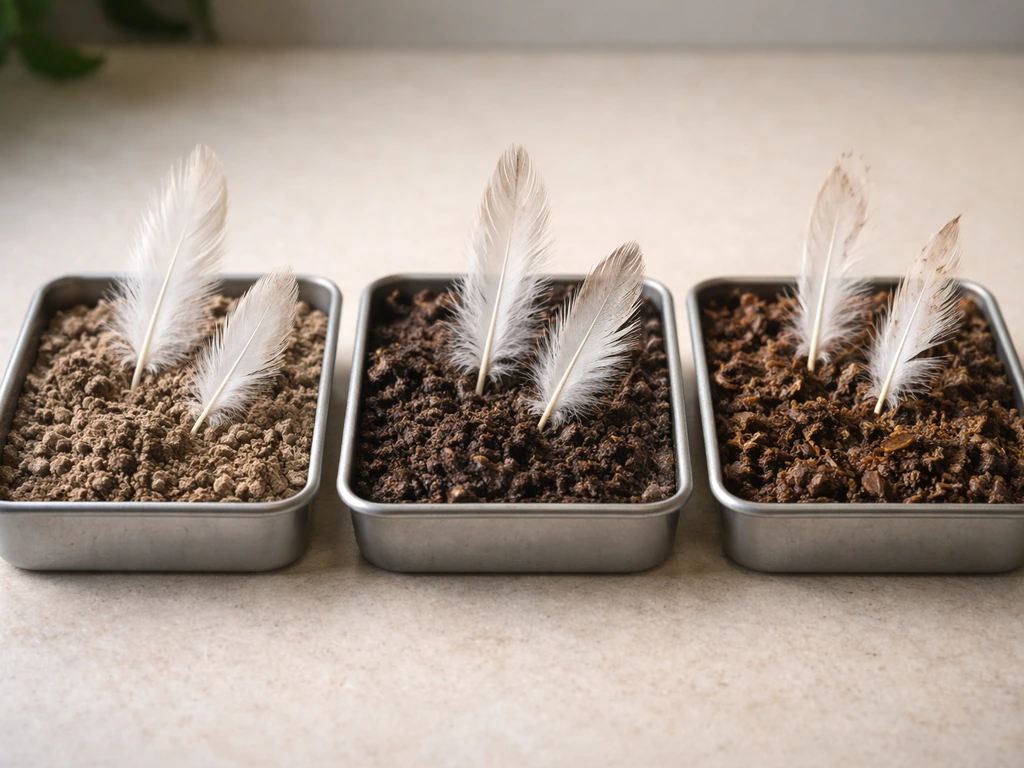
Decomposition is driven by microbes, and microbes need the right conditions to work. For feathers specifically, these four factors matter most:
- Moisture: Water is the single biggest accelerant. A feather sitting in consistently damp soil decomposes dramatically faster than one in a dry climate or on a covered surface. Moisture softens the keratin structure, helps keratinolytic bacteria and fungi gain a foothold, and speeds up the chemical breakdown of those cross-links.
- Temperature: Warmer temperatures speed up microbial metabolism. Feathers in tropical or subtropical climates break down faster than feathers in cold, dry regions. A compost pile running at 130 to 160 degrees Fahrenheit will process feathers much faster than a cool outdoor pile.
- Oxygen exposure: Aerobic decomposition (with oxygen) is generally faster and cleaner than anaerobic breakdown (without oxygen, like in a sealed landfill). A feather buried shallow in loose, aerated soil decomposes faster than one packed deep in an airless environment.
- Burial vs. surface exposure: Buried feathers come into more consistent contact with soil microbes and stay moist longer, which accelerates breakdown. Feathers left on a dry surface in sunlight may dry out and essentially mummify rather than decompose, lasting years in that state.
- Microbial community: Not all soils or compost piles have the same populations of keratin-digesting microbes. Soils near bird nesting sites or farms often have more keratinolytic bacteria simply because feathers are common there.
Realistic timelines: how long feathers take to break down
There is no single answer here, and I want to be upfront about that. A 10-year feather degradation experiment documented in scientific literature found that feathers retained recognizable structure for surprisingly long periods, which tells you something about how resistant keratin really is. That said, here are reasonable ballpark ranges based on environment:
| Environment | Approximate Timeline | Key Variable |
|---|---|---|
| Active hot compost pile | 1 to 6 months | Temperature, moisture, turning frequency |
| Moist outdoor soil (buried) | 6 months to 2 years | Soil microbial community, moisture level |
| Moist outdoor soil (surface) | 1 to 3 years | Drying cycles, UV exposure, animal activity |
| Dry outdoor surface or arid climate | Several years or longer | Very little microbial activity without moisture |
| Landfill (anaerobic, sealed) | Decades or more | Lack of oxygen and moisture access |
| Museum or dry indoor storage | Potentially centuries | No microbial activity, minimal humidity |
Museum collections actually illustrate this well. Preserved feather specimens from hundreds of years ago still hold together under the right storage conditions. That is not magic, it is just keratin doing what keratin does when moisture and microbes are kept away. On the other end of the spectrum, a pile of feathers left in a hot, rainy compost bin in summer will look noticeably degraded within weeks, even if full breakdown takes longer.
Where feathers end up in the real world
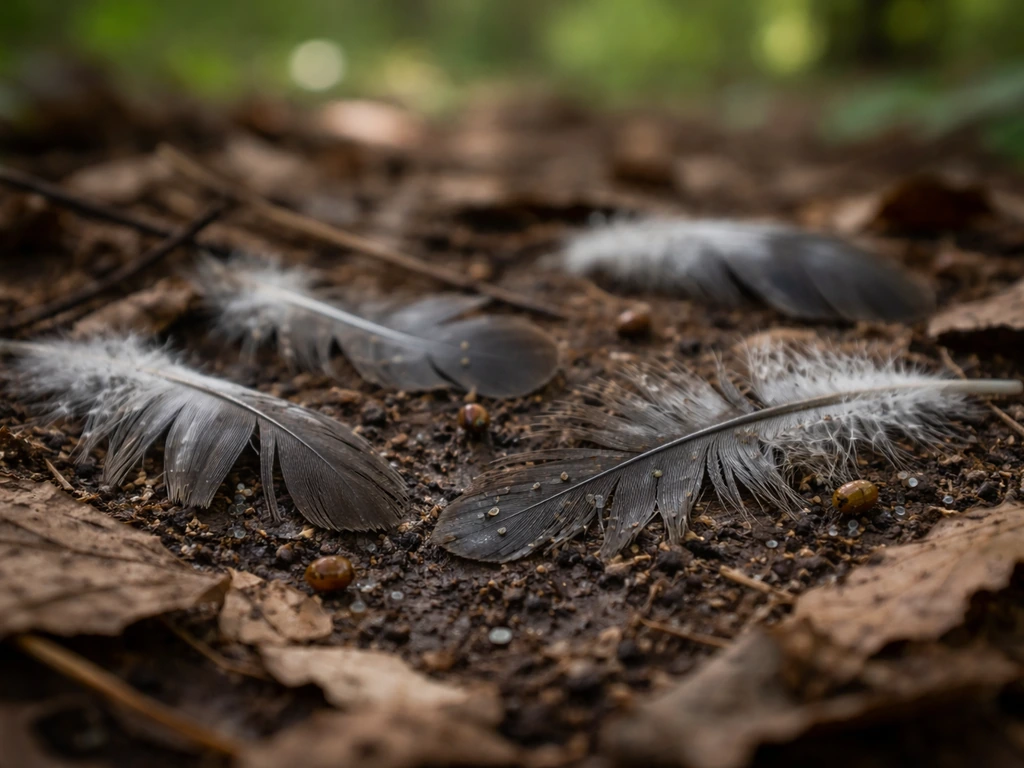
In nature, a molted feather landing in a forest or meadow faces several fates. Insects, particularly feather lice and certain beetle larvae, will consume keratin directly. Small mammals may carry feathers off for nesting material. UV radiation and physical weathering will gradually break the barbules apart.
And eventually, if conditions are right, soil bacteria and fungi will finish the job, returning the nitrogen and sulfur in keratin back to the soil. Feathers are actually a decent nitrogen source when they do fully break down, which is why composted feather meal is used as a slow-release fertilizer.
Emu oil extraction is typically done by processing emu fat, rendering it to separate the oil, and then filtering it for use nitrogen and sulfur in keratin back to the soil.
In waterways, feathers can travel significant distances before breaking down. The preen oil coating and the interlocking barbule structure that makes feathers waterproof (a topic worth reading about separately, since it is genuinely fascinating structurally) also makes them float and resist water infiltration for a long time. Ornithology Education notes that birds apply preen oil to feathers, and this oily layer helps make feathers waterproof by resisting water infiltration for a long time preen oil coating. Feathers in rivers or lakes tend to accumulate sediment, eventually sink, and decompose anaerobically in low-oxygen bottom mud, which slows things down considerably.
In a landfill, feathers are essentially preserved. Modern sanitary landfills are designed to minimize moisture and airflow, which is good for preventing leachate and gases, but it also means organic matter including feathers barely breaks down for decades. If you are thinking about sustainability, landfill disposal of feathers is the worst outcome for biodegradation.
What to do with feathers today: disposal and cleanup options
Whether you have found a pile of molted feathers in your yard, cleaned out a coop, or are dealing with a feather pillow at end of life, here are your practical options ranked by how well they support actual decomposition: Bird feathers themselves are made from living follicles, and the growth cycle determines when you see new feather development versus older feathers replacing them.
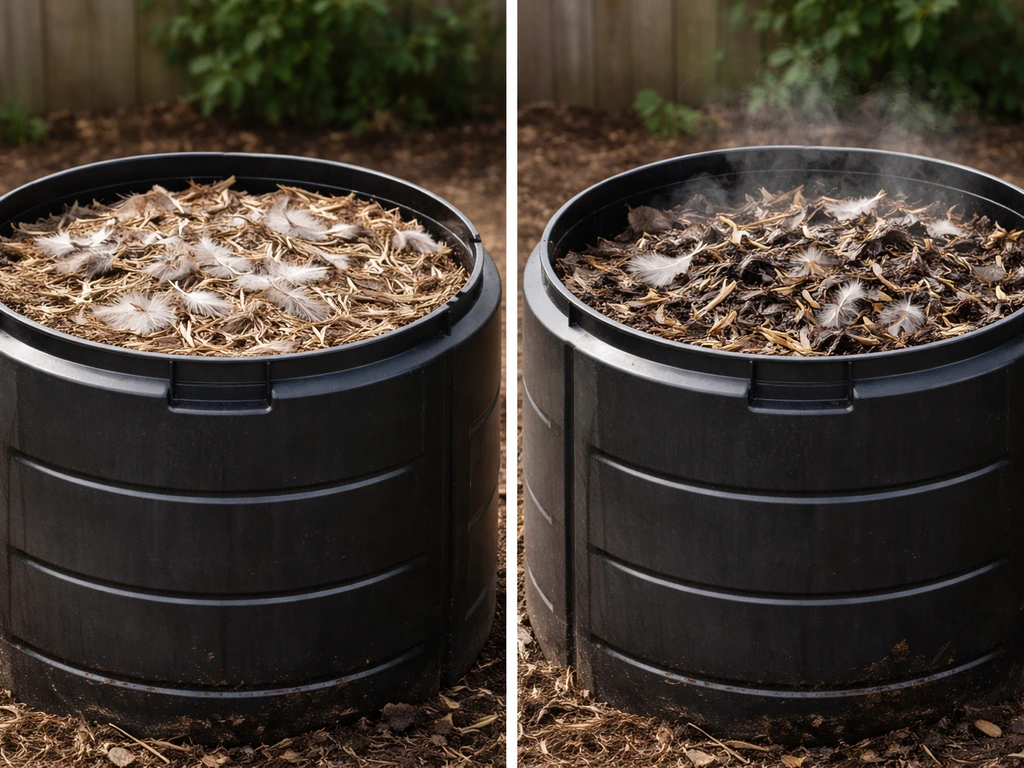
- Hot compost: This is the fastest and most effective option for yard or coop feathers. Bury feathers in an active compost pile with a good carbon-to-nitrogen balance. Shred or cut them first if possible, since smaller pieces have more surface area for microbial attack. Keep the pile moist (not soaking) and turn it regularly to maintain temperatures above 130 degrees Fahrenheit. Feathers composted this way can be largely broken down in a few months.
- Bury them in soil: Dig them into moist garden soil at least a few inches deep. They will break down more slowly than in hot compost but will still contribute nitrogen to the soil over time. Avoid burying near edible root vegetables if there are any contamination concerns (see below).
- Yard waste or green bin (if your municipality accepts it): Some municipal composting programs accept feathers. Check locally, because policies vary. Industrial composting facilities often run at higher temperatures than home setups, which speeds breakdown.
- Trash/landfill: This is fine from a safety standpoint but the worst outcome for decomposition. If the feathers are from a healthy bird and you just want them gone, bagging them for trash is perfectly reasonable.
- Leave them outdoors: For small amounts of naturally molted feathers in a yard or garden, you can simply leave them. They will break down on their own over months to years, and wildlife may make use of them in the meantime.
One important note on contamination: if you are dealing with feathers from a sick or dead bird, treat them differently. Because bird feathers can pick up grime and microbes, you may wonder whether are bird feathers dirty when you handle or dispose of them. Feathers can harbor bacteria, mold spores, and occasionally parasites.
Wear gloves when handling, bag them in a sealed bag, and err on the side of trash disposal rather than composting if you have any doubt about the bird's health. Feathers from healthy backyard chickens or naturally molted wild bird feathers are generally fine to compost.
If you are in the United States, also be aware that the Migratory Bird Treaty Act makes it illegal to possess feathers from most wild native bird species, so picking up and keeping them is a different conversation.
Common myths, weird smells, and what is actually going wrong
Myth: feathers never decompose
This one probably comes from seeing old feathers still intact in dry conditions. It is easy to conclude they are indestructible. But it is really just keratin doing what it does in the absence of moisture and microbes. Put those same feathers in the right conditions and they will absolutely break down. The fossil record preserving feather impressions for millions of years is genuinely impressive, but that involves exceptional burial conditions, not everyday backyard scenarios.
Myth: feathers break down like leaves or food scraps
On the other end, some people toss feathers into a basic compost bin and expect them gone in a few weeks like vegetable peels. They will not. Without heat, consistent moisture, and the right microbial community, feathers in a cool or passive compost pile may sit there looking largely intact for a year or more. This is not a failure, it is just keratin chemistry. Shredding them and keeping the pile hot helps a lot.
The smell problem
If feathers are producing a strong odor, what you are smelling is anaerobic bacterial activity, the same process that makes garbage smell bad. This happens when feathers are buried without enough oxygen, or packed in a wet pile without turning. It means breakdown is happening, but slowly and through the wrong microbial pathway. The fix is to aerate the pile, add dry carbon material like straw or cardboard, and turn it more frequently. The smell should subside as aerobic conditions improve.
Mold on feathers
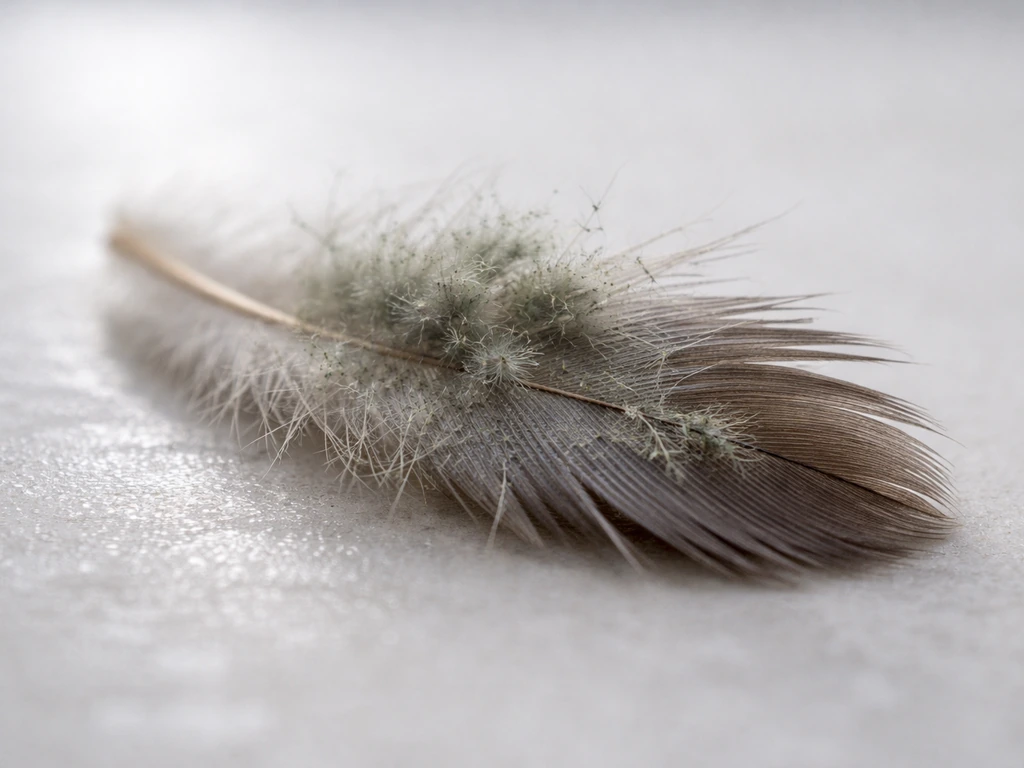
Visible mold on feathers is actually a sign that decomposition is starting. Certain fungi can produce keratinases, enzymes that break down keratin, and they often appear as surface mold on feathers in damp conditions. If you see mold and the feathers are in a compost pile, that is fine. If moldy feathers are in a space where animals or people spend time, clear them out and wash the area, since some mold species can be irritants.
Feathers attracting pests
Feathers can attract feather mites, dermestid beetles, and rodents (who use them for nesting). Because of how durable keratin is, bird nest fern does grow on trees where feather-like material can collect and stay protected bird nest fern grow on trees. A large pile of feathers left sitting outdoors is more likely to become a pest habitat than a neatly decomposing mass. Burying them or adding them to a managed compost pile reduces this risk significantly. If you are dealing with a large amount of feathers from a coop or processing situation, getting them into a sealed compost system quickly is the practical move.
Your next step depends on your situation
If you have a handful of naturally molted feathers in your yard, leave them or toss them in your compost and move on. If you are managing a flock and dealing with ongoing feather waste, set up a hot compost system specifically for it and shred feathers before adding them. If you are curious about the biology side of this, understanding how feathers are structured and how they grow puts the decomposition question in much better context, since the same features that make feathers extraordinary in life are exactly what makes them stubborn in death. Bird feathers can grow back after molting, but regrowth timing depends on the bird’s species, health, and feather type.
FAQ
Are bird feathers safe to compost if they came from a dead or sick bird?
Most feathers from healthy, naturally molted birds can be composted, but if the bird was dead from unknown causes or you suspect disease, switch to sealed trash disposal. Even when decomposition is slow, feathers can still carry viable mold spores or microbes, so you want to avoid putting them into a compost system you will later use around food plants.
Why do feathers stay intact in my compost bin, even after months?
Cold or passive composting often leaves feathers recognizable for a long time. For faster breakdown, use a hot system, keep moisture in the “wrung-out sponge” range, shred feathers into smaller pieces, and turn more often to maintain oxygen and heat.
What should I do if my feather compost smells bad?
If feathers smell strongly, assume anaerobic conditions. Aerate immediately by mixing and turning, add dry carbon (straw, shredded cardboard), and spread the pile rather than letting it sit packed and wet. The smell should fade as the process shifts toward aerobic breakdown.
Does visible mold on feathers mean they are decomposing properly?
Mold can be part of normal keratin breakdown in damp compost, but visible mold on feathers is also a sign of moisture and reduced air flow. If you are handling moldy feathers in a living space, wear gloves and consider a mask, bag them, and clean the area with water and detergent to reduce irritation.
Is shredding feathers worth it for decomposition speed?
Shredding helps more than you might expect because keratinolytic microbes and fungi work on the surface and through tiny gaps. Even coarse cutting or feather-by-feather tearing can improve access, but true speedups usually require a hot compost setup plus frequent turning.
Will feathers decompose faster if they get into a pond or stream?
Pool, pond, and drainage situations can prolong feather persistence because feathers resist water infiltration for a while. In aquatic environments, feathers often float, then sink once they collect debris or become waterlogged, and decomposition can slow dramatically in low-oxygen bottom mud.
Do feathers attract pests while they decompose outdoors?
Yes, but they may attract pests rather than just “break down.” A large outdoor pile can bring in beetle larvae, mites, and scavengers, which can spread material. Burying feathers, mixing into managed compost, or sealing them while composting reduces this risk.
If I put feathers in a landfill, will they eventually break down?
They decompose biologically, but landfill conditions are designed to prevent moisture and airflow, which can preserve keratin for decades. If your goal is sustainability and soil cycling, landfill is the least supportive option compared with hot compost or burying in suitable soil.
Can I compost feathers from a pillow or stuffed item?
Feather pillows and similar products are usually stitched and made with stable fibers, which limits airflow and moisture exchange, so decomposition is extremely slow in typical home trash or storage. If you want material cycling, disassemble and compost the feathers only if the contents are suitable and you can manage them in a hot system.
How long does it take for feathers to break down in real life?
Even though feathers biodegrade, the “time to disappear” depends on conditions. As a practical rule, feathers in dry, sealed storage may look unchanged for years, while hot, moist, aerated compost can start breaking them down within months, though complete breakdown can still take longer.
Next Article
Are Bird Feathers Waterproof? How Water-Resistant They Are
Bird feathers are naturally water-resistant, not fully waterproof; learn how structure, oils, and wetting affect insulat