
Yes, bird feathers do grow back, but the honest answer is: it depends on why they fell out, which feathers were lost, and whether the follicle (the tiny skin structure that produces each feather) is still healthy. Normal molting? Feathers come back on a reliable schedule. Injury, disease, or chronic plucking? Regrowth can be slower, patchy, or in rare cases compromised if the follicle itself is damaged. Here is everything you need to know to figure out exactly what is going on with your bird.
Does Bird Feathers Grow Back? Molting vs Damage Explained

Marcus Chen
15 Apr 2026
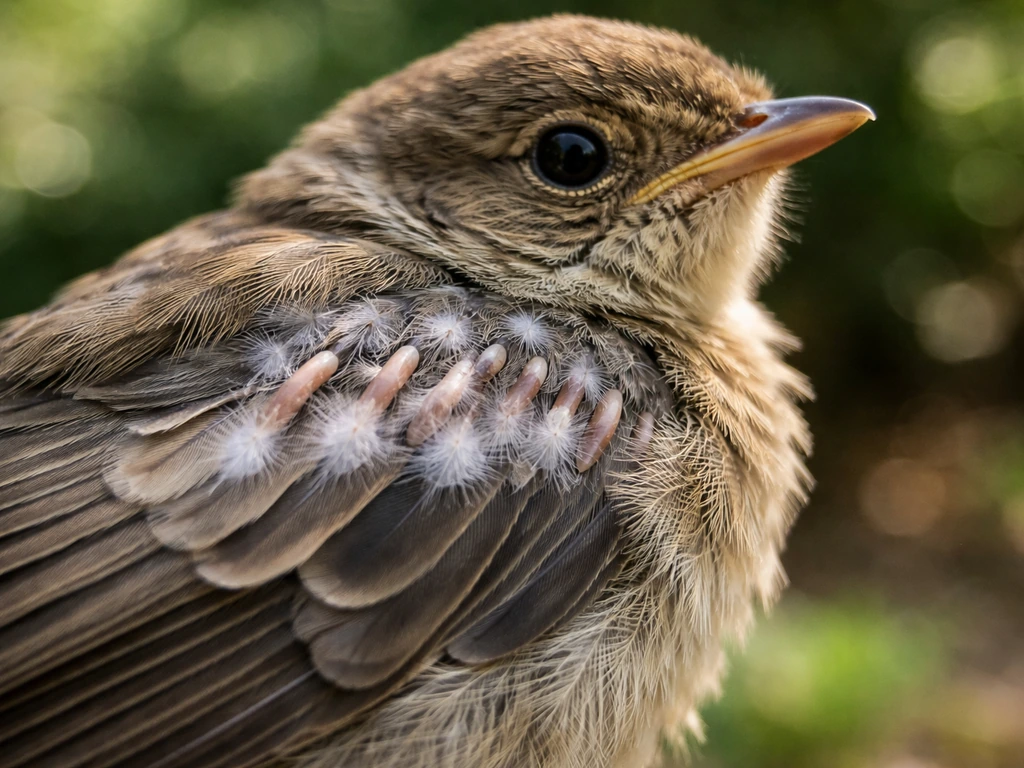
The short answer: yes, feathers grow back (with some important caveats)
Under normal circumstances, every feather a bird loses will be replaced by a new one growing from the same follicle. This is true for wing feathers, tail feathers, and body feathers alike. The biological process is called molting, and it is one of the most reliable cycles in a bird's life. What makes feather regrowth complicated is that 'feathers fell out' can mean very different things: a scheduled molt, a stress response, a parasitic infection, a nutritional problem, or self-inflicted damage from plucking. Each of those scenarios has a different regrowth timeline and a different set of next steps for you.
The one scenario where a feather may not grow back is when the follicle is permanently damaged. Chronic plucking, repeated trauma to a growing pin feather at its base, or certain infections can scar follicle tissue. A scarred follicle simply cannot produce a new feather. That is why identifying the cause early matters so much.
What actually determines whether and how fast feathers regrow
Normal molt vs. abnormal feather loss
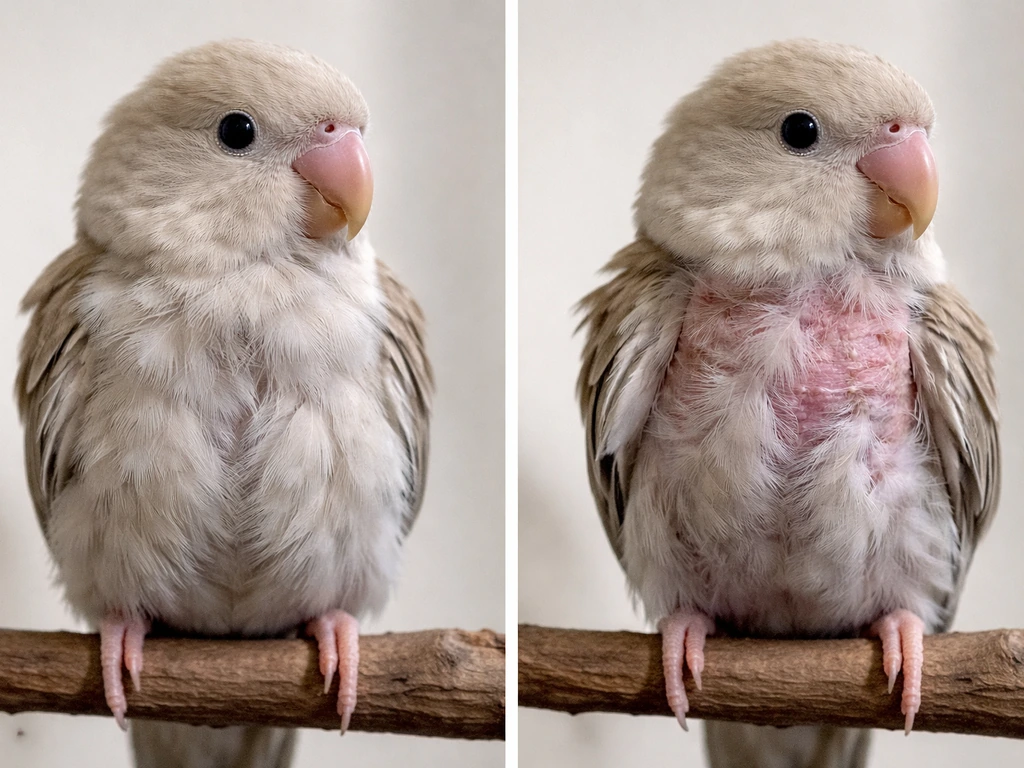
The single most important distinction to make is whether what you are seeing is normal molt or something else. During a normal molt, old feathers are shed on a predictable schedule and new ones grow in behind them almost immediately. You can think of it like a conveyor belt: one feather out, one feather queued up to replace it. To understand exactly how feathers grow from the follicle up, it helps to know that each new feather starts as a blood-filled pin feather before it unfurls into its final shape. Many North American species run their major molt roughly from mid-February through mid-March, though timing varies widely by species and geography.
Abnormal feather loss looks different. It tends to produce irregular bare patches, bald spots that do not follow the natural feather tracts, or feathers that break off rather than shed cleanly. Cornell researchers advise looking at the skin revealed when feathers are missing: normal molt exposes orderly skin and feather-tract patterning, while disease-related loss often shows disorganized or irritated skin beneath. A scruffy, slightly uneven appearance during molt is normal. Sudden, asymmetric bald patches are not.
Species and age
Larger species generally take longer to regrow feathers than smaller ones, simply because larger feathers require more time and biological resources to construct. Age also plays a role: younger, healthier birds tend to cycle through feather replacement faster than older birds whose metabolism may be slower or whose nutritional reserves are lower. Some species do a complete molt once a year; others do partial molts multiple times. Knowing your specific species' molt schedule is genuinely useful context.
The cause of the loss
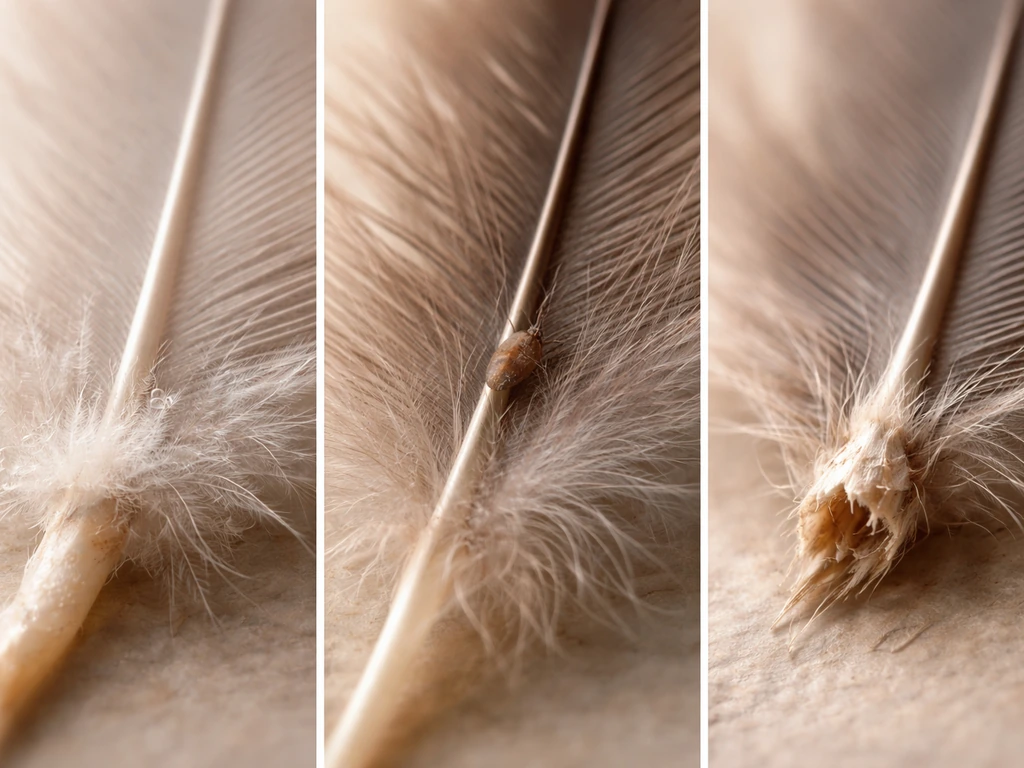
Causes of feather loss span a wide range, and the cause directly determines how fast (or whether) regrowth happens. Merck's veterinary resources break causes into medical (systemic illness, skin infections, cancer, malnutrition, toxin exposure) and behavioral (stress, boredom, sexual frustration, barbering by cage-mates). Nutritional deficiencies are a particularly underappreciated factor: zinc deficiency, hypovitaminosis A or E, essential fatty-acid deficiency, and calcium or amino-acid shortfalls can all compromise feather quality and slow regrowth. If the root cause is not addressed, you can wait months and still see poor or incomplete feather replacement.
Which feathers come back first, and realistic timelines
Not all feathers regrow at the same rate, and flight feathers (the large wing and tail feathers responsible for aerodynamics) take longer than body feathers. Research on American kestrels gives a useful concrete window: tail feathers (called rectrices) began growing within 2 to 3 weeks of being removed and completed regrowth within 7 weeks. Importantly, 100% of the rectrices began regrowing within a 4-month winter period. Primary wing feathers, by contrast, showed a much lower completion rate in that same timeframe, suggesting that large primaries take longer and are more sensitive to seasonal or physiological factors. Body and contour feathers, being smaller, generally fill in faster than either wing or tail flight feathers.
One diagnostic clue worth knowing: molting flight feathers are usually missing symmetrically. If your bird is missing primary feathers on one wing but not the other, that asymmetry is a red flag for trauma or disease rather than normal molt. Symmetrical gaps in the wing or tail are almost always molt. Asymmetrical gaps deserve a closer look.
| Feather Type | Typical Regrowth Start | Typical Regrowth Completion | Notes |
|---|---|---|---|
| Body/contour feathers | 1 to 2 weeks after shed | 3 to 6 weeks | Fastest to replace; molt appearance is 'scruffy' not bald |
| Tail feathers (rectrices) | 2 to 3 weeks | Around 7 weeks | Regrow reliably; 100% regrowth rate observed in kestrel study |
| Primary wing feathers | Variable; weeks to months | Can take a full season or longer | Slowest and most resource-intensive; sensitive to nutrition and health |
| Secondary wing feathers | A few weeks | 6 to 10 weeks depending on species | Faster than primaries; replaced in sequence tied to molt order |
What causes feathers to go missing in the first place
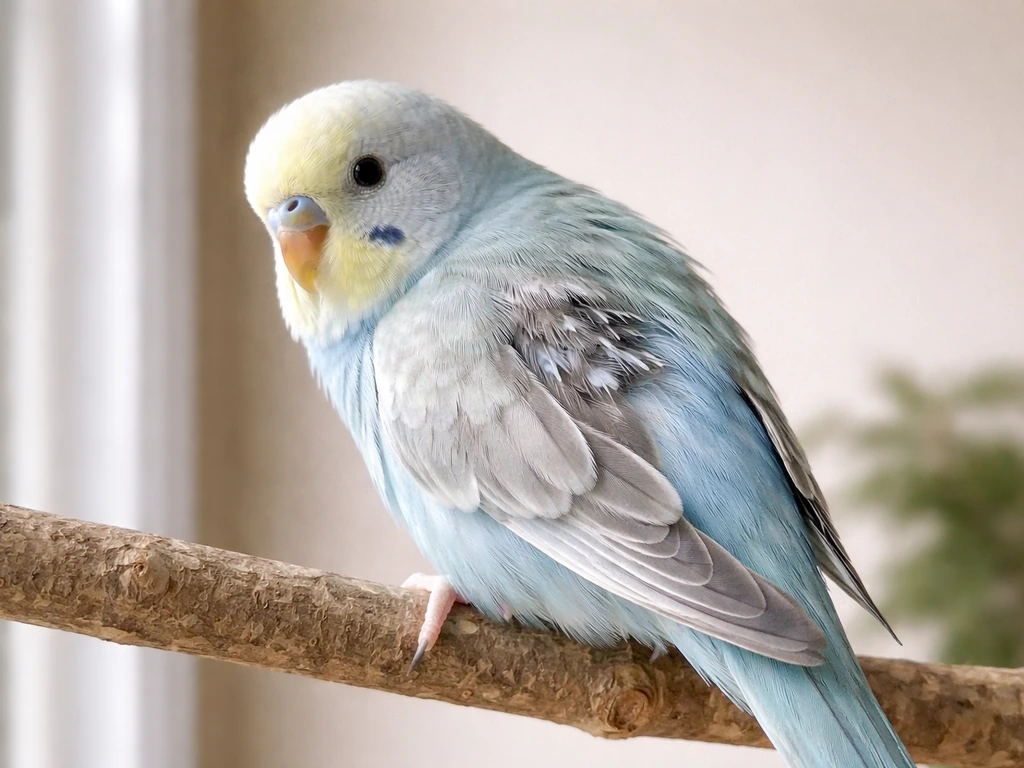
Before you can predict regrowth, you need a reasonable idea of what caused the loss. Birds may also use nest fern fronds as part of camouflage or nesting support, but the plant itself is not “growing” because birds use it why bird nest fern grow on trees. Birds may also use nest fern fronds as part of camouflage or nesting support, but if you are wondering what is bird nest fern specifically, that is a separate botanical question from how birds use it. Here are the main categories and how to tell them apart:
- Normal molt: feathers shed gradually and symmetrically, skin looks healthy, bird is behaving normally, pin feathers (tiny sheathed stubs) are visible where new feathers are already coming in
- Injury or cage trauma: feathers broken rather than shed cleanly, possible blood from a damaged pin feather, asymmetric loss, often localized to one area the bird bumped or caught
- Feather-destructive behavior (plucking): bird is observed chewing or pulling its own feathers, irregular bare patches especially on the chest or back, follicles may look inflamed or irritated
- Barbering by cage-mates: feather loss on parts the bird cannot reach itself (top of the head, back of the neck), otherwise normal skin
- Parasites (mites, lice): restless behavior, scratching, sometimes broken feather shafts; worth noting that Merck specifically flags parasites as 'rarely a cause' of significant feather loss despite being a common assumption
- Nutritional deficiency: poor feather texture, brittleness, dull coloration, feathers breaking rather than shedding; often accompanies a diet that is too narrow or seed-heavy
- Systemic illness or infection: feather loss alongside other signs like lethargy, changes in droppings, or weight loss
It is worth pausing on parasites for a moment, because a lot of bird owners immediately assume mites when they see feather loss. Feather mites can cause irritation and restlessness that triggers picking, which then causes feather damage, but mites alone are rarely the primary driver of significant loss. The bigger concern is usually what the bird is doing to itself in response to that irritation. If you want to understand more about what bird feathers are structurally up against when things go wrong, reading about what bird feathers are made of helps explain why the shaft and follicle are both vulnerable points.
What you can do right now
Observe carefully before you intervene
Your first job is to watch, not fix. Spend a few days noting where the feather loss is occurring, whether it is symmetrical, whether the skin underneath looks normal or irritated, whether pin feathers are already appearing, and whether the bird is scratching or pulling at itself. Take photos. This information will be genuinely useful if you end up at a vet.
Handle pin feathers with care
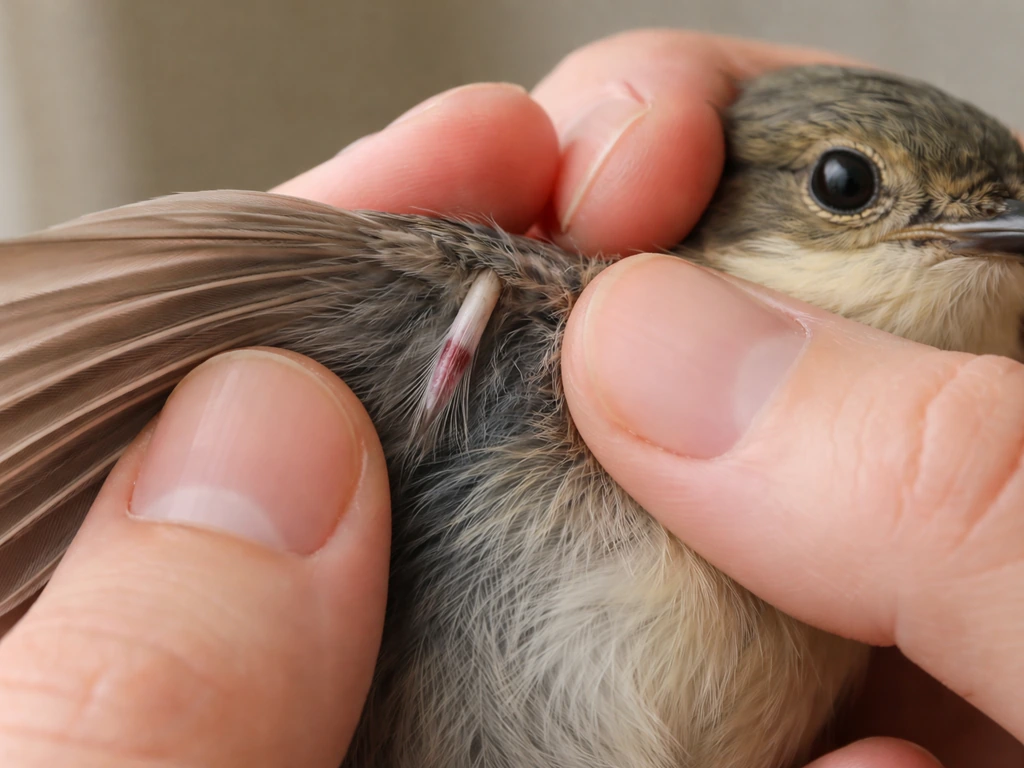
If you notice blood feathers (also called pin feathers, the sheathed new feathers actively growing in), treat them as fragile. A damaged pin feather at the base can bleed significantly and, if the follicle is harmed in the process, that specific feather position may struggle to regrow properly. VCA specifically warns: never put styptic powder, cornstarch, or flour into an open feather follicle, because these substances can permanently damage the follicle and create long-term growth problems. If a blood feather breaks and will not stop bleeding, that is a veterinary situation, not a home remedy situation.
Support regrowth with environment and routine
Good feather regrowth depends on the bird's overall health, and there are things you can do at home to support the process regardless of cause. Regular misting or bathing (a few times a week for most pet birds) supports normal preening behavior and can help reduce plucking driven by dry skin or boredom. Make sure the diet is varied and nutritionally complete, since deficiencies in vitamins A and E, zinc, calcium, and essential fatty acids all directly impair feather quality and regrowth speed. Enrichment matters too: bored or understimulated birds are far more likely to pluck, which compounds any underlying feather problem.
One thing that often surprises people is how much cleanliness factors into overall feather condition. Whether bird feathers are considered dirty is a nuanced topic, but the short version is that healthy preening birds keep their own feathers in good condition, and the environment you provide (clean cage surfaces, appropriate humidity, no airborne irritants) makes a real difference to how well that process works.
When to go to a vet (and do not wait too long)
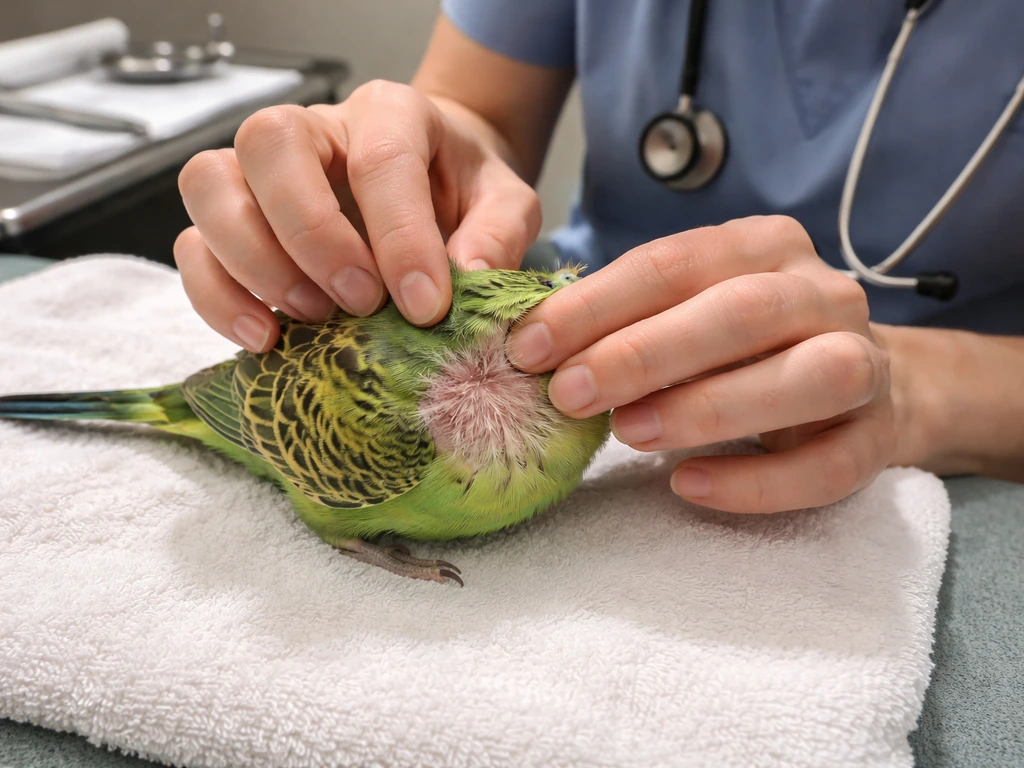
If feather loss is sudden, extensive, asymmetric, or accompanied by any behavioral change, go to a vet sooner rather than later. Both PetMD and VCA are clear that abnormal feather loss, balding, or plucking is not something to wait out and see if it resolves. A proper avian workup can identify whether the cause is medical or behavioral, which completely changes the treatment approach. Behavioral causes may need enrichment changes or hormonal intervention; medical causes need actual treatment. Trying to address the wrong category just wastes time while the follicles take more damage.
Conditions like polyfolliculosis (a challenging follicle disorder that causes chronic itchiness and picking) will not resolve on their own and can permanently impair feather replacement until properly treated. The longer chronic irritation or plucking continues, the more follicle damage accumulates, and the lower the odds of full regrowth in affected areas.
What feather regrowth means for flight
Flight feathers are not decorative. The large primary and secondary feathers along the wing (collectively called remiges) are load-bearing aerodynamic structures. When they are missing or actively regrowing, a bird's wing morphology changes, and so does its ability to generate lift and control direction. Some passerines (small perching birds) become briefly and genuinely flightless during a complete wing molt because so many flight feathers are replaced at once. Most birds avoid this by molting sequentially, replacing one or two feathers at a time so that functional flight is maintained throughout.
Understanding whether bird feathers are waterproof is actually relevant here too: intact, correctly structured flight feathers repel water partly because of their structural integrity. Regrowing pin feathers lack that full structure until they finish unfurling, which is another reason a bird mid-molt should not be unnecessarily stressed or exposed to harsh conditions.
For a bird recovering from significant wing feather loss due to injury or illness, expect a meaningful window before normal flight resumes. Based on the kestrel regrowth data, tail feathers might be functional again within 7 weeks, but primary wing feathers can take considerably longer, sometimes a full season, before they are structurally complete enough for normal sustained flight. During that period, the bird's range of movement and ability to escape threats is genuinely reduced, so keeping an injured or recovering bird in a safe, low-stress environment is not just comfort, it is functional protection.
The molt sequence itself is not random. Research has shown that the order in which flight feather follicles activate determines the order new feathers appear, and this sequence is conserved across individual birds within a species. Disrupting that sequence through forced removal or trauma can throw off the timing and occasionally result in feathers regrowing out of their normal order, which can affect how well they interlock and function aerodynamically until the full cycle completes.
A few things worth knowing that most people overlook
Feathers are made of keratin, the same protein family that makes up human fingernails and hair. Like nails, they are dead structures once fully formed, meaning they cannot repair themselves if they break. The only way to get a new feather is to grow one from scratch. This is worth knowing because it changes how you think about damaged feathers: a broken flight feather will not heal or reconnect. It will stay broken until the next molt produces a replacement. The question is always whether the follicle below the break is healthy enough to produce that replacement.
Feathers also break down over time even without obvious damage. How quickly bird feathers decompose is relevant context here: feathers in the wild degrade from UV exposure, friction, and microbial activity, which is part of why molt exists at all. A bird that is not molting on schedule may be accumulating worn, degraded feathers that perform worse with each passing month.
Finally, if you are curious about how birds produce other biological materials as part of their overall physiology, the process by which something like emu oil is extracted from the bird is a good window into how avian bodies store and process lipids, which are nutritionally relevant to feather health as well. Feather production is resource-intensive, and the quality of what a bird can grow is a direct reflection of what its body has to work with.
Your next steps, in plain terms
- Look at the pattern: is the feather loss symmetrical and gradual (probably molt) or sudden, asymmetric, and patchy (possibly a problem)?
- Check for pin feathers: visible sheathed stubs mean regrowth is already happening, which is a good sign
- Review the diet: seed-only diets are nutritionally incomplete and one of the most common reasons feather regrowth is slow or poor quality
- Add bathing to the routine: misting a few times a week supports preening and reduces stress-driven plucking
- Protect any active pin feathers from trauma: do not let cage-mates or rough perches damage them, and do not apply home remedies to open follicles
- See an avian vet if the loss is sudden, extensive, asymmetric, the skin looks inflamed, or the bird seems unwell in any other way; do not wait months hoping it self-resolves
- Be patient with flight feathers: even under ideal conditions, primary wing feathers can take a full season to replace completely, and full flight function follows only once the replacement feathers finish unfurling
FAQ
How long does it usually take for a bird to show regrowth after feather loss?
If the cause is normal molt, new feather pin stems often appear within days and replace shed feathers quickly. If the loss is due to injury or illness, you may not see clear regrowth for weeks, because the follicle needs to recover first and larger flight feathers typically lag behind body feathers.
Will feathers grow back if I keep plucking or pulling them off during the recovery period?
Repeatedly removing emerging feathers, especially blood feathers, can delay or prevent regrowth at that exact spot. Once a follicle has been irritated or traumatized, forcing additional damage increases the chance of patchy regrowth.
Can a bird look like it is molting but still have a disease that prevents full regrowth?
Yes. Molt-like patterns can be confused with infection or chronic itch disorders. The key difference is the skin condition underneath (irritated or disorganized in many medical cases) and whether the loss is sudden or asymmetrical rather than following feather tracts and timing.
What should I do if I notice a blood feather that is broken and bleeding?
Treat it as urgent and fragile, keep the area calm and protected, and stop attempting home “powder” fixes. A vet should assess it if bleeding will not stop, because damage at the follicle base can permanently affect the next feather cycle.
Do all birds regrow at the same rate, or does species and age change expectations?
Species, size, and age matter. Larger and older birds often replace feathers more slowly, and some species do partial molts multiple times instead of one full annual molt. Setting expectations based on your bird’s typical molt schedule helps you avoid assuming a problem when it is just slower timing.
Is feather regrowth always complete, or can it remain permanently patchy after chronic issues?
After chronic plucking, repeated trauma, or some infections, regrowth can become incomplete or permanently sparse in the affected positions. The longer irritation continues, the more follicles can be damaged, so early cause identification has a direct impact on how fully feathers return.
How can I tell the difference between feather breakage and true shedding?
True molt usually sheds orderly feathers following normal feather tracts, leaving a more patterned look. Breakage often shows uneven stubs and fragmented shafts rather than a clean shed line, and it can correlate with trauma, scratching behavior, or poor handling during recovery.
My bird has asymmetrical feather loss on one wing, should I assume it is not molting?
Asymmetry is a strong red flag for trauma or disease rather than normal molt. Molting flight feathers are typically missing symmetrically, so one-wing primary loss often warrants a closer exam and usually a vet check if it is sudden.
What environmental or husbandry changes help feather regrowth if the cause is behavioral or skin-related?
Focus on reducing irritants and supporting comfort, such as consistent humidity for dry skin, clean cage surfaces, and minimizing airborne irritants. Also add enrichment to prevent boredom related plucking, since behavioral causes can keep follicles inflamed even while new feathers would otherwise form.
Can mites be present even if they are not the main reason for feather loss?
Yes. Mites can trigger irritation and lead to picking, but significant loss often involves what the bird does in response to itch rather than the mites alone. If irritation persists despite mite treatment, a vet should evaluate other causes like follicle disorders or nutritional problems.
Should I wait for molt before seeking a veterinary workup?
If feather loss is sudden, extensive, asymmetric, worsening, or paired with behavior changes, it is better to go sooner. Normal molt follows predictable patterns, so abnormal onset or rapid progression often indicates something that should not be delayed.