Bird wings work by combining a lightweight, folding bone structure with layered feathers shaped into an airfoil. As a bird moves forward or flaps, faster-moving air over the curved upper surface creates lower pressure than the air below, generating lift. A comparative review of avian flight aerodynamics explains that unsteady effects in flapping flight enhance leading-edge vortices on the lifting surface; these eventually detach, convect into the wake, and interact with other vortices. Flapping adds thrust by pushing air backward with the outer flight feathers (primaries), while the inner feathers (secondaries) maintain the lifting surface. The whole system is driven by two major chest muscles and controlled by a surprisingly mobile set of joints that let the wing change shape mid-beat.
How Do Bird Wings Work? Anatomy, Lift, and Flight Control

Bird wing anatomy basics
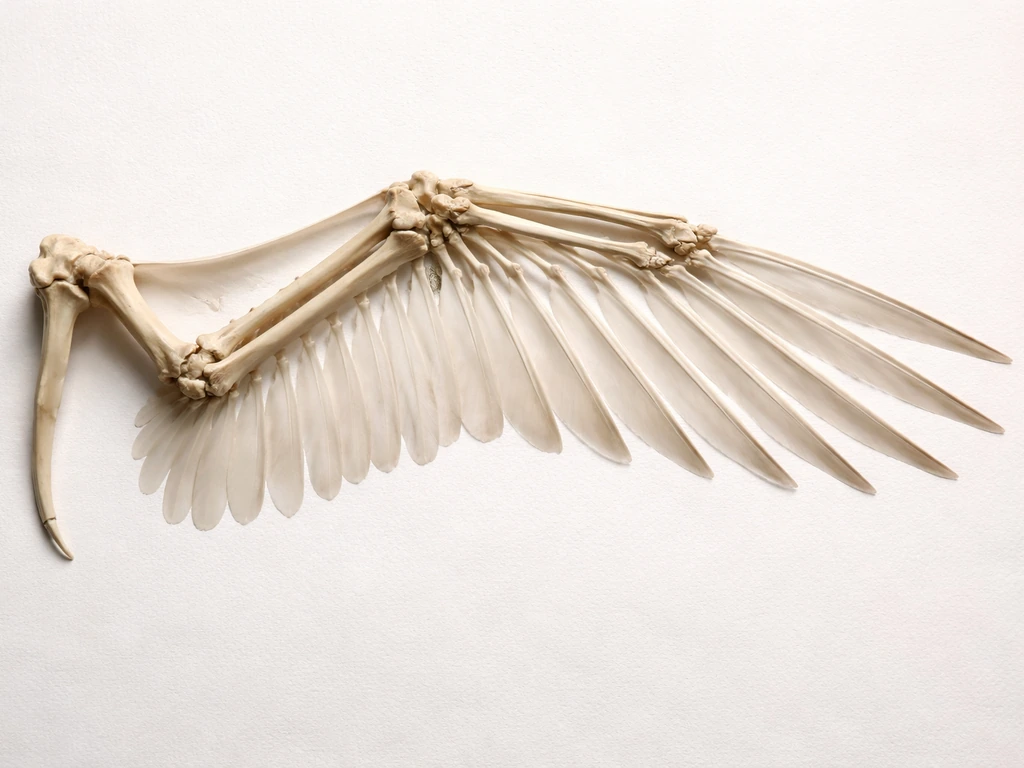
If you've ever looked at a bird skeleton, the wing bones map almost directly onto your own arm. There's a humerus (upper arm), a radius and ulna (forearm), and then a wrist and hand region. The key difference is what happened to the hand: most of the finger bones fused over millions of years into a rigid structure called the carpometacarpus, which forms the stiff outer tip of the wing. One reduced digit, the thumb, stayed separate and became the alula, a small cluster of feathers you can see sticking up near the leading edge of a wing during slow flight.
On top of that skeleton sit the feathers, arranged in two main functional groups. The primaries attach to the hand bones and outer wing. They're the long outer feathers you see fanning out at a wingtip. The secondaries attach along the forearm (ulna) and form a broad inner surface. Together they create the airfoil shape that makes flight possible. Underneath these flight feathers are layers of smaller coverts that smooth airflow and protect the feather bases. If you want to go deeper on what those feathers are physically made of, that's its own fascinating topic covered separately. If you also want the direct answer to what bird wings are made of, keep reading for the feather and bone details.
How lift is generated
The wing is cambered, meaning it's curved on top and flatter underneath. When air flows over it, the air traveling over the curved upper surface moves faster and spreads out, dropping in pressure compared to the denser, slower air pushing up from below. That pressure difference is lift. It's the same principle behind an airplane wing, but bird wings are more dynamic because their shape changes constantly.
The secondaries overlap like roof shingles and hold their curved shape reliably, which is why they're mainly responsible for producing lift during gliding. The primaries are more separated and mobile, better suited for thrust and control. At slow speeds, the alula plays a critical role: it lifts away from the leading edge, creating a small slot that helps maintain attached airflow and generates what researchers call a leading-edge vortex (LEV) over the outer hand-wing. Think of it as a controlled swirl of air that adds lift at angles where the wing might otherwise stall. Pilots use leading-edge slats on aircraft for the same reason at low speeds.
During flapping, the wake left behind the bird contains a series of vortex loops shed at each wingbeat. Studies of birds like common swifts using high-speed airflow measurement (called time-resolved particle image velocimetry, if you're curious) show that these vortices interact in complex ways, especially near the upstroke-to-downstroke transition. The exact details of how those wake structures relate to efficiency are still an active research area.
How thrust and maneuvering work
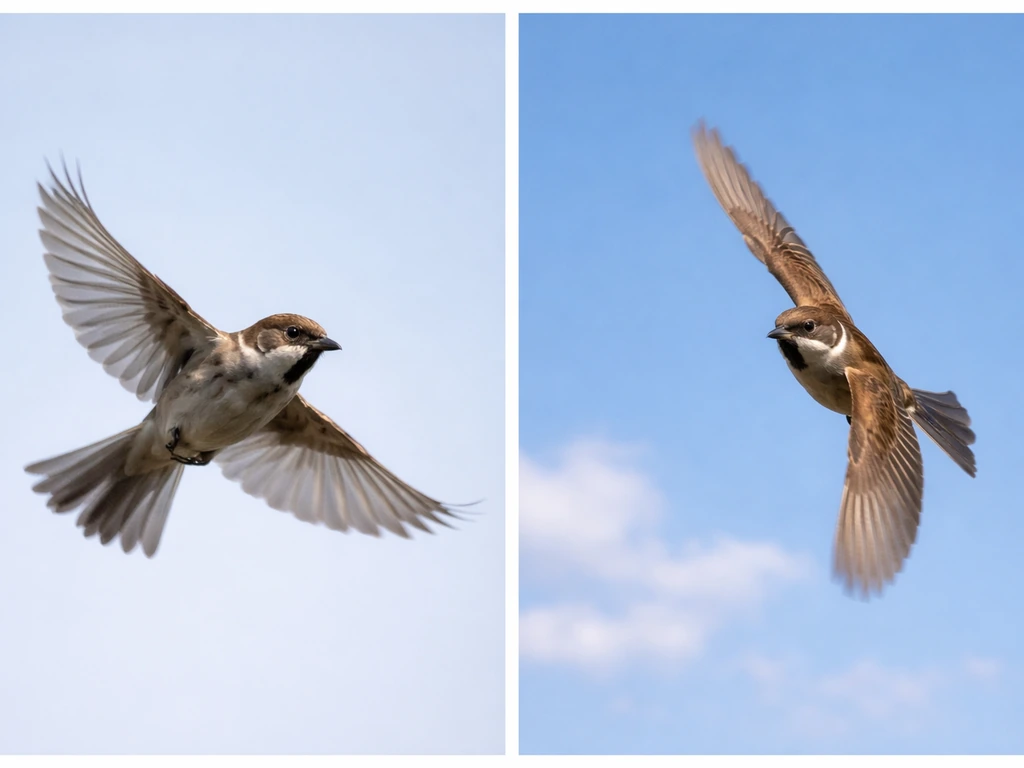
Lift keeps a bird up; thrust moves it forward. The primaries handle this. During the downstroke, the outer wing sweeps forward and down, and the angled primaries push air backward, generating forward thrust. The feathers themselves act like individual propeller blades, twisting slightly to optimize the angle at each point along the wingbeat arc.
Maneuvering happens through asymmetric changes in wing shape, angle, and extension. A bird turning right will extend and twist its left wing differently from its right, generating uneven lift and rolling into the turn. Tail feathers act as a rudder and pitch stabilizer. Folding the wings partially mid-flight reduces lift on that side and steepens dives. The alula feathers can also be deployed independently on one wing to assist in tight turns at low speed.
Hummingbirds are the extreme example of thrust and maneuvering control. They can hover, fly backward, and make precise positional adjustments by rotating the entire wing through a wide arc and adjusting the angle of attack on both the downstroke and upstroke. Studies measuring aerodynamic force in hovering hummingbirds found the downstroke produces roughly twice the force of the upstroke, which makes sense since the downstroke is structurally stronger. Still, using both strokes for force generation is what makes hovering possible.
Muscles, joints, and wingbeat mechanics
Two muscles do most of the heavy lifting. The pectoralis is the large breast muscle and it drives the downstroke by pulling the humerus down and rotating it forward (pronation). It's the biggest muscle relative to body weight in most flying birds. The supracoracoideus sits beneath it and powers the upstroke, pulling the humerus back up through a pulley-like tendon that loops over the shoulder. It also rotates the humerus backward (supination), which repositions the wing correctly at the top of each beat. At faster flight speeds, aerodynamic forces do some of the upstroke work passively, so the supracoracoideus matters most at slow speeds and during hovering.
The joints that shape the wingbeat are more complex than most people expect. The shoulder controls the main flapping arc. The elbow extends on the downstroke to spread the secondaries and flexes on the upstroke to fold the wing inward. Motion-capture work on pigeons shows that wrist and elbow movements are tightly coupled during flapping but still leave room for distinct folding positions that enable the wing to press flat against the body between flaps. During ascending flapping flight specifically, elbow abduction (spreading outward) is significantly greater than in other wing-related behaviors, which makes intuitive sense since you need maximum surface area going upward.
Smaller muscles throughout the wing adjust individual feather groups, tilt the alula, and fine-tune feather overlap. Tendons running along the wing coordinate wrist and elbow so that extending the elbow automatically spreads the wrist, keeping the wing proportionally open. It's an elegant mechanical linkage that reduces the number of independent signals the nervous system needs to send.
Weight support and energy use in flight
Flapping flight is expensive. It consistently requires several times more energy than a bird's resting metabolic rate. Gliding and soaring cost far less, roughly 1.5 times resting metabolic rate in some estimates, which is why birds like hawks and storks seek out thermals and spend as much time gliding as possible. The trade-off is that gliding requires altitude or rising air, neither of which is always available.
Wingbeat frequency and amplitude both affect how much mechanical power is used. Birds tend to adjust amplitude more readily in energetically demanding situations, while frequency is often constrained by muscle fiber properties and body size. Smaller birds generally flap faster but at lower amplitude relative to body size. Researchers have found that the ratio of flapping frequency, stroke amplitude, and flight speed (expressed as a dimensionless number called the Strouhal number) tends to cluster in an efficient range across a wide variety of bird species and sizes, which suggests evolution has tuned wingbeats toward a sweet spot for propulsive efficiency.
Body weight is supported by keeping lift equal to weight throughout the wingbeat cycle. During gliding this is continuous and steady. During flapping it fluctuates within each beat, but averaged over a full cycle the bird stays level. The wing area, wing loading (weight divided by wing area), and aspect ratio (long and narrow vs. short and broad) all determine how a species balances speed, maneuverability, and endurance.
When wings don't perform as expected
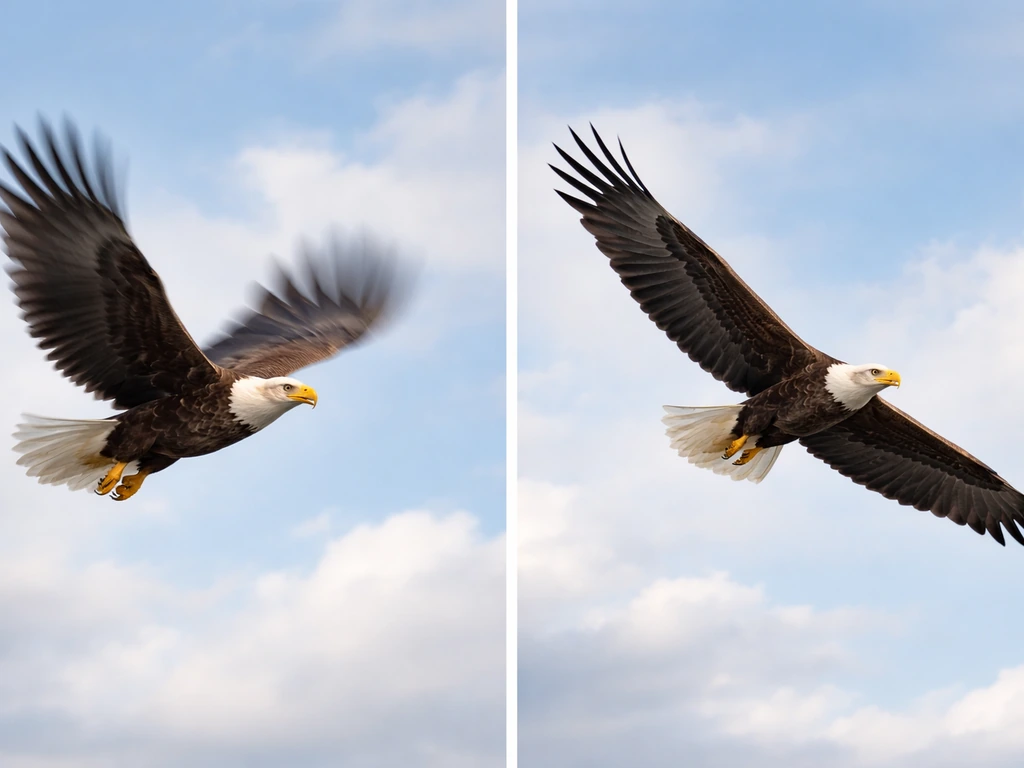
Several real-world factors can reduce or change how well a wing works, and understanding them is useful if you're observing birds closely or caring for one. If you're wondering what a bird clutch is, it refers to how birds reproduce and raise offspring by laying and incubating eggs.
Feather molt
Birds replace their flight feathers periodically through molt, and during active molt the gaps left by missing primaries or secondaries measurably reduce flight performance. Lift drops, maneuverability suffers, and some birds are temporarily flightless. Most species molt gradually and symmetrically to minimize this, but the cost is real. Raptors in mid-molt are noticeably less agile than those with a complete set of feathers.
Injury and feather damage
Wing damage from collisions, predator attacks, or disease can affect one wing asymmetrically, making controlled flight much harder. Neurological problems can cause a bird to hold a wing drooped, unable to fold it properly against the body, or to drag a wingtip on the ground. These are signs of serious injury or illness that warrant veterinary attention in captive or rescued birds. Even feather damage from poor nutrition (stress bars across feathers) weakens the shaft and can cause primaries to break under load.
Weather and wind
Strong crosswinds, turbulence, or wet conditions change how the airfoil performs. Waterlogged feathers increase weight and reduce the airfoil's clean shape. Birds preen constantly to maintain feather alignment and waterproofing, and that maintenance directly affects flight quality. You'll notice birds grounded or flying lower and more laboriously in heavy rain.
Species differences and wing shape
Not every bird wing is optimized for the same kind of flight, which can make comparisons confusing. A swift's long, narrow wings are built for fast sustained flight and suffer at low speeds. A pheasant's short, broad wings deliver explosive bursts but poor sustained performance. Penguins have wings that work as flippers underwater but can't generate aerial lift at all. What looks like a wing that's not working well might just be a wing shaped for a completely different purpose.
| Wing type | Shape | Best suited for | Trade-off |
|---|---|---|---|
| High-speed/soaring (e.g., swift, albatross) | Long, narrow, high aspect ratio | Fast cruising, oceanic soaring | Poor maneuverability, needs speed to stay aloft |
| Thermal soaring (e.g., hawk, vulture) | Broad, slotted tips (separated primaries) | Circling in thermals, slow soaring | Slower, less efficient in fast horizontal flight |
| Elliptical (e.g., sparrow, robin) | Short, rounded, low aspect ratio | Tight maneuvering in vegetation | Higher drag at speed, frequent flapping needed |
| Hovering (e.g., hummingbird) | Short, rigid, high rotation angle | Stationary flight and precision movement | Extremely high energy cost |
| Flipper (e.g., penguin) | Flat, dense, reduced feathers | Aquatic propulsion | No aerial lift possible |
What to watch for if you want to see this in action
Slow-motion video is genuinely the best way to see wing mechanics. Even phone footage slowed down to 0.25x speed will show you the elbow flexing on the upstroke, the primaries fanning and twisting on the downstroke, and the alula lifting away from the leading edge during landing. Pigeons landing on a windowsill or railing are perfect subjects because they're slow, accessible, and cooperative about being filmed. Watch for the moment the alula pops up as they decelerate: that's the leading-edge vortex control in action, right in front of you.
If you're interested in what the wing is physically made of at the feather and bone level, those structural details connect directly to the mechanics here. The sensitivity of the wing surface (which affects how birds detect airflow and adjust in real time) and how the wing folds so compactly against the body are both worth exploring separately. Wing clipping in captive birds also becomes much clearer once you understand which feathers do what: removing primaries eliminates thrust and reduces lift asymmetrically, which is why clip technique matters so much. If you’re wondering how often to clip bird wings, it depends on the bird’s health, mobility needs, and the specific feathers affected Wing clipping in captive birds.
The honest summary: bird wings work because evolution produced a lightweight, shape-changing airfoil driven by two powerful muscles and refined by millions of years of pressure to be efficient. Every part, from the fused hand bones to the alula to the overlapping secondaries, solves a specific aerodynamic problem. Once you know what each part is doing, watching birds fly goes from background noise to something genuinely worth pausing for.
FAQ
Why can a bird glide with wings spread but still keep from stalling?
Gliding depends on maintaining a wing angle of attack that keeps airflow attached over the curved surface. Many birds also adjust tail and wing twist to keep lift matching weight, and they often use small leading-edge adjustments (including the alula) to avoid sudden stall at low speeds.
Do birds generate lift mainly during the downstroke or over the whole wingbeat cycle?
For most flying birds, lift is produced over the entire wingbeat, not just the downstroke. During flapping, lift fluctuates within each beat, but the bird actively manages wing angle and shape so the average over a cycle supports body weight.
What’s the difference between the alula and leading-edge slats on aircraft?
They work similarly at a concept level (preventing stall by energizing airflow near the leading edge), but birds control it with feather motion and joint-driven angle changes, while aircraft use a mechanically linked flap on a rigid wing. The alula can also be deployed more selectively by wing and in tight maneuvers.
Why do birds sometimes fold their wings differently during turns or tight landings?
They alter wing extension, twist, and shape asymmetrically to create uneven lift for roll, while also adjusting to lower speeds where stall risk is higher. During landing or slow maneuvers, the leading edge control (alula deployment and feather overlap tuning) becomes especially important.
How do birds keep wing shape consistent when feathers are fanned and overlapping?
Overlapping feather rows (especially the secondaries and covert layers) maintain a stable airfoil while allowing the wing to flex. Birds also rely on constant feather positioning through preening and micro-adjustments by smaller wing muscles to preserve overlap and alignment.
Can a bird fly with one wing damaged even if it can still flap?
Often, partial wing use can still produce lift, but control usually degrades because the bird can’t match aerodynamic shape and timing on both sides. Asymmetry can cause roll and yaw instabilities, so a bird may appear to “drag” or hold a wing abnormally, which is a strong sign to seek veterinary evaluation in captive or rescued birds.
Why do birds look like they change wing angles mid-beat, instead of moving as a rigid paddle?
Bird wings actively twist and change feather pitch along the stroke. Small changes in angle of attack across the wingbeat help manage both lift and thrust, and they also reduce the chance of losing attached airflow during transitions like upstroke to downstroke.
Is flapping always more energy-expensive than gliding for every bird and condition?
Generally, yes, flapping costs more, but the gap depends on species, wind, and how often the bird must regain altitude. In lift-rich conditions like thermals, many birds flap less and rely more on soaring, which can offset the energy cost.
Why do smaller birds often flap faster but with different stroke patterns?
Smaller birds typically face constraints from muscle and body geometry, which affect feasible wingbeat frequency and amplitude. Many species adjust toward an efficient “sweet spot” where flapping parameters and flight speed interact well, rather than simply flapping faster in all situations.
What visual cues indicate a bird is managing airflow near stall?
Watch the leading edge during slow flight, braking, or landing. If the alula lifts away from the leading edge, that often signals active stall avoidance via a leading-edge vortex that helps maintain lift at higher angles of attack.
Do wet feathers permanently reduce flight performance or just temporarily?
Wetness can temporarily disrupt feather alignment and increase weight, making flight less efficient until feathers dry and the bird preens them back into proper aerodynamic condition. Persistent performance changes can also happen if feathers are damaged or not fully restored.
How can I tell whether what I’m seeing is “bad flight” versus normal specialized wing design?
Wing shape matches ecological niche, so some species struggle outside their typical speed range. For example, fast fliers can look ineffective at low speeds, and aquatic birds like penguins are optimized for underwater propulsion rather than generating aerial lift.
What’s the simplest way to film or observe wing mechanics without missing key motions?
Use slow motion and focus on the moment-to-moment relationships: elbow flexing on upstroke, primary fanning and twisting on downstroke, and alula deployment during deceleration. Keeping the bird side-on helps you see wing twist and extension changes that drive lift and thrust.
When caring for captive birds, why does wing clipping matter so much differently for different feathers?
Clipping primaries can disproportionately reduce both thrust potential and effective wingtip control, because those outer flight feathers are closely tied to propulsion and steering. Even when lift isn’t eliminated, asymmetries can appear in maneuvering, so the specific feathers affected and the bird’s health matter.
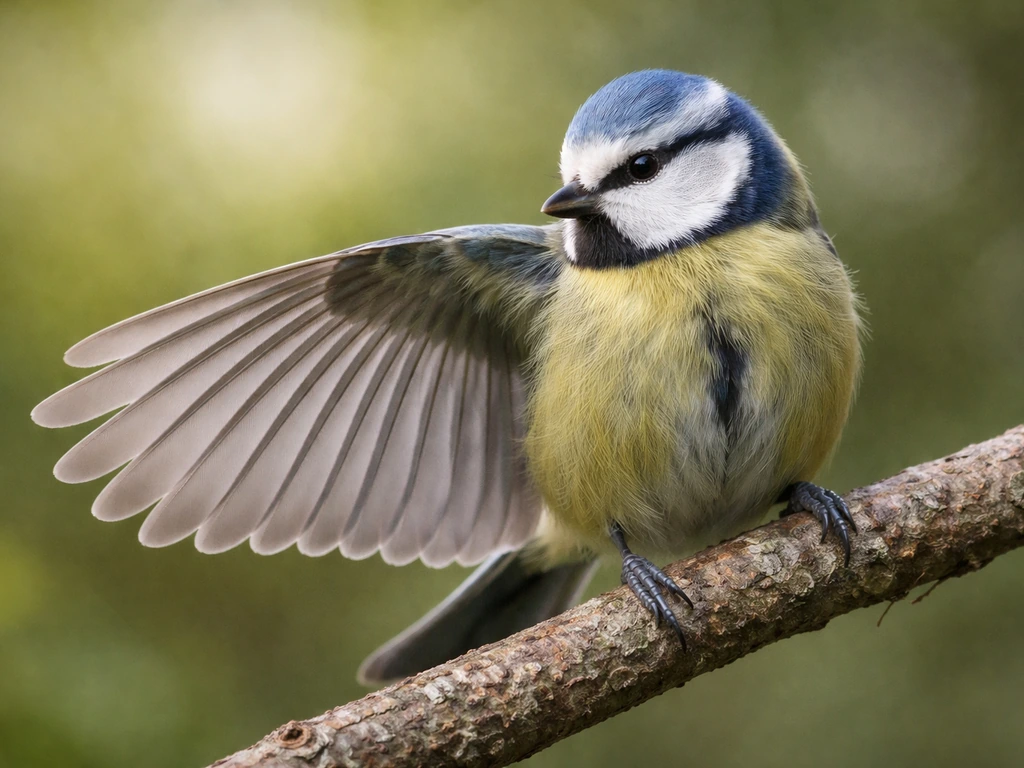
Learn if bird wings are sensitive, what they feel, and safe handling tips for pain, injury signs, and molting changes.
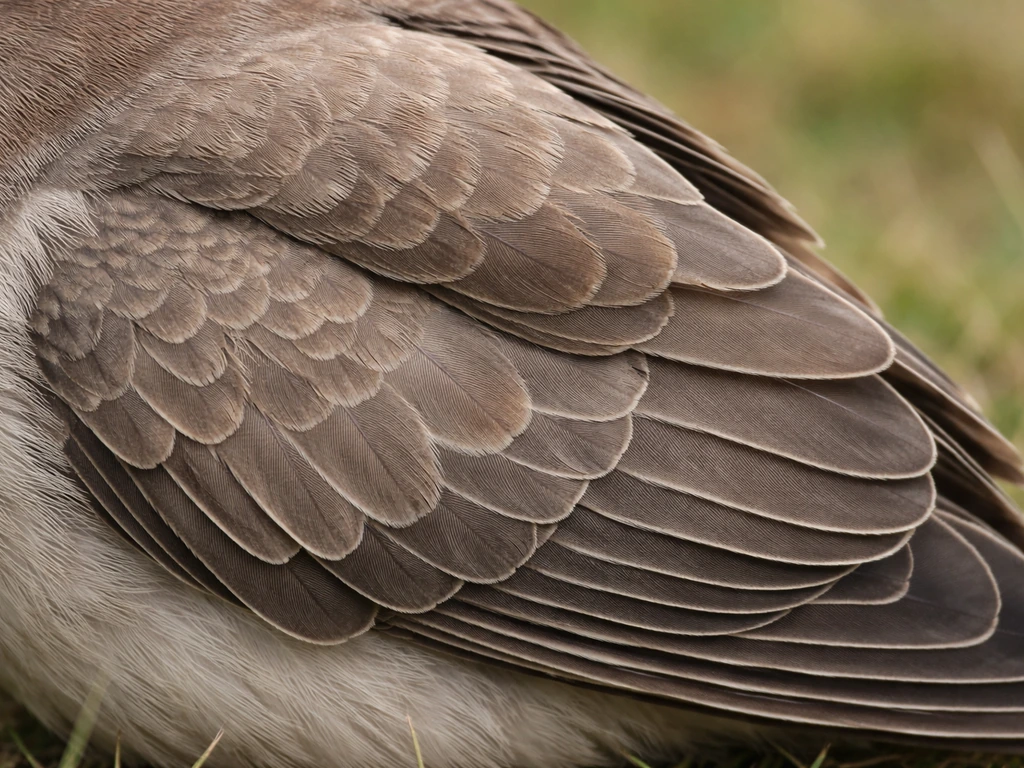
Step-by-step guide to how bird wings fold using joints and feather groups, plus why folding differs by species.
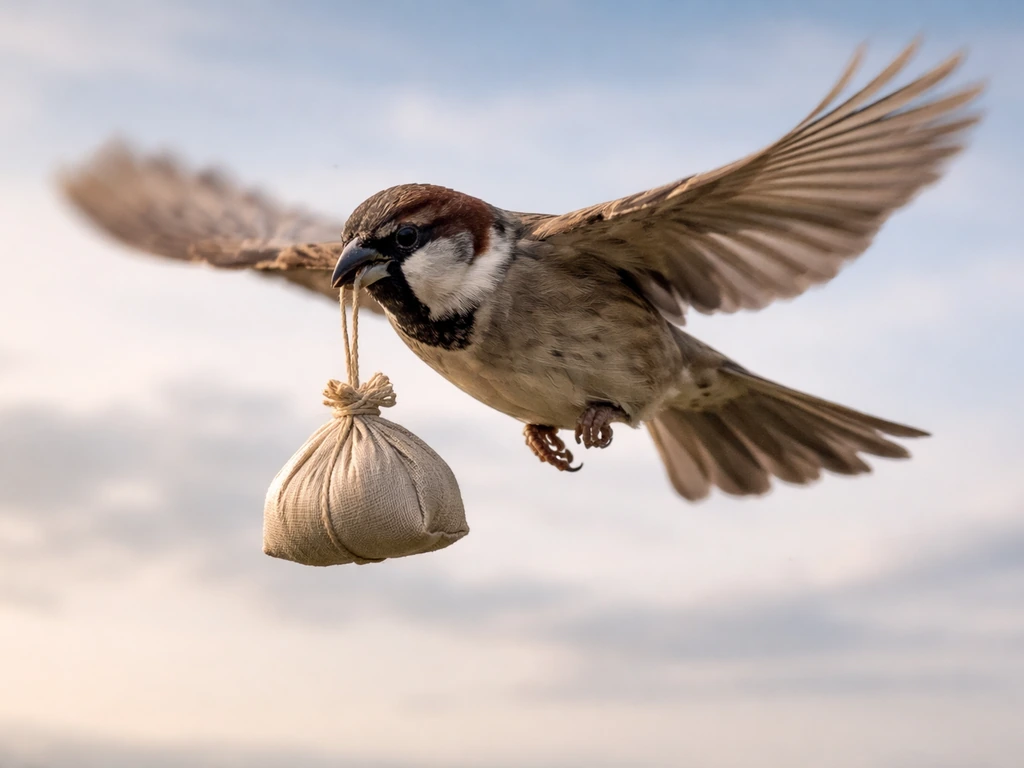
Realistic payload ranges for different birds plus a method to estimate how much weight they can carry safely.