Yes, bird wings are genuinely sensitive, not just in a vague biological sense, but in specific, measurable ways. Their skin contains nerve endings that detect touch, pressure, vibration, temperature, and pain. The joints and muscles carry proprioceptors that tell the bird exactly where its wing is in space at every moment during flight. And the feather follicles themselves are wired with sensory nerves. So when you handle a bird's wing, or when a feather gets damaged, the bird absolutely feels it.
Are Bird Wings Sensitive? What Birds Feel and How to Help

Marcus Chen
23 May 2026
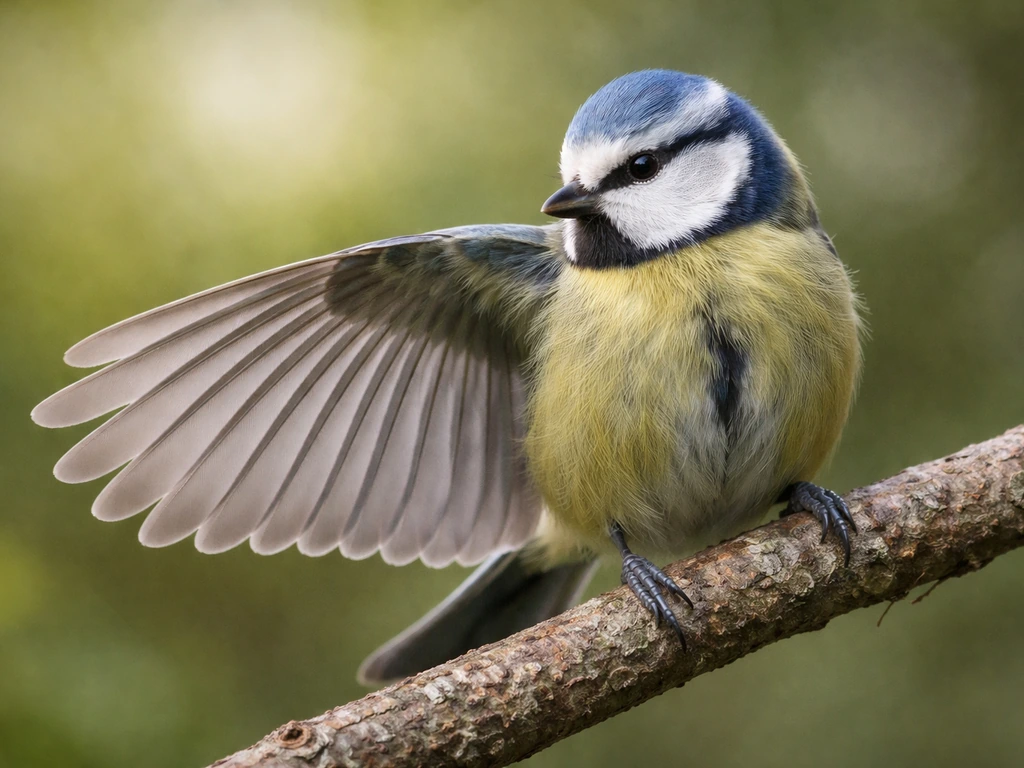
Are bird wings packed with sensation
The short biological answer is yes, and the evidence is pretty clear. Research using single-unit nerve recordings in birds has identified at least three distinct classes of sensory nerve fibers active in avian skin: mechanoreceptors (responding to touch and pressure), thermoreceptors (responding to temperature changes), and nociceptors (responding to potentially harmful stimuli, which is the biological basis of pain). All three show up in birds the same way they show up in other vertebrates, including us.
What makes wings specifically interesting is that sensitivity isn't uniform. Some parts of a wing are much more richly innervated than others, and understanding which parts are most sensitive helps explain both bird behavior and how to handle a bird safely. If you are also wondering about bird clutching, keep in mind that birds can react strongly to how their body and wings are supported how to handle a bird safely.
One thing worth clarifying up front: sensitivity doesn't mean fragility. A bird's wing can be highly sensitive to specific inputs while still being mechanically robust and functional. The wing uses that sensory data actively, to fly better and respond to the environment. But it also means that damage, rough handling, or certain conditions during molting can genuinely hurt.
Which parts of wings are most sensitive
Feathers and their follicles
This is where it gets interesting. Feathers themselves are dead structures, like hair or nails, so a mature feather shaft has no sensation. If you want the bigger picture beyond where sensation lives in each feather follicle, this is also part of how do bird wings work in the way birds sense and control flight.
This is also why the wing is often described by its multiple layers, from living skin and follicles to the dead feathers themselves what are bird wings made of. But the follicle at its base, the living socket embedded in the skin, is a different story. Developmental biology research has shown that as feather follicles form, [sensory axon terminals grow in alongside them](https://pmc. ncbi.
nlm. nih. gov/articles/PMC4380223/), forming what's described as a sensory nerve arcade around each follicle. This means the base of every feather has its own nerve supply.
When a feather is pulled, bent hard at the base, or damaged near the skin, the bird feels it directly through those follicle nerves.
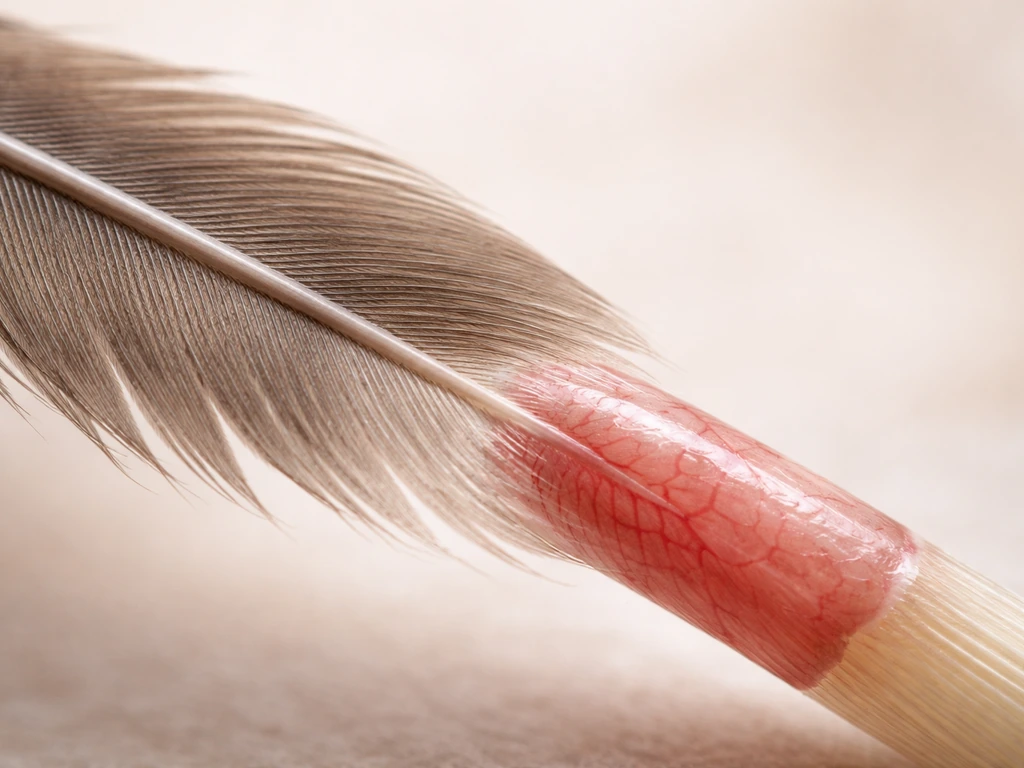
Blood feathers, which are actively growing feathers still supplied with blood and live tissue inside the shaft, are an especially sensitive case. The entire shaft is essentially a living structure during growth, with a blood supply and active nerve connections. Damaging a blood feather is genuinely painful for a bird and can cause significant bleeding.
Wing skin
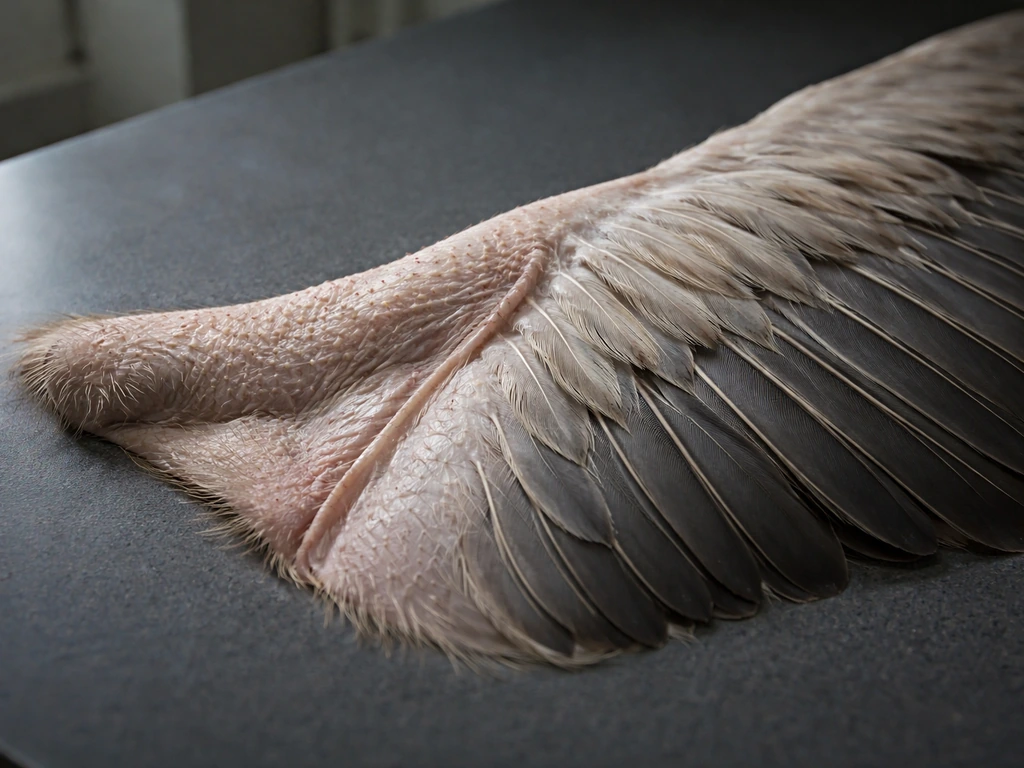
Bird skin contains specialized mechanoreceptors, structures similar to Herbst corpuscles (a bird-specific pressure and vibration receptor) and Grandry corpuscles (found in many birds, especially in bill skin, but present in other areas too). These end organs encode touch, pressure, and vibration into nerve signals. The patagium, the thin membrane of skin that stretches between the body and the leading edge of the wing, is particularly well supplied with these receptors. That membrane is what a bird feels deforming and stretching during flight, giving it real-time tactile feedback about airflow and wing shape.
Joints and proprioception
The wing joints, including the shoulder, elbow, and wrist (yes, birds have a wrist, the joint that bends the outer portion of the wing), contain proprioceptors embedded in muscles and tendons. Proprioception is the body's internal sense of position and movement, the reason you can touch your nose with your eyes closed. For a bird in flight, this system is critical.
It tells the brain where the wing is, how much force is being applied, and how the feathers are oriented, all without the bird having to look at its own wing. Understanding how birds fold and extend their wings during different phases of flight is closely tied to this proprioceptive feedback loop. Understanding how birds fold and extend their wings during different phases of flight is closely tied to this proprioceptive feedback loop how do bird wings fold.
How birds use wing sensitivity during flight and landing
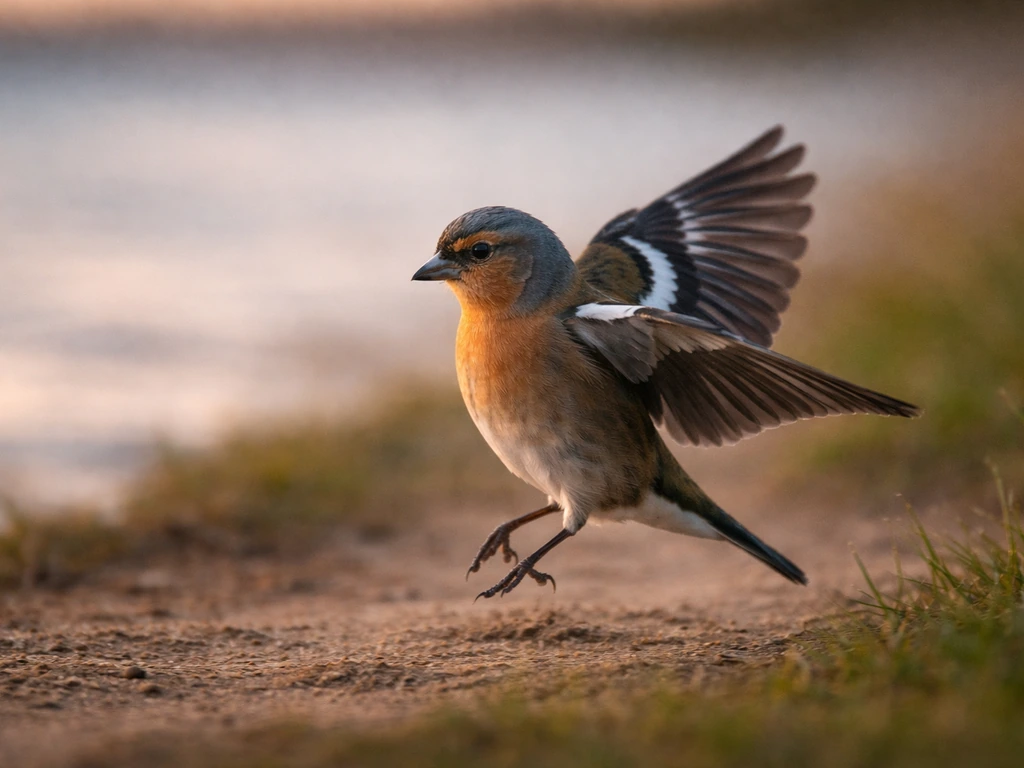
Sensitivity isn't just passive, it actively drives flight mechanics. When a bird spreads its wing, the mechanoreceptors in the patagium and near feather follicles pick up airflow-driven deformation of the skin. This gives the bird continuous information about lift, drag, and stall conditions, somewhat analogous to the pressure sensors used in aircraft wings, except the bird's system is biological and millisecond-fast.
During landing, proprioceptive feedback from the wing joints and muscles is especially important. The bird needs to slow precisely, redistribute its center of mass, and deploy its wings in specific orientations to brake without tumbling. Research on flight mechanics shows that birds make constant micro-adjustments based on sensory feedback from both wings. Asymmetric damage to one wing's sensory input can visibly impair landing coordination even when the structural integrity of the wing is otherwise intact.
Thermoreceptors in wing skin also play a role in thermoregulation. Birds will adjust wing posture based on temperature input, spreading wings to cool down or tucking them tightly to conserve heat. This is a behavior you can observe in large birds like vultures or herons on warm days. It's not a flight function exactly, but it is wing sensitivity doing real physiological work.
Why sensitivity matters for molting, injury, and handling
Molting
Molting is the process by which birds shed old feathers and grow new ones, and it's a period of elevated wing sensitivity. During active molt, a bird may have several blood feathers growing simultaneously in each wing. Those growing feathers are live tissue, directly innervated and vascularized. Birds in heavy molt often show behavioral changes: they become more protective of their wings, may resist handling more strongly than usual, and can startle more easily when their wings are touched. This isn't behavioral quirk, it's a rational response to genuine increase in tissue sensitivity.
If you're a pet bird owner or work with captive birds, it's worth knowing that wing clipping decisions during active molt carry more discomfort risk than clipping during a period when all feathers are fully grown out. In particular, the safest timing for trimming or clipping depends on whether the bird is actively molting and how sensitive the wing tissue is at that moment how often to clip bird wings. Discussions about how often to clip bird wings often acknowledge this, but the biological reason is specifically that blood feather sensitivity makes trimming more likely to cause pain or injury during molt.
Injury and nerve damage
Wing injuries that involve nerve damage can disrupt the bird's proprioceptive feedback, which creates coordination problems independent of bone or muscle damage. A bird might structurally be capable of extending a wing but not be able to control it precisely because it's lost sensory input from that wing's joints. This is why vets assessing wing injuries don't just check for fractures. They also test sensory response and nerve function.
Handling
Understanding wing sensitivity should directly change how you handle birds. Grabbing a wing roughly, pulling on feathers, or bending the wing at an unnatural angle causes real pain through the same nociceptor pathways that process pain in other vertebrates. Single-unit recordings from a cutaneous nerve bundle in domestic chickens likewise identify distinct afferent types for mechanical, thermal, and noxious stimulation nociceptor pathways that process pain in other vertebrates. This matters ethically and practically: a bird that has been handled painfully will be harder to handle safely in the future because it associates handling with pain. Gentle, well-supported restraint that keeps the wing in a natural position is both kinder and more effective.
Signs of wing discomfort or injury to watch for
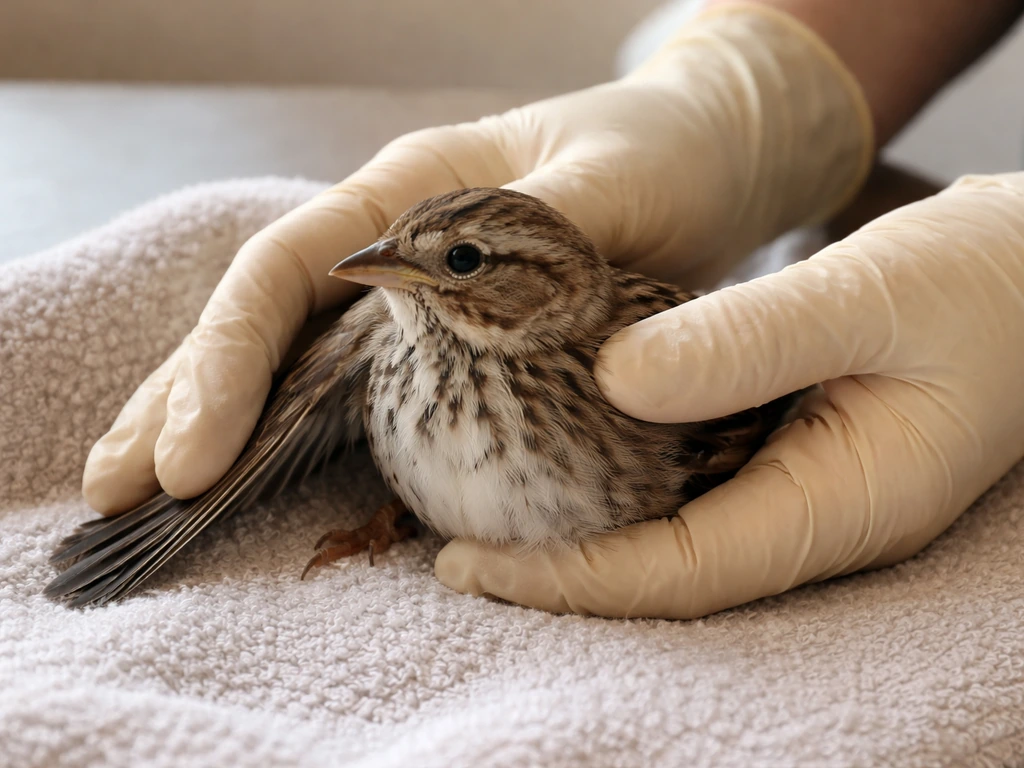
Birds are good at masking pain, partly because displaying weakness is dangerous in the wild. But there are reliable behavioral and physical signs that a wing is uncomfortable or injured. The more of these you see together, the more urgently you should consult a veterinarian or avian specialist.
- Wing drooping lower than normal, or held at an unusual angle when the bird is at rest
- Reluctance to fly, or obvious asymmetry in wingbeats when the bird does fly
- Feather-guarding behavior: the bird turns away from touch or tucks the wing tightly and resists any contact with it
- Visible swelling, bruising through the skin, or a bent/displaced appearance at a joint
- A blood feather that is broken at the base: this will bleed and needs immediate attention
- Excessive preening or chewing at one area of a wing (can indicate localized pain or irritation)
- Loss of grip strength in the foot on the same side as the affected wing (can indicate nerve involvement)
- Behavioral changes during molt: increased irritability, biting when wings are approached, or refusing to extend the wing voluntarily
A drooping wing in a wild bird found outdoors is one of the clearest signs of wing injury and usually means the bird needs rehabilitation care, not just a safe spot to rest. Wing injuries in wild birds rarely resolve without intervention because flight demands precise coordination and even a partially healed fracture or nerve injury can prevent safe flight.
Practical next steps for observing or safely handling wing-sensitive birds
Whether you're a pet bird owner, a wildlife rescuer, or just someone who found an injured bird in the yard, here's what to actually do today given what we know about wing sensitivity.
- If you need to handle a bird, support the body first. Cup the bird's body with both hands so the wings are held gently against the sides, not extended or forced. This natural position minimizes stress on every sensitive structure in the wing.
- Never pull on feathers to restrain or reposition a bird. Even a fully grown feather puts pressure on its follicle when pulled, and during molt you risk pulling a blood feather, which is painful and can bleed significantly.
- Check for blood feathers before any wing handling or clipping. Blood feathers look darker and thicker at the shaft base and often have a bluish tint from the blood supply inside. Leave these alone entirely until they mature.
- If you find an injured wild bird with a drooping or visibly damaged wing, contact a licensed wildlife rehabilitator immediately. Do not attempt to splint or manually manipulate the wing yourself, as improper restraint can worsen nerve or bone damage.
- For pet birds showing signs of wing discomfort (see the list above), book a veterinary exam with an avian vet rather than a general vet if possible. Wing nerve and joint assessments require specific knowledge of avian anatomy.
- During molt, reduce handling frequency and avoid touching the wing area unless necessary. Give the bird time to complete its molt before any wing trimming or more intensive interaction.
- If you're observing wild birds and want to assess wing sensitivity behaviors, watch for the subtle signs: how a bird lands (any asymmetry in braking), how it holds its wings at rest, and whether it stretches both wings symmetrically. Asymmetry in any of these is worth noting.
The biology here connects directly to practical care. Wings are sensitive because birds need them to be, for flight precision, environmental response, and tissue protection. Treating wing handling as something that requires care and awareness isn't overcaution, it's just working with the bird's biology rather than against it.
FAQ
Why do birds react more when you touch their wings during molting?
During active molt, many feathers are blood feathers (live tissue inside the shaft), so wing touch is more likely to trigger pain and bleeding. If you must restrain a bird then, avoid touching the growing feather shafts or bases, and prioritize minimal contact and gentle support of the body rather than “working” around the wing.
If mature feathers are “dead,” do birds still feel when you touch the wing?
Feather shafts from fully grown feathers are largely insensate, but the living follicle and the skin around it still have sensory nerves. That means you should avoid pulling, pinching, or bending feathers near the skin even if the feather itself feels sturdy.
Can a bird have a serious wing problem even if the wing doesn’t look broken?
Yes. Even when there is no obvious broken bone, nerve disruption can impair proprioceptive feedback, leading to poor coordination, awkward landing, or inability to control extension smoothly. A wing can look structurally intact but still be functionally injured.
What are the most useful signs that a wing is painful or injured?
A drooping wing, wing that hangs lower than the other, or uneven use of a wing during standing or flapping are common red flags. Because birds can mask pain, rely on patterns (droop plus reluctance to move, guarding, or abnormal posture) rather than a single sign.
How should I handle a wing to avoid causing pain from sensitivity?
Keep restraint natural by supporting the bird’s body and keeping the wing in a normal resting position, rather than holding the wing away from the body or bending it to “inspect” feathers. Use calm handling, short sessions, and let the bird settle before attempting any adjustment.
When is it safest to consider wing clipping if my bird is molting?
Clipping or trimming carries higher discomfort risk during active molt because blood feather tissue is sensitive and vascularized. If you’re deciding timing, the practical rule is: don’t assume the bird is “ready,” check for signs of active molt (new feather growth, sheathed feathers, bleeding points) and consult an avian vet if unsure.
Why would a vet check nerve function after a wing injury?
If a wing injury involves nerves, the coordination problem can persist even after swelling reduces or the bird seems “better.” Follow-up with an avian veterinarian matters because testing sensory response, not just range of motion, can change what recovery looks like.
Can wing pain make my bird more difficult to handle even after it heals?
Yes, wing sensitivity can influence behavior during social or training interactions. Birds may startle, resist step-ups, or guard the wing after a painful handling experience, even when the injury has healed. Consistent gentle handling and gradual desensitization are usually needed.
I found a wild bird with a wing issue, what should I do before touching the wing?
In wild birds, improper handling can worsen an underlying problem because flight requires precise wing sensing and coordination. The best immediate step is to minimize wing manipulation, keep the bird warm and contained, and seek wildlife rehabilitation guidance rather than trying to “test” the wing.
Next Articles
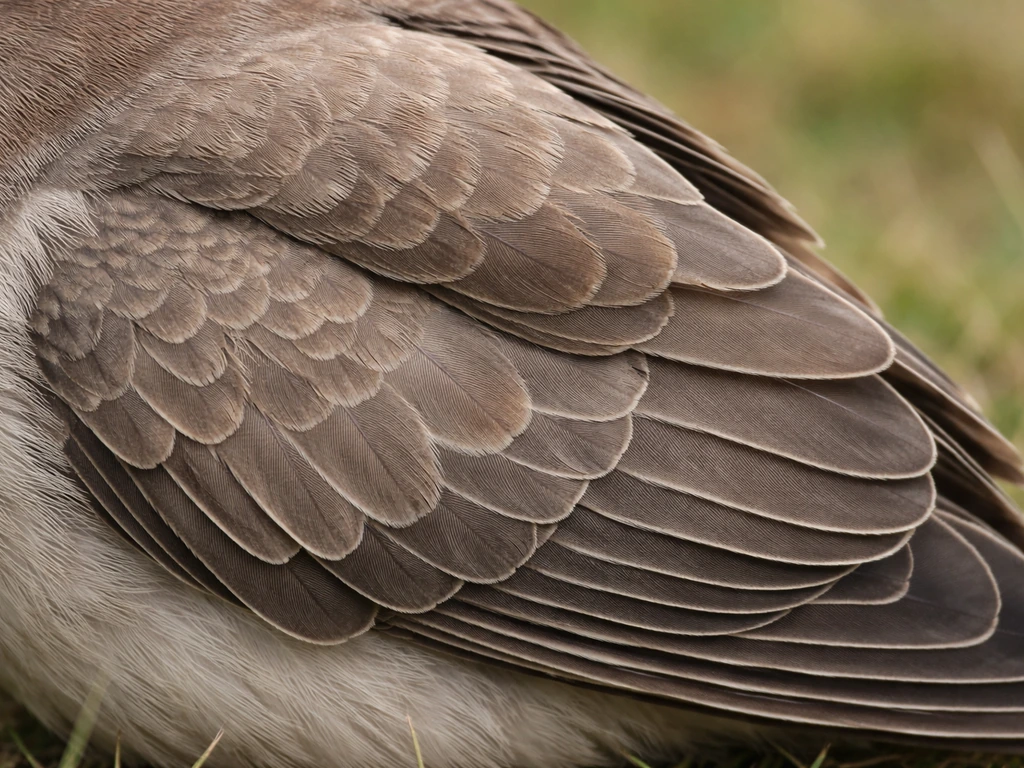
How Do Bird Wings Fold Step by Step and Why It Varies
Step-by-step guide to how bird wings fold using joints and feather groups, plus why folding differs by species.
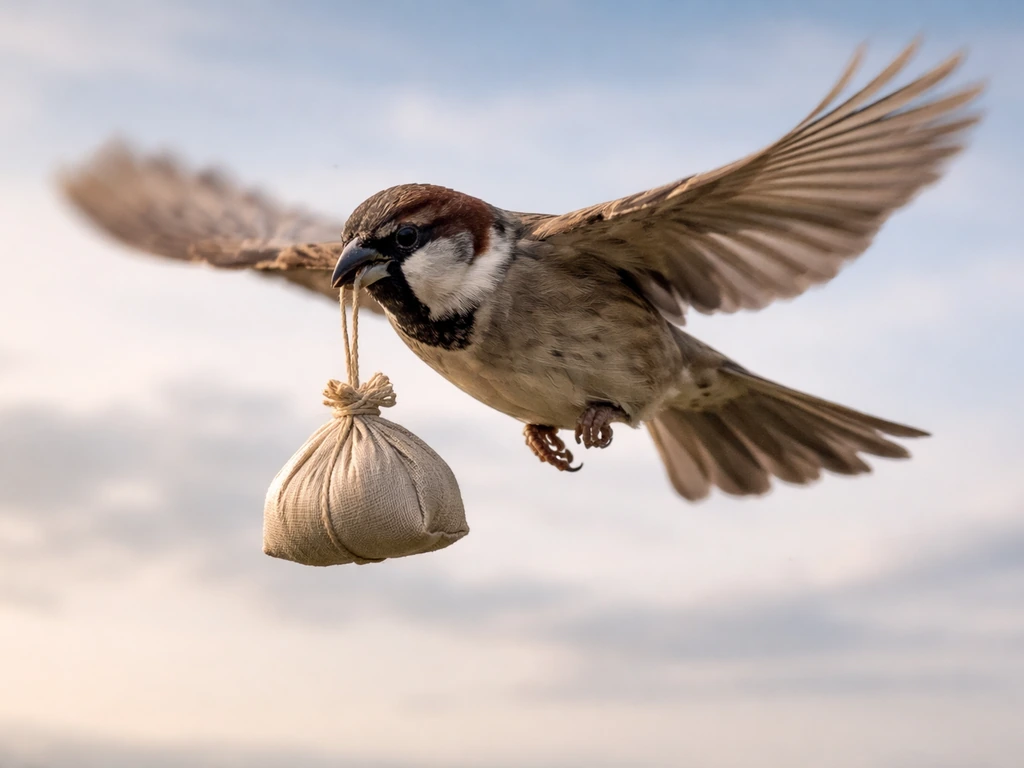
How Much Weight Can a Bird Carry Payload Limits Explained
Realistic payload ranges for different birds plus a method to estimate how much weight they can carry safely.
What Bird Has the Highest Heart Rate? Fastest Species Explained
Explains which bird has the highest heart rate, how it’s measured, key contenders, and how to compare readings fairly.