
Most birds can carry roughly 25 to 30 percent of their own body weight during brief, burst-effort flight like takeoff, but that number drops significantly for sustained flight. A pigeon weighing 300 grams can realistically carry about 75 to 90 grams for a short distance, while a large raptor like a bald eagle (around 4 to 6 kg) might lift a prey item close to its own weight for a few wing-beats but would struggle to fly any distance with it. For a deeper look at what counts as “how much can a bird lift” in practice, see how “weight a bird can carry” actually changes with burst versus sustained loading and other conditions. There is no single universal percentage that applies cleanly across all species, flight modes, and conditions, and that is exactly why this question is worth unpacking properly.
How Much Weight Can a Bird Carry Payload Limits Explained


What 'weight a bird can carry' actually means (and why it varies so much)
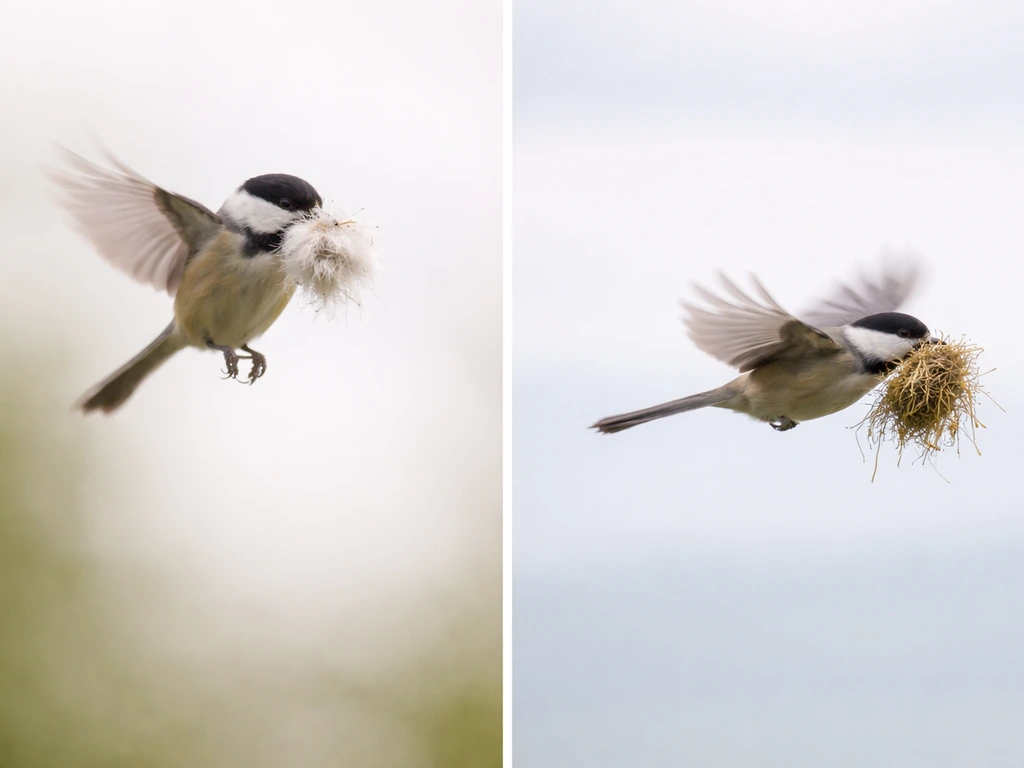
The phrase sounds simple, but researchers draw a sharp line between two very different things: burst load-lifting and sustained load-carrying. Burst lifting is what a bird does when it takes off from the ground with an added weight. Scientists measure this using what is called an asymptotic loading assay, where weight is incrementally added until the bird can no longer get airborne. That is the number that produces headlines like 'eagles can carry their own body weight.' Sustained load-carrying is something else entirely: it is how much extra mass a bird can transport while maintaining efficient, controlled flight over time, and that number is considerably lower.
The measurement also changes depending on how the bird is carrying the load. A raptor gripping prey with its talons mid-air deals with hanging weight and drag very differently than a pigeon with a harness-mounted payload on its back (research on back-mounted payloads in pigeons has shown they can even cause birds to break from flocks and change flight timing). And 'carrying while perching' is a completely different question from 'carrying while flying.' So before any number means anything, you need to know: which species, how is the load attached, burst or sustained, and over what distance?
The biology that sets the ceiling: bones, muscles, feathers, and breathing
Bird skeletons are genuinely remarkable engineering. They are lightweight yet stiff enough to handle the repeated mechanical forces of flapping flight, and many bones are hollow or pneumatized (connected to the bird's air sac system). This keeps mass low without sacrificing the structural strength needed to withstand high-load events. But that same lightweight architecture means there is a real ceiling on the compressive and tensile forces the skeleton can handle before injury risk climbs. Adding extra payload increases the load on the wing bones, the furcula (wishbone), and the joints with every single wingbeat, which is why sustained carrying is far more damaging than a single burst effort.
The pectoralis muscle, the massive flight muscle sitting on the bird's keel-shaped sternum, is actually the best single predictor of how much a bird can lift. Research going back to James Marden's foundational work found that maximum lift production across a huge range of flying animals scales remarkably consistently with flight muscle mass, producing roughly 54 to 63 Newtons of lift per kilogram of flight muscle. That means if you know how much of the bird's total body mass is flight muscle (typically around 15 to 25 percent in most flapping species), you can get a rough ceiling on burst lifting capacity.
Feather condition matters more than most people expect. Worn or molting feathers reduce wing area and aerodynamic efficiency, which directly lowers the amount of lift the wing can generate. A bird in prime condition after molt will outperform the same individual mid-molt, sometimes by a meaningful margin. Health and body fat reserves also factor in: a bird that is already carrying extra mass as fat stores (as migrants do) has less power margin available for external payloads.
Respiration is another limiting factor that often gets overlooked. Birds breathe using a highly efficient unidirectional airflow system involving air sacs, which delivers oxygen continuously during both inhalation and exhalation. But even this system has limits: heavier loads demand more power output per wingbeat, which drives up oxygen consumption. In sustained flight with a payload, a bird's respiratory and cardiovascular systems are working closer to their maximum, which accelerates fatigue and shortens the time and distance the bird can maintain the load.
How flight mechanics actually control payload: wing loading, thrust, drag, and time limits
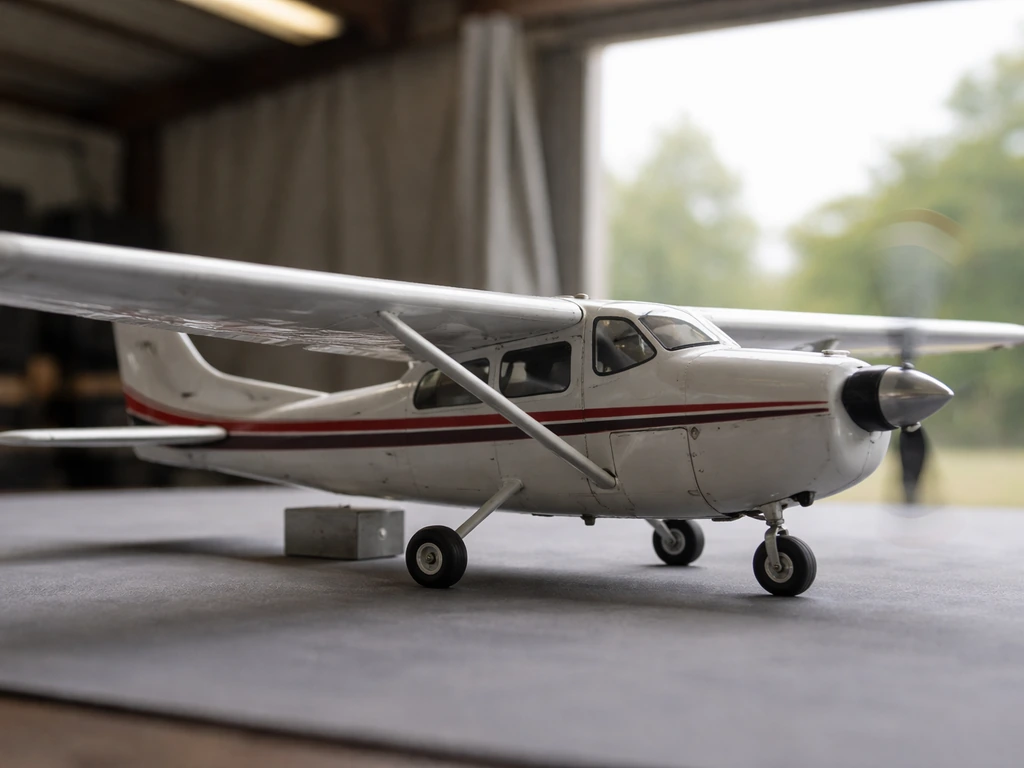
Wing loading is defined as the bird's total mass divided by its total wing area, and it is one of the most useful numbers in understanding flight performance. A bird with high wing loading (heavy relative to wing area, like a swift or a diving duck) needs to fly fast to stay airborne and has very little spare lift margin for extra weight. A bird with low wing loading (large wings relative to mass, like a vulture or an albatross) has more aerodynamic 'slack' and handles added mass more gracefully, at least in terms of staying aloft.
Adding payload increases total mass, which increases wing loading, which raises the minimum speed needed to generate enough lift. This shifts the bird's entire power curve upward. Flight researchers describe power requirements as following a U-shaped curve relative to speed: there is a minimum-power speed and a maximum-range speed, and adding mass shifts both of those speeds higher while also raising the power required at every speed. In practical terms, a loaded bird has to work harder to fly at any speed, burns energy faster, and fatigues more quickly.
Drag is a separate problem. A dangling prey item or a poorly fitted harness adds frontal area and turbulence, increasing drag beyond what the mass alone would predict. This is why back-mounted tracker payloads in pigeon studies showed aerodynamic effects that went beyond simple weight addition. The shape and placement of a load matters as much as its mass when you are trying to predict real-world performance.
Time and distance limits follow directly from all of the above. A bird might manage a burst takeoff with 40 percent of its body weight, but maintaining sustained flight with that load for more than a few seconds or meters is another matter entirely. Migration energetics research supports this: models suggest that maximum fuel load (the bird's own fat, which functions as an internal payload) declines as a fraction of body mass in larger birds because their power margin in sustained flapping flight is narrower. The bigger the bird, the tighter the energy budget, and the less room there is for extra load in extended flight.
Real numbers by species: from sparrows to eagles
Rather than a single rule, here is a practical sense of what different bird categories can manage. These are realistic working ranges based on the biomechanical frameworks above, not marketing claims.
| Bird type | Approx. body mass | Burst lift estimate | Realistic sustained carry |
|---|---|---|---|
| Small passerine (sparrow, finch) | 15–30 g | Up to ~25–30% body mass | Not practical for any real load |
| Pigeon / dove | 250–400 g | Up to ~75–120 g burst | ~50–75 g for short sustained flight |
| Small raptor (kestrel, merlin) | 150–300 g | Up to ~30–35% body mass | Prey items up to ~30% body mass |
| Medium raptor (red-tailed hawk, osprey) | 0.8–1.5 kg | ~400–600 g burst | ~200–400 g for short transport |
| Large raptor (bald eagle, golden eagle) | 4–6 kg | ~1.5–2.5 kg burst (brief) | ~0.5–1 kg for sustained flight |
| Hummingbird | 3–8 g | Close to body mass in vertical burst | Tiny; load-carrying not practical |
Raptors and birds of prey get a lot of attention in these discussions, and the sibling topics on ospreys, falcons, kites, and birds of prey specifically go deeper on those species. Kite birds are often discussed because their ability to lift prey is shaped by the same burst versus sustained limits described elsewhere in this article kites. Falcons are raptors, and their carry capacity depends on whether you mean a burst lift or sustained transport. The short version: raptors are optimized for burst power to capture prey, but even large eagles rarely fly any real distance with prey that approaches their own body weight. Field observations of osprey, for example, suggest they regularly carry fish weighing 30 to 50 percent of their own body mass, but will abandon fish that are too heavy to lift clear of the water. Cranes are a different story since they are large wading birds, not aerial load-carriers, and their 'lifting' capacity in that context means something entirely different. That means you should not try to apply crane numbers in the same way as aerial birds when asking how much weight a crane bird can lift cranes are large wading birds.
Hummingbirds are worth a special mention because they have been studied intensively with vertical load-lifting assays. They can lift close to their own body mass in brief hovering bursts, but this is a testament to their extraordinary metabolic rate, not a template for other birds. Their capacity degrades sharply at altitude and in warm air because hovering is already pushing their power output to the absolute limit.
How to estimate payload for a specific bird

If you want a working estimate for a particular bird today, here is a practical method using body mass and conservative assumptions. It will not give you a precise number, but it will give you a defensible, safe range grounded in the actual biomechanics.
- Find the bird's body mass. Use a published species average if you cannot weigh the individual bird. Field guides and ornithological databases carry reliable ranges.
- Estimate flight muscle mass. For most flapping birds, flight muscles make up roughly 15 to 25 percent of total body mass. Use 17 to 20 percent as a conservative middle estimate for typical passerines and pigeons; raptors tend toward the lower end of that range.
- Apply the lift-per-muscle-mass constant. Multiply your estimated flight muscle mass (in kilograms) by 54 N/kg (the conservative end of the research range) to get a rough maximum burst lift force in Newtons.
- Convert to maximum burst load. Divide the burst lift force by 9.8 (gravitational acceleration) to get kilograms. Subtract the bird's own body mass. What remains is the theoretical maximum added mass at takeoff.
- Apply a sustained-flight correction. Reduce the burst figure by 40 to 60 percent to get a more realistic sustained-carry estimate. The exact reduction depends on flight distance, weather, and the bird's condition, so err toward 60 percent reduction (meaning you keep only 40 percent of the burst maximum) if you need a conservative number.
- Check your answer against wing loading. If the bird already has high wing loading (fast, direct fliers like ducks or swifts), apply an additional 20 percent reduction. High wing loading means the bird is already operating with less aerodynamic margin.
As a worked example: a pigeon at 320 g body mass has an estimated flight muscle mass of about 56 g (17.5 percent). Multiply 0.056 kg by 54 N/kg to get roughly 3.0 N of available lift from muscle. Divide by 9.8 to get 0.31 kg of total maximum lift mass. Subtract the pigeon's own 0.32 kg... and you immediately see why the math is tight at the extremes. That is the burst ceiling; at 40 percent of that for sustained flight, you are looking at something in the range of 50 to 75 g as a reasonable working payload estimate, which lines up with practical observations.
Safety, myths, and what not to do
The most persistent myth is that birds can carry a fixed percentage of their body weight as a reliable rule, often stated as 'one-third' or 'half' their body mass. This fails for several reasons. It collapses the burst versus sustained distinction entirely. It ignores wing loading, feather condition, health, altitude, temperature, and load placement. And it is drawn from takeoff assay results, which measure the absolute maximum a bird can do in a single all-out effort, not what it can do comfortably or repeatedly. Using the burst maximum as a planning number for any real application will overestimate the bird's practical capacity by a wide margin. If you are wondering how much blood a bird can lose during injury, that is another safety-focused limit to consider alongside how overload affects takeoff and injury risk how much blood can a bird lose.
Testing payload on a live bird carries genuine injury risk. Extra weight stresses wing joints and the furcula with every wingbeat, and a bird that is struggling to fly with an overload cannot protect itself from landing impacts, collisions, or predators the way it normally would. Overloading during takeoff attempts specifically puts peak stress on the humerus and shoulder joint, which are already under significant load at liftoff. Repeated overloading causes cumulative damage that may not show obvious symptoms until the injury is serious.
For raptors and birds of prey specifically, direct handling and any kind of payload experimentation outside of a licensed facility is strongly discouraged and in most jurisdictions is illegal without proper permits. Wildlife rehabilitation organizations and veterinary clinics that work with raptors emphasize keeping handling to a minimum, keeping wings secured and tucked, and using protective gloves to avoid talon injuries. The handling risks alone, before any payload is involved, are significant enough that professional guidance is the standard expectation.
If you are working with trained birds (falconry or scientific tracking), the established safe threshold for back-mounted tracking devices is typically 3 to 5 percent of the bird's body mass, and that figure comes from years of welfare research specifically aimed at minimizing performance and behavioral impacts. That 3 to 5 percent figure is a welfare standard, not a payload ceiling, and the two should not be confused.
Signs that a bird is overloaded include labored or asymmetrical wingbeats, an inability to gain altitude, altered posture on landing, or reluctance to take off again. Any of these should be treated as an immediate signal to remove the load and assess the bird for injury. If you are observing a wild bird carrying prey that appears too heavy (as you might with an osprey or a kite), the bird itself is the best judge of whether it can manage: they regularly drop prey that exceeds their practical capacity, which is the adaptive response rather than a failure.
The cleaner alternative to directly loading a bird is to use species selection intelligently. If you have a legitimate working context (falconry, research telemetry, or conservation monitoring), choosing a species with higher flight muscle mass relative to body size and lower natural wing loading gives you more practical payload margin without pushing any individual bird toward its limits. For most readers, though, the honest takeaway is that these numbers are benchmarks for understanding bird biology, not recipes for loading up a bird and seeing what happens.
FAQ
If a bird can lift X percent of its body weight for takeoff, can I use that as a safe payload limit?
For real-world use, plan around the sustained, welfare-safe range, not the peak takeoff assay. A bird that can briefly lift a heavy item may be unable to maintain controlled flight, avoid obstacles, or protect itself during landing, so you should treat the burst maximum as an absolute ceiling, not a target.
How do I adjust the estimate if the payload changes aerodynamics (shape, swinging, or poor harness fit)?
The method can be off by a lot if the load reduces effective wing area or changes the bird’s drag. If the load is bulky, sits far from the body centerline, or swings, the penalty can exceed what the “mass-based” math predicts, so you should assume a lower usable payload for harnesses with poor fit or swinging items.
Does altitude or hot weather change how much weight a bird can carry?
Altitude and temperature affect how much power and oxygen the bird can convert into lift, especially for species that rely on hovering or slow, high-drag flight. If your scenario involves high elevation or warm weather, reduce expected capacity and avoid assuming the same numbers apply as at sea level in moderate temperatures.
Is repeated testing more risky than one heavy takeoff attempt?
Yes. The furcula and shoulder region experience peak stress at liftoff and during forceful wingbeats, so even if a bird survives a short burst, repeated attempts can cause cumulative injury. If you must work with trained birds, minimize repeated loaded attempts and allow recovery time instead of testing “how high can it go” repeatedly.
Is load placement (balanced versus hanging or trailing) more important than payload mass?
Yes, but usually in a tricky way. For payloads that are internal or well-balanced and streamlined, the bird’s performance can be closer to the mass-based expectation. For external loads that hang, trail, or shift during motion, drag and instability can reduce distance and increase fatigue much faster than weight alone.
Why does flight muscle mass help for lifting but not for predicting how far the bird can go?
Flight muscle mass estimates are most reliable as rough ceilings for burst lifting, because muscle scaling is tied to maximum lift production. For sustained carrying, oxygen delivery limits, fatigue, and wing loading dominate, so the “flight muscle math” alone will overestimate how long or how far the bird can continue.
Can a bird lift heavy weight but still be unable to actually carry it for any distance?
A common planning mistake is mixing “carrying” with “carrying in motion.” Many birds can briefly lift while starting, then stop or drop as soon as they cannot sustain enough power. If you care about continuous transport (seconds to minutes, or meters beyond a takeoff), you need to use the sustained logic, not just takeoff capability.
What should I do if the bird is molting or has damaged feathers?
Molting or worn feathers can noticeably reduce aerodynamic efficiency because wing area and surface quality change. If you’re estimating for a specific individual, treat feather condition as a meaningful risk factor and assume lower payload margin for a bird that is mid-molt or has reduced feather integrity.
What are early signs that a bird is overloaded during a flight attempt?
Injury signs often show up as changes in motion quality rather than just “refusing the load.” Look for labored or uneven wingbeats, poor or asymmetric posture on landing, inability to climb after takeoff, and reluctance to repeat the task. If any appear, remove the load and prioritize veterinary assessment if needed.
If I’m using a back-mounted tracker, how do I keep payload effects within safe welfare limits?
If you’re designing a tracking or monitoring setup on a trained bird, use the welfare threshold range commonly applied in telemetry work and keep everything else optimized (streamlined shape, secure fit, minimal movement). Even within low-percent thresholds, a poorly fitted device can create drag and behavioral changes, so fit and stability matter as much as the percent number.
When I see a wild bird drop prey, does that mean it was physically incapable from the start?
For wild observation, the safest “rule” is that the bird’s behavior indicates capacity. Raptors and other species often drop prey that becomes too heavy to lift safely out of the water or through their flight environment, and abandoning is an adaptive response rather than a controllable failure.
What Bird Has the Highest Heart Rate? Fastest Species Explained
Explains which bird has the highest heart rate, how it’s measured, key contenders, and how to compare readings fairly.