No, bird blood is not purple. It is red, just like human blood, because birds are vertebrates and their blood gets its color from hemoglobin, the same iron-based protein that makes our blood red. That said, there are very real, very common reasons why bird blood can look purple or nearly black in photos, in dim lighting, or at the site of a wound, and understanding the difference between "just a visual trick" and "something is actually wrong" is exactly what this guide is for. That said, there are very real, very common reasons why bird blood can look purple or nearly black in photos, in dim lighting, or at the site of a wound, and understanding the difference between "just a visual trick" and "something is actually wrong" is exactly what this guide is for. If you are noticing color that seems off in other ways, like green bird shell colors, it helps to compare how lighting, camera settings, and tissue or surface effects can change what you see.
Is Bird Blood Purple? What It Means and What to Do

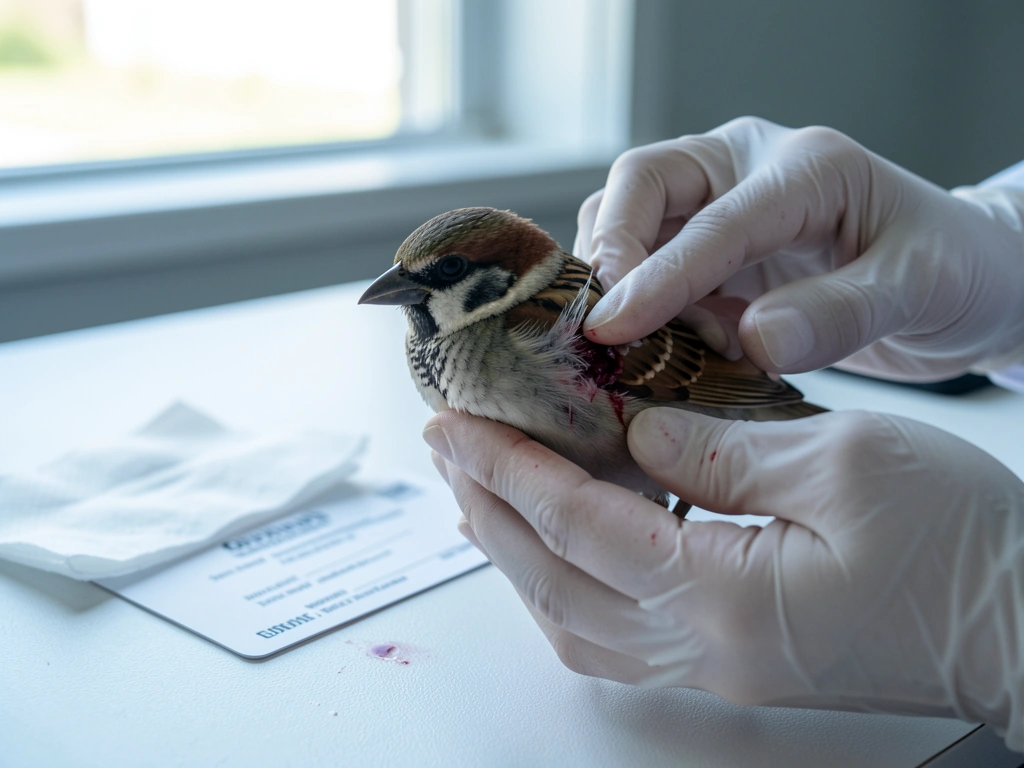
What bird blood actually looks like
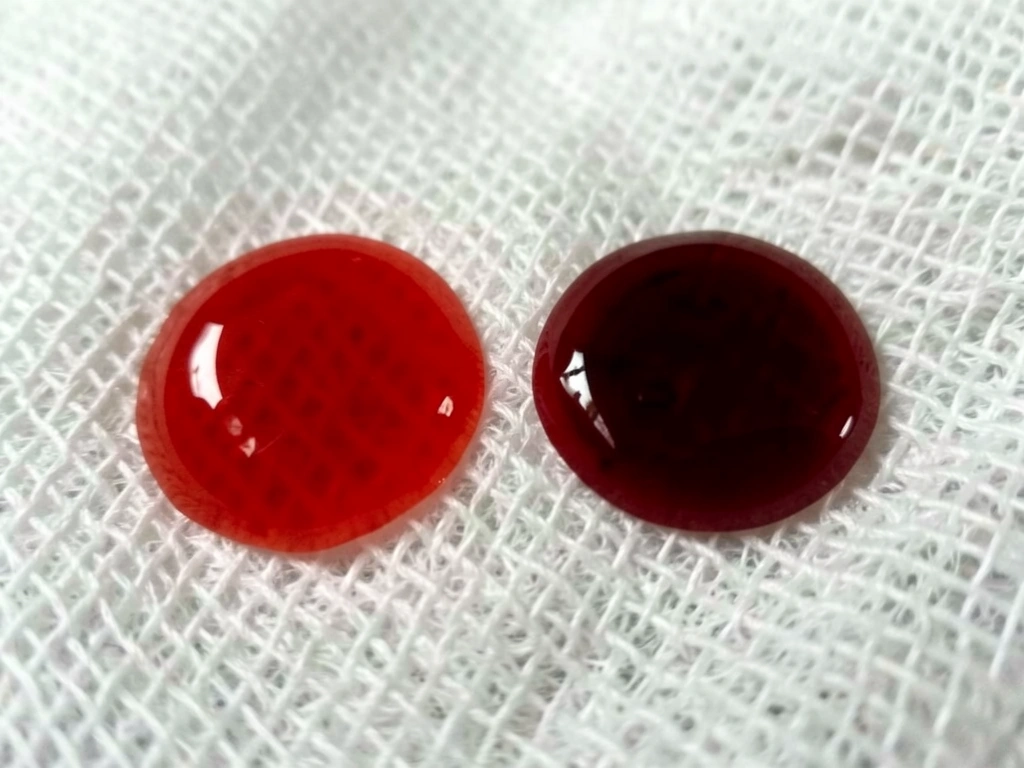
Under normal conditions, bird blood looks a lot like human blood. blank" rel="noopener noreferrer">Bright arterial blood (the kind pumped directly from the heart) is a vivid, cherry red. Venous blood (blood returning to the heart after delivering oxygen to the body) is a noticeably darker, deeper red. This distinction is not unique to birds. It applies to virtually all vertebrates, and it comes down to one thing: how much oxygen the hemoglobin is carrying at any given moment.
One thing that is genuinely different about bird blood compared to ours: bird red blood cells have a nucleus (something human red blood cells lack). If you have ever looked at a blood smear under a microscope, you would actually see small oval cells with a visible nucleus. Clinically, avian blood is analyzed using staining techniques like Wright-Giemsa staining to identify those cells properly, not by gross color alone. So even trained vets do not diagnose from color in isolation. Keep that in mind the next time you stare at a dark spot on your bird's feathers and panic.
Why bird blood can look purple
This is the part that trips most people up, and honestly, it tripped me up the first time I saw a photo of a hawk injury that looked almost violet. There are several overlapping reasons why blood that is biologically red appears purple to the human eye or to a camera.
Oxygenation level
Deoxygenated (venous) blood is dark red, and when you look at it through skin or feathers, or when it pools in a wound and loses contact with oxygen, it can read as purple or even brownish-black to your eye. This is the same reason a bruise looks purple under human skin. It is not a separate pigment doing something weird. It is just dark red blood seen through tissue that filters out certain wavelengths of light.
Lighting conditions
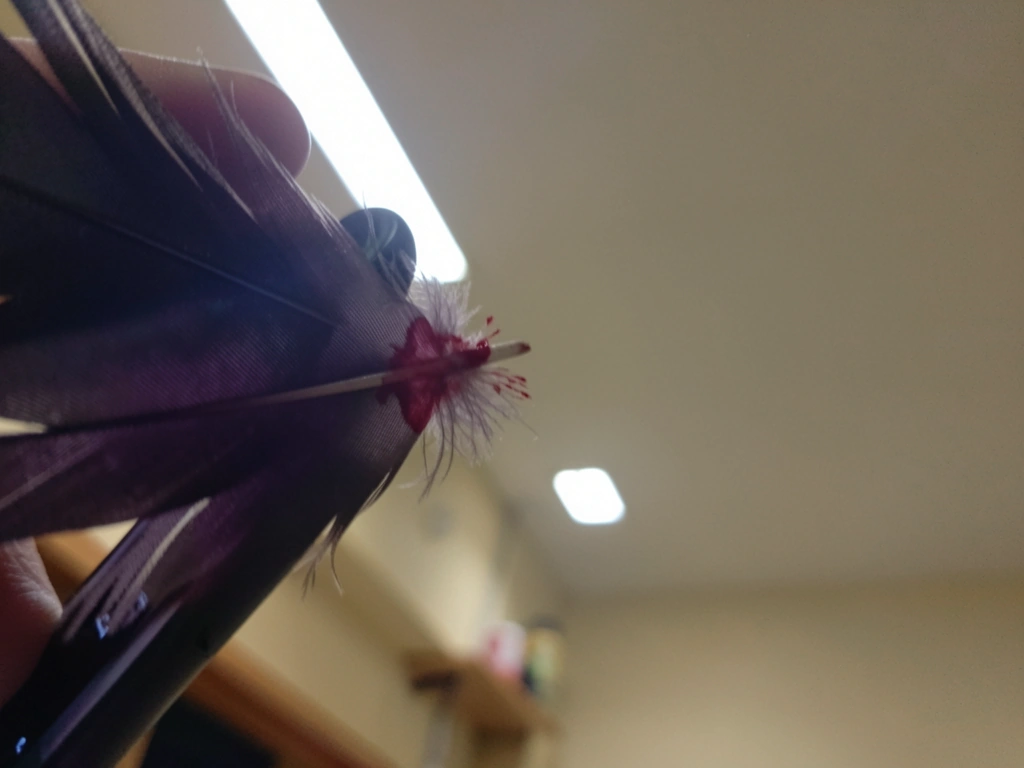
Shade, overcast skies, or indoor artificial lighting can dramatically shift how red appears to both the eye and a camera sensor. Fluorescent lights in particular have a strong blue-green bias that can make deep red look distinctly purple. If you saw what looked like purple blood on a bird and you were indoors or in shade, lighting is a major suspect.
Camera white balance and color settings
Phone cameras automatically adjust white balance, and they frequently get it wrong when photographing small animals. A camera set to "auto" in mixed lighting will often shift reds toward purple or magenta, especially if the background is bright. If you took a photo and the blood looks purple, take a second shot in direct natural sunlight before drawing any conclusions.
Oxidation and drying
Blood that has been sitting on feathers or skin for any length of time oxidizes, meaning it reacts with air and darkens. Fresh red blood dries to a brownish-maroon or nearly black color. Depending on the feather color underneath, this can look purple when it is really just old, dried blood.
Feather and skin color
Dark-feathered or dark-skinned birds (like crows, starlings, or many parrots) can make blood appear much darker and more purple than it actually is because of how the colors mix visually. A small amount of bright red blood on a dark violet or black feather? It will photograph as almost indistinguishable from the feather itself, or show up as a murky, weird purple.
How to check the color accurately in real life
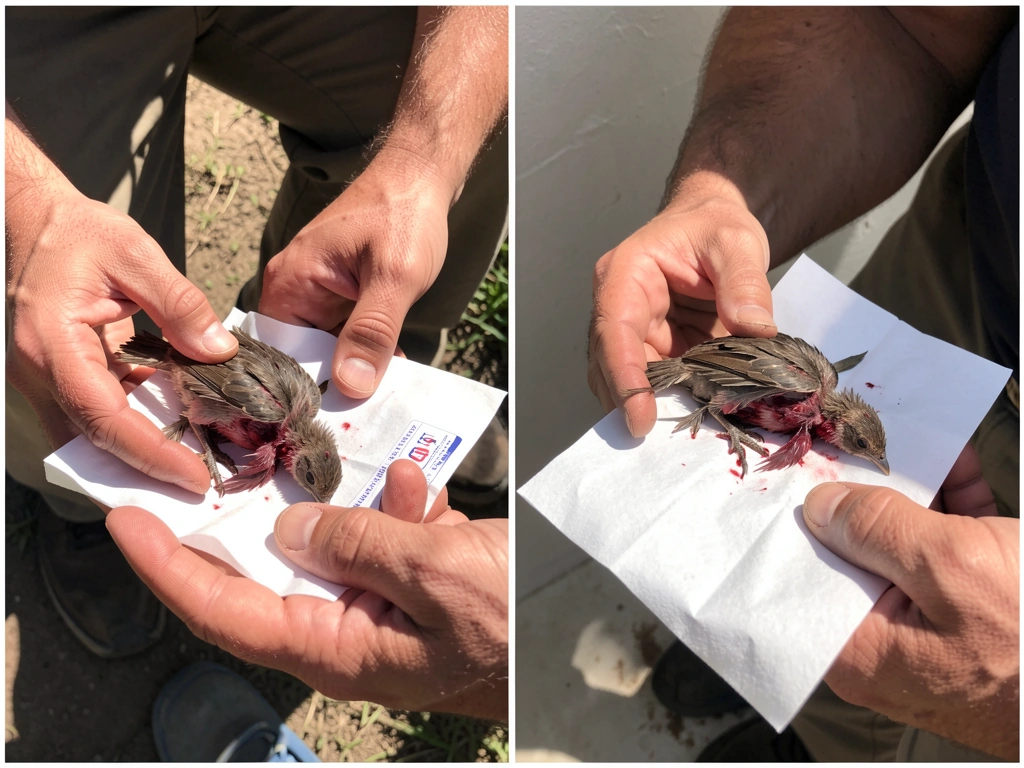
If you are trying to figure out whether what you are seeing is normal dark-red bird blood or something that genuinely looks off, here is a simple process that takes about two minutes.
- Move the bird (or look at the wound site) in direct natural daylight. Not bright shade. Actual sunlight. This is the only reliable way to see the true color.
- Hold a white paper or cloth nearby as a reference point. Your eye calibrates to neutral white automatically, which strips away false color casts from lighting.
- If you are photographing, tap the wound area on your phone screen to lock focus and exposure there, then manually set white balance to daylight or cloudy if your phone allows it.
- Look at whether the blood is wet and bright versus dried and crusted. Fresh blood should look clearly red in good light, even if it is dark red. Truly purple or blue-tinged wet blood is abnormal.
- Check the surrounding tissue, not just the blood. If the skin or visible tissue around the wound looks bluish or grayish rather than pink, that matters more than the blood color itself.
When purple or very dark blood could signal a real problem
Most of the time, what looks purple is just dark-red venous blood or an artifact of lighting and photography. But there are genuine warning signs where color is telling you something important.
Cyanosis is the medical term for a bluish-purple discoloration of tissue caused by poor oxygenation. In birds, you might see it in the skin around the beak, the feet, or any bare skin patches. It is not technically the blood being purple, but it is your visual cue that oxygen delivery is compromised, which is serious. Think of it as the body's own distress signal showing through the skin.
Severe anemia (low red blood cell count or hemoglobin) can make blood look pale and watery rather than richly red, or in some conditions, abnormally dark. Clinical avian hematology references describe signs like vacuolation (bubbled cell appearance) and hypochromia (paler cell color) in severely anemic birds. You obviously cannot see this with the naked eye, but if a bleeding bird looks unusually lethargic, pale around bare skin areas, or the bleeding wound looks watery and thin, that is a flag worth acting on.
| What you see | Most likely explanation | Urgent? |
|---|---|---|
| Dark red to near-black blood, bird active | Venous blood or dried/oxidized blood | No, but monitor |
| Bright red blood, actively flowing | Arterial bleed | Yes, apply pressure immediately |
| Bluish-purple skin around beak or feet | Possible cyanosis (low oxygenation) | Yes, contact vet now |
| Pale, watery-looking blood, lethargic bird | Possible severe anemia or shock | Yes, contact vet now |
| Purple-looking blood only in photo | Camera/lighting artifact | Recheck in natural light first |
| Dark dried crust on feathers, bird alert | Old dried blood, oxidized | Monitor, check wound site |
Immediate first aid if a bird is bleeding right now
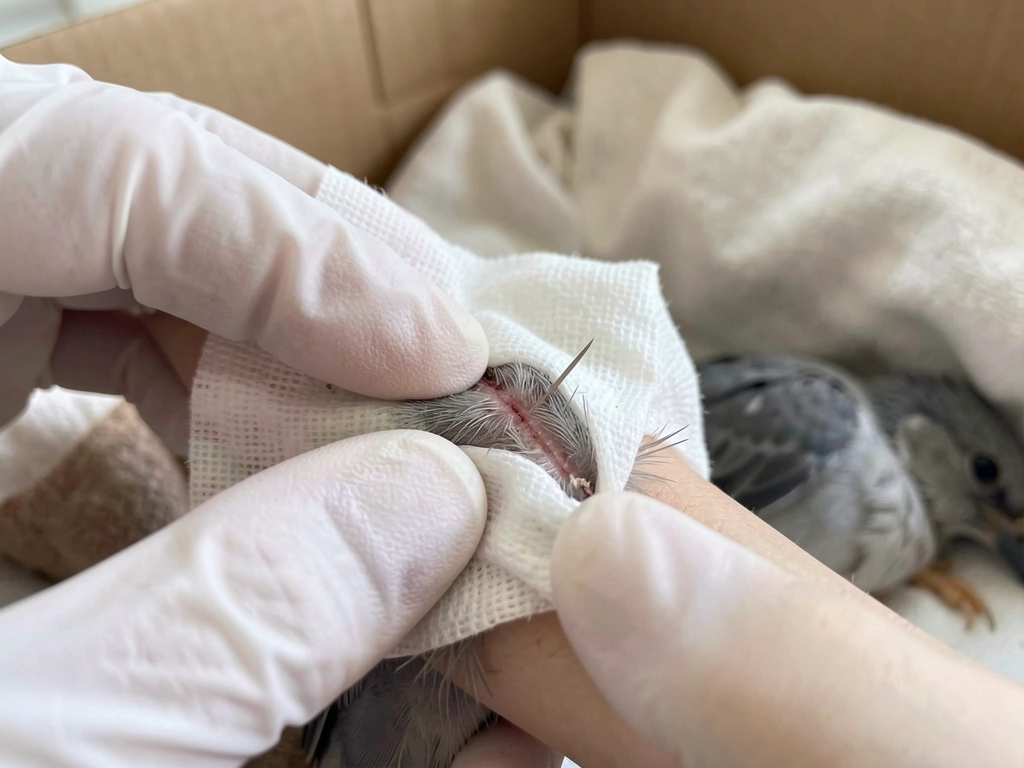
If you are reading this because a bird in front of you is actually bleeding, here is what to do. Do not overthink the color. Focus on these steps.
- Apply gentle but firm direct pressure to the wound using clean gauze or a soft cloth. Hold it there without lifting to peek for at least two to three minutes. Lifting repeatedly disrupts clot formation.
- If you have styptic powder or cornstarch available, apply a small amount to the wound site along with pressure. These are especially useful for bleeding from a broken feather shaft or nail.
- Do not apply ointments, creams, or any human antiseptic (like hydrogen peroxide or alcohol) unless a vet has specifically told you to. These can cause additional tissue damage in birds.
- Do not give the bird food or water. This is consistent advice from wildlife rehab organizations and avian first-aid resources alike. A bird in shock or distress can aspirate liquids or go into a worse state if forced to eat. Wait for professional guidance.
- Place the bird in a small, dark, quiet container (a cardboard box with air holes works well) lined with a soft cloth. Darkness reduces stress, which genuinely helps stabilize the bird.
- Keep the bird warm but not hot. Room temperature or slightly warmer is the target. Avoid heating pads directly under the bird.
- Do not attempt to splint, wrap, or do anything more complex than bleeding control and stabilization. You can cause more harm than good with interventions you are not trained for, especially with broken feathers or quills.
When to call a vet or wildlife rehabber right away
Some situations cannot wait. Contact a licensed wildlife rehabilitator or avian vet immediately if you observe any of the following:
- Bleeding that does not slow or stop within five minutes of firm, steady pressure
- Bluish or grayish coloration around the beak, feet, or any bare skin (possible cyanosis)
- The bird is unconscious, limp, or completely unresponsive to handling
- You can see exposed bone, a clearly broken limb hanging at an abnormal angle, or internal tissue at the wound site
- Labored, open-mouth breathing or audible wheezing
- The bird was struck by a vehicle, a cat, or a window (even if it looks okay, internal injuries are common and invisible)
- Any discharge from the eyes, beak, or nostrils alongside the bleeding
For pet birds, call your avian vet directly. For wild birds, search for a licensed wildlife rehabilitator in your area through your state or regional wildlife agency. The Audubon Society also maintains guidance on finding local help. Do not attempt to keep or rehabilitate a wild bird yourself. Beyond being potentially illegal without a permit, it rarely ends well without specialized training and equipment.
Common myths and quick troubleshooting
Let me clear up a few things that come up repeatedly when people search this topic.
Myth: Bird blood is naturally purple. Not true for any common bird species. All birds have hemoglobin-based blood and it is red. The color variation you see is a function of oxygenation, viewing conditions, and oxidation, not a different biology. Organisms like some mollusks have non-red blood due to entirely different oxygen-carrying pigments, but birds are not in that category.
Myth: Dark blood always means something is wrong. Also not true. Venous blood is supposed to be dark. Blood that pools in a wound loses oxygen quickly and darkens. Old dried blood on feathers looks nearly black. Dark alone is not an alarm. The bird's behavior, the location and severity of the wound, and whether bleeding continues all matter far more.
Myth: If it looks okay in a photo, it is fine. Photos lie constantly when it comes to blood color. Camera white balance, lighting type, and the surrounding colors all skew what you see. Always verify in direct natural light before deciding the situation looks normal.
Troubleshooting tip: If you saw "purple blood" on a bird in your yard and the bird flew away normally, you were almost certainly looking at dark venous blood or dried blood caught in bad lighting. purple blood is a bird biology topic, watch it for a day if you can, but the flying itself is a strong reassurance.
Troubleshooting tip: If you are a hunter and noticed dark, almost purple blood in a bird you harvested, that is normal. Internal blood that has pooled after death rapidly deoxygenates and darkens. It is not a sign of disease or contamination on its own.
One last note: if the bird's blood color has you curious about broader avian biology, birds have a surprisingly unique circulatory system. Birds do not truly change the inherent color of their blood, but factors like oxygenation, lighting, and oxidation can make blood appear to shift. If you are wondering about other bird behaviors, you may also be asking does a bird urinate, since birds handle waste differently than mammals. Their blank" rel="noopener noreferrer">red blood cells retaining a nucleus (unlike ours) is just one piece of that. The way birds process oxygen to support high-energy flight, and even how their color vision works differently from ours, connects to a whole fascinating set of questions worth exploring if you are down the bird biology rabbit hole. If you are also curious about bird scents, you might be wondering what does a bird smell like and why it can vary by species and environment bird biology rabbit hole. If you are curious about that, you might also wonder can bird see color, since their vision and eye structures affect how they perceive the world how their color vision works differently from ours.
FAQ
If I see purple blood in a picture, how can I tell if it is just a camera effect?
Not usually. “Purple” in a photo is most often dark venous blood, dried blood, or a lighting and camera white-balance effect. If the bird is breathing normally, alert, and bleeding has stopped, the color alone is rarely a reliable indicator.
What photo setup should I use to confirm whether bird blood really looks purple?
Take the same shot again in direct natural light (outdoors if possible) and include a neutral background or your hand for color reference. If it shifts back toward deep red in sunlight, that strongly suggests an imaging or lighting artifact rather than a true pigment change.
Can bird blood change color over minutes or hours?
Fresh blood can oxidize as it dries, so color can change quickly. If you are observing in real time, compare the blood that is actively wet (usually brighter red) versus crusted or dried areas (often brownish-maroon to nearly black).
Why does the same kind of bleeding look more purple on dark-feathered birds?
Yes. Venous blood can appear very dark, and in birds with dark feathers or skin, a small amount of bright blood can visually blend with the surrounding color and look almost violet. More surface area and thicker pooling tend to look darker overall.
When should I treat “purple-looking blood” as an emergency rather than a visual oddity?
Do not rely on blood color to diagnose disease. If there are systemic concerns, like abnormal breathing, weakness, extreme lethargy, pale or bluish skin around bare areas, uncontrolled bleeding, or a nonhealing wound, treat it as urgent and contact an avian vet or licensed rehabilitator.
What should I do if I find an injured bird with blood that looks nearly black or purple?
If a bird is actively bleeding from a wound, the priority is stopping ongoing harm and getting professional care, not guessing the cause from color. Avoid applying random home substances, because they can irritate tissue or interfere with proper wound assessment by a vet.
Does cyanosis mean the blood is purple?
Cyanosis is about bluish-purple discoloration of tissue due to low oxygen, not the blood itself. Look at bare skin or areas like the feet, beak skin, or comb-like regions, and consider behavior, breathing rate, and responsiveness, since cyanosis warrants prompt care.
Can a pet bird have anemia or internal bleeding even if the blood color seems normal or only slightly dark?
For pet birds, internal bleeding or severe anemia can present without obvious “correct” color cues. If bleeding continues, the bird seems unusually weak, or it has pale skin or watery-looking discharge from a wound, contact your avian vet promptly even if the blood color seems “just dark.”
What if I only see a tiny spot of “purple blood” but the bird seems fine?
Yes. In many real-world situations, a bird may be bleeding but you never see much blood due to feather coverage, rapid cleaning, or minor wounds. Conversely, a tiny amount of blood on dark feathers can look dramatic. Behavior and wound severity matter more than the visible amount.
Is it safe to touch or pick up a bird that has dark or purple-looking blood?
If you must handle a bird for minimal assessment, use gloves, minimize time, and keep it warm and calm, because stress and cold can worsen outcomes. For wild birds, avoid attempting care beyond basic safety and contacting a licensed rehabilitator.