Most pet birds have a mild, warm, slightly dusty smell that you barely notice day to day. When you do notice it, something has usually changed: the cage hasn't been cleaned in a few days, the diet shifted, or there's an underlying issue worth paying attention to. The good news is that "bird smell" almost always has a fixable cause, and once you know what you're sniffing for, it takes about 10 minutes to track it down.
What Does a Bird Smell Like and How to Find the Cause

Marcus Chen
22 Mar 2026
What birds actually smell like (and why it varies)
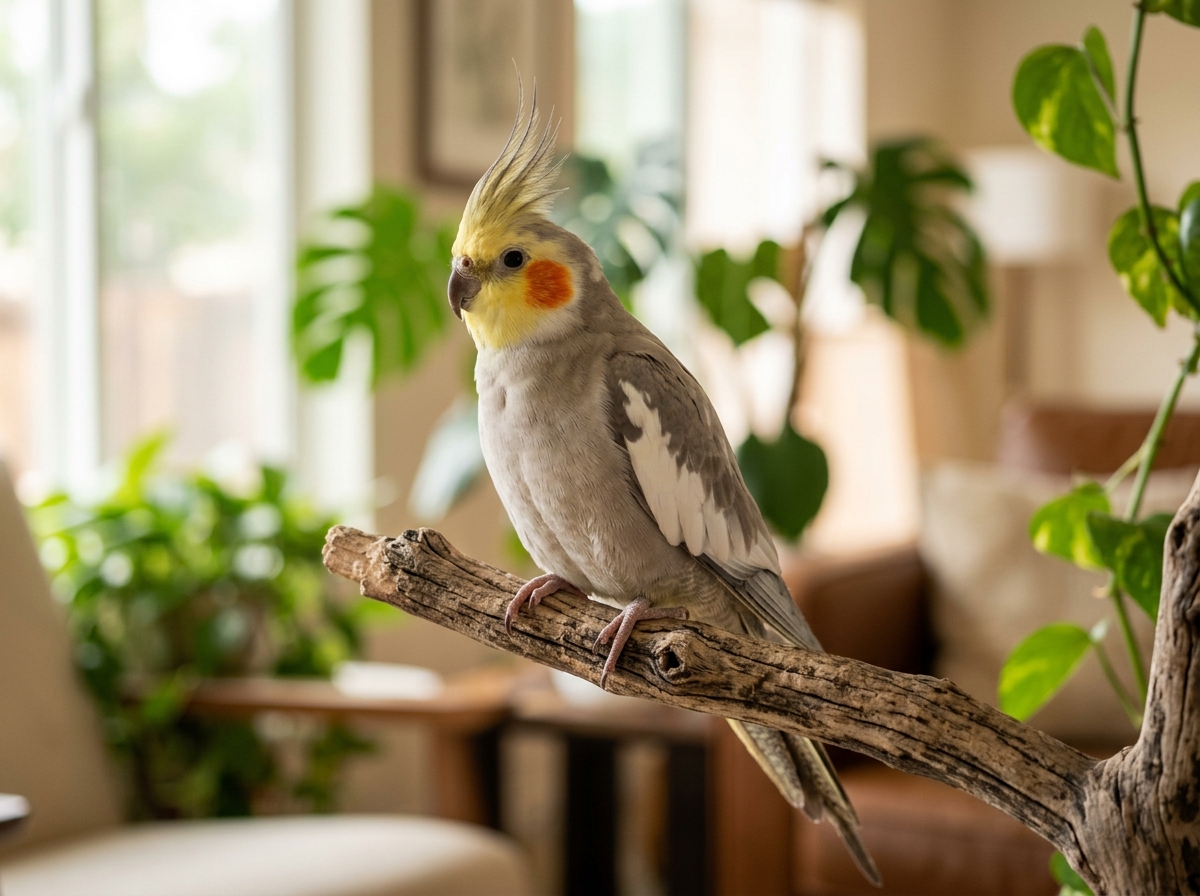
Healthy birds don't have a strong personal odor. A clean parrot or cockatiel up close smells faintly warm and dusty, sometimes with a subtle grain-like or nutty quality depending on what they've been eating. Cockatiels and cockatoos are notorious for producing feather dust (a fine white powder from powder-down feathers), which gives them a chalky, almost talcum-like scent that many owners find pleasant. Lorikeets and lories, on the other hand, eat a nectar-heavy diet and produce very wet, liquid droppings that can smell noticeably sweeter and more fermented than droppings from seed-eaters.
Small birds like budgies, canaries, and finches in clean setups often smell like almost nothing. Larger parrots (macaws, amazons, African greys) have more body heat and oil in their feathers, so you get a slightly stronger "animal" warmth to them. Backyard chickens and outdoor birds carry a much earthier, barnyard note tied to their living environment rather than the bird itself. The bottom line: the bird is rarely the smelly part. The cage, bedding, food residue, and droppings are almost always where the odor is coming from.
The real causes behind bird odor
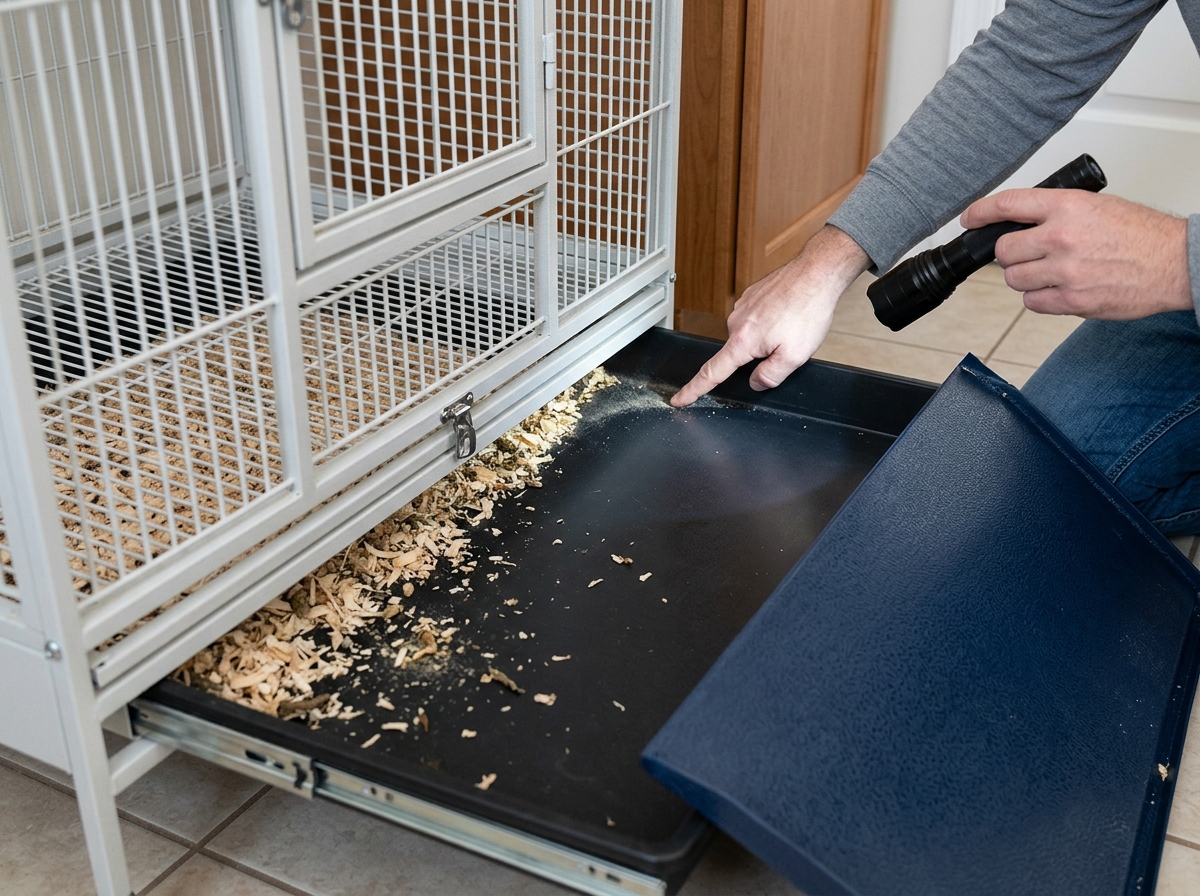
If you're noticing a smell, here are the most common sources, roughly in order of how often they're the culprit:
- Droppings buildup: Bird droppings contain feces, urates, and urine. When uric acid in the droppings is broken down by bacteria on the cage floor or liner, it produces ammonia gas. That sharp, eye-watering smell that hits you when you open the cage is ammonia, and it means the soiled areas haven't been removed frequently enough.
- Wet droppings or increased urine output: If your bird is producing unusually liquid droppings, the cage bottom gets saturated faster and the ammonia smell ramps up quickly. This is worth watching because wet droppings (polyuria) can sometimes signal a health issue.
- Soiled cage liners or bedding: Paper liners, corn cob bedding, or wood chips that sit damp for more than a day or two become a bacterial playground. That musty, stale smell often comes from microbial growth in damp corners, seams, and under accessories.
- Food and water contamination: Wet food (fruits, vegetables, cooked food) spoils fast in a cage. Residue in water bowls and food dishes ferments and grows bacteria, producing a sour smell that can spread to nearby surfaces.
- Feathers and skin oils: Preening spreads natural oils through feathers. In a rarely-cleaned environment these oils accumulate on perches and cage bars and contribute to a stale, slightly rancid background smell.
- Diet: Seeds produce an oily, grain-like smell. High-fruit diets (especially in lories) create sweeter, fermented-smelling droppings. A recent diet change can shift the odor profile noticeably.
- Cage material and nearby fabrics: Porous wood perches, fabric cage covers, and nearby curtains or carpets trap odors and keep releasing them even after the cage itself is cleaned.
Finding the source fast: a quick home inspection
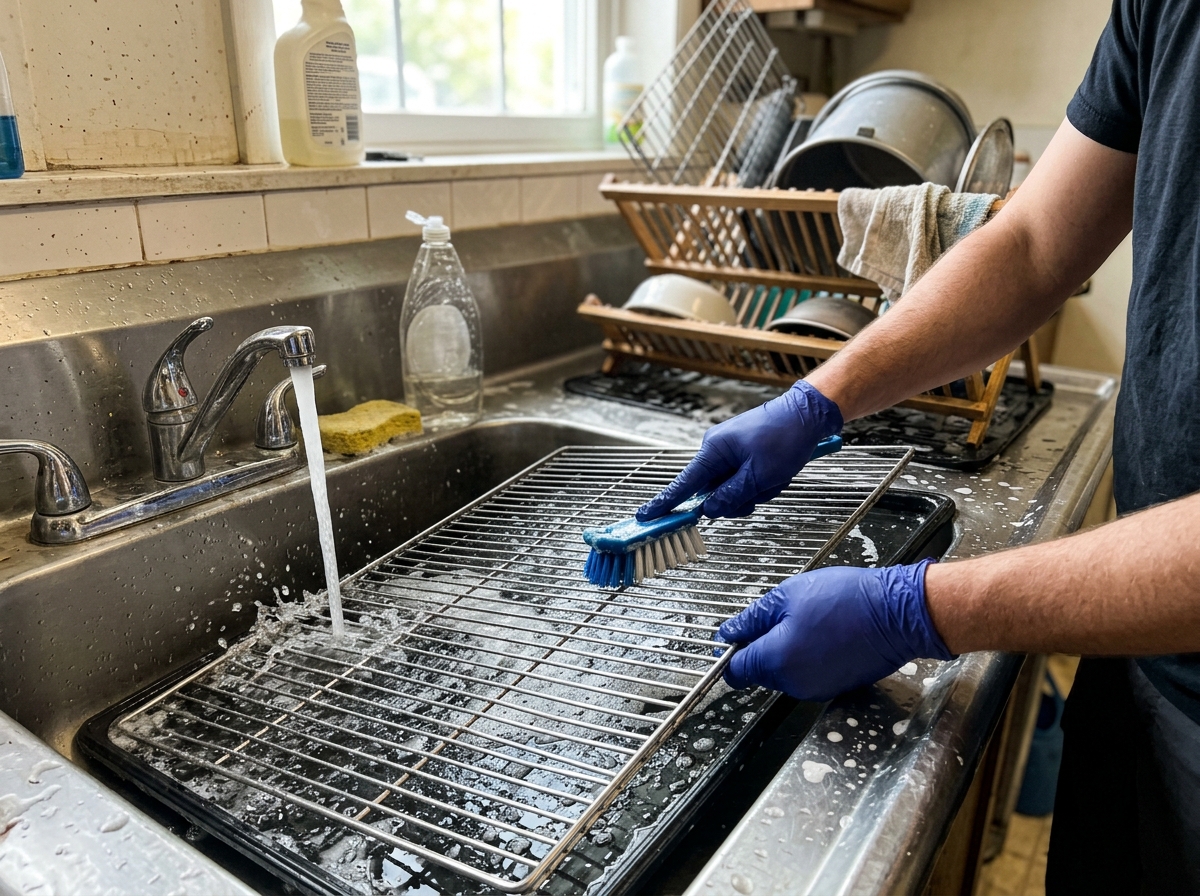
Do this systematically and you'll find the problem in under 10 minutes. Work from the bottom of the cage up.
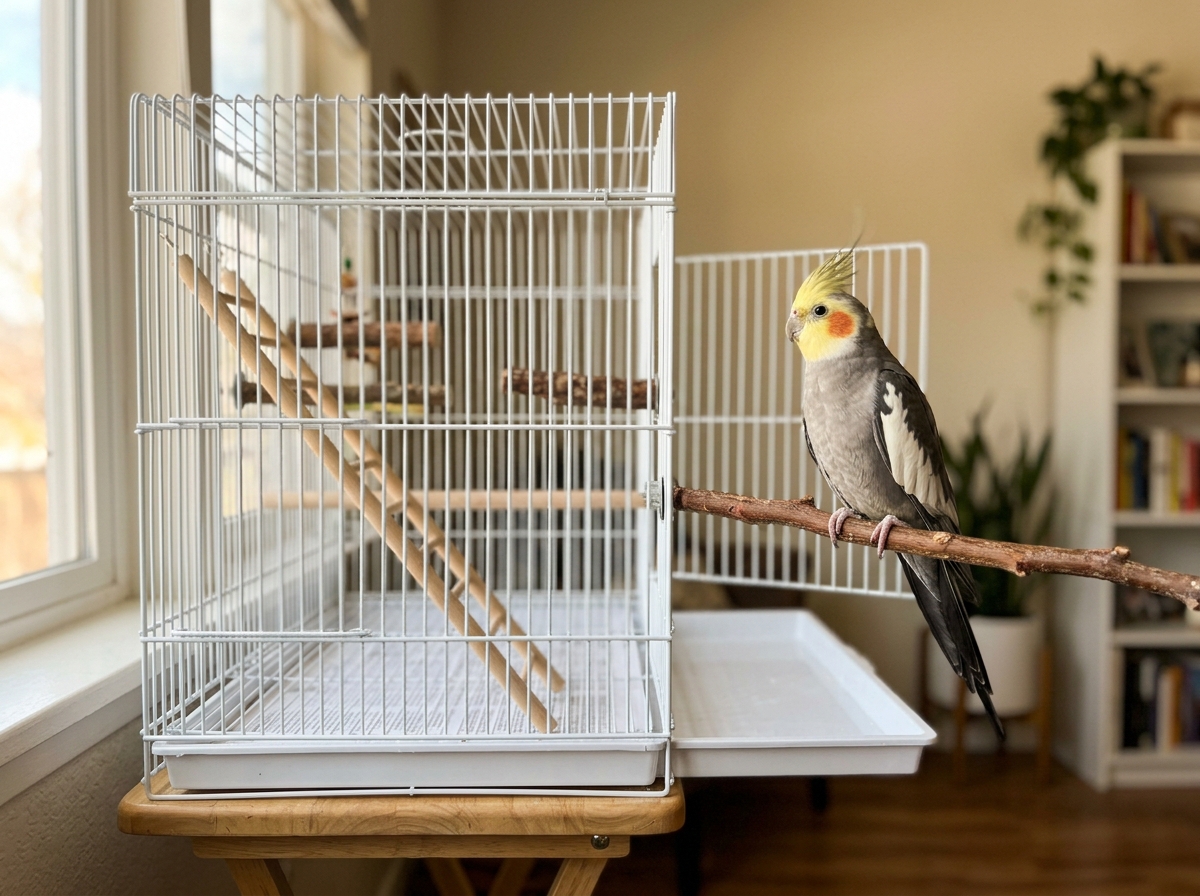
- Pull the cage tray and liner first. Smell them directly. If the smell is strongest here, you're dealing with a droppings and waste issue. Check whether droppings are unusually wet or runny, which could indicate your bird is drinking more water than normal.
- Check the grate above the tray. Droppings build up on bars and get crusty; bacteria thrive in those crevices even when the tray looks clean.
- Sniff each perch. Wooden perches absorb waste and oils over time and can smell even after rinsing. This is one of the most overlooked odor sources.
- Check food and water dishes. Look for slime on the inside of the water bowl (biofilm) or any residue left from wet food. Smell them directly.
- Look at the cage corners and any horizontal surfaces inside. Debris and fine powder accumulate there.
- Step back and check nearby textiles: cage covers, curtains, cushions, or carpet within a meter or two. These trap and re-release odors after the cage is already clean.
- If everything checks out and the smell is still there, consider the room's ventilation. A poorly ventilated room concentrates ammonia and particulate odor even from a fairly clean setup.
Healthy smell vs. a smell that should worry you
Not every bird odor is a problem. Here's a practical guide to reading what you're smelling:
| Smell | What it likely means | Action needed |
|---|---|---|
| Mild, warm, slightly dusty or nutty | Normal healthy bird with feather dust and diet smell | Nothing, just routine cleaning |
| Sharp ammonia or "eye-watering" quality | Droppings/urates not being removed frequently enough; bacterial breakdown of uric acid | Spot-clean the cage tray and grate today; increase cleaning frequency |
| Musty or stale | Damp bedding, bacterial growth in cage seams or under accessories | Deep clean, replace liner, dry everything thoroughly |
| Sour or fermented | Spoiled food or contaminated water bowl | Toss all wet food, scrub and replace water, check feeding routine |
| Fishy, putrid, or rotting | Severe organic contamination; possible bacterial infection or advanced spoilage | Full cage clean immediately; if smell persists or bird seems unwell, call an avian vet |
| Unusually strong or unfamiliar odor from the bird itself | Possible illness; some infections and metabolic issues change body odor | Vet check, especially if paired with behavior or dropping changes |
The ammonia-specific version is worth emphasizing: persistent ammonia smell isn't just unpleasant for you, it's physically irritating to your bird's respiratory system. Birds have extremely sensitive airways, and what feels like a mild smell to you can be genuinely harmful at the level of a small cage. If ammonia is detectable at arm's length from the cage, clean it now, not later.
It's also worth noting that since birds process waste differently from mammals (they don't produce liquid urine separately, but the urine component is still there), wet or abnormal droppings can significantly increase the odor load. Green bird shells are uncommon, and color can come from genetics, age, and diet rather than an odor cause. Birds primarily convert nitrogen into uric acid, rather than producing separate urine like mammals, and fresh droppings reflect that process [birds process waste differently from mammals, not producing liquid urine separately](https://www. nhm. ac.
uk/discover/do-birds-pee. html). If you're curious about how birds handle urination specifically, that's a related rabbit hole worth exploring.
How to get rid of the smell safely today
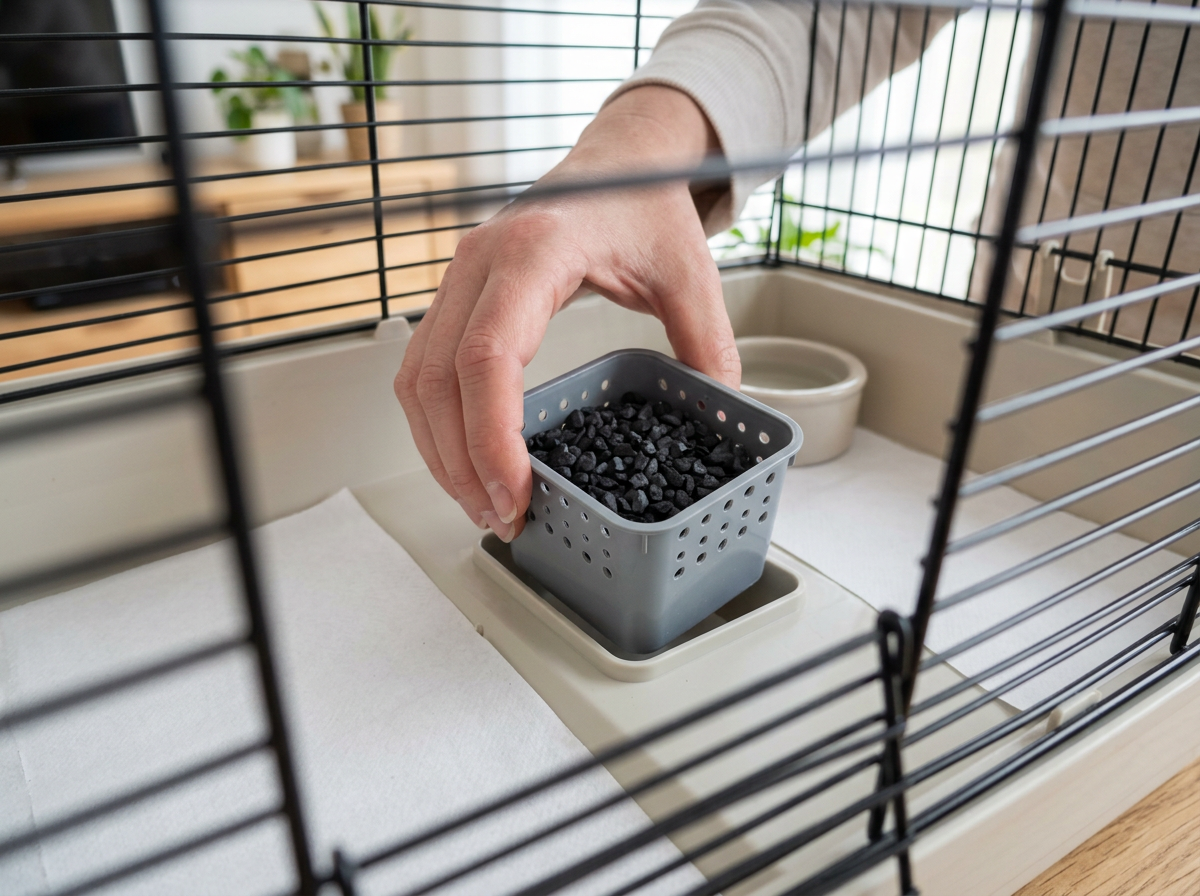
The most important rule before you start: move your bird out of the room. Birds' respiratory systems are far more vulnerable than ours to airborne chemicals, fumes, and even aerosolized particles. Any cleaning product that gets misted, sprayed, or generates fumes needs to be used only when the bird is somewhere else and the room is fully ventilated before the bird returns. This isn't optional.
For a quick same-day clean
- Remove the bird to a safe, separate room.
- Pull the tray and discard the soiled liner. If using loose bedding (corn cob, wood chips), discard all of it.
- Scrub the tray, grate, perches, and food and water dishes with warm water and a small amount of mild, fragrance-free dish soap. Rinse thoroughly.
- Wipe down cage bars and interior surfaces with a damp cloth.
- Let everything air-dry completely. This step matters: damp surfaces become the next odor problem.
- Replace with a fresh, dry liner before returning the bird.
- Open windows to air the room. Good ventilation alone reduces the ammonia concentration noticeably.
For a deeper clean when the smell is persistent
If soap and water aren't enough, or you want to disinfect after a suspected illness, you have a few bird-safe disinfectant options. Hydrogen peroxide (3%) breaks down into water and oxygen, leaves minimal chemical residue after rinsing, and is effective against many common pathogens.
Environmental Literacy Council specifically recommends avoiding strong or irritating chemicals around birds and emphasizes using veterinary guidance when considering hydrogen peroxide as a disinfectant Hydrogen peroxide (3%) breaks down into water and oxygen, leaves minimal chemical residue after rinsing, and is effective against many common pathogens. . Quaternary ammonium compounds ("quats") are also listed in avian disease control guidance as effective disinfectants.
Whichever you use, follow the label, allow adequate contact time (typically 5 to 10 minutes), and rinse every surface thoroughly with clean water afterward. Let everything air-dry before reassembling the cage.
What to avoid: aerosol sprays of any kind near birds, bleach-based products (chlorine fumes are dangerous), any scented or fragrance-added cleaners, and anything that gets misted into the air. The goal is sanitation, not masking odor with fragrance. Scented products just layer a new smell on top of the problem.
Safe deodorizing options
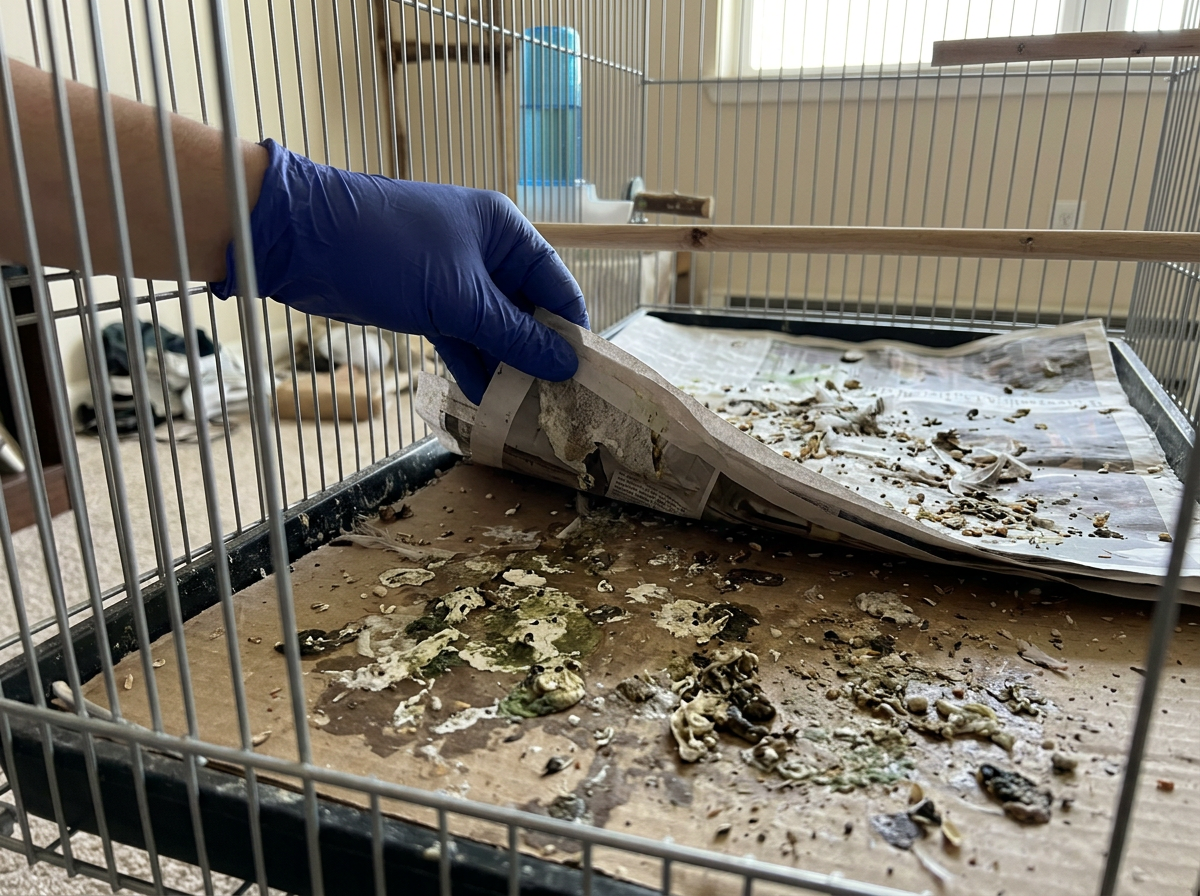
Once the cage is genuinely clean, ventilation does most of the remaining work. If you want an additional tool, activated charcoal products designed specifically for pet birds (like those from HARI, marketed for budgies, canaries, and finches) can help absorb ambient odors without generating fumes. One note: activated charcoal can bind certain medications and vitamins, so if your bird is on any supplements or treatments, ask your avian vet before adding charcoal to the setup. Skip air fresheners, plug-in scent diffusers, candles, and incense entirely. These are genuinely hazardous for birds.
Keeping bird odor under control long-term
One-time cleaning solves today's problem. A consistent routine keeps it from coming back. The core idea is simple: blank" rel="noopener noreferrer">ammonia is produced by bacteria breaking down uric acid from droppings. Birds have a different nitrogen waste process than mammals, which relates to why their red blood cells can retain a nucleus ammonia. Remove the droppings before that chemistry happens, and you prevent most of the smell at the source.
Daily habits
- Spot-clean the cage tray and replace soiled liner sections. You don't have to redo the whole cage every day, just remove fresh droppings before they sit.
- Wash food dishes and the water bowl with soap and water every day. Biofilm (that invisible slime inside water containers) starts forming quickly and becomes a bacterial odor source.
- Remove any uneaten wet food within a few hours. Fruits, vegetables, and cooked foods spoil fast at room temperature.
Weekly habits
- Full liner replacement and scrub of the tray.
- Wipe down all cage bars, perches, and accessories with warm soapy water, rinse, and dry.
- Inspect wooden perches for saturation or cracks where residue hides. Replace perches that are too soiled to fully clean.
- Wash or air out the cage cover if you use one.
Monthly or as-needed deep clean
- Full disassembly and wash of the entire cage.
- Disinfect with a bird-safe disinfectant (hydrogen peroxide or quaternary ammonium), allow proper contact time, rinse thoroughly, and air-dry completely before reassembling.
- Wash nearby textiles: cage cover, any fabric perch accessories, and consider vacuuming or laundering curtains in the room.
Cage setup and ventilation choices that reduce odor
- Use paper liners (unprinted newsprint or purpose-made cage liners) rather than corn cob or wood chip bedding where possible. Paper is easier to swap out, doesn't trap moisture, and makes it easy to actually see the droppings (which is useful for monitoring health).
- Avoid porous wood perches as the only option. Alternating with rope, cement, or plastic perches gives you surfaces that are easier to fully sanitize.
- Place the cage in a well-ventilated room, but not in direct drafts. A room with a window you can open regularly, or a gentle air purifier with a HEPA filter (not an ozone generator), makes a real difference in ambient odor.
- Don't place the cage in a small enclosed room with poor airflow. Ammonia concentrates in still air.
- Consider the cage footprint: food and water dishes positioned to minimize droppings contaminating them will slow down the souring cycle significantly.
Diet and feeding management
Diet affects both the smell and consistency of droppings. For example, surakav birds can change color over time, often due to natural aging or feather condition surakav bird changes color. High-fruit and high-vegetable diets increase moisture in droppings, which speeds up odor production if the cage isn't cleaned more frequently to compensate. Seed-heavy diets produce drier, less immediately pungent droppings but contribute oily residue to perches over time.
If you notice a sudden change in your bird's color smell or consistency after a diet change, that's usually normal, but persistent very wet droppings (polyuria) are worth a vet call, especially if paired with other changes in behavior or appetite. Bird blood is discussed as purple in some contexts, so it can be helpful to understand what that color change might mean is bird blood purple.
Some birds also develop different shell-like skin areas around their feathers, so if you ever notice a green tint, it can be worth checking what it means green bird shells. Whether a bird can see color is also influenced by its eye type and the light it lives in.
When to call an avian vet
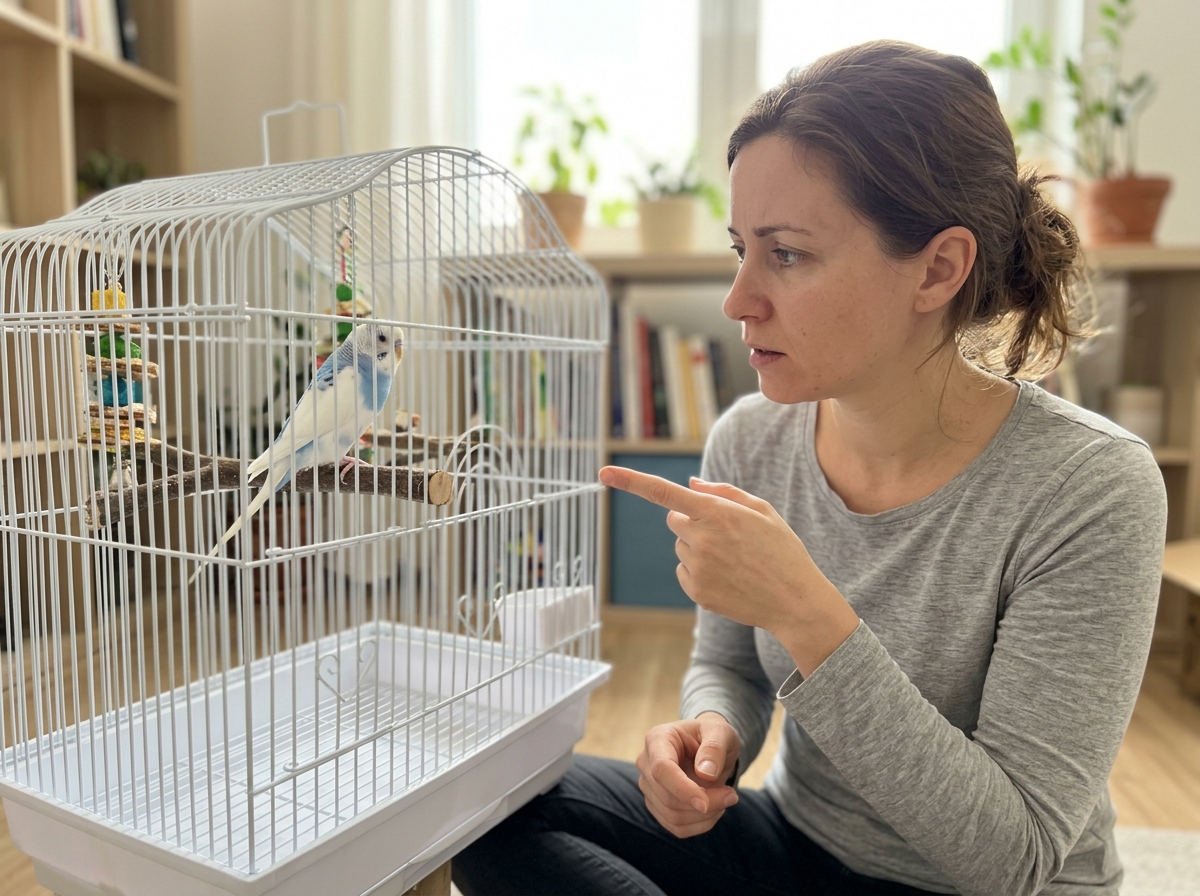
Most bird odor problems are a sanitation issue, not a health emergency. In rare cases, abnormal coloration, such as blood that appears unusually purple, can be a sign to get your bird checked by a vet is bird blood purple. But there are situations where the smell is a signal to get professional input:
- The smell is fishy, putrid, or strongly rotten and doesn't resolve after a full clean. This can indicate severe bacterial contamination or an infection.
- The odor seems to come from the bird itself rather than the cage environment.
- You notice persistently wet or discolored droppings alongside increased odor.
- Your bird is showing any other signs of illness: lethargy, ruffled feathers, changes in appetite, or labored breathing.
- You suspect your bird was exposed to cleaning product fumes during a cleaning session. In that case, treat it as urgent and contact a vet the same day.
Some avian diseases, including psittacosis (parrot fever), involve specific sanitation and disinfection protocols that go beyond routine odor control. If your bird is sick and you're also dealing with a contaminated environment, an avian vet can guide you on the right disinfection approach for your specific situation rather than leaving you guessing.
FAQ
Can a bird’s odor be normal even if it seems strong to me?
Yes, especially if you are noticing it only when you open the cage. Normal “bird smell” usually stays mild and consistent. If the odor noticeably increases day to day, appears suddenly, or is detectable at arm’s length, treat it as a hygiene or health cue rather than something purely normal.
What’s the fastest way to tell whether the smell is ammonia versus something else?
Use your sense and timing. Ammonia tends to read as sharp, irritating, and “pee-like,” and it often improves quickly after fresh cleaning. If droppings are very wet, sweeter, or fermented-smelling, it often points more to diet and urine-like moisture content than to ammonia alone.
How often should I clean the cage if my bird smells even slightly?
If you notice odor within a few days, move to a tighter schedule, removing droppings daily and doing a deeper clean sooner than you currently do. Don’t wait for a “bad” smell, because ammonia formation accelerates once waste sits long enough.
Is it safe to use vinegar to remove bird odor?
Be cautious. Vinegar can cut through mineral deposits, but it does not reliably disinfect and it can leave a strong lingering scent that makes it harder to judge improvement. If you disinfect after illness, stick to bird-safe disinfectants and rinse thoroughly rather than relying on vinegar alone.
Why does the smell come back quickly even after a thorough cleaning?
Common reasons include not removing all old droppings from corners and cage seams, leaving residue on perches and toys, using bedding that holds odor, or feeding changes that increase droplet moisture. Also check the floor liner under the cage, because waste often bypasses the tray.
Can poop consistency changes cause odor even if I clean on schedule?
Yes. High moisture droppings from more fruit and vegetables can increase odor load, even with routine cleanup. If droppings are persistently very wet (polyuria), are accompanied by appetite or behavior changes, or the smell is unusually strong despite regular cleaning, call an avian vet.
Do air fresheners or “bird-safe” room sprays work to neutralize cage odor?
They usually mask the problem instead of fixing it, and many contain fragrances or aerosolized particles that can irritate birds. If you want odor control, focus on cleaning, ventilation, and odor absorption designed for birds rather than sprays or diffusers.
If I disinfect, how long should I wait before bringing my bird back?
After cleaning and disinfecting, rinse every surface thoroughly and let everything air-dry completely. Even if the chemical odor seems gone, return the bird only when the room is ventilated and the cage is dry, since residual fumes and aerosol particles can irritate birds’ airways.
Is activated charcoal safe for all birds and all supplements?
It can be helpful for ambient odor, but it can also bind certain medications and vitamins. If your bird receives supplements or medication, ask your avian vet before using charcoal, and do not add it without guidance.
When should “what does a bird smell like” lead to a vet visit instead of more cleaning?
If the odor comes with illness signs such as fluffed posture, lethargy, breathing changes, reduced appetite, or persistent very wet droppings, get an avian vet opinion. Also seek professional guidance if you suspect a contagious disease, because disinfection needs differ from routine odor control.
Next Article
Which Bird Can See Ultraviolet Light? UV-Seeing Species
Find which birds can see ultraviolet light, key UV-sensing species, and how to spot UV patterns with practical methods.