If you searched 'does Surakav bird change color,' you probably watched a video where a tiny bird flips its head and suddenly blazes from dull green to a neon magenta, and you needed to know if that was real. Short answer: yes and no. The color shift you're seeing is real, but it's not the bird changing its pigment like a chameleon. The explanation is both simpler and way more interesting than that.
Does Surakav Bird Change Color? Causes and What to Do

Marcus Chen
22 Mar 2026
What 'Surakav bird' actually refers to
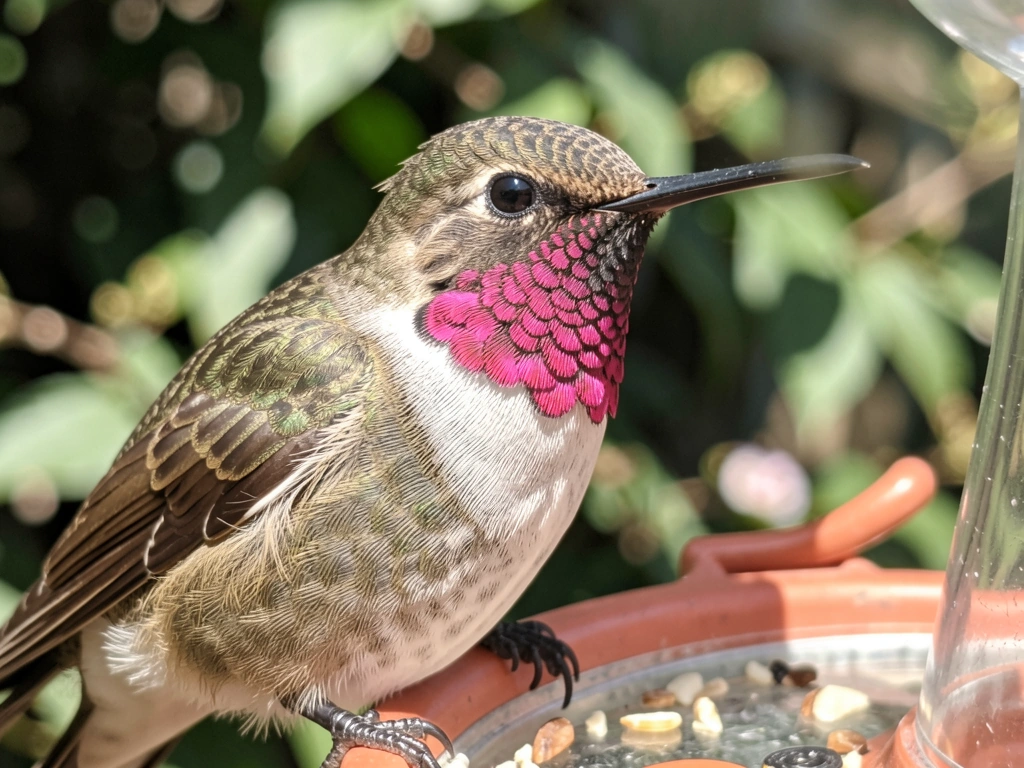
The word 'Surakav' isn't a formal species name you'll find in any ornithology textbook. It became popular through viral video content and online communities, Reddit threads and trending posts have traced the term directly to Anna's hummingbird (scientific name: Calypte anna), a small North American species that's become famous for its jaw-dropping color displays caught on camera. If you've seen the 'Surakav bird' video, you've seen an Anna's hummingbird.
Anna's hummingbirds are about 4 inches long and live year-round along the Pacific Coast of North America, from Baja California up through British Columbia. The males are the ones causing all the viral chaos, thanks to a patch of feathers on the throat and crown called a gorget (pronounced 'GOR-jet') that seems to explode into rose-pink or magenta depending on the angle you're looking from. Females are mostly grayish-green and far less dramatic about the whole thing.
Why the color appears to change so dramatically
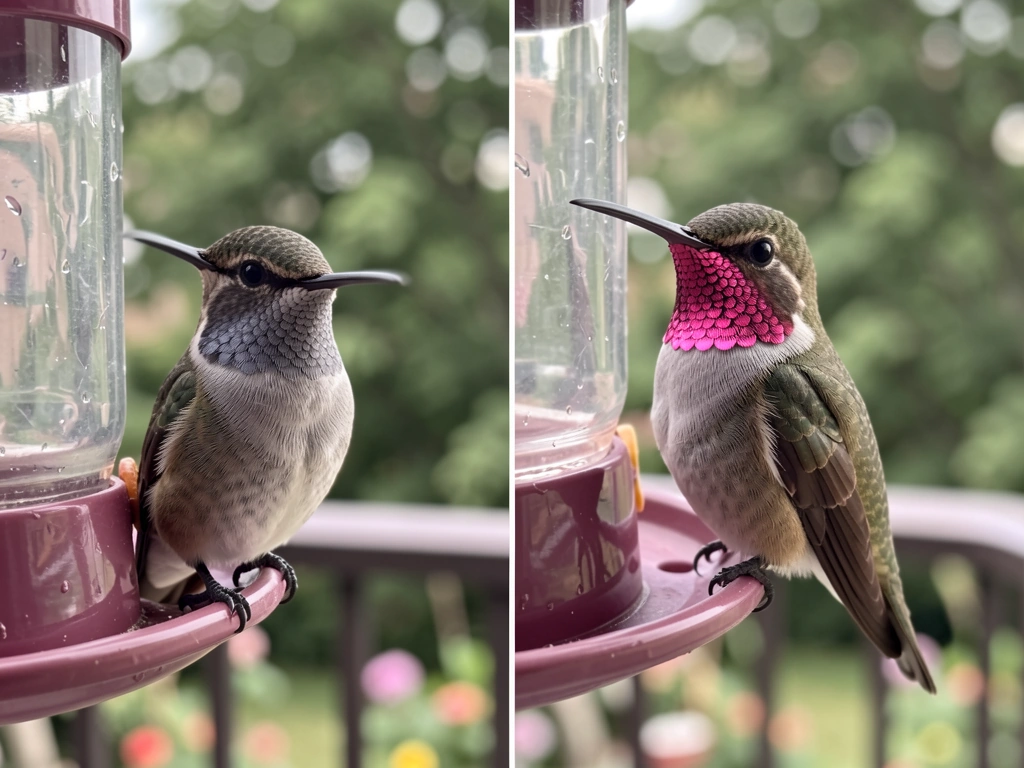
This is the part that took me a minute to fully grasp. The color in an Anna's hummingbird gorget isn't produced by pigment the way, say, a cardinal's red feathers are. It's produced by iridescence, light bouncing off microscopic structures inside each feather and splitting into specific wavelengths. Some birds can also see ultraviolet light, which is another reason their signals look different to humans than to other birds which bird can see ultraviolet light. The exact color you perceive depends entirely on the angle between you, the bird, and the light source.
When an Anna's hummingbird faces away from the light, the gorget looks flat gray or dull brown. When it rotates its head just a few degrees toward the light, the feathers suddenly fire off a brilliant rose-magenta. That's the 'color change' people are seeing in viral videos, not a biological switch, but a physics trick happening in real time.
Research on Anna’s hummingbird gorget iridescence shows that the bright reflection depends strongly on feather rotation and angle, demonstrating the color effect is angle-dependent rather than a pigment switch [not a biological switch](https://pmc. ncbi. nlm. nih.
gov/articles/PMC6244987/). bird blood isn't doing anything unusual. Bird blood can also appear purple in certain lighting, but it is not what causes the Surakav bird color-change effect. It's just moving its head.
Is color change normal? Age, season, and molt
Now, if you're here because you have an Anna's hummingbird visiting your feeder (or you keep a pet bird of a different species) and you're noticing actual color shifts over days or weeks rather than second-to-second, that's a different question. If you're wondering whether a bird urinates, the answer is yes, though the waste is handled differently than in mammals. Let me break down the normal reasons a bird's color genuinely changes over time. Green bird shells can happen because bird eggshell color is mainly influenced by genetics and the hen’s diet, not because the bird changes color like a chameleon.
Feather wear and age
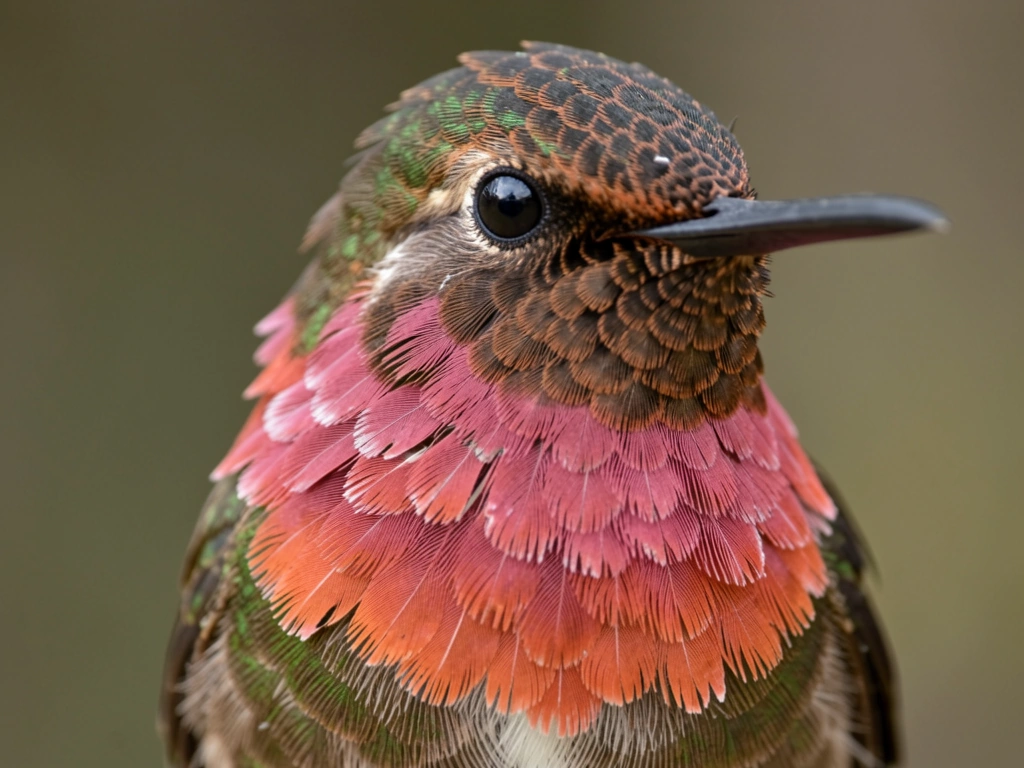
Anna's hummingbird males grow fresh gorget feathers after molting, and those new feathers are a deep rose-red. Over time, as the feathers wear and the edges fray, the color tends to fade toward orange-red. So a bird that looked intensely magenta in the fall can look noticeably more washed-out by spring. That's completely normal feather wear, not illness.
Molting
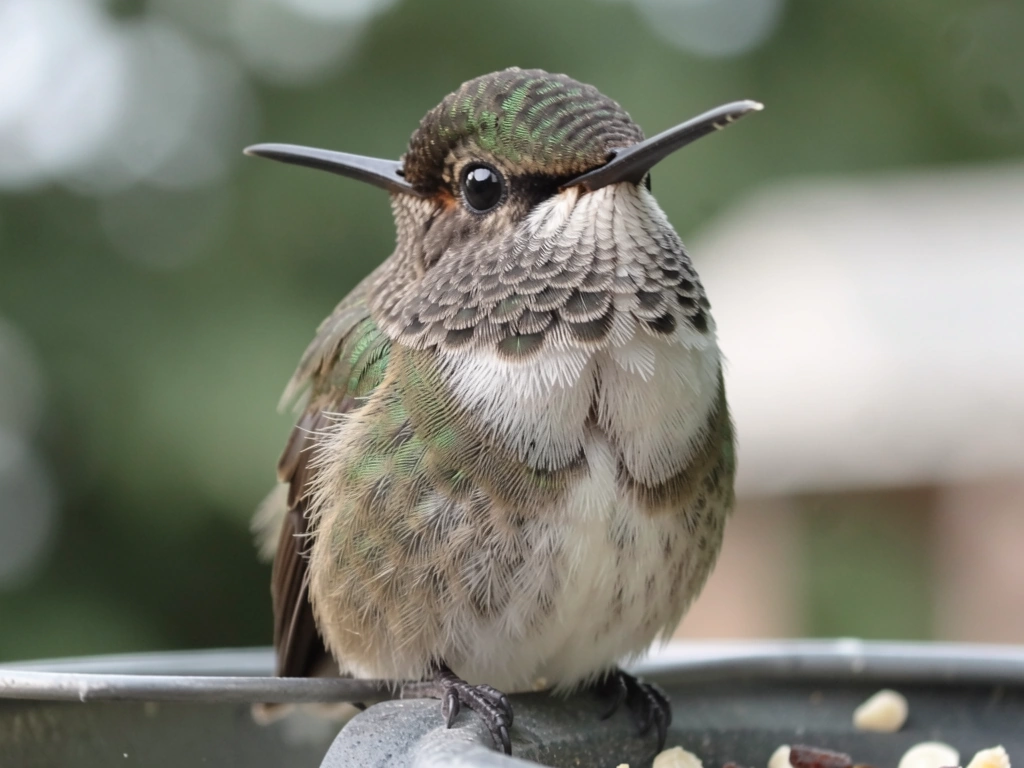
Birds shed and replace their feathers in a process called molting, typically once or twice a year. Molting timing is species-dependent and can occur continuously, once per year, or twice per year, and birds may replace some feathers (partial molt) or all feathers (complete molt). During molt, you might notice patchy or duller coloring while old feathers fall out and new ones grow in. A bird mid-molt can look a bit rough, bald patches, mismatched feather lengths, temporarily muted colors. This is normal and temporary, not a red flag on its own.
Seasonal and age-related shifts
Young male Anna's hummingbirds don't have a full gorget when they're juveniles. They develop the brilliant rose crown and throat gradually through their first year. If you're watching a young male at your feeder, you might see scattered iridescent patches appearing over several months as he matures, that's totally expected and actually pretty cool to watch if you're tracking it.
Health-related reasons a bird's color might change
Not every color change is a harmless physics trick or a seasonal cycle. You might also be wondering, can bird smell help explain how birds find food or notice changes in their environment? You may also be wondering what a bird smells like, especially if you are noticing unusual odors around a feeder or a pet what does a bird smell like.
You might also be curious whether a can bird see color, since vision is a big part of how birds interpret their world. Some birds can even see ultraviolet light, which affects how they perceive feathers and mates can bird see color. If you keep a pet bird and notice genuine, sustained color changes in feathers or skin, some causes are worth taking seriously.
- Nutritional deficiencies: A diet low in carotenoids (the compounds that produce red, orange, and yellow pigments) can cause feathers to grow in duller or with abnormal color. This is especially common in birds fed a poor seed-only diet.
- Stress and feather destructive behavior: Chronic stress can cause a bird to over-preen or pluck feathers. Damaged or missing feathers obviously affect how color displays, and regrowth feathers sometimes come in with abnormal coloring.
- Parasites: Feather lice and mites physically damage feather structure, which can dull or distort iridescent colors since those colors depend on intact microscopic feather architecture.
- Illness and infection: Systemic illness, fungal infections, and bacterial conditions can all affect feather quality during molts. Feathers grown during a period of illness often come in with stress bars (thin horizontal lines across the feather shaft) or abnormal pigmentation.
- Liver disease: In some species, particularly parrots, liver disease can cause feathers to develop abnormal yellow or black pigmentation in places where those colors don't belong. This is a more serious finding.
- Psittacine beak and feather disease (PBFD): A viral condition that causes feathers to grow in misshapen, discolored, or not at all. Mostly relevant for parrot species, not hummingbirds.
How to tell if the color change is harmless or a red flag
The key is looking at the whole picture, not just the feathers. Here's how I'd think through it:
| Sign | Likely normal | Possible red flag |
|---|---|---|
| Timing | Happens around molt season or gradually over months | Sudden change in days or appearing outside molt cycle |
| Feather condition | Feathers look intact, smooth, full | Stress bars, broken shafts, bald patches, or fraying beyond normal wear |
| Appetite and behavior | Eating normally, active, alert | Reduced appetite, lethargy, fluffed up, sitting on the bottom of the cage |
| Droppings | Normal color and consistency for the species | Discolored (bright green, yellow, or bloody), watery, or very sparse |
| Pattern of change | Symmetrical and gradual — both sides of the bird look similar | Asymmetrical patches or localized abnormal coloring |
| Age context | Young bird developing adult plumage | Adult bird with established coloring showing unexpected new patches |
A bird showing two or more red flags in that table deserves a closer look. One isolated sign with everything else normal? Keep watching but don't panic.
What to do today: your observation checklist
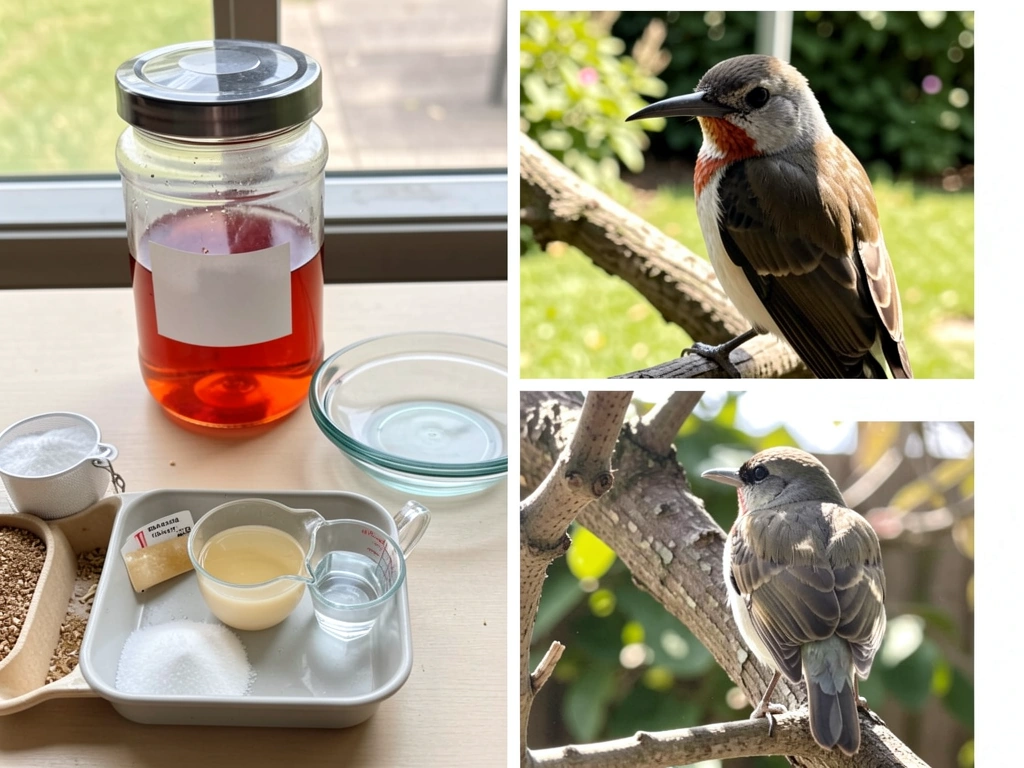
Whether you're watching a wild Anna's hummingbird at a feeder or checking on a pet bird at home, here's what to actually do right now.
- Look at the feathers in good natural light. Check whether the change is angle-dependent (iridescence) or visible from every direction. If it only shows up when the bird faces a light source, that's iridescence — totally normal.
- Check feather condition closely. Look for any broken shafts, bald spots, stress bars (those thin horizontal lines), or feathers that look stuck or malformed.
- Watch eating and drinking for at least 30 minutes. Is the bird hitting the feeder or food bowl at normal frequency? Lethargy or refusal to eat is a more urgent signal than the color change itself.
- Check the droppings. Normal hummingbird droppings are whitish. Normal pet bird droppings vary by species but should be consistent. Unusual colors or watery consistency are worth noting.
- Think about recent stressors. Has anything changed in the last few weeks? New pets, moved the cage, different food, change in lighting, or a new handling routine? Stress is a very common trigger for feather issues.
- Review the diet. Is the bird getting a varied, species-appropriate diet? Pure seed diets are nutritionally incomplete for most species. Hummingbirds need fresh nectar solution (1 part white sugar to 4 parts water, no dye, no honey).
- Check the environment. Is there enough light, appropriate humidity, and regular bathing access? Iridescent feathers especially show their best color under full-spectrum lighting, which is worth having if you keep birds indoors.
Quick care adjustments you can make immediately
- Switch to a full-spectrum light bulb near your bird's cage or perch area if you don't already have one — it helps you see true feather color and is better for the bird's wellbeing.
- Upgrade the diet if it's been purely seed-based. Add fresh vegetables, high-quality pellets (for parrots and other pet birds), or appropriately formulated food for the specific species.
- Provide a shallow water dish for bathing or mist the bird lightly with room-temperature water a few times a week. Feather condition improves significantly with regular bathing.
- Reduce handling or environmental stress for a week or two and see if feather condition or behavior improves.
- For hummingbird feeders: replace nectar every 2 to 3 days (more often in hot weather) to prevent fermentation and mold, which can cause illness.
When to call an avian vet, and what to ask
Not every vet is trained in bird medicine. You want an avian veterinarian specifically, or at minimum a vet with documented exotic animal experience. If you're in the US, the Association of Avian Veterinarians (AAV) has a directory you can search by location.
Call today, don't wait, if your bird is showing any of these:
- Stopped eating or drinking for more than 24 hours
- Sitting at the bottom of the cage or unable to perch
- Visible bleeding, open wounds, or severely damaged feathers
- Abnormal droppings lasting more than 48 hours
- Rapid or labored breathing
- Sudden weight loss (you can feel this by gently running a finger along the keel bone — if it feels sharp like a knife edge rather than slightly padded, the bird is underweight)
When you call or visit, bring this information with you, or write it down beforehand so you don't forget under pressure:
- The species and age of the bird (even approximate is helpful)
- When you first noticed the color change and how quickly it happened
- Current diet, including brand names if it's a pet bird
- Any recent changes to environment, handling, or household
- Photos of the feather change taken in consistent, natural light from multiple angles
- A description of droppings for the past few days
Ask the vet specifically about a full blood panel, a feather or skin cytology if there are abnormal patches, and whether PBFD or other viral testing is appropriate for your species. A good avian vet will guide you on what's actually necessary versus what's overkill for your specific situation.
The bottom line: if the 'Surakav bird' color change you saw was in a viral video, you watched an Anna's hummingbird doing an iridescence trick with light, not a biological transformation. If you're watching a real bird in your care and something genuinely seems off beyond feather angle and light, the checklist above gives you a solid starting point, and the vet guidance tells you exactly when to stop observing and start acting. Bird physiology is genuinely fascinating once you start digging in, and color is just one piece of a much bigger picture of how these animals work.
FAQ
How can I tell if the color change I’m seeing is just angle and lighting versus something real and long-term?
If the color shift happens within seconds as the bird turns or as you move around, it is almost certainly iridescence (light angle effects). If the feather color looks different over days or weeks in the same viewing conditions, that points to molt-related wear, feather growth, or a health issue.
Does gender or age affect whether the Surakav bird will show the pink or magenta gorget?
Male Anna’s hummingbirds typically show the most dramatic gorget display, while females and juveniles look muted. If the bird is consistently looking grayish or greenish with limited pink display, it is more likely a female or immature male rather than a “failed” color change.
What lighting or viewing conditions can make an Anna’s hummingbird look like it is changing color when it isn’t?
In the same bird, the gorget can look dull when it is not facing the sun, when clouds reduce the light intensity, or when the bird is farther away. Try watching from multiple angles and in brighter conditions before concluding anything is wrong.
Could my feeder be showing me multiple birds, making it look like one Surakav bird changes color?
If you are feeding a bird, multiple individuals can visit quickly, and it may look like “one bird” is changing when it is actually two birds with different gorget brightness. Use a quick photo or short video to confirm whether the same bird is present across moments and days.
Is molt a normal explanation for all types of color shifts, or are there warning signs that it is not normal?
During molt, you can see patchy or temporarily muted color, but you should not expect sudden, widespread skin discoloration, crusting, or bare areas that keep enlarging. Growth of new feathers should gradually improve the look over time.
What habits or environmental factors can make an Anna’s hummingbird’s iridescence look less vibrant over time?
Feather wear from age, sun exposure, and abrasion can gradually fade the gorget toward duller pinks or orange-red tones. Hard rubbing from feeders, dense vegetation, or frequent aggressive encounters can accelerate edge fraying.
For a pet bird, what extra symptoms combined with color change mean I should contact an avian vet immediately?
If you keep a pet bird and you see color shifts plus illness clues, treat it as urgent. Red flags include lethargy, appetite loss, fluffed posture, breathing noise, abnormal droppings, sudden feather breakage, or inflamed or itchy-looking skin.
Can weather, season, or time of day change the perceived color even when the bird’s feathers are healthy?
Temperature and time outdoors can influence lighting and how active the bird is, which changes its head position and display behavior. Still, the key distinction remains timing, second-to-second angle effects versus persistent changes across days.
What information should I gather before I call an avian veterinarian about a color change in my bird?
When reporting to an avian veterinarian, include exact species (or best guess), whether you saw angle-based shifts or persistent changes, when it started, photos from the same lighting conditions, diet changes, new cage mates, and any recent supplements or medications. This helps them decide whether testing like feather cytology or bloodwork is warranted.
Next Article
Why Do Bird Red Blood Cells Have Nucleus? Key Reasons
Explains why birds’ RBCs keep a nucleus, covering oxygen transport, evolution tradeoffs, and how to verify via blood sme