
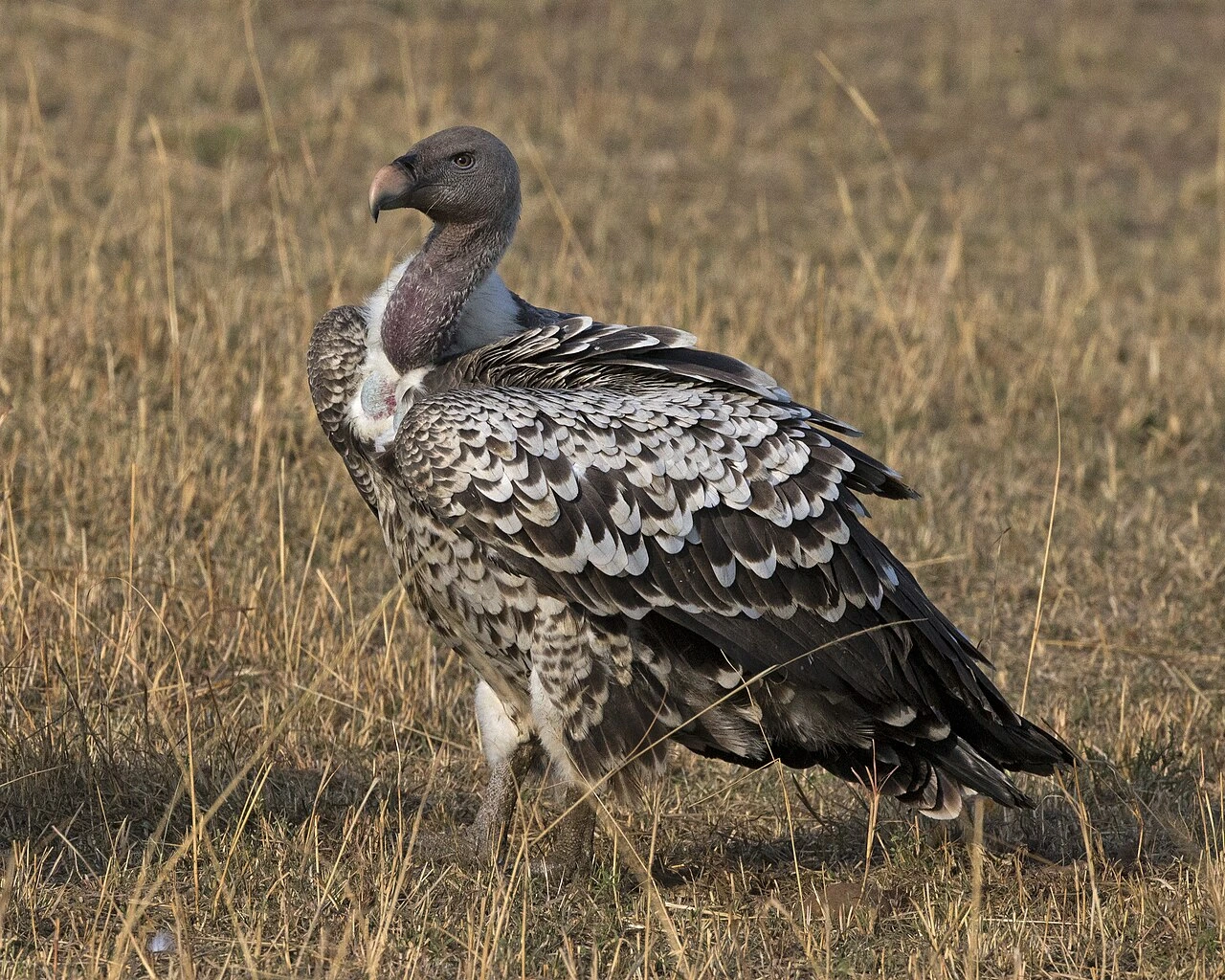
The highest a bird has ever been recorded flying is 11,300 meters (37,000 feet), which is roughly the cruising altitude of a commercial jet. That record belongs to a Rüppell's vulture (Gyps rueppellii), confirmed in the most dramatic way possible: it collided with an aircraft over Abidjan, Ivory Coast on November 29, 1973. Guinness World Records still lists it today. So if you just want the number, there it is. But if you want to understand what that number actually means, how confident we should be in it, and why certain birds can pull off something that would kill most animals instantly, keep reading.
What Is the Highest Altitude a Bird Can Fly?

Marcus Chen
11 Apr 2026
What 'highest altitude' actually means for a flying bird
This sounds like a simple question until you start poking at it. 'Highest altitude' can mean a few different things depending on how the data was collected, and the method matters a lot when you're comparing claims across species.
- Confirmed incidental records: A bird is found at a known altitude because it collided with an aircraft, was spotted by a pilot, or was observed by a mountaineer. These are specific and documented, but they're also one-off events with no repeated verification.
- GPS biologging: Researchers attach satellite transmitters to birds and record GPS altitude data throughout a migration or flight. This is more systematic, but GPS altitude has its own error margins (in bar-headed goose research, for example, the recorded GPS altitude error was reported as ±22 m).
- Model-based estimates: Scientists use flight paths, atmospheric data, and physiological models to estimate probable flight ceiling for a species. These can suggest altitudes that haven't been directly measured.
- Literature reports: Some altitude figures circulate in the scientific literature from older studies or indirect observations, and get repeated without always noting which measurement method was used.
When someone says 'birds can fly up to X meters,' they might be quoting any one of these categories. The Rüppell's vulture record is a confirmed incidental observation. The bar-headed goose figures come from GPS tracking studies. Both are credible, but they're measuring different things in different ways, so mixing them up leads to confusion.
The documented records: which species are at the top
Rüppell's vulture: the official record holder
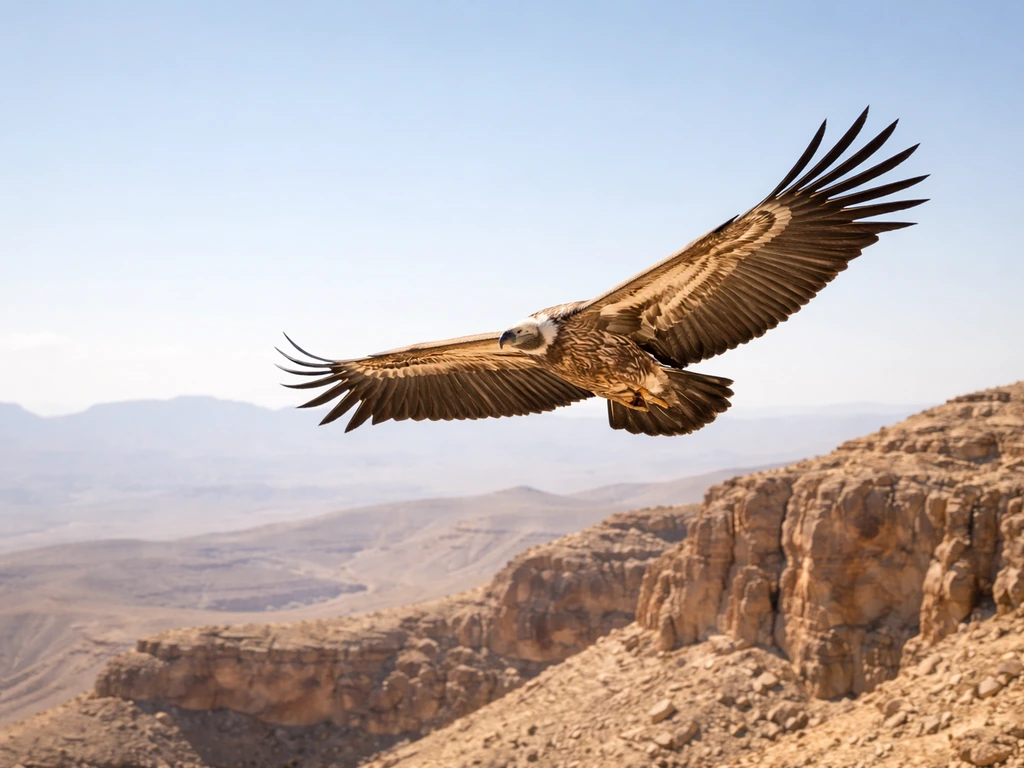
The Rüppell's griffon vulture holds the confirmed altitude record at 11,300 meters (37,000 ft). The evidence is grim but reliable: feathers and remains were recovered from a jet engine after the 1973 Abidjan collision, and species identification was confirmed from those remains. The Smithsonian National Zoo, The Peregrine Fund, and Guinness World Records all cite this event. It's not a modeled estimate or a pilot's eyeballing of a distant speck. A bird was definitively at that altitude because it ended up in a turbine. The bird's remarkable hemoglobin adaptations, which allow it to extract oxygen efficiently at near-zero partial pressures, are a big reason it could even survive the climb up to that height.
Bar-headed geese: the best-tracked high-altitude migrants
Bar-headed geese (Anser indicus) are probably the most scientifically studied high-altitude fliers, largely because they migrate across the Himalayas twice a year. In 2009, researchers deployed GPS transmitters on 25 bar-headed geese in India to track their trans-Himalayan flights. The 2011 study by Hawkes and colleagues found that most geese peaked around 6,400 meters (21,000 ft), and only one individual exceeded 6,500 meters, reaching 7,290 meters. Some earlier literature references suggested figures approaching 9,000 meters for this species, but the GPS tracking data put a more precise (and somewhat lower) ceiling on typical flight altitudes. The geese spend a huge portion of their migration crossing the Tibetan Plateau, which averages around 4,800 meters in elevation, so they're operating at extreme altitude almost continuously during migration.
Other notable high-altitude species
Beyond the top two, several other species are worth mentioning. Common cranes and whooper swans have been observed at around 8,000 meters by pilots and mountaineers. The alpine chough (a crow-like bird) has been spotted near the summit of Everest at roughly 8,200 meters. One chapter of flight-performance research references an altitude of 8,230 meters in this context. These are impressive, but like the Rüppell's vulture record, most are incidental sightings rather than tracked data.
How birds survive where most animals would pass out
The oxygen problem and hemoglobin adaptations

At 11,300 meters, oxygen partial pressure is roughly a quarter of what it is at sea level. A human at that altitude without supplemental oxygen would lose consciousness within minutes. Birds at the top of the altitude range have evolved hemoglobin (the protein in red blood cells that carries oxygen) with a higher oxygen affinity, meaning it binds oxygen more readily even when there's very little available. Research published in PubMed-indexed journals confirms that high-altitude specialists like the Rüppell's griffon vulture and bar-headed goose have structural modifications in their hemoglobin components that give them lower P50 values (the partial pressure at which hemoglobin is 50% saturated) compared to sea-level birds. In plain terms: their blood grabs onto oxygen more aggressively when oxygen is scarce.
Breathing mechanics: the avian advantage
Birds have a fundamentally different respiratory system from mammals. Instead of the in-and-out tidal breathing humans use, birds breathe in a one-way flow pattern through a system of air sacs. This means fresh, oxygenated air is in contact with the gas-exchange surface of the lung during both inhalation and exhalation. There's no 'dead air' mixing with used air the way there is in our lungs. This is a massive efficiency advantage at high altitude, where every molecule of oxygen counts. what determines how high a bird can fly comes down significantly to this respiratory architecture combined with hemoglobin quality.
Temperature and thermoregulation
At 11,000 meters, outside air temperature can drop to around -56°C (-69°F). Birds are warm-blooded and maintain core body temperatures typically between 40°C and 42°C, which means they're fighting a temperature gradient of nearly 100 degrees. Feather insulation is the primary tool here. Dense contour feathers trap a layer of warm air close to the body, and birds can adjust feather position (piloerection) to increase or decrease insulation as needed. High-altitude species also tend to have denser plumage and can redirect blood flow away from extremities to conserve core heat. It's imperfect, and extreme cold is still a genuine physiological stressor at those heights, but birds manage it far better than mammals of comparable body size.
Fueling the flight: digestion and energy reserves
Long high-altitude flights demand enormous energy. Bar-headed geese, for example, build up fat reserves before their Himalayan crossing that serve as the primary fuel source. Birds metabolize fat more efficiently than carbohydrates during sustained flight, and the cardiovascular system (including a very high heart rate during active flight) delivers oxygen and fuel to working muscles at rates that would be impossible in mammals. If you're curious about just how extreme avian cardiovascular physiology gets, what bird has the highest heart rate is worth exploring, because the circulatory side of altitude physiology is just as fascinating as the respiratory side.
Flight mechanics at high altitude: how physics makes it harder (and sometimes easier)
Here's where it gets counterintuitive. Thinner air at altitude means less drag, which sounds great for flying. But it also means wings generate less lift per wingbeat because there are fewer air molecules to push against. A bird has to flap harder or faster to generate the same lift it would get at sea level, which burns more energy. This is one reason why the bar-headed goose research found the birds hugging terrain as much as possible rather than maintaining a constant high ceiling: flying lower means denser air and cheaper lift, so the geese climb only when the terrain forces them to.
Large soaring birds like vultures get around this energy problem partly through wing design. Rüppell's vultures have long, broad wings with deeply slotted primary feathers at the tips. This design is optimized for soaring on thermals (rising columns of warm air) and ridge lift rather than powered flapping flight. At altitude, thermals weaken and become less predictable, but the vulture's wing loading (body weight divided by wing area) is low enough that it can stay aloft on minimal lift. Understanding the relationship between wing shape and flight efficiency is central to how a bird flying horizontally manages lift and drag forces at different air densities.
Wing morphology may also play a direct role in altitude specialization. Research on bar-headed geese has examined whether their wing shape or flight kinematics have evolved specifically for extreme high-altitude migration, looking at whether there are measurable differences compared to closely related low-altitude species. The short answer is that the evidence is mixed: the geese do show some features consistent with high-altitude adaptation, but the respiratory and hemoglobin adaptations appear more decisive than wing geometry alone.
Why there's no single perfect answer
I'll be honest: when I first looked into this, I expected a clean list with a confirmed number for each species. That's not what the data looks like. The Rüppell's vulture record is solid as a one-time confirmed event, but it tells us very little about how often that species reaches 11,300 meters or whether the record could be broken by a different individual on a different day. The bar-headed goose GPS data is systematic but comes with its own error margin of ±22 meters per reading, and earlier literature estimates for the same species ran significantly higher than what the 2011 tracking study actually found.
There are also reporting differences to watch for. Some sources cite 11,000 meters for the Rüppell's vulture (as The Guardian does), while others cite 11,300 meters (as Guinness and The Peregrine Fund do). These small discrepancies reflect rounding, unit conversion differences, and the fact that the original collision report may not have specified altitude to the nearest meter. Neither figure is wrong; they're both reasonable representations of the same event. But if you're trying to build a precise ranked list of high-altitude bird records, these gaps in reporting precision make exact rankings genuinely difficult.
Speed records have the same problem. which bird flies at 60 miles per hour raises similar questions about measurement method, because whether a speed was clocked in a dive, level flight, or aided by wind makes a huge difference. Altitude records face the same methodological messiness.
How to check the data yourself and track high-altitude flight

If you want to go beyond this article and verify or explore high-altitude flight records on your own, here are the most useful places to look and what to actually check when you get there.
Primary sources worth checking
| Source | What it offers | What to watch for |
|---|---|---|
| Guinness World Records (online database) | Official documented records with event context | Verify the measurement method is stated; check the year and citation |
| Movebank (movebank.org) | Publicly accessible wildlife tracking data including GPS altitude logs for many species | Filter by species and check altitude units; confirm GPS error is reported |
| Hawkes et al. (2011) in Proceedings of the Royal Society B | Peer-reviewed GPS tracking study on bar-headed geese with full methodology | Note the ±22 m GPS altitude error and how peak altitude was defined |
| PubMed (pubmed.ncbi.nlm.nih.gov) | Indexed scientific papers on avian hemoglobin, respiration, and altitude physiology | Look for studies with direct measurement data rather than modeled estimates |
| Smithsonian National Zoo and Peregrine Fund species profiles | Accessible species summaries with altitude figures | Cross-check their cited altitudes against the primary source they reference |
What to look for in any altitude claim
- How was the altitude measured? GPS tracking, radar, pilot report, or altimeter-equipped aircraft collision? Each has different reliability.
- Is the altitude above sea level or above ground level? A bird flying 500 meters above the Tibetan Plateau at 4,800 meters is at 5,300 meters above sea level, which matters enormously for physiological comparison.
- Is it a peak altitude (one reading at a single moment) or a sustained altitude (maintained for a meaningful duration)? Peak spikes can occur during brief updrafts and may not reflect typical flight behavior.
- Was the species identification confirmed? In the Rüppell's vulture case, feather analysis confirmed the species. For pilot sightings, identification can be uncertain at distance.
- Does the source cite a peer-reviewed study or a primary record? Secondary summaries sometimes carry rounding errors or omit methodological caveats from the original.
Practical next steps for the seriously curious
If you want to follow real migration altitude data as it happens, Movebank is the most practical tool available to the public. Many large-scale bird migration studies deposit their GPS data there after publication. Search for bar-headed goose or Gyps rueppellii datasets and you can often download raw altitude logs. For species-level context, the Peregrine Fund's species profiles and the Smithsonian's zoo profiles are reliable starting points. For the deepest dive into the biology, the hemoglobin and respiration papers indexed on PubMed are the real source material, and most have accessible abstracts even if the full text is behind a paywall. Between those resources, you can build a pretty clear picture of what's confirmed, what's estimated, and where the genuine scientific uncertainty lives.
The bottom line: a Rüppell's vulture at 11,300 meters (37,000 feet) is the best-documented high-altitude flight record for any bird. It's confirmed, it's cited by multiple credible organizations, and the biological reason it's plausible (hemoglobin adaptation, unidirectional respiration, low wing loading) is well understood. Bar-headed geese are the best-tracked high-altitude migrants, peaking typically around 6,400 to 7,300 meters in GPS studies. Any other altitude claim you encounter deserves a quick check of the measurement method before you accept it as a hard number.
FAQ
Is the highest bird altitude the same as the typical maximum altitude for that species?
Not necessarily. The “highest altitude” record in the article is based on either a confirmed one-off event (the vulture collision) or tracked GPS data from a sample of birds (the bar-headed goose study). A bird can regularly fly to a certain band without being the one individual that hits the extreme top end, so “highest recorded” is different from “typical maximum.”
How accurate are GPS altitude readings for birds?
Yes, but you should check how the number was obtained. GPS loggers can have altitude error, and readings can be influenced by device placement and atmospheric conditions affecting satellite solutions. The article notes an error margin for the goose GPS, so a claim that “it reached exactly X meters” should be treated as an approximate ceiling unless the study reports the uncertainty clearly.
Why do different sources give slightly different “highest altitude” numbers for the same bird event?
The record can sound specific, but reported values sometimes differ by rounding or reporting conventions. For example, 11,000 vs 11,300 meters for the same event can both be reasonable representations if the original altitude was not given to the nearest meter or is rounded during citation. If you’re comparing sources, align units and note whether figures are rounded.
Does the 11,300 meter record prove no bird can ever fly higher?
“Ever been recorded” is not the same as “can’t be exceeded.” The vulture altitude is confirmed for one collision, but it does not prove no other bird ever reached higher under other conditions. To assess whether the record might be broken, you would need systematic tracking or additional confirmed incident evidence at higher altitudes.
If a GPS track shows a bird peaked at high altitude, does it stay there the whole time?
It depends on whether the bird is flying as a function of behavior (thermals, ridge lift, terrain following) versus maintaining a stable high cruise altitude. The article explains that bar-headed geese often fly lower when they can for cheaper lift, which means their “peak altitude” is usually a climb segment rather than a sustained level flight.
What factors besides physiology limit how often birds reach extreme altitudes?
Weather and air density strongly affect both opportunity and performance. When thermals and ridge lift are weaker or winds push a bird off course, high-altitude flight may be riskier or energetically expensive. This helps explain why some high-altitude sightings are incidental rather than repeatable events.
Why can some species reach extreme altitude while others cannot?
Yes. Even within birds, high-altitude specialization varies by species and body design. For example, high-oxygen-efficiency adaptations like hemoglobin changes and respiratory architecture matter, but so do wing loading and flight strategy (soaring versus flapping). A bird without the same suite of adaptations may not survive sustained altitude exposure.
If oxygen is low at altitude, what other stresses become limiting near the top range?
The altitude limit is not only about oxygen. At extreme altitude, cold stress and the need for high performance while flying (high heart rate, energy demand, thermoregulation) all contribute. The article emphasizes temperature gradients near -56°C outside and significant physiological heat conservation demands.
If I download GPS data (for example from Movebank), what should I check before trusting the peak altitude?
Movebank can show raw or processed GPS altitude logs, but you still need to interpret them carefully. Check the sampling rate, the reported GPS altitude accuracy, and whether altitude is ground-derived or sensor-derived, then compare peaks using uncertainty rather than assuming the highest point is error-free.
Next Articles
Can Part B Selection Act on Bird Beaks?
Explains if Part B selection can drive bird beak evolution via genetics, heritability, and fitness tradeoffs across gene
How Fast Is a Falcon Bird? Speeds, Stoops, and Facts
Realistic falcon speeds in level flight and hunting stoops, plus anatomy reasons and how to verify numbers by species.
Are Bird Bones Hollow? What Makes Them Lightweight
Bird bones are partly hollow and air-filled via air sacs for flight, but not every bone is hollow the same way.