Yes, birds do urinate, but not in the way mammals do. Instead of releasing liquid pee separately, birds produce a uric-acid-based waste that exits as a thick, semi-solid white or cream-colored substance called urates. That white cap you see on a bird dropping? That is essentially the bird's version of urine. It just looks nothing like what comes out of a dog or a human.
Does a Bird Urinate? How Bird Urates Work and When to Worry

Marcus Chen
22 Mar 2026
Do birds urinate? A quick anatomy overview
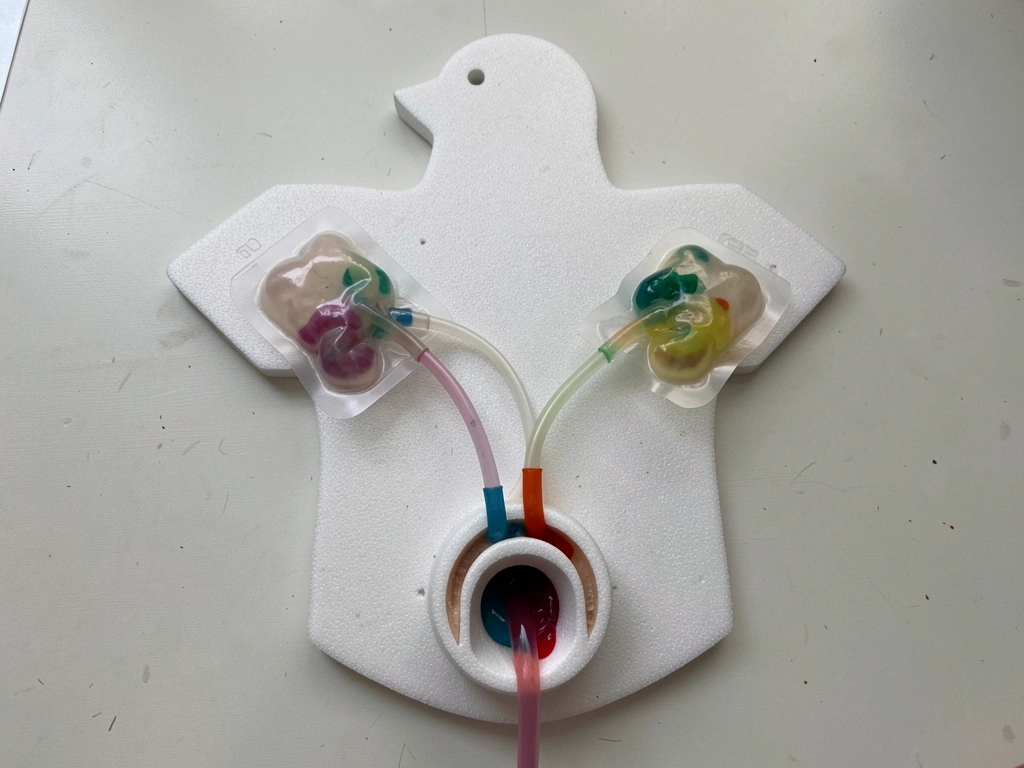
Birds have two kidneys, just like mammals. Those kidneys filter waste products from the blood and produce a urine-like fluid. But here is where things get different: birds have no bladder. There is no storage tank holding liquid urine before it exits. Instead, the waste travels from the kidneys through two tubes called ureters directly into the cloaca, which is a single multi-purpose chamber at the base of the bird's body.
The cloaca (sometimes called the vent) handles everything: digestive waste, urinary waste, and reproductive functions, all exiting through one opening. Inside the cloaca, the large intestine reabsorbs much of the remaining water from both the digestive and urinary waste before the whole package is pushed out together. This is part of why birds are so good at conserving water, which matters a lot when you weigh less than a pound and need to stay airborne.
The big evolutionary reason for this system is weight. Carrying a bladder full of liquid urine during flight would be a serious disadvantage. Excreting waste as a thick, nearly solid substance instead of liquid is a neat biological solution to that problem.
How bird urine actually works: urates vs. liquid urine
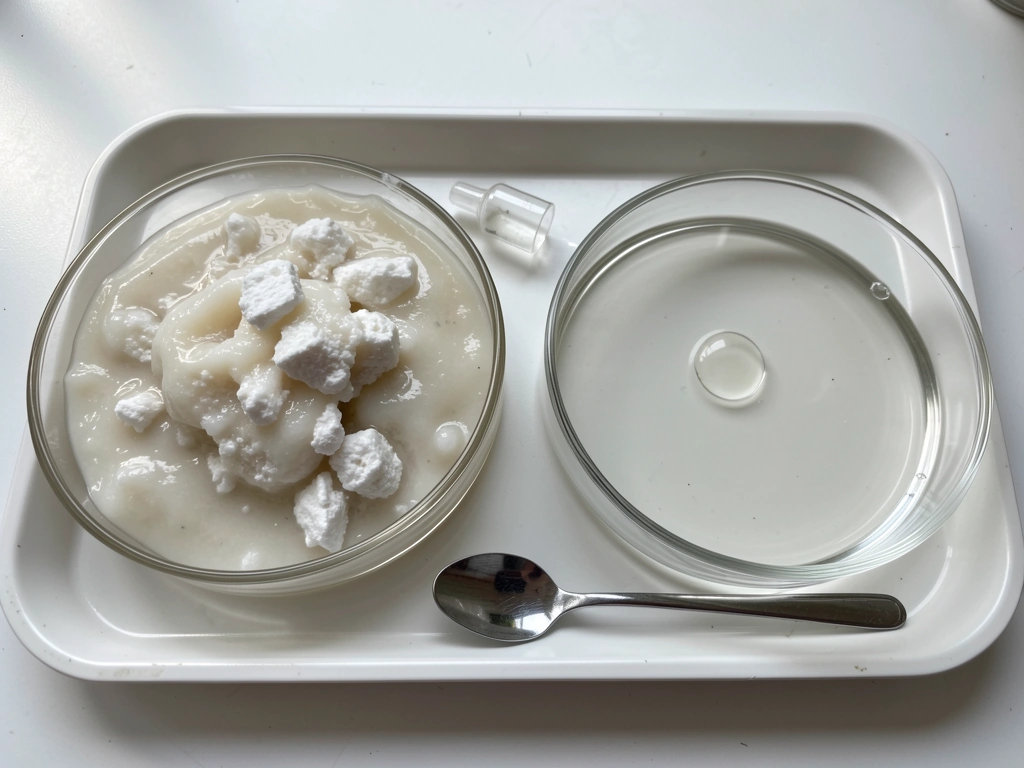
Mammal kidneys filter nitrogenous waste (a byproduct of protein metabolism) and excrete it as urea dissolved in liquid urine. Bird kidneys do something different: they convert that waste into uric acid, which does not dissolve well in water. This different nitrogen waste chemistry is also why birds effectively have a different answer to why bird red blood cells keep a nucleus uric acid. Instead of needing lots of liquid to flush it out, the body binds the uric acid into tiny crystals suspended in mucus, creating what we call urates. This colloidal form, essentially microscopic crystals held in a gel-like suspension, is what gives the white part of bird droppings its pasty, chalky texture.
Here is something that surprises most people: bird droppings actually have three distinct components, not two. There is the fecal portion (the darker, formed part from digestion), the urates (white/cream, semi-solid kidney waste), and a small amount of clear liquid urine. Under normal circumstances, that clear liquid portion is minimal because the bird's body is so efficient at conserving water and pushing waste out as solid uric acid instead. Most healthy birds produce very little visible liquid urine.
Where it comes out and what to look for
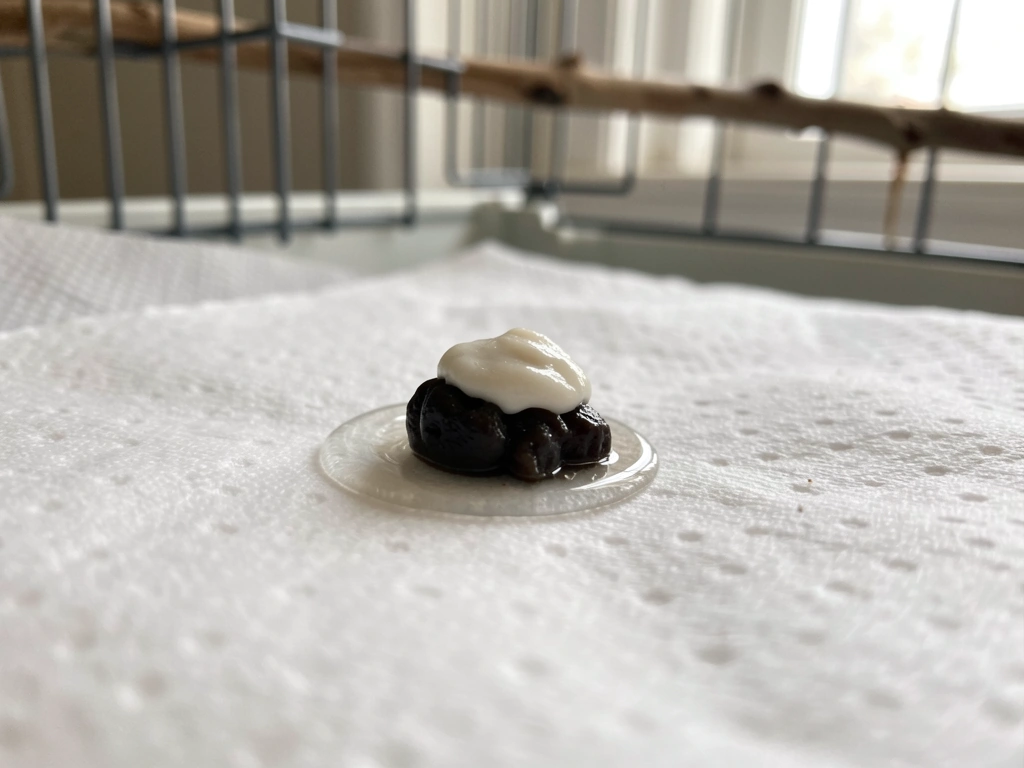
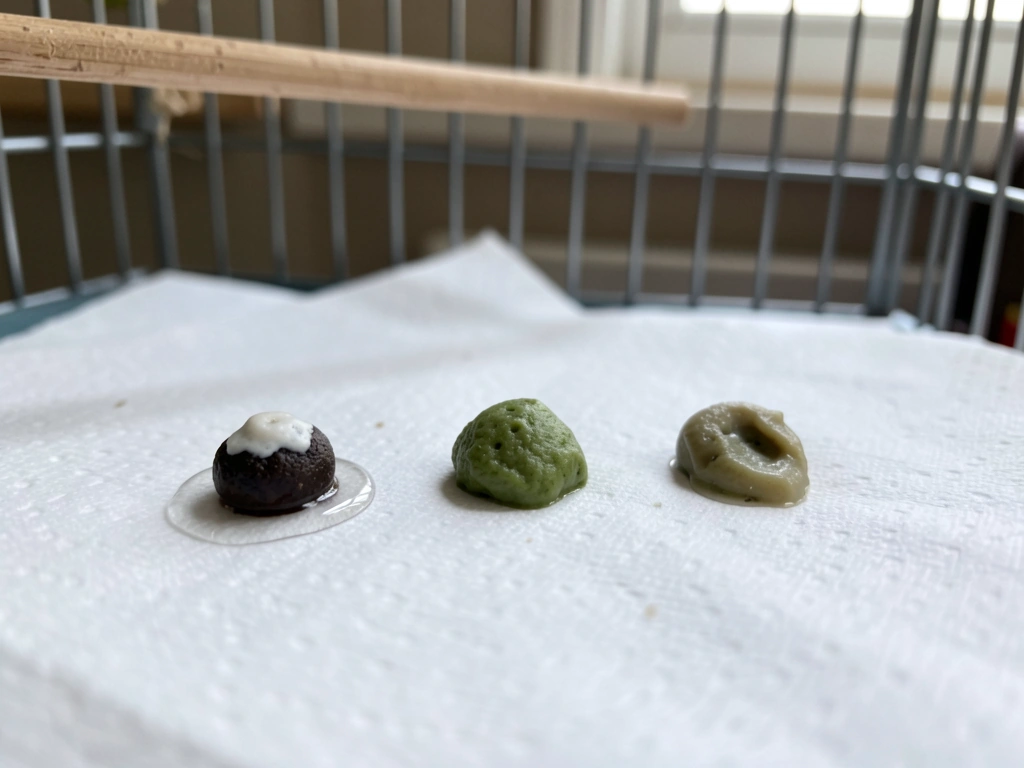
Everything exits through the cloaca, the single vent opening. When a bird drops on your car (or your shoulder, if you are really lucky), what you are seeing is all three components mixed together: the darker fecal material usually in the center or bottom, with the white urate portion wrapped around or capping it, and sometimes a small wet ring of clear liquid urine around the edges. If you are curious about smell too, the bird urine and urates have a different odor profile than typical mammal urine, so what does a bird smell like is a related question to consider.
For a seed-eating pet bird like a budgie or cockatiel, a normal dropping looks like a small, reasonably well-formed dark pellet with a distinct white or off-white cap. For larger parrots eating a varied diet with lots of fruit and vegetables, the fecal portion may be softer and more greenish, and there may be slightly more liquid visible. Wild birds vary even more depending on what they have been eating.
The key thing to look for when observing a bird's droppings is whether you can still distinguish those three parts. If everything has blended into an indistinguishable watery mess, that is a red flag, not just a quirky variation. You might also notice unusual colors, and some bird blood-related conditions can show up as striking color changes distinctive watery mess.
Common myths about bird pee
- "Birds don't pee" — They absolutely do produce urinary waste. It just comes out as semi-solid urates mixed with feces rather than as separate liquid urine.
- "The white part is poop" — The white part is actually the kidney waste (urates), not the fecal portion. The fecal part is the darker material.
- "White droppings always mean the bird is healthy" — White urates are normal, but abnormal white, such as an excessive chalky buildup or unusual yellow-white exudate, can still signal a problem like gout or infection.
- "Green droppings always mean illness" — Green fecal material can simply reflect a diet heavy in leafy greens or vegetables. Context and baseline matter enormously.
- "Watery droppings always mean diarrhea" — Increased liquid can mean the bird drank a lot of water, ate high-moisture foods, or is stressed. True diarrhea specifically means the fecal portion itself has become unformed and liquid, not just that there is extra clear urine around it.
- "Birds pee separately at night" — No. There is no separate urination event. Every dropping contains the urinary waste component.
Why droppings look different depending on species, diet, and hydration
The variation in normal bird droppings is wide enough that what looks alarming in one bird is completely typical for another. A few key factors drive these differences.
Diet
Seed-eating birds tend to produce small, firm, well-formed droppings with a neat white urate cap. Birds eating a lot of fresh fruit, cooked foods, or leafy greens will have softer, wetter, often greener droppings with more visible liquid urine. This is normal for them. If you switch your parrot from pellets to a fresh-food diet and the droppings suddenly look different, that is the diet talking, not a disease.
Hydration
A bird that has just drunk a lot of water will produce droppings with noticeably more clear liquid around them. The urate and fecal portions should still be distinguishable. If the bird is dehydrated, the droppings may look unusually dry or scant. Occasional clear, watery droppings from a bird that seems otherwise alert and active usually are not a cause for panic, but persistent changes are worth noting.
Species differences
Larger birds like macaws and cockatoos produce noticeably larger and wetter droppings than small birds like finches or budgies. Poultry like chickens have normal variation in their flock droppings, including some that look clear and watery due to more fluid content around the feces. Raptors and seabirds that eat high-protein diets tend to produce more prominent urate portions because they are processing more protein. Knowing your specific bird's baseline is genuinely more useful than any generic description of 'normal.'
Urate color variations
Urates are usually white to off-white or faintly cream-colored. Bird color vision is a separate topic, but learning whether a can bird see color helps explain how birds interpret what they see in their environment. Some species can even see ultraviolet light, which affects how they perceive patterns in their environment. A very slight yellowish tinge can still fall within normal range. But a distinctly yellow, bright green, or orange color change in the urate portion specifically (not the fecal part) is worth investigating. If you notice does surakav bird changes color in the urates, take it seriously and consider having a vet check your bird color change in the urate portion. Color changes in the urates often point to liver issues, kidney problems, or infection and should not be dismissed as just a diet quirk.
When to worry: red flags in bird droppings
Most dropping variations you will see day to day are benign. But some changes genuinely require veterinary attention, and the 24-hour rule is a practical guide: if abnormal droppings persist for more than 24 hours, especially alongside any other signs of illness, get the bird seen by a vet. Kaytee's guidance puts it at 12 to 24 hours for a significant, consistent change.
| What you see | What it might mean | Action |
|---|---|---|
| Red or dark red/black in droppings | Blood from internal bleeding, intestinal infection, egg binding, or swallowed object | Vet immediately |
| Bright yellow or lime-green urates | Liver disease, kidney disease, or infection | Vet promptly, within 24 hours |
| Completely watery, unformed droppings (true diarrhea) | Infection, parasites, serious dietary issue | Vet within 24 hours |
| Chalky white excessive buildup around vent | Possible gout (urate deposition), kidney failure | Vet promptly |
| Droppings absent or very scant | Obstruction, egg binding, anorexia | Vet immediately |
| Strong, unusual odor from droppings | Bacterial infection, diet problem, or GI issue | Vet if persists over 24 hours |
| Yellow or orange urine (clear liquid) portion | Possible liver or kidney involvement | Vet if persists over 24 hours |
| Slightly more liquid than usual, bird acting normally | Diet, hydration, or minor stress | Monitor for 24 hours |
It is worth noting that abnormal white material is not always just urates. Merck's veterinary guidance distinguishes between normal white urates and yellow or fibrinous exudates (pus-like material) associated with infections. If the white portion looks thick, curdled, or has an unusual texture beyond the typical chalky paste, that is a clinical difference worth flagging.
Practical next steps for observing and reporting droppings
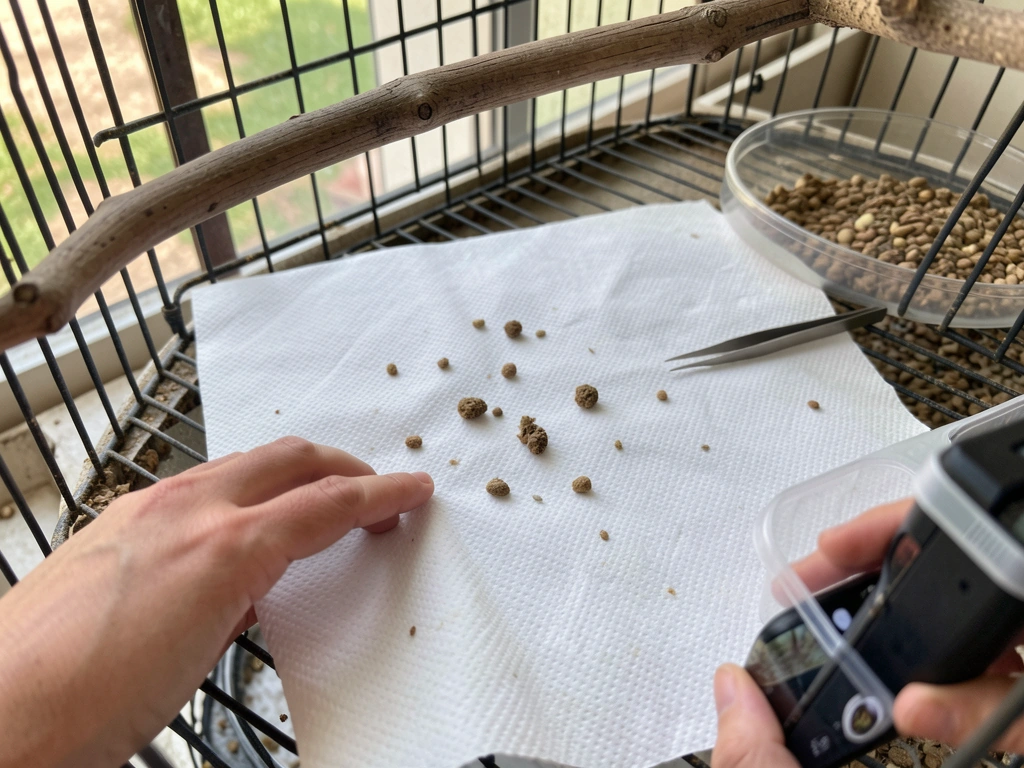
If you are trying to figure out right now whether what you are seeing in your bird's cage is normal, here is a straightforward process.
- Line the cage bottom or a perch area with plain white paper towels. No ink, no printed designs, no cloth. Plain white paper gives you a clean background to actually see the dropping color and texture without interference.
- Check the droppings once or twice over the next 12 to 24 hours and look for the three components: a formed darker fecal section, a white or off-white urate portion, and any clear liquid. Note whether you can distinguish all three.
- Take a photo in good natural light. Smartphone photos work fine and give you a visual record to compare over time or show a vet.
- Note what the bird ate and drank in the past 24 hours. New foods, lots of fruit, or increased water intake all affect dropping appearance and are important context.
- Observe the bird's behavior alongside the droppings. Is it alert, eating, moving normally? Or is it fluffed up, quiet, sitting on the cage floor, or not eating? Behavior combined with droppings tells the fuller story.
- If you are calling or emailing a vet, have these details ready: the bird's species and age, how long the abnormal droppings have been present, what changed (color, consistency, volume, smell), recent diet changes, and any other symptoms. A photo is worth bringing or sending.
If the bird is with an avian vet, they may recommend fecal testing (looking for parasites or bacteria), a gram stain of the dropping, or even analysis of the liquid urine portion separately. The clear liquid part of the dropping, which most owners never notice, is actually what an avian vet may test as the "urine" component during a diagnostic workup.
The short version: birds urinate, the output just looks like a white paste rather than liquid, and a normal dropping with a distinct fecal portion, white urate cap, and minimal clear liquid is nothing to worry about. Any persistent change beyond 24 hours, especially with blood, vivid color shifts in the urates, or behavioral changes, means it is time to call an avian vet.
The short version: birds urinate, the output just looks like a white paste rather than liquid, and a normal dropping with a distinct fecal portion, white urate cap, and minimal clear liquid is nothing to worry about. Any persistent change beyond 24 hours, especially with blood, vivid color shifts in the urates, or behavioral changes, means it is time to call an avian vet.
FAQ
If birds urinate, why don’t I see liquid pee like I do with mammals?
Yes, but the “pee” is usually the clear fluid component in the dropping, and in many healthy birds it is barely visible. If you see a droplet of true watery liquid by itself, especially without the normal white urate cap, that can indicate either excessive fluid intake, a diet shift, or sometimes digestive upset, so compare against your bird’s usual pattern.
Is one weird dropping enough to worry about, or is it usually normal?
A single out-of-pattern dropping can be normal, especially right after a diet change (more fruit, leafy greens, or new foods) or after a larger drink. Use a “trend” approach, if droppings stay off for more than about 24 hours or the white urate portion changes color or texture, treat it as a sign to contact an avian vet.
Can stress, travel, or a new cage make a bird’s droppings look watery?
Stress and environmental changes can affect hydration and digestive speed, which may increase visible clear liquid or change dropping size and firmness for a short time. If your bird is acting normal, eating normally, and the change resolves within a day, it is often diet or hydration related, but persistent changes still need a vet check.
Do watery-looking droppings always mean the bird is peeing a lot?
Sometimes, but it is not guaranteed. Some birds may show more liquid urine when they have been drinking more, but you should still see the fecal portion and urates. If you only see watery spray with no normal white cap for repeated episodes, it is less consistent with typical urate-based output and worth veterinary advice.
How can I tell which part of the dropping is urine versus urates?
Yes, you can notice it if you check the edges and overall mix. The clear liquid ring is the part most likely to represent the urine component, while the chalky white cap is urates. If the clear liquid becomes the dominant feature for more than a day, or the urates stop looking like their usual off-white color, that is a better reason to investigate.
What does “normal white urates” look like compared with abnormal white discharge?
Wipe-up texture matters. Normal urates are chalky or pasty and tend to stay separated as a white cap or coating, while pus-like material (often associated with infection) can look more stringy, curdled, or “lumpy” beyond the typical paste. If the white material looks unusual in a consistent way, take a close photo and show it to your avian vet.
Is it normal for urates to look slightly yellow?
Color cues are more meaningful when you focus on the urate portion specifically. A slight yellow tint can be within normal limits for some birds, but bright yellow, green, orange, or rusty tones in the urates, especially when new and persistent, suggest internal issues and should be evaluated.
Can reproductive hormones or egg laying change what I see as “urination”?
Yes. The cloaca is a common exit for urine, feces, and reproductive material, so breeding behavior, hormonal cycles, or egg-related activity can affect how droppings appear around that time. If a bird is mating or appears broody, changes may be related, but vivid urate color changes or reduced appetite still warrant a vet call.
How do I know what’s normal for my specific bird species or diet?
Some birds are simply larger or eat differently, so size and wetness vary a lot by species. The most practical comparison is your bird’s own baseline, note whether droppings are usually capped, how much clear ring appears, and what diet they are on before making assumptions.
Next Articles
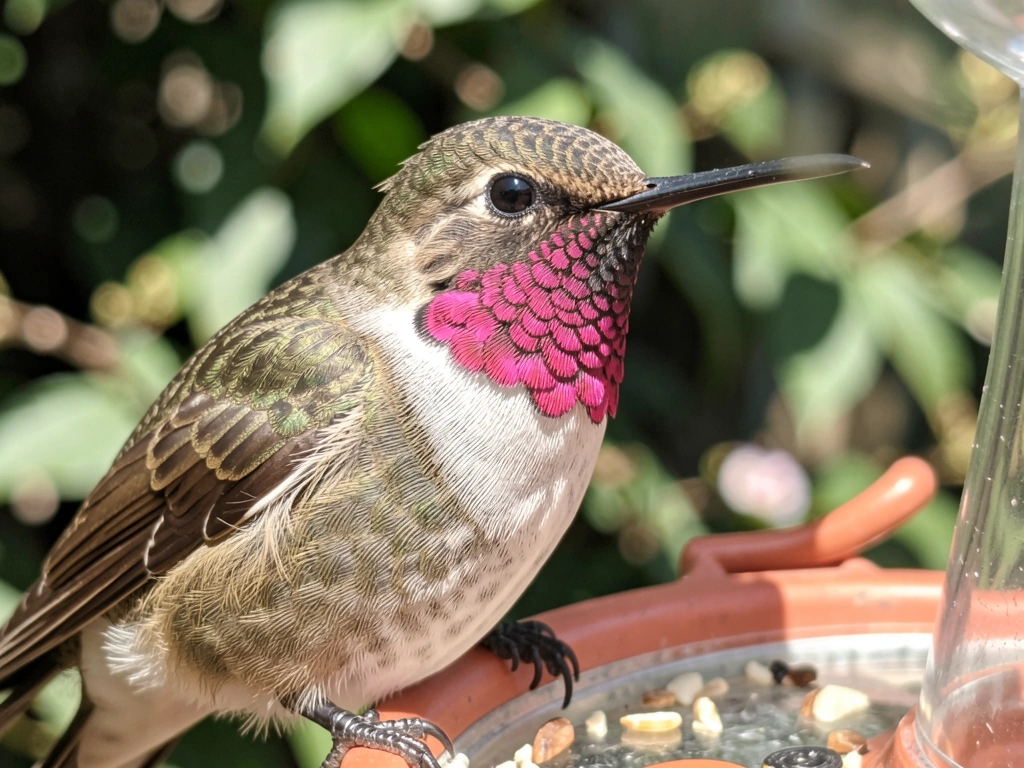
Does Surakav Bird Change Color? Causes and What to Do
Find out if a Surakav bird’s color change is normal (age, seasons, molt) or a health red flag, and what to do.
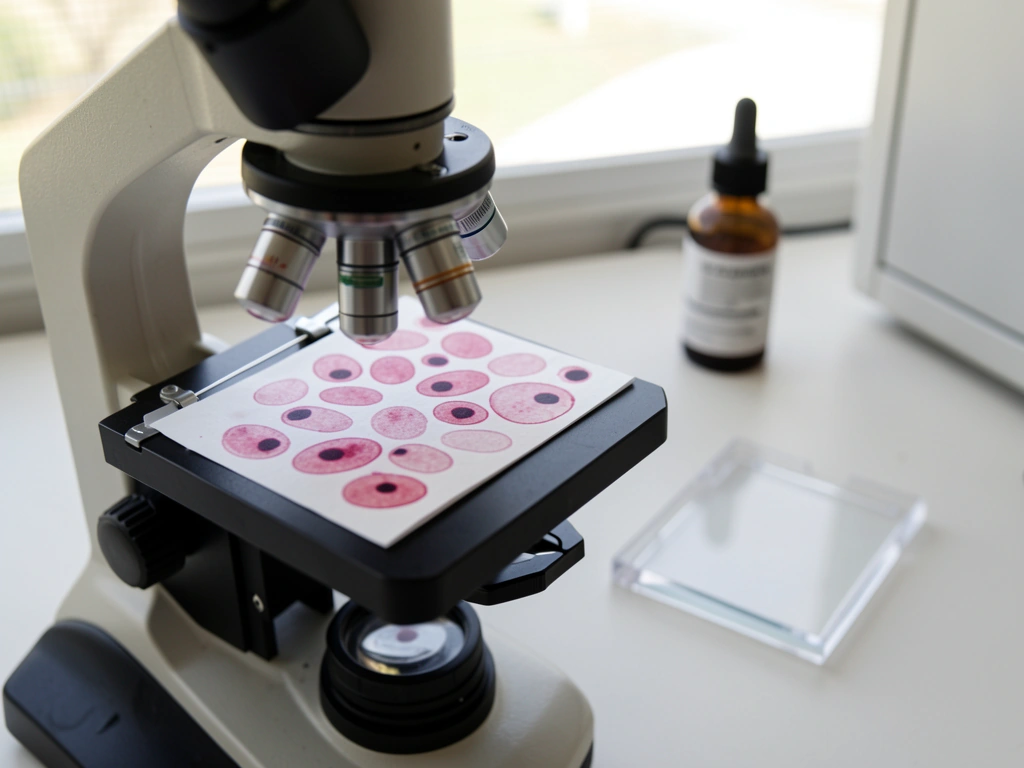
Why Do Bird Red Blood Cells Have Nucleus? Key Reasons
Explains why birds’ RBCs keep a nucleus, covering oxygen transport, evolution tradeoffs, and how to verify via blood sme
Can Bird See Color? How Bird Vision Compares to Humans
Yes, birds can see color and UV, with different spectral sensitivity than humans, used for food, mates, and predators.