
Yes, birds can smell. That might surprise you if you've always heard the opposite, but the old "birds have no sense of smell" idea has been quietly dismantled by decades of research. The real answer is more nuanced: birds vary enormously in how well they smell, most backyard songbirds rely far more on sight than scent, and a handful of species (like turkey vultures and certain seabirds) have olfactory abilities that are genuinely impressive. If you’re curious what that means in practice, smell cues can vary a lot by species and situation what does a bird smell like. If you're trying to figure out whether scent matters for feeding or deterring birds in your yard, the short answer is: it matters, but probably less than you think, and in a more specific way than most guides let on.
Can Bird Smell Food? What Birds Smell and How to Use It

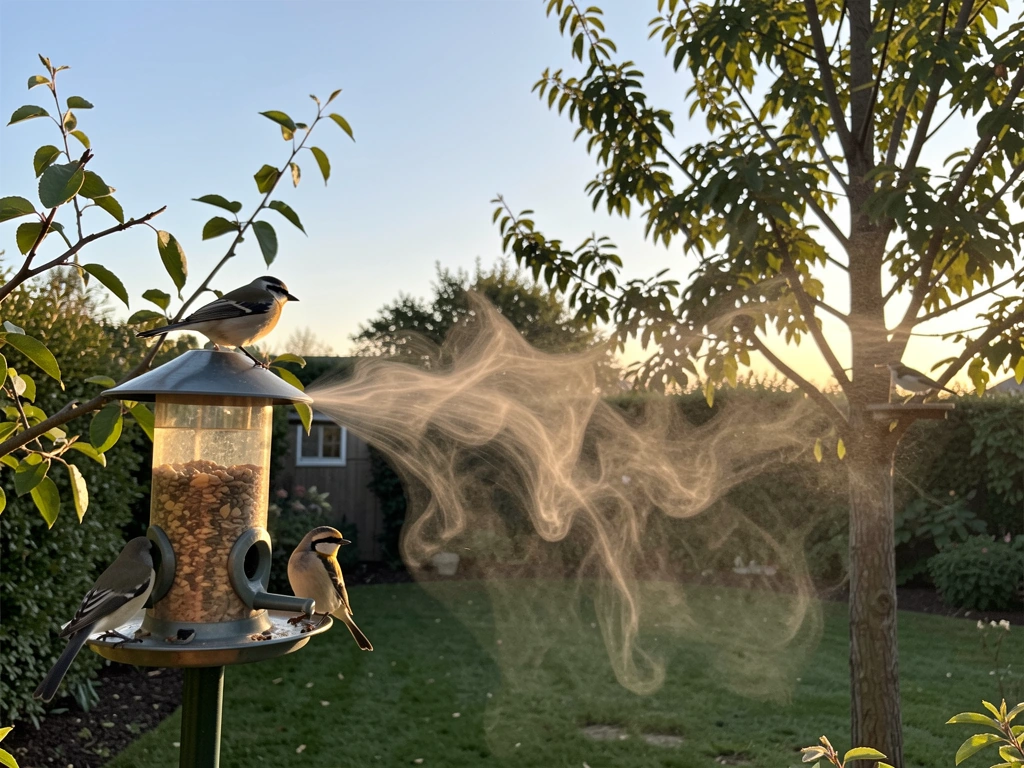
Do birds actually have a sense of smell?

Birds have a fully functional olfactory system. They have olfactory receptor (OR) genes, olfactory nerves, and an olfactory bulb in the brain that processes scent signals. Research across nine bird species from seven different orders confirmed that amplified avian olfactory receptor sequences were predicted to be functional, which means smell isn't just a vestigial leftover from reptile ancestors. It's working.
The big variable is how much each species invests in it. Scientists measure something called olfactory bulb size relative to total brain size, and those ratios vary widely across bird groups. Seabirds like petrels and albatrosses have proportionally large olfactory bulbs and are known odor specialists. Most songbirds (the sparrows, finches, and chickadees at your feeder) have smaller olfactory bulbs and lean heavily on their vision instead. That's not the same as saying they can't smell anything. It means smell is lower on their sensory priority list.
So when someone tells you "birds can't smell," what they usually mean is that common backyard birds don't use smell as a primary foraging tool. That part is mostly true. But calling it zero is wrong, and it matters when you're thinking about feeders, garden setup, or deterrents.
How far can a bird actually detect a smell?
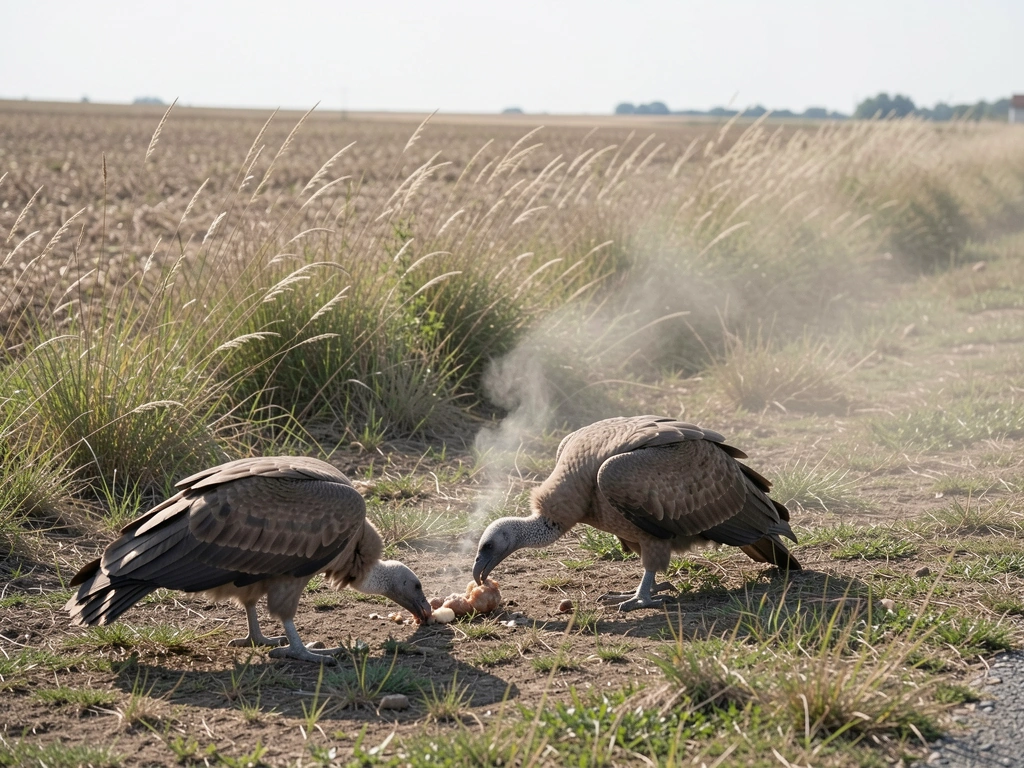
This is where things get genuinely interesting, and honestly a little complicated. Distance isn't a fixed number. A bird's ability to detect an odor at range depends on wind speed, air turbulence, the concentration of the odorant, and how the smell disperses through the air in real conditions.
The most studied example is the turkey vulture. Researchers measured its sensitivity to carrion-associated compounds and found detection thresholds around 1 millionth molar (1×10^-6 M) for compounds like butanoic acid and ethanethiol. That's exceptionally sensitive. In field conditions with favorable wind, turkey vultures can respond to odor cues from tens to hundreds of meters away. But here's the catch: a field experiment with black vultures found that the probability of a bird reacting to fish bait dropped to virtually zero at just 40 to 50 meters away. Even for a scent-capable species, distance and air conditions put a hard cap on what's detectable.
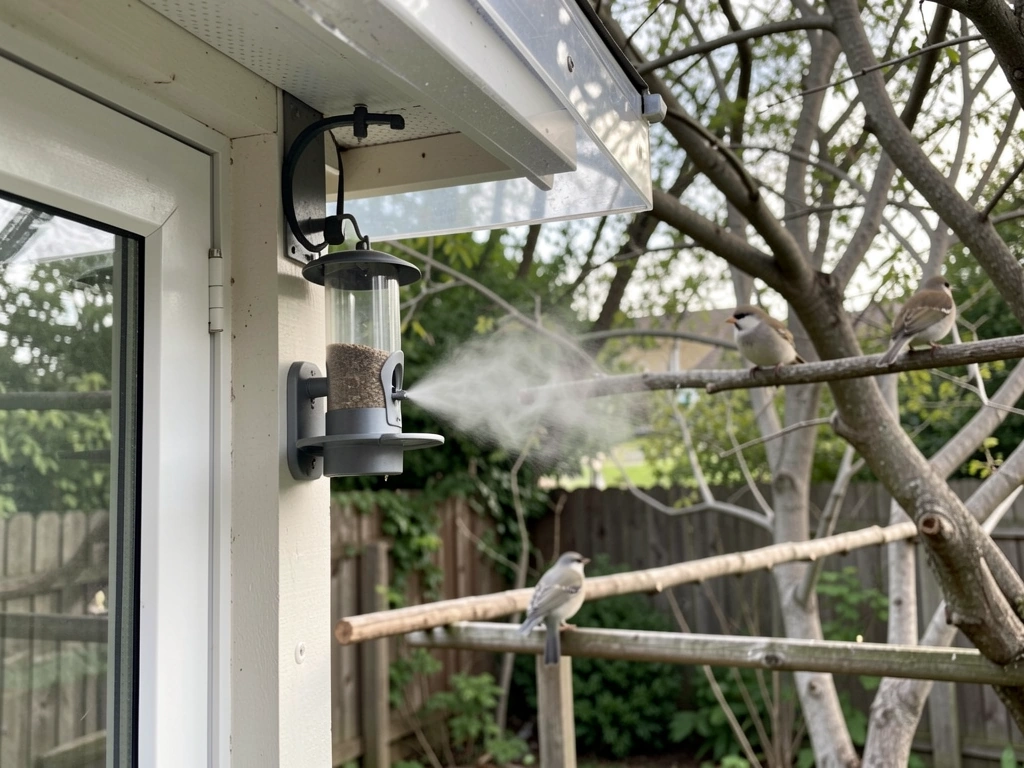
The reason for that variability is how odor plumes actually work outdoors. Smells don't radiate evenly in all directions like a cartoon cloud. They travel in turbulent, intermittent plumes shaped by wind, heat, and local air movement. A bird downwind of your feeder might catch a strong whiff. A bird upwind, or even slightly crosswind, might get nothing. This is why scent-based attraction is inherently unreliable compared to visual cues.
How this plays out for common backyard birds
For the species most people are actually trying to attract, songbirds and hummingbirds, olfaction is a secondary sense. They primarily find food by sight and by watching other birds. Don't expect a chickadee to find your feeder by smell from 30 feet away. If you want to learn more about what to look for in birds, you might also be wondering what bird shells are green in the first place. It found it by flying around, seeing it, or following another bird. That said, once a bird is near the food, odor cues can play a supporting role, especially for distinguishing fresh food from spoiled food.
Can birds smell specific foods?
The evidence says yes, at least for some foods and some species. Turkey vultures and southern caracaras have been observed using smell to locate hidden, odorous food at close range (around 4 meters) in experiments where visual cues were eliminated. For these birds, olfaction clearly fills a gap when food can't be seen.
For fruit-eating birds, there's a chemical-ecology angle worth knowing. Ripe fruit emits more volatile esters than unripe fruit, and those esters signal quality and ripeness. Research on fruit scent confirms that ester emission increases with ripening, which makes the smell of ripe or slightly fermenting fruit a meaningful cue for birds that eat fruit. This is partly why fruit-eating birds (thrushes, waxwings, orioles) seem to zero in on ripe fruit quickly.
Hummingbirds are an interesting edge case. The conventional view is that they rely almost entirely on visual floral cues (red flowers, high sugar content visible by color). But research has started hedging that assumption, showing that hummingbirds do respond to certain odorants and can avoid foraging on resources with specific defensive chemical compounds. So they're not completely smell-blind either. They just rank it well below color and shape in their sensory toolkit.
Birds can also eavesdrop on chemical signals from plants. Some research shows that birds detect volatile compounds that plants release when under insect attack, essentially using plant scent as a dinner bell to find insect prey. That's a different kind of "smelling food" but it's real, and it's another reason scent in the broader garden environment matters more than just what's in your feeder.
Using scent practically to attract birds
Given what the research actually shows, here's how to think about scent when you're trying to attract birds to feeders or your garden.
Keep food fresh and let natural odors do the work
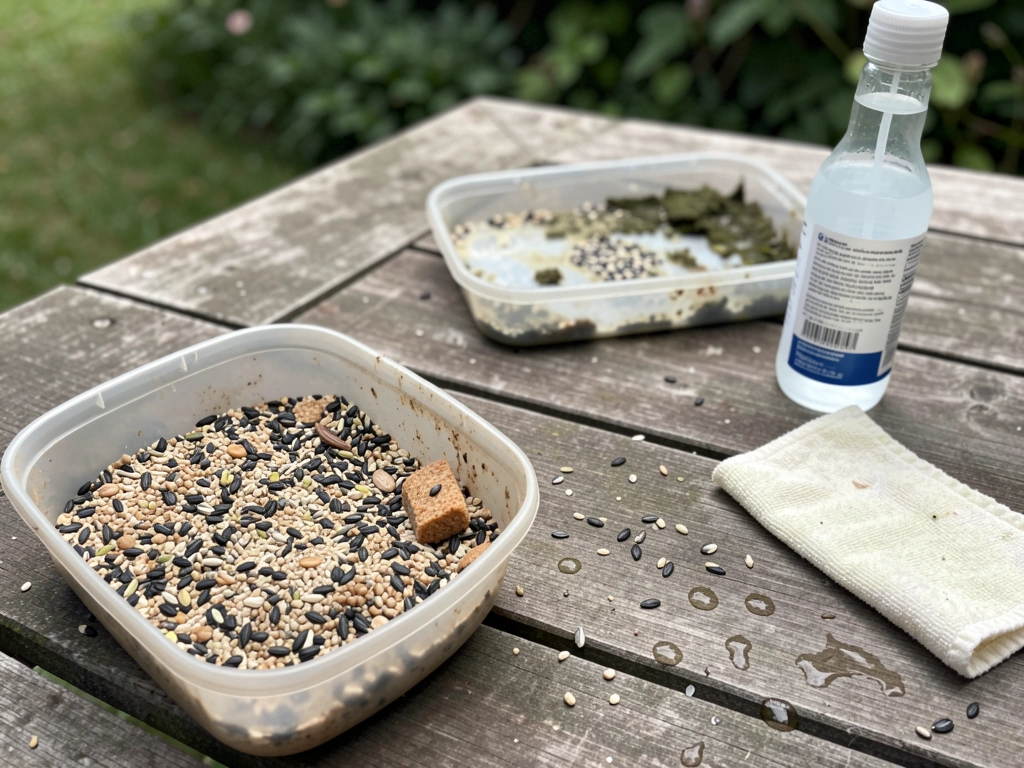
The most reliable scent strategy isn't adding anything. It's keeping food in a condition that maximizes its natural odor. Fresh fruit, suet, and seeds all have detectable volatiles. Decomposing or moldy food changes those volatiles into off-putting or confusing compounds. Birds that can detect odors are generally looking for the scent profile of fresh, edible food, not decay. If you're offering fruit to attract orioles or waxwings, cut it fresh, don't let it sit and ferment for days.
Position feeders with airflow in mind
Since odor travels in wind-driven plumes, feeder placement relative to prevailing wind direction matters more than most people realize. Placing a feeder where odors can drift toward areas where birds perch or forage gives any scent-sensitive birds a better chance of catching the smell. This isn't a guaranteed fix, but it costs you nothing to think about.
Foods with stronger natural odors
If you're specifically trying to attract birds that rely more on smell (like corvids or raptors), foods with strong natural odor profiles tend to work better than dry seeds. Suet, fish scraps, or fresh fruit will emit more volatile compounds than sunflower seeds sitting in a plastic tube. For standard songbird feeders, odor is secondary to visual feeder placement and seed quality.
Scents that repel birds: what actually works
This is an area where a lot of folk advice circulates, and the evidence base is thinner than the marketing suggests. Here's a clear breakdown.
| Repellent approach | Evidence quality | Practical verdict |
|---|---|---|
| Peppermint oil / menthol | Weak; mostly anecdotal for birds | Unreliable; some claims exist but not supported by peer-reviewed bird studies |
| Visual deterrents (reflective tape, predator shapes) | Strong | Much more effective than scent-based deterrents for most bird species |
| Removing food odor sources | Strong | Highly effective; eliminating the attractant works better than masking with repellent |
| Commercial bird repellent sprays | Moderate; varies by product | Methyl anthranilate-based sprays have the best evidence; essential oil blends are inconsistent |
| Predator urine / strong animal odors | Weak for birds specifically | Birds largely ignore mammal-associated scents; mainly useful for mammalian pest deterrence |
Peppermint oil gets mentioned a lot online as a bird deterrent because of its strong menthol scent. In bird contexts, this is mostly anecdotal. In insect research, peppermint oil actually showed weak repellent effects compared to other essential oils, which at minimum should make you skeptical of strong repellent claims for birds. If peppermint doesn't reliably repel insects in controlled studies, betting your garden on it to repel birds is optimistic.
The most reliable odor-based repellent approach is simply removal. If birds are flocking somewhere you don't want them, find what food source is attracting them and take it away or seal it. Reducing the odor plume at the source is far more effective than trying to mask it with essential oils. Keep compost bins sealed, pick up fallen fruit, and clean up seed spills under feeders.
For more persistent problems, methyl anthranilate (a grape-scented compound derived from concord grapes) is one of the better-studied avian repellents and is approved for use around crops and turf. It irritates birds' mucous membranes and has a reasonable evidence base behind it, unlike most essential oil approaches.
Common myths and what to do when birds aren't responding
Myth: birds will smell your feeder from far away and show up
For most backyard songbirds, this is not how it works. Birds find feeders primarily by sight, by watching other birds, or through familiarity with a regular foraging route. If you put out a new feeder in an area with no bird traffic, don't expect a bird reacting from blocks away. Place it where birds already perch or forage, keep it visible, and be patient. Birds are social and observational, so once one bird finds the feeder, others tend to follow.
Myth: all birds are either great smellers or smell-blind
The reality is a spectrum. Turkey vultures, petrels, and some seabirds are at one end with well-developed olfactory systems. Most songbirds are somewhere in the middle, capable of detecting odors close up but not relying on them heavily. A blanket statement either way is wrong. The species you're dealing with matters a lot.
Myth: if you avoid touching bird food with your hands, birds won't smell you and stay away
This is a persistent one. The idea is that human scent on eggs, feeder food, or baby birds will cause parent birds to reject them. For the vast majority of bird species, this is not supported by evidence. Birds' reliance on olfaction is not strong enough (in most species) to override their parenting instincts or their interest in food. The caveat is that handling food for odor-specialist scavengers might introduce confusing scent compounds, but for typical feeders this is a non-issue.
Troubleshooting: birds aren't responding to your feeder or bait
If birds are ignoring your setup, scent is probably not the problem. In birds, even subtle factors like body chemistry and blood characteristics can influence how we think about scent-related behavior. Work through this checklist before blaming odor:
- Check feeder placement: birds need a clear approach path and nearby perching spots within a few meters. Remember that even for scent-capable birds, reaction probability drops sharply with distance.
- Check food freshness: old, moldy, or wet seed smells wrong and tastes wrong. Replace it and clean the feeder with a dilute bleach solution, then rinse thoroughly.
- Check local bird traffic: if birds aren't in the area at all, no scent strategy will bring them. Walk around and see where birds are naturally moving; place your feeder in or near that zone.
- Check wind patterns: if you're relying on any scent-based attraction, consider whether odors from the feeder could realistically reach areas where birds perch. Move the feeder closer to bird activity if needed.
- Give it time: new feeders often take days to weeks before birds discover them, especially in areas without established bird traffic. Scent isn't going to shortcut that learning process for most songbirds.
- Remove competing attractants: if there's abundant natural food nearby (a berry bush, open compost, insects in a lawn), birds have no reason to visit your feeder. Scent from those natural sources will beat your feeder's odor every time.
The bottom line is that scent is a real factor in bird behavior, but it's one tool among many, and for most common garden birds it's well behind vision and social learning on the priority list. By contrast, birds that rely on vision can also use color cues, and researchers have shown they are able to perceive certain wavelengths of light can perceive certain wavelengths of light. Color cues can matter too, since some birds are able to perceive certain wavelengths of light. Use it by keeping food fresh, positioning feeders thoughtfully relative to wind, and removing unwanted odor sources rather than trying to mask them. That's the practical version of what the research actually supports. Birds release waste the same basic way other animals do, but whether that can be described as true urination varies by species and how closely you’re watching does a bird urinate.
FAQ
If can bird smell is true, why don’t birds always find feeders by scent from far away?
Probably, but only in certain situations. Most backyard songbirds detect food at close range mainly by sight, then use smell as a secondary cue to confirm freshness. If the food is fresh and visible, scent may matter once a bird is nearby, but don’t expect reliable long-distance detection from 10+ meters away.
How do I place a feeder so birds that use smell have a better chance of finding it?
Wind direction is the difference between “a strong whiff” and “nothing.” Place feeders where prevailing winds carry odors toward likely perching and foraging areas (hedges, fence lines, tree edges). Even a small crosswind change can disrupt how odor plumes reach birds.
What kind of food scent attracts birds most, and what should I avoid?
Use fresh food and avoid decay cues. Birds that rely on odor are generally tuned to the volatiles of edible, ripe, or clean food, not spoiled smells. If you are using fruit or anything that can ferment (especially in warm weather), refresh it frequently and remove leftovers promptly.
Will adding scent like fruit essence, vanilla, or other attractants bring more birds to my feeder?
Yes, but the effect is usually modest and inconsistent for typical backyard species. Many songbirds will still locate feeders visually, so adding a strong scent does not always increase visits. It’s more likely to help with odor-capable birds (for example, some corvids or scavengers) and when birds are already in the area.
If birds are ignoring my feeder, how can I tell whether smell is actually the problem?
Start with the most common culprit, food quality and visibility. If birds ignore the feeder, check: is it visible from nearby perches, is the food fresh (no mold or drying dust), are there competing food sources nearby, and is it in an area birds already use? Scent is rarely the primary cause for “no birds.”
How does ripeness affect fruit-eating birds’ response to odor?
For fruit-eaters, yes, but timing matters more than “which fruit.” Riper fruit releases more volatile esters, which can speed up interest for thrushes, waxwings, and orioles. If you leave fruit too long and it ferments heavily, the odor can shift toward off cues that reduce feeding.
Can I use scent to attract birds even if they cannot see the food (for example, inside a protected feeder)?
For odor-specialists, you can sometimes get a response without visual access, but backyard outcomes still depend on range and airflow. The most predictable wins come from removing the competing variable (like visual obstruction) rather than assuming odor alone will work at long distance.
Is peppermint oil an effective way to deter birds from my yard or feeder?
Don’t rely on peppermint oil as a bird deterrent. In controlled work on pests, it shows weaker effects than many other essential oils, which is a red flag for “it will repel birds” claims. If you need deterrence, focus on source removal, cleanup, and blocking access instead of masking with essential oils.
What’s the most reliable odor-based way to stop birds from coming to a specific spot?
Use repellents carefully and match them to the problem. When birds are drawn by a food source, the most effective approach is removing that attractant (clean up seed spills, seal compost, pick up fallen fruit). For longer-term crop or turf situations, compounds like methyl anthranilate have more supporting evidence than most home remedies, but use only as directed for the target setting.
Will human scent on eggs or baby birds cause parents to abandon them?
Not usually. For most birds, human scent from handling is unlikely to cause egg or nest rejection. The more realistic risk is disturbance, repeated checking, or leaving eggs exposed during handling. If you must check, do it quickly and minimize returns to the nest.
Do hummingbirds respond to smell, or is visual color and nectar all that matters?
Hummingbirds can respond to some odorants, but they still heavily prioritize visual cues like flower appearance and feeder setup. If your goal is to attract hummingbirds, focus on correct nectar formula, clean feeders, and placing them where they can see them from perches. Any odor contribution is likely secondary.