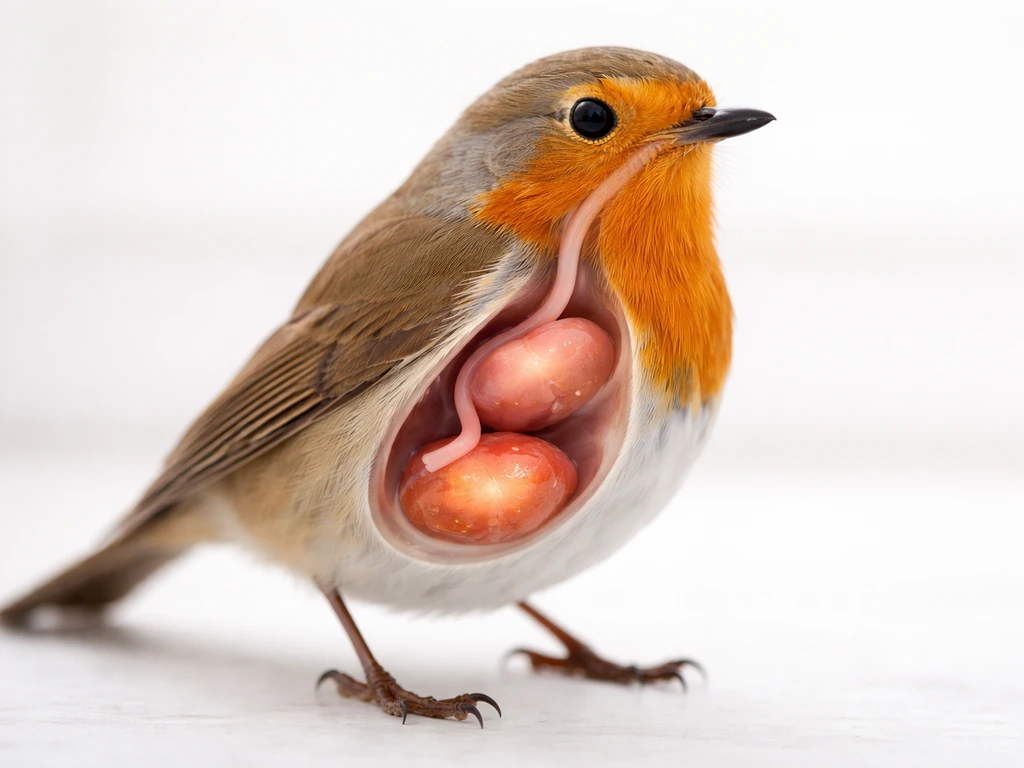
Birds have two stomach chambers, not one. The first is the proventriculus (the glandular stomach), which handles chemical digestion using acid and enzymes. The second is the gizzard, also called the ventriculus (the muscular stomach), which physically grinds food. Together, these two compartments make up what ornithologists call the avian compound stomach. So the honest answer is: one stomach, two working parts, both essential.
How Many Stomachs Does a Bird Have? Proventriculus and Gizzard

Marcus Chen
5 Jun 2026
Why bird digestion looks so different from ours
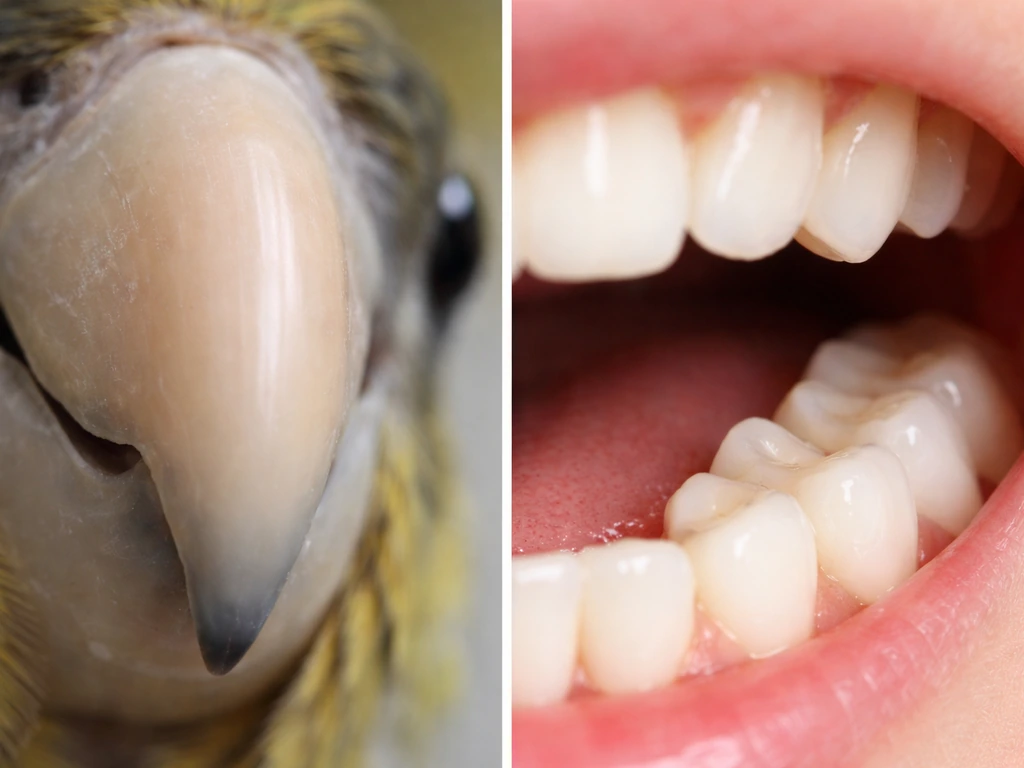
Birds evolved without teeth, which means all that pre-processing work your molars do never happens in a bird's beak. That constraint pushed the digestive system to compensate further down the tract. The result is a surprisingly efficient assembly line that goes: beak, oral cavity, esophagus, crop (in many species), proventriculus, gizzard, small intestine, large intestine, and cloaca. The crop, worth noting, is just a storage pouch, not a stomach, even though people sometimes count it as one. The real digestive action starts at the proventriculus.
Compared to a human digestive system, the most obvious structural difference is that split stomach. Birds' split stomach is often where people first notice their anatomy is different, so it's natural to wonder how many heart chambers they have as well. We have one stomach that does both chemical and mechanical work (with a bit of churning). Birds effectively outsourced those two jobs to separate organs that have become very good at their specific roles. That specialization is a big part of why birds can efficiently handle diets as different as sunflower seeds, fish, or insects.
The two stomach chambers: proventriculus and gizzard
Think of the proventriculus as the chemistry lab and the gizzard as the machine shop. Food arrives at the proventriculus first, where specialized cells called oxynticopeptic cells flood the contents with hydrochloric acid (HCl) and the enzyme pepsinogen. University of Kentucky extension teaching materials describe this as a two-part stomach system: food sits in the proventriculus before being ground in the ventriculus (gizzard) food arrives at the proventriculus first. This is the same basic chemistry your own stomach uses. The food doesn't linger there long, though. It gets coated quickly and then moves on, with those acids and enzymes continuing to work as digestion progresses.
Next stop is the gizzard, a thick-walled, heavily muscled organ lined with a tough protective layer called the koilin. The koilin coating keeps those powerful muscles from digesting themselves. The gizzard contracts in strong, rhythmic squeezes to physically crush and grind whatever came down from the proventriculus. Many birds swallow grit or small stones (called gastroliths) on purpose, and those stones sit in the gizzard and act like millstones to increase grinding power. All birds have a gizzard, though the muscular walls vary quite a bit in thickness depending on what the bird eats.
Chemical vs. mechanical digestion: who does what
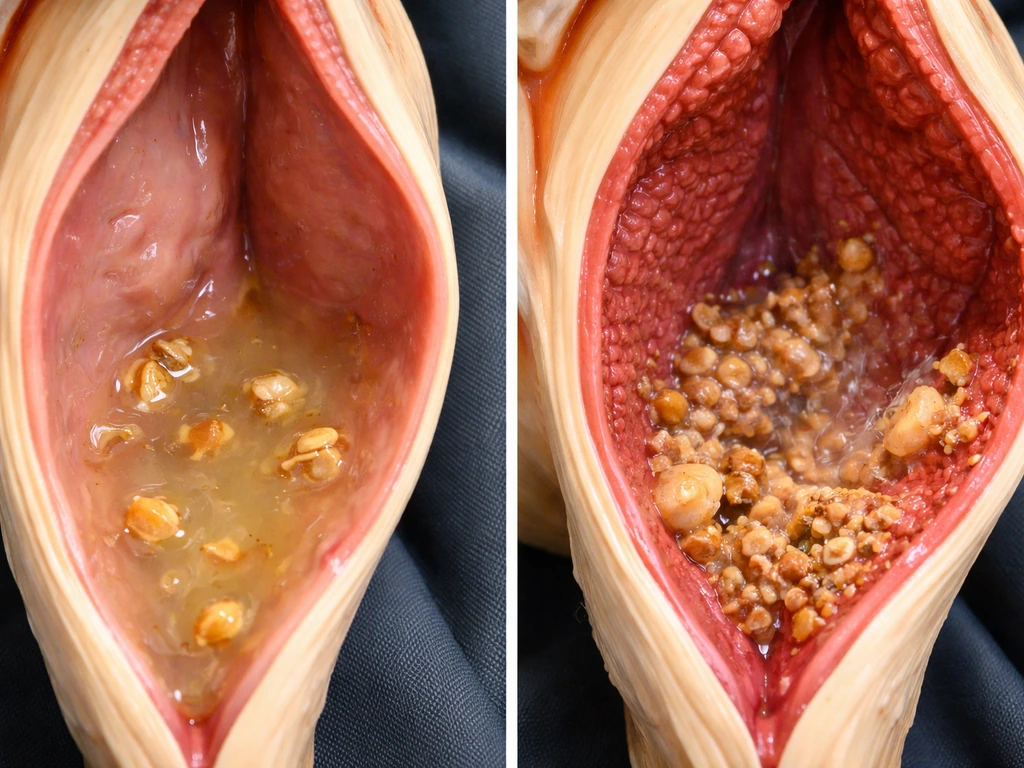
The split between the proventriculus and gizzard is essentially the split between chemical and mechanical digestion. Chemical digestion means breaking down food molecules using acids and enzymes. Mechanical digestion means physically pulverizing food into smaller pieces so those chemicals have more surface area to work on. In humans, both happen in the same stomach (and to some extent in the mouth, thanks to chewing). In birds, the two processes happen in dedicated, sequential organs.
| Feature | Proventriculus (Glandular Stomach) | Gizzard (Muscular Stomach) |
|---|---|---|
| Also called | True stomach, glandular stomach | Ventriculus, mechanical stomach, gastric mill |
| Primary role | Chemical digestion | Mechanical digestion (grinding) |
| Key secretions | Hydrochloric acid, pepsinogen, mucus | None (acts physically, not chemically) |
| Wall type | Glandular, softer tissue | Thick, heavily muscled, koilin-lined |
| Stones used? | No | Yes, in many species (gastroliths) |
| Food transit speed | Fast (quick coating) | Slower (thorough grinding) |
Common misconceptions worth clearing up
The most frequent miscount I've seen online is people claiming birds have three or four stomachs, often because they're including the crop in the tally. The crop is a food storage pouch located before the proventriculus. It's useful, especially for birds that forage quickly and digest later, but it does not secrete digestive acids or grind food. It's a waiting room, not a stomach. Once you remove the crop from the count, you're back to two chambers. If you are also counting bird anatomy features beyond digestion, you might be wondering how many holes does a bird have, which is a related question people often ask.
Another common point of confusion is whether birds have "a stomach like humans. " Technically yes, but in two separate parts rather than one. Cornell Lab puts it plainly: birds "all have two parts to their stomach," the proventriculus and the gizzard. When people say birds have "one stomach," they usually mean the whole compound structure is a single digestive organ system.
When people say "two stomachs," they mean the two chambers work so differently they deserve to be counted separately. Both framings are defensible, which is exactly why this question keeps coming up. If you are wondering about hearts instead, birds have one main heart with four chambers, rather than a separate “heart count” like their stomach chambers how many hearts does a bird have.
A common follow-up question is whether birds have a four-chambered heart, and the quick answer is no.
- The crop is NOT a stomach. It stores food before digestion begins.
- Birds do not have three or four stomachs. Claims of more usually come from miscounting the crop or other structures.
- The proventriculus and gizzard are two chambers of one compound stomach, not two separate organs in the way your kidneys are two separate organs.
- All birds have a gizzard, but not all rely on swallowed grit. Birds that eat soft prey (like many fish-eaters) have thinner-walled gizzards.
- The "true stomach" label sometimes applied to the proventriculus can confuse people into thinking the gizzard is something extra. Both are part of the stomach system.
How diet and species shape the stomach
The gizzard in particular changes quite a bit based on what a bird eats. Granivorous birds (seed-eaters like sparrows and finches) have thick, powerful, heavily muscled gizzards because grinding hard seeds takes real force. Insectivorous birds have moderately muscled gizzards since insects, while crunchy, are far softer than seeds. Fish-eating birds like herons tend to have thinner-walled gizzards because fish flesh is soft enough that chemical digestion in the proventriculus can do most of the work without heavy grinding.
Raptors like hawks and owls take an interesting approach. They swallow prey whole or in large chunks, and the gizzard compacts the indigestible parts (bones, fur, feathers) into tight pellets that the bird then regurgitates through the mouth. Those owl pellets you dissected in school? That's the gizzard at work, sorting what can be digested from what can't. It's a useful reminder that the gizzard isn't just a grinder, it's also a filter.
Diet can also change gizzard size in the same species over time. Research on grouse and similar birds shows that a diet shift toward harder food items can cause the gizzard muscles to thicken, almost like a muscle adapting to heavier workloads. That kind of flexibility makes bird digestion a genuinely dynamic system, not a fixed structure. It's one of the details that makes avian anatomy more interesting the deeper you look.
A simple mental map of the whole system
If you want a clear picture of where food goes, run through this sequence: food enters the beak, moves down the esophagus, often parks briefly in the crop if the bird has one, then enters the proventriculus where it gets bathed in acid and enzymes. From there it moves into the gizzard, gets ground down by muscular contractions (sometimes with the help of grit), and then passes into the small intestine where nutrients are absorbed. The remaining waste continues through the large intestine and exits through the cloaca, the single posterior opening birds use for waste, reproduction, and egg-laying.
- Beak: food enters, no teeth for chewing
- Esophagus: food travels down to the crop or directly to the stomach
- Crop (many species): temporary food storage, not digestion
- Proventriculus: hydrochloric acid and pepsin coat the food (chemical digestion begins)
- Gizzard: powerful muscles grind food, sometimes with the help of swallowed grit (mechanical digestion)
- Small intestine: nutrients are absorbed into the bloodstream
- Large intestine and cloaca: remaining waste is processed and expelled
That linear flow is the mental model worth keeping. Two stomach chambers, each with a distinct job, working in sequence. The rest of the digestive tract handles what comes after, but the proventriculus-to-gizzard handoff is the part that makes avian digestion genuinely different from what you'd find in a mammal. That same kind of adaptation also shows up in real-world questions like how small of a hole a bird can fit through.
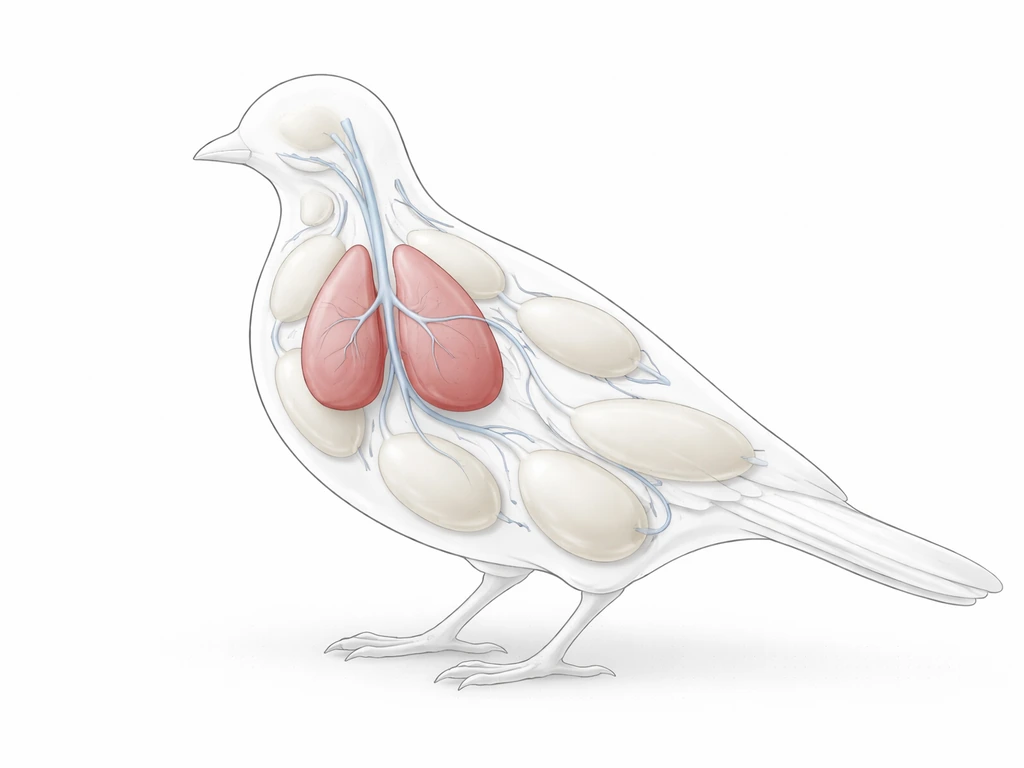
If you're curious about other internal structural differences in birds, the same logic of adaptation to a no-teeth, flight-capable body applies to organs like the heart and lungs as well, all compact, efficient, and often quite different from mammal equivalents. You may be wondering where that organ sits, so it helps to review the general bird heart location in the chest cavity. Birds have two lungs, not one, just like other animals.
FAQ
Do birds really have 2 stomachs, or is the crop a third one?
It depends what you mean by “stomach.” If you count only the digestive organs that do chemical digestion and mechanical grinding, the bird has two stomach chambers (proventriculus and gizzard). If you include the crop (which is mainly storage), people may say “three,” but the crop does not do acid secretion or grinding.
Is there any situation where a bird has more than two true stomach chambers?
No. The “split” stomach refers to two compartments within the avian compound stomach. There is not a separate third organ that is another true stomach chamber.
Do all birds need to eat stones (gastroliths) to digest food?
Gizzard “grit” is optional and varies by species and diet. Many birds swallow small stones to help grinding tough items, but birds that eat softer food usually rely less on gastroliths because less physical crushing is needed.
Can a bird’s gizzard size or strength change with diet?
Yes, even within the same species. If a bird’s diet shifts toward harder items (like tougher seeds), the gizzard muscles can thicken over time, while birds on softer diets tend to have less robust grinding capacity.
Why does gizzard structure differ between seed-eating, fish-eating, and insect-eating birds?
In birds, the gizzard can be more important for some diets than for others. Seed-eaters typically need more grinding power, fish-eaters often rely more on chemical breakdown in the proventriculus, and insect-eaters are usually intermediate.
What’s the difference between counting stomach organs and counting digestive stages?
When someone asks “how many stomachs,” they are usually thinking of the proventriculus and gizzard. If you are counting digestive “stages” instead, you would include the crop (storage) and the rest of the tract, but that is different from counting stomach organs.
How does the stomach setup help raptors make pellets?
Raptors use the same gizzard parts, but with a different outcome. Indigestible material gets compacted into pellets, so the gizzard functions as both grinder and filter, then the bird regurgitates the pellet through the mouth.
If birds have no teeth, where does the “chewing” process happen?
Usually not. Birds typically do not have teeth, so there is no tooth-based grinding step. The mechanical work is taken over by the gizzard and sometimes by the crop’s temporary holding and digestion timing.
Next Article
How Many Lungs Does a Bird Have? Two Lungs Explained
Birds have two lungs, plus air sacs for one-way airflow; learn the clear lung vs air sac difference.