
A bird heart has four chambers: a right atrium, a right ventricle, a left atrium, and a left ventricle. That is the same count as a human heart, and the two sides work the same fundamental way, pumping deoxygenated blood to the lungs on the right and oxygenated blood to the body on the left.
How Many Chambers Does a Bird Heart Have? Exact Count

Marcus Chen
24 Apr 2026
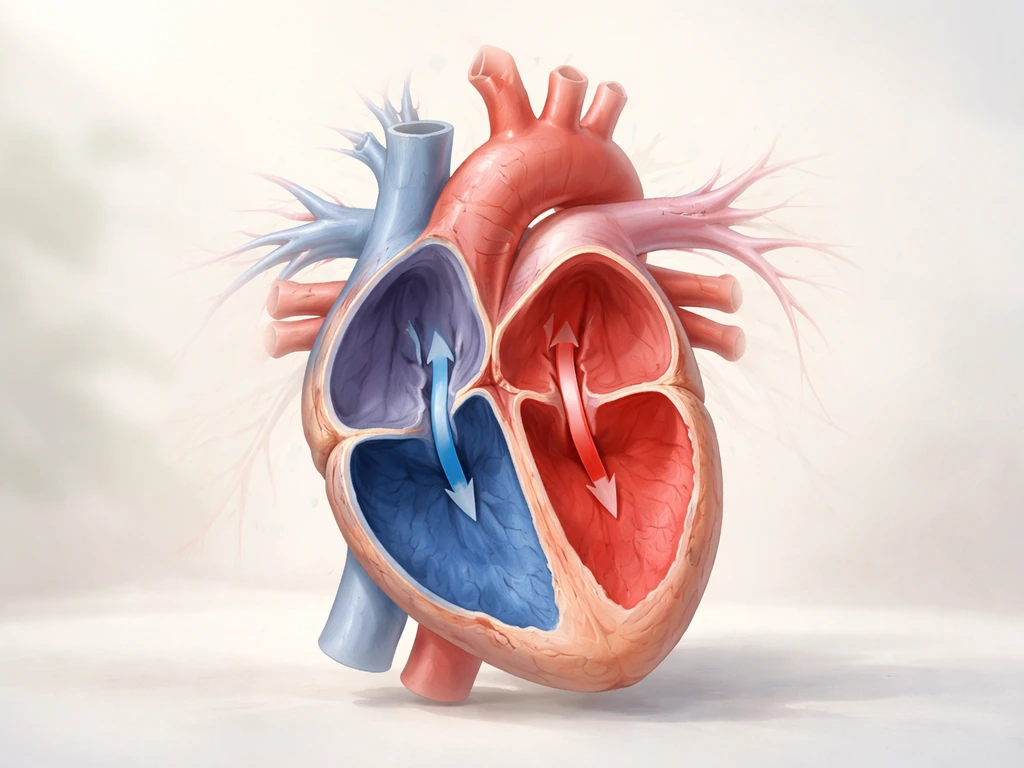
The four chambers and where they sit
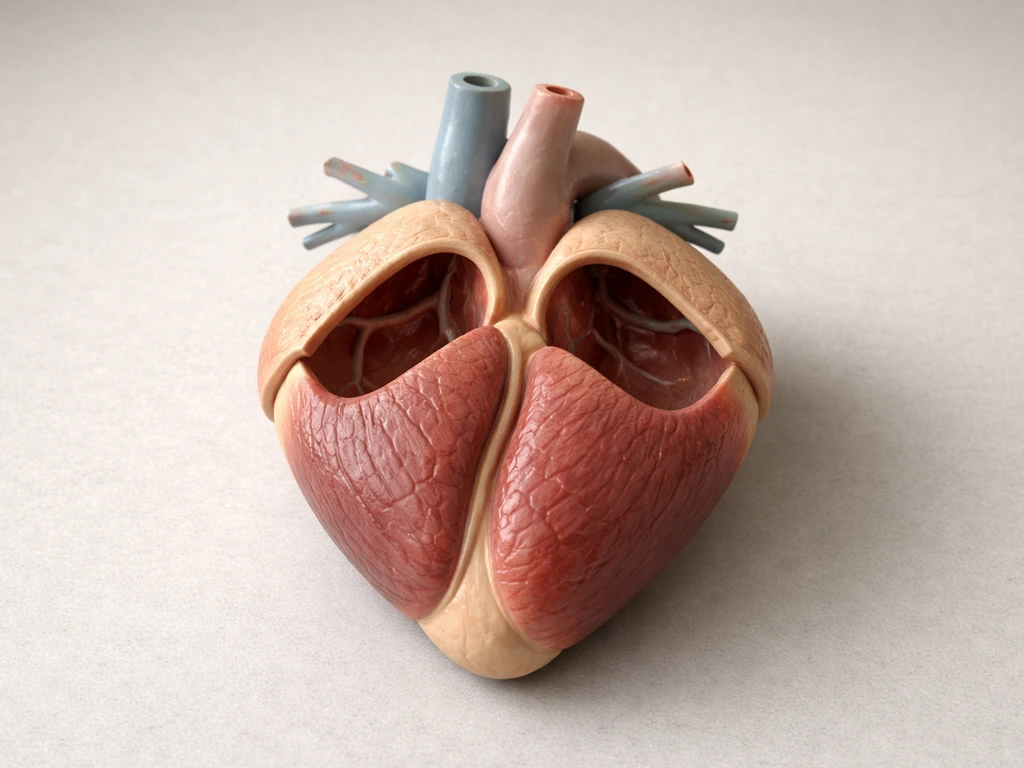
If you were looking at a diagram of an avian heart, you would see it divided cleanly into a right half and a left half, each half containing one atrium (upper receiving chamber) and one ventricle (lower pumping chamber). OpenStax Biology notes that in mammals and birds, the heart is divided into [four chambers: two atria and two ventricles](https://openstax.
org/books/biology-2e/pages/40-1-overview-of-the-circulatory-system). The right atrium sits at the top right, the right ventricle below it, the left atrium at the top left, and the left ventricle below that. To answer where it is located, focus on the heart's position near the bird's midline in the chest, between the lungs the left atrium. A thick muscular wall called the septum runs down the middle, keeping the two sides completely separate so oxygenated and deoxygenated blood never mix.
That complete separation is actually the defining feature of a four-chambered heart, and it matters a lot for how efficiently a bird can sustain flight. Birds share this fully divided layout with mammals, though the two groups evolved it independently, which is a genuinely cool example of convergent evolution rather than shared ancestry.
What each chamber actually does
Blood moves through the four chambers in a specific loop, and tracing that loop is the clearest way to understand what each chamber contributes. Here is the full sequence:
- Deoxygenated blood returning from the body arrives at the right atrium via the large veins called the vena cavae.
- The right atrium contracts and pushes that blood down through a valve into the right ventricle.
- The right ventricle pumps the blood through the pulmonary valve and along the pulmonary arteries to the lungs, where it picks up oxygen and drops off carbon dioxide.
- Freshly oxygenated blood travels back from the lungs through the pulmonary veins and enters the left atrium.
- The left atrium passes the blood through the mitral valve into the left ventricle.
- The left ventricle, which is the most muscular chamber, squeezes powerfully and drives the oxygenated blood through the aortic valve and into the aorta, sending it out to the entire body.
- The cycle repeats continuously, with the right and left sides working simultaneously rather than in sequence.
The left ventricle does the heaviest lifting because it has to push blood all the way around the body, not just to the nearby lungs. That is why it has noticeably thicker walls than the right ventricle, and you can spot that difference clearly in a labeled anatomy diagram.
Why complete separation of blood is such a big deal
Some animals, like most non-crocodilian reptiles, have a three-chambered heart where oxygenated and deoxygenated blood partially mix. That mixing means tissues receive blood that is not fully oxygenated, which limits how active those animals can be. Birds and mammals, with their fully divided four-chamber design, deliver only fully oxygenated blood to the body's tissues. For a bird sustaining flapping flight or a hummingbird hovering, that efficiency is not a luxury, it is a necessity.
Birds vs. humans vs. other animals: a quick comparison
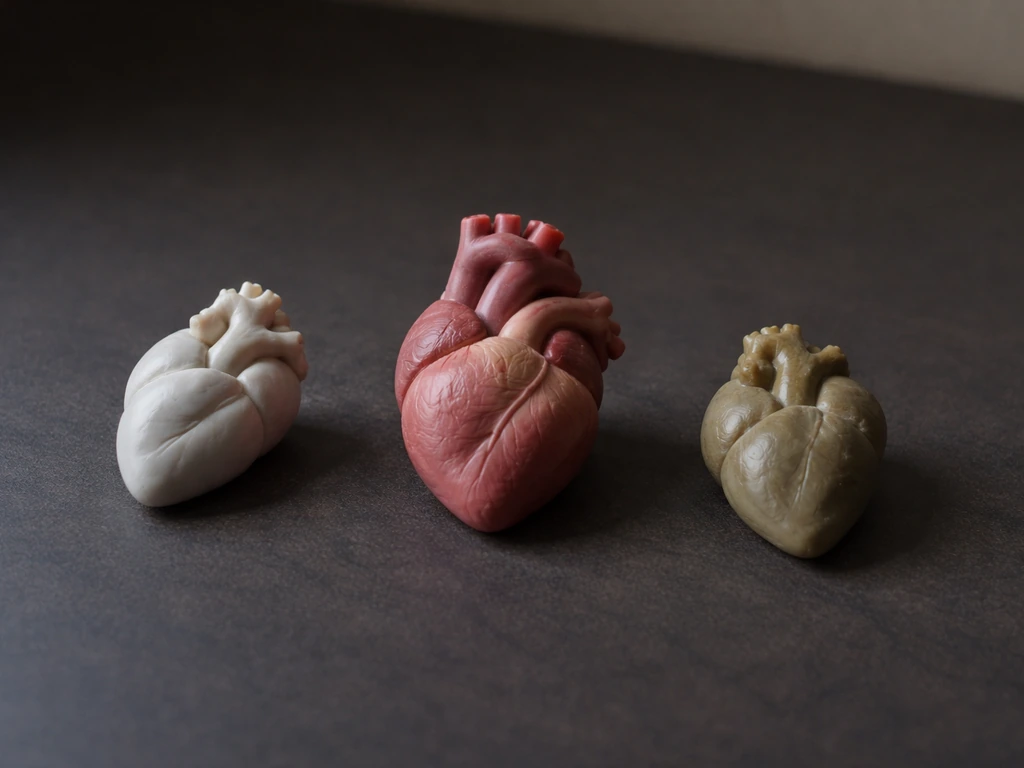
When people ask how many chambers a bird heart has, they often already know the human answer and are wondering if birds are the same. Bird ribs are typically counted as part of the skeleton, and the number varies by species how many ribs does a bird have. If you are also wondering about the bird body's openings, you might be looking for how many holes does a bird have.
If you are asking about how small of a hole a bird can fit through, you are really thinking about how its body dimensions and body shape constrain passage how small of a hole can a bird fit through. A bird has four chambers, which is why people often ask how many hearts a bird has too How many chambers a bird heart has. So the key takeaway is that birds, like other four-chambered heart animals, have one heart with four chambers how many hearts a bird has. They are, in number and basic layout.
The differences between bird and human hearts are more about proportion and rate than chamber count: bird hearts are larger relative to body size, and bird resting heart rates are much higher than ours.
| Animal group | Number of chambers | Blood separation | Notes |
|---|---|---|---|
| Birds | 4 | Complete | Right side: deoxygenated to lungs; left side: oxygenated to body |
| Mammals (including humans) | 4 | Complete | Same layout as birds; evolved independently |
| Crocodilians | 4 | Complete (functionally) | Anatomically four chambers with a unique shunt valve |
| Most reptiles (lizards, snakes, turtles) | 3 | Partial | One ventricle with incomplete separation; some mixing occurs |
| Amphibians (frogs, salamanders) | 3 | Partial | Two atria, one ventricle; significant blood mixing |
The crocodilian entry is worth a quick note: crocodiles technically have four chambers like birds and mammals, but they also have a specialized shunt that can briefly redirect blood flow. It is a good reminder that anatomy is rarely as tidy as a table makes it look.
How to verify this with diagrams and references
If you want to see the chambers laid out visually rather than just read about them, a few reliable sources are genuinely helpful. The Merck Veterinary Manual has a clearly written section on the cardiovascular system in animals that walks through the blood-flow sequence chamber by chamber, and it is freely accessible online. OpenStax Biology (section 40.1, Overview of the Circulatory System) gives a beginner-friendly comparative explanation that frames birds alongside mammals and contrasts both with three-chambered hearts. Both are good for fact-checking without needing a textbook.
For actual diagrams, look for resources labeled 'avian heart anatomy' or 'avian cardiovascular system.' University anatomy guides, including open-access materials from veterinary programs, often include semi-schematic drawings of the bird heart in dorsal view with all four chambers labeled. When you find one, confirm you can spot right atrium, right ventricle, left atrium, and left ventricle, plus the pulmonary arteries leaving the right ventricle and the aorta leaving the left. If those landmarks are all present, you have a solid reference diagram.
One practical tip: when reading any bird anatomy diagram, the left and right sides are described from the bird's perspective, not yours as the viewer. So the right ventricle on a dorsal-view diagram will appear on your left side of the page. That trips people up more than you would expect, and I say that from experience.
How the bird heart fits into broader avian anatomy
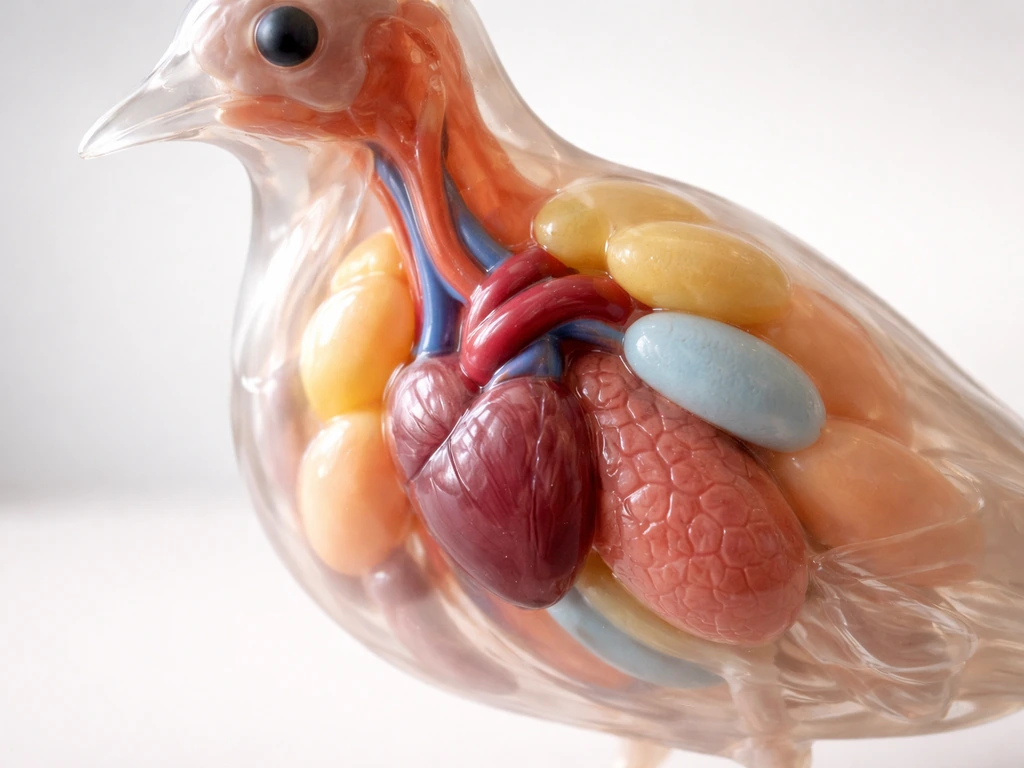
The four-chambered heart does not work alone. It operates in close coordination with the bird's respiratory system, which itself has some unusual features including air sacs that keep oxygen flowing through the lungs in a near-continuous stream rather than the in-and-out tidal flow mammals use. Because the bird's circulatory and respiratory systems are so efficient, small anatomical openings can matter, including how small a gap a bird can fit through how small of a hole a bird can fit through.
If you are curious how that connects to the lungs themselves, the question of how many lungs a bird has is a natural next step, and the avian digestive system, including the fact that birds have a two-part stomach, adds another layer to understanding how bird bodies manage energy so efficiently for flight. Birds have a two-part stomach, which is why people often ask how many stomachs a bird has.
Bird lungs are structured for efficient gas exchange, and the exact number can be counted as part of the avian respiratory system how many lungs a bird has.
FAQ
Do all bird species have exactly four heart chambers, or can the number change?
Yes, the chamber count stays four in birds, but the heart size and the wall thickness between right and left ventricles can vary by species and by how active the bird is (for example, small fast fliers often have relatively larger hearts and higher resting rates).
How many hearts does a bird have, and is it more than one?
They have one heart with four chambers, not multiple hearts. If you see “two hearts” in a diagram or story, it is usually describing the two main sides (right and left) rather than separate hearts.
When using a bird heart diagram, do the left and right labels match my left and right, or the bird’s perspective?
In a labeled avian diagram, the right side of the bird’s heart appears on the viewer’s left in dorsal or top-down views. A quick check is to locate the thick-walled left ventricle, it should be easy to distinguish and will help you keep right vs left straight.
Why do some resources show three chambers for animals related to birds, but birds are said to have four?
If a source shows three chambers, it is typically describing a three-chambered heart condition (common in most non-crocodilian reptiles) or showing a simplified schematic. Birds are four-chambered, with no functional mixing between oxygenated and deoxygenated blood because of a strong septum.
Do the pulmonary arteries and aorta count as chambers in a bird’s heart?
Chambers are the atrium and ventricle on each side. The pulmonary arteries and aorta are major vessels that originate from the ventricles, but they are not counted as chambers themselves.
What structural feature ensures the blood stays separated in a bird’s four-chamber heart?
The septum is the key for avoiding mixing between sides. If a diagram suggests the septum is incomplete or that blood can cross between right and left, it is likely simplified or describing a different animal group, such as many reptiles.
If crocodiles have four chambers too, why is their circulation sometimes described as different?
Yes, crocodilians are often an exception in behavior of blood flow, even though they are described as having four chambers. They can use a specialized shunt to reroute blood temporarily, which is why crocodile circulation can look different from other four-chambered animals.
Next Article
How Much Weight Can an Osprey Bird Carry: Numbers & Limits
How much weight can an osprey carry: typical prey 0.5–2 kg (≈30–100% body mass); anatomy, flight limits and evidence.