
Yes, birds have a four-chambered heart. It has two atria (upper chambers) and two ventricles (lower chambers), and it keeps oxygenated and deoxygenated blood completely separate, exactly the way a mammal heart does. This isn't a simplification or a "close enough" answer. Birds genuinely have full ventricular and atrial separation, with a complete septum dividing each side.
Does a Bird Have a 4-Chambered Heart? How It Works

Marcus Chen
20 Jun 2026
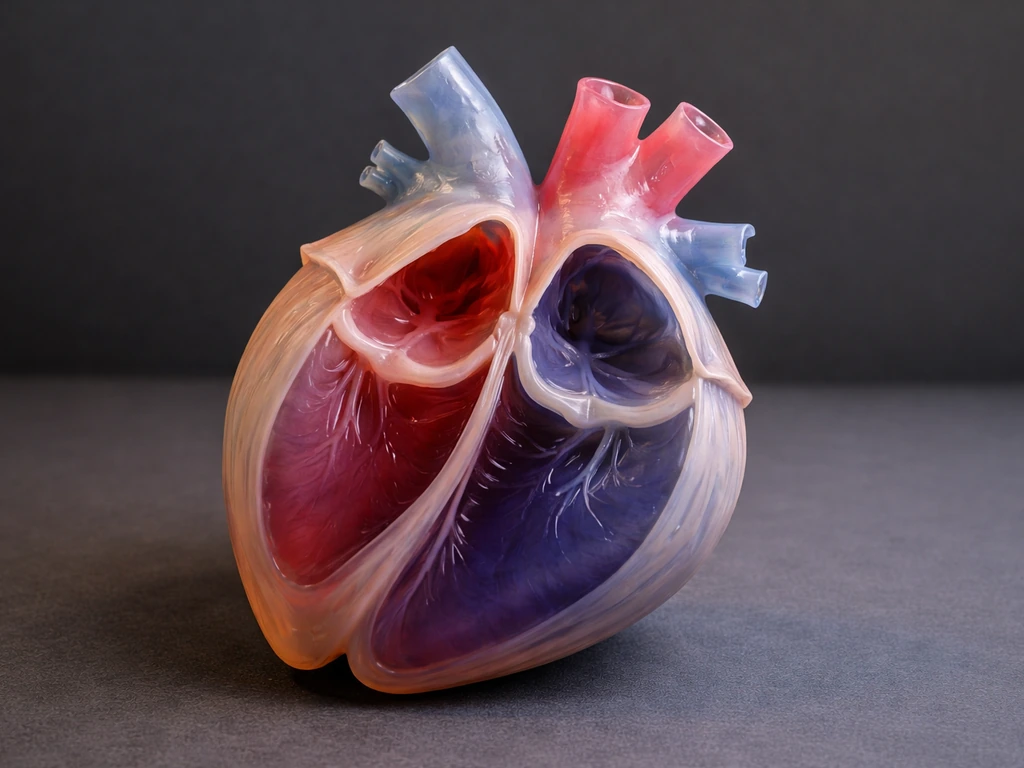
How the bird heart is actually built
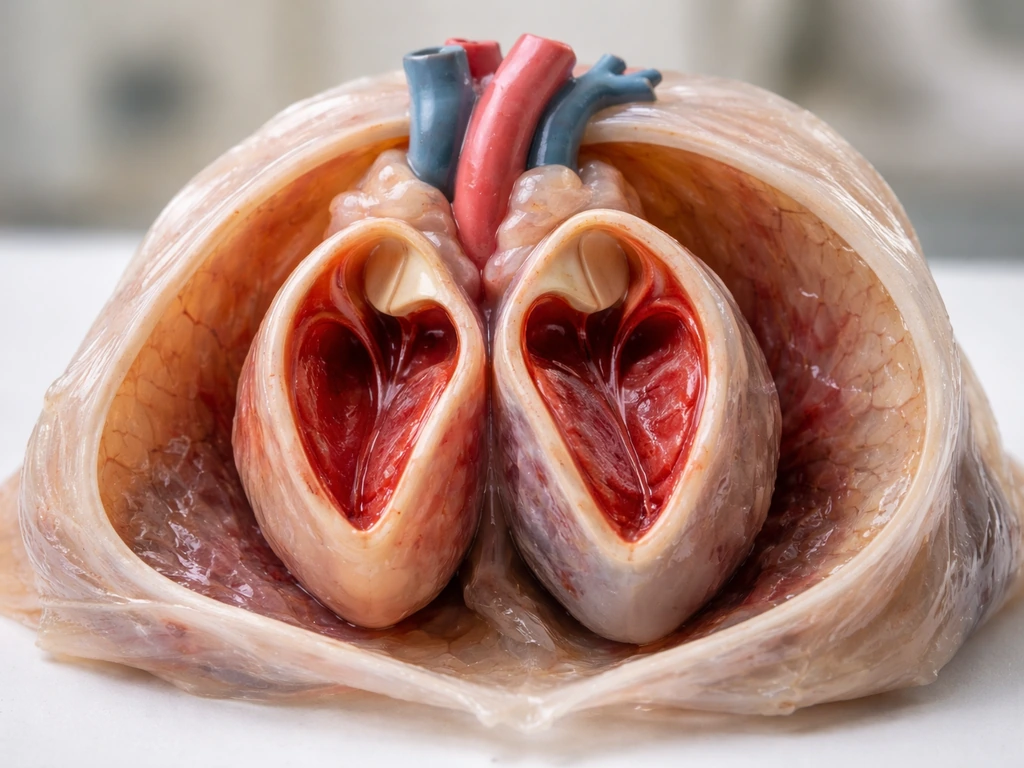
Think of the bird heart as two pumps sitting side by side inside a fibrous sac called the pericardium. The right side handles deoxygenated blood (on its way to the lungs), and the left side handles oxygenated blood (on its way to the rest of the body). Each side has an upper chamber and a lower chamber, giving you four total.
- Right atrium: receives deoxygenated blood returning from the body
- Right ventricle: pumps that blood to the lungs through the pulmonary circuit
- Left atrium: receives freshly oxygenated blood returning from the lungs
- Left ventricle: pumps oxygenated blood out to the entire body through the systemic circuit
The wall separating the two atria is called the interatrial septum, and the wall separating the two ventricles is called the interventricular septum. Both are complete in birds, meaning there are no holes or gaps between the left and right sides in a healthy adult bird. If you're wondering how many holes a bird has, the key point is that a healthy adult bird heart has complete separation between the left and right sides. The left ventricle is the largest and most muscular chamber because it has to push blood all the way around the body at high pressure.
Atrioventricular (AV) valves sit between each atrium and its matching ventricle to prevent blood from flowing backward when the ventricles contract. One interesting quirk: the right AV valve in birds isn't built from thin fibrous leaflets the way ours is. Instead it's a single muscular flap attached directly to the inner wall of the ventricle. It looks different in diagrams, which is one reason people sometimes assume bird hearts must be structured differently than they actually are.
Birds vs. mammals: how similar are they really?
This is where it gets genuinely interesting. Birds and mammals both ended up with four-chambered hearts, but they got there independently through separate evolutionary paths. The technical term for this is convergent evolution. Crocodilians (the closest living relatives of birds among reptiles) also have fully divided hearts, while most other reptiles have only partial ventricular separation.
| Feature | Birds | Mammals |
|---|---|---|
| Number of chambers | 4 (2 atria, 2 ventricles) | 4 (2 atria, 2 ventricles) |
| Ventricular septum | Complete (fully divided) | Complete (fully divided) |
| Atrial septum | Complete in adults | Complete in adults (foramen ovale closes at birth) |
| Blood flow separation | Full pulmonary vs. systemic separation | Full pulmonary vs. systemic separation |
| Right AV valve type | Muscular flap (single piece) | Fibrous leaflets (tricuspid) |
| Left AV valve type | Similar to mammalian mitral valve | Fibrous leaflets (mitral) |
| Evolutionary origin | Independently evolved (convergent) | Independently evolved (convergent) |
| Heart rate range | Often 300+ bpm in small species | Varies; generally lower in similar-sized species |
The practical result is the same: oxygenated and deoxygenated blood never mix in a healthy adult bird or mammal. The arterial routing out of the heart differs between the two groups at the developmental level, but by the time you're looking at a functioning adult bird heart, the separation is just as complete as in a human heart.
Why a four-chambered heart matters for flight

Flight is metabolically brutal. A bird in active flight burns through oxygen at a rate that would be impossible to sustain without a highly efficient circulatory system. The four-chambered design is central to making that work. That same emphasis on efficient circulation is unrelated to the number of stomachs in birds how many stomachs does a bird have.
Because oxygenated and deoxygenated blood never mix, every beat of the left ventricle sends fully saturated blood to the muscles, brain, and organs. There's no dilution with low-oxygen blood the way you'd get in a heart with incomplete separation. This lets birds maintain high arterial oxygen tension even during intense exertion. Combined with a respiratory system that moves air in one direction through the lungs (rather than in and out like ours), birds can extract oxygen from the air remarkably efficiently. The heart and the lungs work together as a matched system.
Bird hearts are also proportionally larger and more muscular than mammal hearts of similar body mass, and the ventricle walls are noticeably thick. Small birds like hummingbirds can sustain heart rates well above 300 beats per minute during flight. Small birds can reach heart rates often exceeding 300 beats per minute, and Nature Index’s topic summary notes that complete atrioventricular and interventricular septation supports distinct pulmonary and systemic circuits that help maintain high arterial oxygen tensions heart rates well above 300 beats per minute. That kind of sustained output requires chambers that can handle the pressure and volume without leaking blood between the wrong sides.
Where the confusion usually comes from
I get why this question comes up. A few things trip people up consistently, and they're worth clearing up directly. If you are also wondering how many ribs a bird has, the answer depends on species but the key is that birds have lightweight, fused bones that support flight.
The valve looks weird in diagrams
Because the right AV valve in birds is a muscular flap rather than a set of fibrous leaflets, illustrations of bird hearts can look noticeably different from the human heart diagrams most people learned from in school. Some people interpret that difference as meaning the chamber structure itself is different. It isn't. The valve works the same way functionally; it just looks different.
The foramen ovale confusion
You might come across mentions of the foramen ovale, which is a small opening in the wall between the atria. That said, the size limits for openings that birds can rely on in the heart are a separate question from how small a hole a bird can fit through foramen ovale. This exists in developing bird and mammal embryos to let blood bypass the non-functional fetal lungs.
It closes after birth (or hatching) when lung pressure drops and left atrial pressure increases. In a healthy adult bird, this opening is sealed.
Bringing it up in the context of adult bird hearts is technically accurate as developmental history, but it sometimes makes people think adult birds have a gap in their hearts. They don't.
Some sources say "similar to mammals" and some say "identical"
This one is about precision of language rather than a factual dispute. The four chambers and the complete blood-flow separation are genuinely the same. If you're wondering how many hearts a bird has, the answer is one four-chambered heart how many hearts does a bird have. What differs between birds and mammals is how those chambers developed embryologically, how the outflow vessels are arranged, and what the valves look like structurally. When a source says bird and mammal hearts are "similar but not identical," they're usually talking about those developmental and structural details, not questioning whether the four chambers exist or whether blood separation is complete.
Reptiles keep getting dragged in
Because birds evolved from theropod dinosaurs (which were archosaurs, the same group as crocodilians), some comparisons to reptile hearts come up in explanations. Most reptiles, like lizards and snakes, have only partial ventricular separation, meaning some mixing of oxygenated and deoxygenated blood occurs. Birds share ancestry with that group but evolved complete separation independently. Crocodilians also have complete separation. Knowing this context helps when a source starts talking about "ancestral reptile hearts" in a way that seems to imply birds still have that partial structure. They don't.
How to verify this yourself
If you want to go deeper or check a source you're not sure about, here's what to look for:
- Search for "avian interventricular septum" or "avian interatrial septum" to find peer-reviewed descriptions of the complete dividing walls in bird hearts.
- Look for the terms "pulmonary circuit" and "systemic circuit" in whatever source you're reading. A properly described bird heart will show these as two fully separate loops, not one mixed circuit.
- If you're looking at a diagram and the right AV valve looks like a solid flap rather than the familiar three-leaflet human valve, that's normal and correct for birds. It doesn't mean a chamber is missing.
- Search "archosaur complete ventricular septation" if you want the evolutionary evidence. Multiple peer-reviewed papers confirm that birds (as archosaurs) evolved full ventricular division independently from mammals.
- If a source claims birds have a three-chambered or partially divided heart, it is wrong. That description fits most non-archosaur reptiles, not birds.
Bird heart anatomy connects directly to other aspects of avian physiology that are worth exploring alongside it. The number of chambers is part of the same story as how many lungs a bird has and how the respiratory and circulatory systems work together, since the four-chamber heart and the bird's unusual unidirectional airflow lung system are essentially co-adaptations for oxygen efficiency. In most birds, you have a single set of lungs plus air sacs that help move air through the respiratory system in a continuous flow how many lungs a bird has. If you're curious about the full circulatory picture, understanding where the heart sits in the bird's body (nested in the thoracic region, enclosed in its pericardial sac) gives useful context for reading labeled diagrams.
The bottom line: four chambers, complete separation, fully functional pulmonary and systemic circuits. Any source telling you otherwise is either talking about embryonic development, describing a different group of animals, or just wrong.
FAQ
Do birds have complete separation between the left and right sides of the heart?
In a healthy adult bird, the atria and ventricles are fully separated by complete septa, so you should expect no mixing of oxygenated and deoxygenated blood. Mixing is more of an embryonic or disease-state discussion, not something that should happen during normal adult heart function.
Why do bird heart diagrams sometimes look different if birds have a four-chambered heart?
Yes, the four chambers are present, but a bird’s valves can look different from textbook mammal diagrams. For example, the right AV valve is a single muscular flap attached to the inner ventricle wall, which changes what you see in images even though the one-way valve job is the same.
Does the foramen ovale mean a bird’s adult heart has a gap between atria?
If you see the term foramen ovale, it usually refers to a fetal or developing opening that lets blood bypass fetal lungs. It is not an enduring “hole” in the adult bird heart, because normal post-hatching circulation closes the separation pathway as pressures change.
How many hearts does a bird have, and is it more than one because of the four chambers?
A bird still has one heart that functions as a single pump with four chambers. If you are counting in a confusing way, some people mix up “heart chambers” with “multiple hearts,” but the correct answer is one four-chambered organ.
If birds have a four-chambered heart, does that alone explain how they survive extreme flight oxygen demands?
Not in the way most people worry about. The four-chamber layout is the major reason oxygenated blood can be delivered without dilution during exertion, but the actual efficiency depends on how well the lungs and air sacs provide oxygen and how strongly the ventricles can pump.
How does the bird four-chambered heart compare to crocodiles and other reptiles?
Closely related reptiles like crocodilians also show fully divided hearts, while many other reptiles have only partial ventricular separation. So if a source says “reptile-like mixing,” it’s typically describing other reptiles, not birds or crocodilians.
Do birds with faster heart rates, like hummingbirds, rely even more on complete chamber separation?
Yes. Birds like hummingbirds can reach very high heart rates during flight, and the thick-walled left ventricle is built to handle systemic pressure. If a bird heart’s separation were incomplete, high-rate pumping would make oxygen delivery less reliable, so separation is part of why endurance is possible.