Birds have two lungs, just like you do. One on the left, one on the right, tucked firmly against the back of the ribcage. The count is not four, not nine, not some exotic avian number. Two. What makes bird respiration genuinely strange is not the lung count but the extra hardware attached to those lungs: a network of air sacs that work with the lungs to create one of the most efficient breathing systems in the animal kingdom.
How Many Lungs Does a Bird Have? Two Lungs Explained

Marcus Chen
19 May 2026
Two lungs, not more, the direct answer
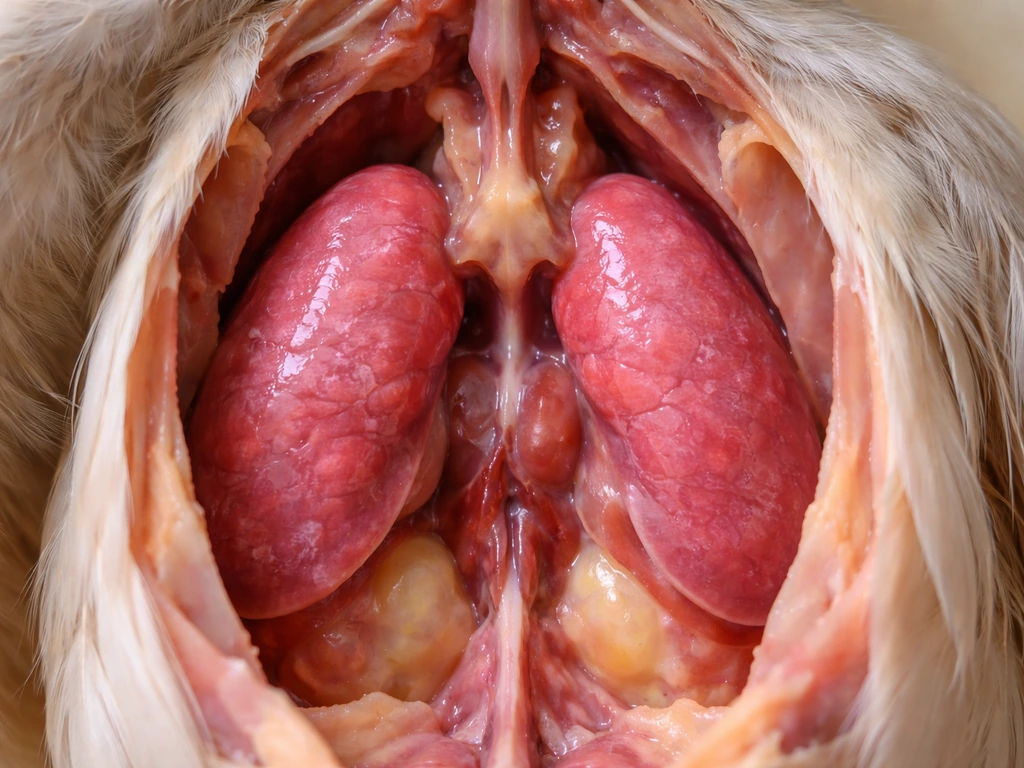
Every bird you can think of, from a hummingbird to an ostrich, has two lungs. They are paired organs, one on each side, and they are the only structures in the avian body that actually perform gas exchange, meaning they are where oxygen moves into the blood and carbon dioxide moves out. That is the textbook definition of a lung, and by that definition, birds have exactly two.
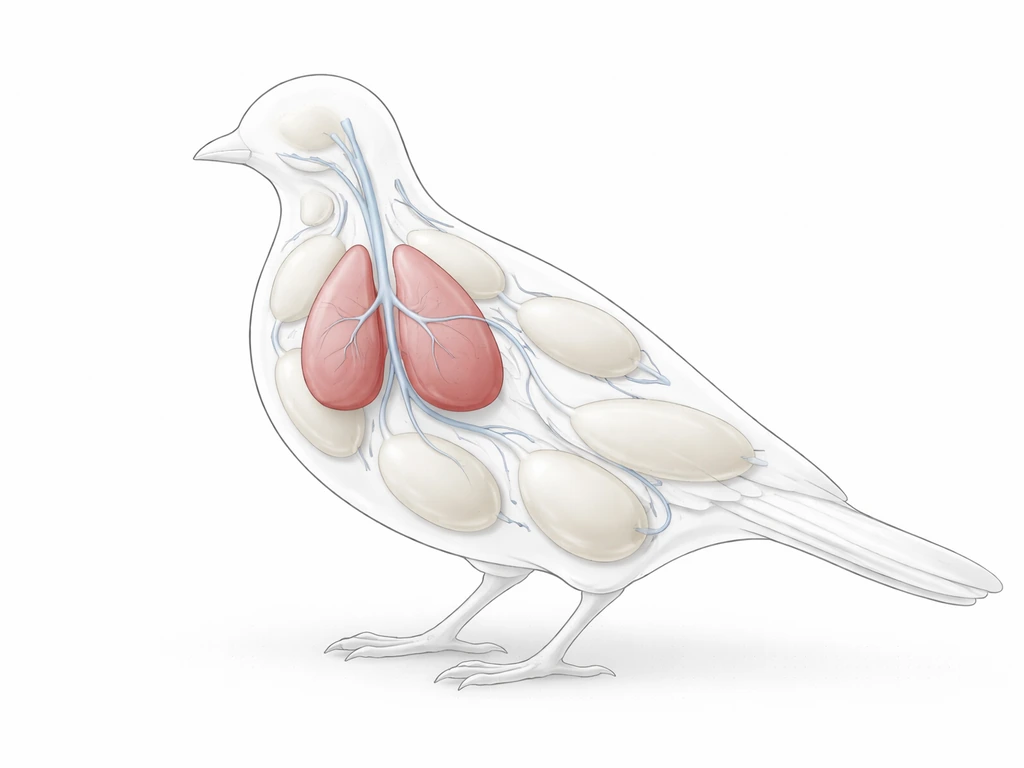
Bird lungs are actually smaller relative to body size than mammal lungs. They do not expand and contract with each breath the way yours do. Instead they stay fairly rigid, anchored to the vertebrae and ribs. The real movement in avian breathing happens in the air sacs, which is where the confusion about lung count usually begins. To understand where a bird heart is located, look at the chest area where the heart sits just behind the sternum near the lungs and air sacs where is a bird heart located.
Lungs vs air sacs: what actually counts as a lung
The simplest way to draw the line: a lung exchanges gases, an air sac does not. Bird air sacs are thin-walled, poorly supplied with blood vessels, and do not directly participate in significant gas exchange. Think of them as bellows, they pump air through the lungs rather than doing the actual breathing work themselves. The lungs are the gas exchanger; the air sacs are the ventilators.
Most birds have nine air sacs total, though the number can range from seven to twelve depending on the species. In a chicken (a well-studied reference model), you get one unpaired cervical sac, one interclavicular sac, two anterior thoracic sacs, two posterior thoracic sacs, and two abdominal sacs, nine in all. Some sources group these into five positions, which is where the "five air sacs" description sometimes comes from, but the paired ones double the count to nine in most birds.
None of those nine air sacs are lungs. They are connected to the lungs via tubes (branches of the primary and secondary bronchi), and they play a critical role in making respiration work, but calling them lungs is like calling your diaphragm a lung because it helps you breathe.
How bird breathing actually works
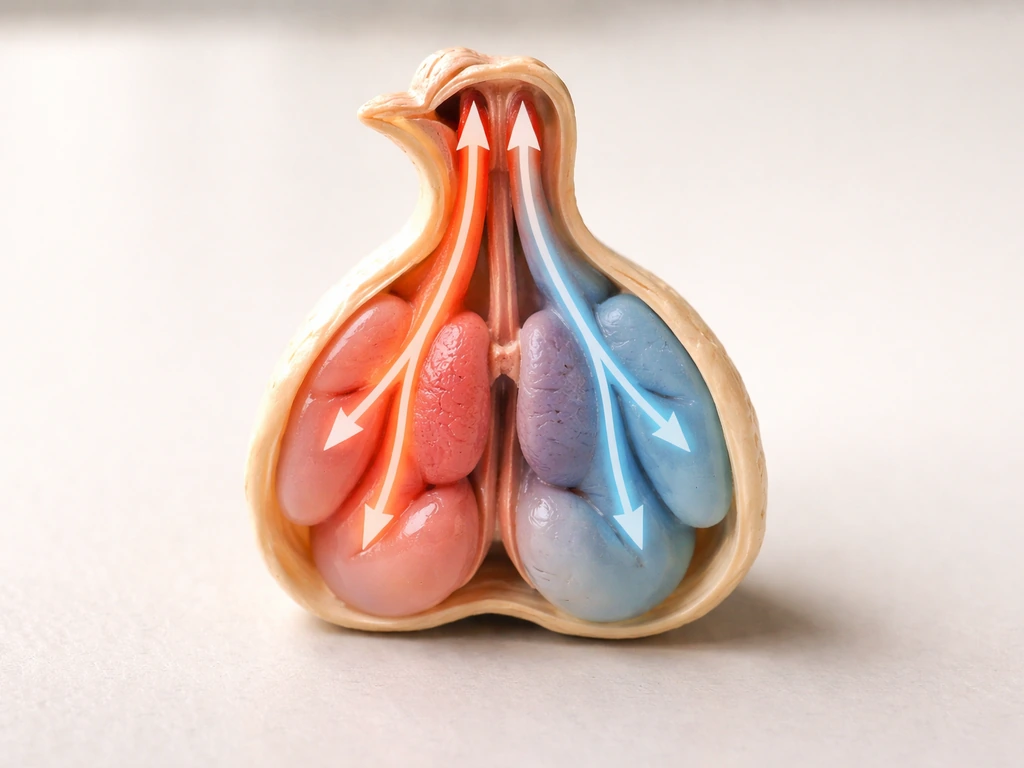
Here is where avian anatomy genuinely earns its reputation for being clever. In mammals, air goes in and out of the lungs in a back-and-forth (tidal) flow, the same passageways handle both inhalation and exhalation. In birds, air flows through the lungs in one direction only, continuously, during both inhalation and exhalation. That unidirectional flow is what makes bird gas exchange so efficient.
It takes two full breathing cycles (two inhalations and two exhalations) for a single gulp of air to travel completely through the system. Here is a simplified version of the journey:
- First inhalation: air travels down the trachea and moves mostly into the posterior air sacs (the abdominal and posterior thoracic groups).
- First exhalation: that same air gets pushed forward into the lungs, where gas exchange actually happens across tiny air capillaries.
- Second inhalation: the used air moves from the lungs into the anterior air sacs (cervical, interclavicular, anterior thoracic).
- Second exhalation: air is pushed out through the trachea and exits the bird.
The gas exchange within the lungs happens in structures called parabronchi, tiny tubes where air and blood flow in opposite directions past each other, maximizing how much oxygen gets picked up. This cross-current exchange is more efficient than anything mammal lungs do with their alveoli (the small sacs where our own gas exchange occurs).
Why people think birds might have more than two lungs
Honestly, I had the same confusion the first time I read about avian respiration. The "lung–air sac system" description makes the whole thing sound like one blended organ, and when you see diagrams with nine labeled sacs distributed across the chest and abdomen, it is easy to assume some of those must be doing lung-like work.
A few specific things fuel the confusion:
- Diagrams label air sacs prominently alongside the lungs, making them look like equal partners rather than supporting structures.
- Descriptions of the "two-cycle" breathing system make it sound like the whole torso is involved in breathing — which it is, but the gas exchange part still only happens in the two lungs.
- Some pop-science summaries describe the system as having "nine breathing compartments" without clearly distinguishing gas exchange from ventilation.
- The avian lung's rigid, non-expanding nature makes it look less lung-like than a mammal's spongy, inflating lung, so people sometimes overlook it on diagrams.
The key distinction to hold onto: if it exchanges gases, it is a lung. If it just moves air, it is an air sac. Birds have two of the first and up to nine of the second.
Bird lungs vs mammal lungs: a quick comparison

Comparing the two systems side by side makes the differences (and the shared basics) a lot clearer.
| Feature | Bird Lungs | Mammal Lungs |
|---|---|---|
| Number of lungs | Two | Two |
| Gas exchange units | Parabronchi and air capillaries | Alveoli (tiny sacs) |
| Airflow direction | Unidirectional (one-way, continuous) | Bidirectional (tidal, in-and-out) |
| Lung expansion | Largely rigid, does not inflate/deflate much | Expandable, inflates and deflates with each breath |
| Breathing cycles to move one breath through | Two full cycles (4 phases) | One cycle (2 phases) |
| Supplementary structures | 9 air sacs (no gas exchange) | None equivalent |
| Gas exchange efficiency | Very high (cross-current exchange) | High (counter-current in alveoli, but less efficient overall) |
The bottom line from that comparison: both birds and mammals have two lungs. Birds have two lungs, not chambers, but their respiratory system includes multiple air sacs that vary by species. The difference is everything else, how air moves through them, what the exchange tissue looks like, and what supporting structures are involved. Bird anatomy essentially reinvented the pump without changing the lung count.
How to actually learn and verify avian respiratory anatomy
If you want to go deeper than just knowing the number, here is how to build a solid mental picture of the system. But if you are wondering about physical access, the relevant question is how a bird’s small airways and body structure relate to how small an opening it can pass through how small of a hole can a bird fit through.
Diagrams to look for
Search for a labeled "avian respiratory system diagram" and look for one that shows both the lungs AND the air sacs with their names and positions. A good diagram will show the lungs as two compact structures at the dorsal (back) side of the body cavity, with labeled air sacs radiating forward and backward from them. The trachea should connect at the top, branching into the primary bronchi that feed into both the lungs and the air sacs via secondary bronchi.
A two-part diagram showing "inhalation 1 / exhalation 1" and "inhalation 2 / exhalation 2" is especially useful for understanding the two-cycle pathway. Poultry anatomy references (especially chicken respiratory system diagrams) are some of the most detailed and accessible because the chicken is the best-studied avian model.
Terms worth knowing
- Parabronchi: the tiny tubes inside the avian lung where gas exchange actually happens — these are what makes bird lungs function so differently from mammal lungs.
- Primary bronchi: the main airway branches coming off the trachea, one entering each lung.
- Posterior air sacs: the abdominal and posterior thoracic sacs that receive incoming air first (during the first inhalation).
- Anterior air sacs: the cervical, interclavicular, and anterior thoracic sacs that hold air after it has passed through the lungs.
- Unidirectional airflow: the defining feature of avian lung ventilation — air moves one way through the gas-exchange tissue during both inhalation and exhalation.
- Paleopulmonic parabronchi: the main gas-exchange region present in all birds, where the consistent caudal-to-cranial (back-to-front) airflow direction is most clearly documented.
Search terms that pull up solid resources
- "Avian respiratory system diagram labeled"
- "Bird lung air sac two-cycle breathing"
- "Parabronchial lung bird unidirectional airflow"
- "Chicken respiratory anatomy extension" (poultry extension resources are excellent for clear diagrams)
The short version to remember
Birds have two lungs. They also have up to nine air sacs that work as a pump system to push air through those lungs in a single direction, which is why avian respiration is so efficient at high altitudes and during sustained flight. The air sacs are often mistaken for additional lungs in diagrams and descriptions, but they do not exchange gases, they just move air.
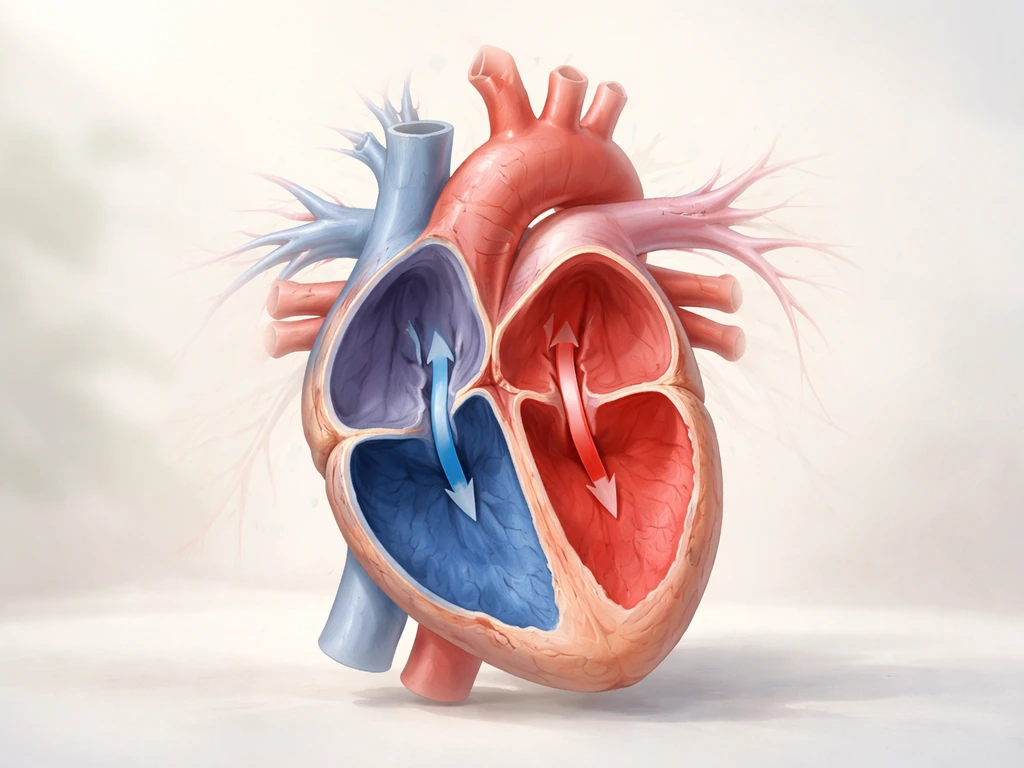
If you are studying avian anatomy more broadly, the respiratory system connects naturally to how the heart (also just one, with four chambers, pumping blood through those same lungs) and the skeletal system support the extraordinary demands of flight. A bird heart typically has four chambers, so it functions as a dedicated pump alongside this specialized respiratory system. But on the lung count specifically: two, always two.
FAQ
If birds have air sacs too, why isn’t the lung count more than two?
No. A bird’s air sacs help ventilate the system, but the air sacs themselves do not do the main gas exchange. By definition, only the two lungs contain the specialized exchange structures (parabronchi) where oxygen enters the blood and carbon dioxide leaves.
How can I tell from a diagram whether a labeled “chamber” is a lung or an air sac?
If a diagram labels multiple “lung-like” compartments, it is usually labeling air sacs or bronchi, not extra lungs. A quick check is whether the structure is described as participating in gas exchange, and for birds that role belongs to the two lungs.
Does the number of lungs change depending on the bird species?
Most birds have nine air sacs, but their lung number stays two. Species can vary in total air-sac count (often seven to twelve), yet the lungs remain paired organs on the back side of the body cavity.
What does “two breathing cycles” mean for how air moves through a bird’s lungs?
You can think of the “air sac + lung” system as continuous airflow with a two-cycle pathway for a single bolus of air. In practice, that means the bird breathes at a steady rhythm while air passes through lungs in one direction during both inhalation and exhalation, unlike mammal tidal flow.
Why do bird lungs not expand and contract like human lungs?
Bird lungs are relatively rigid, so they do not inflate and deflate the way mammal lungs do. Movement of air is driven mainly by changes in the air sacs and airflow through the lungs, which is why the air sacs are often mistaken for additional breathing organs.
How do two lungs and air sacs help birds breathe during flight or at high altitudes?
Birds breathe efficiently during flight partly because their airflow pattern stays largely continuous through the lungs. The air sacs act like bellows to keep air moving and allow oxygen uptake to remain effective even when metabolic demand is high.
What role do bronchi play in bird respiration compared with the lungs and air sacs?
In most educational materials about respiration, the airway includes the trachea, primary bronchi, and secondary bronchi that connect to the lungs and also route airflow toward the air sacs. The key distinction remains that the lungs perform gas exchange, while bronchi and air sacs distribute airflow.
Do birds use lungs or gills for breathing?
No, birds do not have lungs like a fish gill system. Their primary gas-exchange surface is in the lungs (with parabronchi), while air sacs mostly handle ventilation and airflow direction.
Next Article
How Many Chambers Does a Bird Heart Have? Exact Count
Bird hearts have 4 chambers, arranged for efficient two-part circulation, unlike a 4-chamber human heart’s setup.