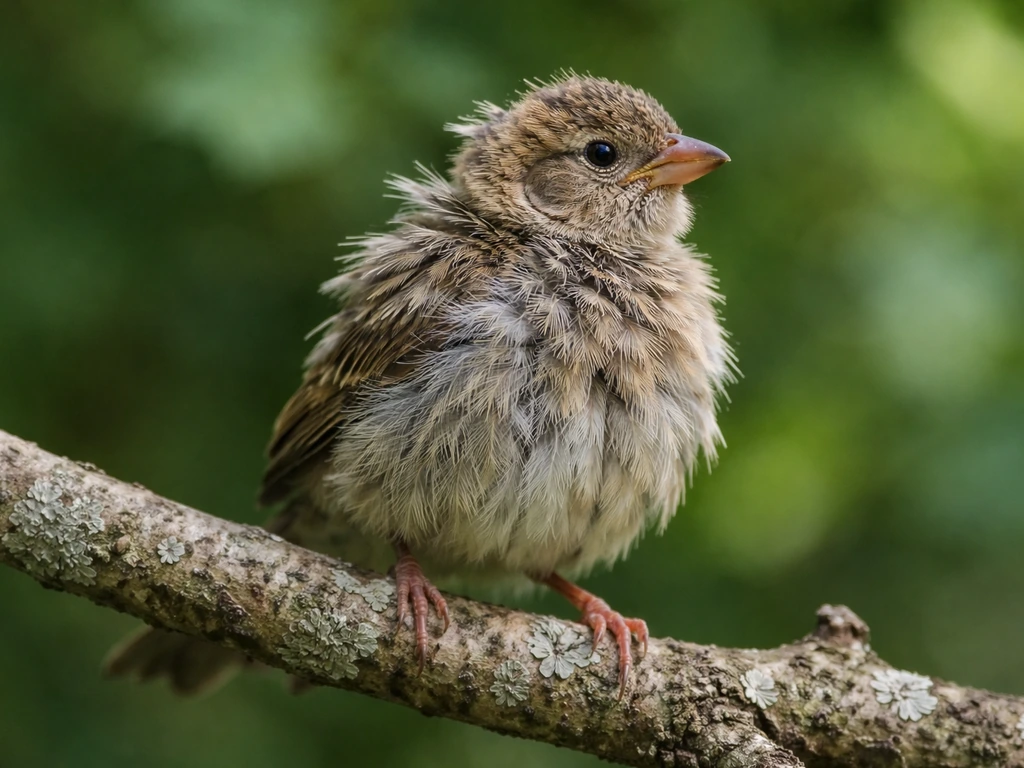
A molting bird typically looks patchy, a little scruffy, and sometimes downright strange. You'll see uneven feather coverage, small spiky structures poking through the skin (those are pin feathers, also called blood feathers), and possibly bare-looking patches where old feathers have dropped but new ones haven't fully grown in yet. The whole thing can look alarming if you're not expecting it, but in most cases it's completely normal biology at work. Bird sperm is much smaller than a pin feather and is not something you can visually compare on a molting bird what does bird sperm look like. If you're wondering what is bird molting in the first place, it refers to the natural process where birds shed old feathers and grow new ones.
What Does a Molting Bird Look Like? Signs and What to Check

Marcus Chen
12 Jun 2026
Quick visual checklist of normal molt
If you're scanning a bird and trying to figure out whether what you're seeing is a normal molt, run through this list. A bird going through a healthy molt will usually show most or all of these signs.
- Patchy or uneven feather coverage, especially noticeable on the head, neck, or breast depending on species
- Small spiky pin feathers (feather shafts with a waxy tip and a blood-filled base) visible through the plumage
- Symmetrical feather loss: both wings losing feathers in matching patterns rather than random missing spots
- Old feathers appearing dull, frayed, or worn right before they drop
- New incoming feathers looking brighter or crisper than surrounding older ones
- Increased preening activity as the bird tends to emerging pin feathers
- Slightly fluffed posture, particularly if the bird is cold or the molt is heavy
- No raw, red, or broken skin visible underneath the feather loss
- The bird is still eating, active, and behaving normally overall
What different molt stages actually look like
Molt doesn't happen all at once. It rolls through the body in stages, which is why the same bird can look completely different from week to week. Understanding the progression makes it much easier to tell what's normal.
Early molt: old feathers dropping
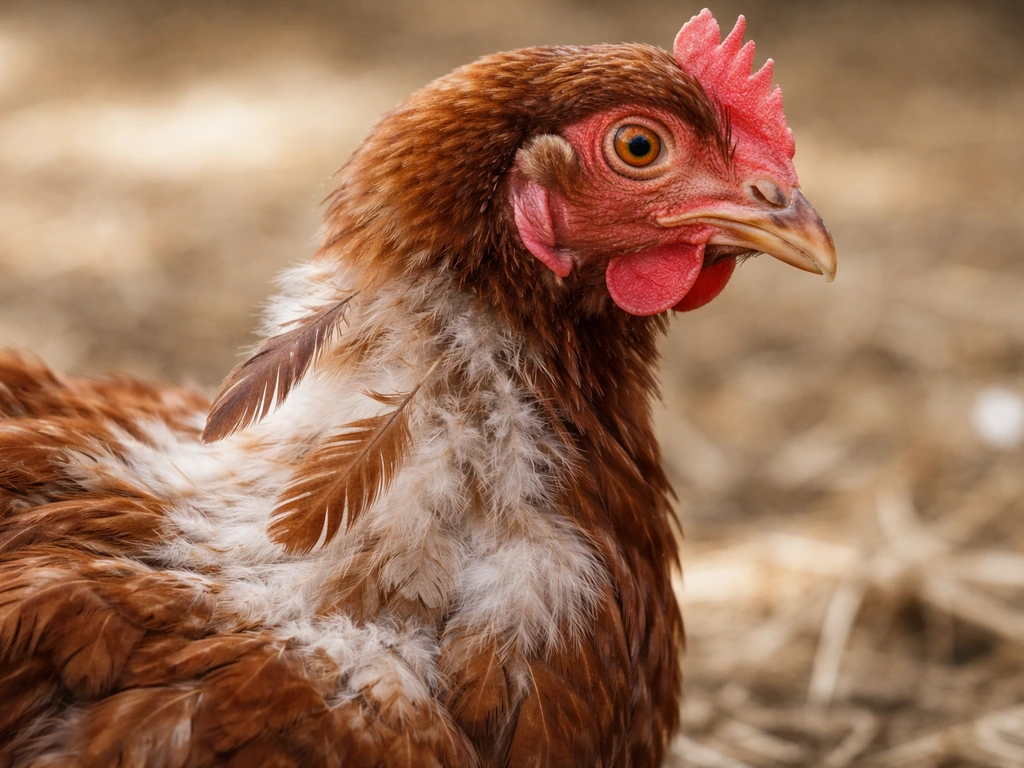
In the early stage, you mostly notice feathers falling out. For many species (and this is well-documented in poultry as a model), molt tends to start at the head and neck before moving down to the breast, body, wings, and tail. In wild passerines it can be a bit different and more species-specific, but you'll often spot the throat or crown looking sparse first. The bird may not look dramatically different yet because the pin feathers haven't emerged enough to be obvious. Finding loose feathers around the cage or habitat is one of the first clues.
Mid molt: the pin feather stage
This is the stage that tends to alarm people the most. Pin feathers (the early-growth shafts) look like small spiky tubes poking up through the skin. They have a waxy or keratin coating at the tip and a visible blood supply concentrated at the base, which is why they're also called blood feathers. The bird can look almost porcupine-like in areas of heavy regrowth. The overall silhouette gets lumpy and uneven. This is completely normal. The feather is actively growing inside that protective sheath, and it'll unfurl into a full feather once the blood supply retreats and the sheath breaks open.
Late molt: new feathers coming in
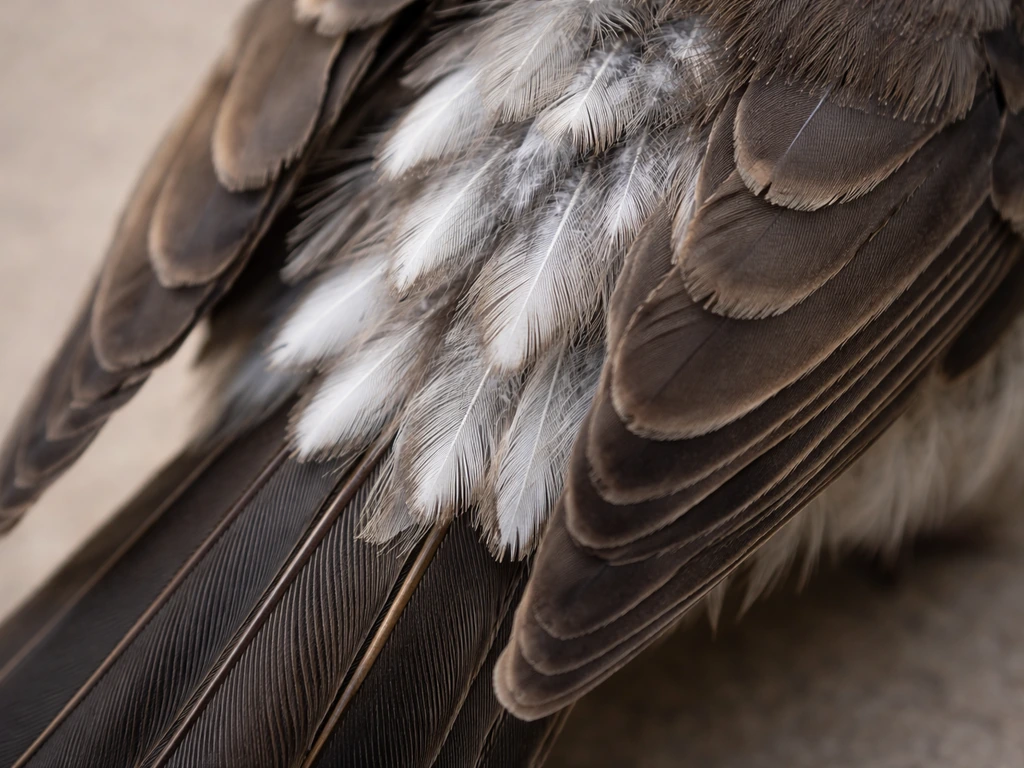
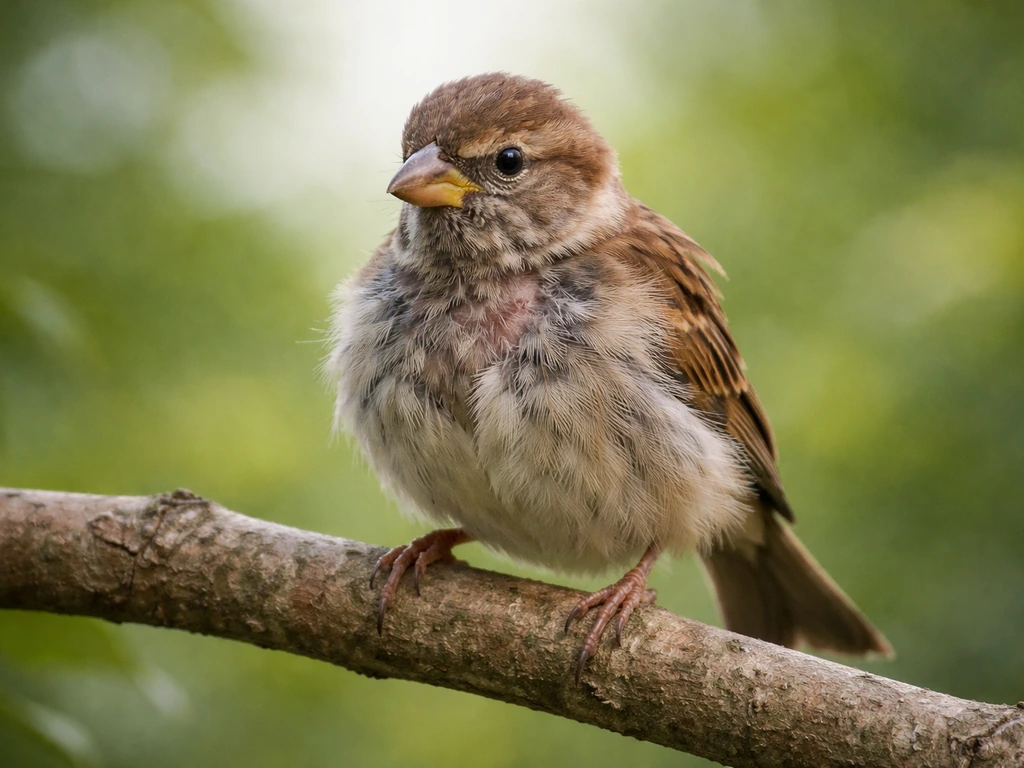
As molt wraps up, the spiky look fades and you start seeing new, clean, often brighter feathers emerging alongside older worn ones. Wings and tail feathers are often the last to finish because flight feathers (primaries, secondaries, and tail rectrices) are replaced in a careful, staggered sequence to preserve the bird's ability to fly. You might notice one wing looking slightly different from the other temporarily, or the tail looking notched. By the end of late molt, the bird should look noticeably fresher and tidier than before the whole process started.
Behavior and body language during a molt
The physical changes are only half the story. A molting bird will also act differently, and those behavioral cues are just as useful for confirming what you're seeing is molt and not something else.
- More preening than usual: birds spend significant time working at pin feathers to help remove the waxy sheath as feathers mature
- Increased dust bathing or bathing in general, which helps condition new feathers
- Slightly reduced activity or more rest, especially during a heavy molt when energy demands are high
- Mild irritability or being touchier than usual, since pin feathers are sensitive and can be painful if touched at the base
- Seeking warmth more often because feather coverage is temporarily reduced
- Appetite may increase slightly to fuel feather protein production, or stay the same
One important thing to watch: a bird that is molting normally will still be alert, interested in food, and moving around. Lethargy, complete appetite loss, or a bird sitting fluffed on the floor of the cage is not typical molt behavior and warrants attention.
Normal molt vs red flags: how to tell the difference
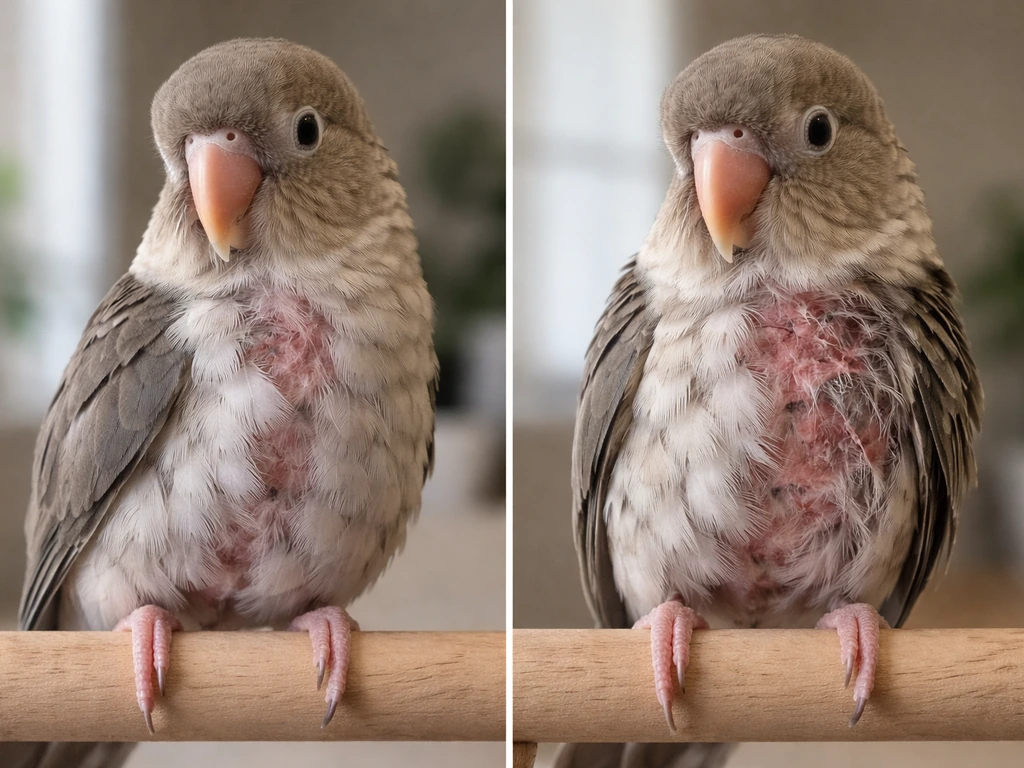
This is the big one. The visual overlap between normal molt, feather plucking, parasites, and other problems can be genuinely confusing. Bird fleas can also cause patchy, irritated-looking skin and feather loss, so it helps to know what they look like too what do bird fleas look like. Here's a direct comparison of the key differentiators.
| Sign | Normal Molt | Feather Plucking | Mites or Lice | Infection or Injury |
|---|---|---|---|---|
| Feather loss pattern | Symmetrical, follows natural feather tracts | Irregular, often asymmetrical | Patchy, often on back, neck, or vent area | Localized around wound or lesion |
| Skin appearance | Clean, no redness or damage | Red, irritated, or raw skin visible | Irritated, possibly scaly or crusty | Swollen, discolored, or scabbed |
| Pin feathers present | Yes, normal spiky regrowth visible | Absent or damaged in plucked areas | May be broken or missing at base | Absent near the affected site |
| Bird's behavior | Normal preening, alert, eating well | Actively pulling or biting feathers | Scratching intensely, restless | Lethargic, off food, in obvious discomfort |
| Visible parasites | None | None (behavioral issue) | Tiny tan or yellow insects on skin or feathers | None (unless secondary infection) |
| Molt symmetry | Both sides match | Random damage pattern | Concentrated in hidden areas (under wings, vent, neck) | One-sided, near a wound |
Feather plucking
Feather plucking is not a form of molt. It's a behavioral or medical problem where the bird actively damages or removes its own feathers. The clearest visual tell is irregularity: plucking produces damage in random patterns rather than the orderly, symmetrical feather-tract progression you see in molt. Molting often replaces feathers in a more symmetrical, patterned way, while plucking tends to leave irregular, random damage patterns across the feather loss distribution, which can be a helpful visual clue blank" rel="noopener noreferrer">plucking produces damage in random patterns rather than the orderly, symmetrical feather-tract progression you see in molt. Another clue is that a plucking bird often has a full head of feathers (since they can't reach their own heads) but missing feathers elsewhere. You might also actually catch the bird in the act. Feather plucking can range from over-preening to severe self-mutilation and always deserves a vet conversation. Feather plucking can range from excessive preening to severe self-mutilation, and it is not natural for a bird to pluck out its own feathers blank" rel="noopener noreferrer">Feather plucking can range from over-preening to severe self-mutilation.
Mites and lice
Mites are ectoparasites that live on the skin and feathers and cause intense itching. Depluming mites in particular burrow into feather shafts at the base, cause inflammation, and make feathers break easily, which creates bare patches that can spread from the back to the wings and neck. Lice are more visible: look for tiny tan or yellowish insects on the skin or feathers. If you’re also trying to identify a yellowhammer bird, comparing its yellow-orange tones and overall shape can help you confirm what you’re seeing. The key spots to check are under the wings, around the vent, and at the neck. This is very different from molt, where feathers are lost along predictable tracts and no actual insects are present.
When to call an avian vet
- You see raw, red, or broken skin under feather loss
- The bird is actively pulling its own feathers out
- You can see tiny insects on the feathers or skin
- The bird is lethargic, not eating, or sitting on the floor of the cage
- Feather loss is one-sided or clustered around a specific area that looks injured
- Molt has dragged on for more than 12 weeks with no clear progress
- The bird has never molted before and the signs don't match the normal checklist above
What to check at home: skin, feather quality, and overall condition
Doing a basic home check takes about two minutes and gives you a much clearer picture of whether what you're seeing is straightforward molt. You don't need to handle the bird aggressively; a calm visual inspection while the bird is perched is often enough.
- Look at the skin under any bare patches: it should be clean, smooth, and roughly the same color as surrounding skin. Redness, flaking, swelling, or crusting are not normal molt signs.
- Check pin feather quality: they should look like intact shafts, slightly waxy at the tip, not broken or bleeding mid-shaft.
- Assess overall feather condition: new feathers coming in should look clean and tightly structured. Feathers that look frayed, banded with pale stress bars, or brittle may indicate nutritional deficiency.
- Check under the wings and around the vent for any sign of insects, unusual discharge, or inflammation.
- Watch the bird eat: it should be interested in food and consuming normal amounts. Weigh smaller pet birds on a kitchen scale if possible; unexpected weight loss during molt is a red flag.
- Note the symmetry of feather loss: take a photo from above if you can. Molt should be roughly mirror-imaged on both sides of the body.
- Document the progression: take photos every few days. If feather loss is spreading rapidly or the bare patches aren't showing any pin feather growth, something may be wrong.
How long molt lasts and what normal recovery looks like
Most birds complete a full molt in roughly 6 to 12 weeks, though this varies considerably by species, age, and health status. Small songbirds and passerines tend to move through molt fairly quickly, while larger birds (like parrots) can take several months to fully replace all their feathers. The timeline also shifts depending on life stage: timing of post-breeding molt in passerines can vary within a species depending on how long the breeding season ran, which means two birds of the same species might be molting weeks apart.
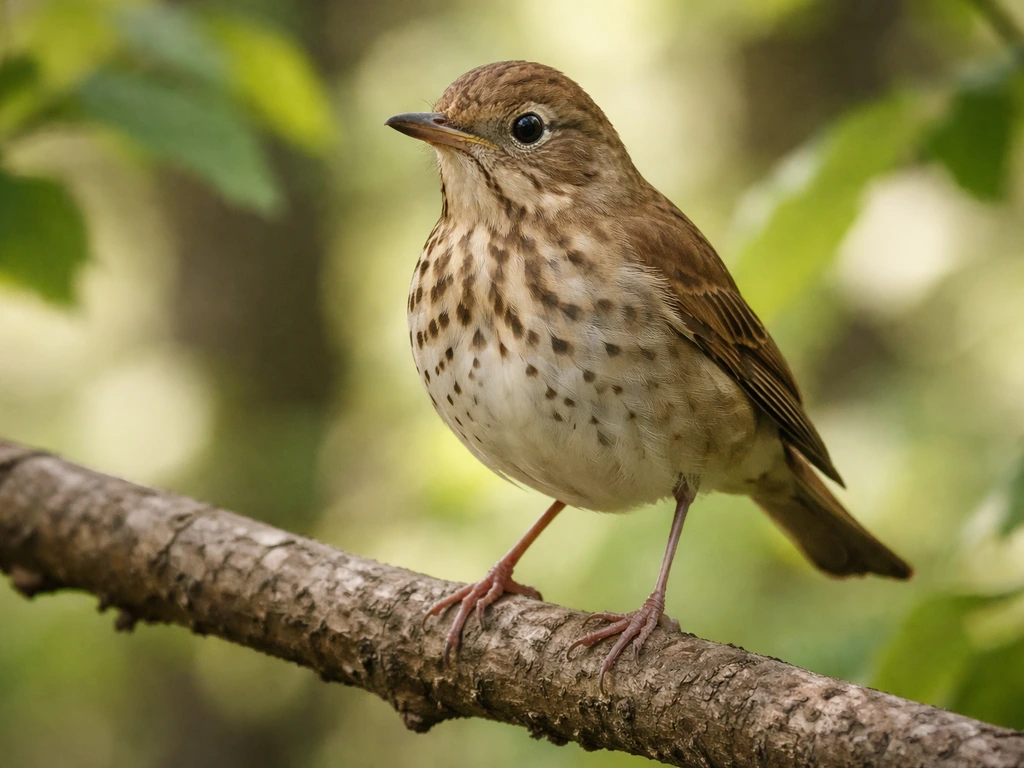
As molt wraps up, the bird should progressively look tidier, more uniformly covered, and more alert. Pin feathers should unfurl into full feathers, bare patches should fill in, and the spiky texture should disappear. By the end, the bird usually looks noticeably brighter and cleaner than it did going into the molt, because all that old, worn plumage has been replaced. If you're trying to identify a thrush, looking at common field marks like its shape, size, and spotted or streaked coloring can help, and photos of what a thrush looks like bird are a good comparison what does a thrush look like bird. If a bird still looks ragged and patchy after 12 weeks with no clear improvement, that's a sign to check in with a vet. Delayed molt can be associated with nutritional deficiencies, hormonal imbalances like hypothyroidism, chronic illness, or disrupted light cycles in captive birds.
What you can do to support healthy feather regrowth
Feathers are made largely of protein (keratin), so what a bird eats during molt matters more than at almost any other time. A seed-only or nut-heavy diet in pet birds is a common problem: it's often deficient in the vitamins and minerals needed for healthy feather and skin development. Vitamin A deficiency in particular can impair skin and feather health. If your pet bird is on an all-seed diet and struggling with molt, switching toward a more varied diet with formulated pellets, leafy greens, and bird-safe vegetables is one of the most practical things you can do.
- Offer a high-quality, varied diet rich in protein during molt: for pet birds, this often means transitioning away from seed-only diets toward formulated pellets plus fresh foods
- Ensure stable, species-appropriate light cycles: disrupted photoperiod can delay or trigger abnormal molt in captive birds, so consistent natural or full-spectrum lighting matters
- Provide regular bathing opportunities: misting or a shallow bath helps birds condition new feathers as they emerge
- Avoid handling pin feathers directly, especially at the base where the blood supply is concentrated, as this can be painful and damaging
- Keep stress low: loud changes to the environment, new animals, or disrupted routines during molt can push a bird toward feather-destructive behavior
- Make sure the bird is warm enough: reduced feather coverage during molt means reduced insulation, so a slight temperature increase in the environment can help
- If molt seems prolonged or feather quality looks poor (stress bars, brittle shafts, dull coloration), consult an avian vet to rule out nutritional deficiency or underlying illness before assuming it will resolve on its own
Understanding what molt looks like from the outside connects directly to what's happening underneath the skin: the feather follicle is cycling through active growth, the blood feather is building a complete new feather structure inside that protective sheath, and the bird's whole system is investing real energy in this process. That's why nutrition, light, low stress, and a little patience are the best things you can offer during this stage of the feather cycle.
FAQ
Is it normal for a molting bird to lose feathers around the same time it’s also shedding down or looking “dirty” or dusty?
Yes, molts can create extra loose feather fragments and down, which can make the bird look scruffy or slightly dusty. The key difference is timing and pattern, molt usually follows feather-tract progression, while heavy, scattered shedding plus visible skin irritation can point to parasites or plucking.
Can a bird molt and still look “fine” every day, or does molt always make noticeable patchiness?
Some species show very gradual changes, so you might only notice a few loose feathers at first or tiny new pin feathers that are easy to miss. If the bird remains active, eating, and you see feathers replacing in a progression over weeks, that still fits normal molt even if the look changes slowly.
How can I tell whether one wing looks different from the other during molt, or if it might be an injury?
During molt, it’s common to see mild asymmetry, one wing may regrow ahead of the other and the tail can look notched temporarily. Injury is more likely when there’s a clear spot of swelling, bleeding, deformity, or the missing feathers do not match the orderly regrowth pattern over time.
Do pin feathers bleed, and is it dangerous to touch or remove the sheath?
Pin (blood) feathers have a blood supply near the base, so they may bleed if handled or broken, and pulling them can damage the growing feather structure. It’s best to avoid removing pin feathers or stripping sheaths, instead observe from a distance and focus on reducing stress and improving nutrition.
What “home checks” should I do if I suspect the bird might be molting but I’m worried about parasites?
Look under wings, around the vent, and at the neck for insects or scaly irritation, also check for broken feather shafts and signs of scratching or rubbing. If you see insects, eggs, or widespread broken shafts that are not in a predictable molt tract, prioritize a vet-guided parasite check rather than assuming it’s only molt.
Is feather plucking always obvious, and can it start before the bird looks badly damaged?
Plucking can begin subtly with over-preening or small irregular bald patches, it doesn’t always look dramatic right away. Watch for irregular feather loss, especially on areas the bird can reach, and for repetitive grooming behavior that doesn’t match the smoother, tract-based pattern typical of molt.
Can stress or changes in daylight disrupt molt timing in captive birds?
Yes, disrupted light cycles and major environmental changes can delay molt or prolong ragged regrowth. If your bird’s schedule changed (moves, new cage location, inconsistent lighting), that can explain slower improvement even when the bird is otherwise alert.
If my bird looks ragged after 12 weeks, does that automatically mean something is wrong?
Not automatically, timing varies by species, age, and health, some larger birds can take longer. Still, if there is no clear progress in feather coverage, the bird is losing weight, becomes less active, or continues to look inflamed or itchy, it’s a strong reason to contact an avian vet.
Does diet affect molt appearance quickly, or is nutrition only important over the long term?
Nutrition can help over time rather than overnight, but poor diet can show up as slow, thin, or delayed regrowth, and weak feather quality. If you’re on an all-seed diet, switching to a pellet-based and varied diet is one practical step, then reassess within several weeks using the “progressive tidying” you expect during molt.
How do I confirm whether what I’m seeing is molt versus the bird changing feather color or pattern?
Color or pattern changes alone are not the same as molt. Molt usually includes new pin feathers, patchy or orderly feather replacement over weeks, and a progressive return to a fuller, tidier look, whereas a simple change in brightness or pattern without regrowth signs is less likely to be true molt.
Next Article
What Does a Thrush Look Like Bird? Identify by Sight
Learn thrush bird identification: key looks, subtle sex differences, and how to separate from similar species in the fie