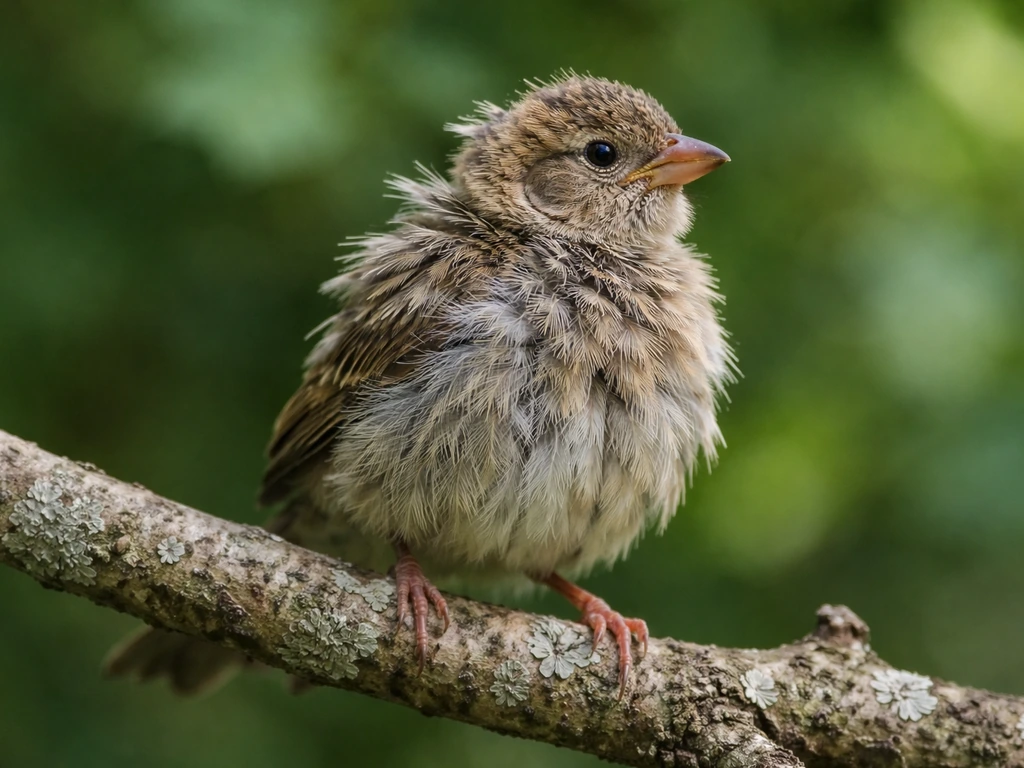
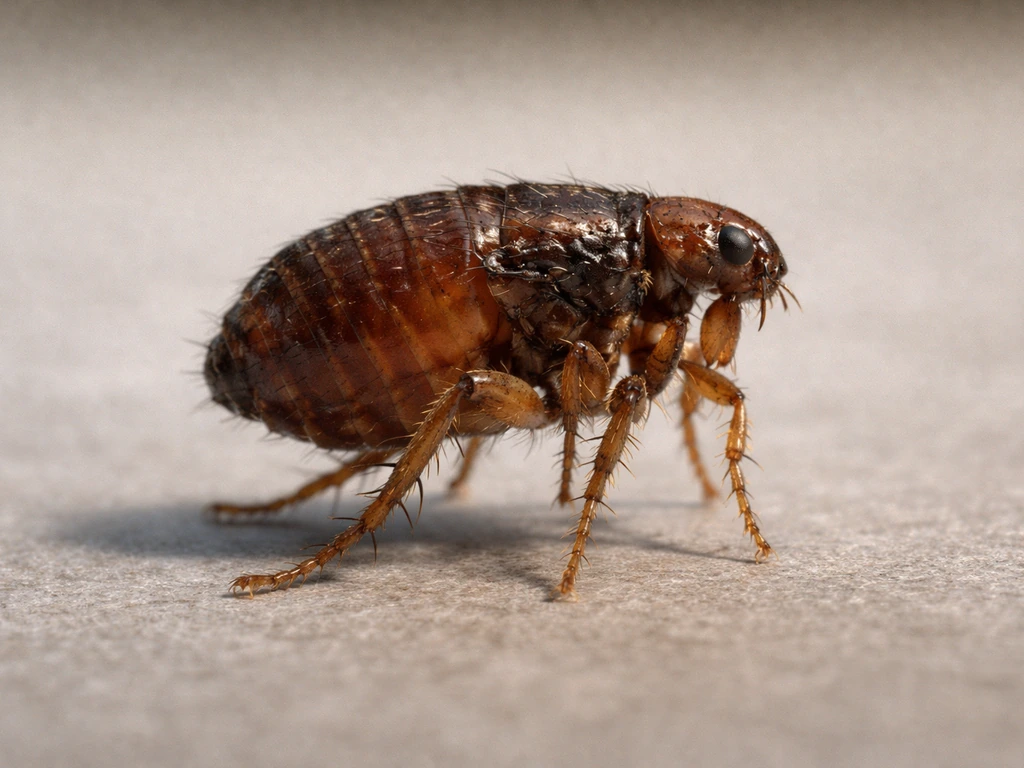
Adult bird fleas are tiny, wingless, reddish-brown to dark brown insects about 1.5 to 3 mm long, flattened side-to-side like a sesame seed stood on edge. They have large, powerful back legs built for jumping and a hard, shiny body that is surprisingly difficult to crush. If you spot something small and fast moving through feathers or nesting material and it jumps when disturbed, there is a very good chance you are looking at a flea. That jumping behavior is honestly the fastest confirmation before you even reach for a magnifying glass.
What Do Bird Fleas Look Like? Size, Stages, and Identification

Marcus Chen
18 Jun 2026
Quick identification checklist for adult bird fleas
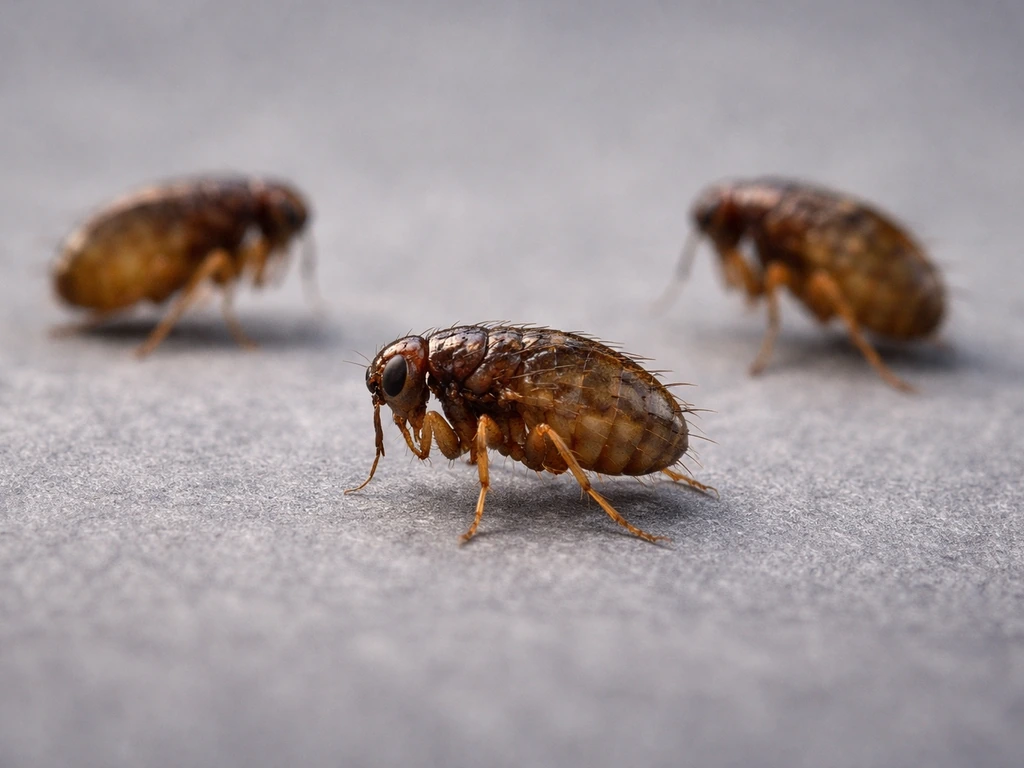
Run through this list when you suspect you are looking at an adult bird flea. The more boxes you tick, the more confident you can be.
- Size: roughly 1.5 to 3 mm long, visible to the naked eye but small enough to be easy to miss
- Shape: laterally compressed (flattened side-to-side, not top-to-bottom), giving a narrow silhouette
- Color: reddish-brown to dark brown, almost black when engorged with blood
- Legs: three pairs, with the hind pair noticeably enlarged for jumping
- Wings: none at all, ever. Fleas are permanently wingless
- Movement: fast, erratic crawling through feathers or nest debris, with sudden jumps when disturbed
- Head: rounded, with small simple eyes and in some species a row of spine-like teeth called ctenidia (genal or pronotal combs) used in species ID
- Body surface: shiny, hard, covered in backward-pointing bristles that help them move through feathers
One honest admission: telling one flea species from another without a microscope is genuinely hard. Species-level differences often come down to the presence, absence, or spine count of those ctenidia combs. For practical purposes, if it matches the checklist above, treat it as a flea and act accordingly.
What eggs, larvae, and pupae look like
This is the part most people skip, and then wonder why treatment is not working. Adult fleas are only about 5% of the total population at any one time. The rest is hiding in nest material or bedding as eggs, larvae, or pupae, and each stage looks completely different. A molting bird can look different depending on whether you are seeing normal feather replacement or signs of irritation from parasites like bird fleas what does a molting bird look like.
Eggs
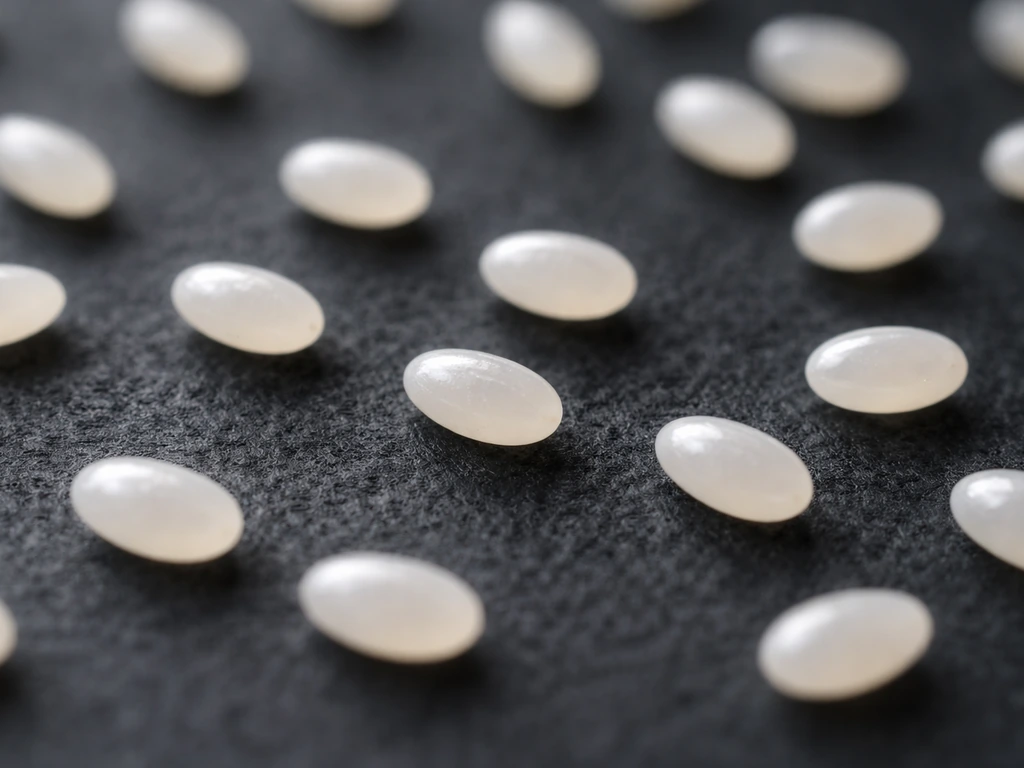
Flea eggs are about 0.5 mm long, oval with gently rounded ends, and pearl white. They look almost like tiny grains of salt or miniature rice. Fresh eggs are bright white; they become very slightly more opaque and off-white as they age toward hatching. Because they are not cemented to feathers or skin (unlike bird lice, which glue their eggs directly to feather shafts), flea eggs fall freely into nest material, carpet, and bedding. This is exactly why infestations spread so easily from a bird's nest to nearby living areas.
Larvae
Flea larvae look like tiny pale worms, roughly 1 to 2 mm long, with a blank" rel="noopener noreferrer">segmented body covered in fine bristles (setae) along each segment. If you are wondering what bird sperm looks like under magnification, it is a separate topic from flea larvae and requires a specialized microscope view. They have no eyes and no legs, but they do have well-developed mouthparts for chewing. They feed on organic debris in nest material, including the dark reddish-brown flea dirt (digested blood) that adult fleas leave behind. Larvae are photophobic, meaning they actively avoid light, which is why you find them deep in the base of a bird nest or buried in carpet fibers rather than crawling on the surface.
Pupae (cocoons)
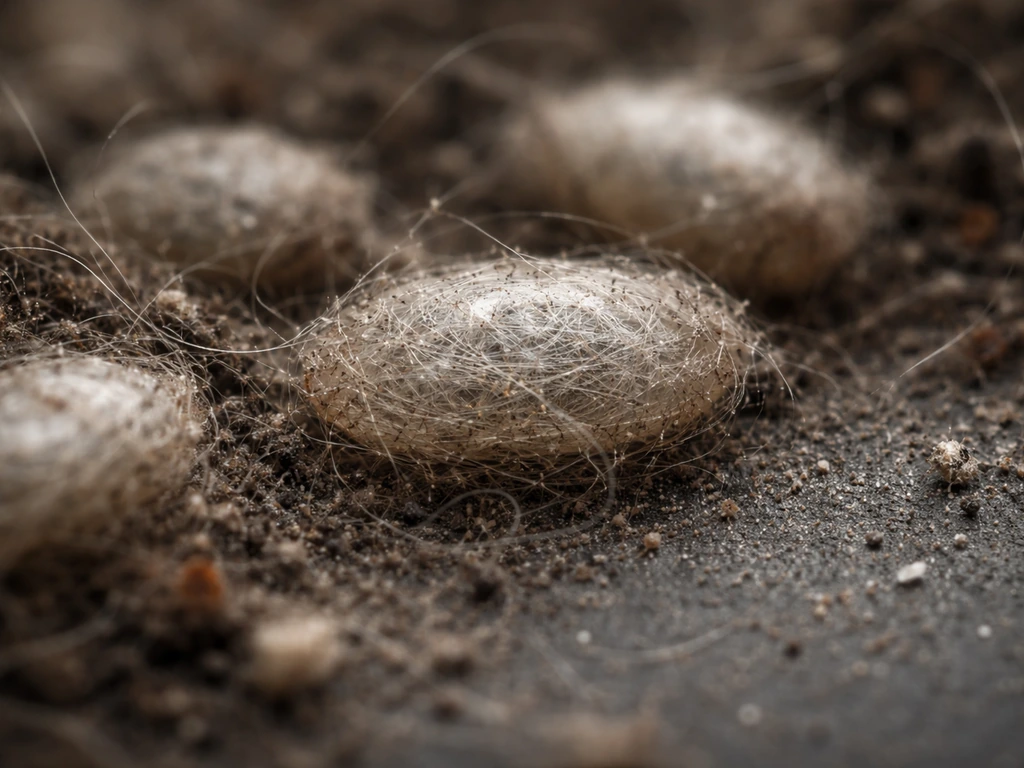
After roughly 5 to 12 days of feeding, flea larvae spin a silken cocoon and enter the pupal stage. The cocoon itself is oval and made of thin, white silk fibers, but the larvae actively incorporate surrounding debris, including nest material, carpet fibers, and soil particles, into the surface. The result looks exactly like a tiny lint ball or a speck of dirt, about 1 to 2 mm across. This camouflage is remarkably effective and is one reason why cocoons are so easy to overlook during inspection. Inside, the pupa can remain dormant for weeks until vibration, heat, or pressure from nearby movement signals that a host is present and triggers adult emergence.
Where to find them: on birds, in nests, and around your home
Bird fleas are nest-associated parasites. That is a key biological fact that shapes where every life stage is found and where you should be looking.
On the bird itself
Adult fleas spend time on the host to feed, but they are not permanent residents the way some lice are. Check around the head, neck, and vent area where feathers are dense and grooming is harder. Part the feathers and look at the skin directly. You are looking for fast-moving dark specks and also for flea dirt, which looks like tiny comma-shaped black or dark reddish specks. A quick test: put some of those specks on a damp white paper towel. Flea dirt dissolves into a reddish-brown smear because it is digested blood. Regular dirt just smears brownish-grey.
In the nest
The base and inner lining of a bird's nest are the real hotspot. Eggs, larvae, and pupae all concentrate here. If you are inspecting a nest after a bird has abandoned it (which is the safest time to do so), you may see white oval eggs scattered through the nesting material, pale worm-like larvae moving sluggishly through the debris, and lint-ball cocoons stuck to fibers. The nest can remain a source of re-infestation for weeks after the birds leave, which is why removing old nests promptly matters.
In your home
If a bird nested in or very close to your home, such as in an attic, wall cavity, chimney, or roof overhang, larvae and pupae can migrate into interior spaces through gaps and cracks. Inside, they follow the same behavioral pattern as any flea larva: they move away from light and into shaded, protected microhabitats. Check carpet along baseboards, under furniture, inside pet bedding if you have animals, and in any cracks in flooring. Near the nesting entry point, check insulation, wall cavities, and any debris accumulation.
Size, color, and movement: confirming what you are seeing is actually a flea
When you are trying to confirm a flea sighting rather than just suspecting one, these three physical traits are your best tools.
| Trait | What you observe | Why it matters |
|---|---|---|
| Size | 1.5 to 3 mm long as an adult | Small enough to hide in feathers, large enough to see without magnification |
| Color | Reddish-brown to nearly black; lighter when unfed, darker when engorged | Color alone is not diagnostic but helps narrow the field |
| Body shape | Extremely narrow side-to-side, almost like a tiny seed stood on its edge | Distinctive silhouette separates fleas from most other small insects |
| Movement | Rapid crawling plus sudden jumps; can leap many times their body length | Jumping is the single most reliable behavioral ID cue |
| Wings | Completely absent | No flea species has wings at any stage of adult life |
| Bristles | Backward-pointing bristles visible under magnification | Help fleas move through dense feather structures |
The jumping is honestly the thing. If the insect you are looking at jumps, it narrows the field dramatically. Very few small insects around birds or nests will jump in that characteristic explosive way. Springtails jump too, but they are much smaller (under 1 mm) and live in soil and damp debris rather than on animals.
Common look-alikes and how to tell bird fleas apart
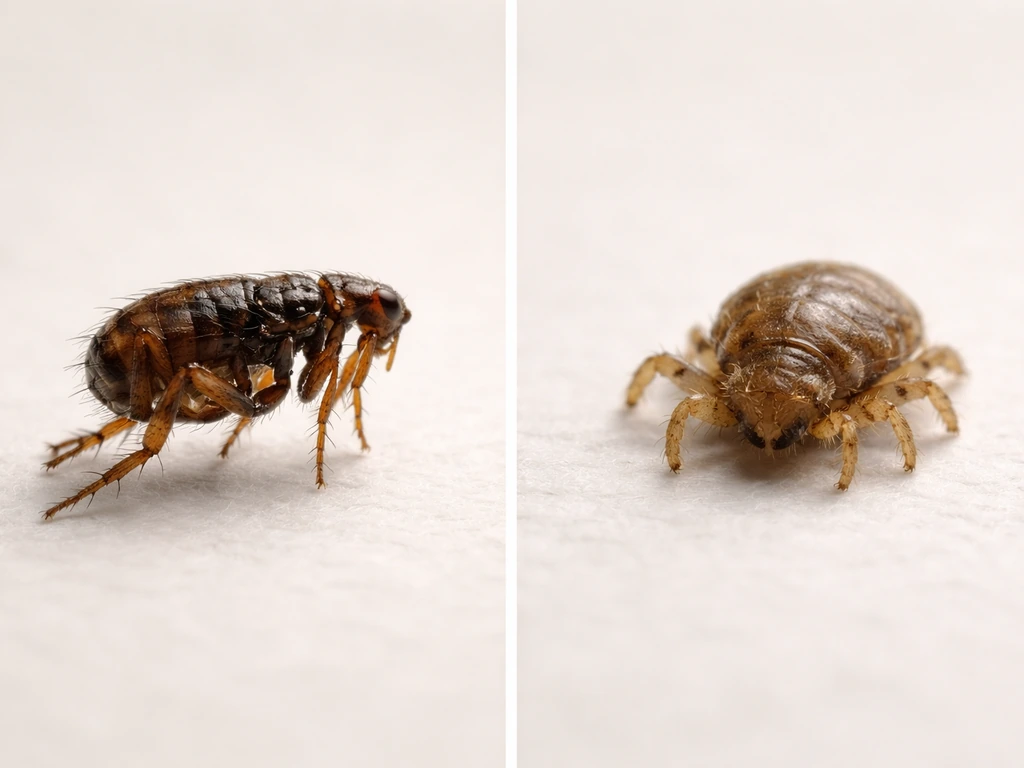
Birds host a whole community of ectoparasites and it is genuinely easy to misidentify what you are looking at. Here are the ones most likely to create confusion. If you are wondering what a thrush looks like bird, focus on its overall body shape, plumage pattern, and the way it moves and calls in your area what does a thrush look like bird.
Bird lice (Mallophaga)
Bird lice are dorso-ventrally flattened (squashed top-to-bottom, not side-to-side) and move with a slow, deliberate crawl. They do not jump. Their eggs are cemented directly to feather shafts, which is visually very different from flea eggs that scatter freely. Louse eggs (nits) are about 1 mm long and attached firmly, so you will see them clinging to individual feather barbs rather than loose in nest debris.
Bird mites
Bird mites are arachnids, not insects, meaning they have eight legs as adults rather than six. They are extremely small, often under 1 mm, and look like moving specks of dust or pepper. They do not jump. They tend to leave the host frequently and are commonly found in building cracks and wall voids near nesting sites. If tiny specks are appearing on your walls and window sills rather than jumping around birds or in nest debris, mites are more likely than fleas.
Cat and dog fleas
Cat fleas (Ctenocephalides felis) look almost identical to bird fleas at a glance: same size range, same reddish-brown color, same jumping behavior, same laterally compressed body. What a yellowhammer bird looks like can help you confirm whether the bird associated with the fleas might be in the yellowhammer group. The practical difference is that blank" rel="noopener noreferrer">cat fleas have both a genal comb (a row of spines in front of the head) and a pronotal comb (a row of spines on the first body segment), while some bird-associated flea species lack one or both of these combs. You realistically need a 10x hand lens or microscope to see this. For day-to-day purposes, the better question is context: if there are no mammals in the picture and the flea is coming from a bird nest, it is almost certainly a bird flea species.
Carpet beetle larvae
Carpet beetle larvae are hairy and segmented, similar in size to flea larvae, and are also found in carpet and nest debris. The key visual difference is the hair: carpet beetle larvae have longer, more prominent tufts of bristle-like hairs, giving them a distinctly fuzzy appearance. They also do not have the worm-like pale segmentation of flea larvae, and they do not jump at any stage.
Bed bugs
Bed bugs are flat, oval, and reddish-brown, which occasionally creates confusion with fleas. But bed bugs are much larger (4 to 5 mm), significantly wider relative to their length, and they absolutely do not jump or move quickly. If it hops, it is not a bed bug.
How to inspect and collect evidence safely
A methodical inspection beats guessing every time. Here is a practical approach that does not require any specialist equipment.
- Gear up first: wear disposable gloves and long sleeves before handling any bird, nest, or nesting debris. Fleas will readily bite humans and can jump onto clothing.
- Use a bright torch or phone light: fleas are fast and dark. Good directional light lets you track movement. Part feathers slowly toward the skin and hold the light at a low angle to the surface to create shadows that reveal moving insects.
- The white paper test: place the bird over a sheet of white paper and ruffle its feathers gently. Dislodged fleas, flea dirt, and eggs will fall onto the paper and are easy to see against white. Dampen a corner of the paper and smear any dark specks onto it: flea dirt turns reddish-brown.
- Clear tape for evidence collection: press a strip of clear packing tape onto suspect nest material, carpet fibers near baseboards, or the white paper from the step above. Eggs, larvae, and even adults will stick to it. Stick the tape to a plain white index card and you now have a sample you can photograph or show to a vet or pest professional.
- Inspect the nest systematically: use a stick or disposable tool to break apart the nest material in sections. Work from the outside in because larvae concentrate in the warmer, darker center. Look for flea dirt accumulation (dark reddish specks), pale worm-like larvae, and lint-ball cocoons.
- Check the home perimeter from the nest entry point: trace likely migration paths (gaps in skirting boards, cracks near where the nest was located, flooring seams) and run the tape test along carpet edges and under furniture.
- Photograph everything: a close-up photo with a ruler or coin for scale is genuinely useful if you later need to consult a vet or pest professional for a definitive ID.
If it is bird fleas: what to do right now
Confirming bird fleas is actually good news in one sense: unlike a cat or dog flea infestation, which requires ongoing host treatment, bird fleas lose their primary breeding ground once the nest is removed and the bird is treated. But you do need to address both the bird and the environment together, because treating one without the other will just restart the cycle.
Treating the bird
Do not self-medicate birds with mammal flea treatments. Products designed for cats and dogs contain insecticides at concentrations or in formulations that can be toxic to birds. Take the bird to an avian vet for an appropriate ectoparasite treatment. This is also a good moment for the vet to rule out bird lice, mites, or other co-infections, since birds commonly carry more than one type of external parasite at once.
Removing the nest
Once the nest is confirmed abandoned and it is legal to do so (many wild bird nests are protected during breeding season, so check local wildlife regulations), remove it promptly and seal it in a plastic bag before disposal. Leaving the nest in place means leaving a reservoir of eggs, larvae, and dormant pupae that will produce more adults for weeks.
Treating the environment
Vacuum thoroughly along all baseboards, under furniture, in carpet seams, and anywhere the inspection found activity. Vacuum bags should be sealed and removed from the home immediately after. Hot-wash any bedding or fabric items that may have come into contact with nesting material. For significant indoor infestations (particularly if pupae are present, since those cocoons resist most sprays), a licensed pest control professional with experience in bird flea situations will get better results than over-the-counter products alone. Pupae can stay dormant for weeks and emerge after treatment if the full life cycle is not addressed.
Prevention going forward
- Seal any gaps, vents, or access points where birds can nest inside or adjacent to the structure
- Inspect bird enclosures, aviaries, and nest boxes regularly during breeding season for early signs of flea dirt or larval activity
- Replace nest box material at the end of each breeding season rather than allowing it to accumulate across years
- If you handle wild birds regularly, check your own clothing after handling and change before going into carpeted areas of your home
One final honest note: if you are seeing bites but cannot find insects, or you find insects but they do not match the description above, please do not guess your way to a treatment. Bird parasites, whether fleas, mites, or lice, have genuinely different biologies and respond to different interventions. Bird molting is a separate normal process in birds, and understanding it can help you distinguish feather changes from parasite activity. An avian vet or a pest professional who has dealt with bird flea cases before is worth the consultation, especially if you have a bird whose health is on the line.
FAQ
If I find tiny brown specks in the nest, do I need to see an adult flea to know it’s bird fleas?
No. Eggs, larvae, and cocoons can indicate an active problem even if you never see a jumping adult. Look for white oval eggs in nesting material, pale segmented worm-like larvae in debris, and lint-ball cocoons (about 1 to 2 mm across) stuck in fibers. Adult fleas are only a small portion of the population at any one time.
Do bird flea bites mean the infestation is only on the bird, or could it be inside my home?
Bites can happen even if you do not see many insects on the bird. Bird fleas can disperse from the nest into carpet fibers, along baseboards, into cracks, and into shaded microhabitats, especially if the nest is in or near attics, wall cavities, or roof overhangs. If you see flea dirt and you also have indoor activity, plan for environmental treatment, not just bird treatment.
What’s the quickest at-home test to tell flea dirt from normal dirt?
Use a damp white paper towel. Press or smear the dark specks you collected, flea dirt typically dissolves into a reddish-brown smear because it is digested blood, while regular debris usually smears brownish-grey. Use multiple specks, because random outdoor soil can sometimes look similar at a glance.
Can carpet beetle larvae be mistaken for flea larvae, and how do I tell them apart fast?
Yes, they can be mistaken at first because both can be pale and segmented in carpet. Flea larvae look smoother and do not have prominent tufts, carpet beetle larvae look distinctly fuzzy due to longer bristle-like hair tufts. Neither stage should be associated with jumping behavior.
Are bird flea larvae dangerous to pets or people?
They are primarily a nesting and debris problem, but you should still treat the environment because cocoons can remain dormant and re-populate the area. For people, the main issue is irritation and bites from emerging adults. For pets, fleas can spread indoors, so if you have pets in the area, avoid assuming these are harmless and discuss safe treatment options with a vet.
What if the insects jump but are smaller than 1 mm, could that still be bird fleas?
If they are consistently under 1 mm, springtails are a more likely match than bird fleas. Springtails are common in damp debris and soil and jump, but they are not nest-associated parasites living on birds. Bird fleas are typically around 1.5 to 3 mm long and show flea-like body shape and behavior.
How long after removing a nest can I still see flea activity?
Expect continued activity for weeks in many cases because pupae can stay dormant inside cocoons until vibration, heat, or movement signals a host. Vacuuming and hot-washing alone may not be enough for significant indoor infestations, and treatments may need to account for pupal emergence timing.
Is it safe to use cat or dog flea sprays or spot-ons around a bird or in a bird’s immediate area?
Be cautious. Many mammal flea products are formulated at concentrations that can be toxic to birds. The safer path is to have an avian vet select an appropriate ectoparasite treatment, and handle environmental cleanup separately (vacuuming and washing) rather than relying on mammal-targeted insecticides.
Should I remove an old nest immediately once I confirm it’s abandoned?
Often yes, but confirm timing and legality first. Many wild bird nests are protected during breeding season, and removing them then can be illegal. Once it is confirmed abandoned and it is allowed locally, sealing the nest in a plastic bag before disposal helps prevent eggs and cocoons from spilling into indoor spaces.
If I can’t tell whether it’s a bird flea or something else, when should I stop guessing and get help?
Stop guessing if you are seeing bites without clear insect matches, if the insects do not jump, or if you see mites-like dust specks or non-jumping slow crawlers. An avian vet can distinguish fleas from lice and mites, and a pest professional experienced with bird flea scenarios can tailor environmental steps when cocoons or heavy indoor dispersal is likely.
Next Article
What Does a Molting Bird Look Like? Signs and What to Check
Learn what a molting bird looks like: patchy feathers, pin feathers, fluffed posture, missing/broken feathers and when t