Molting is the process by which birds shed old, worn feathers and grow fresh ones in their place. It happens on a schedule, it looks a little alarming if you've never seen it before, and it's completely normal. Most birds replace their feathers at least once a year, and some species do a partial molt about six months after the main one. If you've noticed your bird looking scruffy, finding loose feathers around the cage, or spotting those strange spiky shafts poking out of your bird's head, this is what's going on.
What Is Bird Molting? Signs, Causes, and What to Do

Marcus Chen
19 Apr 2026
What molting actually means and why birds do it
A feather is a dead structure once it's fully grown. It can't repair itself the way skin can, so over time, feathers get frayed, faded, and structurally compromised. Molting is how birds fix that problem: by ditching the old feather entirely and growing a brand new one from the same follicle. Think of it as a forced hardware refresh rather than a software patch.
For most birds, the main molt happens after the breeding season, when energy demands from raising chicks ease up and there's enough time and food to invest in new feathers. In migratory species, timing gets even tighter, because birds need fresh flight feathers before the long journey ahead. Climate research has confirmed that molt timing shifts alongside seasonal food availability, which tells you how tightly feather replacement is woven into a bird's annual survival strategy.
Wild birds and pet birds both molt, but pet birds don't always follow the same strict seasonal schedule. Changes in artificial lighting, temperature, diet, and stress can all nudge molt timing off the typical calendar. Expect one to two molts per year for most common pet species, though the exact timing varies.
What you'll actually notice during a molt
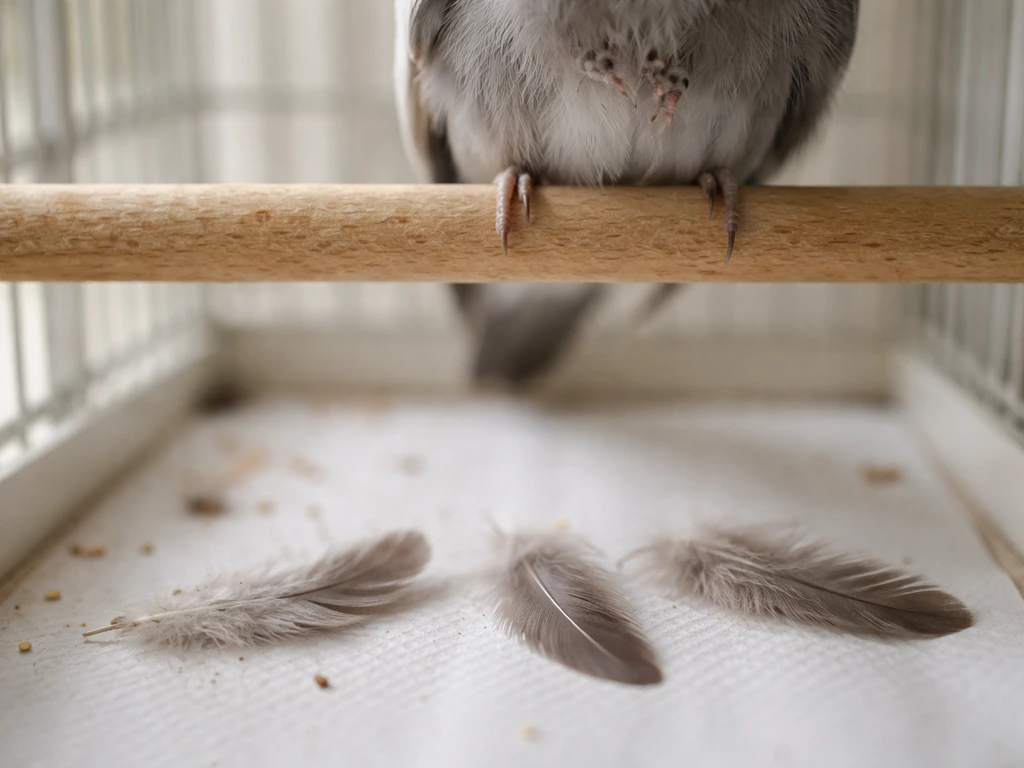
The most obvious sign is loose feathers showing up on the cage floor, perches, or around your bird's usual spots. This is normal shedding, and in a healthy molt, it happens gradually rather than all at once. You shouldn't see your bird going bald. A few feathers falling out daily, scattered across a broader period of weeks, is what you're looking for.
The second thing you'll notice is the appearance of pin feathers, sometimes called blood feathers. These are the new feathers growing in, and they emerge looking like small, waxy, spiky tubes rather than soft flat feathers. That's because each one is encased in a keratin sheath (keratin is the same protein your fingernails are made of) that protects the feather as it develops. On the head, where a bird can't preen those spots itself, pin feathers tend to be especially visible. If your bird lets you, you can gently see or feel them as firm little shafts close to the skin.
Behaviorally, some birds get a bit grumpy or restless during a heavy molt. They may be less interested in being handled, more sensitive about being touched around the head and neck, and generally a little off their usual game. That's not a red flag on its own. Growing new feathers is genuinely tiring and physically uncomfortable.
What happens to feathers step by step
The old feather loosens and falls out, or gets pushed out by the new feather growing behind it. During molting, old feathers are shed and pin feathers, also called blood feathers, grow in to replace them. The follicle then begins producing a new feather, which emerges encased in that protective keratin sheath. While the feather is actively growing, the sheath is fed by a blood supply running up through the central shaft (the rachis). That's why these are called blood feathers, and why a broken pin feather can bleed.
As the feather nears its full length, the blood supply gradually recedes from the tip downward. Once growth is complete, the blood is fully gone, the sheath starts to dry out and flake off, and the bird preens away the remaining casing to reveal the flat, structured feather underneath. The whole process for a single feather can take a few weeks, and a bird may have dozens of pin feathers developing at various stages at the same time.
Molting follows a rough sequence across the body, typically working from certain areas outward, which helps birds retain enough functional feathers for flight and warmth throughout the process. The Stanford Birds essay on molting explains that molt occurs in regular patterns across a bird’s body, which supports describing molt progression from different regions Molting follows a rough sequence across the body, typically working from certain areas outward. The exact sequence varies by species, but the general principle is that the bird never loses so many flight feathers at once that it becomes completely grounded.
Why molting matters more than it might look
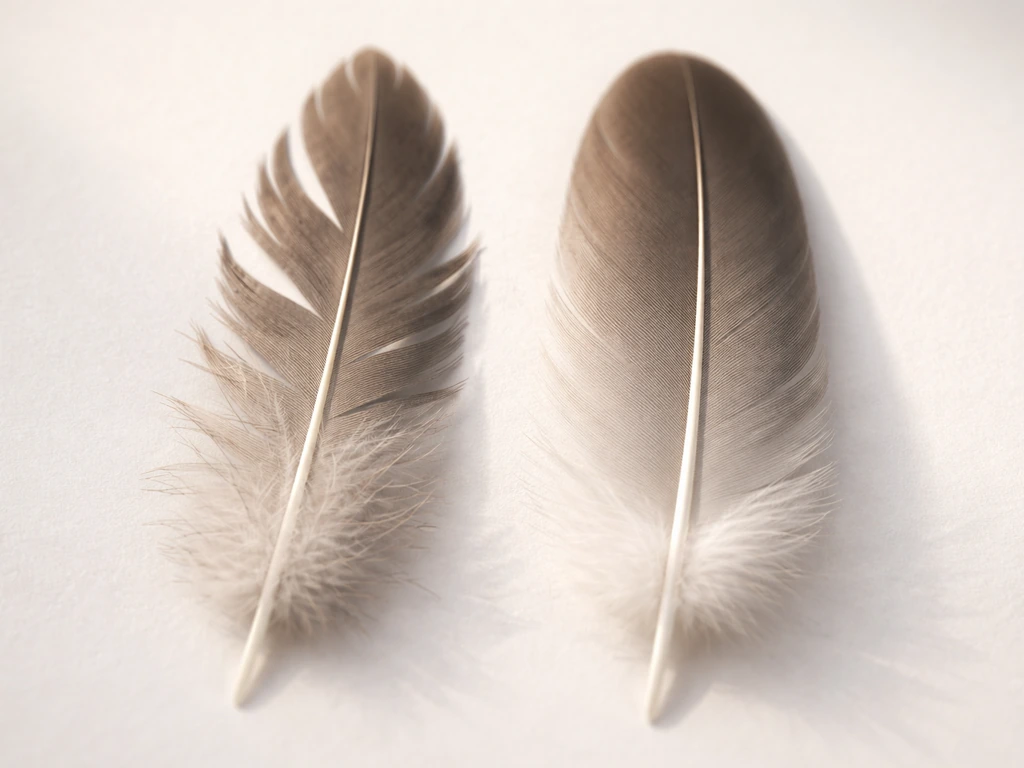
Feathers do a lot. They are the bird's primary insulation system, trapping warm air close to the body and keeping cold out. A worn or damaged coat means a bird has to burn more energy just staying warm, which is a serious problem in cold weather or for small birds with high metabolic rates. Fresh feathers are far more efficient at thermoregulation than old ones.
Flight performance is directly tied to feather condition too. Asymmetric feather wear, gaps from lost feathers, or reduced stiffness in aging quills all degrade aerodynamics. For wild birds, this has real survival consequences. For pet birds, it's less immediately life-threatening, but it still affects their comfort and ability to move around normally.
From an energy standpoint, producing a full set of new feathers is expensive. Feathers are made almost entirely of protein, so the body has to redirect a meaningful chunk of its nutritional resources toward feather synthesis during molt. This is why a heavy molt can make a bird look and act tired, and why diet matters more than usual during this period.
How to support a molting bird right now
Feed for feather growth
Protein and calcium are the two big nutritional priorities during molt. Growing feathers requires both, and a bird on a nutritionally thin diet is going to have a harder time producing healthy replacements. If your bird is on a seed-heavy diet, this is a good time to make sure they're getting access to high-quality pellets, leafy greens, and protein-rich options suitable for their species. Egg, legumes, and certain grains can be appropriate additions depending on the bird. Calcium supports the keratin sheath formation and overall structural integrity of new feathers.
Bathing and humidity
Bathing is especially important during molt. Moisture softens the keratin sheaths on pin feathers and makes it easier for birds to preen them away once feather growth is complete. Misting your bird gently with a plant mister, offering a shallow bath dish, or letting them enjoy a light spray a few times a week are all practical options. Keeping indoor humidity somewhere around 40 to 60 percent also supports skin and feather comfort during this drier, more sensitive period.
Handle with care
Pin feathers are sensitive and, while they have an active blood supply, they can bleed significantly if broken. Avoid touching or grooming areas where you can see dense pin feathers, especially on the head where your bird can't preen independently. If your bird normally enjoys head scratches but pulls away during molt, respect that. They're not being difficult, they're telling you something genuinely hurts. If a pin feather does break and bleeds, apply gentle pressure and monitor it closely. Heavy or continued bleeding from a broken blood feather is a veterinary situation, not a wait-and-see one.
Reduce unnecessary stress
Stress slows molting and can also weaken immune function, leaving a bird more vulnerable during an already demanding period. Try to keep the environment calm and predictable. Avoid introducing major changes, new animals, or erratic schedules during a heavy molt if you can help it. Keep the enclosure clean and the temperature stable.
Normal molt vs something worth worrying about
Normal molting is gradual, patterned, and produces new feathers to replace the old ones. You should see pin feathers actively growing wherever feathers have been shed. The skin underneath should look normal, not inflamed, red, or raw. The bird may be a bit quieter or touchier, but should still be eating, drinking, and moving around reasonably well.
What's not normal is bald patches with no pin feathers growing in. A bird with bare skin and no sign of replacement feathers isn't simply molting. The same goes for feathers that look chewed, frayed at the base, or broken in a symmetric pattern, which is often a sign of feather-destructive behavior rather than natural shedding. Feather plucking and true molt can look superficially similar to a new owner, but distinguishing the two matters a great deal because the causes and treatments are completely different.
There's also the question of what's underneath. Molting skin should look clean and normal. Redness, flakiness, swelling, or lesions on the skin point to something beyond a standard molt, and that requires a vet's eyes. The same applies to feathers around the eyes and face that look patchy or rubbed, or any flakiness on the beak.
Red flags that mean it's time to call an avian vet
- Bald patches where pin feathers are not visibly growing in to replace lost feathers
- Broken or stuck pin feathers that bleed and won't stop with gentle pressure
- Feathers that look chewed, broken at the base, or symmetrically damaged (possible feather-destructive behavior)
- Visible weight loss or a noticeably prominent keel bone during or after molt
- Lethargy that goes beyond mild tiredness, especially combined with fluffed feathers and reduced appetite
- Redness, swelling, sores, or unusual skin texture where feathers have fallen out
- Feather loss around the eyes, beak, or face combined with discharge or swelling
- Molt that seems to never fully complete, or feathers that regrow looking deformed, clubbed, or discolored
Conditions that can mimic or complicate molt include bacterial and fungal skin infections, external parasites, hormonal imbalances, nutritional deficiencies, and in more serious cases, systemic illness or toxin exposure. Bird fleas are external parasites, and they can resemble other issues that affect a bird’s skin and feathers. An avian vet can tell the difference with a physical exam and, if needed, basic diagnostics. If you're uncertain whether what you're seeing is normal, it's always better to ask sooner rather than after the situation has worsened.
A quick comparison: normal molt vs abnormal feather loss
| Feature | Normal Molt | Abnormal Feather Loss |
|---|---|---|
| Feather loss pattern | Gradual, spread over weeks | Sudden, patchy, or rapid |
| Pin feathers present | Yes, visibly growing in | Absent or sparse in affected areas |
| Skin appearance | Normal, clean, intact | Red, inflamed, flaky, or raw |
| Feather condition | Clean breaks at the base, intact shaft | Chewed, frayed, or symmetrically broken |
| Bird behavior | Mild irritability, slightly less active | Lethargic, fluffed, not eating well |
| Weight | Stable or minimally reduced | Noticeably dropping |
| Timeline | Completes and feathers regrow | Ongoing, incomplete, or recurring |
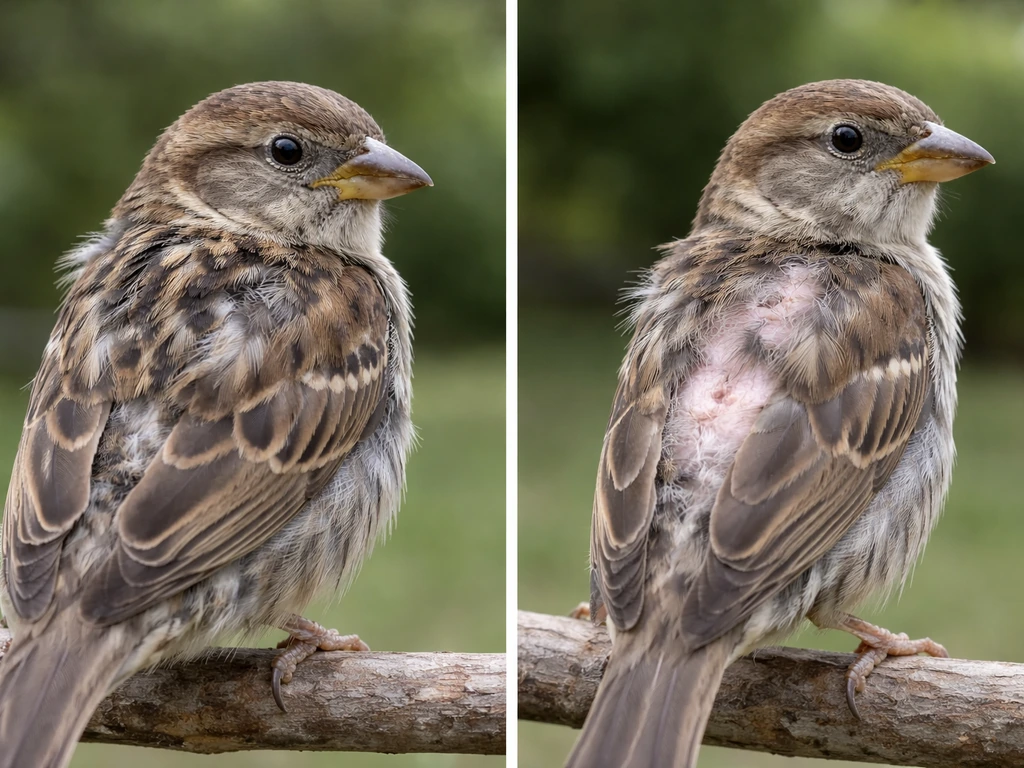
Molt is one of the most biologically significant things a bird does each year. It's tiring, it's energetically expensive, and it temporarily makes your bird look a bit rough around the edges. But a supported bird with good nutrition, access to bathing, a calm environment, and an owner who knows what to watch for will come through molt looking better than ever. If you're also curious about what a molting bird looks like visually at different stages, that's a topic worth exploring separately, since the appearance changes quite a bit from the first pin feathers through to full regrowth. If you’re specifically wondering what bird sperm looks like, that’s a different (and much more microscopic) topic than feather regrowth during molt what does bird sperm look like. What a molting bird looks like can vary by stage, from pin feathers to full regrowth what does a molting bird look like. If you’re trying to identify one specifically, you can also look up what a yellowhammer bird looks like what does a yellowhammer bird look like. If you’re trying to identify a thrush, focus on its overall shape and typical coloring rather than just the feather details you see during molt what does a thrush look like bird.
FAQ
How can I tell the difference between normal molting and feather plucking?
Normal molt should include ongoing pin feathers and gradual shedding across weeks, while feather plucking often produces patchier, bare-looking areas with little to no new pin feathers. Watch behavior too, plucking is frequently driven by itch or stress and may leave stressed-looking skin, broken shafts, or uneven regrowth in a pattern your bird can access easily.
Is it normal for molting birds to lose most of their feathers quickly?
It should not look like sudden baldness. Molting is usually gradual, even if it looks “heavy,” and you should see some stage of regrowth (pin feathers, developing shafts) where feathers are missing. If you see rapid, extensive gaps in the wings or tail, or the bird becomes unusually weak, treat it as abnormal and arrange an avian vet check.
Should I trim my bird’s feathers during molt?
In general, avoid trimming while pin feathers are present, because you are more likely to cut into developing shafts that are still sensitive and can bleed. If wing care is needed, discuss timing with an avian vet or experienced groomer, many owners prefer waiting until the new plumage fully regrows and the bird’s feather condition is stable.
Can my bird get a blood feather to bleed even if I avoid touching it?
Yes. Blood feathers are vulnerable not only to direct handling but also to accidents like snagging on toys, cage bars, or perches, or aggressive preening. If a pin feather breaks and bleeding starts, apply gentle pressure and monitor closely, heavy or persistent bleeding is a veterinary issue.
Does molting mean my bird is sick or losing weight?
Molting can make birds look tired and slightly less comfortable, but a healthy molting bird should still eat, drink, and stay active. Concerning signs include weight loss, lethargy, reduced droppings, or refusal to eat, those point to illness or a nutritional problem rather than molt alone.
What diet changes are safe during molt, and what should I avoid?
Extra protein and appropriate calcium support feather production, moving toward species-appropriate pellets, leafy greens, and protein sources is usually helpful. Avoid sudden drastic changes or very high-fat treats, and do not add supplements blindly, especially calcium, because excess can be harmful depending on species and health status. If your bird is on a restricted diet, ask an avian vet before adding supplements.
How often should I bathe or mist my bird during molt?
A few times per week is often enough, or provide a shallow bath dish so your bird can choose. The goal is to soften keratin sheaths to make preening easier, not to over-soak. If your bird seems chilled, keep bathing brief and dry them gently afterward in a warm, draft-free area.
Is changing lighting or temperature likely to trigger or delay molt?
Yes. Artificial lighting, seasonal mimic schedules, and temperature shifts can nudge molt timing, especially in indoor pet birds. If you want to avoid disrupting molt, keep lighting and routine consistent, and avoid major changes in household temperature or prolonged cold.
When should I call an avian vet about molting?
Call if you see bald patches with no pin feathers, skin redness or lesions, flaking with swelling, broken feathers that look chewed or repeatedly destroyed, or any signs of heavy ongoing bleeding. Also seek help if molting is paired with weakness, breathing issues, or not eating normally, those raise concern for infection, parasites, hormonal issues, or systemic illness.
Does humidity matter during molt for indoor birds?
It can. Pin feathers and sheaths can feel more uncomfortable in very dry air, and the skin may become flaky. A common target is indoor humidity around 40 to 60 percent, use a humidifier if needed, and ensure the area stays clean to reduce irritation and secondary skin problems.