Birds slow down and stop by reshaping their wings, adjusting their angle of attack, spreading their tail feathers, and switching from powered flapping to controlled gliding. In the final two wingbeats before landing, they flip the role of their wings almost entirely, using both drag and lift together to bleed off speed fast enough to touch down at roughly 1 meter per second. That's the core mechanical answer. But birds also slow down because of environmental headwinds, physical exhaustion, oxygen limits, heat stress, injury, or illness, and knowing the difference matters a lot if you're watching a bird that seems to be struggling.
How Does a Bird Slow Down or Stop? Main Mechanisms

Marcus Chen
7 Jun 2026
Common reasons birds slow down or stop flying
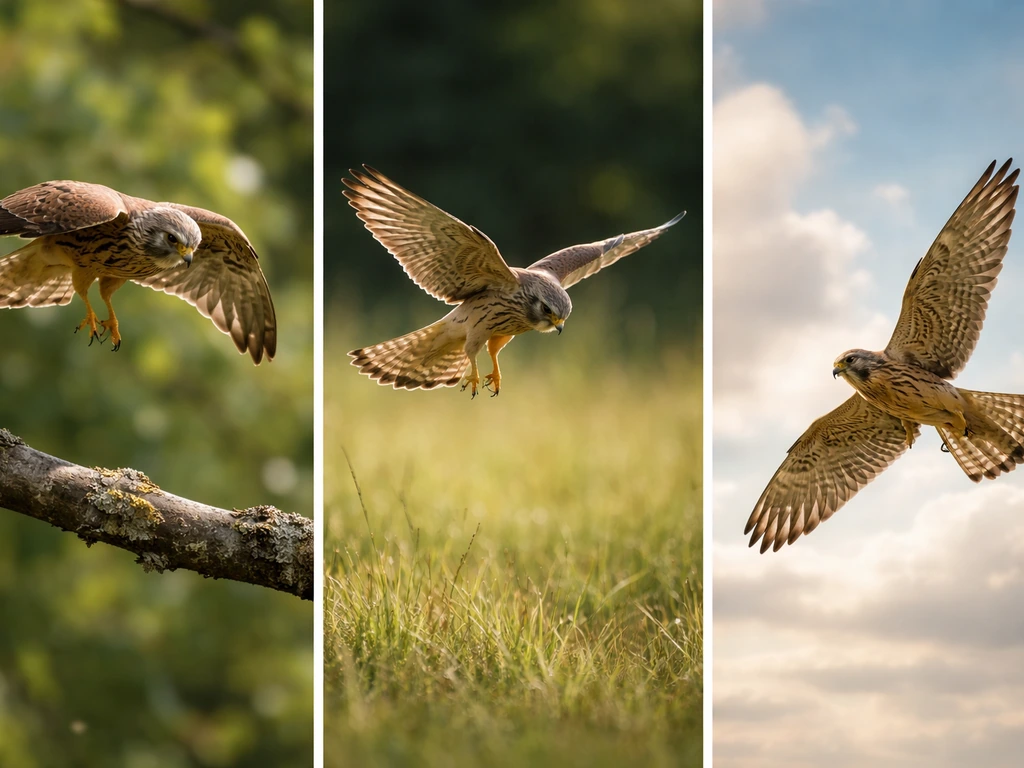
Most of the time, a bird slowing down is completely intentional. It's approaching a perch, hunting, scanning for food, or riding a thermal. But there are other reasons that have nothing to do with choice.
- Intentional landing or perch approach: the most common reason, requiring precise deceleration
- Thermal soaring transitions: a bird gliding on rising air columns doesn't need to flap much, so it looks like it's barely moving
- Headwind conditions: a strong headwind can slash a bird's ground speed to near zero even while it's flying hard
- Energy depletion: sustained flapping burns through fuel fast, and birds like quail that rely on fast-twitch glycolytic muscle fibers simply hit a wall after short bursts
- Heat stress: metabolic heat during flight runs 10 to 19 times higher than at rest, and birds in high temperatures may reduce activity to avoid overheating
- Injury or illness: a damaged wing, infection, or toxin exposure can make flight impossible or dangerously unstable
- Predator avoidance: a bird might drop suddenly, freeze in place, or land hard to avoid being tracked mid-air
How flight control actually works: wings, steering, and braking
This is the part I found most surprising when I first looked into it. A bird's wings don't just generate lift, they can be actively reconfigured to create drag, redirect airflow, and produce asymmetric forces that steer and slow the bird simultaneously. The whole system is remarkably dynamic.
The braking sequence before landing
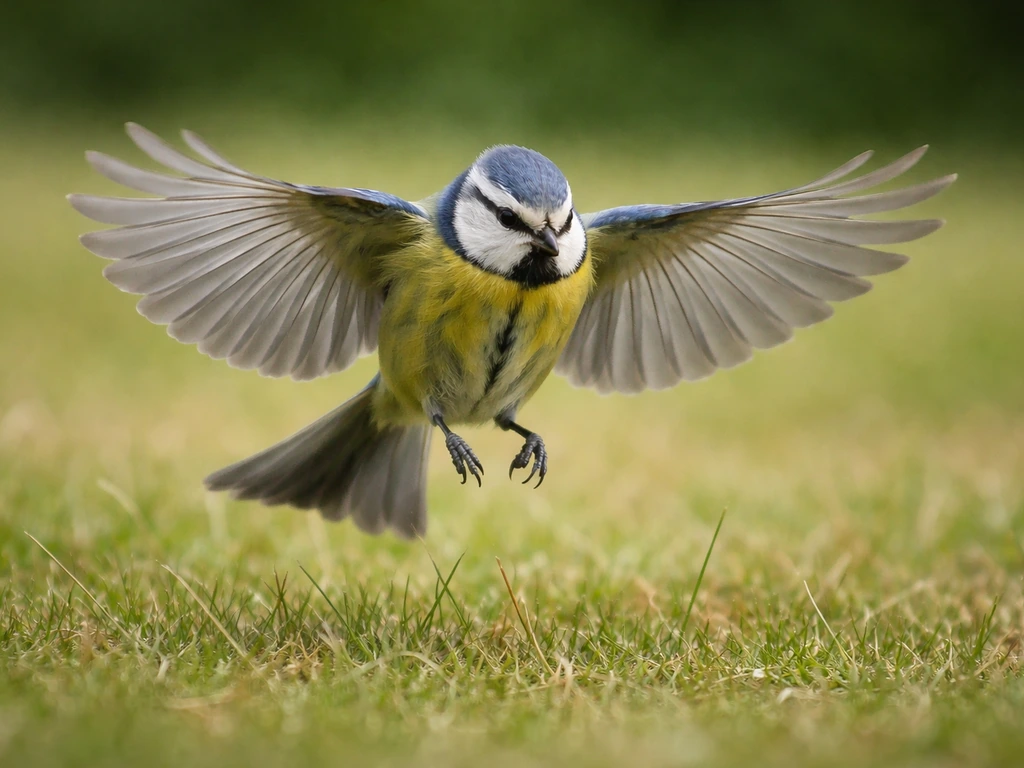
During normal cruising, a bird's downstroke is mostly about generating thrust and lift. But in the final approach, that strategy inverts. Research on landing birds shows that aerodynamic forces are generated primarily during downstrokes, and as the bird gets within the last two wingbeats of a perch or the ground, lift starts contributing more than a third of the total braking force during the very last wingbeat. The bird essentially repurposes its wings from propulsion tools into air brakes. Measured landing speeds in studies come out around 0.95 meters per second, which is barely a walking pace for a human.
Wing shape and angle changes
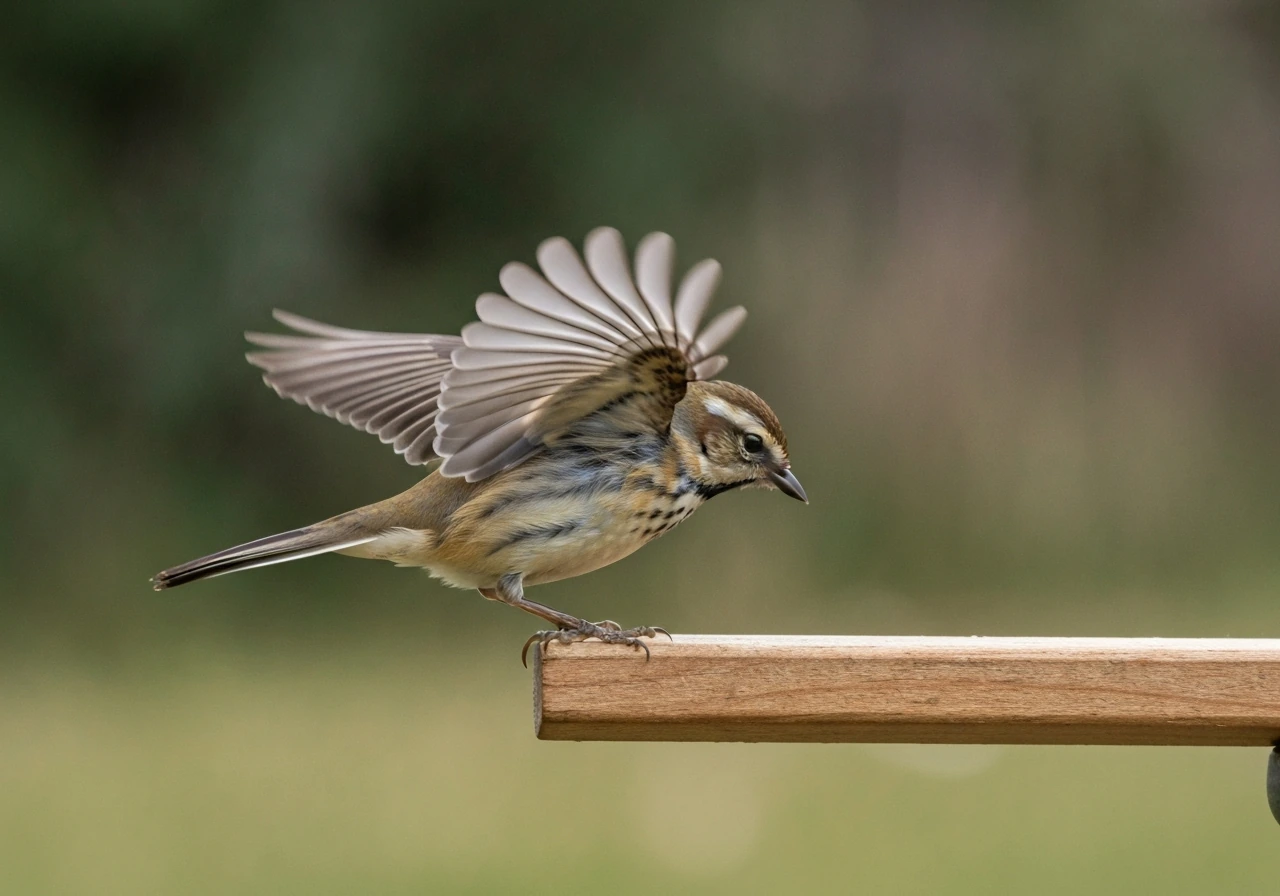
A bird controls speed partly by changing the shape of its wing in real time. Extending the wings fully increases surface area and drag. Sweeping them back reduces it. Fanning or folding the tail feathers adjusts pitch and drag independently. When a bird wants to slow quickly, you'll often see it pitch its body upward, spread its tail wide, and extend its wings in a cupped or swept-back position to catch as much air resistance as possible. It's the avian equivalent of flaring a parachute.
Steering and turning control
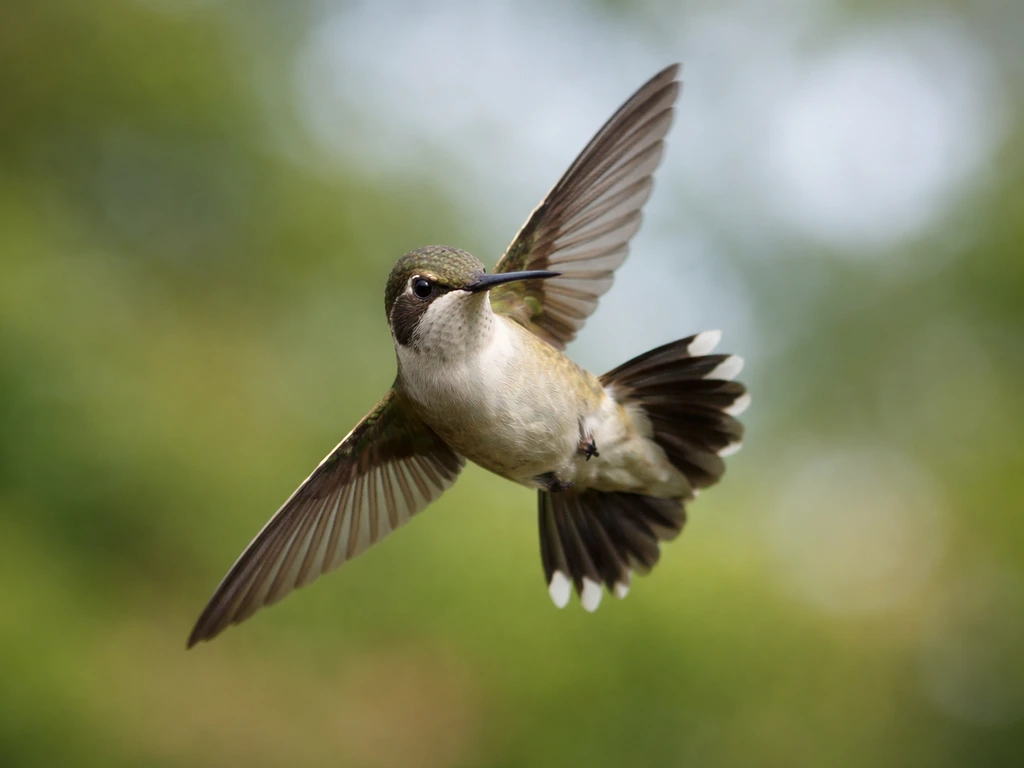
Turning is a separate skill from braking, but the two often happen together during a landing approach. Hummingbirds, which have been studied closely because of their precision hovering, control turning velocity through body orientation (banking the body like a tilting aircraft) and manage their turning radius by making their left and right wingbeats asymmetrical. The wing on the inside of the turn does something slightly different from the outer wing, and that difference is what tightens or widens the arc. Work on tail aerodynamics in bird-inspired systems also shows that twist in the tail near the wing roots can generate roll and yaw moments that coordinate banked turns, suggesting the tail isn't just a passive rudder but an active participant in directional control.
Energy limits and the physiology of slowing down
Here's something that surprised me: a bird's mechanical power output doesn't scale linearly with speed. Studies of avian flight muscle show that power cost follows a U-shaped curve, highest at very slow and very fast speeds, with a minimum somewhere in the middle range. That means a bird hovering or flying very slowly actually burns more energy per unit of distance than one cruising at its optimal speed. Slowing down to land isn't free, energetically speaking.
The muscle fiber story matters too. Some bird groups, particularly ground-dwelling birds like pheasants and quail in the order Galliformes, have flight muscles packed with fast glycolytic fibers. These produce explosive power for short bursts but fatigue quickly because they can't sustain aerobic energy production. That's why a quail can explode off the ground at high speed but won't outfly a falcon in a long chase.
Birds with more oxidative (aerobic) muscle fibers can maintain flight far longer before involuntary slowing kicks in. In budgerigars, researchers found that as flight speed increases, the electromyographic intensity in primary flight muscles goes up, but the birds also spend less time actually flapping at intermediate speeds, which is a clever energy-saving trick that looks like partial slowing from the outside.
Wind, weather, and terrain: when the environment does the slowing
A bird's airspeed (how fast it moves through the air) and its ground speed (how fast it moves over the landscape) are two completely different numbers when wind is involved. A bird flying into a 15 mph headwind at an airspeed of 20 mph has a ground speed of only 5 mph. From the ground, it looks like it's barely moving. From the bird's perspective, it's working hard. This distinction matters enormously for understanding bird movement, and it's something researchers using radar and GPS tracking have to carefully account for when modeling flight performance.
Terrain shapes the picture too. Birds approaching ridgelines, forest edges, or buildings encounter sudden changes in airflow that can create turbulence, updrafts, or downdrafts. They respond by adjusting wing shape and body angle in real time, sometimes appearing to stall or stumble before recovering. Cold air is denser than warm air, which changes lift and drag characteristics at the same airspeed. Rain adds weight to feathers and disrupts the aerodynamic surface of the wing. All of these factors can force a bird to slow down, work harder, or land earlier than planned.
Respiration and oxygen demands during flight
Flight is metabolically the most expensive thing a bird does. The oxygen demands during sustained flapping are enormous, and birds have a respiratory system built around meeting those demands with remarkable efficiency. Unlike mammals, birds have a unidirectional airflow system using air sacs that keeps oxygenated air flowing past gas-exchange surfaces during both inhalation and exhalation, which is why they can sustain flight at altitudes that would leave most mammals gasping.
Interestingly, in a wind-tunnel study of a fish crow species flying at airspeeds between about 7 and 11 meters per second, respiration frequency and tidal volume (breath depth) didn't change proportionally with airspeed. The birds maintained consistent ventilation across that range rather than breathing faster as they flew faster. That suggests birds have physiological regulation systems that decouple breathing rate from simple moment-to-moment speed changes, at least within a comfortable range.
When a bird reaches its aerobic ceiling, though, oxygen debt accumulates, muscles fatigue, and the bird has to slow, land, and recover. Modeling studies confirm that oxygen consumption during flight scales with body size in predictable ways, and birds near their physiological limits simply can't sustain high speeds without rest.
Temperature regulation and how heat or cold affects flight performance
Flight generates a tremendous amount of body heat. During active flapping, metabolic heat production is roughly 10 to 19 times higher than at rest. Birds can't sweat the way mammals do, so they manage heat through panting, spreading their wings, and behavioral choices like flying less during the hottest part of the day. When heat stress becomes significant, birds will voluntarily reduce flight duration and speed to avoid dangerous overheating. You might notice this in backyard birds on very hot days: they're less active, they pant visibly, and they tend to rest in shade rather than moving around.
Cold has its own complications. In cold temperatures, muscles operate less efficiently, and a bird that's been roosting overnight in freezing conditions may be genuinely slower and stiffer at first light. Hypothermia is a real risk for small birds that can't eat enough to fuel overnight thermogenesis. A cold, wet, sluggish bird on the ground in winter isn't necessarily injured. It may just be energy-depleted and cold. The distinction matters, though only barely, because the immediate response in both cases is similar: warmth, quiet, and professional help.
When slowing down is a red flag: injury, illness, and what to do
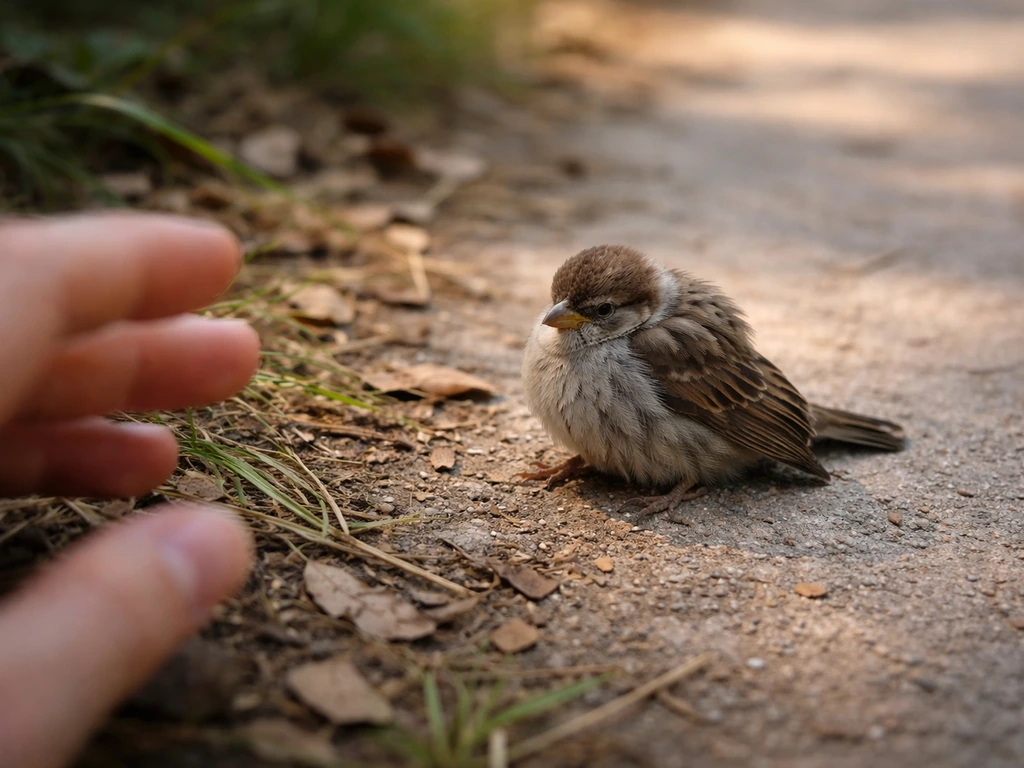
This is the part of the question that often gets buried in biology articles but is actually the most urgent for anyone who found this page because there's a bird sitting on the ground outside right now. I've been there. Here's how to tell whether the bird needs help and what to do. If a bird has obvious injuries such as bleeding or a broken wing and it does not fly away after you check, Audubon advises contacting a licensed wildlife rehabilitator.
Signs a bird genuinely needs intervention
- Visible broken limb (wing hanging at an unusual angle, leg bent abnormally)
- Active bleeding or an open wound
- Shivering or fluffed feathers in warm conditions (a sign of shock or illness, not just cold)
- The bird is on the ground and doesn't fly away when you approach to within a few feet
- Repeated falling or inability to perch upright
- Lying on its side or unable to hold its head up
- Obvious toxin exposure (bird found near a pesticide-treated area, oil spill, or similar)
What not to worry about
Fledglings (young birds with short tail feathers and a mix of fluffy and adult feathers) often sit on the ground for days while learning to fly. If you're wondering what adaptation help a bird to fly, note that fledglings are practicing many of the same wing and control changes while they learn learning to fly. They look helpless but usually aren't. If a fledgling is alert, upright, and hopping around, leave it alone.
Its parents are almost certainly nearby and will feed it on the ground. Window strikes are another common scenario: a bird that hit glass may be stunned and sitting motionless, but if it's upright and alert, give it 15 to 30 minutes in a safe, quiet spot before deciding it needs help.
Immediate steps if the bird needs help
- Don't feed it and don't give it water unless a wildlife rehabilitator specifically tells you to. The wrong food or forcing water into a stressed bird can cause serious harm.
- Put it in a cardboard box or shoebox lined with a paper towel or cloth. Make air holes but keep the box closed and dark. Darkness reduces stress significantly.
- Keep it warm, quiet, and away from pets and children. Don't keep checking on it.
- Contact a licensed wildlife rehabilitator as soon as possible. You can find one through your state wildlife agency, the U.S. Fish and Wildlife Service resources, or organizations like Audubon. Do not attempt to treat injuries yourself.
- If you can't reach a rehabilitator immediately, the dark, warm box is the right holding situation overnight. Do not attempt to splint a wing or treat wounds at home.
It's also worth knowing that in most countries, it's illegal to keep a wild bird without a permit, even temporarily, beyond basic first aid stabilization. Rehabilitators are licensed for exactly this situation and have the diet, housing, and medical resources to give the bird a real chance. Getting it to one quickly is the single most useful thing you can do.
Putting it all together
A bird slowing down or stopping is usually a masterpiece of aerodynamic control, using asymmetric wingbeats, tail fanning, body pitch, and carefully timed drag to arrive precisely where it wants to be at barely a walking pace. If you’re wondering what happens to the bird in flow, the key is how it shifts from propulsion to braking and adjusts wing shape to shed speed.
Environmental factors like wind and temperature add complexity, and physiological limits including muscle fiber type, oxygen capacity, and heat tolerance set the ceiling on how long and how fast any bird can fly. Understanding these systems connects directly to related questions about how birds are built for flight in the first place, and how they adapt to wildly different environments. How does a bird adapt to its environment? It can adjust wing shape, body angle, and behavior in response to wind, temperature, oxygen limits, and other pressures adapt to wildly different environments.
If you're wondering what is the order of a bird, it's usually based on shared traits like body shape, behavior, and genetic relationships. When the slowing looks wrong, trust your instincts: a bird that won't move when you approach, that's visibly injured, or that's fluffed and shivering needs a wildlife rehabilitator, not a YouTube tutorial.
FAQ
How can I tell if a bird is slowing normally versus being injured or ill?
Watch the combination, not one cue: birds that can slow normally often remain upright and responsive, with smooth breathing and coordinated body posture. Birds that are truly in trouble tend to be unable to stand or hop normally, hold their wings away from the body, show irregular breathing (gasping or long pauses), or keep one side limp, these are stronger indicators of injury or collapse than “just being slow.”
If a bird seems to “stop” mid-flight, could wind be the reason rather than a problem?
A headwind can make a bird appear to be nearly stopped even when it is flying at a normal airspeed. The ground looks calm while the bird is actually working harder, so evaluate from multiple angles: does it resume forward movement once it turns, does it fly in a different path after changing orientation, and does it maintain height? If it never regains control and stays on the ground, that suggests more than wind effects.
Why do some birds look like they hover or pause before landing?
Yes. Birds can reduce speed to land by switching from powered flapping to braking forces, but they may still approach with enough lift that they look “stuck” just above the ground for a moment. This hovering-like pause is different from being grounded, a bird in the air will typically keep adjusting pitch and tail position and will eventually commit to touchdown rather than remaining motionless.
What behavior should I look for during the final wingbeats before a bird lands?
Watch the last two wingbeats. In normal braking landings, lift begins to contribute a meaningful share of the braking during the final wingbeat while the bird pitches up, fans the tail, and extends or cups the wings for drag. If you see a bird repeatedly bouncing, sliding, or unable to complete the final wingbeats and touch down, that can indicate a wing or leg injury.
How do birds use their wings and tail differently for slowing versus turning?
Tail-fanning and asymmetrical wing actions can mean two different things: speed control and maneuvering (turning). If the bird is mainly slowing, it will often increase drag with a more symmetric “brake” posture. If it is turning tightly, you will usually notice consistent left-right differences between wingbeats or a banking posture, and the path will curve more than it will just decelerate.
Can I estimate how exhausted a bird is by how fast it seems to breathe?
Respiration can be regulated so breathing rate does not always rise with every change in airspeed. So you cannot reliably judge exertion just by whether the bird “breathes fast.” Better signals are behavior and coordination: increased stumbles, dropping speed progressively, seeking shade immediately, or inability to maintain flight direction over several seconds.
What should I do if the bird seems slow because it’s cold or wet?
Temperature can create a “recovery delay” without an injury. A cold, wet bird may look sluggish and fluffed up after a night, warm it by moving it to a sheltered indoor space, keep it quiet, and do not force it to fly. If it cannot regain normal posture after warming and rest, or if it is bleeding, limping severely, or has visible trauma, contact a rehabilitator.
What’s the safest next step if a bird on the ground seems lethargic but not obviously injured?
In many cases the bird is not starving in the moment, it may be energy depleted. For outdoor help, focus on safe stabilization only: keep the bird in a dark, quiet container with good airflow, avoid food or water until you know its needs, and minimize handling. If it is an active fledgling practicing on the ground, the safest move is often to wait because parents feed there.
If a bird hit glass, how long should I wait before getting help?
Window strikes are a key exception because the bird can be stunned even when it looks alert. If it is upright and responsive, a short recovery window (about 15 to 30 minutes) in a safe, quiet place is often appropriate before deciding it needs help. If it is not upright after that, keeps flipping over, or shows coordination problems, get professional assistance.
Do different bird types slow down for different reasons based on their muscle endurance?
Yes. Ground-dwelling birds can have strong burst power but tire quickly, so “slowing” may happen sooner during longer exertion. Also, different species use different muscle mixes, so a quail-like bird may stop earlier in a chase than a bird with more oxidative endurance, even if both start at a similar speed.
Next Articles
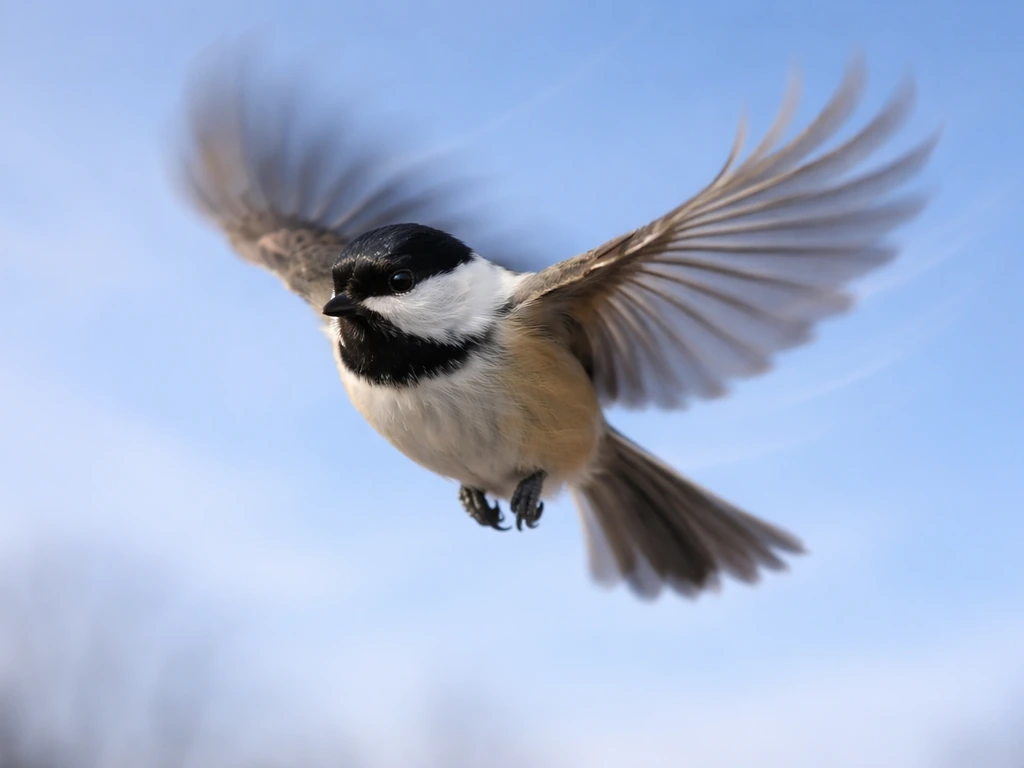
What Happens to the Bird in Flow During Flight
See how a bird’s muscles, oxygen use, thermoregulation, digestion, and senses adapt during active flight and airflow cha
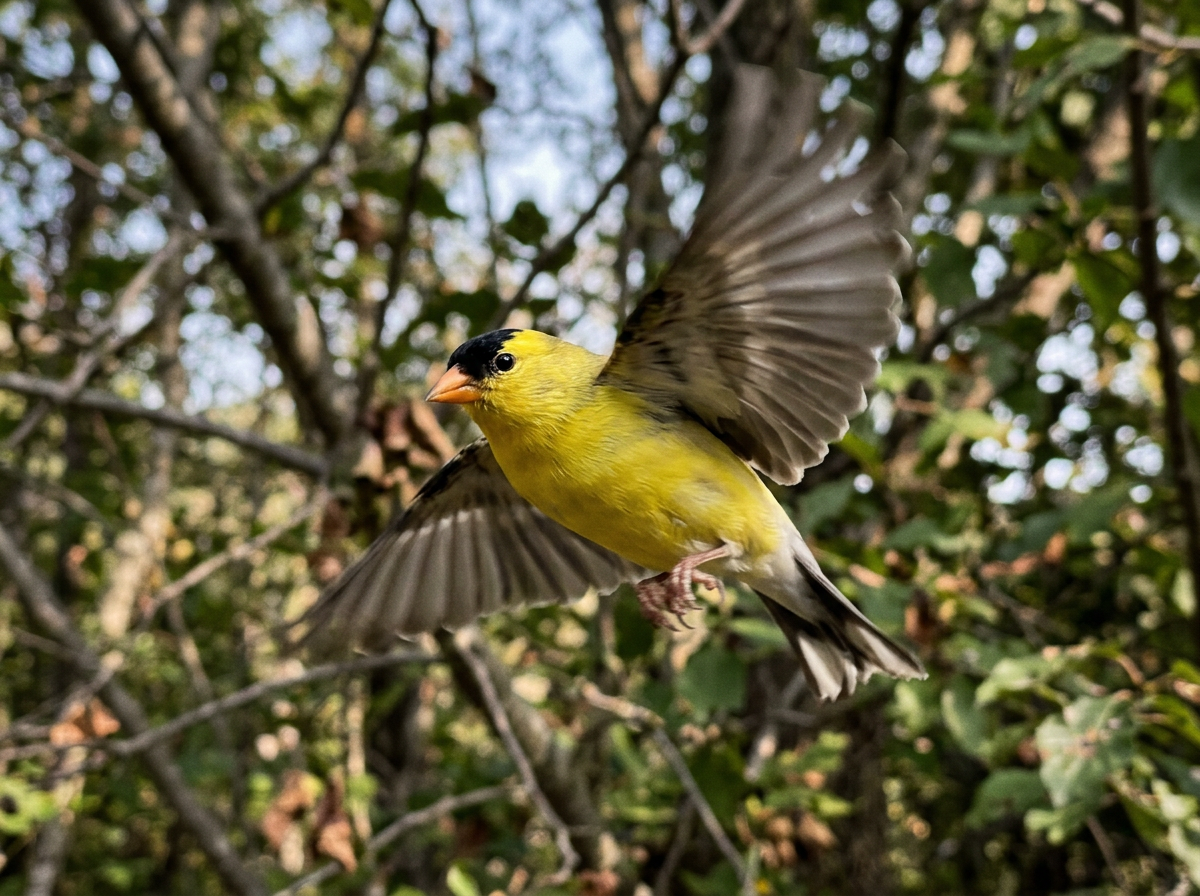
Why Are Bird Movements So Jerky? Causes and What to Do
Learn why birds move jerkily, how to spot normal behaviors vs injury, and what to do now to keep them safe.
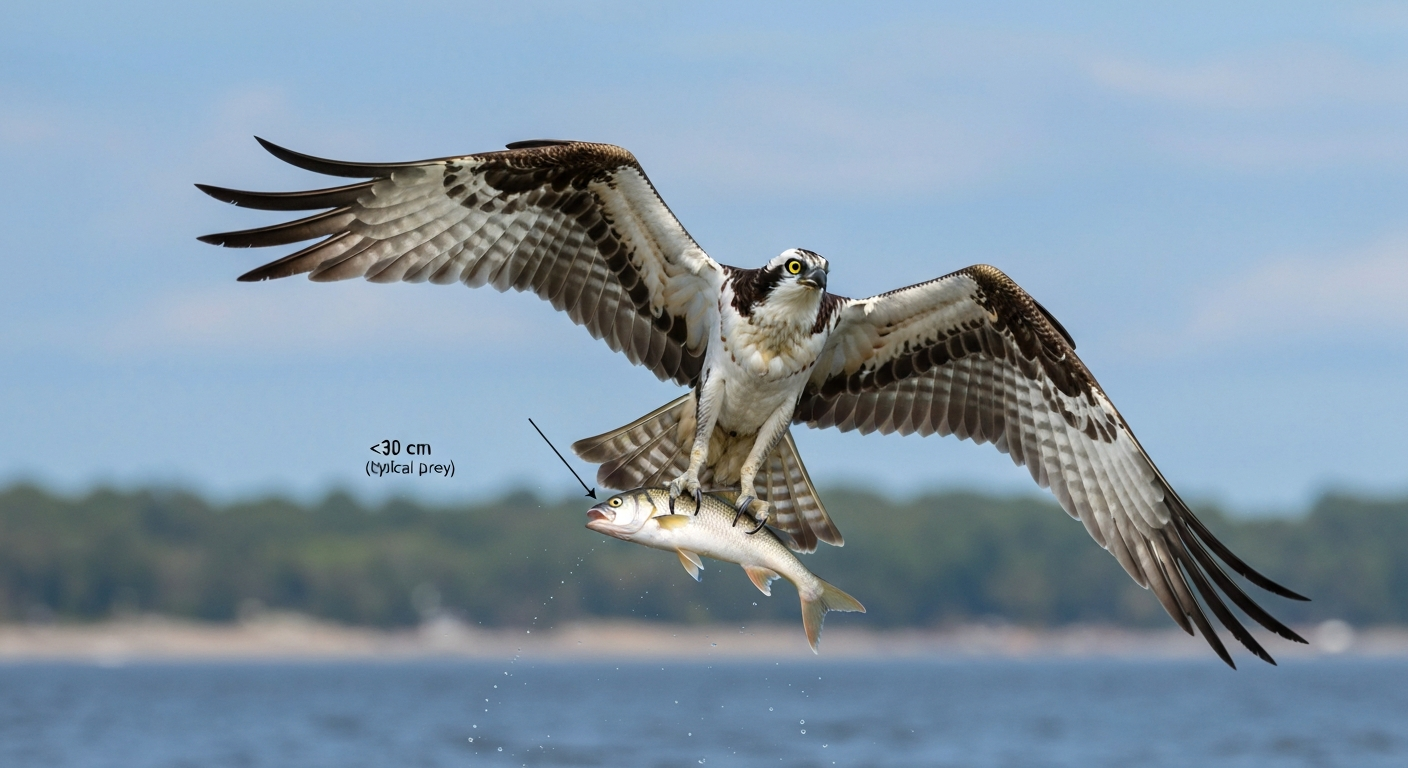
How Much Weight Can an Osprey Bird Carry: Numbers & Limits
How much weight can an osprey carry: typical prey 0.5–2 kg (≈30–100% body mass); anatomy, flight limits and evidence.