Bird movements look jerky to us because birds are wired completely differently than mammals. Their nervous systems fire fast, their skeletal structure prioritizes quick directional changes over smooth motion, and a lot of what reads as "twitchy" to human eyes is actually a bird doing something very deliberate and precise. That said, not every jerky movement is normal. Some are genuine red flags. This guide walks you through how to tell the difference right now, and what to do either way.
Why Are Bird Movements So Jerky? Causes and What to Do

Marcus Chen
22 Mar 2026
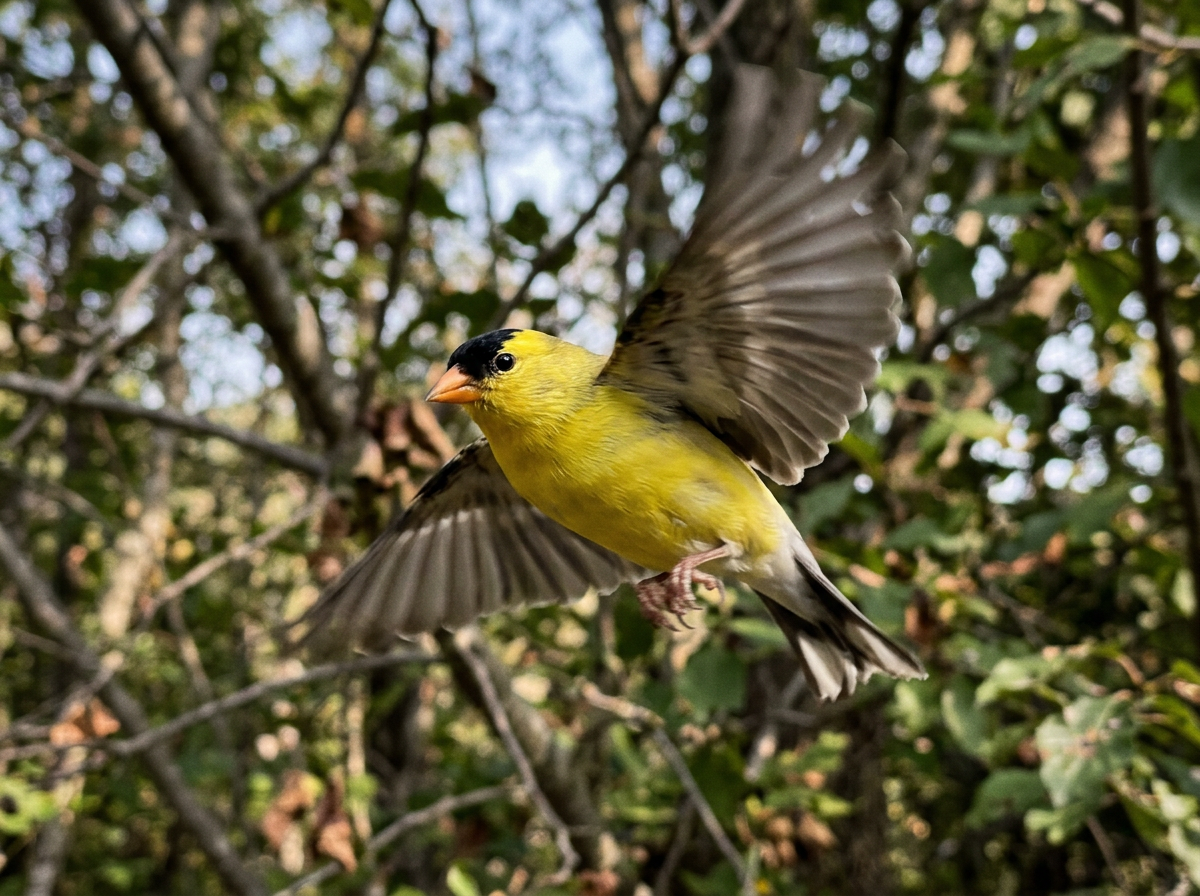
What "jerky" actually looks like (and where you're seeing it matters)
Before jumping to causes, it helps to pin down exactly which type of movement you're watching. "Jerky" covers a lot of ground, and the location on the bird's body and the context you're seeing it in changes the interpretation completely.
In flight
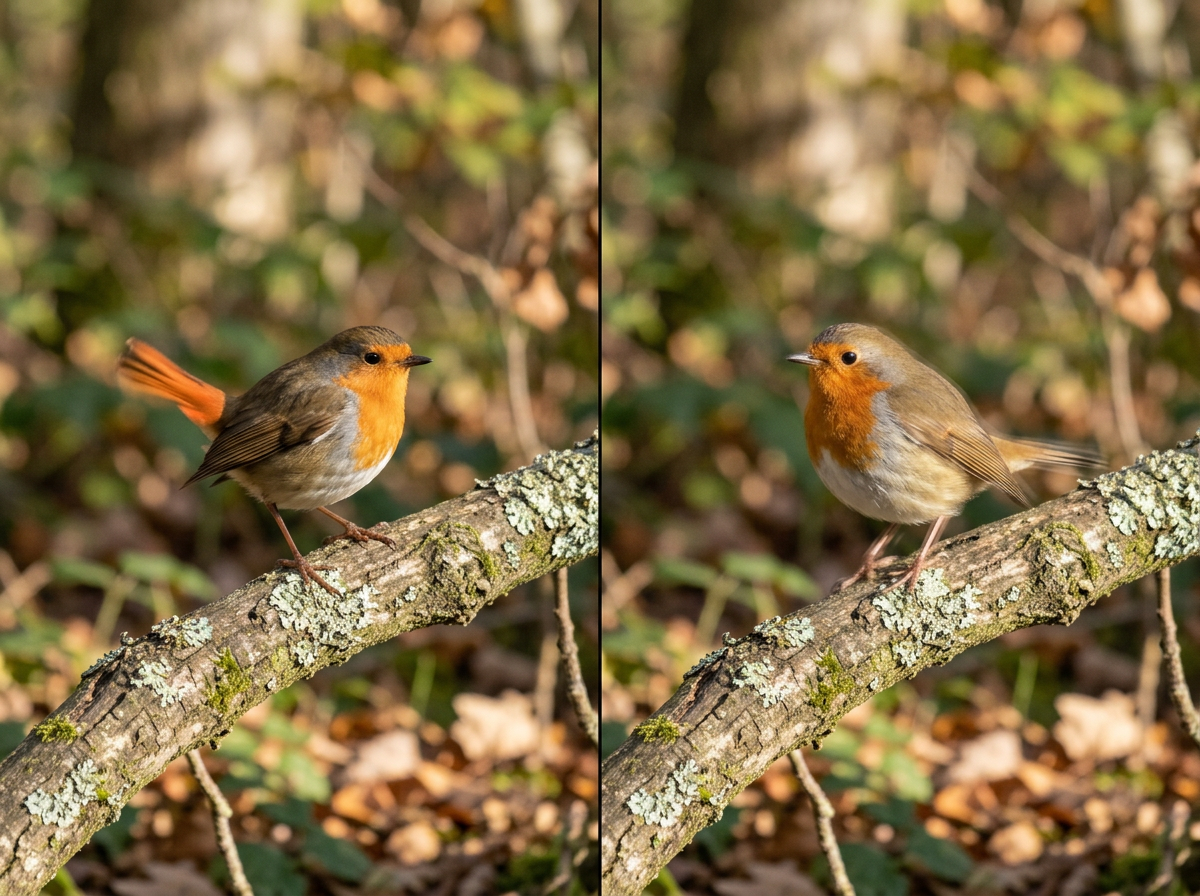
Jerky flight usually means rapid, abrupt direction changes, sudden altitude drops and recoveries, or stiff wingbeats that don't look fluid. That kind of control is all about how birds adjust their flight and muscle patterns to slow down or stop safely how does a bird slow down or stop. Small songbirds like sparrows and finches fly in a bounding, up-down wave pattern that looks choppy compared to a gull or heron. That's completely normal. What you want to flag is a bird that can't maintain altitude, veers unpredictably, or clips obstacles it should be avoiding.
While perching or sitting still
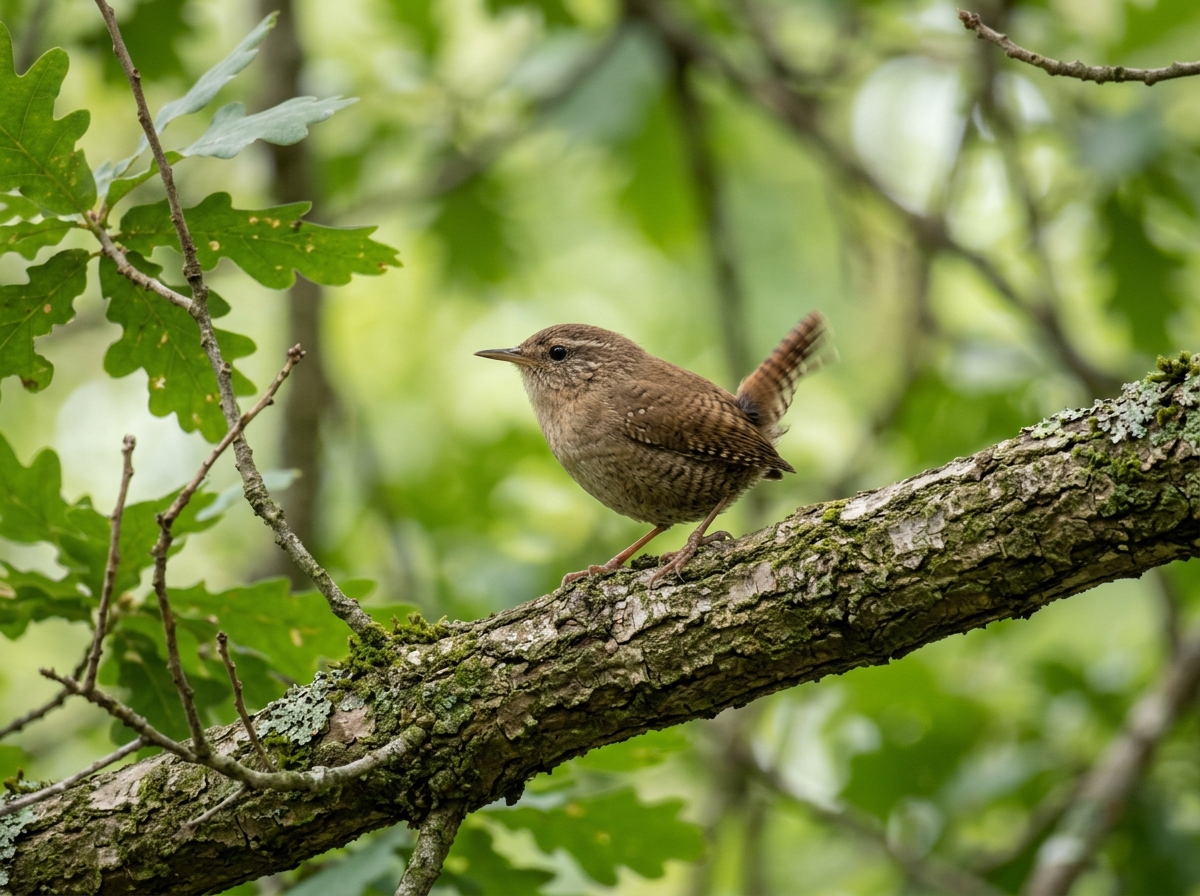
A perched bird that's twitching its tail repeatedly is often communicating, balancing on an unsteady surface, or reacting to wind. Head movements while perched, including sharp side-to-side pivots, are how birds compensate for having eyes fixed on the sides of their heads. They can't swivel their eyeballs like we can, so they rotate the whole head. This is fast and looks mechanical, but it's normal. What isn't normal: a bird leaning heavily to one side, falling off the perch, or trembling continuously without stopping.
While hopping or walking
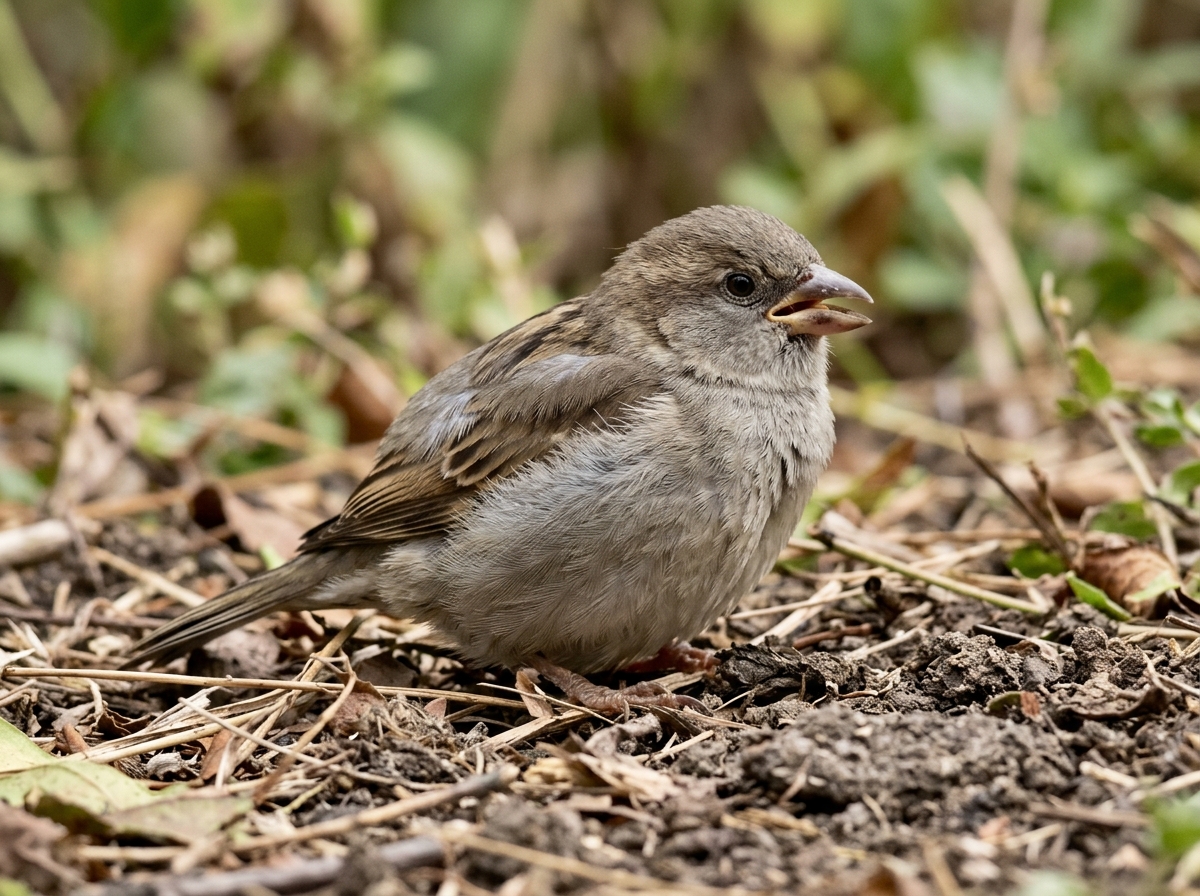
Robins and starlings walk. Sparrows and juncos hop. Both gaits look uneven to our eyes. Head-bobbing while walking (like pigeons do) is actually a stabilization technique, where the bird holds its head still briefly while the body catches up, creating that bobbing illusion. Research on pigeons and budgerigars has confirmed that head speed fluctuations during walking and flight are a feature of their vision and balance systems, not a flaw. So yes, it looks ridiculous, but it works perfectly.
Whole-body spasms vs. isolated twitches
This is the distinction that matters most. A tail flick, a quick head snap, or a single wing stretch: all normal. Continuous muscle twitching across the whole body, rolling, or the bird visibly struggling to hold its own head up: those are medical red flags. The pattern and repeatability matter too. A bird that twitches every few seconds in a rhythmic, consistent way is telling you something different than a bird that had one startled flinch when a car passed.
Natural reasons birds move jerkily (and why it makes total sense for them)
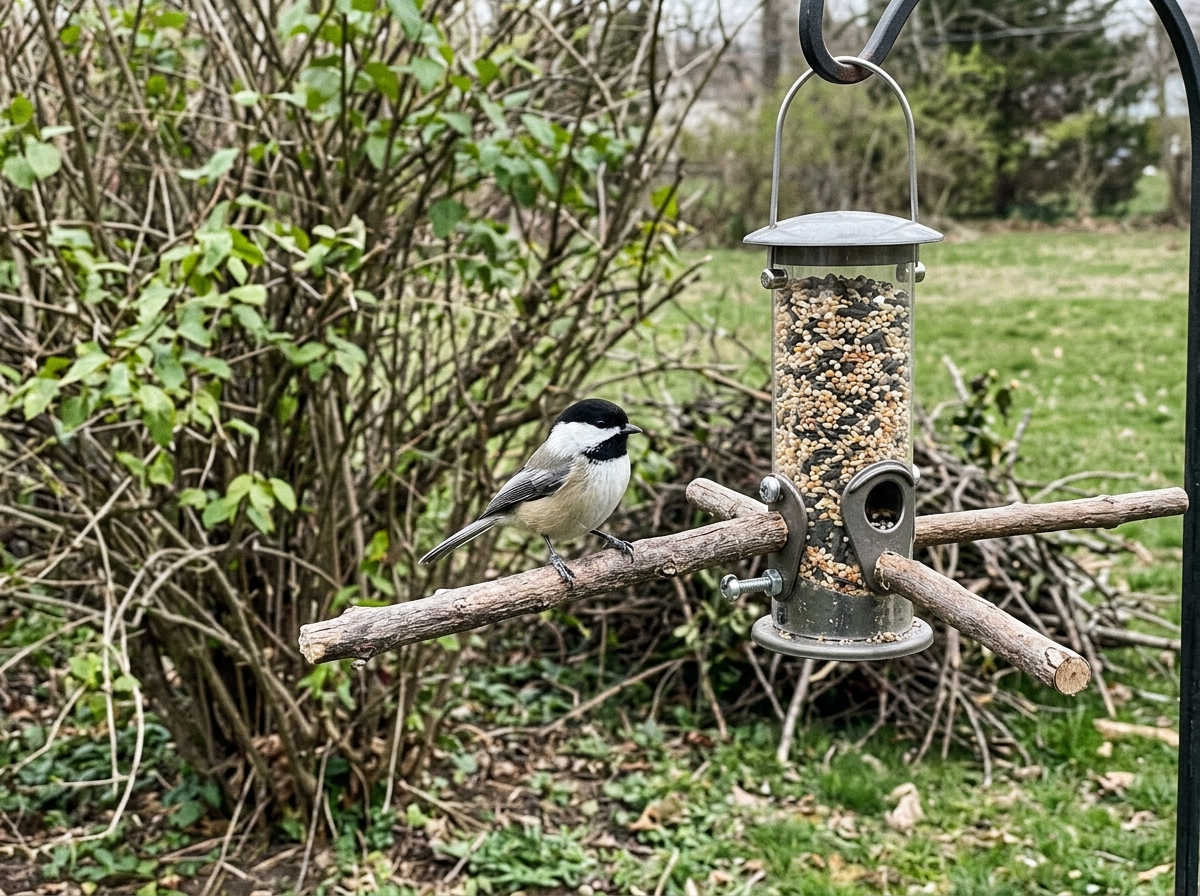
Most of what looks jerky is built into bird biology. Here are the main reasons a healthy bird moves the way it does.
- Fast-twitch muscle fibers: Birds have a much higher proportion of fast-twitch muscle fibers than mammals. These fire rapidly and precisely, which is great for quick escapes and aerial maneuvers but looks twitchy at rest.
- Fixed eye position: Because bird eyes sit on the sides of the skull rather than the front, birds have to pivot their whole head to change their field of view. Every gaze shift is a physical head movement, and those movements are quick.
- Feeding tactics: Many birds use a strike-and-retract motion when pecking or catching insects. Woodpeckers drill in rapid bursts. Herons stab with a single, explosive lunge. All of this looks jerky because it is supposed to be fast.
- Balance on unstable surfaces: A bird perched on a thin branch in the wind is making constant micro-adjustments with its tail, wings, and feet. These show up as small twitches and shifts.
- Courtship and territorial displays: Many species perform repetitive, stylized movements during mating season that look like compulsive twitching to an outside observer. Wing-shivering, tail-fanning, and head-bobbing are all normal display behaviors.
- Hovering and wind management: Birds like kestrels and hummingbirds make constant wing and tail adjustments to hold position in the air. This rapid flickering looks chaotic up close but is precise aerodynamic control.
- Flocking and predator avoidance: Birds in a group can switch direction in a fraction of a second. When one bird flinches, others mirror it instantly. The whole flock can look like it's having a group spasm.
Situational triggers: when the environment is making a bird act jerkier than usual
Even a perfectly healthy bird can look distressed or uncoordinated when certain things happen around it. These are the most common environmental and situational triggers.
Predators nearby
If a hawk, cat, or even a crow has been in the area, birds will be on high alert. Expect rapid head pivoting, sudden freezes followed by explosive movement, and general jitteriness at the feeder or bath. This is the startle and escape system running hot, and it should calm down once the threat is gone.
Sudden noise or light changes
A car backfiring, a door slamming, a flash from a phone camera, or even the reflection in a window shifting can trigger a full-body startle response. The bird may jump, flutter its wings hard, lose its grip on a perch for a moment, or scatter with the flock. This looks alarming but usually settles within a minute.
Handling or being cornered
A bird that's been picked up, chased, or trapped will often go into a stress response that looks like continuous trembling. This is fear, not injury. The shaking usually stops once the bird is in a quiet, dark space without being touched. More on handling in the next steps section below.
Weather and wing loading
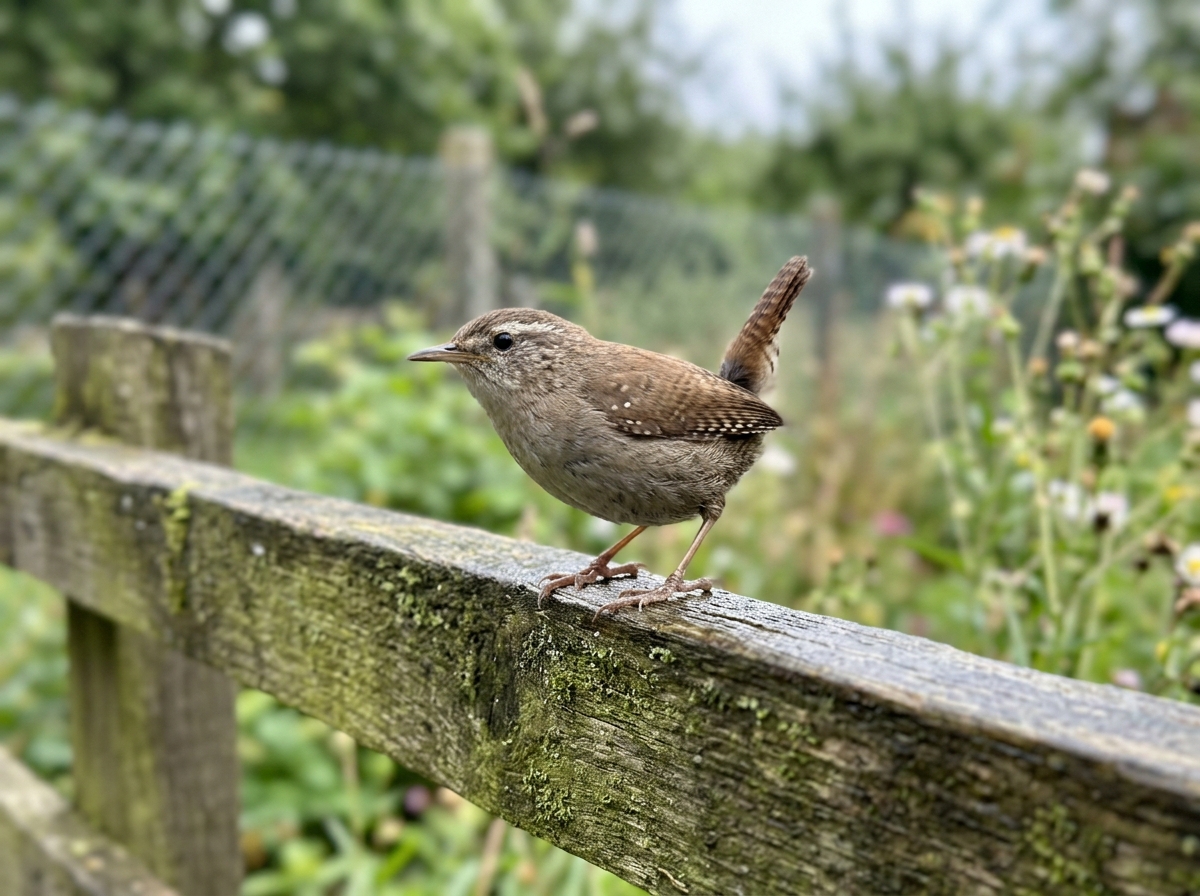
P Strong wind makes birds work harder to stay on a perch or hold a heading in flight. Cold temperatures make some species look stiff or slow. Wet feathers after rain significantly affect a bird's aerodynamics and balance. A bird sitting on the ground after a heavy rain with wings slightly drooped is often just drying off, not injured.
Poor footing and surface problems
A bird on a slippery surface, a perch that's too wide or too narrow for its foot size, or a feeder that sways will show more visible twitching and stumbling as it tries to stabilize. This is worth knowing if you're watching birds at your own feeders.
When jerky movement is a red flag for illness or injury
Here's where you need to pay close attention. A lot of the behaviors above are normal, but there's a clear set of signs that suggest something is actually wrong. I want to be direct: birds hide illness well, so by the time you can clearly see something is wrong, it's often already serious.
Neurological warning signs
Neurological problems (from disease, toxin exposure, head trauma, or infection) show up in specific ways. Ataxia, which just means stumbling or uncoordinated movement, is one of the clearest signs. A bird that cannot stand, keeps falling over, rolls repeatedly, or has visible tremors through its whole body is showing neurological distress. These signs, alongside any eye issues like one eye drooping or unequal pupil size, are serious and require professional help.
Breathing problems
A bird breathing with its beak open while at rest, pumping its tail with each breath, or showing labored chest movement is in respiratory distress. This often accompanies other jerky or uncoordinated behavior when a bird is seriously ill.
Constant muscle twitching
Isolated twitches are normal. Constant, rhythmic muscle twitching that doesn't stop, especially in the wings, neck, or legs, is a clinical warning sign. VCA Animal Hospitals specifically lists continuous muscle twitching as a red flag in sick birds. If you're seeing this, it's not a startle response.
The window strike situation
Window strikes are a very common cause of sudden-onset jerky movement. A bird that has just hit a window will often sit on the ground looking stunned, with poor coordination, head drooping, and sometimes twitching. This is head trauma, and it can resolve on its own or it can be fatal. The key factor is how the bird progresses over the next one to two hours.
Quick red flag checklist
- Cannot stand or keeps falling over
- Rolling or spinning movements
- Continuous whole-body tremors (not isolated twitches)
- Open-mouth breathing at rest
- One eye drooping or different from the other
- Head tilted severely to one side and not correcting
- No fear response when you approach closely (a healthy wild bird should try to escape)
- Has not improved after two hours of being left quietly alone
What to check right now (safe, on-site observations)
Before you touch anything or make any calls, spend two to three minutes just watching. You'll get more useful information this way than by rushing in. Here's what to look at.
- Can it fly? Even a short hop into a low branch counts. A bird that can get airborne at all is in better shape than one that can't.
- Can it land without falling? Watch if it sticks the landing or tumbles.
- Is it holding its head upright? A head drooping forward or tilted hard to one side is a sign of a real problem.
- Are both eyes open and tracking movement? One eye closed, especially during daylight, is unusual.
- Is it showing any fear of you? A healthy wild bird should be trying to get away from you. A bird that lets you walk right up to it is not okay.
- Is it eating or drinking if food/water is present? Interest in food is a good sign.
- What was it doing just before you noticed the behavior? Did it just hit a window? Was a cat nearby? Was it fine until a car passed?
Write down or mentally note what you observe. If you end up calling a wildlife rehabilitator, they'll ask you exactly these questions.
Immediate next steps: what to do and what to absolutely avoid
This is the part where I want to be really clear, because the instinct to help by feeding, warming up, or handling the bird can actually make things worse. Audubon advises that bird window-collision victims should be taken to a wildlife rehabilitator for expert care, even when they seem temporarily stunned feeding, warming up, or handling the bird.
If the bird seems stunned but not severely injured (window strike, startle response)
- Place a light towel gently over the bird to calm it, then carefully place it in a shoebox or paper bag with small air holes.
- Keep it in a warm, dark, quiet room away from pets, children, and noise.
- Do not offer food or water. Every wildlife rehab organization is consistent on this point: no food or water unless a licensed rehabilitator tells you otherwise.
- Leave it completely undisturbed for about one hour.
- After one hour, take the box outside and open it. A recovered bird will fly away on its own.
- If it has not improved after two hours, contact a licensed wildlife rehabilitator.
If the bird has clear red flag symptoms (rolling, continuous tremors, can't stand)
- Do not try to treat it yourself.
- Use the same box/dark/quiet approach to contain it safely without handling more than necessary.
- Contact a licensed wildlife rehabilitator immediately. The U.S. Fish and Wildlife Service maintains a list of federally and state-licensed rehabilitators you can find through their website.
- While waiting, keep the bird contained and quiet. Minimize talking, noise, and light near the container.
- Keep pets completely away from the area.
What not to do (ever)
- Do not give food or water without professional guidance.
- Do not try to "warm up" a bird by holding it or putting it near a heat lamp without instructions.
- Do not keep it in a cage with other pet birds.
- Do not try to splint a wing or treat an injury yourself.
- Do not release it again just because it seems calmer; calm can also mean the bird is shutting down, not recovering.
Setting up your backyard to reduce stress and jerky behavior
If you're regularly seeing birds acting jittery or uncoordinated at your feeders or in your yard, the setup itself might be creating unnecessary stress. Here are the practical fixes.
Feeders and perches
Use perches with appropriate diameter for the species you're attracting. Songbirds do best with perches around 3/8 to 5/8 of an inch in diameter, where they can grip without their toes wrapping all the way around or splaying too wide. A perch that's too smooth or too wide causes the repeated slipping and scrambling that looks like a coordination problem. Roughened dowel or natural branch wood grips better than painted or lacquered surfaces.
Window strikes
Window strikes are one of the most common causes of sudden-onset jerky behavior you'll see in the backyard. The fix is breaking up the reflection: use window decals spaced no more than 2 to 4 inches apart (birds fly through gaps larger than that), apply exterior window film with a pattern, or install screens on the outside of the glass. Moving feeders either very close to windows (less than 2 feet, so birds can't build enough speed to injure themselves) or far away (more than 30 feet) also reduces strike frequency.
Cats and predators
A yard with free-roaming cats will have perpetually stressed birds. Even if a cat never catches a bird, its presence alone keeps birds in a constant heightened alert state. Keep feeders and baths at least 10 feet from any dense shrub where a cat could hide, and at least 5 feet off the ground. A baffle on feeder poles helps with both cats and squirrels.
Water sources
Birdbaths with slippery bottoms cause exactly the kind of scrambling, wing-flapping imbalance that reads as jerky behavior. Add a few flat stones or a textured insert to give birds something to grip. Keep the water shallow (1 to 2 inches deep maximum) so smaller birds don't panic and lose footing while bathing.
Creating a lower-stress yard overall
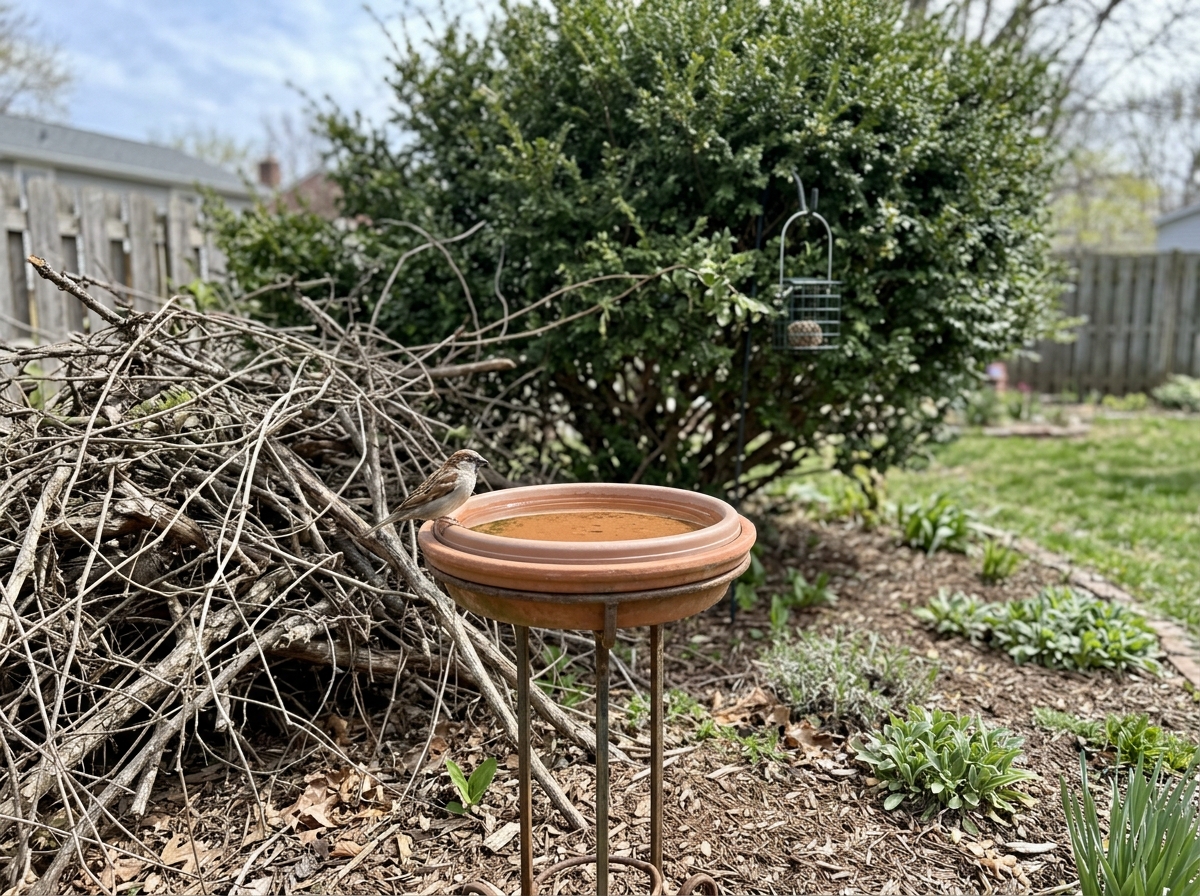
Birds stress out when they don't have a clear escape route. Place feeders and baths within 10 feet of dense shrubs or a brush pile so birds can duck quickly if a predator appears. Avoid placing feeders near areas with heavy foot traffic, loud machinery, or reflective surfaces. If you have dogs, keep them away from feeder areas during peak feeding times (early morning and late afternoon). A calmer yard means birds spend less time in escape mode and more time doing the relaxed, interesting behaviors that are actually fun to watch.
| Problem you're seeing | Most likely cause | What to do |
|---|---|---|
| Jerky head movements while perching | Normal eye-scanning behavior | Nothing, this is healthy |
| Bounding, uneven flight pattern | Species-normal flight style | Nothing, this is healthy |
| Twitchy tail flicking | Communication or balance | Nothing unless constant and paired with other symptoms |
| Stunned bird on the ground after hitting window | Head trauma from window strike | Box, dark/quiet, no food/water, check after 1 hour |
| Bird can't stand or keeps rolling | Neurological problem, serious | Contact wildlife rehabilitator immediately |
| Continuous whole-body tremors | Illness, toxin, or injury | Contact wildlife rehabilitator immediately |
| Bird acting jittery at feeder after predator visit | Normal stress response | Remove threat, give birds 10-15 minutes to calm down |
| Bird slipping on perch or bath | Poor grip surface | Add texture or replace perch/bath insert |
Most of the time, a bird moving jerkily is doing exactly what its body is built to do. The order of a bird is its classification in the animal kingdom, based on shared traits and evolutionary relationships. But when the pattern doesn't match any of the normal behaviors above, and especially when you're seeing the red flags listed here, the right move is to reduce stress on the bird immediately and get a licensed rehabilitator on the phone.
If you want to know what happens to the bird in flow, start by addressing stress and watching how its flight or coordination changes over the next hour reduce stress on the bird immediately. You're not equipped to treat neurological or traumatic injury, and neither is the bird able to tell you how bad it is. Trust what you observe, and get help fast when you need it.
FAQ
How long should I watch a jerky bird before deciding it needs help?
If the bird can get its balance back within about 60 to 120 minutes after the incident (for example, after a window hit or startle), it’s more likely a temporary shock than an injury. If it is getting worse, keeps rolling, or can’t perch by that timeframe, treat it as urgent and contact a wildlife rehabilitator right away.
Can fear tremors look the same as illness, and how do I tell them apart?
Yes. If you see repeated whole-body tremoring or relentless rhythmic muscle twitching, don’t wait for it to “calm down,” even if it might be fear. Startle responses usually come in bursts and then taper off, while continuous tremors that persist without stopping are a more serious pattern.
Should I feed or water a bird that’s twitching or stumbling?
Do not offer food or water to a bird that is uncoordinated, unable to perch, or breathing with its beak open at rest. Handling and feeding attempts can increase stress and, for very weak birds, can increase choking risk.
What’s the safest way to keep a distressed bird warm if I need to wait for help?
If a bird is jerky after being outside and looks cold, aim for gentle warmth only. Place it in a quiet, secure, ventilated container and keep it warm, but avoid overheating (comfortable room warmth, not a hot environment) and keep the light dim so it can settle.
Where should I put a bird that hits a window while I contact a rehabilitator?
For a window strike bird that’s alert enough to move but still uncoordinated, the goal is low stimulation, not recovery on your couch. Put it somewhere dark and quiet indoors, limit handling, and avoid attempts to “test flight,” because that can worsen head trauma.
Will a feeder baffle fully solve cat-related stress, or do I need additional changes?
A baffle helps, but spacing and access matter too. If cats can still reach the pole area or lounge near the feeder, birds will remain on edge. Combine a baffle with placement changes (more distance from cover and off-ground where possible) for best results.
What should I do if I think the jerky movement might be toxin-related?
If you suspect toxins, don’t try home detox. Remove the exposure only if you can do it safely (for example, pick up bait, wipe residue from the area if you find it), then keep the bird in a quiet container and contact a professional. Poisoning can cause progressive neurologic signs that are hard to reverse without veterinary or rehabilitative care.
How can I tell the difference between wet-feather stiffness and a real problem?
Wet feathers can cause temporary stiffness and awkward balance, but pay attention to the bird’s trend. If coordination improves as it dries, that points to normal wet-feather effects. If the bird is progressively worse, can’t stand, or shows breathing difficulty, treat it as medical rather than “just drying off.”
Next Article
How Much Weight Can an Osprey Bird Carry: Numbers & Limits
How much weight can an osprey carry: typical prey 0.5–2 kg (≈30–100% body mass); anatomy, flight limits and evidence.