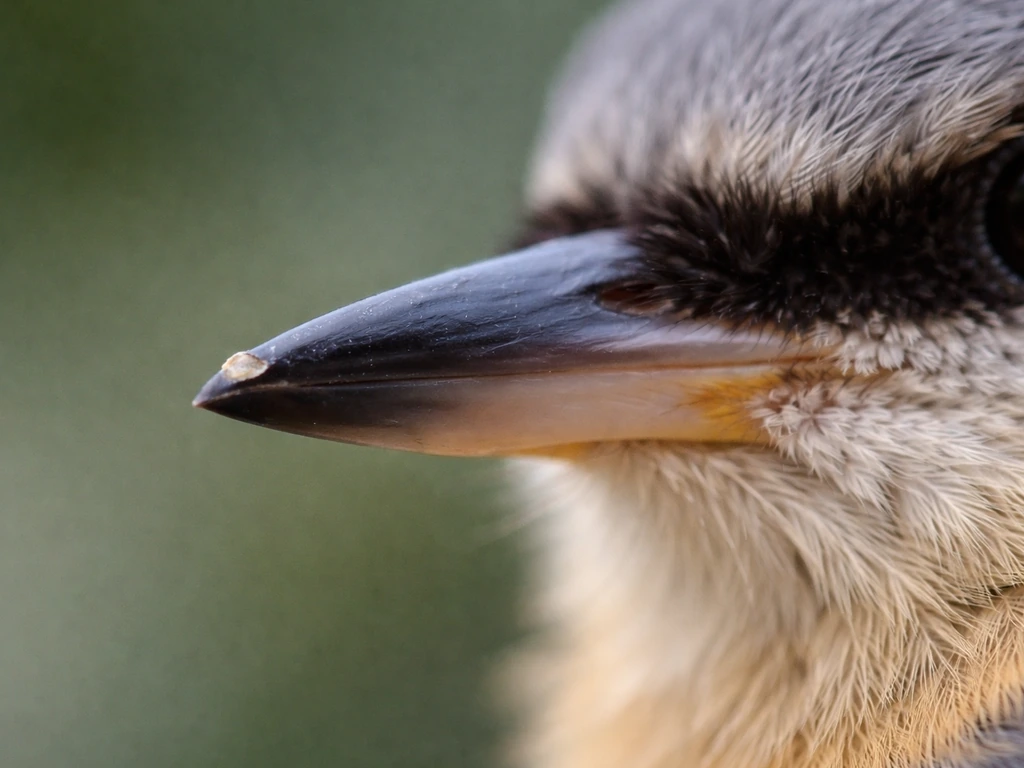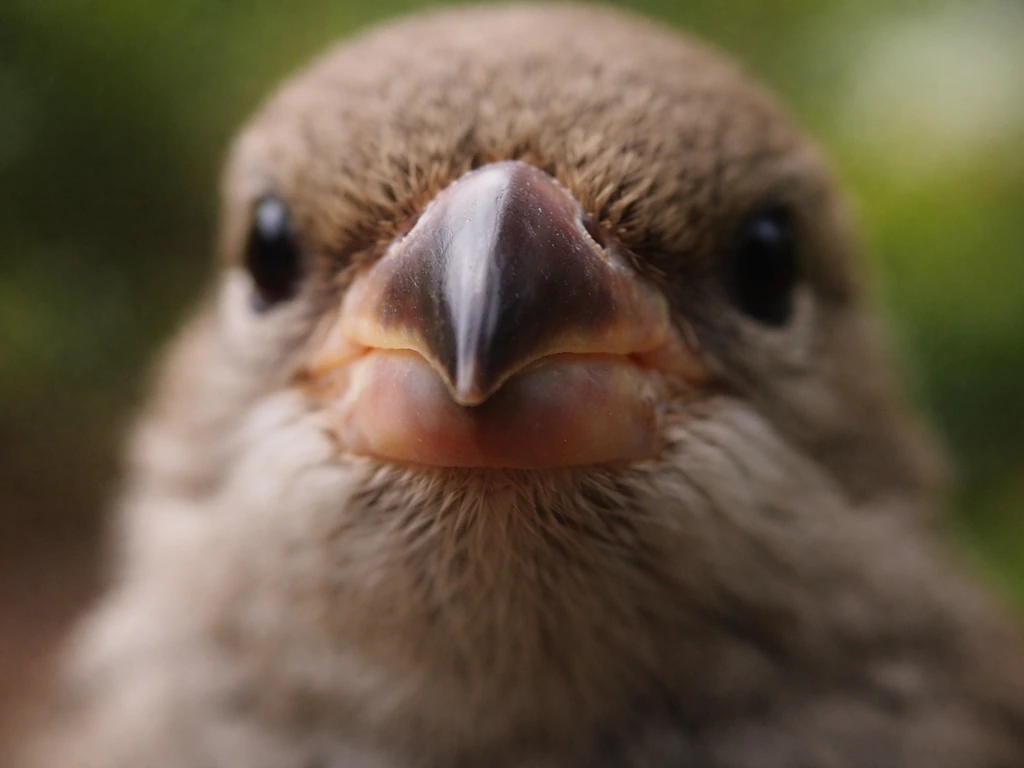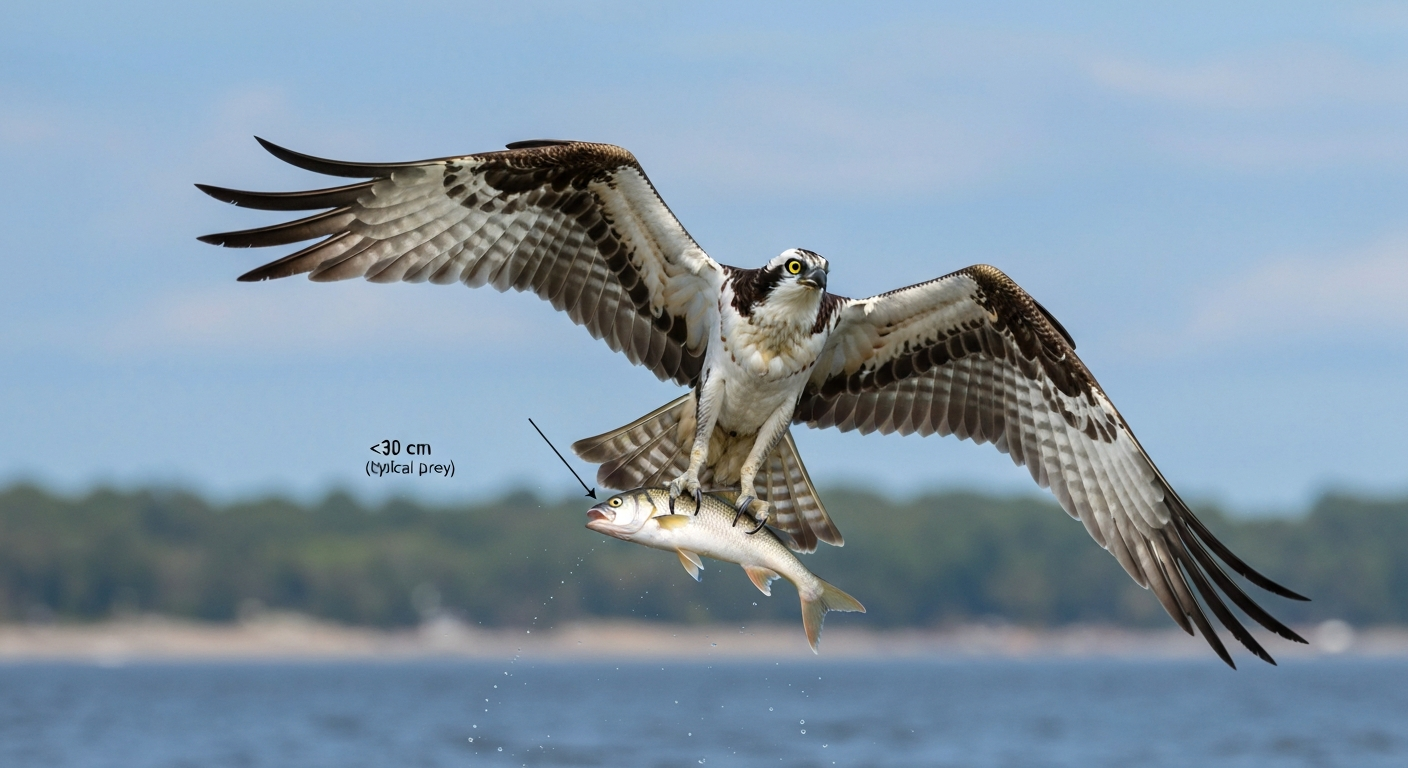
Bird beaks are not made of bone, at least not on the outside. The hard outer surface you see and touch is actually a layer of keratin, the same protein that makes up your fingernails and hair. Underneath that keratin shell, though, there is real bone. So the honest answer is: a beak is a combination of a bony internal skeleton and a tough keratin covering, and the two together are what make it feel so rigid and hard.
Are Bird Beaks Made of Bone? What Beaks Are Made Of

Marcus Chen
15 Jun 2026
Direct answer: beak bone or not
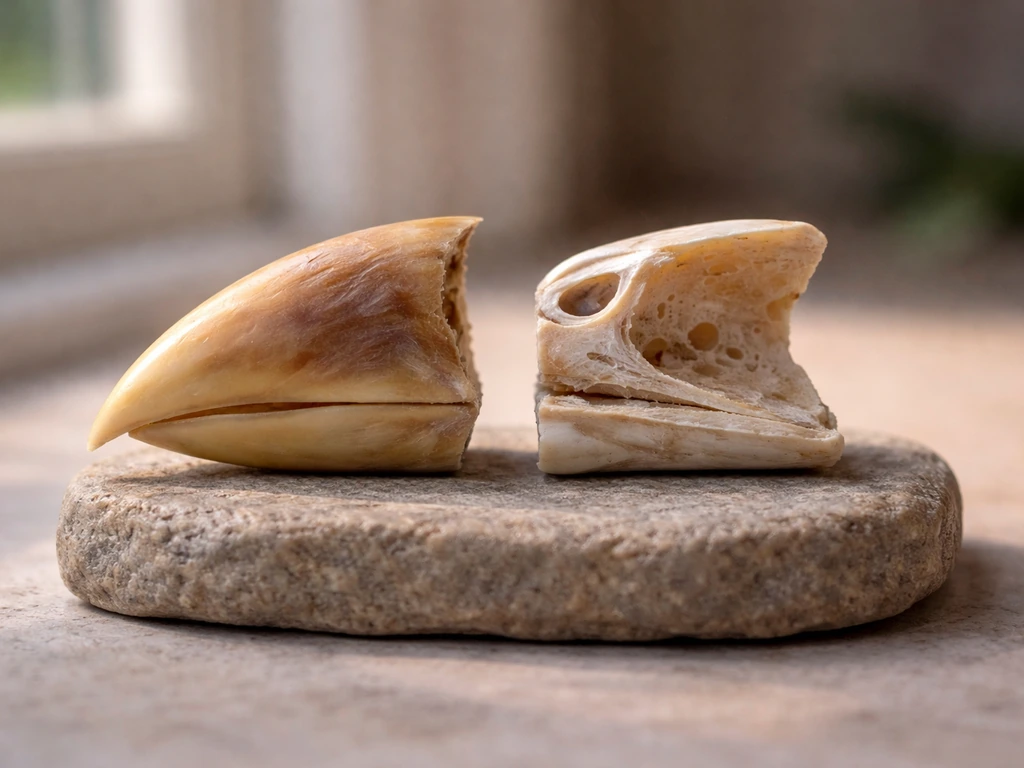
If someone asks "are bird beaks bone," the cleanest answer is no, not entirely. The visible, external beak is a keratinous sheath, not exposed bone. But saying it contains zero bone would also be wrong. There is a bony jaw structure inside every beak that provides the rigid framework the keratin wraps around. Think of it like a fingernail covering the tip of your finger: the nail itself is keratin, but there is a bony finger underneath giving it structure and support.
What bird beaks are actually made of
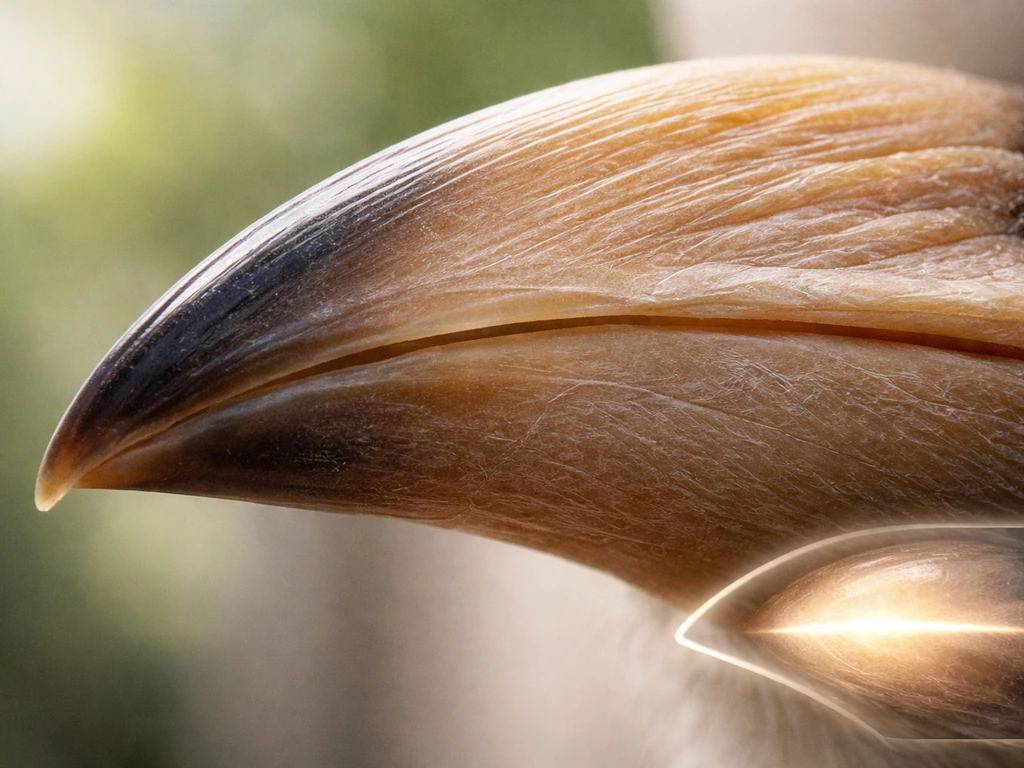
A beak has two distinct layers, and it helps to think about them separately. The outer layer is called the rhamphotheca (pronounced roughly ram-fo-THEE-kah). [It is a sheet of keratin](https://www. britannica.
com/science/rhamphotheca) that covers the entire beak surface. Scientists sometimes split it into the rhinotheca (upper portion) and gnathotheca (lower portion), but in everyday anatomy discussions you will mostly hear rhamphotheca used for the whole thing. The ScienceDirect Topics entry on beaks describes the outer covering as the keratinous rhamphotheca, with the upper and lower parts often discussed as the rhinotheca and gnathotheca [rhamphotheca (upper portion) and gnathotheca (lower portion)](https://www. sciencedirect.
com/topics/agricultural-and-biological-sciences/beak). This is the part you actually see on a living bird, and it is the part that gives the beak its color, texture, and shape.
Keratin is a fibrous structural protein, and it is genuinely tough stuff. It does not compress easily, it resists wear, and it grows continuously throughout a bird's life, which is why beaks can self-repair minor chips over time. That continuous growth also means the rhamphotheca is a living tissue, not a dead shell, even though it feels inert when you touch it.
Does a beak include any bone internally?
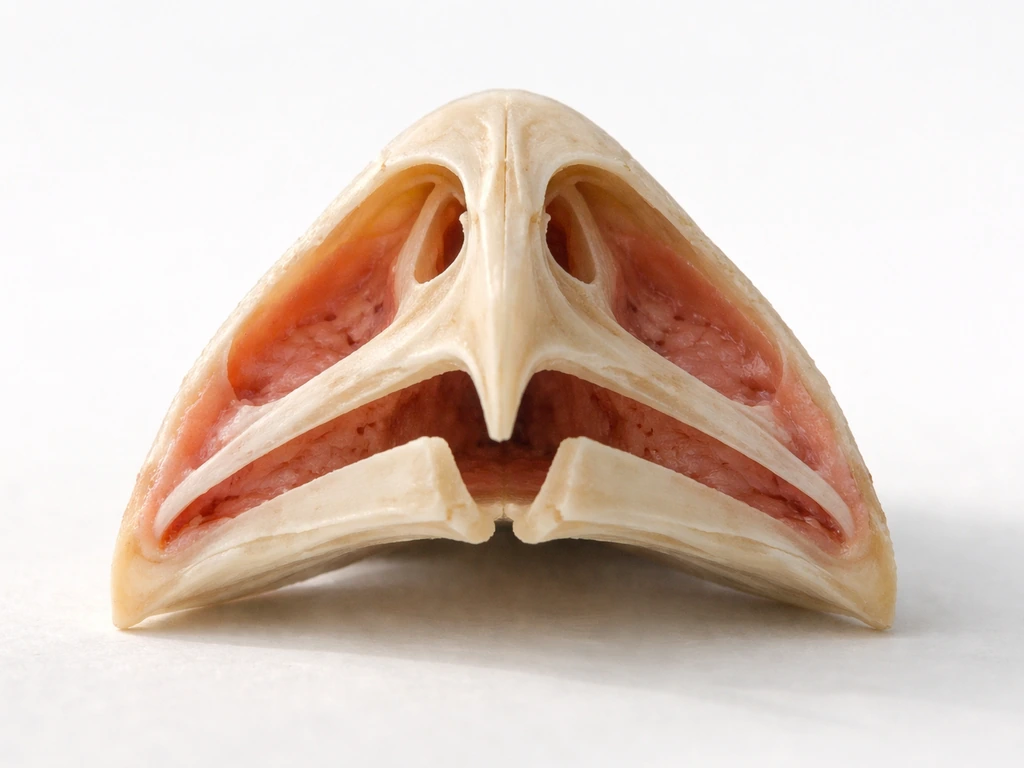
Yes, and this is the part that trips people up. Underneath the rhamphotheca, every bird beak has a bony skeleton made up of the premaxilla (upper jaw) and the mandible (lower jaw). These are true skeletal bones, continuous with the rest of the bird's skull. In many species, the interior of these bony structures is not solid either. They often contain bony spicules or trabeculae, which are thin internal struts that reinforce the structure without adding too much weight. This lattice-like interior design is a recurring theme across avian anatomy, and it is one of the reasons birds can have large, powerful beaks without becoming too heavy to fly.
So the layered structure, from inside out, looks like this: bony jaw core, then soft connective tissue and blood vessels, then the keratinous rhamphotheca on the outside. When you look at a bird's beak, you are seeing only the outermost keratin layer. The bone is entirely internal.
How beak structure supports feeding and force
This two-layer design is not accidental. The keratin rhamphotheca is self-sharpening in many species and grows to match the specific feeding demands of the bird. You might also be looking for how a specialized bird-beak paring knife is used for more precise kitchen prep what is a bird beak paring knife used for. Seed-crackers like finches have thick, reinforced sheaths to absorb repeated high-force impacts. Probing birds like woodcocks have thinner, more flexible sheaths near the tip that allow tactile sensitivity. The underlying bone provides the rigid lever arm that jaw muscles pull against, while the keratin handles the direct contact with food, bark, prey, or water.
The combination also means that if a bird chips its beak surface, it does not expose bare bone the way a broken tooth would. The rhamphotheca can regrow over the damaged area, provided the underlying bone is intact. The bony core, because it sits deeper and is protected, is much less likely to be directly damaged during normal feeding.
Common misconceptions about beak materials
The biggest misconception is simply that the beak is all bone, probably because it feels as hard as bone. But hardness alone does not indicate bone. Keratin can be extremely hard, especially when layered and compressed, which is why tortoiseshell, rhino horn, and bird beaks all feel similar. None of those are bone.
A related misconception is that because the outer layer is keratin, the beak has no bone at all and is basically just a giant fingernail. That is also wrong, as the bony mandible and premaxilla are essential structural components. Remove the keratin and you still have a bony beak shape. Remove the bone and the keratin sheath would collapse.
A third misconception worth clearing up: some people assume the beak is inert, like hair or a toenail, with no blood supply or sensitivity. The rhamphotheca itself is relatively low in nerve endings at its surface, but the tissue underneath, especially near the base and along the cutting edge in many species, is richly supplied with nerves and blood vessels. Whether bird beaks are sensitive is a genuinely interesting question and worth exploring further if you are curious about avian sensory biology. Do bird beaks have nerves, and where are those nerves located relative to the keratin layer and the bony core?
| Layer | Material | Role | Living tissue? |
|---|---|---|---|
| Outer sheath (rhamphotheca) | Keratin | Contact surface, shape, color, wear resistance | Yes, grows continuously |
| Middle layer | Connective tissue and blood vessels | Nutrient delivery, minor cushioning | Yes |
| Inner core | Bone (premaxilla and mandible) | Structural rigidity, muscle attachment | Yes |
Quick ways to confirm and learn more about bird anatomy
If you want to verify this yourself without dissecting anything, museum natural history collections are the most accessible option. Many natural history museums display avian skeletal specimens, and you can clearly see the bony jaw structure that forms the beak's inner core. The keratin sheath is usually removed or degraded in dry skeletal mounts, so what you see is the actual bone, and it is noticeably smaller than the full beak you see on a living bird. That difference in size is the keratin layer you cannot see on the skeleton.
Online, look for peer-reviewed anatomy descriptions that use terms like "rhamphotheca" and "premaxilla" together. If a source uses those two terms in context, it is accurately describing both layers. Scientific illustrations from ornithology textbooks and papers on beak development will typically show cross-sections that make the bone-keratin relationship immediately obvious.
If you are already curious about beak composition, there are several closely related questions worth digging into next. Understanding what exactly keratin is and how it behaves differently from bone will sharpen your grasp of why the outer beak works the way it does. It is also worth looking into whether bird beaks grow back after injury, which connects directly to the regenerative properties of the keratin sheath versus the more limited repair capacity of the bony core underneath. And if the sensitivity question caught your attention, the subject of beak nerve endings and touch receptors is a whole area of active avian biology research.
- Search for "avian beak cross-section" in image searches to see the bone-keratin layering visually
- Visit a natural history museum with bird skeletons to see the bony jaw core without its keratin covering
- Look up "rhamphotheca" in a biology database like PubMed or ScienceDirect for detailed structural studies
- Compare beak anatomy across species (finch vs. heron vs. woodpecker) to see how the keratin layer adapts to diet
- Read about avian skull anatomy to understand how the premaxilla and mandible connect to the rest of the skeleton
FAQ
If the outside is keratin, do bird beaks ever bleed or show exposed bone after an injury?
They can bleed if the injury reaches the living tissue beneath the keratin layer, especially near the base or cutting edge. A simple surface chip often regrows as the rhamphotheca grows continuously, but deeper damage can involve blood vessels, which is why wildlife rehab may require more than just superficial cleaning.
Can you remove the keratin from a beak and leave just bone like a skeleton mount?
In general, keratin is tightly integrated with the underlying tissue during life, so it does not detach cleanly without damage. In museums, dry skeletal specimens look “bone-only” because the soft parts and keratin sheath have degraded or been removed as part of preparation.
Are bird beaks the same material as reptile scales or mammal fingernails?
They are similar in that bird beaks use keratin too, but the exact keratin makeup and how the layers are organized can differ by species and beak function. That is why beaks can have different toughness, flexibility, and wear patterns compared with nails or tortoise shell.
Do all birds have a keratin sheath that grows continuously throughout life?
Many species show continuous growth of the rhamphotheca, which helps them recover from minor wear. However, the rate and how noticeable regrowth is can vary with diet, habitat, and whether feeding behavior keeps the beak naturally trimmed.
Is the inside of the beak always solid bone, or can it be hollow or lattice-like?
It is often reinforced rather than solid, with internal struts such as trabeculae or spicules that reduce weight while maintaining strength. The exact internal structure varies by species, especially between birds with heavy “crushing” beaks and those with slender probing beaks.
If keratin is hard, does that mean bird beaks are completely insensitive?
Not completely. The outer surface can have relatively fewer nerve endings than the living tissue beneath, but nerves and blood vessels are present in deeper layers, particularly near sensitive regions tied to feeding and fine control.
How can I tell the difference between a beak injury that will regrow versus one that needs veterinary or rehab care?
Superficial chips on the keratin surface often look like they can be covered over as the sheath grows. Injuries that change the beak’s alignment, expose deeper tissue, cause bleeding, or prevent normal closure can be more serious, because the bony core and vascular tissues may be affected.
Does the beak’s shape change as it grows, or is it fixed at hatching?
The bone framework and surrounding tissues develop early, but the keratin sheath can keep renewing its surface form as the bird grows. Feeding demands and wear can influence the final shape you observe over time, even when the bony core provides the underlying structure.
Are there other “beak-like” structures in birds that also have keratin over bone?
Yes, other parts such as claws and some specialized facial coverings also involve keratin structures over living tissue. The key distinction is that the beak specifically combines a rhamphotheca over the premaxilla and mandible, tuned to feeding mechanics.