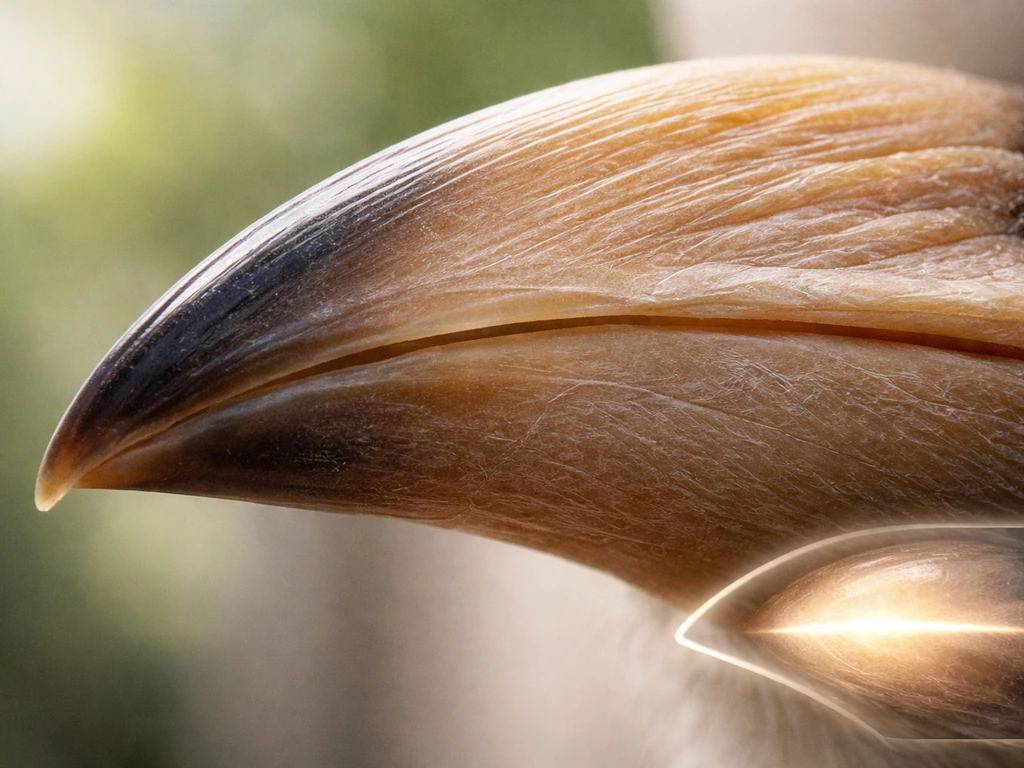
Yes, bird beaks absolutely have nerves. The outer surface you can see is a hard keratinized sheath called the blank" rel="noopener noreferrer">rhamphotheca, but underneath that sits living tissue packed with blood vessels, nerve endings, and specialized sensory receptors. A bird's beak is not like a fingernail you can clip without consequence, it is a sensitive, living structure that birds use to feel texture, pressure, and temperature with surprising precision.
Do Bird Beaks Have Nerves? How Sensation Works

Marcus Chen
21 Jun 2026
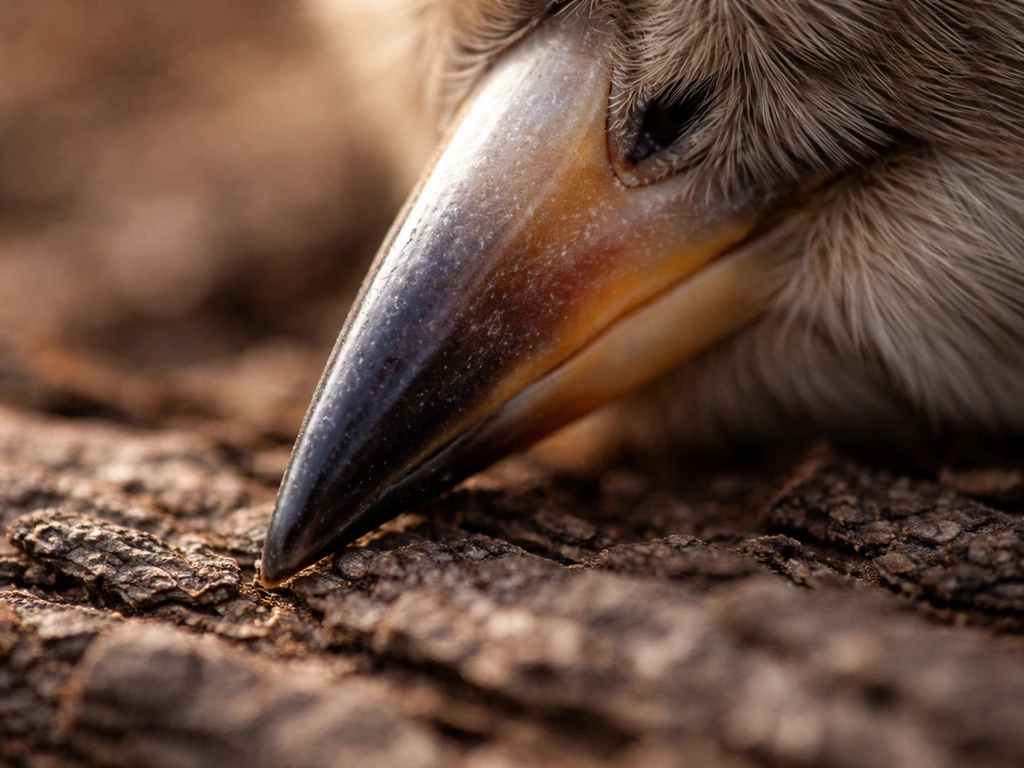
What a beak is actually made of
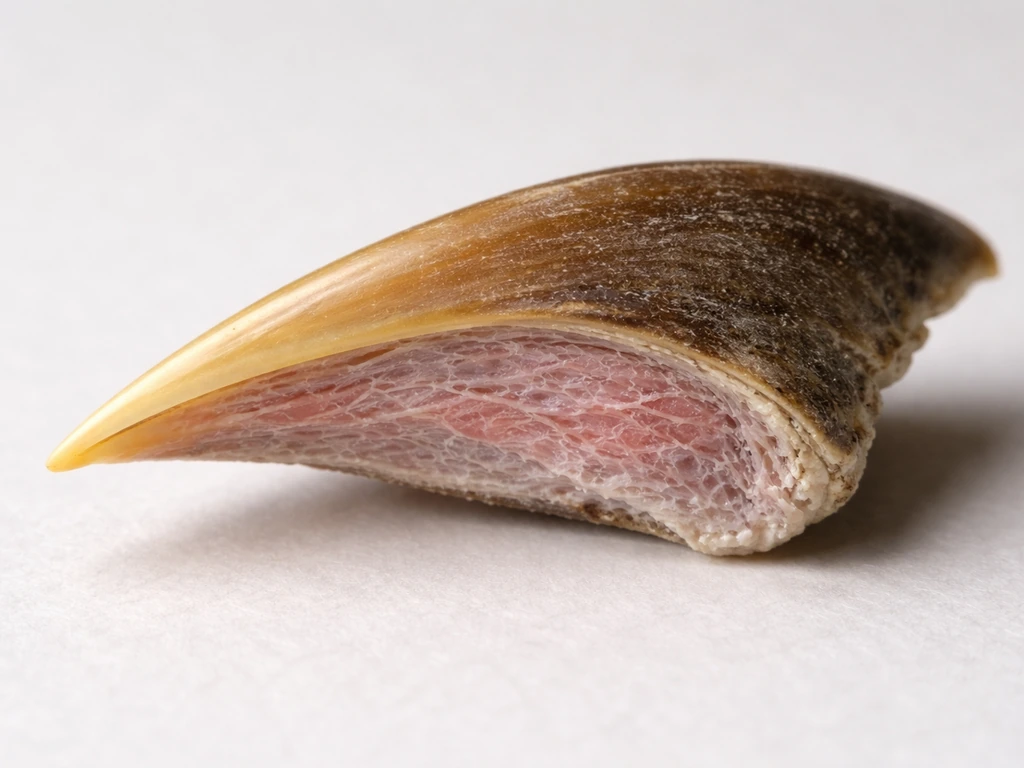
Think of a beak in two layers. The outer layer is the rhamphotheca, a keratinized horny sheath that forms from the epidermis during early embryonic development. This is the hard, dead material you can see and touch, similar in concept to your fingernails or the outer layer of your skin. It has no nerve supply on its own and does not feel anything directly.
Underneath that outer sheath is where things get interesting. There is a living dermis layer with a rich supply of blood vessels, mechanoreceptors (specialized pressure-sensing cells), and nerve fibers. Research on birds like Java finches and Darwin's finches describes the dermo-epidermal interface as tightly integrated, with the dermis and epidermis interlocking through finger-like projections. This close connection means signals from the beak surface get picked up efficiently by the nerve endings below. So while the hard tip of a beak might feel inert, the tissue just beneath it is alive and responsive.
If you want to go deeper on exactly what that outer sheath is composed of, the sibling topics on what bird beaks are made of and whether bird beaks are made of keratin cover the material science side in detail.
How beak nerves actually work during feeding and touch
The nerves in a bird's beak are not just there in a generic biological way, they are organized into specific types of sensory receptors that detect different kinds of input. Studies on Japanese quail beak skin found at least four distinct types of nerve endings: free nerve endings, clusters of Merkel nerve endings, Herbst corpuscles, and Ruffini corpuscles. Each of these detects different mechanical signals. Because bird beaks rely on nerve endings and specialized sensory receptors, the outer surface can feel touch and pressure in a very sensitive way bird beaks can be sensitive. Herbst corpuscles, for instance, respond to vibration and rapid changes in pressure. Ruffini corpuscles are more sensitive to sustained skin stretching. Free nerve endings cover general touch and potentially pain.
Herbst corpuscles are probably the most talked-about sensory structure in bird beaks. Work on duck bills found networks of nerve endings terminating in Herbst and Grandry corpuscles located roughly 100 to 500 micrometers below the beak skin surface, that is a very shallow depth, meaning even light contact on the beak surface can register as a signal. This level of sensitivity is what allows birds to sort food items by texture or firmness, detect water movement in mud, or even identify seeds from debris in poor lighting conditions.
There is also a taste dimension worth mentioning. While birds have far fewer taste buds than mammals, some are located in and around the bill and palate. The nerve infrastructure that supports touch sensation in the beak overlaps partly with how taste-related sensation is processed, so feeding is genuinely a multisensory experience even for a bird.
Beak sensitivity varies a lot by species and shape
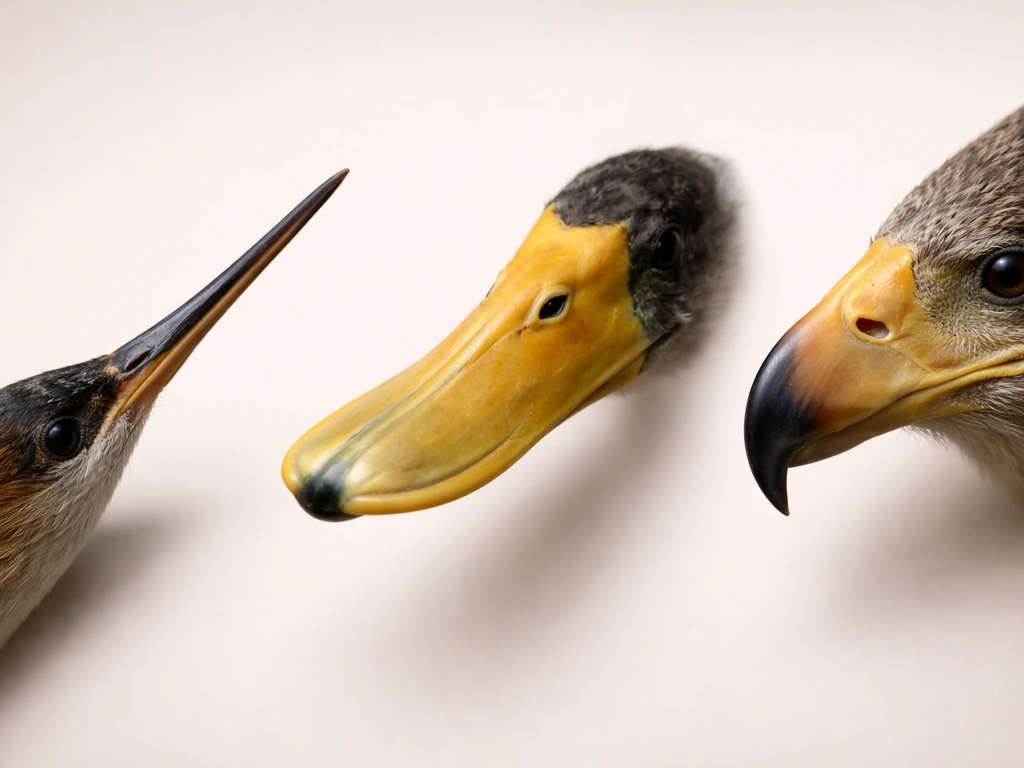
Not all beaks are equally sensitive, and that makes sense when you think about how different birds actually use them. Species that forage by touch or probe soft substrates tend to have the most densely innervated bill tips, while birds that primarily crack hard seeds or tear prey rely more on beak strength than beak sensitivity.
| Bird type | Beak use | Relative sensitivity / key receptors |
|---|---|---|
| Ducks and shorebirds | Tactile foraging in water or mud | Very high — dense Herbst and Grandry corpuscles near bill tip |
| Parrots | Manipulating food, social bonding, exploration | High — beak used almost like a hand for fine object assessment |
| Hummingbirds | Probing flowers for nectar | Moderate — long bill with mechanoreceptors adapted to flower contact |
| Finches and seed-eaters | Cracking and husking seeds | Moderate — mechanoreceptors help gauge seed size and hardness |
| Raptors (hawks, eagles, owls) | Tearing prey | Lower tactile emphasis — strength and precision over fine touch |
| Woodpeckers | Drilling and probing bark | Specialized — vibration detection helps locate insect movement |
Parrots deserve a special mention because they use their beaks in ways that go well beyond eating. They manipulate objects, explore their environment, and interact socially using beak contact. Anyone who has had a parrot gently explore their fingers with its beak has experienced firsthand how precise that tactile investigation can be, that is not accidental, it is the result of a well-innervated, sensitive structure doing its job.
Shorebirds like sandpipers and godwits take beak sensitivity to an extreme. They can detect buried invertebrates in wet sand through pressure changes detected at the bill tip, sometimes called remote touch, which relies entirely on those Herbst corpuscle networks operating at high sensitivity.
Beak injuries hurt, here is why
Because the beak contains living tissue, blood vessels, and nerve endings, injuries to the beak can absolutely cause pain and bleeding. A chip or crack that stays confined to the outer keratin layer is more like a broken fingernail, uncomfortable and worth monitoring, but not an emergency. But once an injury penetrates deeper into the living tissue layer, it reaches blood vessels and nerves, which means real pain, potential infection, and a need for veterinary attention.
This is why beak trimming is not a trivial procedure. Trimming only the dead keratin overgrowth is generally safe when done properly, but cutting too deep hits what is sometimes called the 'quick' (similar to trimming a dog's nail too short). In birds, that living tissue is close to the surface and can bleed significantly. Improper trimming or beak deformities that go untreated can affect how well a bird feels and manipulates food, essentially blunting a key sensory tool it depends on daily. The sibling topic on whether bird beaks grow back covers what happens when beak tissue is damaged or lost.
Sensitivity in an injured beak also changes behavior. A bird with a damaged or painful beak may drop food, avoid certain textures, eat less, or show signs of distress when handled. These behavioral cues are often the first visible sign that something is wrong beneath the surface.
Practical guidance: handling birds and knowing when to call a vet
If you are handling a pet bird, especially a parrot, keep in mind that the beak is not just a tool, it is a sensory organ. Rough handling around the beak or restraining the head in ways that put pressure on the beak can be genuinely uncomfortable. Most birds that are well-socialized will tolerate gentle beak contact, but a bird that flinches or pulls back when you touch near its beak is giving you a clear signal.
For wild bird rescuers or anyone who has found an injured bird: beak injuries that are bleeding or that involve obvious deformity should be treated as urgent. The beak's vascular and nervous tissue means infection can develop quickly, and a damaged beak affects the bird's ability to eat. Do not try to trim or reshape a damaged beak at home. A bird beak paring knife is a small, precision knife designed for careful trimming and shaping, particularly for detailed work like cutting beaks or other fine, delicate material trim or reshape a damaged beak at home.
Here is a quick guide to when you should contact an avian vet:
- The beak is cracked beyond the outer keratin layer and there is bleeding
- The beak tip has broken off or is visibly misaligned
- A pet bird is suddenly dropping food or showing difficulty eating
- The beak appears to be growing abnormally (overgrowth, crossing, or curling)
- A bird is rubbing its beak repeatedly or showing signs of facial discomfort
- You found an injured wild bird with visible beak damage
Routine beak maintenance for pet birds, like gentle conditioning with a cuttlebone or rough perches that allow natural wear, is usually enough to keep the outer keratin layer healthy. But anything beyond that should involve a vet who specializes in avian care. Because the beak is so central to how birds eat, explore, and interact with the world, treating it as a sensitive, living structure (which it is) is always the right approach.
FAQ
If the beak has a hard outer covering, why does it still feel touch and pressure?
Only the outer keratinized layer (the rhamphotheca) lacks nerves, so it feels less “live.” Touch that presses into or slightly deforms the surface usually triggers sensation because the living dermis and nerve endings sit just underneath.
Do bird beaks have pain or is it only sensation like touch?
Yes. If the living tissue layer is exposed or an injury extends inward, birds can experience pain. Beak cracks or chips that bleed, gape open, or change the beak’s alignment should be treated as painful and potentially urgent.
Is beak trimming ever unsafe? How do I know it’s going too deep?
Trimming can be risky if it goes past the dead keratin into the sensitive tissue, which can bleed and cause significant discomfort. If a bird’s beak is chipped, overgrown unevenly, or looks misshapen, have an avian vet assess it instead of trimming at home.
What signs suggest my pet bird’s beak is injured or overly sensitive?
Behavior can be a clue. A bird may avoid certain foods, drop food more often, chew more slowly, keep the beak closed, or show agitation when the beak is approached if the beak is painful or hypersensitive.
Are all bird beaks equally sensitive?
Not all beaks feel equally. Birds that probe soft substrates or forage by touch tend to have very densely innervated bill tips, while birds specialized for cracking or tearing can rely more on strength than extreme tactile sensitivity.
How does beak sensation affect how birds feed?
Yes, because nerve-driven sensation is part of normal feeding. The beak can help birds judge texture and firmness, which influences how they manipulate food before swallowing, especially in species that sort items by touch.
Do birds “taste” through their beaks too, or is that only in the mouth?
Taste-related sensation in and around the bill is more limited than in mammals, but it still contributes to feeding. Some beak and palate nerves overlap pathways for interpreting texture and chemical cues, so the experience is multisensory.
How do shorebirds detect prey in muddy or dark conditions?
For species that forage by pressure changes in wet sand, beak-tip sensation can function like remote touch. The high-sensitivity receptor networks help detect buried movement without needing to see prey.
What quick first checks should I do if I find a wild bird with a beak injury?
Gently check for visible bleeding, open fractures, or a deformity that changes how the upper and lower beak meet. If you see any of these, skip home fixes and seek an avian vet, because infection risk and impaired eating can escalate quickly.
Can handling cause discomfort even if the beak looks normal?
Rough handling can matter. Restraining a bird’s head in ways that press or stress the beak can cause discomfort, especially in pet parrots that use the beak to explore and interact.
Next Article
Are Bird Beaks Made of Bone? What Beaks Are Made Of
Bird beaks are not true bone throughout. Learn what beaks are made of, including keratin covering vs internal support ti