If a bird chips or cracks the outer layer of its beak, there is a genuine chance it can grow back over weeks to months, because beaks are made of keratin (the same protein as your fingernails) and they grow continuously from the base toward the tip. But if the injury goes deeper and damages the living tissue or underlying bone that drives that growth, the beak will not regenerate the way it once was.
Do Bird Beaks Grow Back? Broken Beak Regrowth Guide

Marcus Chen
26 Apr 2026
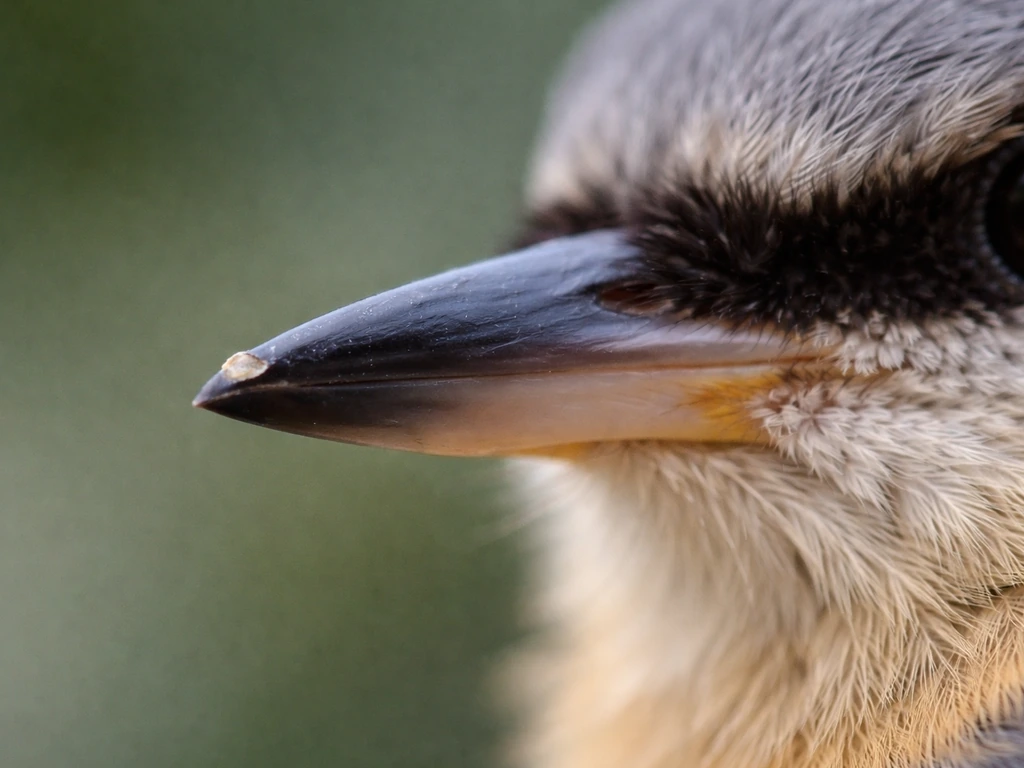
Bird beaks are made of keratin on the outside, but the underlying support includes bone, especially at deeper injury sites underlying bone. Think of it like breaking a tooth versus trimming a nail: one has living structure underneath that makes renewal possible, the other does not. Depth of injury is the single biggest factor in whether a beak comes back, and that distinction shapes everything else in this guide.
How beak growth actually works
A bird's beak is not just a hard pointy tool bolted onto its face. It is a layered, living structure. blank" rel="noopener noreferrer">The visible outer covering is called the rhamphotheca (just think: "the keratin shell"), and it sits on top of living skin layers (epidermis and dermis) that are full of blood vessels, nerve endings, and mechanoreceptors. These same layers are mostly made of keratin over living tissue, which is why the beak has both a hard surface and living growth under it. Beneath all of that are the jaw bones that give the beak its shape and support. So when you look at a beak, you are really seeing the end product of several stacked layers working together.
The keratin shell grows continuously, directed from the base (near the face) outward toward the tip, very much like a fingernail growing from the cuticle forward. The epidermis feeds a constant supply of new cells that harden into the outer covering. At the same time, normal daily activity (pecking, foraging, rubbing) wears the tip down. In a healthy bird, growth and wear balance each other out. This is also why a bird's beak shape is not fixed: it is continuously being built and eroded.
The growth zone that matters most is located near the base of the beak, close to where it meets the face. Injuries that leave this zone intact have a much better shot at real recovery. Injuries that destroy it are the ones that result in permanent deformity or loss of function.
What actually happens when a beak breaks
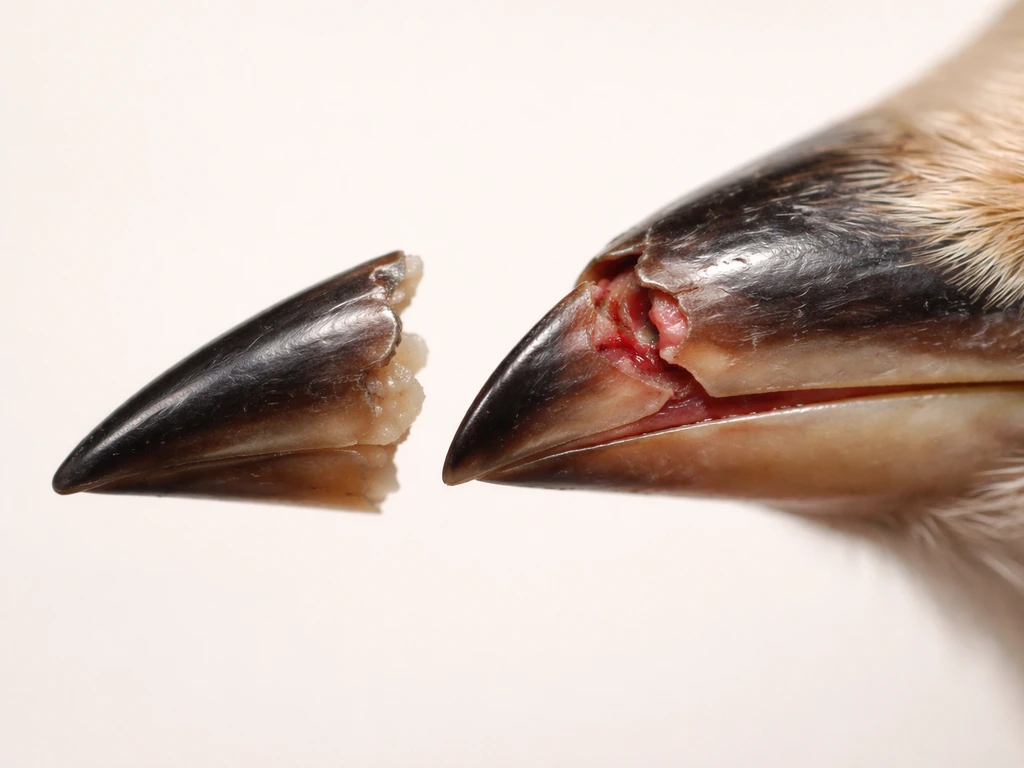
Beak injuries come in a pretty wide range, from a tiny chip off the tip to a complete avulsion (where a section tears away entirely). Because the beak is packed with blood vessels and nerves, even a moderate injury can bleed a surprising amount and be genuinely painful for the bird. Because nerves are involved, even beak injuries can cause significant pain and can affect how sensitive the beak feels do bird beaks have nerves.
Bird beaks are made of keratin, so protecting the keratin shell and keeping the growth zone safe is key to better recovery do bird beaks have nerves. Yes, bird beaks can be sensitive because they contain nerves and mechanoreceptors how sensitive the beak feels. Pain and blood loss can make eating difficult or impossible, which creates a secondary problem fast: birds have high metabolic rates and cannot go without food for long before they deteriorate.
The most useful way to think about beak injuries is to sort them by depth. A superficial chip in the keratin outer layer is very different from a fracture that exposes underlying bone. Here is a rough breakdown of what you might be dealing with:
| Injury Type | What It Looks Like | Affects Living Tissue? | Likely Outcome |
|---|---|---|---|
| Surface chip or crack | Small piece missing from tip, hairline crack in outer shell, no bleeding or minor bleeding | Usually no | Good chance of growing out over weeks to months |
| Partial fracture (deeper crack) | Visible crack extending toward the base, possible bleeding, beak may feel slightly mobile | Possibly yes | Depends on whether growth zone near face is involved; vet assessment needed |
| Full fracture or break | Obvious section snapped off, exposed tissue, significant bleeding, misalignment | Yes | Regrowth unlikely to restore original size/shape; function may be partially restored with care |
| Avulsion or base injury | Beak partially or fully torn away, injury near the face, heavy bleeding | Yes, severely | Poorest prognosis for regrowth; emergency care needed immediately |
A vet examining a beak injury will look at crack depth, alignment, whether there is any mobility in the beak (which it should not have), whether bone or raw tissue is exposed, and how close the damage is to the base. All of those details together determine what kind of recovery is realistic.
Can a beak actually regrow? Realistic expectations by injury type
Here is the honest version: minor chips to the outer keratin layer can genuinely grow back, because the living tissue underneath is intact and still producing new keratin. The damage essentially grows out toward the tip over time, the same way a chipped nail eventually grows off your finger. For superficial injuries, weeks to a couple of months is a reasonable timeframe for noticeable improvement.
For deeper fractures, the picture gets murkier. The beak will heal at the interface between the damaged area and whatever viable tissue is left underneath, but it will not regenerate to its exact original size and shape. Think of it as scar-tissue healing rather than full regeneration. In cases where surgical repair is possible, such as using a scaffold and dental acrylic prosthesis (which has been done successfully in parrots), it is possible to restore immediate function and allow the rhinotheca to regrow normally around the repaired structure, as long as the underlying growth-supporting tissue was preserved.
Injuries at the base of the beak, or any damage that destroys the growth zone near the face, have the poorest prognosis. That is where the keratin production originates. If that tissue is gone, there is nothing driving new growth, and the outcome is much closer to the "broken tooth" end of the spectrum. The comparison is not perfect, but it is the most useful mental model: you cannot regrow a tooth, but you can regrow a nail.
Species and individual health also play a role. Severity, species size, overall condition, and access to timely care all affect timelines. Major damage can take many months or even a year or more to reach a stable outcome, and "stable" does not always mean "back to normal."
Timeframes, recovery signs, and when to get help immediately
What recovery looks like
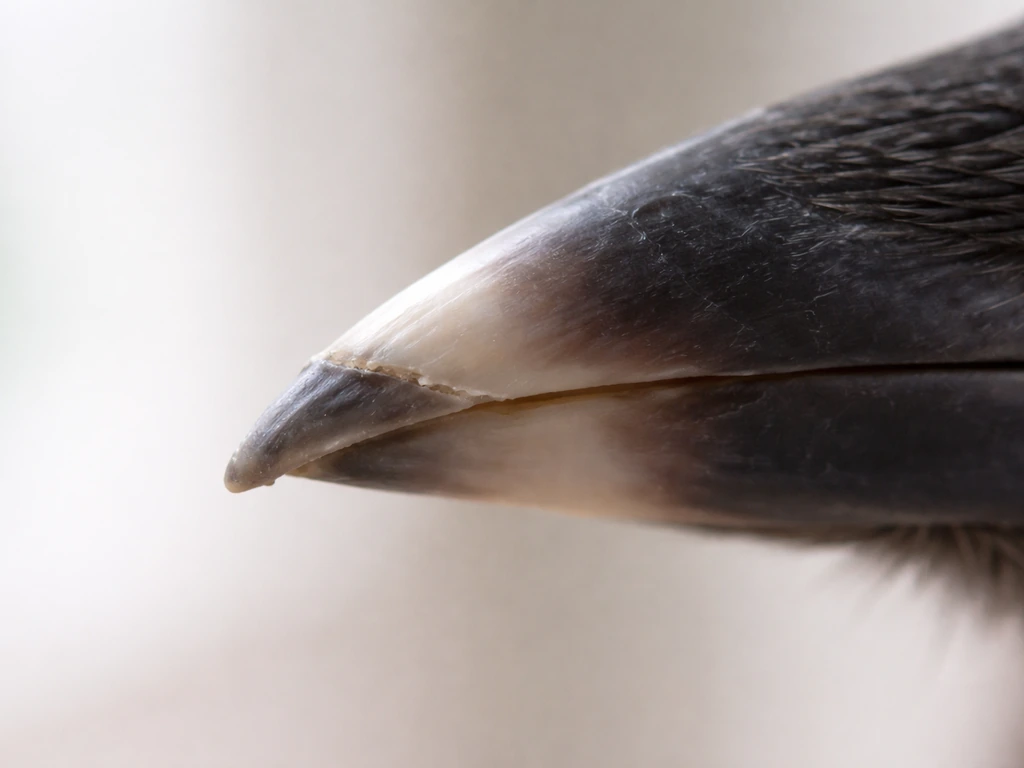
If a bird is recovering from a surface chip, you should see the damaged edge gradually moving toward the tip as new keratin grows in from the base. The beak should look and feel solid (not loose or mobile), the bird should be eating normally, and there should be no persistent bleeding or discharge. Recovery from minor injuries can show visible progress within a few weeks, with more complete resolution taking one to three months depending on severity and species.
For deeper injuries managed with veterinary care, rechecks every few weeks are standard to evaluate how the rhinotheca is growing back and whether any repair materials are holding correctly. Progress is slow and incremental; do not expect dramatic changes week to week.
Red flags that mean get help today
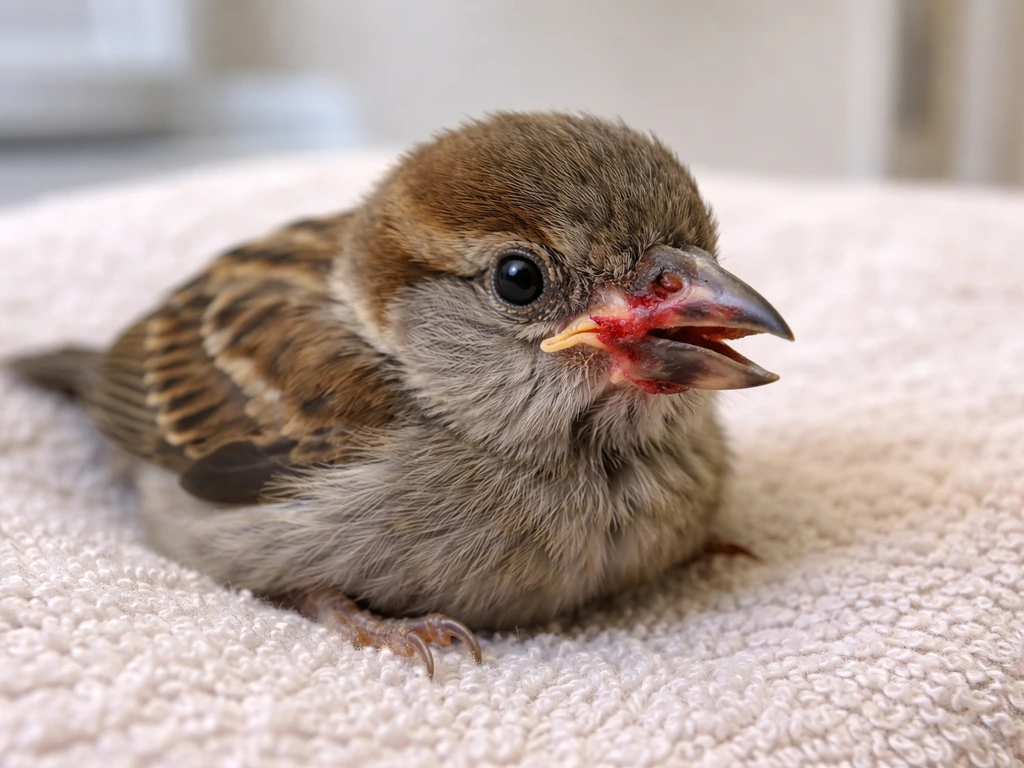
Some signs mean you should not wait. blank" rel="noopener noreferrer">Contact a vet or licensed wildlife rehabilitator immediately if you see any of the following:
- Bleeding that will not stop after a few minutes of gentle pressure
- Bone or raw tissue is visibly exposed
- The beak is misaligned, wobbly, or partially detached
- The bird is having difficulty breathing, breathing loudly, or breathing with its mouth open
- The bird cannot pick up or manipulate food
- The bird is weak, unresponsive, or unable to hold itself upright
- There is swelling, discharge, or a foul smell near the beak (signs of infection)
Open-beak breathing and complete inability to eat are both emergencies. Birds deteriorate quickly when they cannot maintain their energy intake, and a beak injury that interferes with eating needs professional attention the same day, not in a few days.
Home care vs. getting professional help: what you can safely do right now
If you have found a wild bird with a beak injury, or if your pet bird has just damaged its beak, here is a clear breakdown of what is safe to do at home while you arrange professional care, versus what requires a vet or licensed rehabilitator. A bird beak paring knife is a tool some people use to carefully trim or pare away damaged beak tissue so the bird can feed comfortably.
Safe steps you can take right now
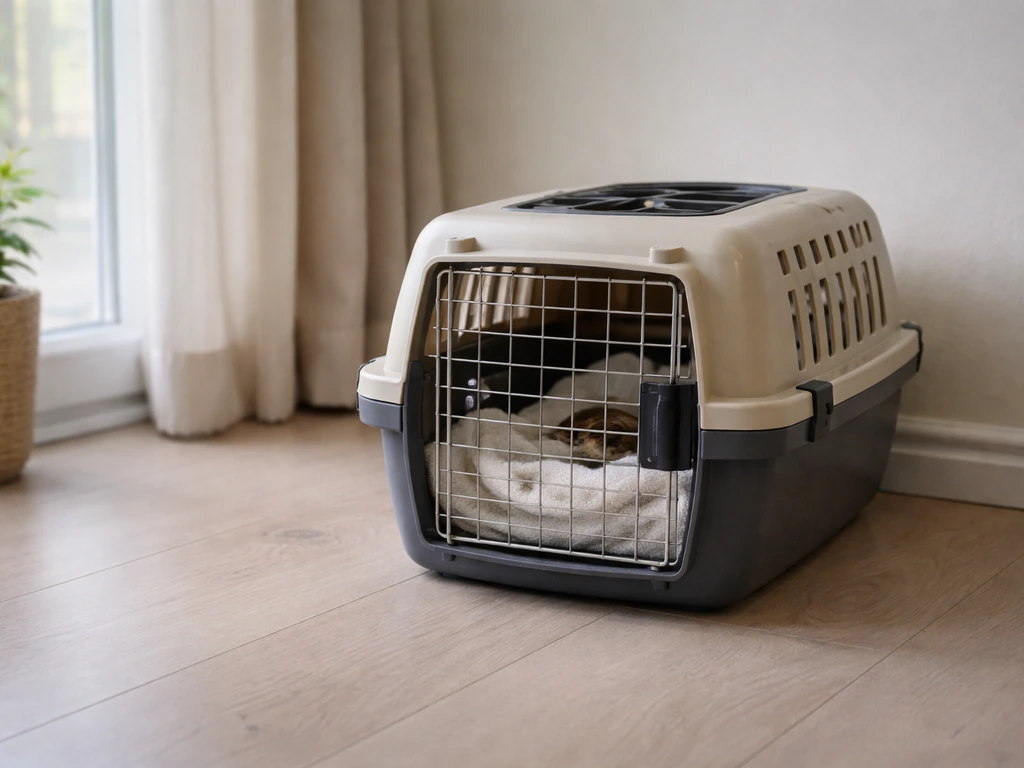
- Minimize handling. The more you handle an injured bird, the more stress you add, and stress is genuinely dangerous for birds with injuries. Use a small, secure carrier or box with ventilation.
- Cover the carrier. A dark, quiet environment reduces panic. A towel over the carrier helps significantly.
- Keep the bird warm. Injured birds struggle to regulate body temperature. A warm (not hot) environment, around 85 to 90 degrees Fahrenheit for most small birds, reduces the energy burden of staying warm.
- Rinse gently with sterile saline if there is debris or dirt near the injury. Plain sterile saline is the safest option. Do not use hydrogen peroxide, antiseptic sprays, or anything else.
- Support hydration carefully. If the bird is conscious and not in shock, you can moisten the very tip of the beak with a damp Q-tip or offer a small drop of plain warm water or unflavored Pedialyte. Do not try to force water into the mouth.
- Call a vet or wildlife rehabilitator. For pet birds, contact an avian vet. For wild birds, find a licensed wildlife rehabilitator in your area. Do this while you are doing the above steps, not after.
What not to do (this matters a lot)
- Do not use superglue, household glue, or any adhesive on the beak. These are toxic to birds and can cause further tissue damage.
- Do not attempt to splint or tape the beak yourself. Incorrect application can make the injury worse and block the bird's ability to breathe.
- Do not give any human pain medication, sedative, or supplement. Most human medications are toxic to birds at even small doses.
- Do not try to force-feed the bird if it is in distress. It increases the risk of aspiration.
- Do not leave a wild bird outside unattended while you "wait and see." A bird on the ground with a beak injury is vulnerable to predators and exposure.
For pet birds with minor surface chips and no bleeding, no mobility, and normal eating behavior, it is reasonable to monitor closely at home and schedule a vet appointment within a day or two rather than treating it as a same-day emergency.
SpectrumCare notes that home monitoring is generally only reasonable for very small, clearly superficial injuries when bleeding has fully stopped quickly, breathing is normal, the bird is perching normally, eating, and acting like itself; otherwise you should seek vet care immediately it is reasonable to monitor closely at home and schedule a vet appointment within a day or two. But when in doubt, call first.
A quick phone consultation with an avian vet can help you figure out how urgent the situation really is.
Keeping the beak healthy long-term
Most beak injuries in pet birds come from a few predictable sources: cage-mate aggression, collisions with windows or other hard surfaces, getting a beak caught in cage bars or toys, and falls. Reducing these risks is straightforward once you know what to look for.
- Separate birds that show aggressive behavior toward each other, especially around food.
- Use window clings or screens in rooms where birds fly free to prevent collision injuries.
- Choose appropriate cage bar spacing for your bird's size so the beak cannot get stuck.
- Provide natural foraging opportunities (appropriate wood perches, safe chew toys) that encourage normal wear without hard-surface trauma.
- Keep up with regular avian vet checkups. Abnormal beak growth (overgrowth, deformity, unusual texture) can be a sign of underlying disease, including conditions linked to accelerated or disordered keratin production. Catching these early makes management much easier.
- If your bird has had a beak repair or prosthesis, follow the vet's recheck schedule. Prosthetic fittings typically need evaluation every few weeks as the rhinotheca grows and the bond quality shifts.
For wild birds, there is not much you can do to prevent beak injuries in the field, but you can make your yard safer by placing window decals on glass, keeping feeders clean (dirty feeders spread disease that can weaken beaks), and minimizing hazards like loose netting or fishing line.
Understanding beak anatomy is genuinely useful context here. The beak is not just a blunt external tool: it contains nerves, blood vessels, and sensitive mechanoreceptors, which is why injuries hurt, bleed, and disrupt normal behavior so significantly. Knowing that the beak grows continuously from a living base, rather than being a static structure, helps explain both why minor injuries can recover and why the depth of damage is the deciding factor in every case.
FAQ
How can I tell if my bird’s beak chip is the type that can regrow versus something deeper?
If the injury is only a superficial chip, you can usually expect the missing keratin to fill in gradually from the base, but you should not try to glue, trim, or file the damaged edge. Anything that reaches toward living tissue can reopen bleeding and can slow regrowth, because the growth zone needs to stay intact and protected.
Can I trim or file a broken beak to make eating easier while it heals?
You generally should not attempt to “level” a beak at home. The beak is tapered and layered, and aggressive trimming can expose underlying layers, increase bleeding, and make feeding harder. For sharp edges, focus on arranging safe housing and fast vet advice, rather than cutting the beak yourself.
What changes should I look for over time to know regrowth is actually happening?
Look for progressive solidification, meaning the new keratin edge looks like it is advancing from the face toward the tip, without persistent wetness, discharge, or looseness. Also expect function to improve, not just appearance, the bird should grip, preen, and eat with normal behavior for that species. If the beak becomes mobile, bleeds repeatedly, smells bad, or the bird stops eating, treat it as worsening rather than normal healing.
What are the “red flag” signs that mean I should seek urgent help, not just monitor regrowth?
If you see open-mouth breathing, labored breathing, repeated heavy bleeding, or the bird cannot eat, do not wait for regrowth. Those can signal airway compromise, severe pain, shock, or inability to maintain energy intake. Same-day veterinary or licensed wildlife care is appropriate in those situations.
Is mild swelling or discharge normal during beak healing?
Swelling, redness, or a small amount of crusting can occur after minor trauma, but persistent oozing, a raw exposed patch that looks like living tissue, or increasing discharge suggests the damage is deeper or infected. In those cases, you need an in-person assessment to determine whether viable growth support remains and whether treatment is needed to prevent complications.
If regrowth happens, will the beak look exactly like it did before the injury?
A beak fracture can be stabilized by the body but still heal with a permanent gap, shortened length, or altered tip shape, especially if the break involves structures that guide growth. Because the growth zone near the base drives keratin production, even when healing occurs, the final shape may not match the original alignment if deep tissue was damaged.
Are there veterinary procedures that can restore function faster, and when are they used?
Yes, if a repaired structure supports the regrowth process and the underlying living growth-support tissue is preserved, a bird may regain function earlier than waiting for natural healing alone. That said, materials like dental acrylic prostheses are not a DIY option, and success depends on fracture depth, correct placement, and follow-up checks for fit and stability.
What should I do at home for housing and feeding while waiting for an avian vet appointment?
Concentrate on stabilizing the environment until care is arranged: reduce stress, remove access to hazards (bars, toys that snag the beak, uneven perches), and offer foods that are easy to pick up based on what the bird can still do. If the bird is not eating reliably, assume it is not just a cosmetic injury, escalate care promptly.
How long should I wait before I should worry that regrowth is not progressing?
Normal keratin regrowth can be slow, especially for deeper injuries, and it may take months to reach a stable outcome. If you see no meaningful improvement in eating ability or beak solidity over several weeks, or if the injury edge is not steadily moving toward the tip, ask for a recheck because the growth pattern may be compromised.
Does waiting to get help affect whether a beak can regrow?
Depth is the key factor, but timing matters too. Delayed care can worsen outcomes because bleeding control, pain management, and protection of the growth zone are most effective when addressed early. If the bird is wild, getting it to a licensed wildlife rehabilitator quickly is important, not only for comfort but also to prevent further injury during handling or feeding struggles.
Next Article
What Are Bird Beaks Made Of? Keratin, Not Bone
Bird beaks are mainly keratin, not bone, with a living base that supplies growth, nerves, and blood vessels.