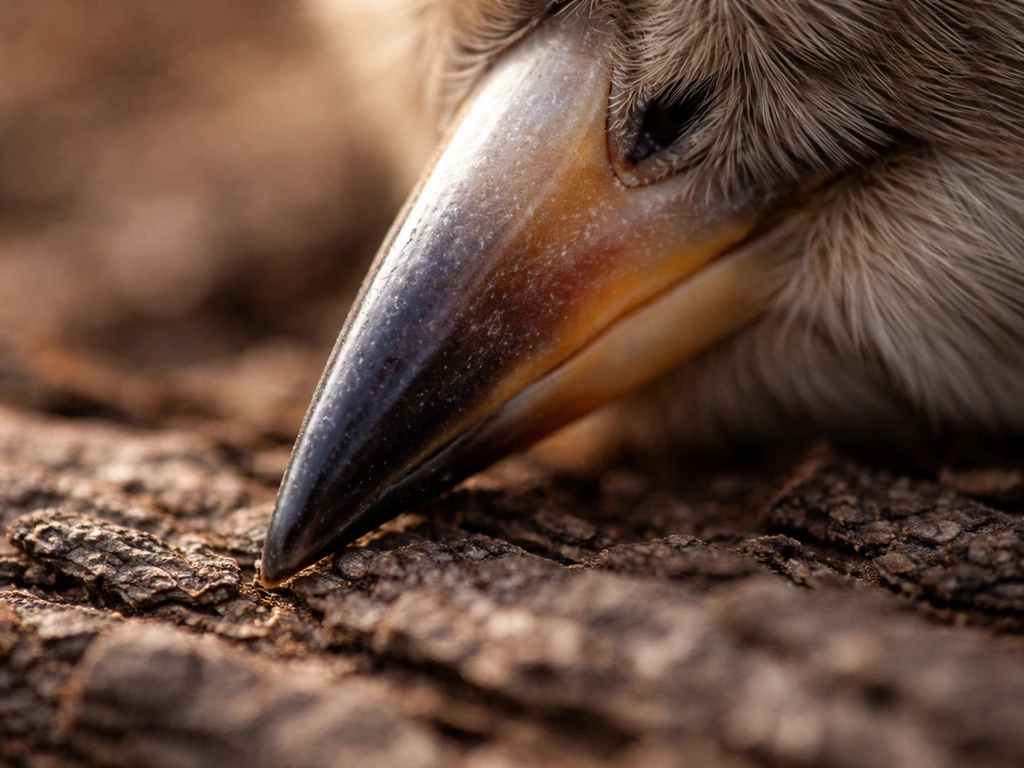
Yes, bird beaks are made of keratin, at least on the outside where it counts. The hard, visible outer covering of a bird's beak is a keratinized sheath called the rhamphotheca (ram-fo-THEE-ka), and it's the same family of structural protein that makes up your fingernails, hair, and the claws of most vertebrates. But the beak isn't keratin all the way through. Underneath that tough outer layer there's bone, blood vessels, nerves, and soft tissue. So when people ask "are beaks made of keratin," the most accurate answer is: the outer shell is, and that's the part doing most of the heavy lifting.
Are Bird Beaks Made of Keratin? What Beaks Are Made Of

Marcus Chen
24 Jun 2026
What a beak actually includes (it's more than you think)
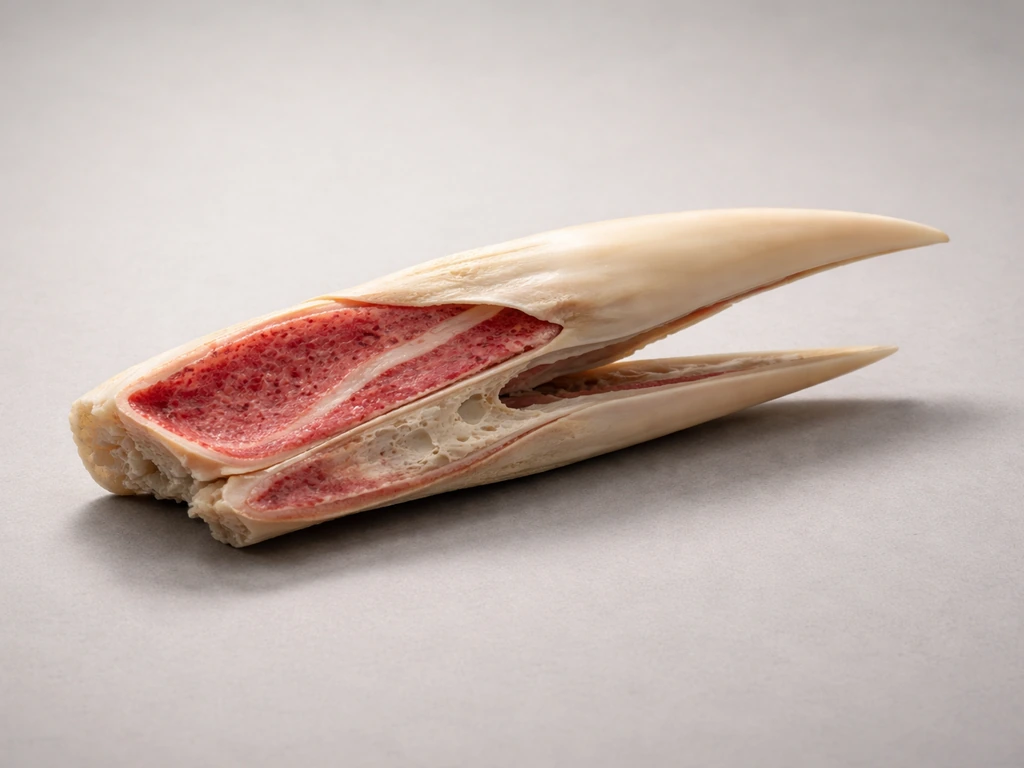
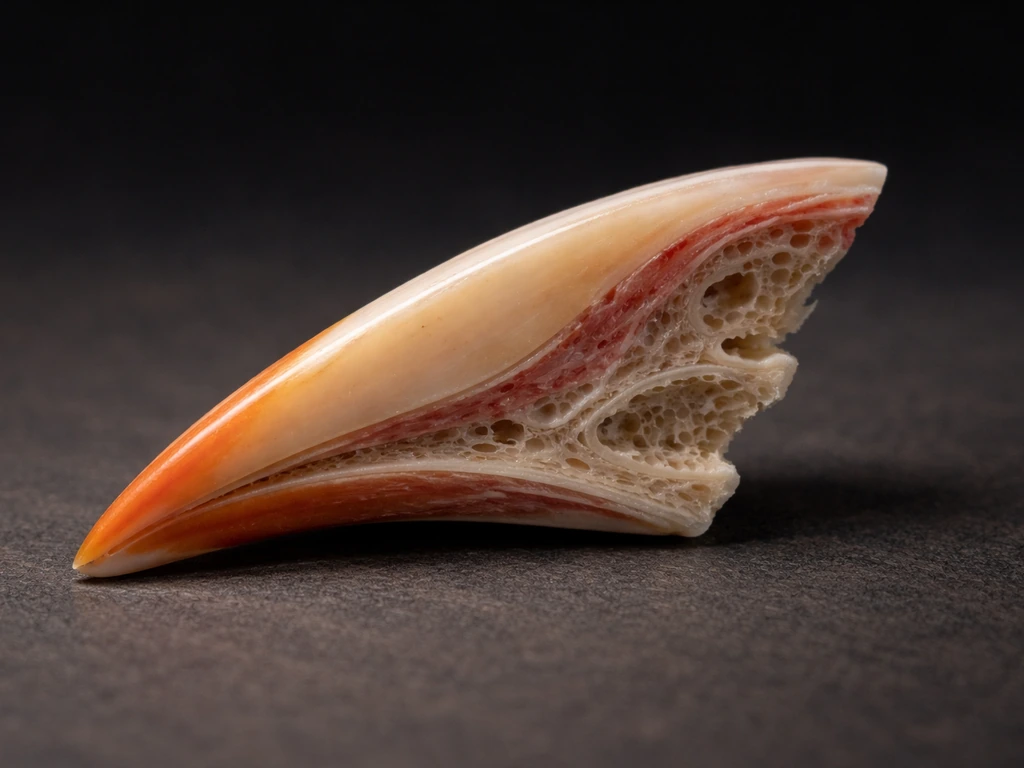
A bird's beak is a layered structure, not a single material. From the outside in, you've got the rhamphotheca (the keratinized outer sheath), then a vascular dermis packed with blood vessels and nerve endings, and finally the bony skeleton underneath, formed by the upper and lower jaw bones (called the upper and lower mandibles). The rhamphotheca itself has two named subdivisions: the rhinotheca covers the upper jaw, and the gnathotheca covers the lower jaw. Together they form the hard outer shell you see and touch.
The bone underneath provides structural support and shape, but it doesn't directly contact food, perches, or whatever else a bird is poking at. That's the rhamphotheca's job. The dermis between bone and sheath anchors the rhamphotheca in place and carries the sensory nerve endings, including specialized receptors called Herbst corpuscles, that make beaks surprisingly sensitive despite the hard surface. If you've ever wondered whether beaks have nerves, they absolutely do, just not in the keratin layer itself but right beneath it.
How the keratinized layer forms and stays fresh
The rhamphotheca is produced by the epidermis, specifically by basal cells that divide and migrate outward, gradually flattening and filling with keratin protein as they move toward the surface. By the time those cells reach the outermost layer (the stratum corneum), they've lost their nuclei and become the tough, non-living, keratinized material you see. It's essentially the same process that builds your skin and nails, just tuned to produce a much harder, thicker result.
One interesting detail: avian keratinization appears to happen without keratohyalin granules, which are a standard feature of mammalian skin keratinization. Birds rely heavily on beta-keratin (also called phi-keratin in older literature) rather than the alpha-keratin dominant in mammalian hair and nails. Beta-keratin produces a stiffer, harder cornified structure, which is why a beak can take serious mechanical abuse that your fingernail couldn't.
The rhamphotheca grows continuously throughout a bird's life. It wears down with normal use during feeding, grooming, and pecking, and new material grows in from the base to replace it. Clinical vets describe this as constant replacement during wear and tear, similar to how your nails never really stop growing. The growth and wear are supposed to stay balanced. When they don't, such as in avian keratin disorder, the rhamphotheca overgrows dramatically, causing elongated, crossed, or deformed beaks in affected birds like black-capped chickadees.
Do all birds have keratinized beaks? Variation across species
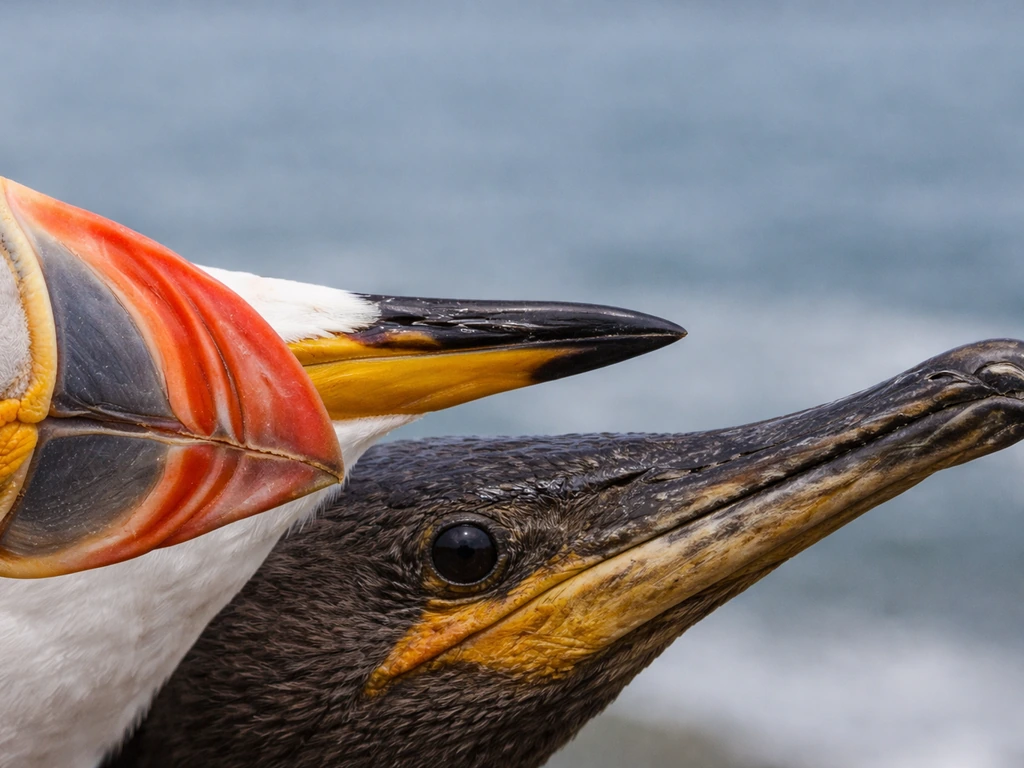
All modern birds have a rhamphotheca of some kind. That part is conserved across the entire class Aves. An Annual Reviews article notes that this rhamphotheca structure is conserved across the entire class Aves That part is conserved across the entire class Aves.. What varies enormously is the thickness, hardness, texture, and internal structure of the rhamphotheca depending on what a bird does with its beak.
In some seabirds like petrels and puffins, the rhamphotheca isn't one smooth sheath but is divided into distinct plates or segments. You can actually see the seams. In woodpeckers, researchers have found that the beak has three structural layers: an outer rhamphotheca with overlapping scale-like keratinous features, a middle porous foam layer for shock absorption, and an inner bony core. The toucan's rhamphotheca is made of overlapping sheets of beta-keratin stacked in thin sublayers. Each architecture reflects what those beaks are optimized to do.
In Darwin's finches, the rhamphotheca thickness and mechanical properties vary across species in ways that match their bite force and diet. Seed-cracking finches have stouter, harder sheaths. Probing finches that dig into soft substrates have thinner ones. The underlying bone shape gets a lot of attention in evolutionary biology, but the rhamphotheca itself is a mechanically active part of beak function, not just a cosmetic coating.
How beak structure connects to what beaks actually do
Keratin is ideal beak material for the same reason it's ideal for claws and hooves: it's hard enough to resist wear, tough enough to absorb impact without shattering, and it grows back when damaged. The rhamphotheca acts as a sacrificial wear layer, taking the abuse while protecting the underlying bone and soft tissue. In woodpeckers, the layered structure (hard outer keratin, porous middle layer, dense bone) distributes impact stress so the bird's brain doesn't get rattled with every strike. That's a genuinely impressive bit of biological engineering.
The cutting edges of a beak are also shaped by how the rhamphotheca grows. Research on chicken beaks found that the layered "sandwich" structure of the rhinotheca (upper beak sheath) actually controls the direction the beak grows and how sharp cutting edges form. The keratinous layers aren't just sitting there passively. They're structurally directing the shape of the beak over time.
From a feeding standpoint, the hardness of the rhamphotheca lets birds handle foods their beaks are shaped for, whether that's crushing hard seeds, probing into bark, filtering water, or tearing flesh, without grinding down their jaw bones directly. If you're also curious about tool types used on the same keratin-like materials, a bird beak paring knife can be a useful comparison for what it is made for. The continuous growth model means wear doesn't accumulate permanently, which is why a healthy bird's beak stays functional across a lifetime of heavy use.
Beaks vs. claws, nails, and hair: the keratin connection
| Structure | Keratin type | Living or non-living outer layer | Continuous growth? | Notes |
|---|---|---|---|---|
| Bird beak (rhamphotheca) | Beta-keratin dominant | Non-living stratum corneum | Yes | Overlies bone and vascular dermis |
| Bird claws/talons | Beta-keratin dominant | Non-living | Yes | Similar layered epidermal origin |
| Human nails | Alpha-keratin dominant | Non-living | Yes | No beta-keratin; softer than avian structures |
| Human hair | Alpha-keratin dominant | Non-living shaft | Yes | No structural role; very different mechanics |
| Reptile scales | Beta-keratin dominant | Non-living | Shed periodically | Evolutionary relatives of avian rhamphotheca |
The key difference between a bird's beak covering and human keratin structures is the type of keratin. Birds (and reptiles) rely on beta-keratin to build their cornified structures like beaks, claws, and scales. Beta-keratin forms stiffer, harder molecular arrangements than alpha-keratin, which is why a bird's rhamphotheca is dramatically harder than your fingernail even though both are technically "keratin structures." If you've ever found a shed beak sheath from a hawk or falcon, you know how rigid it feels compared to anything made of alpha-keratin.
All of these structures, beak sheaths, claws, nails, and hair, share the same basic developmental logic: basal epidermal cells divide, migrate outward, fill with keratin, die, and form a protective non-living layer. The variation in hardness, shape, and function comes from which keratin proteins are expressed, how thick the layers are, and what mineral additions (like calcium) are involved.
How to confirm this yourself today
If you want to go deeper or verify any of this, the terminology that will get you to legitimate science quickly is "rhamphotheca," "rhinotheca," "gnathotheca," and "keratinized epidermal sheath." Those terms show up in peer-reviewed anatomy, histology, and veterinary literature. Searching PubMed or Google Scholar for "rhamphotheca keratin" or "avian beak beta-keratin" will surface actual research papers, not just general knowledge sites.
- Search "rhamphotheca keratinized sheath" for anatomy and histology papers
- Search "avian keratin disorder rhamphotheca" for USGS and clinical vet sources that describe the outer beak layer in practical terms
- Search "woodpecker beak structure rhamphotheca" for mechanical property studies with actual measurements
- Search "beta-keratin bird beak" for protein-level detail on what makes beak keratin different from mammalian keratin
- ScienceDirect, PubMed, and USGS publications are your most reliable sources; Wikipedia beak entries are decent entry points but always check the citations they list
One thing worth knowing: when a source says the beak "is made of keratin" without qualification, they're almost certainly referring to the rhamphotheca. That's not technically wrong, but it's incomplete. The full picture is rhamphotheca (keratin) over dermis (soft connective tissue) over bone. If a source skips the bone and dermis entirely, they're oversimplifying. A useful gut-check question to ask of any source: does it distinguish between the outer sheath and the internal structure? If yes, it's probably reliable.
FAQ
Is the whole bird beak made of keratin, or only the outside layer?
Only the outer covering is keratinized (the rhamphotheca). Beneath it are blood vessels, nerves, and the jaw bones, so the inside is not keratin the way the surface sheath is.
Do bird beaks have nerves and pain receptors if the surface is keratin?
Yes. The nerve endings are in the vascular dermis just under the keratin sheath, not embedded in the keratin itself. That’s why injuries to the sheath can still cause significant pain and bleeding.
Do birds shed their beak like snakes shed skin?
Birds can replace worn keratin as the rhamphotheca grows continuously, but it is not always shed in a single piece like many reptiles. In some species or injuries, people may notice patchy flaking or regrowth rather than a full shed.
Why does a bird’s beak keep getting longer or misshapen?
The rhamphotheca normally grows to replace wear, keeping length balanced. If growth and wear get out of sync, the sheath can overgrow, leading to elongated, crossed, or deformed beaks, a pattern seen in avian keratin disorders.
Are keratin types the same in bird beaks as in human fingernails?
No. Bird beaks rely heavily on beta-keratin (often described as phi-keratin in older literature), which is typically stiffer and harder than the alpha-keratin dominant in human hair and nails.
Can a bird’s beak be thinner but still strong enough for heavy use?
Yes. Strength depends on more than thickness, including how the keratin layers are organized and how the internal bone and (in some birds) shock-absorbing structures are arranged. For example, certain woodpecker-style architectures distribute impact stress.
What happens if a bird’s beak is overgrown, can it eat normally?
Often it cannot. Overgrowth or misalignment can prevent proper contact with food, reducing effective cutting, gripping, or probing. That can lead to weight loss or malnutrition, so vets typically assess feeding mechanics, not just appearance.
Is it common for sources to oversimplify by saying “the beak is made of keratin”?
Yes, and it’s usually incomplete rather than wrong. A more accurate description is keratinized rhamphotheca over dermis over bone, because the internal tissues and the nerve-rich layer explain sensation and healing.
Do all birds have the same kind of keratin sheath on the beak?
All modern birds have a rhamphotheca, but the design varies a lot. Thickness, texture, segmentation, and internal layering differ depending on what the beak must do, such as cracking seeds, filtering, or striking at wood.
Next Article
Do Bird Beaks Have Nerves? How Sensation Works
Yes, bird beaks have nerves and living sensory tissue, enabling touch and taste-related sensing for feeding behavior.