
Yes, bird wings absolutely have bones. In fact, a bird's wing is a fully developed forelimb skeleton, the same basic arrangement you'd find in your own arm, just heavily modified for flight. The wing contains a humerus (upper arm), a radius and ulna (forearm), and a fused wrist-and-hand bone called the carpometacarpus, plus a few small digits including a specialized thumb called the alula. Feathers grow out of the skin over this bony frame, but the frame itself is very much real.
Do Bird Wings Have Bones? Bird Wing Anatomy Explained

Marcus Chen
3 Jun 2026
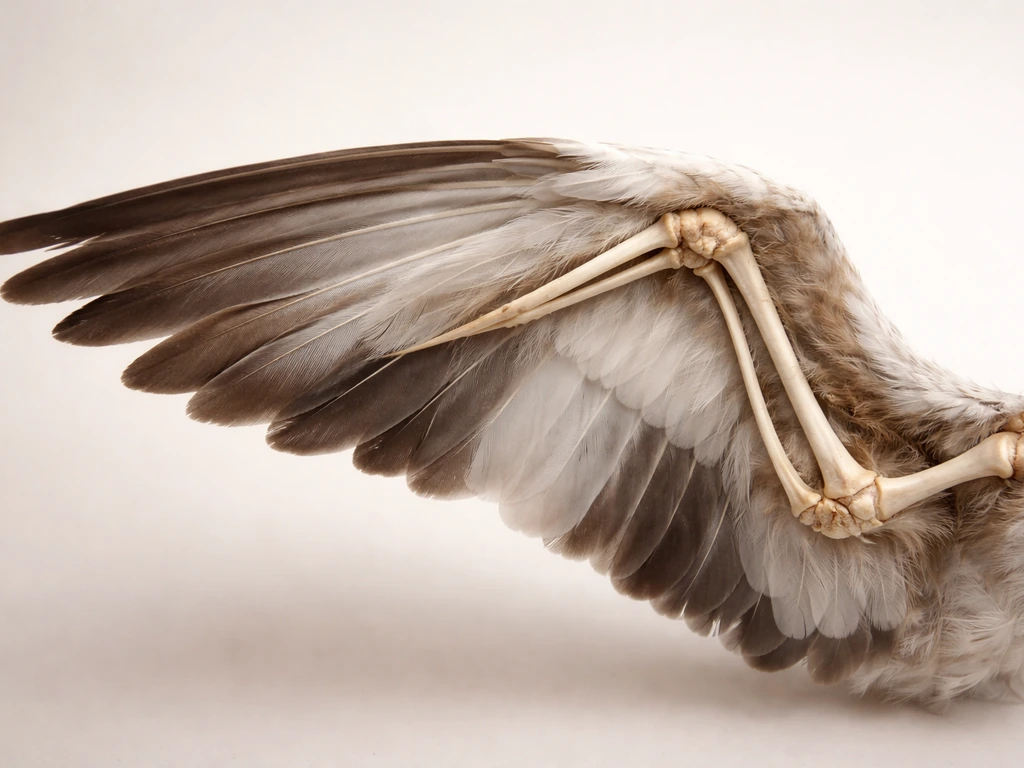
How a bird wing is built, bone by bone
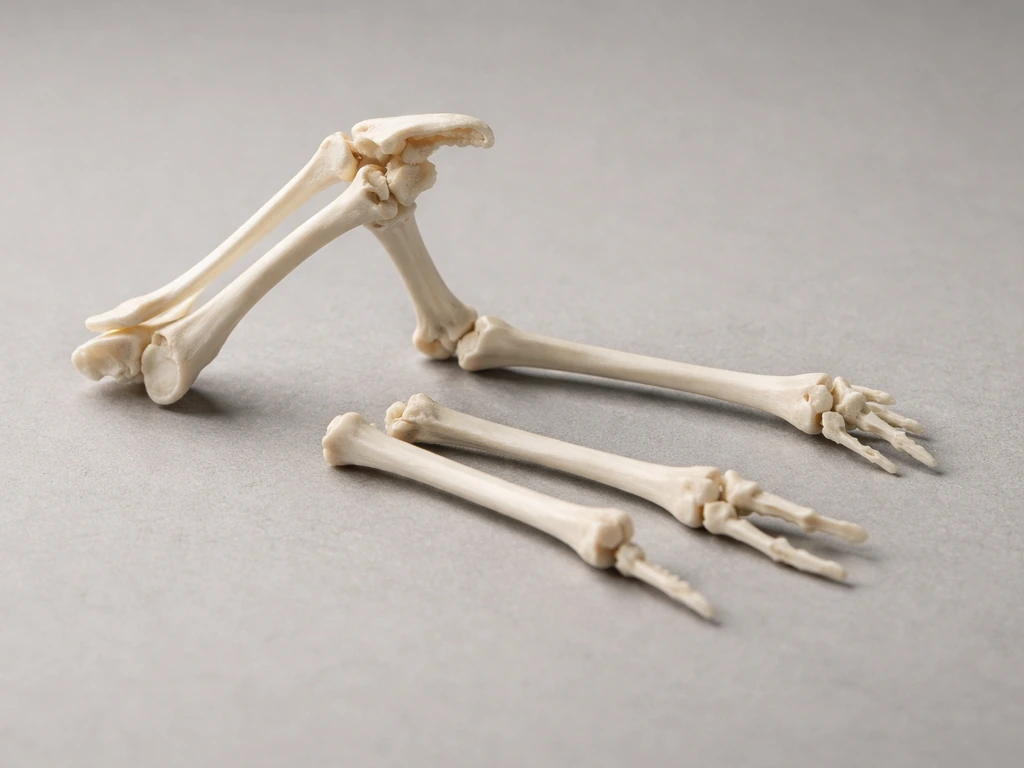
The bird wing follows the same general forelimb blueprint shared by most backboned animals, which makes sense, since birds are vertebrates. Birds are vertebrates, so they have a backbone made of vertebrae. Think of the wing as three main segments joined at two obvious joints, with a small hand region at the tip.
The upper arm: humerus
The humerus is the single bone of the upper arm, connecting the shoulder to the elbow. At its rounded upper end (the head), it slots into a pocket formed by two shoulder bones: the coracoid and the scapula. That pocket is called the glenoid cavity, and it's the true shoulder joint of the wing. The humerus is relatively short in most birds compared to the forearm, but it's the main anchor point for the powerful flight muscles that drive the downstroke.
The forearm: radius and ulna
Just like in your own forearm, the bird's forearm contains two parallel bones: the radius and the ulna. The ulna is typically the thicker of the two and is where the secondary flight feathers anchor, you can actually see small bumps called quill knobs along the ulna of many bird species. The elbow joint sits between the humerus and the top of these two forearm bones, and it's the most prominent joint you can feel if you gently handle a bird's folded wing.
The wrist and hand: carpals, carpometacarpus, and digits
This is where bird anatomy gets genuinely interesting. Instead of keeping separate wrist (carpal) and palm (metacarpal) bones the way humans do, birds have fused most of those elements into a single rigid structure called the carpometacarpus. This fusion is one of the key evolutionary modifications that makes the wing tip stiff and efficient for generating lift. Beyond the carpometacarpus, birds retain a small number of digits. One of them is the alula, essentially a tiny thumb that sticks out near the leading edge of the wing and acts like a slot on an airplane wing to prevent stalling at low speeds.
| Wing Region | Bone(s) | Function |
|---|---|---|
| Shoulder | Humerus head, coracoid, scapula (glenoid cavity) | Attaches wing to body; anchor for flight muscles |
| Upper arm | Humerus | Main structural strut; connects shoulder to elbow |
| Forearm | Radius + ulna | Secondary feather attachment (ulna); elbow joint support |
| Wrist/hand | Carpometacarpus (fused carpals + metacarpals) | Stiffens wing tip; anchors primary flight feathers |
| Digits | Alula (thumb) + reduced finger bones | Alula controls airflow at low speed; supports wingtip feathers |
What's bone and what's feather in the flight surface
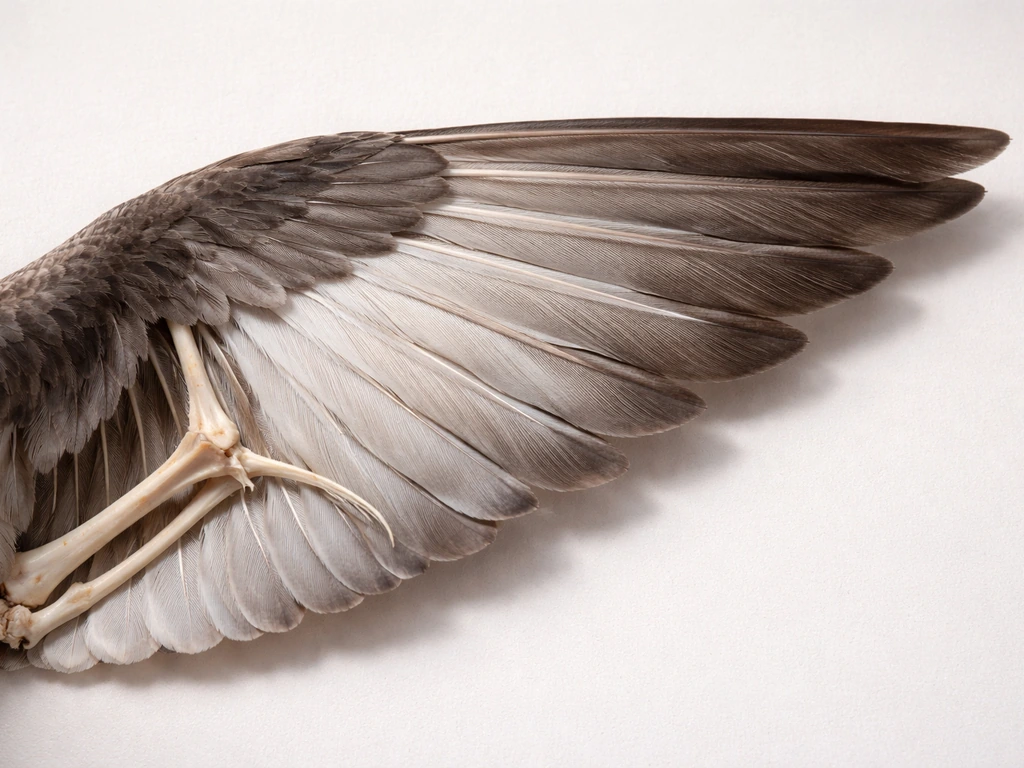
This is probably the biggest misconception worth clearing up: the wing's aerodynamic surface is almost entirely feather, not bone. The bones form a slim internal scaffold, and the feathers form the broad, flat surface that actually pushes against the air. So when you look at a spread wing, you're mostly looking at feathers.
Each feather grows from a tiny skin structure called a feather follicle. The base of the feather (the calamus or quill) is embedded in that follicle and connects to the rachis, which is the central shaft running the length of the feather. Barbs branch off the rachis, and barbules with tiny hooks keep those barbs zipped together into a smooth, aerodynamic surface. All of this is keratin, the same material as your fingernails, not bone in any form.
The primary flight feathers attach in the skin over the carpometacarpus and digits at the wing tip. The secondary flight feathers attach along the ulna in the forearm region. Coverts (smaller feathers layered over the top) smooth out the transition between feather groups. So the feather layout actually maps onto the underlying bone regions pretty directly, which is a useful mental model: primaries over the hand bones, secondaries over the forearm bones.
How bird wings compare to bats and reptiles
Birds aren't the only animals with wings, and comparing them is a fast way to appreciate what makes avian wing anatomy distinctive.
Birds vs. bats
Bats are mammals, and their wings are also modified forelimbs, so there's a humerus, radius/ulna, and hand bones there too. The critical difference is that bats kept their finger bones long and separate, and stretched a thin membrane of skin (the patagium) between those elongated fingers and the body. There are no flight feathers involved at all. Bird wings, by contrast, fused their hand bones into the rigid carpometacarpus and rely on feathers for the flight surface. Both strategies work, but they're mechanically quite different: bat wings flex and curve in complex ways using those many independent finger joints, while bird wings get their efficiency partly from that stiffened hand region.
Birds vs. reptiles
Modern reptiles don't have wings (setting aside their shared evolutionary history with birds through theropod dinosaurs). The relevant comparison is more evolutionary: birds evolved from theropod dinosaurs, and the bird wing is essentially a dramatically modified reptilian forelimb where certain bones fused, others were reduced, and feathers took over the aerodynamic role. The underlying skeletal logic, one upper bone, two forearm bones, then wrist and hand elements, is shared across all tetrapods including reptiles, which is why biologists find the bird wing so elegant as an example of modification from a common template.
What you can actually observe on a real bird wing
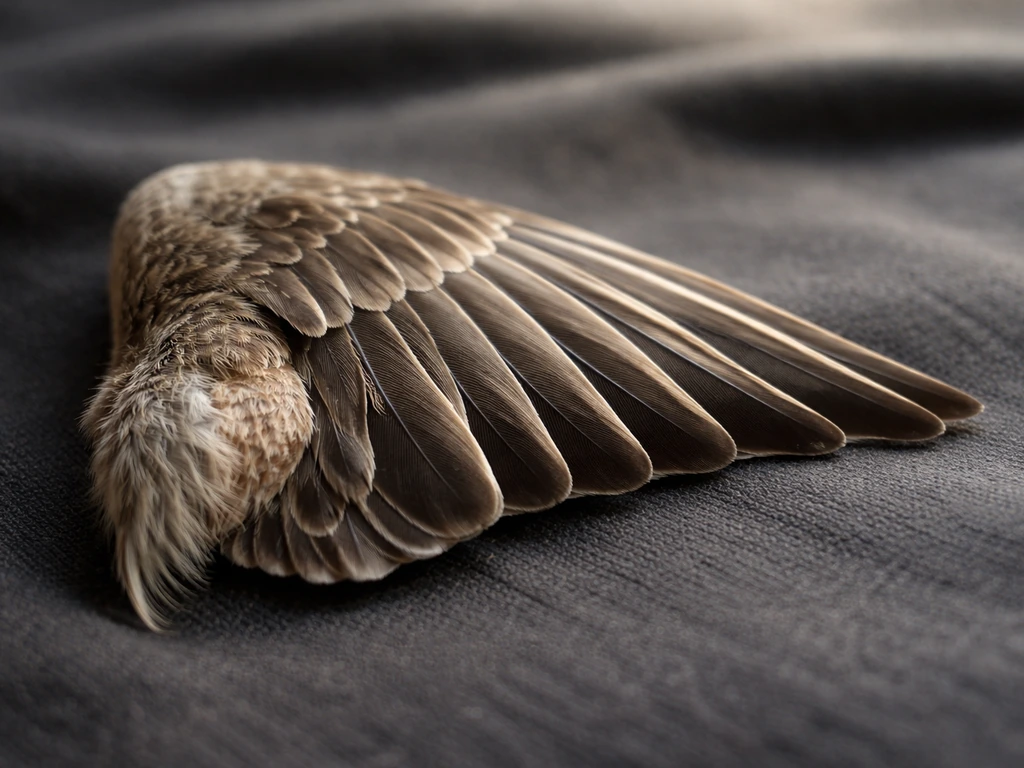
You don't need a museum skeleton to get a feel for bird wing anatomy. If you've ever handled a bird or watched one up close, there are some things you can notice directly.
- The elbow is the most prominent joint on a folded wing. When a bird folds its wing against its body, the elbow pokes out visibly as a sharp bend — that's the humerus-to-forearm junction.
- The wrist bend is the second joint you'll see, closer to the wing tip, where the forearm meets the carpometacarpus. This is where the wing 'breaks' again in a folded position.
- The alula looks like a small tuft of feathers near the leading edge of the wing tip. Next time you watch a bird coming in to land, watch that little tuft lift slightly — that's the alula actively managing airflow.
- Quill knobs: on larger birds like turkeys, raptors, or even chickens, you can feel (or see) small rounded bumps along the ulna where secondary feather quills attach. These are a direct physical sign of feathers anchoring to bone.
- Wings feel mostly flexible and lightweight because bird bones are thin-walled and, in some species, partially hollow with internal struts — an adaptation that saves weight without sacrificing too much strength.
Common misconceptions worth dropping
A lot of people assume wings are essentially just bundles of feathers with nothing structural inside, or that all the 'real' skeleton is in the body. Neither is true. The bones run the full length of the wing, from shoulder to wingtip. Another common mix-up: thinking the feathers themselves are somehow attached to bone directly. They aren't, feathers anchor into skin follicles, which sit over the bone. The bone provides the shape and leverage; the skin and follicles do the attachment work for the feathers. Bird collagen is generally associated with connective tissues, and if you're wondering about it in a bird nest, it's best to check what ingredients are actually present.
It's also worth knowing that bird bones in general are not simply hollow tubes. Many are pneumatized (connected to the respiratory air sac system), and they do contain marrow in some locations, a topic that surprises a lot of people who assume bird bones are entirely empty. The wing bones are part of a complete, sophisticated vertebrate skeleton, the same kind that supports a bird's backbone, skull, and the rest of its body. Bird skulls are also real vertebrate bones, but this article has focused on the wing skeleton rather than the head. Yes, birds do have a vertebral spine, and the wing bones are separate from that main backbone does bird have spine. A bird does not have the same kind of skeleton you might expect from mammals; its wing bones are part of a lightweight skeleton adapted for flight what type of skeleton does a bird have. Birds are vertebrates, so they do have a backbone.
Where to go next if you want to see this for yourself
The fastest way to cement this understanding is to look at an actual bird wing skeleton diagram. Search for 'avian wing skeleton labeled' and look for images that show the humerus, radius and ulna, carpometacarpus, and alula all labeled separately. Natural history museums often have spread wing specimens or transparent skeletal preparations that show the bones right alongside the feathers, if you have one nearby, it's genuinely worth a visit. For home learners, a cleaned chicken wing from a butcher shop is a surprisingly effective hands-on anatomy lesson: you can identify the elbow, the wrist joint, and feel the bones through the skin before the feathers are even in the picture.
FAQ
If feathers cover the wing, can you still feel the bones in a bird’s wing?
Yes. The humerus, radius, ulna, and the fused carpometacarpus are all internal bones that run from the shoulder region to the wingtip. Even when feathers obscure the outer shape, the bony scaffold is still present underneath the skin and feather follicles.
Do bird wing bones show up clearly in live birds, or only in skeletons?
You usually cannot see the wing bones easily on a live bird, because they are covered by skin and feather follicles. If you gently spread a wing, you may be able to feel the elbow region as a more prominent hinge, and you can feel the contour changes toward the wrist-to-hand area (carpometacarpus) near the base of the primaries.
Are feathers attached to bird bones directly?
No. The bones do not attach to the aerodynamic surface directly. Feathers are anchored in feather follicles embedded in the skin over the bones, so the bone provides leverage and shape while the skin and follicles hold the feathers in place.
Do all birds have the same number and arrangement of wing bones?
Most birds do, but the exact level of fusion and the prominence of small elements can vary by species. For example, the alula exists in many flying birds, but its size and how noticeable it is to you can differ depending on the species and wing posture.
How is the bird wing bone layout different from a human arm?
Bird wings are built from the same basic tetrapod forelimb pattern, but the hand region is especially transformed. Birds fuse many wrist and palm elements into one rigid carpometacarpus, which is a major difference from humans, whose wrist and palm bones remain separate.
Is there a practical way to tell which bone region corresponds to primaries versus secondaries?
A key sign is where feathers attach. In birds, primary flight feathers attach over the carpometacarpus and digits, while many secondary flight feathers attach along the ulna region. That mapping helps you mentally connect “where the feathers start” to “which bone region is underneath.”
Are bird wing bones completely hollow?
Not entirely. While the wing bones are lightweight compared with many other bones, they can still contain marrow in some locations and are often pneumatized, meaning they connect to the respiratory air sac system. So “hollow like a tube” is an oversimplification.
Do bats also have bones in their wings, or is that only birds?
Yes, in the sense that bats use modified forelimbs with a humerus, radius, and ulna, plus finger bones. The major mechanical difference is that bats keep the finger joints distinct and use a skin membrane for flight, whereas birds fuse the hand region into the carpometacarpus and use feathers for the wing surface.
If birds evolved from dinosaurs, does that mean bird wings are basically reptile wings?
Because birds evolved from theropod dinosaurs, the wing skeleton reflects that shared forelimb heritage. The evolutionary “headline” difference is that birds fused and reduced certain elements and then shifted the aerodynamic role to feathers rather than a membrane.
When people say “wing bones versus feather bones,” what’s the correct way to think about it?
Be careful with the “feathers are not bone” idea. Feathers are keratin structures, but they rely on skin-covered follicles that sit over living bone. If you are comparing “structure inside the wing” versus “surface that flies,” the bones are the scaffold and the feathers are the aerodynamic material.
Next Articles
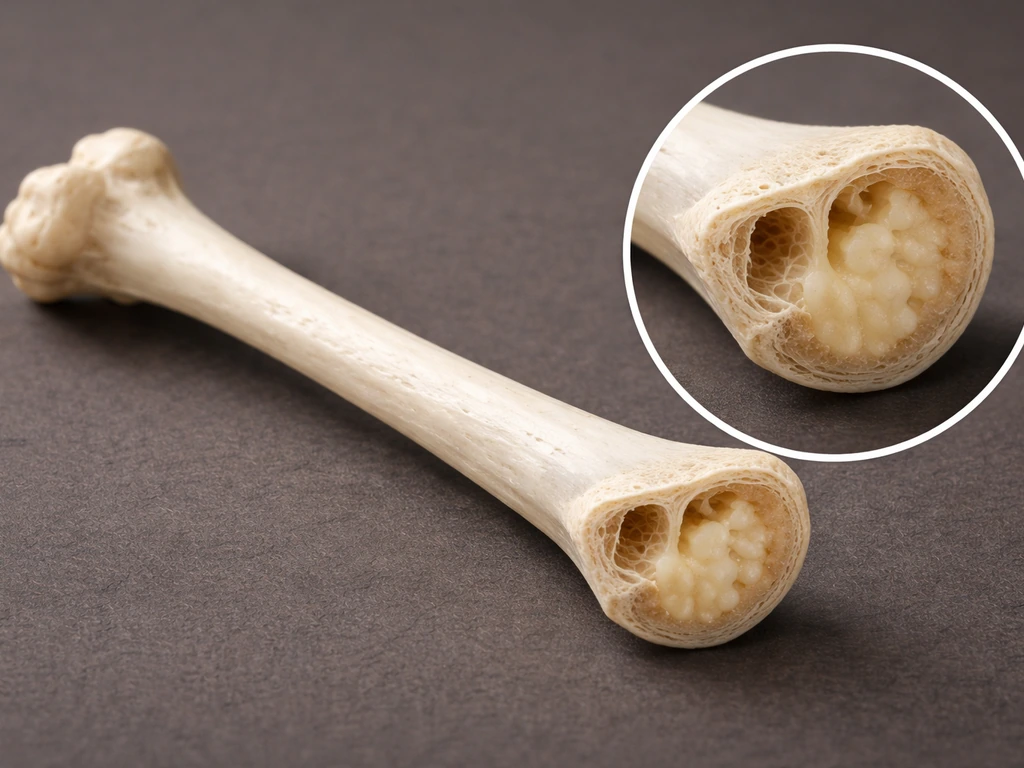
Do Bird Bones Have Marrow? What’s Inside and Why It Matters
Yes, bird long bones have marrow in the medullary cavity, but many are hollow or pneumatic for lightweight flight.
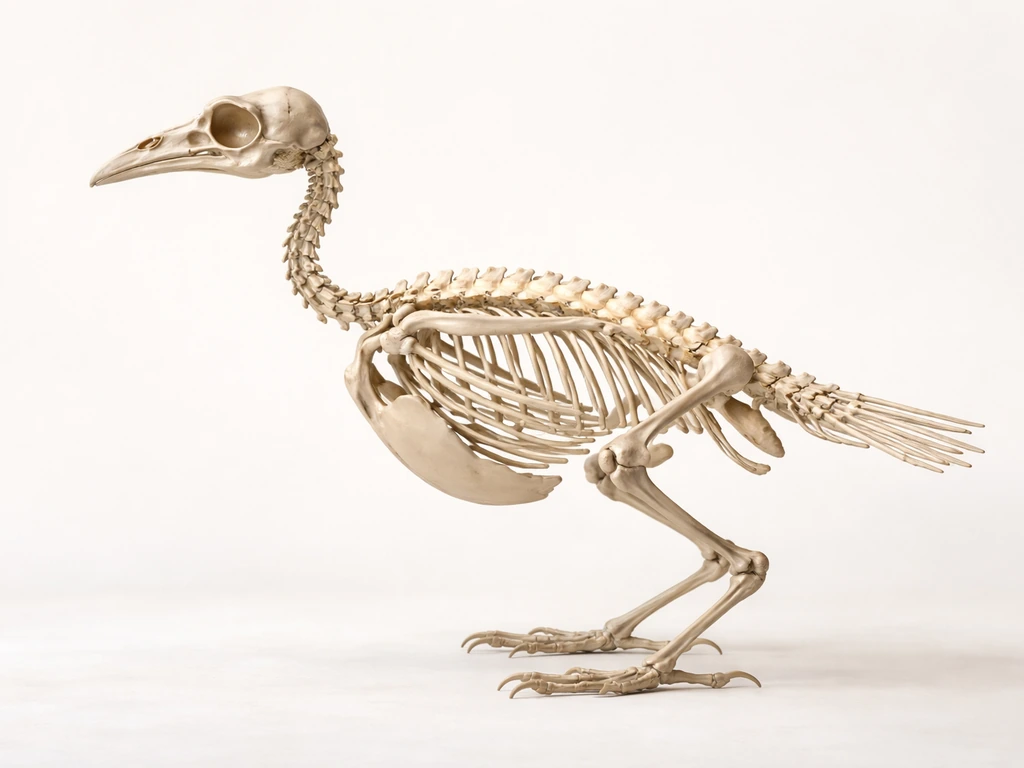
Does a Bird Have a Backbone? Bird Spine Explained
Yes. Birds are vertebrates with a backbone of vertebrae that supports posture and flight with lightweight, adapted bones
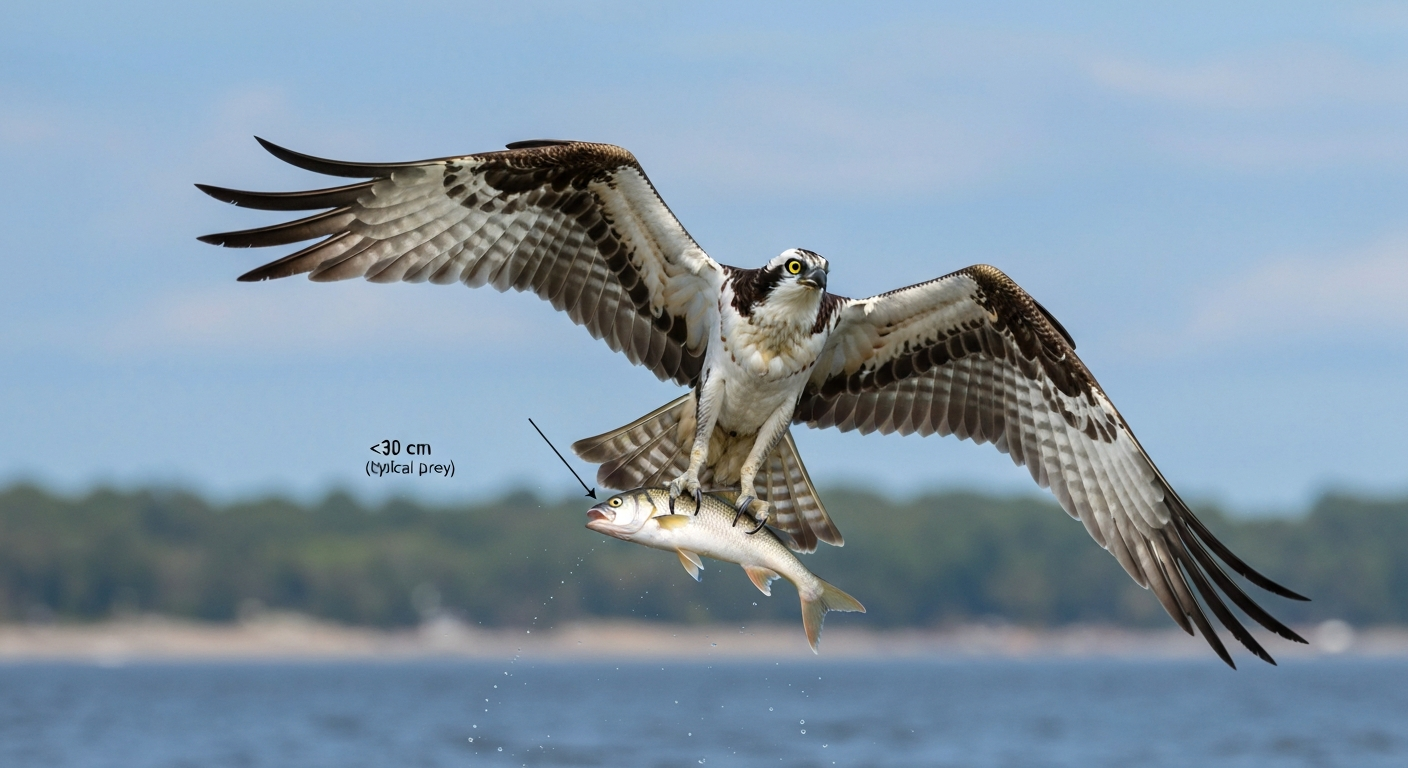
How Much Weight Can an Osprey Bird Carry: Numbers & Limits
How much weight can an osprey carry: typical prey 0.5–2 kg (≈30–100% body mass); anatomy, flight limits and evidence.