
Yes, bird bones do contain marrow, but not in the same way mammal bones do. In most birds, the bones that are not pneumatized (meaning not invaded by air sacs) are filled with bone marrow just like you'd expect. The bones that are pneumatized, which is a lot of the major flight bones, have their marrow largely replaced by air-filled spaces connected to the bird's respiratory system. So the honest answer is: it depends on which bone you're looking at and whether that bone has been 'taken over' by the air-sac system.
Do Bird Bones Have Marrow? What’s Inside and Why It Matters

Marcus Chen
23 Apr 2026
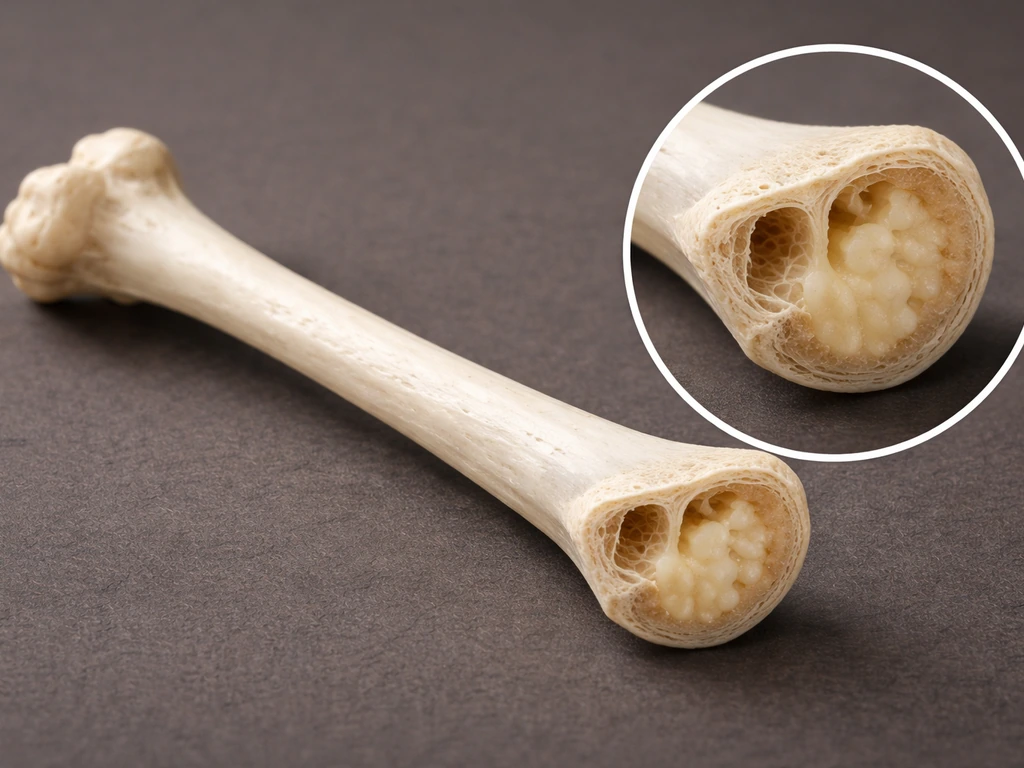
What bone marrow actually is
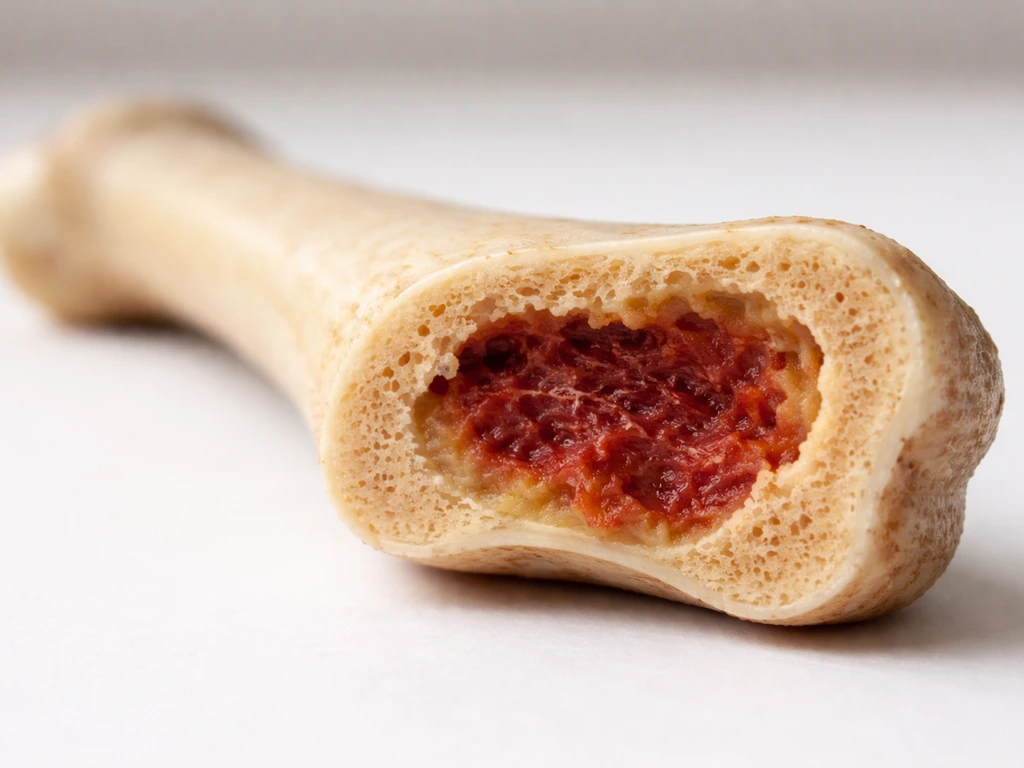
Bone marrow is the soft tissue that lives inside bones. In mammals, including us, it comes in two types: red marrow, which produces blood cells (that process is called hematopoiesis), and yellow marrow, which is mostly fat stored in the central cavity of long bones. The space where this tissue lives is called the medullary cavity, basically the hollow channel running through the shaft of a long bone. When people picture a bone, that inner cavity stuffed with soft tissue is what they're imagining. For mammals, that picture is pretty accurate across most long bones.
How bird skeletons are built differently
Bird skeletons share the same basic blueprint as other vertebrates, and yes, birds do have backbones, skulls, and wing bones made of real bone. Do birds also have a skull, and how is it different from what you might expect in mammals skulls. But a big chunk of the bird skeleton, especially in flying species, has been modified into what's called pneumatic bone. Pneumatic means air-filled.
During a bird's development, outgrowths from the air sacs (which are part of the respiratory system connected to the lungs) actually invade the bones and carve out space inside them. The result is that the medullary cavity, the space that would hold marrow in a mammal, ends up filled with epithelium-lined air pockets instead.
This happens in a pretty orderly, predictable pattern. It's not random. The air-sac diverticula (those air-filled protrusions) invade specific bones in specific ways. The humerus, pelvis, vertebrae, and parts of the skull are commonly pneumatized in most flying birds. Birds also have vertebrae, just like other vertebrates does a bird have a vertebrae. Smaller or more limb-distal bones tend to stay non-pneumatized and keep their marrow.
Where marrow-like tissue actually lives in bird bones
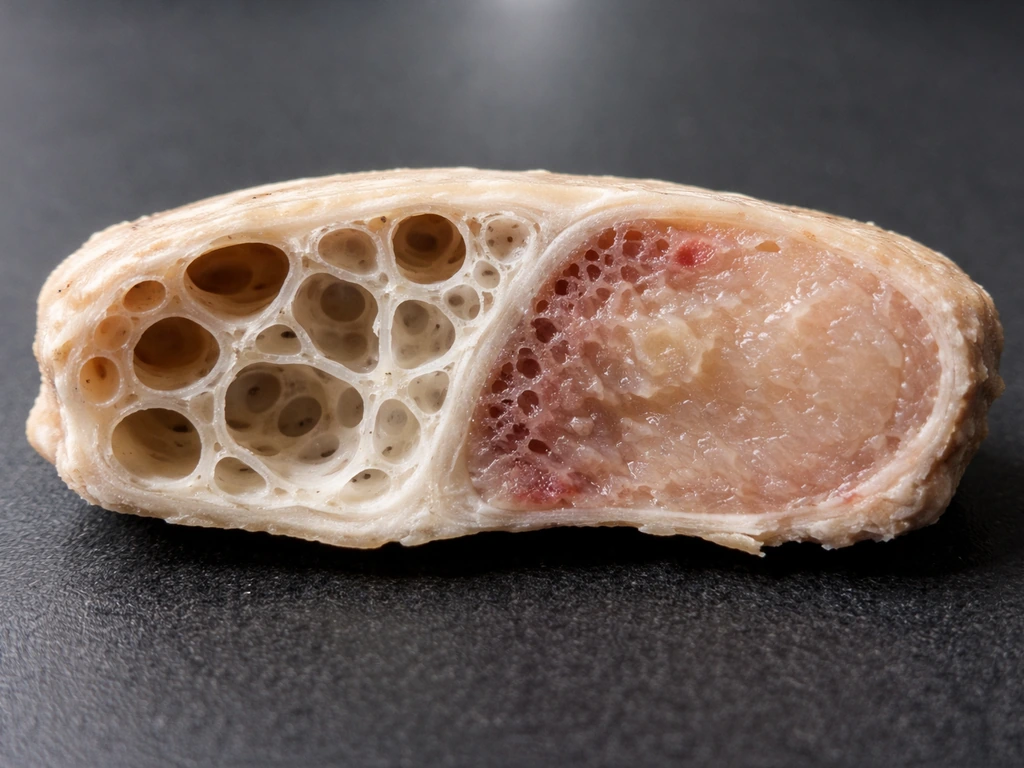
Here's where it gets more nuanced than the simple 'bird bones are hollow, therefore no marrow' summary you'll see floating around. In non-pneumatized bones, marrow is present and functioning normally. In pneumatized bones, the hematopoietic (blood-producing) tissue degenerates as the air spaces invade, but research shows that small amounts can persist at the proximal and distal ends of those bones, basically toward the joints rather than the central shaft. So even in an 'air-filled' wing bone, there can still be traces of marrow tissue tucked toward the ends.
There's also a fascinating special case: medullary bone. This is a completely different type of internal bone tissue that blank" rel="noopener noreferrer">egg-laying female birds deposit inside their medullary cavities during the breeding season. It acts as a calcium reservoir for eggshell production. It's not the same thing as red or yellow marrow, but it does occupy that internal bone space, and it can even be observed on X-rays as increased bone density inside the long bones. Veterinary radiologists look for exactly this as a sign of reproductive activity in birds.
Why birds are built this way
The short version: flight is incredibly demanding, and every gram matters. Replacing dense, heavy marrow with lightweight air directly connected to the respiratory system solves two problems at once. It reduces skeletal mass, and it links the bones into the bird's highly efficient flow-through respiratory system, where air moves continuously rather than in and out like in mammals. This is part of why birds can sustain the aerobic demands of powered flight.
That said, recent research has complicated the simple 'lighter bones for flight' story a bit. It turns out pneumatized bird bones can actually be quite dense in their outer compact layer, providing excellent strength relative to their weight rather than being light in an absolute sense. The internal structure, with struts and trabeculae (tiny internal bony supports) bracing the hollow space, gives the bone a tube-like architecture that resists bending and twisting forces really well.
So it's less 'weak and hollow' and more 'engineered for stress. This is also why people often ask what type of skeleton does a bird have, because the pneumatic-bone pattern can differ from one species to another. ' Scientists still debate exactly how much of the mass saving comes from pneumaticity versus other skeletal adaptations, which I find genuinely interesting.
A quick comparison: bird bones vs. mammal bones
| Feature | Mammal Long Bones | Pneumatized Bird Bones | Non-Pneumatized Bird Bones |
|---|---|---|---|
| Medullary cavity contents | Red or yellow marrow | Air-sac diverticula (air spaces) | Bone marrow (like mammals) |
| Hematopoietic tissue | Present throughout | Largely absent; small traces at bone ends | Present |
| Connection to respiratory system | None | Directly connected to air sacs | None |
| Internal structural supports | Trabecular bone at ends | Struts/trabeculae bracing air spaces | Trabecular bone |
| Special reproductive tissue | Not applicable | Medullary bone in egg-laying females | Medullary bone in egg-laying females |
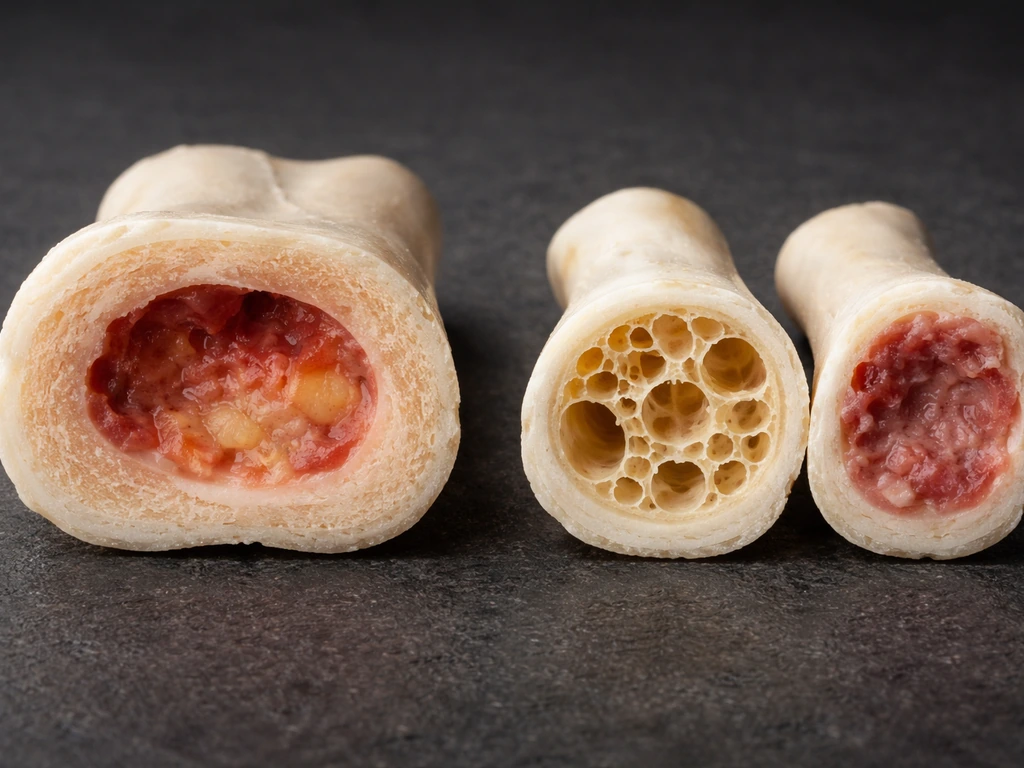
| Appearance when sectioned | Filled with soft tissue | Hollow, corrugated, air spaces visible | Filled with soft tissue |
Common misconceptions worth clearing up
The biggest one is '<a data-article-id="6E5A1097-B815-4EDB-A452-4DDD0577A688">bird bones have no marrow at all</a>.' That's simply not accurate. Non-pneumatized bones, think the smaller bones of the feet and lower legs in many species, are marrow-filled. blank" rel="noopener noreferrer">Even pneumatized bones retain small amounts of hematopoietic tissue at their ends. The 'all air, no marrow' idea is an oversimplification that comes from focusing only on the dramatic hollow wing bones of large flying birds.
Another misconception is that hollow means fragile. If you've ever handled a bird bone and been surprised by how stiff it feels for something so light, that's the tube architecture doing its job. The dense outer shell handles the mechanical load while the interior stays light.
If you're actually looking at a bird bone, here's what to expect. A cross-section of a pneumatized bone like a humerus will look hollow or spongy with visible air-space channels rather than a soft tissue core. A non-pneumatized bone will look more solid inside. On an X-ray of a breeding female, you might see unusual density inside long bones, which is medullary bone deposited for eggshell calcium, not a health problem. Advanced imaging like micro-CT scans can distinguish the air pockets from any residual soft tissue, but to the naked eye or a basic X-ray, the pattern of hollow versus filled bones tells you a lot about which category you're looking at.
What this means if you're just curious about bird anatomy
If you came here wondering what's actually inside those delicate-looking bones you found or saw at a natural history museum, the practical takeaway is this: the bones that make up the core of a bird's body and wings are likely pneumatized and will look hollow with internal strut-work rather than marrow-filled. The smaller bones toward the extremities are more likely to have conventional marrow.
And if it's a female bird during breeding season, the medullary bone in the long bones is a genuine, fascinating adaptation you won't see in mammals at all. Bird skeletons really are structurally different from what most people picture, and the marrow question is just one layer of that difference. If you're also wondering about bird anatomy more broadly, you might be asking does bird have a spine.
Bird nests are mostly made from plant fibers and saliva or other binding materials, so they do not have collagen in the same biological sense as animal connective tissue.
FAQ
Do all bird bones completely lose marrow because birds have air spaces?
Not necessarily. Many birds have a mix of pneumatized (air-pocket) and non-pneumatized (marrow-filled) bones, so you can see marrow in smaller limb bones even if major wing bones are largely replaced by air spaces.
If the center of a bird bone is air-filled, is there absolutely no marrow anywhere in that bone?
In pneumatized bones, the central marrow region is largely taken over by air pockets. However, small amounts of hematopoietic tissue can persist near the ends of those bones, close to the joints, so “no marrow” depends on where you look within the bone.
What is medullary bone, and does it count as marrow in the usual sense?
Yes, medullary bone is real in breeding female birds, and it occupies the internal cavity region of long bones. It is not the same tissue type as red or yellow mammal marrow, and it serves as a calcium reservoir for eggshell production.
How can I tell whether a specific bird bone is pneumatized or marrow-filled?
You can often distinguish the bone type by imaging pattern. Pneumatized bones tend to show hollow or spongy air-space architecture (sometimes with strut-like internal bony supports), while non-pneumatized bones look more solid inside on basic radiographs.
Why might an old or cleaned bird bone be confusing to judge by eye?
Fresh fracture patterns and preservation can make soft tissues hard to interpret. If marrow has been degraded by time, heat, or drying, even a non-pneumatized bone might look less “mushy,” so imaging or micro-CT is more reliable than appearance alone.
Are pneumatized bird bones actually weaker because they’re hollow?
Likely in the opposite direction from the “hollow equals fragile” myth. Pneumatization reduces internal mass but keeps strength by using a dense outer shell and internal strut or trabecular support that resists bending and twisting.
Does pneumatization (and marrow reduction) vary by bird species and by bone location?
Species, lifestyle, and which bones you’re talking about matter. Flight-related skeletal elements are more commonly pneumatized, while bones farther from the core or more distal in the limbs are more often non-pneumatized and retain conventional marrow.
Could medullary bone be mistaken for a disease finding on X-rays?
Yes. A “marrow-like” cavity in birds could be medullary bone in breeding females, especially visible as increased density in long bones on X-rays. It can be mistaken for a health problem unless you consider reproductive timing and context.
If I find a bird bone at a museum or collection, what is the most practical way to guess whether it has marrow?
In general, look at the anatomy first: larger, flight-related bones are more likely pneumatized, while smaller, lower-leg or foot bones are more likely to retain conventional marrow. If you have X-rays, check for the breeding-female density pattern that suggests medullary bone.