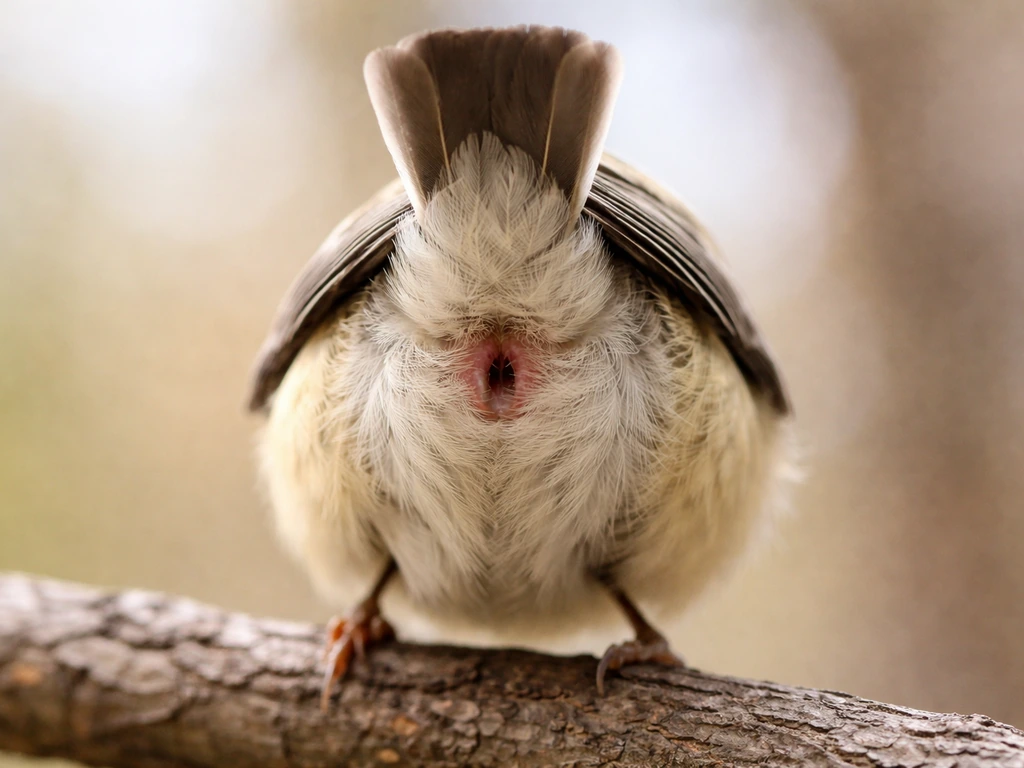
The cloaca on a bird is located at the base of the tail, on the underside of the body. You're looking for a small transverse (side-to-side) opening in the feathered area just below where the tail feathers begin, toward the belly side. That opening is called the vent, and it's the external entrance to the cloaca. You may also hear the vent called the gullet opening, which can be confusing for beginners gullet on a bird. There's only one opening, no separate holes for urine, feces, or reproduction. Everything exits through that single spot.
Where Is the Cloaca on a Bird A Practical Guide

Marcus Chen
5 Jul 2026
What exactly is a cloaca?
The word 'cloaca' comes from Latin for 'sewer,' which is admittedly not the most glamorous starting point, but it captures the function pretty well. In birds, the cloaca is an internal chamber, a kind of common collecting room, where three separate body systems all empty out: the digestive tract, the urinary system, and the reproductive tract. Whatever the bird needs to expel, whether it's waste, uric acid from the kidneys, eggs, or reproductive fluid, it all passes through this single internal space before exiting through the vent.
This is different from what happens in most mammals, where the digestive, urinary, and reproductive tracts each have their own separate external openings. Birds (along with reptiles, amphibians, and a few other animal groups) kept the ancestral single-opening design. So when people ask 'do birds pee separately from pooping,' the answer is no, it all comes out together through the cloaca. In a related Reddit discussion, people use blank" rel="noopener noreferrer">cloaca-style analogies to explain why the one-hole pee and poop myth often comes up in conversation about dinosaurs and reptiles.
Exactly where the cloaca sits on a bird's body
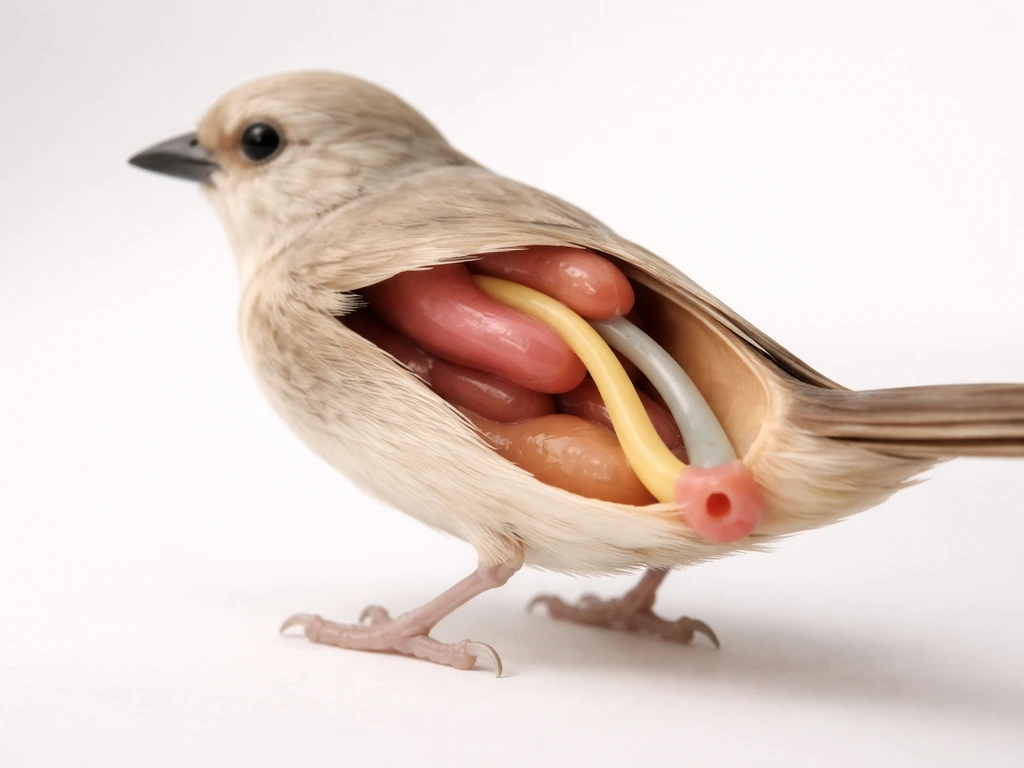
If you're picturing a bird standing upright or perched on a branch, the cloaca is at the very posterior end of the body, at the tail end. More precisely, the vent (the external opening) sits in what anatomists call the ventrocaudal body wall, which just means the belly-facing side near the tail. Think of it as the intersection of 'toward the belly' and 'toward the tail.' It's not at the very tip of the tail, and it's not deep on the underside. It sits right at the base of the tail feathers, on the underside.
The gastrointestinal tract runs the length of the bird's body and terminates at the cloaca. The digestive system of a bird is a fascinating topic on its own, and the cloaca is essentially its final stop before waste exits the body. Internally, the cloaca has three distinct compartments: the coprodeum (receives waste from the intestines), the urodeum (receives uric acid from the kidneys and products from the reproductive tract), and the proctodeum (the final chamber before the vent opening). The vent is simply the door at the end of all that plumbing.
How to identify the vent (cloaca opening) from the outside
From the outside, you won't see the internal cloaca itself, only the vent. On a live bird, it looks like a small slit-shaped or slightly rounded opening, oriented horizontally (transverse), tucked under the base of the tail. The surrounding feathers in a healthy bird will be clean and dry. Birds Online notes that in normal condition, the plumage around the vent is clean, with no excrements or urine sticking to it clean and dry. If there's matting, discoloration, or crusting of feathers around the vent area, that's often a sign of illness or digestive trouble, something bird health guides specifically flag as a warning cue.
One thing that can briefly confuse beginners: when a bird strains to pass droppings, the cloacal lining can momentarily protrude slightly through the vent opening. This is normal and temporary. It can make the vent look slightly larger or pinker than usual for a second. It doesn't mean something is wrong. A prolapsed cloaca, where tissue stays out and doesn't retract, is a different and serious condition that needs veterinary attention, but don't panic if you see a brief protrusion during a dropping.
If you're trying to observe the vent on a bird in the hand (your own pet bird, or a bird being examined by a vet or rehabilitator), gently part the feathers at the base of the tail on the underside. You'll find the vent without much searching. On most birds, it's quite obvious once the feathers are moved aside.
Does it look different by sex, age, or species?
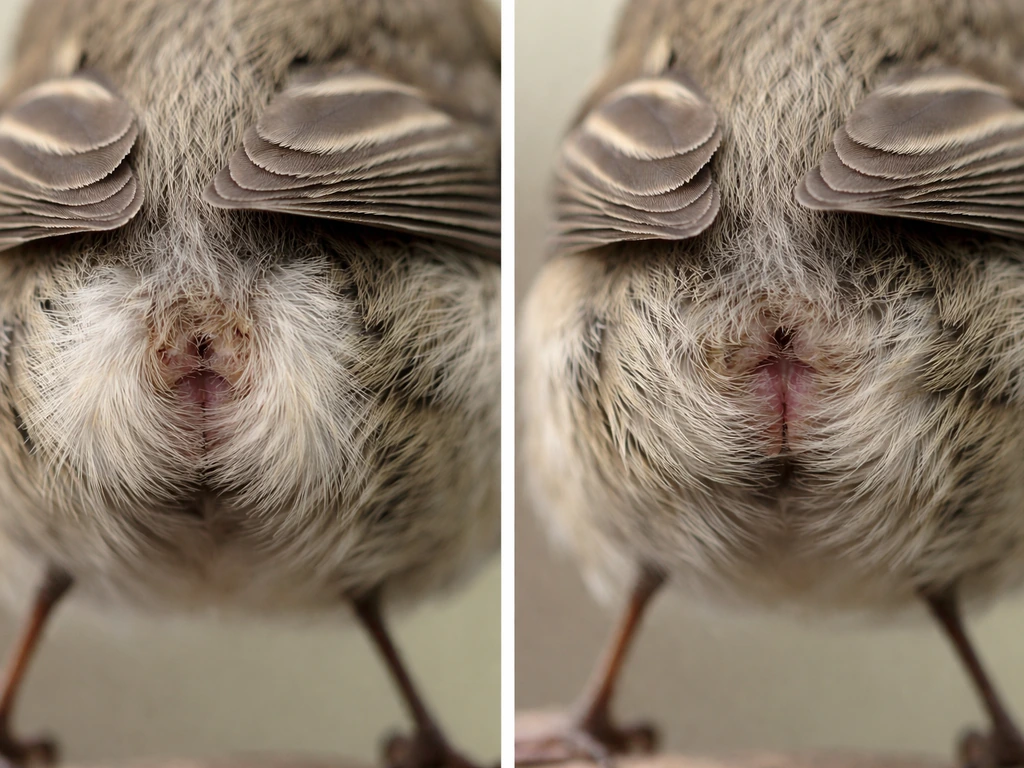
Yes, with some caveats. The basic location is the same in all birds, it's always that ventrocaudal vent at the tail base. But the appearance can vary in a few meaningful ways.
- Sex: In breeding season, the cloacal area of both males and females can become more swollen and prominent as the reproductive organs enlarge. Outside of breeding season, most external differences between male and female cloacas are subtle and hard to distinguish without training. The topic of male vs. female bird cloaca differences goes into more detail on this.
- Age: Young birds (juveniles) actually have an extra structure associated with the cloaca called the cloacal bursa (also called the bursa of Fabricius), which sits on the dorsal midline just inside the cloaca. It's part of the immune system and gradually regresses as the bird reaches adulthood. Checking for this structure is one way wildlife biologists age birds in the hand.
- Species: Body size, tail feather length, and feather density affect how visible or accessible the vent is externally. A large parrot has a more accessible vent than a tiny wren with dense overlapping tail feathers. Species with particularly heavy tail feather coverage may require more careful parting of feathers to locate the vent clearly.
- Condition: In a healthy bird, the vent area is clean. In a sick bird, it may be stained, swollen, or have matted feathers. Always check this area when assessing bird health.
It's worth noting that even experienced bird handlers sometimes struggle to visually sex birds by cloaca alone without feeling for internal structures, a technique called cloacal sexing or vent sexing that requires proper training. Don't assume you can reliably tell male from female just by looking at the vent from the outside, especially outside of breeding season. A deeper comparison of the male vs female bird cloaca can help explain why vent appearance alone is unreliable male from female.
What the cloaca actually does, all three jobs
The cloaca pulls triple duty, which is exactly why it's such an interesting structure. Here's what it handles:
| Function | What happens | What exits the vent |
|---|---|---|
| Digestion / excretion | Solid waste from the intestines (feces) enters the cloaca via the coprodeum and is expelled through the vent | Feces (the darker solid part of a bird dropping) |
| Urinary excretion | The kidneys produce uric acid (not liquid urine like mammals), which travels to the cloaca and is expelled alongside feces | The white/cream paste in bird droppings — that's uric acid, not 'urine' in the mammal sense |
| Reproduction | In females, eggs travel from the oviduct through the cloaca and out the vent. In males, sperm are transferred to the female's cloaca during a brief contact called a 'cloacal kiss.' Fertilization happens internally. | Eggs (females), sperm (males during mating) |
The reproductive side of the cloaca is worth understanding a little more. Most male birds don't have a penis, sperm transfer happens through direct cloacal contact, where both birds press their vents together momentarily. This is quick and easy to miss if you're watching birds mate for the first time and wondering what just happened. A small number of bird species (ducks, ostriches, and a few others) do have a phallus, but these are exceptions rather than the rule.
For females, the cloaca is also where the egg exits just before laying. For a female bird specifically, the egg also passes through the same cloaca before exiting at the vent female bird cloaca. The egg travels down the oviduct and enters the cloaca's proctodeum, and during laying, it's expelled through the vent. The digestive and urinary functions are essentially paused during this process to avoid contamination of the egg.
Common myths, safe handling, and what not to do
Myth: birds have separate pee and poop exits
This is probably the most common misconception. Because bird droppings have two visually distinct components, a darker solid part and a white pasty part, people sometimes assume they come from two different openings. They don't. Both parts exit through the same vent. In male birds, the sex chromosome complement includes one Z chromosome and one W is absent, so males are described as ZZ male birds are ZZ. The white paste is uric acid from the kidneys, which is how birds excrete nitrogenous waste without losing lots of water (unlike mammals, who produce liquid urine). It all mixes in the cloaca and exits together.
Myth: you can easily sex a bird by looking at its vent
Outside of breeding season, the external vent looks pretty similar in males and females of most species. The appearance of the vent can look similar in male and female thrush birds too, and reliable sexing usually depends on more than just external viewing difference between male and female thrush bird. Professional cloacal sexing involves gently everting the cloacal tissue to look for internal structures and requires proper training to avoid injuring the bird. Don't attempt this on your own without guidance. For most purposes, genetic testing (from a feather or blood sample) is the safest and most reliable way to sex a bird.
Safe handling when examining the vent area
If you're handling a pet bird and want to check the vent area, keep it brief and calm. Birds stress quickly, and extended handling raises their heart rate significantly. For wild or injured birds, the guidance from wildlife rehabilitation professionals is clear: minimize handling time, prioritize preventing escape and reducing stress, and don't perform unnecessary examinations. If you find an injured bird and need to assess it, a quick visual check of the vent area (is it clean and unobstructed?) is enough, you don't need to probe or manipulate the area.
Use gloves when handling wild birds, both for your protection and for the bird's. Many wild birds carry bacteria that can be transmitted to humans, and human scent and handling stress can cause additional harm to the bird. If you observe any prolapsed tissue at the vent (tissue that is visibly protruding and not retracting), treat this as a medical emergency and contact a licensed wildlife rehabilitator or avian vet immediately. Don't attempt to push it back in yourself.
What a healthy vent looks like (quick reference)
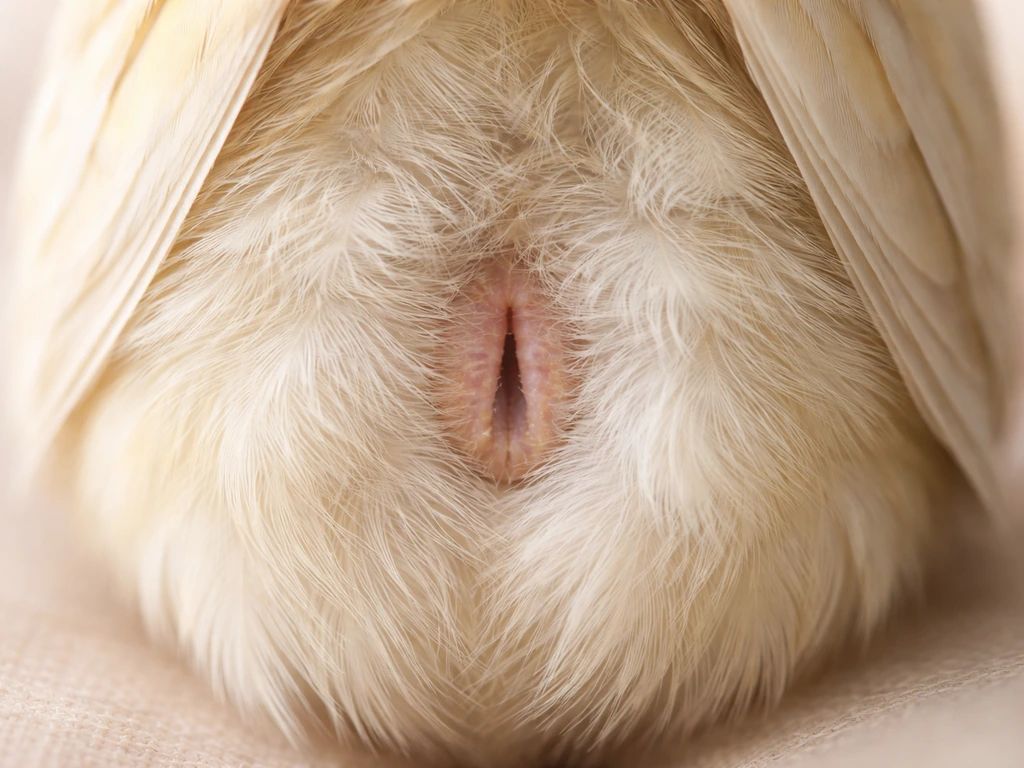
- Clean, dry feathers surrounding the vent — no staining, crusting, or matting
- A small, closed or slightly open transverse slit at the base of the tail on the underside
- No visible protruding tissue when the bird is at rest
- No swelling, redness, or discharge visible on the surrounding skin
If you're deepening your knowledge of bird anatomy beyond the cloaca, it connects naturally to understanding the full avian digestive system, including how the gizzard grinds food earlier in the process and how the gullet moves material down from the crop. The cloaca is the endpoint of a surprisingly efficient and compact system. Once you have the full picture, it's hard not to appreciate just how elegantly birds have evolved to pack all of that function into such a small body.
FAQ
If the cloaca is internal, how do I reliably find it on a bird without probing?
Yes. The cloaca itself is internal, but the external “door” you can see and feel for is the vent at the base of the tail on the underside. If you see anything on the very tip of the tail rather than right under the tail feathers, you are likely looking at a different structure.
What does a healthy vs unhealthy vent area look like from the outside?
In most birds, the vent should look clean and dry, with only a small slit-like opening. If the area is smeared with discharge, crusted, or persistently swollen, treat that as a possible illness sign and seek an avian vet or wildlife rehabilitator rather than trying to manipulate the tissue.
How can I tell temporary cloacal protrusion from a true prolapse?
During an active dropping, or if a bird briefly strains, a small amount of cloacal tissue may momentarily protrude and then retract. A prolapse is different, it stays out and does not retract normally, often with visible swelling or continued exposure, and should be treated as urgent.
If birds don’t have a separate urine opening, why do droppings look like two different parts?
Birds do not have separate “pee” and “poop” holes, so urine from the kidneys mixes with fecal material in the cloaca. The white paste is uric acid, and it exits through the same vent as the darker fecal part.
Can I sex a bird by looking at the vent or cloaca?
Don’t rely on vent appearance to confirm sex. Cloacal sexing (including everting tissue) requires training to avoid injury, and outside breeding season many vents look very similar between males and females across many species.
Does the cloaca or vent look different during breeding season?
Be extra cautious during breeding season. Some species show more obvious cloacal changes related to reproduction, which can make beginners think the vent is abnormal when it’s actually part of reproductive activity. If you are unsure, prioritize the bird’s overall behavior and health and contact a professional if anything looks persistent or worsening.
What is the safest way to check the vent during a home exam?
For a quick check, part the feathers briefly at the ventrocaudal underside near the tail base and look for the opening. Avoid inserting fingers or tools, avoid prolonged handling, and stop immediately if the bird becomes distressed.
Should I wear gloves and is it okay to handle the vent area more than once?
Gloves help reduce disease risk and prevent you from transferring human scent, but they do not replace stress reduction. Keep sessions short, keep the bird warm, and avoid repeatedly opening the vent area, since repeated handling can worsen stress and potentially aggravate minor issues.
What should I do if the bird can’t pass droppings or the vent area looks stuck out?
If you suspect injury or disease, avoid pushing tissue back in yourself. Persistent exposed tissue, bleeding, or an inability to pass droppings can be signs of serious trouble. Contact an avian vet or wildlife rehabilitator promptly.
Does the vent location change depending on how the bird is positioned?
Yes, orientation matters. The vent sits on the underside near the base of the tail feathers, not on the back side and not deep in the tail. If you’re searching while holding the bird upright, angle it slightly so you can see the underside at the tail base clearly.
Next Articles
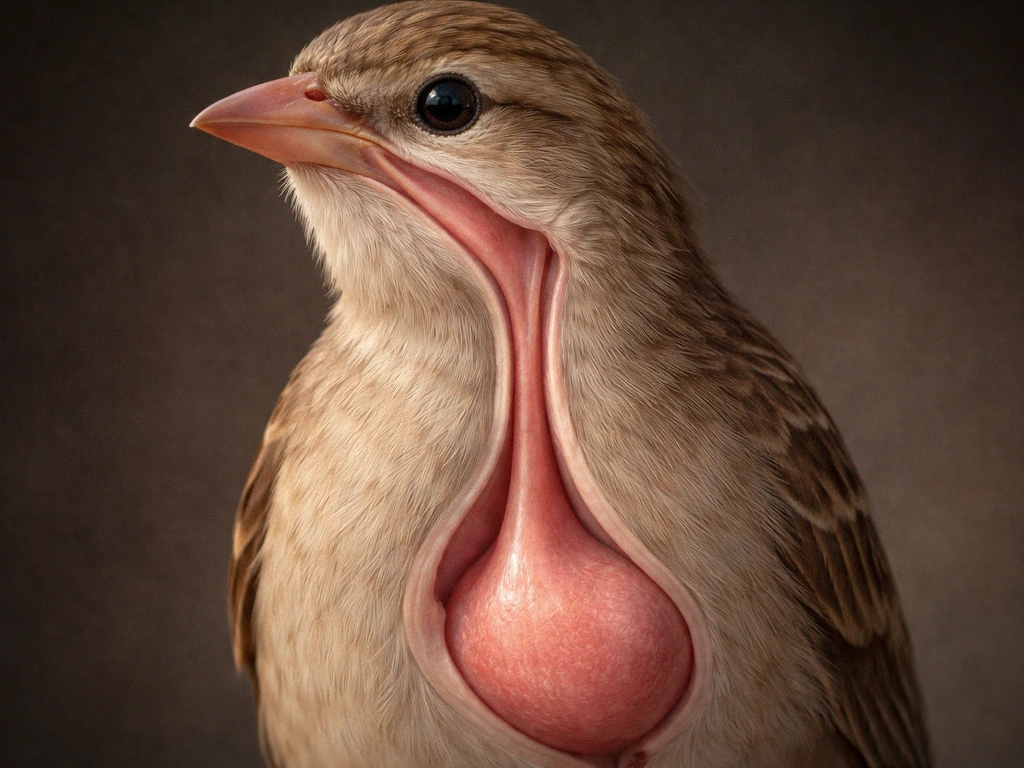
What Is a Gullet on a Bird? Location, Function, and Issues
Learn what a bird gullet is, where it sits, how it moves food, and when blockages or irritation may need a vet.
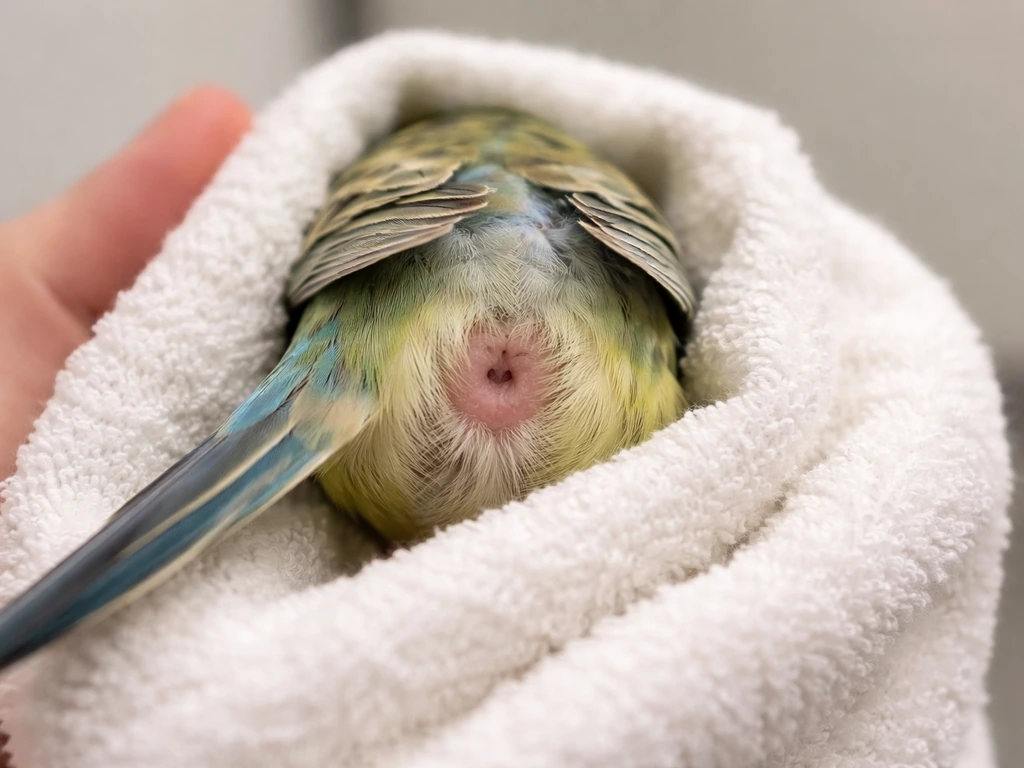
Male vs Female Bird Cloaca: How to Tell Safely
Learn cloaca basics, safe checks, and reliable limits for male vs female bird sexing plus better confirmation options.
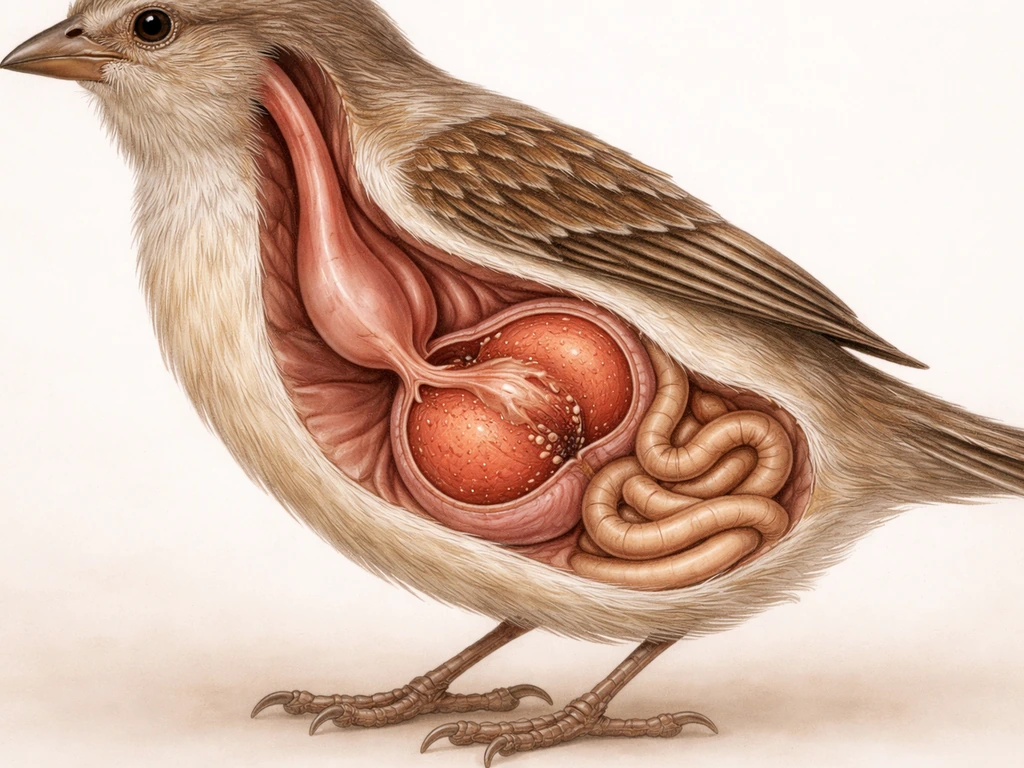
What Is a Gizzard in a Bird? Function, Location, and Food
Learn what a bird gizzard is, where it sits, how grit grinds food, plus diet differences and bird health tips.