
You can sometimes tell a male from a female bird by examining the cloacal region, but it depends heavily on the species, the time of year, and how much training you have. There is no single universal "male cloaca vs female cloaca" look that works across all birds. In some passerines (songbirds) during breeding season, males develop a visible cloacal protuberance that females lack. In a handful of species, males have a penis associated with the cloaca. But for most pet birds and wild species you are likely to encounter, cloacal appearance alone is not reliably diagnostic without experience, context, and often a confirmed second method.
Male vs Female Bird Cloaca: How to Tell Safely

Marcus Chen
11 May 2026
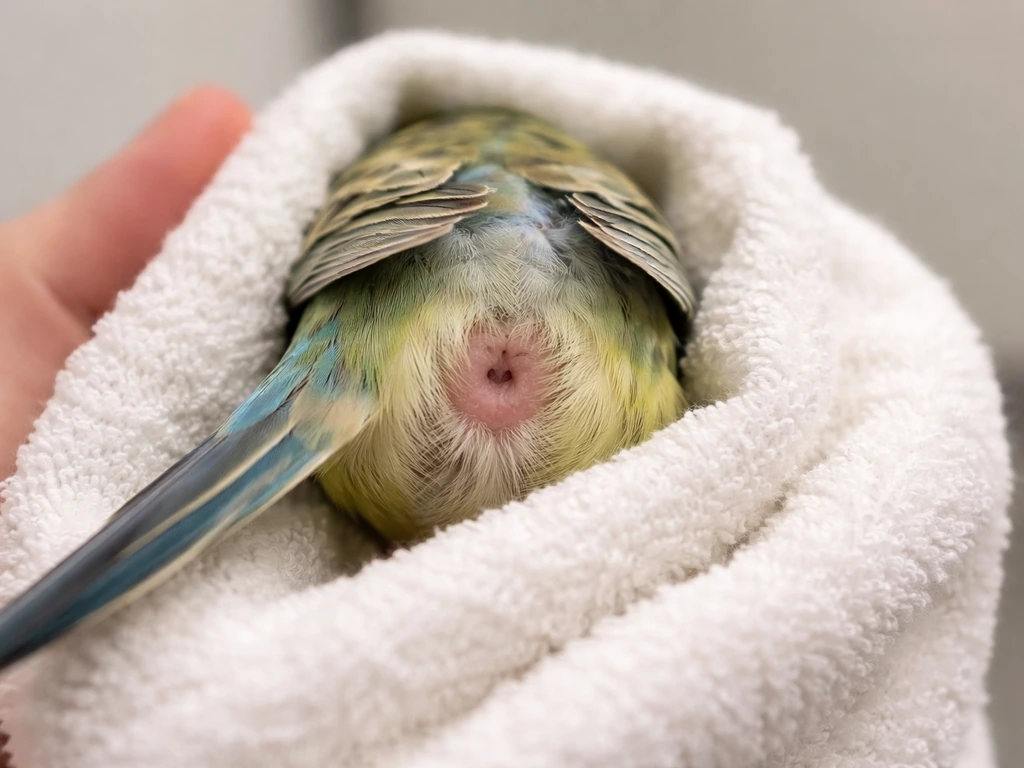
What the cloaca actually is and what it does
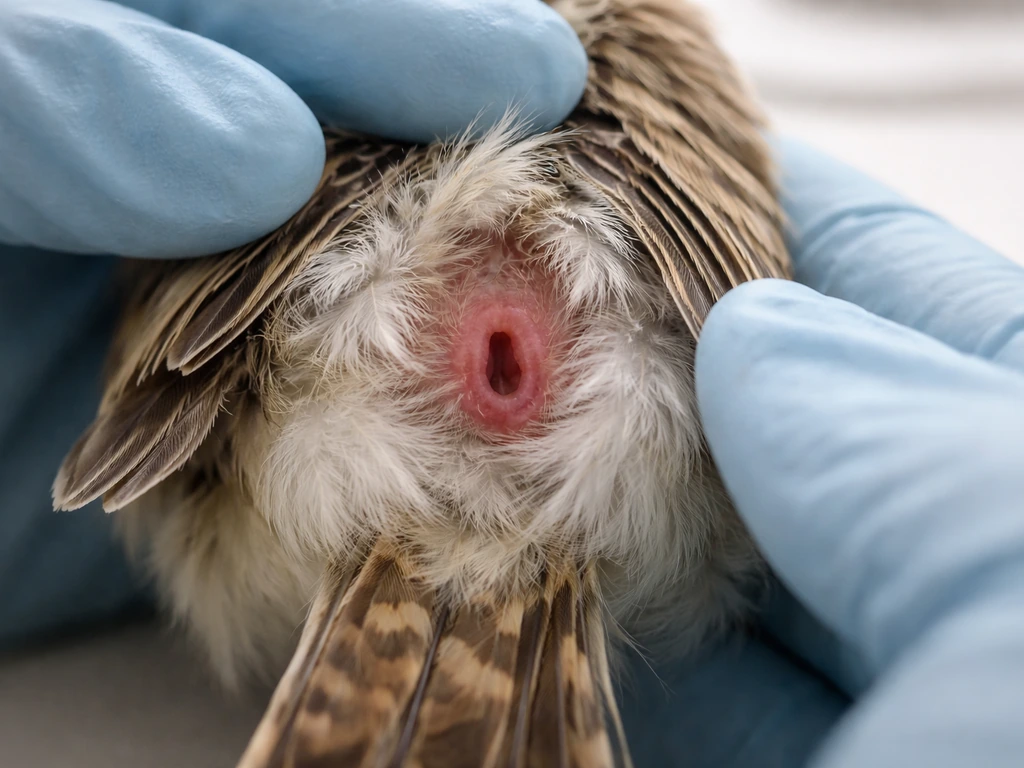
The cloaca is a shared internal chamber at the tail end of a bird's digestive, urinary, and reproductive systems. You can use this link to learn what a gullet on a bird means and how it relates to the bird's throat and digestive tract cloaca. Think of it as a three-room compartment. The first room, the coprodeum, receives feces from the large intestine. The second, the urodeum, is where the ureters (carrying urine) and the reproductive ducts open into. The third, the proctodeum, is the final chamber before everything exits through the external opening. That external opening is called the vent, and it is what you can actually see on the outside of the bird.
So when people talk about "looking at the cloaca" to sex a bird, they are really looking at the vent and the tissue immediately around it, and possibly feeling for structures just beneath the surface. The internal anatomy is not visible without instruments. This distinction matters because a lot of the meaningful sex-related differences happen internally or are only visible as subtle surface changes.
The cloaca also plays a direct role in reproduction. During mating, most birds perform what is called a cloacal kiss: the male and female briefly press their vents together to transfer sperm. A small minority of bird species, including ducks, geese, ostriches, and some other ratites, have a penis that sits within or near the cloacal structures and can engorge during mating. If you are working with waterfowl or ratites, male anatomy around the cloaca is much more obvious for this reason.
What you can actually observe: male vs female cloacal differences
The most consistently documented external difference between sexes is the cloacal protuberance in male passerines during breeding season. For detailed guidance on sexing thrushes specifically, see the difference between male and female thrush bird cloacal protuberance in male passerines. This is a rounded swelling of tissue at the base of the cloaca, caused by the enlargement of the seminal glomera (sperm-storage structures) that press outward. It has been studied across 21 passerine species and is directly linked to sperm presence and reproductive condition. Females do not develop this swelling, though they may show a flattened or slightly softened vent area when they are in laying condition.
Outside of breeding season, those differences mostly disappear. A male passerine in winter looks cloacally similar to a female, and that catches people out regularly. The protuberance is a seasonal, hormone-driven structure, not a permanent anatomical label.
blank" rel="noopener noreferrer">For chickens and other poultry, commercial hatcheries use vent sexing in day-old chicks. This involves squeezing feces from the cloaca to briefly open it, then looking for a small genital eminence (a tiny bump) in males. It is accurate when done correctly, but it is a blank" rel="noopener noreferrer">specialized hatchery skill requiring significant training. Injury risk is real, particularly in small or delicate breeds. This is not something to attempt casually on a pet chick.
For most pet species like budgerigars, cockatiels, lovebirds, and finches, cloacal appearance alone is not a reliable sexing method. Some cockatiel guides mention feeling the distance between the pelvic bones near the vent as a supplementary cue, but that is a tactile estimate rather than confirmed anatomy. Budgerigar sexing by cere (the fleshy area above the beak) color is far more practical for adults, and even that becomes tricky in juveniles.
| Bird Group | Male Cloacal/Vent Difference | Reliability | Best Practical Method |
|---|---|---|---|
| Passerines (songbirds) | Cloacal protuberance in breeding season | Moderate to good in season, poor off-season | Protuberance check + DNA sexing to confirm |
| Poultry (chickens, etc.) | Genital eminence in day-old chicks | High when done by trained sexers only | Trained vent sexing at hatchery or DNA |
| Waterfowl (ducks, geese) | Males have visible phallus near cloaca | High in adults | Visual exam or DNA |
| Parrots and pet psittacines | No consistent external difference | Low | DNA sexing or endoscopy |
| Pigeons and doves | Some cloacal character differences studied | Variable, species-specific | Behavior, DNA, or vet exam |
| Ratites (ostriches, emus) | Males have an intromittent organ | High in adults | Visual exam by experienced handler |
How to do a basic cloacal check safely and ethically
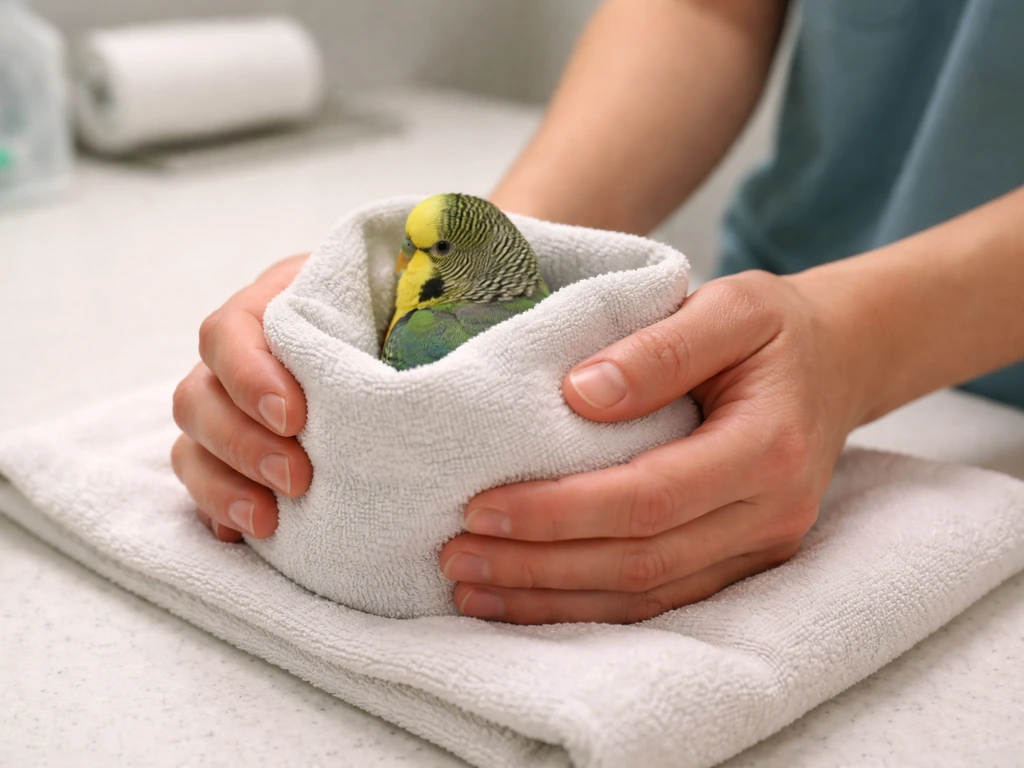
If you decide to do a cloacal check, stress reduction is the top priority. A frightened bird is a bird at risk of injury, heart stress, and escape. Here is a safe, low-stress approach.
- Wash your hands thoroughly before and after handling.
- Restrain the bird gently in a towel wrap or with your non-dominant hand, keeping the body secure but not compressed. Never squeeze the chest, as birds breathe using the movement of their body walls.
- Position the bird so the tail end faces toward good light. You are looking at the vent area on the underside of the tail.
- Gently part the feathers around the vent with a finger. You are only looking at the external surface and any visible swelling at this stage. Do not insert anything into the vent.
- Look for: a rounded, symmetrical protuberance just above the vent (male passerine breeding condition), a flat or slightly soft vent area (female in laying condition, though this is subtle), any redness, swelling, discharge, or tissue protruding from the vent (stop immediately and contact a vet).
- Keep the entire process under two minutes. If the bird is panting, open-mouth breathing, fluffed, or struggling intensely, return it to its enclosure immediately.
There are several situations where you should stop and contact a vet rather than continuing any kind of cloacal examination. These are not optional judgment calls.
- Tissue is visibly protruding from the vent (cloacal prolapse). This is a veterinary emergency.
- There is active bleeding from the vent area.
- The bird is straining repeatedly as if trying to pass something.
- You see discharge, unusual color, or swelling around the vent that does not look like normal feather arrangement.
- The bird is visibly weak, fluffed, or showing open-mouth breathing at rest.
- Dropping production has decreased noticeably.
Cloacal prolapse in particular requires immediate professional treatment. Exposed tissue can deteriorate within hours, and the underlying cause (infection, egg binding, reproductive disorder, obstruction) needs to be identified and corrected. Do not attempt to push tissue back in yourself.
The honest limits of "just looking"
Even trained ornithologists working with cloacal protuberance assessments in passerines report that reliability varies across species and geographic populations. One study across multiple passerine species found that morphological sexing, including cloacal traits, was not consistently valid at larger geographic scales. Observer repeatability in protuberance measurement is reasonable when done carefully (studies report repeatability around R = 0.73 in house sparrows under controlled conditions), but that is in a research setting with trained observers, not a casual home check.
The fundamental problem is that most of the internal sex-related anatomy sits inside the urodeum, which you cannot see without instruments. The ovary and testes are positioned high up in the coelom (body cavity), far from the vent. External cloacal appearance reflects breeding condition and hormonal state much more than it reflects permanent sex anatomy. Two birds of the same species can look cloacally identical externally, one male and one female, outside of breeding season. For that reason, a male vs female swallow bird comparison can be misleading if you are relying on vent appearance alone outside of breeding season.
For parrots, the external vent typically looks the same in males and females throughout the year. There is no reliable visual cue. This catches a lot of parrot owners off guard, especially people who have been told they can sex a bird by examining its vent. In cockatiels, budgies, and most other psittacines, the cloaca simply does not give you the answer.
Breeding season changes that can mislead you
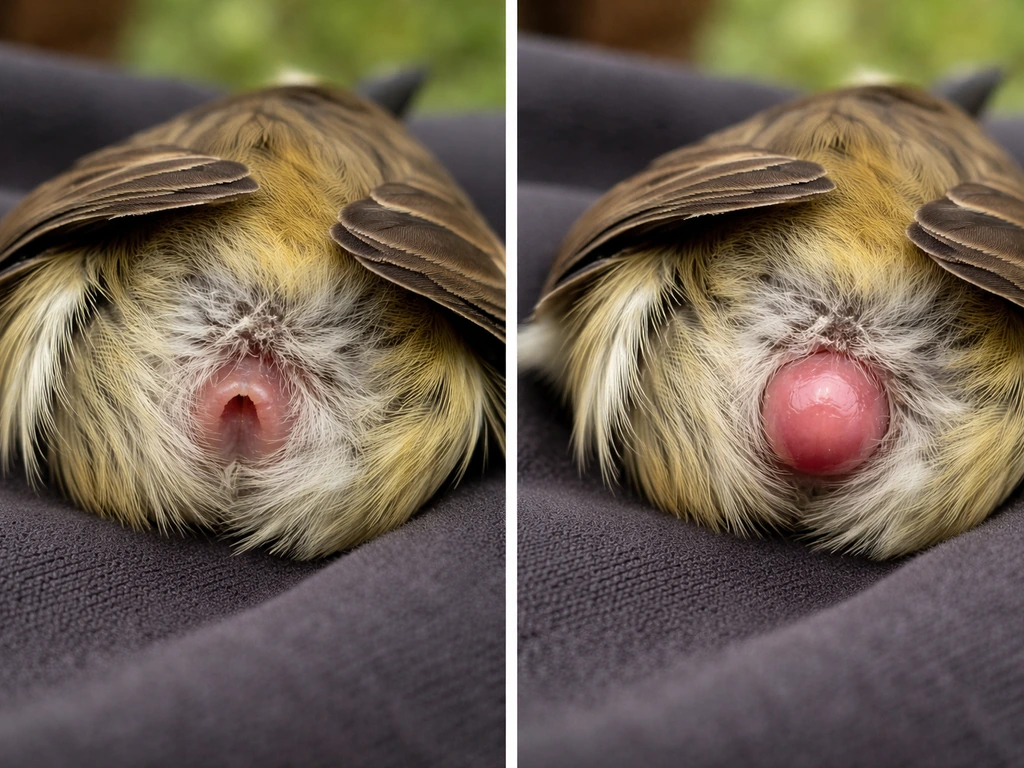
Hormonal changes during breeding season alter the cloaca and surrounding tissue in ways that can confuse even careful observers. In male passerines, the cloacal protuberance swells dramatically as breeding season begins, then regresses afterward. A male bird examined in January may show no protuberance at all, and you could easily record it as female.
Research published in Scientific Reports in 2024 found that even cloacal fluid composition changes dynamically across the reproductive season in passerines, reflecting shifting hormonal and physiological states. The cloaca is, in a real biological sense, a seasonally changing organ, not a static structure you can read like a label.
Breeding season also triggers vent swelling in females around egg-laying time, which can sometimes be mistaken for a protuberance if the observer is not experienced. Female birds in active laying condition may show a softer, more prominent vent than females outside of season, which adds another layer of ambiguity. Tree swallows, for example, could be sexed with high accuracy by cloacal protuberance only once breeding traits were developed. Before that point, accuracy dropped significantly.
The practical takeaway: if you are trying to sex a bird by cloacal exam, knowing where the bird is in its annual cycle matters enormously. A check done in peak breeding season on a known-wild passerine species will be far more informative than the same check done on a captive parrot in winter.
Better methods to confirm sex when the cloaca doesn't give you a clear answer
For most pet bird owners and anyone working with species where cloacal sexing is unreliable, DNA sexing is the gold standard today. It uses a blood sample or a feather with an intact follicle, sent to a laboratory for chromosomal analysis. For male birds, that DNA-based sexing result ultimately comes from the sex chromosome complement, which can be identified by chromosomal analysis sex chromosome complement of male birds. Reported accuracy is over 99% when samples are handled correctly, it is minimally invasive, and it requires no specialized handling skills beyond collecting the sample cleanly. Results typically come back within a few days to a couple of weeks depending on the lab. This is the method most avian vets recommend for parrots, softbills, and any species without clear external sexual dimorphism.
Endoscopy (also called laparoscopy or surgical sexing) involves a very small camera introduced into the coelom under anesthesia to directly visualize the gonads. It is definitive and also allows the vet to assess the bird's overall reproductive health at the same time. The trade-off is that it carries the risks associated with anesthesia and a minor surgical procedure. It is generally reserved for cases where DNA sexing is inconclusive, where disease assessment is also needed, or where the owner needs confirmation for breeding program records.
Beyond the cloaca and laboratory methods, several other practical indicators are worth checking first, particularly for common species.
- Plumage differences: many species show clear male vs female coloring. Thrushes, swallows, and many finches are examples where feather color alone can be diagnostic or strongly suggestive.
- Cere color in budgerigars: adult male budgies have a blue cere; females have a brown or tan cere. This is reliable in adults though not in juveniles.
- Behavioral cues: singing, displaying, territorial behavior, and nest-building postures are strongly male-typical in most species, though not absolute.
- Pelvic bone spacing (in some species): in females, the two pelvic bones flanking the vent may be more widely spaced to allow egg passage. This is a tactile assessment requiring experience and is not reliable across all species.
- Chromosomal sex: remember that in birds, males are ZZ and females are ZW, the reverse of the mammalian XY system. DNA tests detect this directly.
A decision path you can follow today
If you need to sex a bird right now, here is a practical sequence to work through.
- Start with what you can see without handling: plumage, cere color, size differences, and any obvious behavioral cues. For many species this will be enough.
- If the species lacks clear external dimorphism and you want to check cloacally, follow the safe handling steps above and only look for a protuberance in a passerine during confirmed breeding season. If it is off-season or the bird is a parrot or other non-passerine, skip this step.
- If cloacal examination is inconclusive or not appropriate, collect a DNA sample. Most avian vets can collect blood; some labs also accept feather samples you can collect yourself according to the lab's instructions.
- If you have reproductive health concerns alongside sexing needs (e.g., suspected egg-binding, cloacal prolapse, or reproductive masses), book an avian vet appointment for endoscopy or a full clinical workup rather than trying to resolve it at home.
- If you see any emergency signs during handling (prolapse, bleeding, straining, weakness), go to an avian vet the same day.
The cloaca is a fascinating and multi-functional structure, and understanding what it actually does makes it easier to understand why it is not a simple sex detector. If you are also curious about the bird’s digestive tract, you may be wondering what a gizzard in a bird is and what it does what is a gizzard in a bird. For most birds, a combination of observation, species knowledge, and a DNA test will get you a reliable answer far faster and more safely than trying to interpret subtle cloacal anatomy on your own.
FAQ
How do I tell whether a vent “bump” is a male cloacal protuberance or just breeding condition in general?
Use timing and species context first. In many passerines, the protuberance appears mainly during breeding season and should regress later, while females may show a softer or slightly more prominent vent when laying. If you cannot confirm the species and whether the bird is in active breeding condition, treat any bump as non-diagnostic and rely on a second method like DNA sexing.
Is it ever safe to gently inspect the vent at home, and what’s the safest way to do it?
If you do it at all, keep sessions very brief, avoid squeezing or “opening” the cloaca, and stop immediately if the bird tenses, struggles, or shows signs of distress. Prefer observation in natural lighting and use a calm handling setup, warm environment, and clean hands, because small abrasions around the vent can raise infection risk.
What are the most common mistakes people make when trying to sex birds by the cloaca?
The biggest errors are ignoring seasonality, comparing birds of different ages or geographic populations, and mistaking external vent appearance for permanent sex anatomy. Another frequent mistake is attempting tactile cues that require applying pressure, which can cause injury and can also distort tissue so the observer misreads it.
If I have a male passerine outside breeding season, will the cloacal protuberance be absent 100% of the time?
No. It may be absent or subtle outside peak breeding condition because the trait is hormone-driven and tied to reproductive state. Some males also show individual variation, so an absent protuberance cannot confirm female status, especially if the bird might be in a transitional or stress-related reproductive state.
Can female birds ever develop changes around the vent that look like male traits?
Yes. Females can show altered vent softness or mild prominence around egg-laying periods, which can be misread as a male-style swelling. That’s why a single photo-based or one-time vent check is unreliable unless you know the exact species and the bird is clearly in a specific reproductive stage.
For chickens, is day-old vent sexing something I can safely do at home with guidance?
It’s not recommended. Hatchery vent sexing involves trained technique, including careful handling and squeezing to temporarily open the vent, which carries real injury risk in small chicks and delicate breeds. If you need certainty, consider having a professional hatchery or vet do it, or choose DNA sexing for pets.
If cloacal sexing is unreliable for parrots, what practical signs can I check first before DNA testing?
Parrot vent appearance usually won’t help, so focus on established species-specific indicators like behavior and, for some species, adult plumage or cere traits (when applicable). Still, treat any behavioral guessing as tentative, because many parrots look similar externally in both sexes until hormones or age-related changes provide clearer cues.
How accurate is DNA sexing, and what can go wrong with sample handling?
Accuracy is typically over 99% when an intact feather follicle is collected correctly or a blood sample is handled properly by the lab’s requirements. Errors most often come from poor sample quality, contamination, or submitting a feather without a follicle. If you are using feathers, ask the lab for their exact collection instructions and confirm the follicle is present before mailing.
Should I choose endoscopy or DNA sexing if the bird’s cloaca gives confusing results?
Start with DNA sexing for most cases, because it is definitive without anesthesia or surgery. Endoscopy is more appropriate if DNA is inconclusive, you also need reproductive health assessment, or there are clinical concerns like suspected obstruction, infection, or egg-related problems.
When should I stop any vent examination and contact an avian vet immediately?
Contact a vet right away if you see prolapse, bleeding, discharge with bad odor, severe swelling, the bird keeps straining, or you suspect egg binding or obstruction. Do not attempt to push tissue back in yourself, and avoid further handling, because time matters for tissue survival and underlying cause identification.