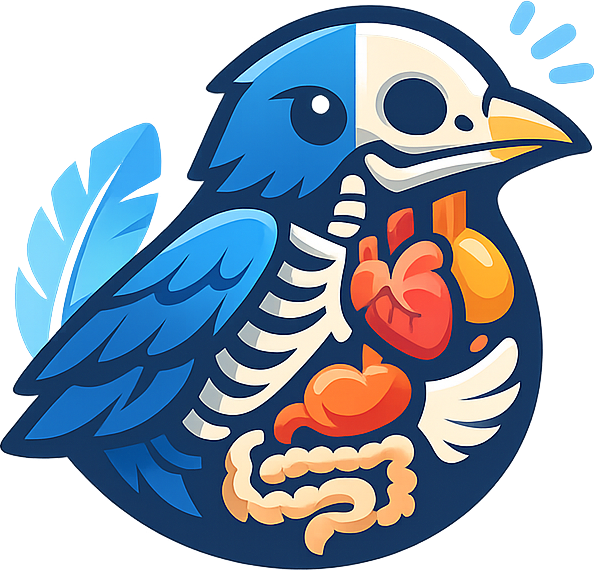
A bird's gullet is essentially its esophagus: the muscular tube that runs from the back of the throat down through the neck and carries swallowed food toward the stomach. In everyday language and older natural history writing, "gullet" and "esophagus" are used interchangeably, and both refer to the same structure. Depending on the species, the gullet may also connect directly to a crop, which is an expanded pouch along the esophagus that temporarily stores food.
What Is a Gullet on a Bird? Location, Function, and Issues

Marcus Chen
28 Jun 2026
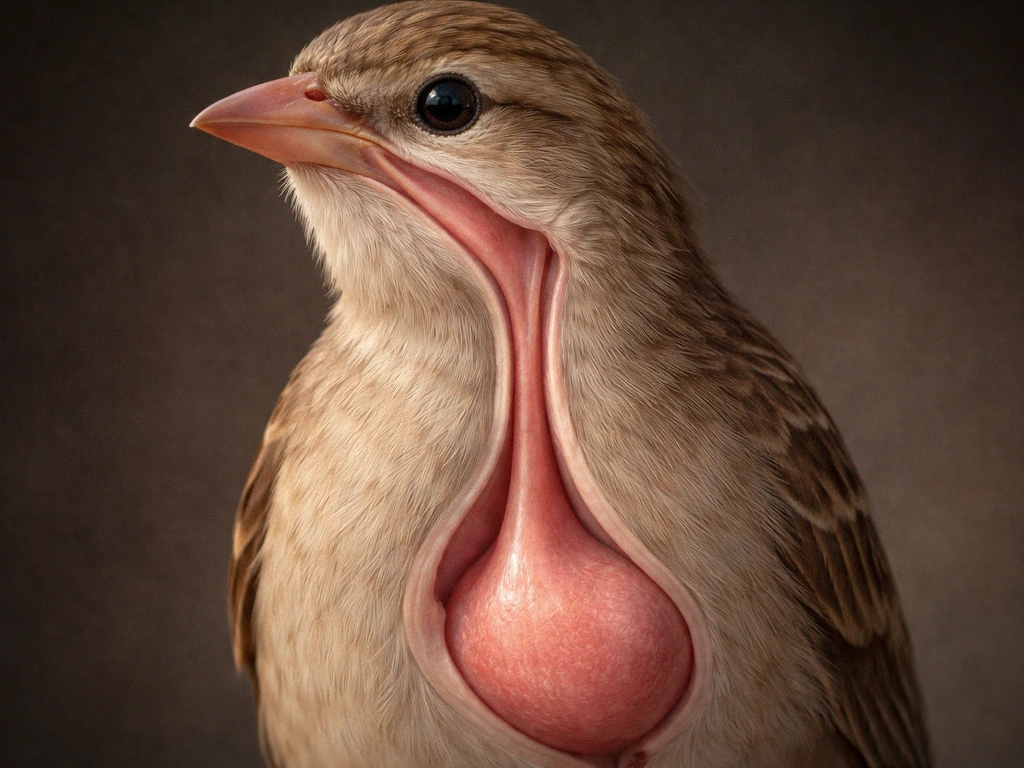
So when someone says "gullet," they're generally pointing at the esophagus region, sometimes including the crop as part of that broader throat-to-stomach pathway. The cloaca, on the other hand, is the shared opening in a bird’s lower digestive and reproductive systems rather than part of the gullet gullet refers to that whole throat-to-stomach pathway.
What exactly is the gullet in a bird
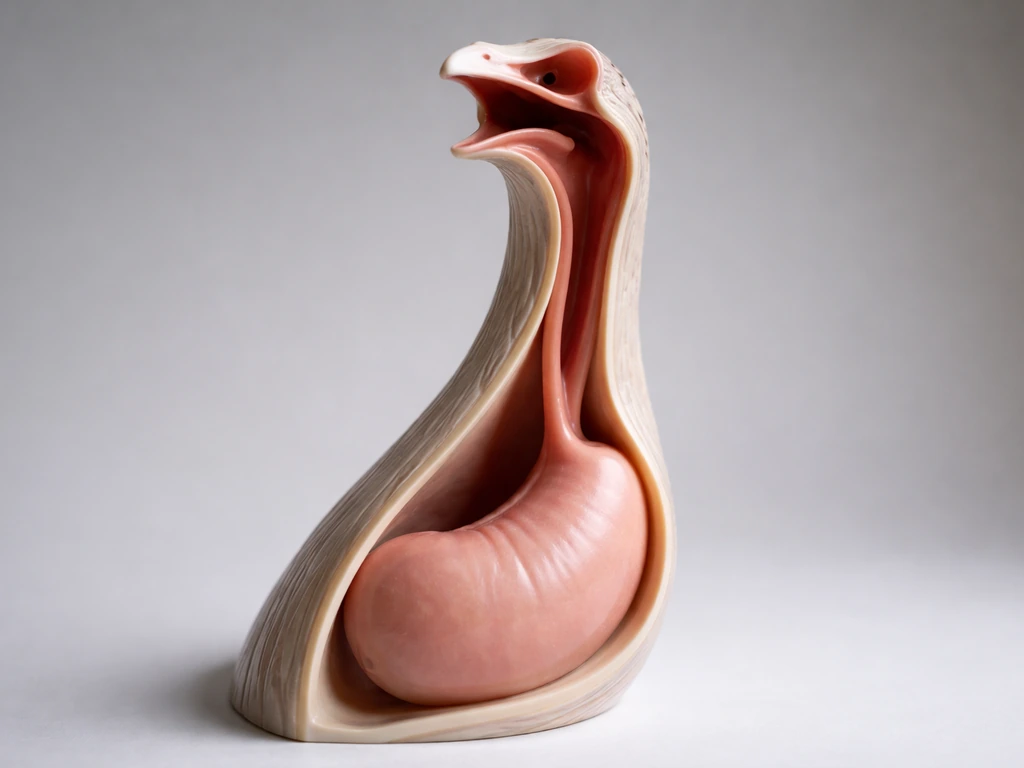
The word "gullet" comes from Old French and has been used for centuries to mean the food passage in the throat. The modern medical term "esophagus" traces back to the Greek "oisophagos," which means roughly the same thing: the tube that carries food. In birds, the esophagus is a flexible, muscular tube lined with tissue that can stretch considerably, which matters a lot for species that swallow large prey whole.
In birds, sex chromosome complement differs by sex, with males typically having the ZZ chromosome set while females have ZW sex chromosome complement of male bird. It begins where the pharynx (the cavity at the back of the mouth and nasal passages) ends, and it continues down through the neck toward the stomach chambers.
One thing that trips people up: unlike in mammals, the avian esophagus often features a prominent sidepocket called the crop before it reaches the stomach. Whether you call the whole throat-to-crop region the "gullet" or just the tube itself depends on context, but for practical purposes, the gullet refers to that whole esophageal zone in the neck.
Where the gullet sits in the digestive tract
The avian digestive tract runs in a fairly predictable sequence, and the gullet occupies the early stretch of that line. Overall, the digestive system of a bird includes the gullet, crop, proventriculus, and gizzard working together to move, soften, and process food. Starting from the beak and moving inward, the order goes like this:
- Mouth and beak: food enters here
- Pharynx: the junction at the back of the mouth connecting to the esophagus
- Esophagus (the gullet): the muscular tube running down the neck
- Crop (in species that have one): an expanded pouch off the esophagus, sitting in the lower neck/upper chest area, outside the body cavity
- Proventriculus: the glandular, or "true," stomach where digestive enzymes are released
- Ventriculus (gizzard): the muscular grinding stomach
- Intestines and beyond
The gullet is entirely in the neck region, which is why you can sometimes see a bird's throat moving when it swallows something large. The crop, when present, sits just above the breastbone at the base of the neck. The stomach chambers (proventriculus and gizzard) come after that, tucked inside the body cavity. The gizzard in particular is a fascinating structure worth its own exploration as part of this same digestive pathway. The gizzard is the muscular part of a bird's stomach that grinds food with the help of swallowed grit.
How the gullet works when a bird eats
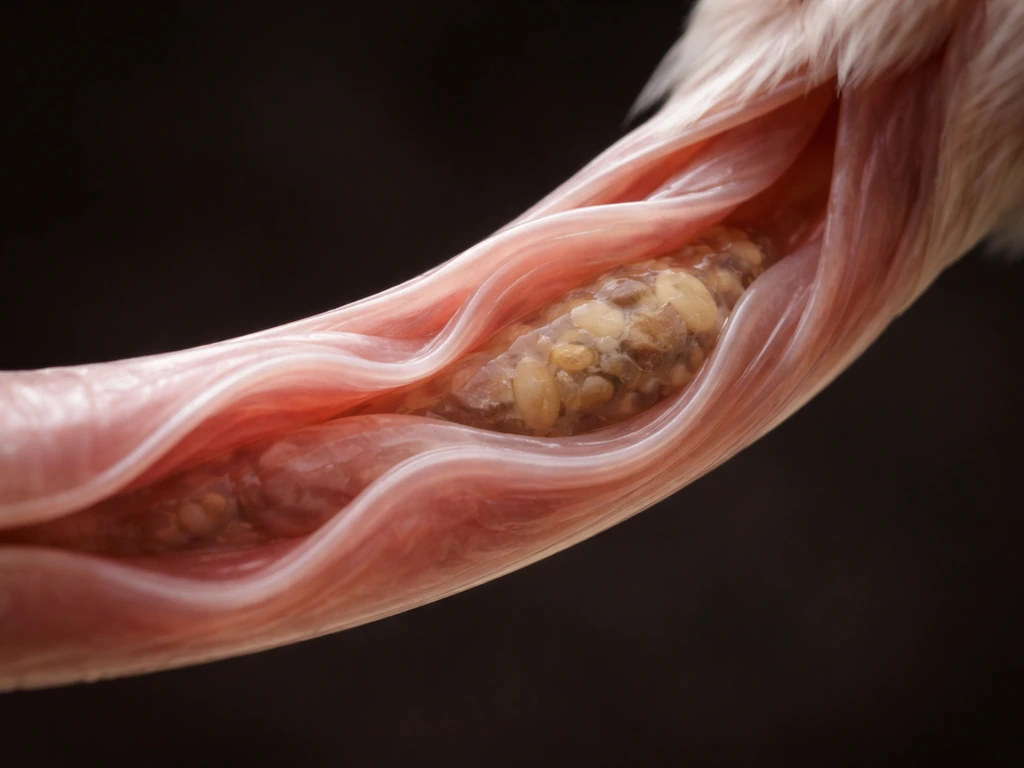
Once a bird swallows food, the gullet takes over through a process called peristalsis: coordinated waves of muscular contractions that squeeze food downward along the tube. Most birds actually assist this by extending or tilting their neck during swallowing, which you can observe if you watch a robin throwing its head back after pulling up a worm. That neck extension isn't just dramatic flair; it genuinely helps move the food through the esophagus.
From the esophagus, food either moves directly into the proventriculus (in birds without a functional crop) or detours into the crop first. The crop acts as a holding area, softening food with moisture and allowing the bird to eat more than it can immediately digest. This is especially useful for seed-eating birds, raptors that gulp large prey, and parent birds that carry food back to the nest.
When the crop is full you can often see a visible bulge at the base of a bird's neck, particularly in pigeons or parrots after a big meal. Peristalsis then gradually moves that stored food from the crop into the proventriculus and onward to the gizzard as the digestive system is ready for it.
How the gullet varies across different birds
Bird species vary quite a bit in how their esophagus and crop are built, and a lot of that variation tracks with how they feed. In thrushes, differences in male and female birds show up mainly in plumage and size, rather than in how the gullet works esophagus and crop. A hummingbird has a narrow, relatively simple esophagus suited to liquid nectar. A pelican has an enormously elastic esophagus and throat pouch adapted to gulping fish. Raptors like hawks and owls have a well-developed crop that can hold a whole prey item while digestion catches up. Grain-eating birds like pigeons have prominent, rounded crops that can store a significant volume of seeds.
Not all birds have a true crop. Some have only a slight widening of the esophagus rather than a distinct pouch, while others have two esophageal pouches. A few species, including some shorebirds and certain songbirds, have minimal crop development and rely more heavily on the gizzard to handle processing. The length of the neck also affects the gullet: long-necked birds like herons have a proportionally longer esophagus that can accommodate large fish, and swallowing requires visible and sometimes dramatic neck movements.
| Bird type | Crop development | Gullet/esophagus notes |
|---|---|---|
| Pigeons and doves | Large, prominent crop | Stores seeds; crop clearly visible when full |
| Raptors (hawks, owls) | Well-developed crop | Holds whole prey items; regurgitates pellets of indigestible material |
| Parrots | Moderate crop | Softens food before passing to stomach; clearly visible bulge after feeding |
| Herons and egrets | Minimal or reduced crop | Very long esophagus to accommodate large fish; highly distensible |
| Hummingbirds | Minimal crop | Narrow esophagus; rapid transit of nectar |
| Shorebirds/some songbirds | Reduced or absent crop | Food moves more directly to proventriculus |
Gullet, esophagus, crop, and throat: clearing up the confusion
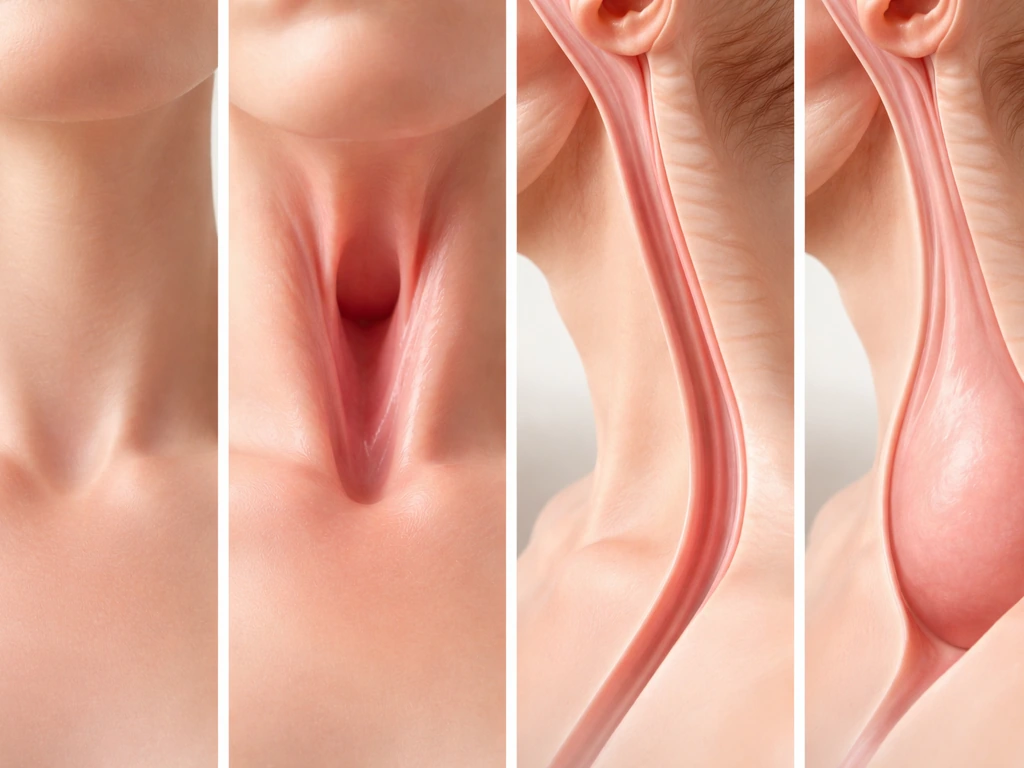
These terms get mixed together constantly, and honestly it's understandable because they all refer to overlapping parts of the same region. Researchers sometimes describe swallow behavior and throat mechanics as male vs female swallow bird differences, which can be useful when comparing how the birds handle food. Here's how they actually relate:
- Gullet: everyday word for the esophagus, sometimes used loosely to include the crop region. Not a distinct anatomical structure on its own, just a common-language label.
- Esophagus: the precise anatomical term for the muscular food tube running from the pharynx to the stomach (or crop). This is what "gullet" technically means.
- Crop: an expanded pouch or diverticulum that branches off the esophagus in the neck region, used for food storage and softening. It is part of the esophagus system, not a separate organ entirely.
- Throat: a general everyday term that most people use to describe the front of the neck, including both the trachea (airway) and esophagus. In bird anatomy, the throat region contains both the gullet/esophagus and the trachea running side by side.
- Pharynx: the anatomical term for the cavity at the back of the mouth where the airway and food passage diverge. This is technically "above" the esophagus/gullet.
The confusion usually comes from the crop. When people see a swollen lump on a bird's chest or lower neck and call it the "gullet," they're actually looking at the crop. The cloaca is the bird's common exit chamber, located at the base of the digestive and urinary tracts near the vent where is the cloaca on a bird. Both are part of the same esophageal pipeline, but they are anatomically distinct sections. If you're reading an older bird biology text and see "gullet," it almost always means esophagus. If you're reading a modern vet report and see "crop," that's the storage pouch specifically.
Common problems that affect the gullet and crop area
Most of the practical problems people encounter with a bird's gullet involve either blockages or infections in the esophagus and crop region. The symptoms often look similar regardless of the specific cause, which is why a vet is usually needed to sort out exactly what's happening.
Crop stasis (food not moving through)
Crop stasis means the crop has stopped emptying properly. A bird's crop should be visibly full shortly after eating and then empty out over a few hours. If it stays enlarged and doughy-feeling well beyond that window, that is a warning sign. Causes can include infection, a foreign object, feeding something too cold (in hand-raised chicks), or underlying illness slowing the whole digestive system down. A persistently full, distended crop that the bird cannot empty is one of the clearest signals that something is wrong.
Candidiasis (yeast infection)
Candida, a yeast organism, commonly infects the crop and can spread into the esophagus. It tends to produce a white, cheesy coating inside the upper digestive tract and often causes regurgitation, a bird that seems uncomfortable swallowing, and general lethargy. Young birds and birds on antibiotics are especially vulnerable. This requires antifungal treatment from a vet.
Foreign body obstruction
Birds, especially curious parrots and young birds, sometimes swallow objects that block the esophagus or crop. Signs include regurgitation, loss of appetite, visible distress when swallowing, lethargy, and weight loss. An obstruction in the gullet or crop can become serious quickly because the bird cannot take in nutrition or water.
Regurgitation vs. vomiting
This distinction matters. Regurgitation in birds can be completely normal: many species regurgitate food to feed chicks or as part of pair-bonding behavior. It's relatively passive and the bird doesn't appear distressed. Vomiting is different: it's forceful, the bird looks unwell, and it signals that something in the upper digestive tract is not working right. Vomiting is always a reason to consult a vet. In avian-care discussions on Reddit, people similarly recommend treating forceful, persistent signs like throwing up as a reason for a veterinary or second-opinion evaluation. Repeated, unexplained regurgitation outside of normal social or feeding contexts is also worth investigating.
When to call a vet and what to do right now
If you're watching a bird and something seems off in the throat or crop area, here's a practical guide to what warrants urgent action versus a watchful wait.
Seek veterinary care promptly if you see any of these:
- The crop is still visibly enlarged and has been for several hours past feeding time
- The bird is vomiting (forceful, repeated expulsion, bird looks distressed)
- The bird stops eating or drinking
- Visible swelling, redness, or unusual texture in the throat or chest area
- The bird appears weak, sits fluffed up on the cage floor, or is unusually quiet
- Any difficulty breathing alongside crop or throat symptoms (this is an emergency)
Seek emergency veterinary care immediately if the bird is showing labored breathing, cannot hold its head up, or collapses. Breathing difficulty combined with a distended crop can indicate pressure on the airway, and that is not a wait-and-see situation.
While you're getting ready to go to the vet, keep the bird warm and calm. Do not try to massage or manually empty the crop yourself unless a vet has specifically instructed you in that technique, as doing it incorrectly risks pushing material into the airway. Withhold additional food (not water, unless the vet advises otherwise) if you suspect a blockage, to avoid adding more material to an already stalled system.
For pet bird owners, finding an avian-specialist vet before you have a crisis is genuinely useful advice. General practice vets are helpful, but an avian vet will be familiar with crop stasis, candidiasis, and esophageal obstructions specifically. Most issues caught early, especially crop stasis and yeast infections, are very treatable. The gullet and crop region is one area where quick action really does make a meaningful difference in outcome. Male vs female birds do not generally differ in the basic anatomy of the cloaca, but sex can matter for reproductive structures and behaviors that use it male vs female bird cloaca.
FAQ
Is a bird’s gullet ever the same thing as the cloaca?
No. The gullet is the throat-to-stomach portion (esophagus, sometimes including the crop as described), while the cloaca is the separate combined exit chamber at the vent for digestive and reproductive waste.
How can I tell if the “swollen throat” I see is the esophagus area or the crop?
A crop swelling usually sits at the base of the neck/breastbone and is visibly more of a pouch-like bulge after eating. An esophagus problem is more likely to show up as distress with swallowing, repeated regurgitation, or difficulty moving food, without that classic pouch fullness.
Does regurgitation always mean something is wrong with the gullet?
Not always. Many birds regurgitate normally for feeding nestlings or bonding, and it tends to look passive with no clear signs of distress. Regurgitation that is new, frequent, or paired with lethargy, refusal to eat, weight loss, or apparent swallowing discomfort is more suspicious.
What is the practical difference between vomiting and regurgitation in birds?
Vomiting is forceful and makes the bird look unwell, and it points to a malfunction in the upper digestive tract. Regurgitation is usually more passive and may occur as normal behavior. If you see vomiting, treat it as an urgent vet issue.
When should I worry about a distended crop that keeps filling?
If the crop remains enlarged and doughy well past a few hours after eating, or the bird cannot empty it, that suggests crop stasis. In particular, if the bird is also lethargic, not eating, or seems uncomfortable, contact an avian vet promptly.
Can feeding temperature cause gullet or crop problems?
Yes. Food that is too cold, especially for hand-raised chicks, can contribute to delayed digestion and crop stasis. If a bird’s crop behavior changes after diet or feeding adjustments, that timing matters for diagnosis.
Is Candida (yeast) only a crop problem, or can it involve the esophagus?
It can spread. Candida commonly affects the crop first, and it may extend into the esophagus, often showing as discomfort swallowing, regurgitation, and a cheesy-looking coating in the upper digestive tract. Birds on antibiotics or young birds are at higher risk.
What should I do if I suspect a blockage in the gullet or crop?
Focus on minimizing risk: keep the bird warm and calm, and do not force feeding. Unless a vet specifically instructs it, avoid trying to massage or manually empty the crop because that can push material toward the airway. Withhold additional food if blockage is suspected, and contact an avian emergency service if the bird worsens.
How urgent is breathing trouble compared with digestive symptoms?
Breathing difficulty is more urgent than typical digestive-only symptoms. If the bird has labored breathing, cannot hold its head up, or collapses, seek emergency care immediately, especially if the crop is also distended.
Should I choose an avian vet even for mild “throat” concerns?
Yes if possible. Many gullet and crop conditions require species-specific knowledge (for example, distinguishing crop stasis versus yeast infection versus obstruction). Early treatment often improves outcomes, so waiting until symptoms escalate can reduce the chance of a simple fix.
Do male and female birds have different gullet anatomy?
Sex usually does not change the core anatomy of the esophagus/crop in a way that explains gullet problems. Differences you may notice more often relate to behavior, reproductive structures, or swallow mechanics rather than a fundamentally different gullet layout.