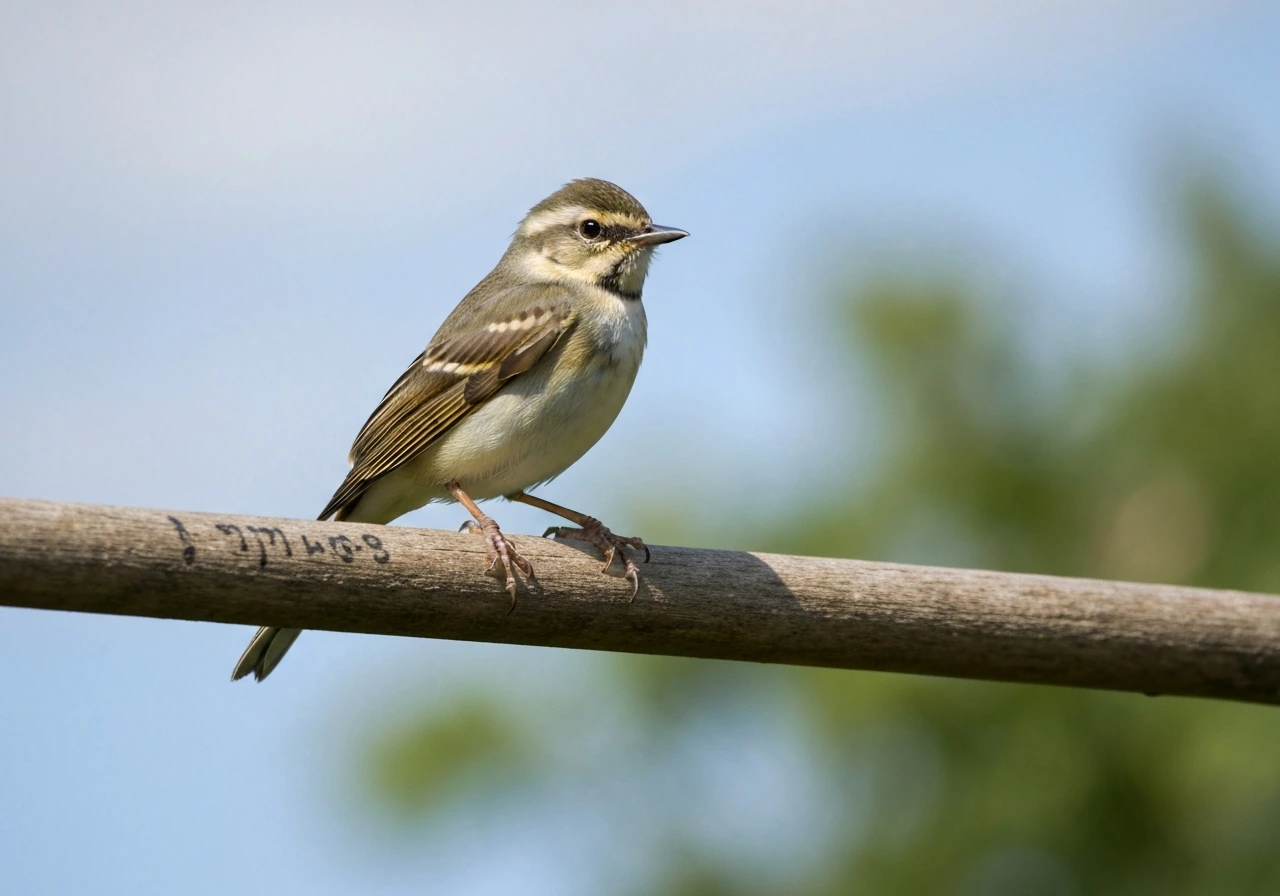
Birds have two feet. Every standard bird you will ever encounter, from a backyard sparrow to a bald eagle, has exactly two feet, one at the end of each leg. That is the complete answer to the core question, and it holds across virtually all living bird species. What makes the topic interesting is figuring out what actually counts as a "foot" on a bird, because the anatomy looks pretty different from a human foot and the terminology trips people up constantly.
How Many Feet Does a Bird Have? A Simple Guide

Marcus Chen
22 Jun 2026
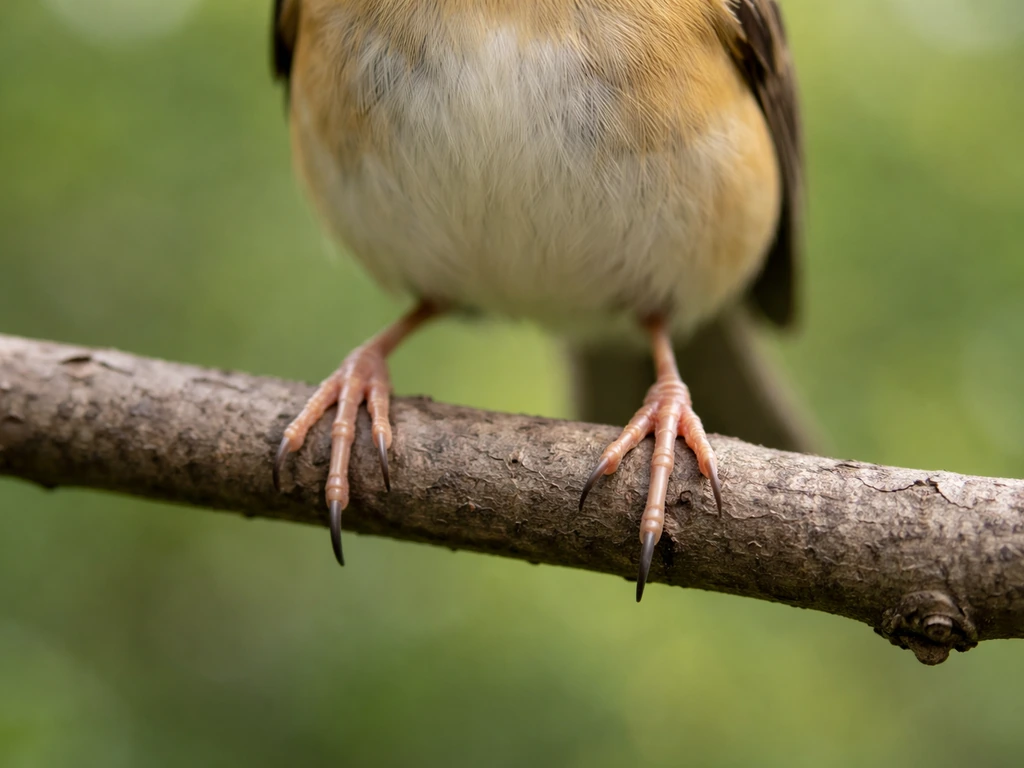
What actually counts as a bird's foot
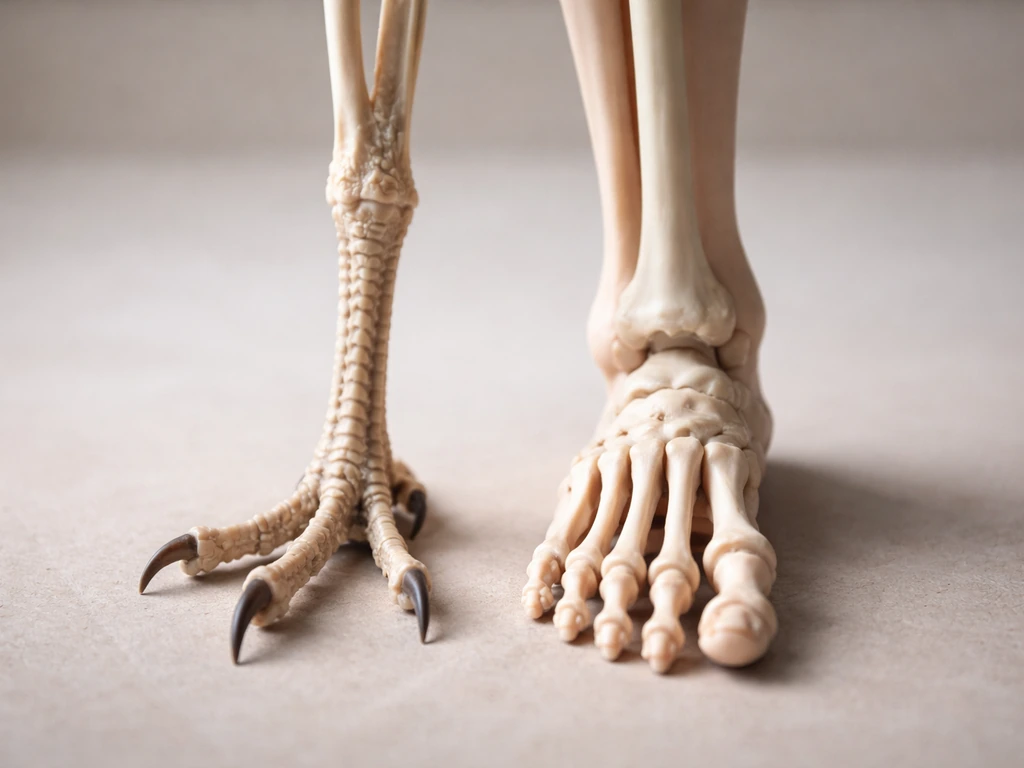
This is where most of the confusion lives. When ornithologists refer to a bird's foot, they mean the tarsometatarsus (the long, scaly section that looks like a lower leg but is actually the upper part of the foot) plus the digits, which are the toes. The claws at the tip of each toe are part of the foot structure too, but they are not separate from it. If you want to turn this into a quick headcount, see how many claws does a bird have for the practical number. So the foot is essentially: tarsometatarsus + toes + claws. The whole assembly is wrapped in a keratinized, scaly skin layer called the podotheca, which is just the technical word for the scaly covering you see on a bird's foot.
One question that comes up is whether a bird's wings count as extra limbs or feet. They do not. Wings are modified forelimbs, and feet are exclusively the structures at the end of the hind limbs. Two legs, two feet, full stop.
Another common mix-up is claws versus talons. All birds have claws at the tips of their toes, used for gripping, perching, scratching, and landing. "Talon" is a convention reserved for the claws of birds of prey like hawks and eagles. Biologically the structure is the same thing. So whether you call them claws or talons, they are still just the pointed tips of the toes, not extra feet.
A quick tour of bird leg and foot anatomy
Here is something that genuinely confused me early on: that apparent "backward knee" you see on a heron or a flamingo is not a knee. It is the ankle. The actual knee is hidden up near the bird's body, tucked under feathers. What you see bending in the middle of the leg is the heel joint, and what looks like the lower leg is the tarsometatarsus (the foot). blank" rel="noopener noreferrer">Birds walk on their toes, not on a flat foot like humans do. That makes them digitigrade, meaning the toes and toe tips do most of the surface contact.
Most perching birds have four toes. The first toe, called the hallux, typically points backward, while the other three point forward. This is the anisodactyl arrangement, and it is what gives perching birds such a reliable grip on a branch. The podotheca (that scaly skin) covering the tarsometatarsus and toes helps with grip and protection on rough or abrasive surfaces. Claw shape and toe length vary widely between species depending on how the bird uses its feet, but the basic count and layout are remarkably consistent.
What birds actually do with their feet
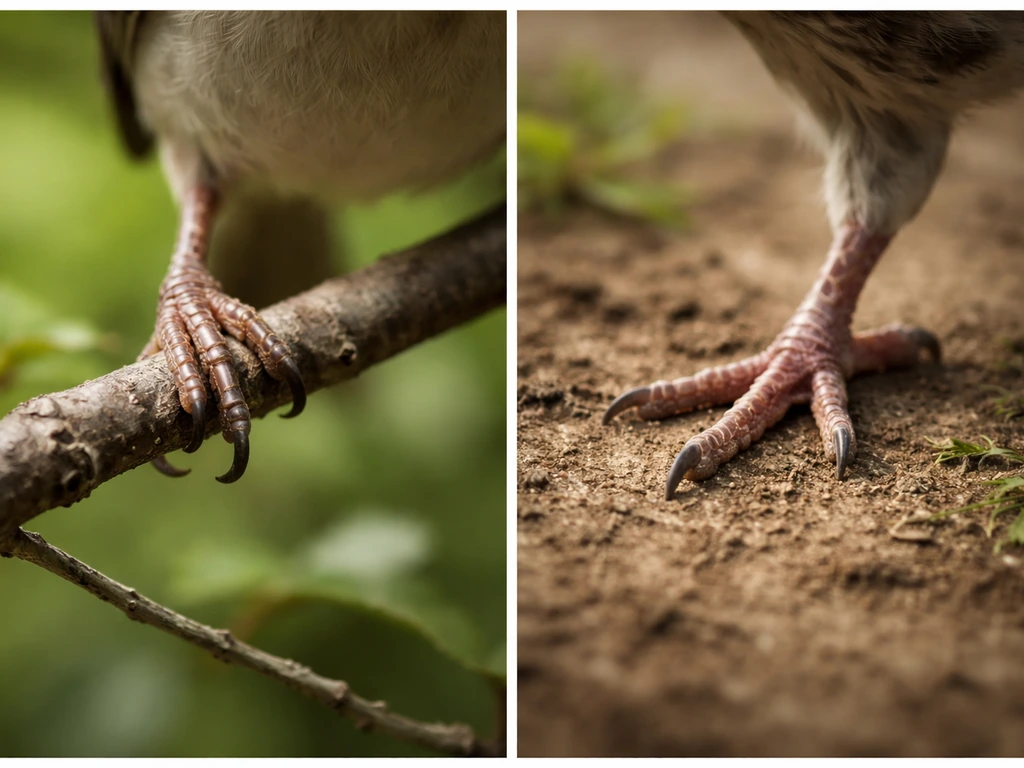
Bird feet are surprisingly versatile tools. The same two-footed design supports very different behaviors depending on the species. Perching birds like sparrows and robins use the hallux-back, three-toes-forward arrangement to lock onto a branch, a mechanism that works even when the bird is asleep because the tendon automatically tightens as the leg bends. Raptors use their talons to catch, carry, and kill prey, which is why birds of prey tend to have proportionally larger digital flexor muscles than perching birds. Waterbirds use webbed or lobed toes for swimming. Woodpeckers use a zygodactyl arrangement (two toes forward, two back) to brace against tree trunks while hammering.
Walking and hopping birds like pigeons and turkeys have feet built more for ground contact, with slightly shorter, more robust toes and claws that are blunter than those of raptors. Britannica describes passerine perching birds’ feet as modified for perching, with toe and claw proportions that differ between terrestrial and typical perching feet to match lifestyle. Some birds even use their feet for scratch-preening: certain species have comb-like serrations on the claw of their middle toe specifically for grooming feathers. The foot is doing a lot more than just standing.
How foot structure varies across species
While the answer to "how many feet" is always two, the number of toes and how they are arranged changes quite a bit between species. In most species, that means birds have two feet with multiple toes, so you can count the digits on each foot to figure out the toe number how many toes does a bird have. Here are the main toe arrangements you will encounter:
| Arrangement | Toe layout | Example birds |
|---|---|---|
| Anisodactyl | 3 toes forward, 1 (hallux) backward | Most perching birds, sparrows, robins |
| Zygodactyl | 2 toes forward, 2 toes backward | Woodpeckers, parrots, owls |
| Heterodactyl | Digits 3 and 4 forward, digits 1 and 2 backward | Trogons (very rare) |
| Syndactyl | Toes 2, 3, and 4 fused by skin | Kingfishers |
| Tridactyl | 3 toes only (hallux absent) | Emus, some sandpipers |
| Didactyl | 2 toes only | Ostriches |
Notice that even the most extreme examples, like the ostrich with just two toes per foot, still have two feet. The variation is in toe count and arrangement, not in the number of feet. The ostrich's two-toed foot is a running adaptation: fewer toes means a simpler, more efficient stride for an animal that regularly sprints at 45 mph. Toe number tells you a lot about a bird's lifestyle and habitat, which is why field guides and youth identification resources highlight toe arrangement as one of the first things to look for when identifying a species.
Edge cases and real-world exceptions worth knowing
Anatomically, every bird species has two feet. In practice, individual birds sometimes end up with fewer functional toes or, in rare cases, a missing foot due to injury, predator encounters, entanglement in fishing line or plastic, or severe infection. In general, most birds do not have “teeth” in the way mammals do, though their beaks and other mouth structures play a similar role two feet. The condition called pododermatitis, widely known as bumblefoot, is a foot infection that can damage toe tissue and is seen across all bird species including backyard birds and captive parrots. Wildlife rehabilitators regularly check the pads on the bottom of a bird's foot and each individual digit for wounds, swelling, or trauma.
The hallux (back toe) is commonly the toe lost to injury in wild birds. Reddit birding communities and rehabilitation forums regularly document sparrows, pigeons, and other urban birds getting around on a foot that is missing one or more toes, and many survive fine depending on the species and injury severity. These are not anatomical variants though. A sparrow missing its hallux still has two feet; one of them just has fewer functional toes. The biological blueprint has not changed.
If you are looking at a bird photo or a live bird and trying to sort out what you are seeing, here is a quick reference checklist:
- The long scaly section that looks like a lower leg is actually the upper foot (tarsometatarsus), not the shin.
- The joint that bends "backward" in the middle of the visible leg is the ankle, not the knee.
- Count the toes by looking at what actually touches the ground or the branch: most perching birds show three toes forward and one back.
- Each toe tip ends in a claw (or talon in raptors): those are not extra feet, just the ends of the digits.
- Wings are forelimbs, not feet, so they never factor into the foot count.
- If a bird appears to have only one foot, check whether it is tucking the other foot up into its feathers for warmth, which is extremely common.
It is also worth noting that questions about toe count, claw count, leg count, and even beak count often come from the same place: a genuine curiosity about how bird bodies are put together. You might also be wondering how many beaks a bird has, and the answer is usually just one beak count. The feet connect directly to everything else going on with a bird's lower limbs and digits, so understanding the foot anatomy also helps make sense of how birds walk, perch, hunt, and grip. Two feet, built in a hundred different ways depending on how the bird lives.
FAQ
If a bird is missing a toe, does it still have two feet?
In normal biology, a bird has two feet, even if it appears to have fewer functional toes or a missing toe due to injury. The foot structure still exists, but it may be reduced in function (for example, missing the hallux or partial toe damage).
Do bird wings count as feet?
No. A wing is a modified forelimb, not an additional foot. Only the structures at the end of the hind limbs count as feet, so birds do not have “extra” feet on their wings.
Are talons extra feet or just claws?
Sometimes, but they indicate claws or toe tips, not extra feet. “Talons” is a common hunting-focused term for the same claw anatomy seen in other birds.
Why do herons and flamingos look like they have a bent knee in the middle of the leg?
It can, because perspective and leg positioning can make joints look like knees. What looks like a backward knee in some waders is the ankle region, while the actual knee is tucked higher under feathers.
When a bird is perched, how can I reliably tell where the feet are?
Count toes, not legs. Even if a bird stands low or sits on both legs, the feet are at the ends of the hind limbs, one per leg, so you should still get two feet total.
What’s the easiest mistake people make when counting a bird’s toes from a picture?
A photo angle can hide a toe or make two toes overlap, which may lead people to miscount. For accuracy, look for the toe tips and claws on each side of the leg, and compare both feet rather than trusting one view.
Do all birds have the same number and arrangement of toes?
Yes. Many birds have four toes, but the exact arrangement can change by species. Perching birds often have one toe back (hallux) and three forward, while other groups may have different toe setups for their lifestyle.
What parts of the lower limb count as a bird’s foot, in plain terms?
No, “foot” refers to the hind-limb assembly. The tarsometatarsus plus toes plus the toe tips (claws) is the practical biological unit to call the foot.
If I find a wild bird with bad-looking feet, what should I look for beyond the toe count?
If you see a wound, swelling, or missing toe tissue, it can be a sign of infection or trauma, and the condition commonly referred to as bumblefoot affects the pads and can harm digits. Wildlife rehabilitators typically check pad and toe condition rather than only looking at the number of toes.
Does the scaly covering on a bird’s foot have a specific function, or is it just for appearance?
Generally, yes. In most birds, the keratinized scaly covering (the podotheca) helps protect the foot for gripping and contact with abrasive surfaces, and it can also vary in appearance across species.
Next Article
How Many Legs Does a Bird Have? Easy Anatomy Answer
Most birds have two legs and two feet; learn what counts as a leg, how wings differ, and common exceptions.