
Weaning a bird means transitioning a young bird from being fed by a parent or caregiver (usually formula or regurgitated food) to eating solid, age-appropriate foods on its own. A "weaned bird" is one that no longer depends on someone else to deliver food directly into its crop or mouth. That is the core biological meaning, and it is distinct from fledging, becoming tame, or simply spending less time with humans.
Weaning Bird Meaning: What It Means and How to Tell

Marcus Chen
8 Jul 2026
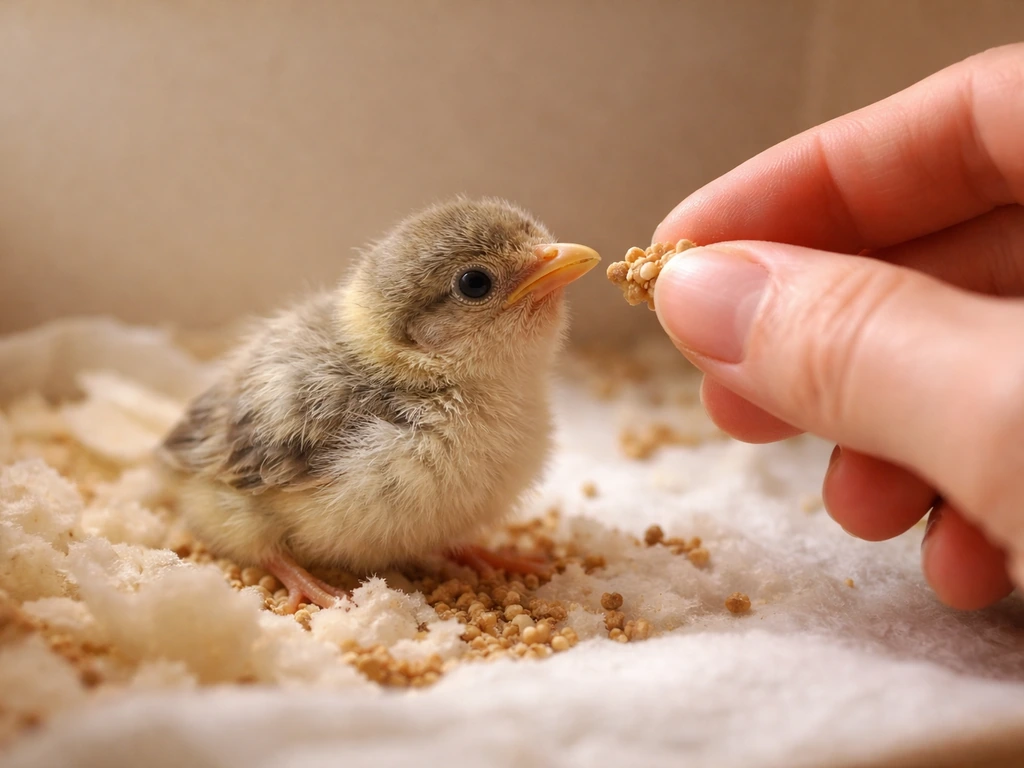
What "weaning" actually means for birds
The term comes straight from mammal biology, but it applies cleanly to birds too. In avian development, weaning describes the specific phase when a chick stops relying on formula or parent-provided food delivery and starts consuming solid food independently. Wildlife rehabilitators and avian vets use a concise definition: weaning is the transition from formula to solid food. That is it. It is a feeding-method change, not a social milestone or a personality shift.
For hand-raised birds, the caregiver is standing in for the parent. Weaning is the point where that caregiver steps back from actively putting food into the bird and instead lets the bird find and eat food on its own. The shift happens gradually, not overnight, and it involves changes in both the bird's digestive physiology and its behavior.
What a weaned bird looks like at each stage
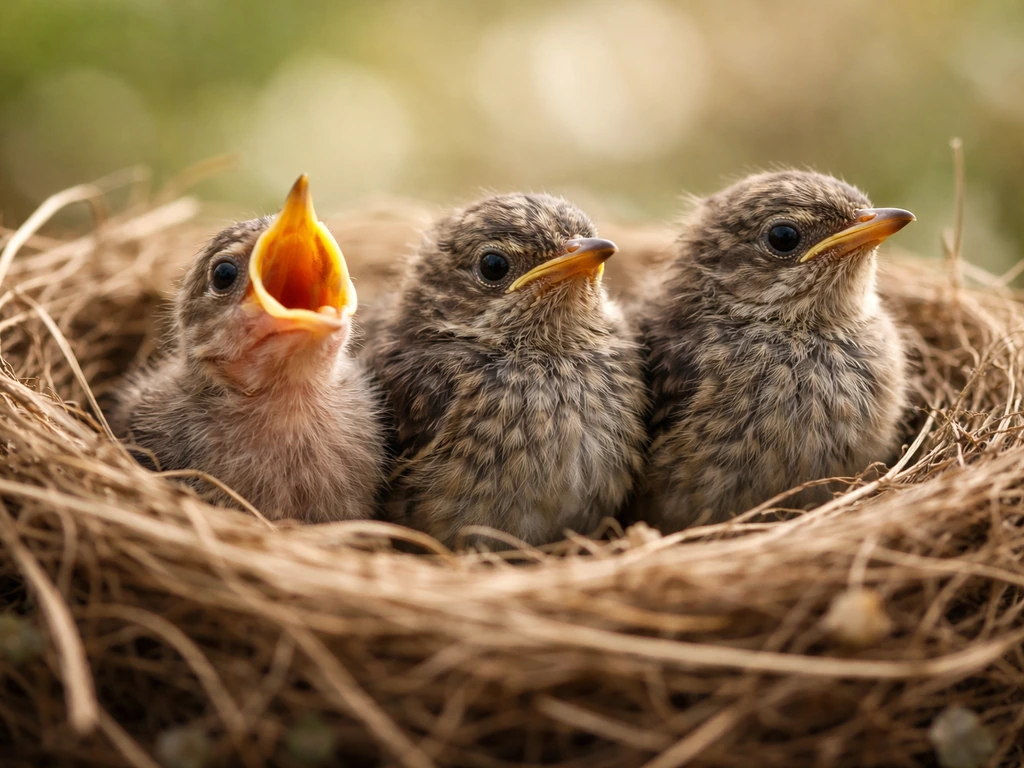
Young birds move through recognizable stages before they are fully weaned, and knowing what each looks like helps you track where a bird actually is in the process.
| Stage | Feeding dependency | What you typically see |
|---|---|---|
| Nestling (early) | 100% dependent on parent or caregiver formula | Eyes often closed or just opening, sparse or no feathers, gapes and begs with every stimulus |
| Nestling (late) | Still formula-dependent but more alert | Pin feathers coming in, stronger feeding response, crop visible and fills after each feed |
| Pre-weaning / fledgling | Formula plus introduction to solid foods | Fully or nearly fully feathered, starts pecking at foods placed nearby, feeding response may begin to slow between formula feeds |
| Weaning | Solid foods increasing, formula decreasing | Crop filling from self-feeding, bird picks at pellets/greens/seeds independently, hand-feeding frequency dropping |
| Weaned | No formula dependency | Eats and drinks on its own consistently, stable body weight, crop reliably full without caregiver input |
For budgerigars as a concrete example: fledging typically happens around five weeks, and full weaning is usually complete between six and eight weeks. Most parrots generally reach independent solid-food eating by around twelve weeks, though this varies by species and individual bird. The weaned state is confirmed not by age alone but by the crop being consistently full from the bird's own eating for three to five consecutive days, with stable body weight.
Why weaning happens: feeding skills and digestive readiness
Weaning is not arbitrary timing. A chick's digestive system physically matures as it grows. Research on nestling house sparrows shows that digestive enzyme activity and the size of alimentary organs change measurably with age, which is exactly why you cannot just drop a formula-dependent chick onto seeds and call it done. The gut needs to be ready to handle solid food.
At the same time, the crop's microbial community changes as chicks develop, shifting toward an adult-like profile over time. This matters because the crop is the first stop for food in many birds. Throwing hard, dry food at an immature crop before it can handle it is a recipe for crop stasis (where food sits in the crop and stops moving through the digestive tract), which is a genuine medical emergency.
There is also a nutritional shift happening. As a chick completes its rapid early growth phase, it needs substantially less nutrition per unit of body weight than it did as a very young nestling. A bird in the weaning window is not a tiny version of an adult with the same caloric needs as a younger chick. Recognizing this prevents overfeeding formula while also preventing the opposite mistake of cutting formula too fast.
The confusion around weaning, fledging, and "becoming independent"

This is where most beginners get tangled up, and honestly I get why. The words get blended together constantly, especially online. Here is how to separate them cleanly. If you are looking at feeding plans for a specific chicken type, you may also want to compare ripped rooster versus skinny bird to understand what weight and appetite changes can mean ripped rooster vs skinny bird.
- Weaning: a diet and feeding-method transition. Specifically, moving from formula or caregiver-delivered food to the bird eating solid food on its own.
- Fledging: a movement and feathering milestone. A fledgling is nearly fully feathered, has left the nest, and is developing flight. Fledging is about locomotion and feather development, not food source.
- Independent living: this describes a bird that can fully survive without any caregiver support. A bird can be weaned (eating on its own) but still benefit from supervised care and socialization.
- Reduced handling or taming: some people confuse "weaning" with the process of spending less time with a bird so it bonds less with humans, or conversely, handling it more to ensure bonding. Neither of those is weaning. Weaning is specifically about feeding.
A fledgling bird hopping on the ground with short flight attempts is in a fledging state, not necessarily a weaning state. If you are specifically trying to figure out whether you are dealing with a fledgling, you can look for flight attempts, feather development, and how it is being fed. Those two developmental windows can overlap, but they are not the same thing. Weaning is specifically the diet transition. You can recognize a fledgling visually by its near-complete feathering and attempts at flight or hopping, but that tells you nothing on its own about whether it is still formula-dependent.
One more misconception worth flagging: some sellers of unweaned pet birds claim that finishing the weaning process yourself guarantees a stronger bond with the bird. Avian welfare experts push back hard on this. Weaning is a high-risk physiological transition that should be completed by someone with the right skills. Bonding and socialization are genuinely separate from safe feeding development. The Association of Avian Veterinarians specifically states that unweaned birds should only be transferred between qualified parties who have real hand-feeding experience.
How to tell if a bird is ready to wean
Readiness is behavioral and physical, not just a function of age. Here are the signs that actually matter.
- The bird is actively pecking at and consuming solid foods placed in the enclosure (pellets, greens, soft foods appropriate to the species).
- The crop is consistently full from self-feeding, not from formula delivery. The practical test: if the crop is full first thing in the morning before any hand-feeding has happened, the bird is feeding itself.
- This self-feeding pattern holds for at least three to five consecutive days.
- Body weight is stable. Weaning birds should not be losing significant weight. Weighing daily (a small kitchen scale works) catches problems early.
- The bird shows a reduced or less frantic feeding response to the formula syringe or spoon. A bird still lunging aggressively for formula is telling you it is not ready.
- The bird is drinking water independently.
One thing worth knowing: a weak or absent feeding response in a young nestling is not a readiness sign, it is a danger sign. If a baby bird is not showing a strong feeding response and you try to push formula anyway, you significantly raise the risk of aspiration, where food enters the trachea and lungs instead of the esophagus. That can be fatal. Weak feeding response in a nestling means the bird needs veterinary assessment, not weaning.
What the weaning process actually looks like step by step
Weaning is a gradual reduction in formula feeding combined with a gradual increase in solid food access. You are not flipping a switch. Here is how the transition generally works in practice.
- Start offering solid foods (species-appropriate pellets, soft foods, or greens) in the enclosure before the bird is fully weaned, so it can explore and nibble at its own pace. Curiosity-driven eating is the goal at first.
- Begin reducing hand-feeding frequency, starting with the mid-day feeding. Morning and evening feeds continue while mid-day feeds are dropped or shortened first.
- During this phase, feedings may drop to three to four times per day. Watch crop fullness at each feeding to judge whether the bird compensated with solid food or whether the crop is emptier than expected.
- As self-feeding increases and the crop reliably fills between formula sessions, drop additional hand-feeding sessions one at a time.
- Offer moistened or soft-textured solid foods before transitioning to fully dry foods. For some species this means moist pellets before dry pellets, easing the digestive adjustment.
- Once the bird has been eating and drinking independently with a consistently full crop and stable weight for three to five consecutive days, formula feeding can stop.
- Continue monitoring weight and crop fullness for at least a week after the last formula feed to confirm the transition held.
The key principle here is that the bird's behavior sets the pace, not a rigid calendar schedule. If self-feeding is progressing well, you reduce formula. If the bird seems to be struggling or weight drops, you slow down and add back a formula feed. Let the crop and the scale guide you.
Red flags and what to do if weaning is going wrong
Weaning is genuinely one of the higher-risk windows in a young bird's life. Medical problems cluster at this stage, right alongside the early nestling period and the fledging stage. Knowing what to watch for can mean the difference between a quick course-correction and a crisis.
These are the signs that something is wrong and you need to act immediately:
- Formula or liquid coming out of the nostrils: this is a classic aspiration sign and needs veterinary attention the same day.
- Wet clicking, gurgling, or labored breathing: these sounds suggest fluid in the airway, which can indicate aspiration pneumonia. Do not wait.
- Crop that is not emptying between feeds (crop stasis): the crop should feel soft and mostly empty several hours after feeding. A hard, distended, or persistently full crop suggests a serious motility problem. Causes include formula that is too cold, incorrect consistency, dehydration, or infection.
- Significant weight loss: a small dip can be normal in the early weaning window, but consistent or rapid weight loss means the bird is not eating enough solid food to compensate for reduced formula.
- Repeated regurgitation: occasional regurgitation can happen, but repeated regurgitation raises aspiration risk and signals something is wrong with the transition.
- Weakness, being cold to the touch, or hard to rouse: these are emergency signs regardless of where in the weaning process the bird is.
If any of these signs appear, stop advancing the weaning process and consult an avian vet. Do not try to push through. Forced or rushed weaning can cause malnutrition and starvation, and research suggests it can also cause permanent behavioral problems including rigid eating habits, chronic food-begging behavior, and general nervousness. It is not worth the risk.
If the bird regresses after appearing weaned (for example, it was eating independently but stops), restart warm, moist foods several times a day until it stabilizes, then try again more gradually. Regression happens and it is not failure. It is information. Also stop attempting to feed any bird that has food flowing back into its mouth during a feed. Set the bird down, let it rest, and try again later.
Understanding weaning sits naturally alongside understanding other developmental stages in birds. If you are trying to figure out whether the bird you are looking at is actually a nestling, a fledgling, or something further along, the distinction between those stages matters for how you interpret its feeding needs and behavior. Weaning is one piece of a broader picture of avian development that includes feather stages, growth physiology, and the physical changes that make a young bird ready to function as an independent animal. You can also see preening behavior change as a bird becomes more independent and less reliant on caregivers.
FAQ
Does “weaned” mean the bird is fully independent for good, or can it still need supervision?
In most situations, “weaned” does not mean “never needs help again,” it means the bird can consistently eat solids without someone delivering food into the mouth or crop. Many birds still benefit from supervision during the transition, especially in the morning and evening when appetite and motivation can be lower.
How can I tell if weaning is actually going well when the bird’s age fits the typical window?
No, you should not rely on age alone. A common safe-check is to confirm repeated full crops from the bird’s own eating over several days, and to pair that with stable weight. If your scale shows drop-off between attempts, that is a signal to slow the switch back to formula-based feeds.
What should I know about hydration and water access during the weaning transition?
Water needs are different during the transition. Many birds will not drink enough from bowls the first days they start solids, so you may need to offer a reliable water source and sometimes moist, age-appropriate foods that provide extra hydration. The key is to avoid soaking formulas or forcing liquids if the bird is not showing normal swallowing.
What are common food-texture mistakes that cause crop stasis or slow crop emptying?
The safest approach is to avoid sudden texture jumps. Instead of switching from formula directly to hard, dry seed or pellet, start with soft, age-appropriate options (moistened forms or finely prepared solids if appropriate for the species). If the crop sits full and slow to clear, that points to food size or texture being too difficult.
What should I do if the bird refuses solids after I reduce formula?
If a bird is being weaned by a caregiver, the feeding method still matters. The goal is to step back from mouth or crop feeding gradually while ensuring the bird is actually consuming solids. If you see repeated refusal of solids after you reduce formula, do not interpret it as “learning behavior,” treat it as a readiness problem and adjust the pace or get avian vet help.
Is regression after a bird looks weaned a normal setback, and how do I respond?
If the bird regresses, treat it like the weaning process is not complete yet. Return to warm, moist foods several times a day until the bird stabilizes, then reintroduce solids more gradually. Also review temperature and stress level, because cold or excessive handling can reduce feeding drive.
How do I avoid confusing normal hunger begging with “readiness to stop formula”?
Yes, sometimes. Begging and vocalizing can increase when birds are hungry, but it can also increase when they are stressed or uncomfortable with new foods. Use crop fill plus weight trends as your primary data, because constant begging alone does not prove the bird is ready or safe to fully stop formula.
Is it ever okay to push feeding when the bird seems slow, or when backflow happens?
Do not force feeding for “just a little extra.” If you notice food flowing back into the mouth during feeding, stop, let the bird rest, and try later only when the bird shows appropriate feeding behavior. That backflow can mean aspiration risk and is not a strategy you should troubleshoot at home without guidance.
If I wean a pet bird myself, will that automatically create a stronger bond?
For hand-raised birds, bonding and weaning are related only indirectly. You can still provide gentle, consistent presence, talk, and appropriate handling during the transition, but you should not treat “self-weaning” as a guarantee of stronger attachment. The priority is physiological safety and correct nutrition.
What’s the safest way to handle transferring or receiving an unweaned bird?
If the bird came from a seller as “unweaned” and you do not have verified hand-feeding experience, transfer should only happen with qualified, experienced parties. A mismatch in skill is one of the highest-risk causes of aspiration, crop problems, and malnutrition during this phase.
What if a young bird has a weak feeding response, can I still proceed with weaning?
A weak or absent feeding response in a nestling is a danger sign, not a “just weaning readiness” issue. If the bird is not responding normally, the correct next step is veterinary assessment. Waiting for “the weaning window” can worsen the underlying problem.