A rhinolith in a bird is a mineralized, stone-like mass that forms inside the nasal cavity. It builds up slowly around a tiny starting point (called a nidus), which can be something as small as a dried mucus plug, a blood clot, a bit of trapped debris, or occasionally a foreign body the bird inhaled. Over time, calcium and magnesium salts from the bird's own secretions deposit around that core in concentric layers until it hardens into a dense, calcified lump sitting in one of the nasal passages. It is not a tumor, not an infection on its own, but it can absolutely cause serious problems if it goes unnoticed and keeps growing.
What Is a Rhinolith in a Bird? Signs, Diagnosis, Treatment

Marcus Chen
27 Jun 2026
What exactly a rhinolith is and where it lives
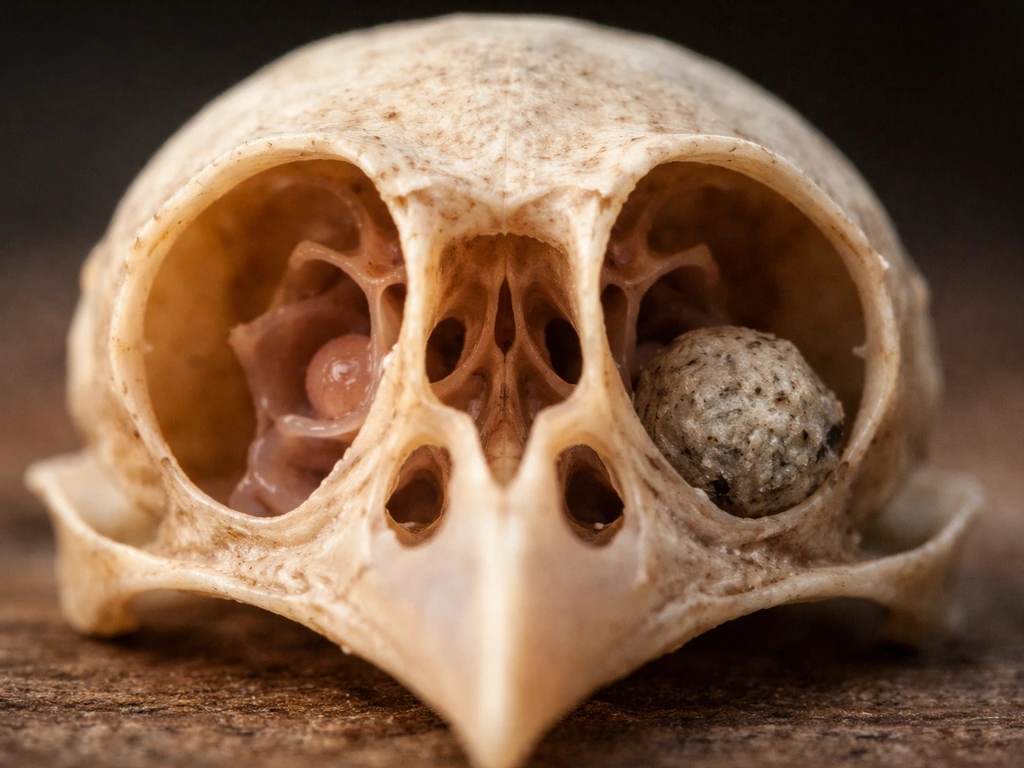
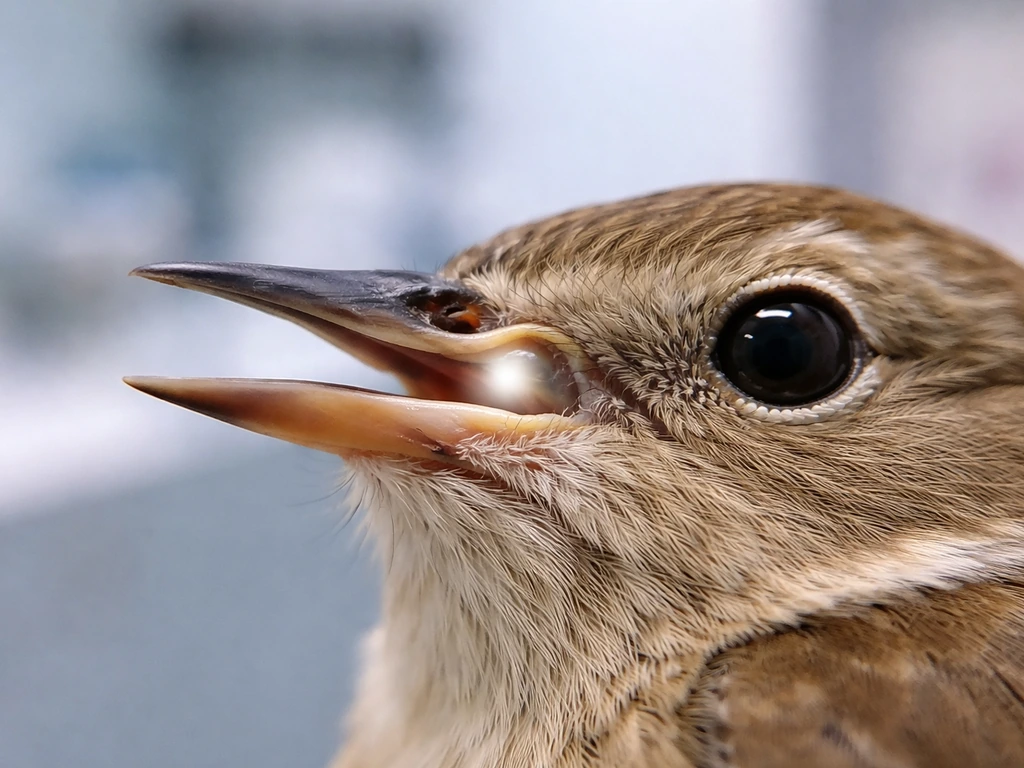
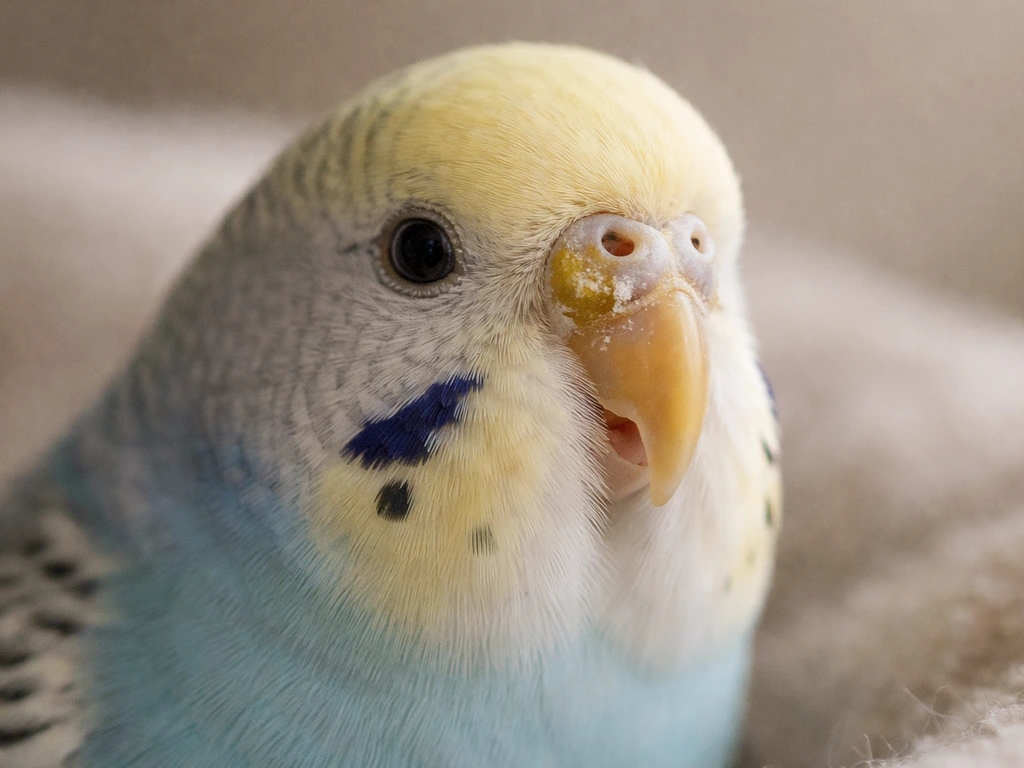
Bird nasal anatomy is compact and tucked in close to the skull, so there is not a lot of extra room in there. The nasal cavity sits between the external nares (those slits or holes you see at the base of the beak, often covered by the cere in parrots) and the choana, which is the internal opening into the throat. In between, the nasal passage is lined with delicate mucous membrane and runs close to the adjacent sinuses. A rhinolith sits right inside that passage, usually against the floor or wall of the cavity.
The word itself is pretty literal: rhino from the Greek for nose, lith for stone. You might see the broader condition called rhinolithiasis, which just means the presence of one or more rhinoliths. It is a real clinical entity in avian medicine, and it comes up most often in parrots, though any bird with chronic nasal irritation or retained debris is potentially vulnerable.
Because bird bones and skulls are so tightly integrated (and some are pneumatic, meaning air-filled), a growing mass in the nasal cavity can press against nearby structures faster than you might expect. This is part of what makes rhinoliths more urgent in birds than in larger mammals, where there is simply more space to absorb the problem for a while.
How a rhinolith actually forms
Formation almost always starts with something small getting stuck or staying in place long enough to attract mineral deposits. The nidus (that starting core) can be endogenous, meaning it came from the bird's own body, such as inspissated mucus (basically thick, dried-out secretion), a small blood clot, or a fragment of dead tissue. It can also be exogenous, like a tiny seed fragment, dust particle, or piece of bedding material that got inhaled and lodged in the passage.
Once that nidus is sitting in the moist, mineral-rich environment of the nasal cavity, the body's own calcium phosphate and calcium carbonate begin layering around it. A rhinolith is a stone in the nasal cavity that typically forms around a nidus, such as a foreign body, blood clot, or secretion, with slow deposition of calcium and magnesium carbonate and phosphate salts slow deposition of calcium and magnesium salts around a nidus. Each layer is thin, but they accumulate over weeks, months, or even years. The process is slow and silent, which is exactly why owners often don't catch it early. By the time there are obvious symptoms, the mass may already be substantial.
Chronic nasal inflammation or repeated respiratory infections also accelerate the process. When the nasal lining is inflamed, secretions thicken and move less efficiently, giving minerals more time and material to deposit. Birds with ongoing sinusitis, chronic rhinitis, or upper respiratory infections are therefore at higher risk of developing a rhinolith than a bird with a clean, healthy nasal passage.
Signs your bird might have a rhinolith
Early on, a small rhinolith may cause no obvious signs at all. This is frustrating from an owner's perspective, but it's consistent with how these things develop in every species where they've been studied. As the mass grows, though, the nasal cavity gets progressively obstructed and symptoms start showing up.
- Persistent sneezing or snuffling, especially on one side
- Nasal discharge that keeps coming back despite treatment, often unilateral (one nostril) and sometimes foul-smelling
- Audible changes to breathing, including wheezing or a wet, congested sound
- Visible swelling or distortion around one nostril or the cere
- Frequent rubbing of the face or nares against the perch or cage bars
- Open-mouth breathing in more advanced cases where the obstruction is severe
- Crusty buildup around one nostril that recurs quickly after cleaning
One pattern that should raise suspicion specifically is symptoms that stay stubbornly one-sided. Classic upper respiratory infections in birds usually affect both nostrils. A rhinolith physically blocks one passage, so discharge, crusting, and airflow restriction tend to be noticeably worse on one side. If you've treated a bird for nasal issues and one nostril keeps being the problem while the other clears up, that asymmetry is worth mentioning to your vet.
In severe cases, where the rhinolith has been growing undetected for a long time, birds can show real respiratory distress: labored breathing, tail bobbing with each breath, and obvious discomfort. At that point it is an urgent situation, not a watch-and-wait one.
Why you shouldn't leave a rhinolith alone
A rhinolith is not just uncomfortable. Left untreated, it becomes genuinely dangerous. The mass keeps growing and the nasal passage becomes more and more obstructed, eventually cutting off airflow through that nostril entirely. Birds are obligate nasal breathers at rest, so even partial obstruction puts extra strain on their respiratory system. Complete obstruction forces mouth breathing, which is stressful and unsustainable for a bird.
Beyond the airway itself, a rhinolith causes ongoing inflammation and can erode the surrounding tissues. Documented complications include erosion of the nasal septum, damage to the medial wall of the adjacent sinus, and in extreme cases, perforation of the hard palate. The rhinolith can also create a pocket of chronic infection that spreads into the sinuses, a condition called sinusitis, which is painful and much harder to treat once established.
There's one more reason to act promptly: rhinoliths can look similar to other nasal masses on imaging, including calcified tumors and calcifying benign growths. Getting a confirmed diagnosis matters both for treatment planning and for ruling out something more serious. Waiting just gives any of those possibilities more time to do damage.
How a vet diagnoses a rhinolith in a bird
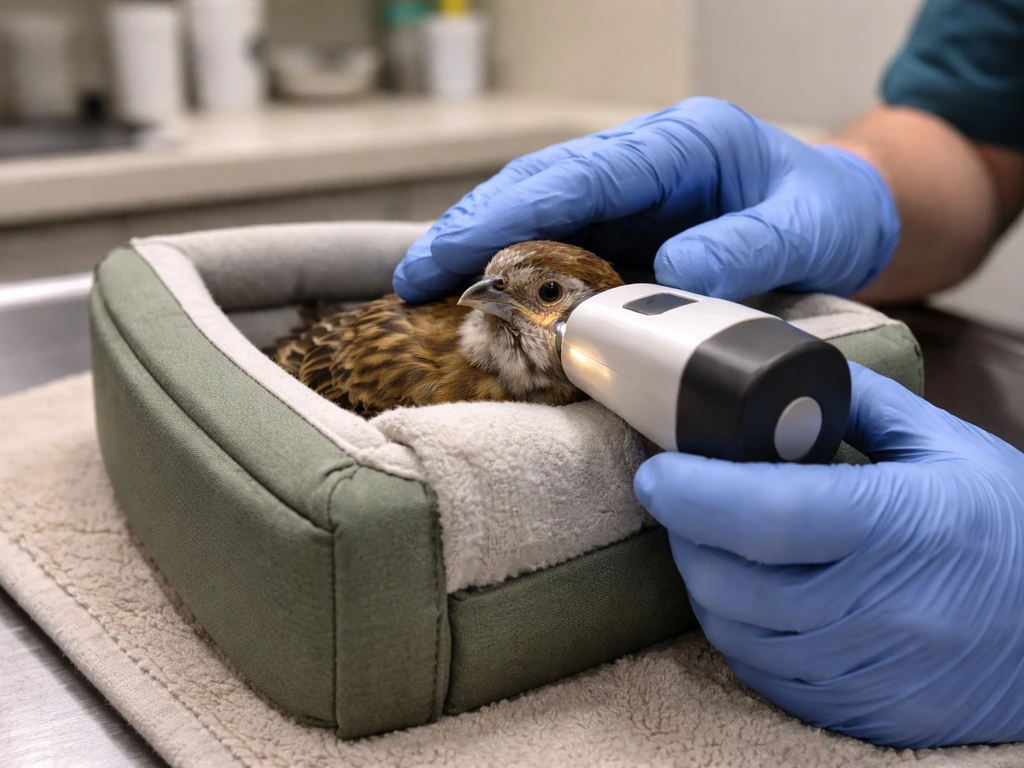
Your avian vet will start with a physical examination and a thorough history. Tell them how long the symptoms have been going on, whether one side is consistently worse, whether there's been any recent exposure to new foods, seeds, dust, or new materials in the cage, and what treatments (if any) have already been tried. All of that context helps enormously.
The physical exam will include direct inspection of the nares and, if possible, the choana. In cooperative birds, the vet may be able to visualize the obstruction or at least detect asymmetry in airflow. But because bird nasal passages are so small and the mass may be tucked deeper in the cavity, imaging is almost always necessary for a definitive diagnosis.
Radiographs (X-rays) can reveal a calcified density inside the nasal cavity that doesn't belong there, which is a strong indicator of a rhinolith. However, CT scanning is considered the most sensitive and specific imaging tool for this. A CT gives the vet precise information about the size of the mass, exactly where it is sitting, how much of the passage it's blocking, and whether it has affected any adjacent structures like the sinuses or bony walls. That detail directly shapes how removal is planned.
Endoscopy, where a small camera is used to directly visualize the nasal cavity, may be used both as a diagnostic step and as part of the removal procedure itself. In some cases the vet will confirm the rhinolith visually during the same session they remove it, under anesthesia.
Treatment: how rhinoliths are removed
The right approach to removal depends on how big the rhinolith is, where exactly it sits, and how much it has affected surrounding tissue. There is a spectrum from less invasive to surgical, but I want to be very direct here: do not attempt to remove or dislodge anything from your bird's nares at home. The nasal passage is fragile, the mass may be firmly adhered to the tissue, and forcing anything risks hemorrhage, aspiration, or serious injury. This is a hands-off-at-home situation.
Conservative approaches first
For early or smaller rhinoliths, or in combination with any approach, vets may start with nasal flushing to clear debris and soften material around the mass. Nebulization (delivering moisture directly into the respiratory tract via an aerosol mist) is sometimes used to help loosen secretions and improve drainage through the nasal passages. These approaches alone are unlikely to dislodge a true calcified rhinolith, but they help manage the surrounding inflammation and infection, and they support recovery after removal.
Surgical or endoscopic removal under anesthesia
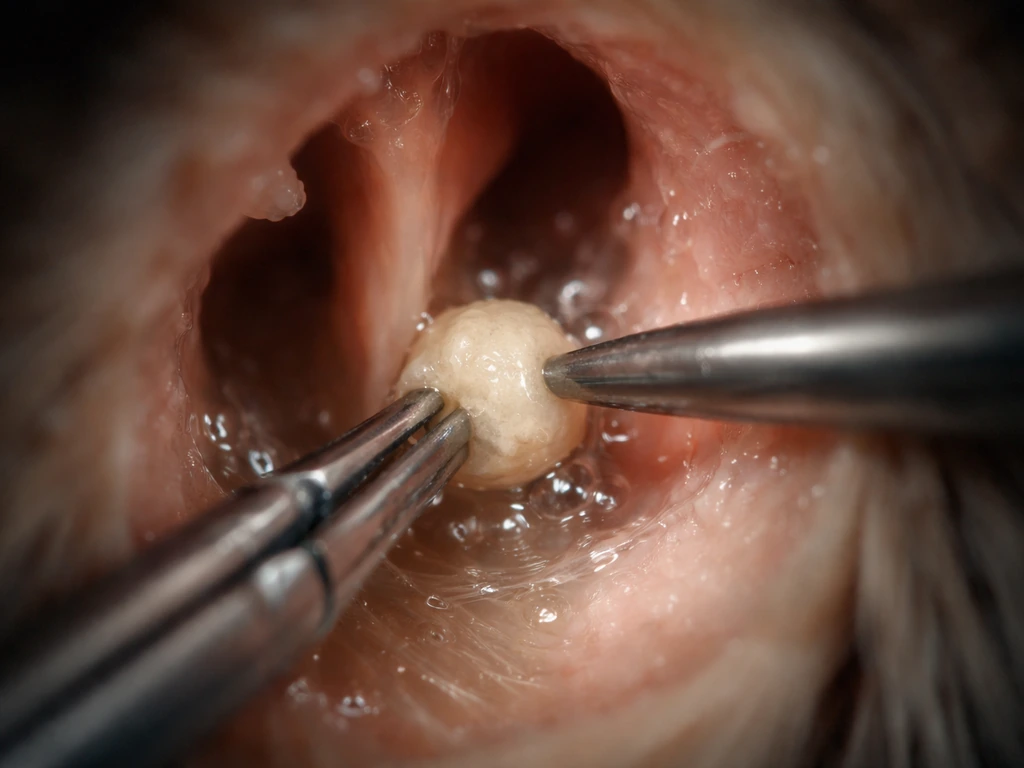
For established rhinoliths, removal under general anesthesia is typically required. The vet will use an endoscope to visualize the mass directly and then use fine instruments (sometimes including suction) to carefully break apart and extract the calcified material. Establishing a patent (open) airway is a critical safety step before and during this process, because the procedure itself temporarily works around the very passage the bird needs to breathe through.
After the rhinolith is removed, the nasal cavity is thoroughly irrigated to clear any residual fragments, debris, or infectious material. The vet will also inspect the cavity carefully for any remaining foreign body that may have been the original nidus, because leaving it behind could restart the whole process.
Post-removal care typically includes a course of antibiotics (often prolonged, because chronic infection is almost always present by this point), continued nasal flushing as directed, and follow-up exams to confirm the passage is healing cleanly and remains patent. Depending on the severity of tissue involvement, anti-inflammatories may also be prescribed.
Preventing rhinoliths and stopping them from coming back
Recurrence is a real possibility if the underlying conditions that allowed the rhinolith to form in the first place are not addressed. Removal solves the immediate problem, but it doesn't automatically eliminate the risk of another one developing if chronic nasal irritation or infection continues.
The single most useful thing you can do is manage your bird's environment to minimize chronic nasal irritation. Dusty environments are a known trigger: dusty substrates, certain seed mixes, feather dust (which is heavy in cockatoos and cockatiels), dry air, and exposure to smoke, aerosols, or cooking fumes all irritate the nasal lining and promote the thick secretions that set up rhinolith formation. Running an air purifier, using low-dust bedding, and keeping the bird's space well-ventilated but away from kitchen fumes makes a meaningful difference.
- Keep humidity at an appropriate level for your bird species to prevent secretions from drying and thickening
- Avoid aerosols, scented candles, non-stick cookware fumes, and cigarette smoke near your bird
- Use low-dust substrates and keep cage cleaning consistent to reduce airborne particles
- Address any respiratory infections promptly and fully rather than stopping treatment early when symptoms improve
- Schedule regular avian vet check-ups so early signs of nasal irritation or discharge are caught before they progress
- After removal, follow the full antibiotic course even if the bird seems fine, to clear chronic infection completely
The vet should also confirm that no residual foreign material was left behind after removal, since even a tiny retained fragment can become the nidus for a new rhinolith. If a specific underlying cause is identified (a chronic infection organism, a structural issue, or an immune problem), treating that root cause is the most direct prevention strategy available.
Birds that have had one rhinolith should be monitored more closely going forward. That doesn't mean constant anxiety, but it does mean not dismissing unilateral nasal discharge or persistent sneezing as minor. Catching a new formation early, before it mineralizes fully, gives the vet far more options and the bird a much easier recovery.
What to do right now if you're worried about your bird
If your bird has had chronic nasal discharge on one side, recurrent crusty buildup at one nostril, or any of the breathing signs described above, book an appointment with an avian vet, not a general practice vet if you can help it. Avian medicine is a specialty, and diagnosing nasal masses in birds requires both familiarity with avian anatomy and access to appropriate imaging. A vet who works primarily with dogs and cats will have a harder time with this.
In the meantime, do not try to probe, flush, or clear the nostril yourself. Keep the bird calm, warm, and in a low-stress environment. If the bird is open-mouth breathing or showing clear respiratory distress, treat it as an emergency and seek same-day care. A rhinolith that has reached the point of causing breathing difficulty is not something to monitor from home overnight. If you are wondering what bone is the drumstick in a bird, that’s a different anatomy question than the nasal mass called a rhinolith.
Understanding the anatomy here helps put the urgency in perspective. In birds, the thigh (together with the hip joint) includes the femur, which is the main thigh bone. Bird nasal passages connect directly to a respiratory system that is already highly efficient but not very forgiving of obstruction. Unlike a mammal with a larger airway to compensate, a bird's respiratory anatomy, including how air flows through pneumatic bones and air sacs, leaves little redundancy when the upper airway is blocked. Getting a confirmed diagnosis and a clear treatment plan from a qualified avian vet is the most important next step you can take.
FAQ
How fast do rhinoliths grow in birds?
Growth is usually gradual, but the timeline varies. If the nidus keeps getting irritated or fed by thick, mineral-rich secretions, the mass can enlarge over months, sometimes long enough to be noticed only after substantial obstruction develops. Recurrent one-sided nasal inflammation often means the process is actively continuing, not “paused.”
Can a rhinolith happen in any bird, or is it only seen in parrots?
While it is most commonly reported in parrots, any bird can develop one when a tiny nidus gets retained in the nasal passage. Birds that have chronic rhinitis, sinusitis, repeated upper respiratory issues, or frequent exposure to dusty bedding and aerosols can be at risk, even if they are not a “typical” species for rhinolithiasis.
Is one-sided nasal discharge always a rhinolith?
No. One-sided signs strongly raise suspicion, but other causes include retained foreign material, nasal tumors, abscesses, mites with secondary inflammation, and structural lesions. Imaging is what distinguishes a mineralized nidus from non-stone causes, so persistent unilateral symptoms should not be assumed to be rhinoliths without confirmation.
What imaging should I ask for, X-ray or CT?
X-rays can show a calcified density and may be suggestive, but CT is generally more definitive because it maps the exact size and location and checks whether nearby sinuses or bony walls are involved. If your vet has access, CT helps tailor the safest removal plan, especially for deeper or larger masses.
Can nebulization or nasal flushing dissolve a rhinolith?
These measures can reduce inflammation and soften surrounding secretions, and they may help after removal, but they typically do not dissolve a true calcified mass. If imaging confirms a rhinolith, expect that definitive management often requires endoscopic or surgical extraction rather than relying on flushes alone.
Is it safe to try to remove a crust or “plug” from my bird’s nostril at home?
No. Probing or forcing material can cause bleeding, push debris deeper into the nasal passage, or increase aspiration risk. Even if you sometimes can pull out a small piece, you can still leave behind the nidus core that will re-mineralize, restarting the cycle.
What symptoms mean it is an emergency rather than a routine appointment?
Seek same-day care if you see labored breathing, tail bobbing with breaths, persistent open-mouth breathing at rest, marked lethargy, or rapid worsening of nasal obstruction. Birds compensate poorly when airflow is restricted, so breathing-related changes should be treated as urgent.
After removal, how do we prevent recurrence?
Prevention focuses on removing ongoing triggers and root causes. Reduce dust exposure (bedding, feather sprays, smoke, aerosols, cooking fumes), address chronic nasal inflammation or infection as directed, and ensure the cavity is fully cleared so a retained fragment does not become a new nidus. Monitoring and follow-ups matter because recurrence can start quietly.
Will my bird need antibiotics after the rhinolith is removed?
Often yes, because prolonged inflammation frequently comes with secondary or established sinus infection. The exact drug and duration depend on what the vet finds and, in some practices, culture results. Do not stop antibiotics early, even if breathing seems better, since infection can persist in poorly draining areas.
What if the vet suspects a rhinolith but cannot find it during endoscopy?
Sometimes the mass is deeper or partially obscured, and endoscopy may not reveal it immediately. CT localization and careful planning can reduce “blind” attempts. If symptoms persist and imaging suggests calcification, ask whether additional imaging views, repeat endoscopy, or referral to a more specialized avian center is recommended.