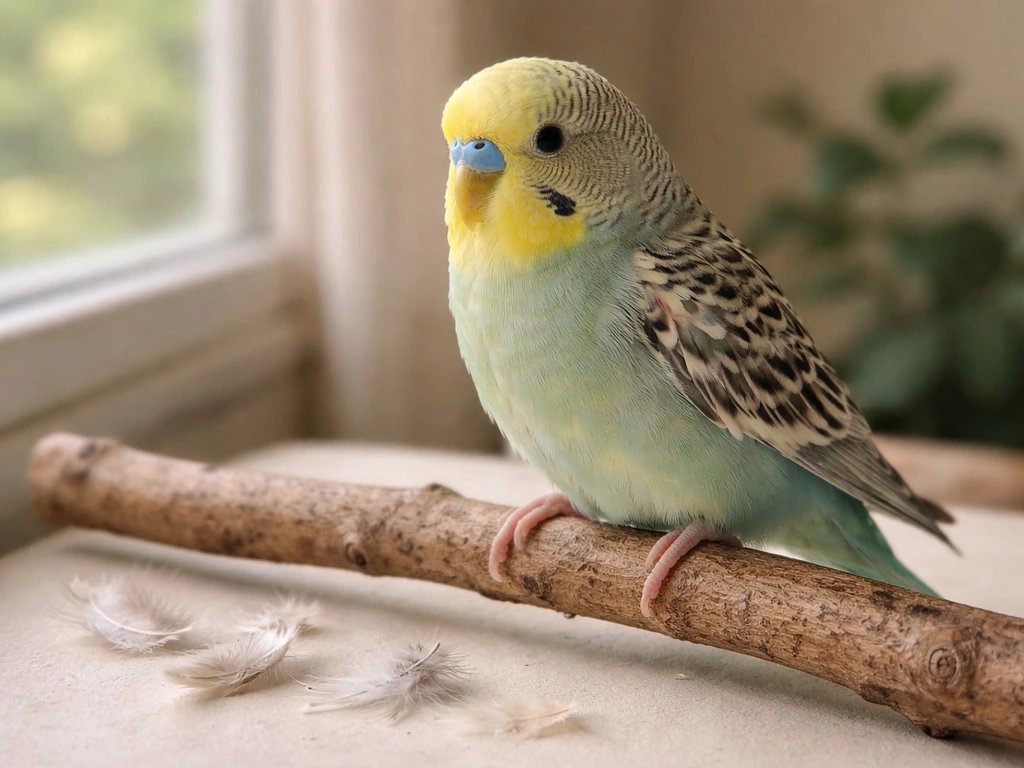
The answer is TRUE. Bird feathers are modified scales, specifically modified epidermal scales derived from the same type of skin tissue that produces the flat, overlapping scales you can still see on a bird's lower legs and feet. Feathers didn't appear out of nowhere as a completely new body part. They evolved from keratin-based epidermal structures that reptiles already had, which is why biologists confidently describe feathers as developmentally modified epidermal scales.
Bird Feathers Are Modified Scales: True or False

Marcus Chen
4 Jun 2026
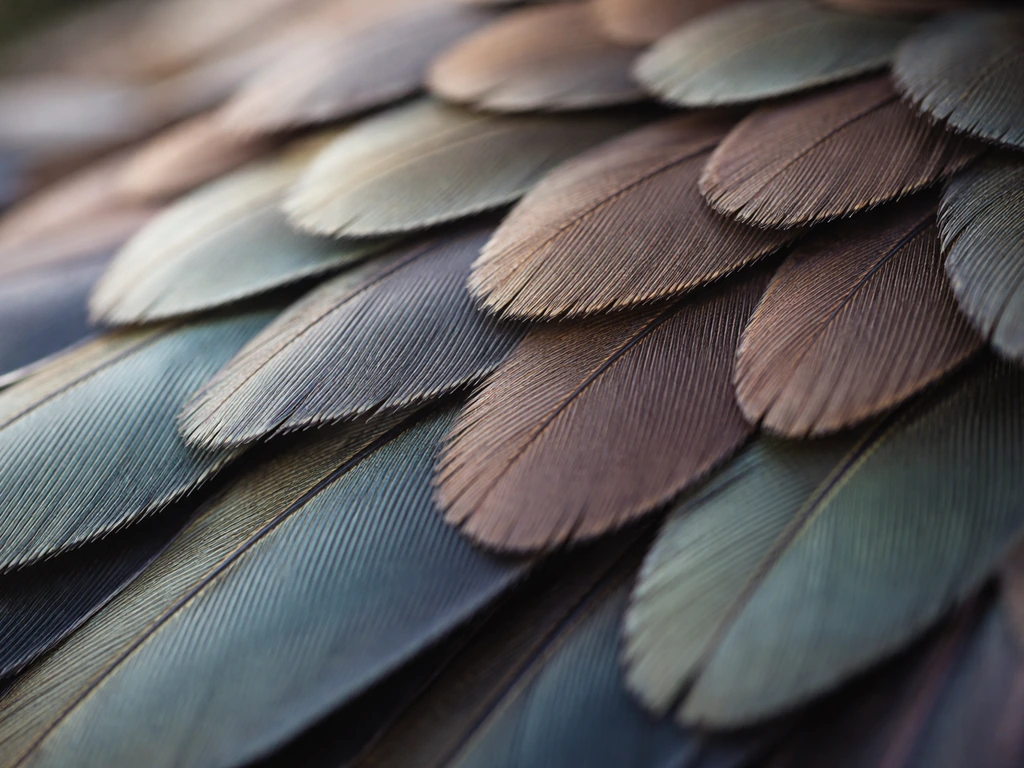
What feathers are actually made of
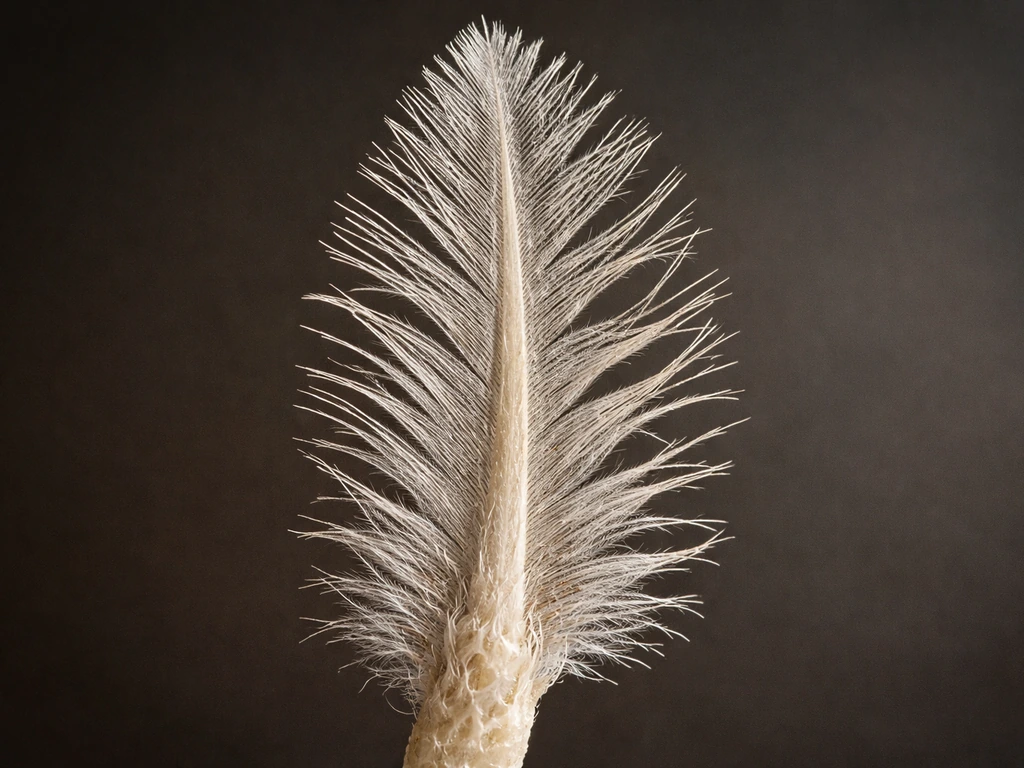
Every feather on a bird is built from keratin, the same tough structural protein that makes up your fingernails, a cat's claws, and a reptile's scales. That shared chemistry is already a big clue about where feathers come from. Feathers grow out of small pits in the skin called follicles, anchored by a hollow base called the calamus (sometimes just called the quill). From there, the rachis extends outward as the central shaft. Branching off the rachis on both sides are barbs, and from each barb grow even finer strands called barbules. On most body and flight feathers, those barbules hook together to create a smooth, interlocking surface called the vane. Down feathers, which are the fluffy insulating layer closer to a bird's body, have a shorter or nearly absent rachis and barbules that don't interlock, so they stay loose and trap warm air instead.
All of that structure, from the calamus down to the tiniest barbule, is a keratinized epidermal derivative. That phrase just means it grows out of the outer layer of skin (the epidermis) and hardens into keratin. Scales on a bird's feet work exactly the same way. Same tissue type, same protein, different final shape.
The biological case: feathers as modified epidermal scales
The connection between feathers and scales isn't just poetic. Britannica states it plainly: bird feathers are developmentally modified epidermal scales. The evidence goes right down to the cellular level. In reptiles, epidermal ridges fold and overlap to produce flat scales. In birds, those same epidermal ridges develop differently, and instead of producing a flat scale, they produce the elaborate barb structure of a feather. Same tissue, same developmental starting point, different end result because of different genetic signaling.
Research into how skin appendages develop has shown that scales, feathers, and even mammalian hair all share a developmental structure called an epidermal placode, a small cluster of specialized skin cells that kicks off growth of the appendage. In particular, Nature reports that reptilian scales, like feathers and mammalian hair, develop from an anatomical epidermal placode, supporting a shared developmental origin among keratinized epidermal appendages. The molecular signals involved, including proteins like Shh and Bmp2, are shared across scales and feathers, which is strong evidence that these structures are truly homologous (biologically equivalent) rather than coincidentally similar. Scientists still debate the exact order in which feather forms evolved from scale-like ancestors, but the shared developmental origin is well established.
Why feathers count as 'modified' scales, not just 'similar to' scales
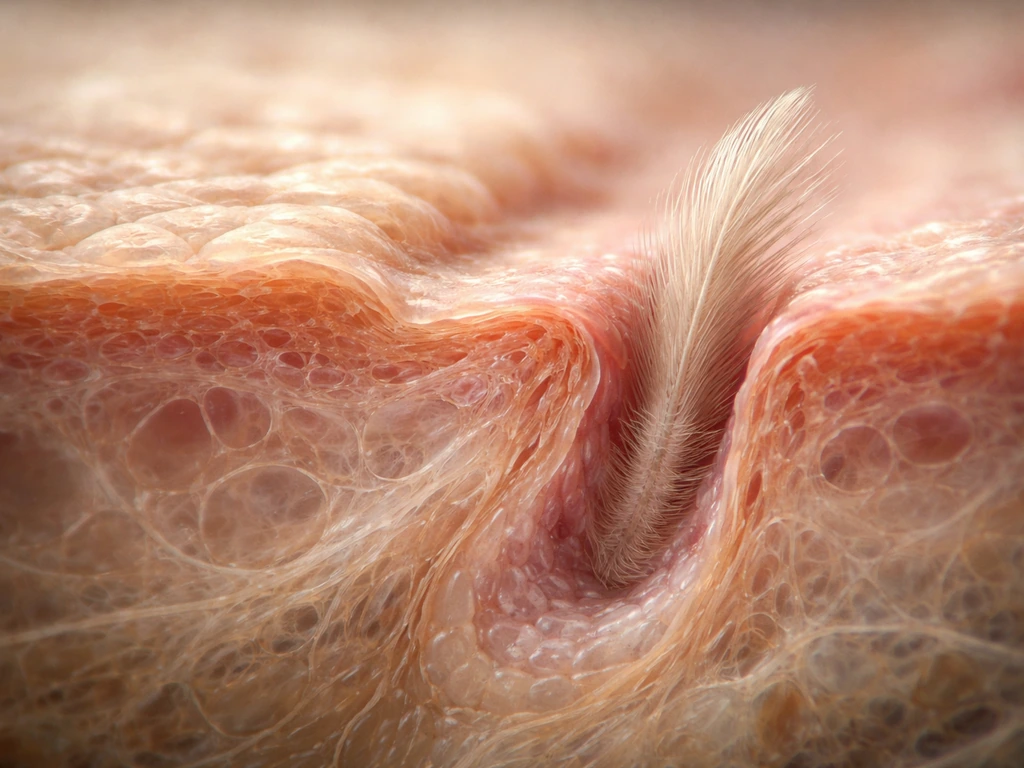
The word 'modified' is doing real work here, so it's worth unpacking. When biologists say a structure is modified, they mean it evolved from an ancestral form but changed significantly in shape and function over time. Feathers are not scales that got a little bigger. They are structurally far more complex, with a branching hierarchy of rachis, barbs, and barbules that a flat reptilian scale simply doesn't have. But that complexity developed on top of the same epidermal foundation. Think of it like how a wing and an arm are both modified from the same ancestral limb structure in vertebrates. Different jobs, very different shapes, but the same biological origin.
Feather follicles form during embryonic development through signaling between the outer epithelial layer (from the ectoderm, the same germ layer that produces all skin) and the underlying dermal tissue beneath it. That combination of epithelial and dermal signaling is exactly what produces scales in reptiles. In birds, the same interaction just runs a different developmental program and produces a follicle that can grow and regenerate feathers repeatedly throughout the bird's life.
How to tell feathers apart from other parts of a bird's integument
If you want to understand where feathers fit in the bigger picture, it helps to know that birds have more than one type of skin appendage. The integument (that just means the skin and everything it produces) includes several distinct structures.
| Structure | Location on Bird | Tissue Type | Main Function |
|---|---|---|---|
| Contour feathers | Most of body surface (feather tracts) | Keratinized epidermal, follicle-based | Shape, flight, display |
| Down feathers | Under contour feathers, close to skin | Keratinized epidermal, follicle-based | Insulation |
| Epidermal scales | Lower legs, feet, base of bill | Keratinized epidermal, overlapping folds | Protection, grip |
| Beak/bill | Face | Keratinized epidermal (rhamphotheca) | Feeding, preening |
| Claws/talons | Toes | Keratinized epidermal | Grip, defense |
Notice that feathers and epidermal scales are both keratinized epidermal structures, just found in different regions of the body. In birds, true flat scales are confined mostly to the lower legs, feet (the tarsal-metatarsal region), and toes, as well as a narrow area at the base of the bill. Britannica similarly notes that in birds, epidermal scales are limited to specific regions like the lower legs and feet and the base of the bill, with feathers covering the rest of the body specific regions (lower legs/feet and base of the bill). The rest of the body is covered in feathers, which grow from specific tracts called pterylae, with feather-free areas (apteria) in between. Down feathers are found on a bird's body, where they provide insulation and trap warm air close to the skin. So the question "which feathers cover the body of a bird" is really asking about the body’s main feather types, like contour feathers that form the outer covering. This distribution makes it easy to observe the contrast: look at a bird's body and see feathers; look at its feet and see the flatter, overlapping scales that are far more recognizably reptile-like.
Answering the true/false question with confidence
If this question shows up on a quiz with four options, the correct answer is TRUE, and here's the reasoning you can use to feel confident choosing it, not just guessing.
- Feathers and scales are both keratinized epidermal derivatives, meaning they both originate from the outer skin layer and are made of keratin.
- Both structures develop from an epidermal placode, the same type of developmental unit that initiates growth of skin appendages in vertebrates.
- Birds still carry actual flat epidermal scales on their feet and legs, showing the ancestral scale form hasn't disappeared, it just got replaced by feathers on most of the body.
- Developmental biology research confirms that the same molecular signals (including Shh and Bmp2 pathways) drive both scale and feather development.
- Britannica and mainstream biology sources explicitly describe feathers as 'developmentally modified epidermal scales.'
If you see an option that says feathers are 'a completely separate type of organ unrelated to scales,' that's FALSE. If you see 'feathers evolved from the same skin tissue as scales,' that's TRUE. The statement 'bird feathers are modified scales' is TRUE, full stop.
Misconceptions worth clearing up
"Feathers aren't really part of the skin"
This is probably the most common wrong idea. Because feathers are so large and complex, they can seem like a completely separate system from the skin. But feathers grow out of follicles embedded in the skin, and that follicle is a skin appendage in the same biological category as a scale or a hair. When a bird molts (loses and regrows feathers seasonally), those feathers are being shed and regenerated from the skin follicles, exactly the way scales are shed in reptiles. During molt, birds lose feathers like a bird might, but the follicles keep the process repeatable. That shedding-and-regrowth process is what people commonly call molting, or simply a bird losing its feathers.
"Scales and feathers are just superficially similar"
Some people assume the similarity is just visual or a convenient metaphor. It isn't. The molecular and developmental evidence shows that feather-producing skin and scale-producing skin use shared signaling pathways and grow from the same type of epidermal placode. The structural differences between a feather barb and a flat scale are real and dramatic, but the underlying tissue identity and developmental machinery overlap significantly.
"All feathers are the same structure"
This one trips people up when thinking about the 'modified scale' idea. A contour feather with its interlocking vane looks very different from a fluffy down feather, which looks different again from a hairlike filoplume or a stiff bristle feather around the bill. Those different feather types include plumes, which are often discussed as distinctive, larger feather structures on a bird. These are all feathers and all epidermal derivatives, but they vary in how their barbs and barbules are arranged. Down feathers, for example, lack the tight interlocking barbule structure of flight feathers, which is why they're so good at trapping air for warmth. Down feathers are the plumage that traps warm air close to the bird’s body, which is how birds stay warm. Down feathers come from specific parts of a bird’s body, not from a single hard “type” of feather Down feathers come from specific parts of a bird’s body, not from a single hard type of feather.. If you're curious about the role each feather type plays, feather function is a big topic on its own. To understand why feathers matter, you also need to look at what purpose they serve for a bird, like insulation, flight, and protection feather function.
"Reptile scales and bird scales are the same thing"
Interestingly, research suggests the scales on bird feet may not be a direct leftover from a reptilian ancestor in the way you'd assume. Some molecular studies indicate that bird foot scales may actually be secondarily derived from feathers (meaning scales re-evolved from feather-producing skin rather than never changing at all). Scientists are still working out the exact evolutionary sequence. What's not in dispute is that feathers and scales are both epidermal keratinized appendages with a deeply shared developmental biology.
The bottom line for your quiz or study notes: feathers are TRUE modified scales in the biological sense. They come from the same epidermal tissue, use the same keratin building blocks, and develop through related cellular processes. The complexity that separates a flight feather from a flat reptilian scale is the result of millions of years of evolutionary modification, but the family connection is real, measurable, and well-documented in the scientific literature.
FAQ
If the statement is TRUE, does that mean a feather is literally a reptile scale that grew larger?
No. It is homologous in origin (both are keratinized epidermal derivatives), but the feather’s branching architecture (rachis, barbs, barbules) is qualitatively different from the flat scale plan, because the developmental program changes during evolution.
How can feathers and scales be the same thing if bird feet look so different from the rest of the body?
They come from different body regions and are patterned differently. Flat, overlapping scales are concentrated mostly on the lower legs and feet and a small area at the base of the bill, while most of the body uses feather tracts (pterylae) with feather-free regions (apteria).
Do down feathers count as modified scales too, or is that only true for flight feathers?
Down feathers also count, because they develop from the same type of keratinized epidermal appendage system. The key difference is functional and structural, down feathers do not interlock tightly, so they trap warm air rather than forming a smooth flight surface.
What would be the best “trap option” to avoid on a multiple-choice quiz?
Avoid answers that claim feathers are completely unrelated to skin appendages or are a new internal organ. A strong distractor is “unrelated,” since feathers grow from skin follicles and regenerate through molt from the skin tissue rather than forming independently.
During molt, are birds regrowing feathers from scratch like new organs?
No. Molting involves shedding the feather structures, but the growth is driven by follicles in the skin that persist and regenerate new feathers. That repeatable shed-and-regrow cycle matches the general idea of epidermal appendage renewal.
Does the “modified” wording mean feathers and scales share the same exact developmental steps?
They share a developmental starting foundation, including epidermal signaling that triggers appendage formation, but the downstream steps diverge. That is why you get a scale structure in one program and a feather vane and branching system in the other.
Is it possible that bird foot scales are derived from feathers instead of the other way around?
Yes, some studies suggest bird foot scales may be secondarily derived from feather-producing skin. That does not weaken the quiz statement, it still supports that feathers and scales are developmentally linked through epidermal appendage biology.
If a question says “modified scale,” is it safer to choose TRUE even when the wording sounds too broad?
In most quiz contexts, yes. As long as the option is basically stating that feathers originate from modified epidermal scales, TRUE is appropriate. If the option implies a literal one-to-one replacement of a scale, that is the wrong interpretation.
Next Article
What Is It Called When a Bird Loses Feathers?
Bird feather loss is usually called molt; abnormal shedding can signal stress, mites, skin irritation, or illness.