
When a bird loses its feathers naturally, it's called molting (sometimes spelled moulting). That's the normal, biological process where old feathers are shed and new ones grow in to replace them. But if the feather loss looks patchy, sudden, or the bird is pulling feathers out itself, that's a different story entirely, and it has its own clinical name: feather destructive behavior, which includes feather plucking or feather picking. Knowing which one you're looking at changes everything about what you should do next.
What Is It Called When a Bird Loses Feathers?

Marcus Chen
15 May 2026
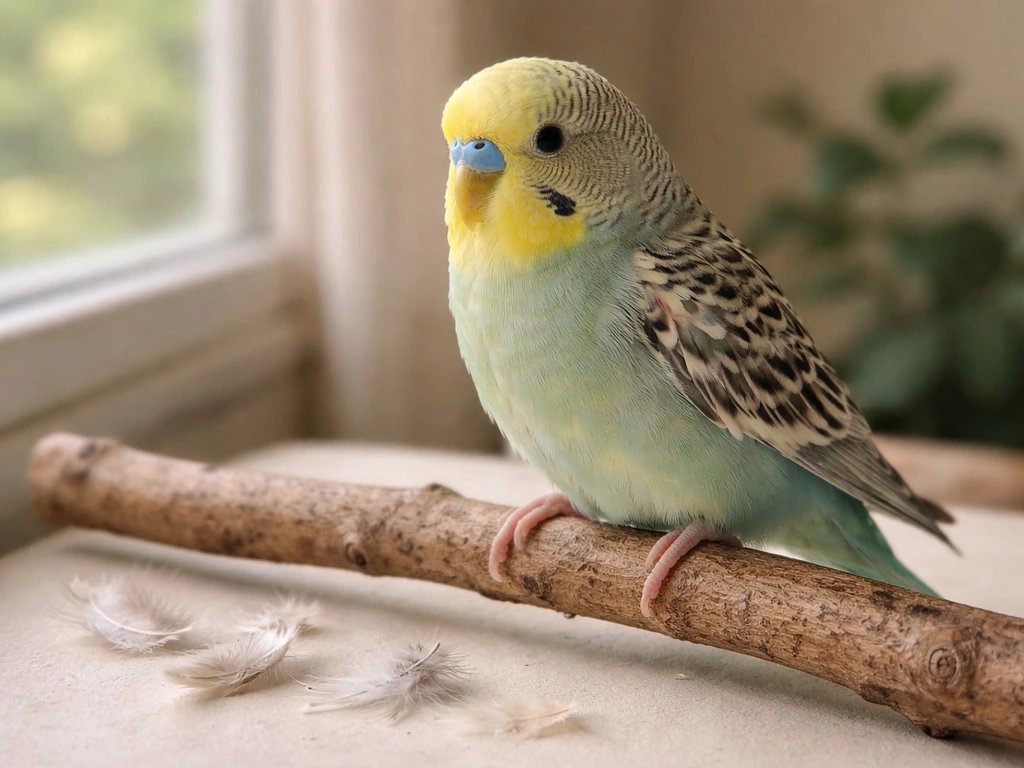
Molting vs. abnormal feather loss: what each one actually is
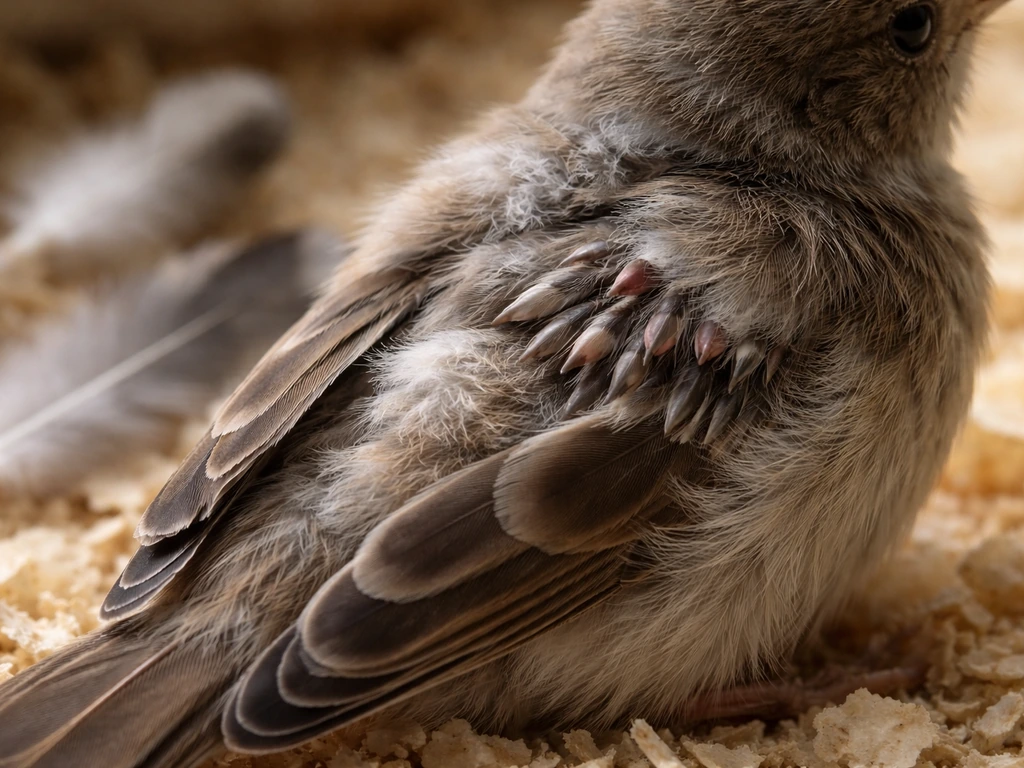
Molting is a completely normal part of a bird's biology. All birds do it. Old, worn feathers are shed and fresh ones grow back in their place, typically following a seasonal or life-stage cycle. Feathers that keep a bird warm are the ones that stay healthy and fully grown, because gaps in insulation can make the bird feel chilled which feathers keep the bird warm.
During this process, you'll notice what are called pin feathers (also known as blood feathers) appearing. They look like small, spiky, waxy tubes emerging from the skin and are technically feathers in an early growth phase, still supplied with blood. They can be sensitive to the touch, which is worth knowing if you handle your bird during this time.
Feather destructive behavior is the clinical umbrella term used when a bird is losing feathers in a way that isn't explained by the normal molt cycle. This includes feather plucking (the bird actively pulling its own feathers out), feather picking (chewing or damaging feathers without fully removing them), and barbering (when a cagemate does the damage). The Merck Veterinary Manual separates these into behavioral causes and medical causes, and importantly, clinicians are advised to rule out medical reasons before landing on a behavioral explanation.
How to tell the difference between a normal molt and a problem
This is the part most people get stuck on, and honestly, I don't blame them. Feathers on the cage floor look alarming no matter why they're there. The key things to look at are pattern, skin condition, and where on the body the loss is happening.
Normal molting tends to be symmetrical. If a bird is losing flight feathers on one wing, it usually loses a matching set on the other. The process is gradual, not sudden. And critically, the skin underneath should look completely normal. No redness, no irritation, no crusting. Cornell's Center for Wildlife Health specifically notes that healthy molting skin appears normal, so if you see inflamed or visibly irritated skin peeking through, that's a red flag.
Bald patches are the clearest warning sign. An avian veterinarian quoted in Chewy's bird anatomy coverage put it plainly: if you see a bald patch on your bird, it's abnormal. Molting doesn't produce bare skin the way feather plucking does. If you're finding feathers in the cage but the bird still looks full and healthy, that's probably molt. If you're seeing actual exposed skin, especially in irregular patches, something else is going on. Down feathers are the soft, insulating feathers found on a bird's body, usually beneath the outer contour feathers. Plumes on a bird are often one of the visual signs people notice when they are trying to tell normal molting from abnormal feather loss.
| Feature | Normal Molt | Abnormal Feather Loss |
|---|---|---|
| Pattern | Symmetrical, gradual | Patchy, irregular, or sudden |
| Skin appearance | Normal, no redness | Red, inflamed, crusted, or bare |
| Bird's behavior | Normal energy and appetite | Scratching, restlessness, visibly plucking |
| Feathers on cage floor | Yes, but bird looks full | Yes, with visible bare spots on bird |
| New pin feathers | Present and spiky | May be absent or damaged |
| Cause | Natural cycle | Medical, behavioral, or environmental |
Common reasons a bird loses feathers abnormally
When feather loss isn't explained by a normal molt cycle, the causes generally fall into two buckets: medical and behavioral. The tricky part is that both can look similar from the outside, which is why veterinarians emphasize ruling out medical causes first.
Stress and behavioral triggers
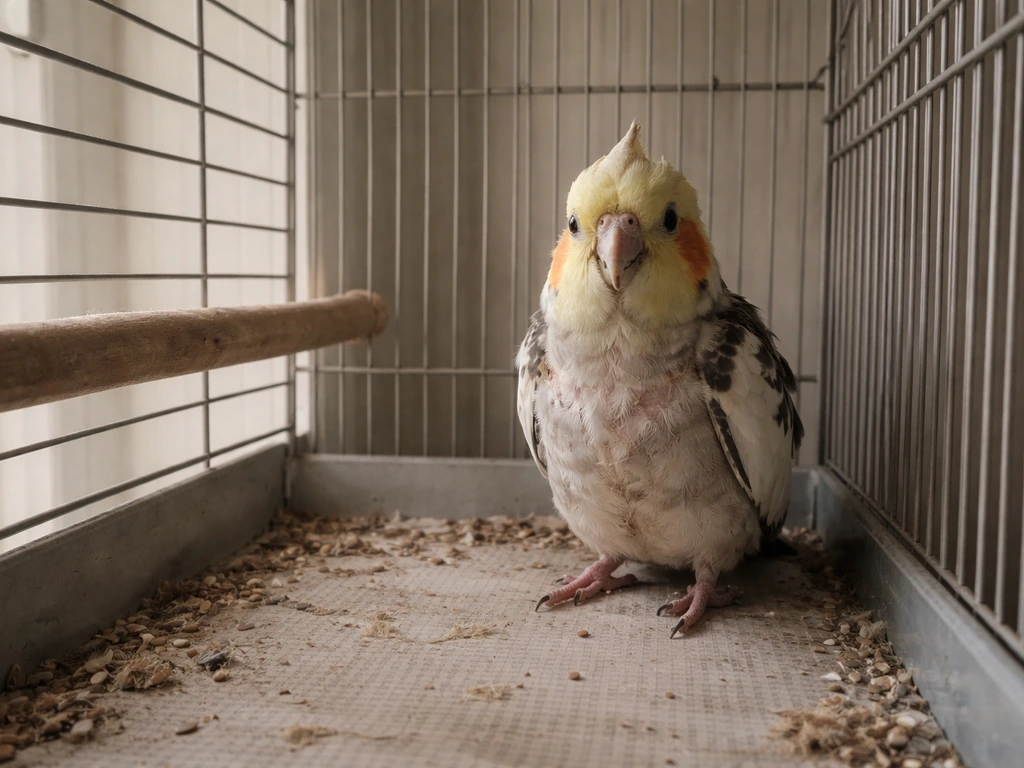
Stress is one of the most common drivers of feather plucking in pet birds. Boredom, social isolation, lack of mental stimulation, and sexual frustration are all documented behavioral causes. Birds are cognitively complex, and when their environment doesn't meet their needs, they can develop repetitive behaviors, feather destruction being one of the most visible. The Merck Veterinary Manual cautions owners against scolding or paying extra attention to a bird while it's plucking, because that attention can actually reinforce the behavior rather than stop it.
Illness and systemic disease
Systemic illness, infections (bacterial, viral, or fungal), cancer, and toxin exposure can all trigger abnormal feather loss. These aren't always obvious from the outside, which is why a medical workup matters when feather loss seems off. A published medical review on feather loss in pet birds found that metabolic and allergic diseases, in addition to infections, are legitimate underlying causes and stressed that a complete medical evaluation is necessary before assuming a behavioral cause.
Nutritional deficiencies

Diet is a surprisingly common culprit that gets overlooked. Birds fed primarily seeds or table scraps often lack the full nutritional profile needed for healthy feather development. Merck's guidance specifically connects basic seed-only or table-food diets to deficiencies that manifest in abnormal skin and feather quality. If a bird's feathers look dull, brittle, or keep breaking rather than falling out cleanly, diet is worth examining seriously.
Parasites and skin irritation
External parasites, including feather mites, lice, and red mites, can cause enough irritation that birds scratch and pick at themselves to the point of feather damage and loss. Scaly face or leg mites (caused by Knemidocoptes) can produce a distinctive honeycomb-like crusty appearance on the skin, especially around the beak and legs, which is sometimes the first visible sign that mites are the problem. Other less obvious infestations may require a vet to confirm with a skin scraping.
Why feathers fall out in the first place: the biology behind it
Each feather grows from a follicle in the skin, and like hair follicles in mammals, feather follicles cycle through distinct phases. Bird feathers are modified scales, which is why they share some basic features with reptiles but function very differently for flight, insulation, and protection. The active growth phase is called anagen, when the feather is developing and the pin feather's blood supply is active.
This is followed by a regression phase (catagen) and then a resting/shedding phase (telogen, sometimes called exogen), when the old feather is released to make way for the next one. This cycling is what makes molting an orderly, predictable process under normal conditions. When a bird is sick, malnourished, or under significant stress, this cycle can be disrupted, producing patchy or incomplete feather replacement instead of the gradual, symmetrical pattern you'd expect.
It's also worth connecting this to what feathers actually are structurally. Feathers also play functional roles for a bird, such as insulation, protection, and enabling flight what purpose do feathers serve for a bird. If you're curious about what feathers actually cover different parts of the body, it can also help to know which feathers cover the body of a bird. Bird feathers are modified scales, which is why their appearance can reflect issues with a bird's health.
They're highly specialized structures, and their condition is a direct reflection of a bird's internal health at the time those feathers were growing. A feather that grew during a period of illness or nutritional stress may look fine initially but will show stress bars (thin, horizontal lines of weakness across the feather shaft) or break abnormally. This is part of why feather quality is such a useful health indicator for vets and bird owners alike.
What to check today
Before assuming the worst, do a practical walkthrough of the most common environmental and care factors that influence feather health. Most of these you can assess right now without a vet visit.
- Check the pattern of feather loss: is it symmetrical and gradual, or patchy and concentrated in one area? Symmetrical points toward molt; patchy points toward a problem.
- Examine the skin underneath: is it normal-looking, or is there redness, swelling, crustiness, or a honeycomb texture? Normal skin during molt should look healthy.
- Look for pin feathers: spiky, waxy tubes emerging from the skin are a sign that new feathers are growing in, consistent with normal molting.
- Watch for self-directed picking or scratching: is the bird actively pulling at its own feathers, or just losing them passively? Active picking is a key sign of feather destructive behavior.
- Assess the diet: is the bird eating primarily seeds or a varied, nutritionally complete diet? Seed-heavy diets are commonly linked to deficiencies affecting feather and skin health.
- Look for signs of parasites: check around the beak, legs, and vent area for crusting or a scaly texture, and inspect the feathers themselves for tiny moving specks, which could indicate mites or lice.
- Evaluate the environment: is the bird getting adequate mental stimulation, social interaction, sleep, and humidity? Dry air, loneliness, and boredom are all genuine stress triggers.
- Check for cagemate interactions: if there are multiple birds, observe whether one is grooming or pecking at another excessively, since barbering by a cagemate is a separate cause of feather loss.
When to call an avian vet (and what to track before you do)
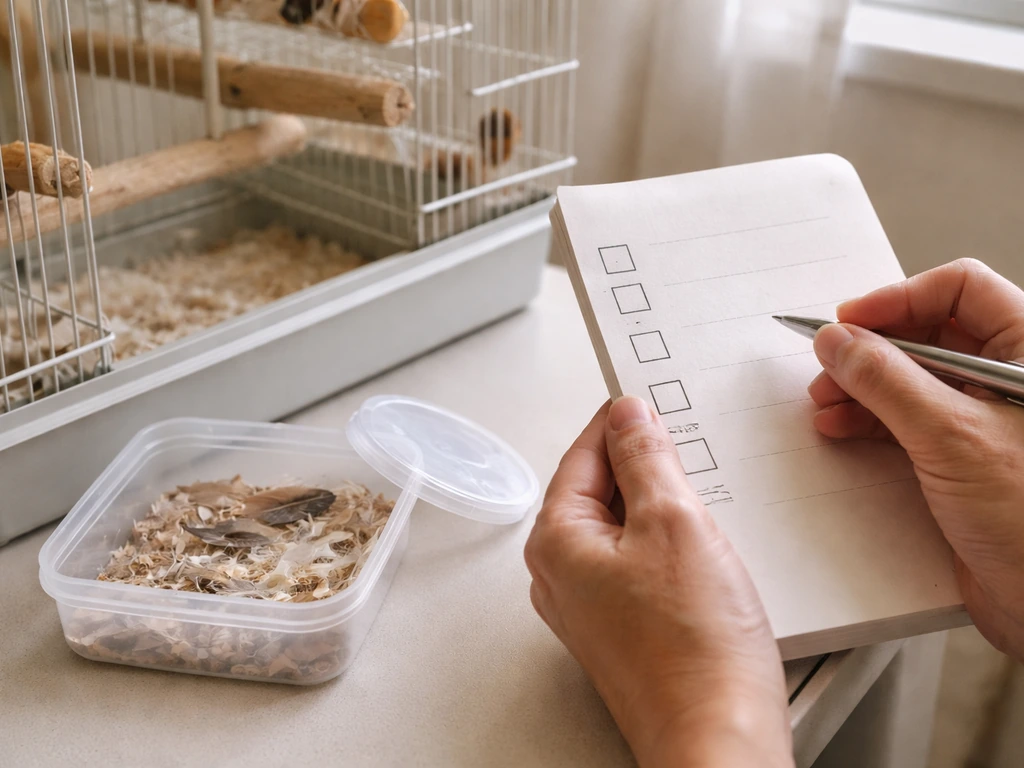
Get a vet involved if you see bald patches with exposed skin, if the bird is actively and repeatedly pulling its own feathers, if the skin looks inflamed or abnormal, or if the feather loss has been progressing over more than a week or two without any sign of new growth. Abnormal feather loss can have serious underlying causes, including infection, cancer, and metabolic disease, that genuinely require professional diagnosis.
When you do see a vet, they'll likely want a full history and may recommend bloodwork (including hematology and a biochemistry panel to check for infection, nutritional deficiencies, and organ function) along with a physical exam. If parasites are suspected, skin scrapings can confirm mite species. If bacterial or yeast infection is possible, impression smears or fungal cultures may be used. The more specific information you can bring, the faster the diagnosis.
Before your appointment, keep a simple log: when you first noticed the feather loss, which areas of the body are affected, whether the pattern is symmetrical or one-sided, what the bird's diet looks like, any recent changes to its environment or routine, and whether you've seen it actively picking. This kind of record genuinely helps vets narrow things down faster and is easy to put together in a few minutes.
The bottom line is that molting is completely normal and happens to every bird on some schedule, but not every feather loss is molting. If you're wondering down feathers from what bird, that's more about the source of the down than about whether your bird is molting.
Feather destructive behavior can also look like a bird is losing feathers in a way that resembles normal shedding, so it's important to assess the pattern and skin lose feathers like a bird might. The skin condition, pattern, and the bird's own behavior are your best real-time indicators of which you're dealing with. To help keep your bird warm, you want healthy, intact feathers, since gaps and damaged plumage reduce insulation keep the bird warm.
When in doubt, especially if you're seeing bare skin or active plucking, an avian vet is the right next call.
FAQ
Can molting look patchy or uneven sometimes, without meaning feather plucking?
Yes. Molt can be uneven, especially around stress points like molting wings or seasonal transitions, but it should still be gradual. The skin should remain normal, and you usually see pin feathers (blood feathers) in the same general areas where missing feathers will be replaced, rather than irregular bare spots appearing overnight.
How can I tell the difference between a bird “losing feathers” and a bird plucking them out?
Look for active behavior and the state of the skin. Plucking often shows visible irritation or broken feather stubs and may come with repeated attention to the same patch, while true molting typically produces intact new feather tips (pin feathers) and normal-appearing skin underneath.
If I find feathers in the cage but my bird’s skin looks normal, should I still worry?
Usually less, because normal shedding can still drop feathers even if everything is progressing correctly. However, if you notice exposed skin, strong dullness or brittleness in current feathers, or no signs of new growth after 1 to 2 weeks, get a vet evaluation.
What does it mean if only one wing or one side seems affected?
One-sided or clearly mismatched patterns are more concerning for abnormal feather loss, since typical molting tends to be fairly symmetrical. A localized issue can also point to injury, dermatitis, or persistent rubbing from a perch, but it still warrants closer assessment and possibly a vet exam.
Is feather loss ever caused by something outside the bird, like cage mates or nesting materials?
Yes. Barbering happens when another bird damages feathers, and it can mimic plucking. Also check for chronic friction from poorly placed perches, rough cage components, or bird-safe nest materials that cause irritation or snagging.
Could my bird be molting if it has bald-looking areas but no obvious redness?
Bald areas alone are not enough information. Molting should not leave true exposed bare skin, so if you can clearly see skin rather than just fewer feathers, assume it may be abnormal and monitor for regrowth (pin feathers) versus ongoing bare patches.
Does paying attention or scolding stop feather plucking?
Often it does the opposite. Additional attention during or after plucking can reinforce the behavior in some birds. The better approach is to reduce likely stressors, improve enrichment, and involve an avian vet to rule out medical drivers first.
How quickly should I call a vet if feather loss is abnormal?
Call promptly if you see exposed skin, inflamed patches, active repeated picking, or feather loss that continues beyond about a week or two without visible regrowth. Rapid changes, lethargy, appetite changes, or weight loss are also reasons to seek care sooner.
What diet details should I bring to the vet?
Bring specifics, not just what you “feed.” Include the exact main foods (seed, pellet, table foods), brand/type, how much is offered, treats and frequency, and whether there have been recent changes. This helps identify nutritional gaps that can affect feather quality and skin condition.
Could parasites be the cause even if I never see bugs?
Yes. Mites and lice can cause enough irritation to trigger scratching and picking without obvious sightings. If feather loss comes with crusty skin, especially around the face or legs, ask the vet whether skin scrapings are appropriate.
What symptoms, besides feather loss, make medical causes more likely?
Medical triggers become more likely if there are signs like unusual skin appearance (crusting, redness), changes in droppings or appetite, abnormal breathing, visible lethargy, weight loss, or rapid progression. These often justify bloodwork and targeted testing rather than assuming a behavioral cause.
If feathers break or look stress-damaged, does that point to molting problems or health problems?
Stress-damaged or brittle feathers often indicate the feather was growing during a stressful or unhealthy period. This can occur when nutrition is insufficient or illness is present, so the issue may be upstream rather than purely about the shedding event itself.