
Most birds have somewhere between 1,000 and 25,000 feathers, but that range is so wide it barely feels useful. The honest answer is: it depends almost entirely on the species. A tiny Ruby-throated Hummingbird carries around 940 feathers. If you’re wondering how many feathers a small bird have, the same rule applies, since smaller species usually fall into the lower end of the overall feather-count ranges <a data-article-id="556EC5BB-CDA4-49B8-9AEA-A773433886AA">A tiny Ruby-throated Hummingbird carries around 940 feathers.
How Many Feathers Does a Bird Have A Practical Guide

Marcus Chen
7 May 2026
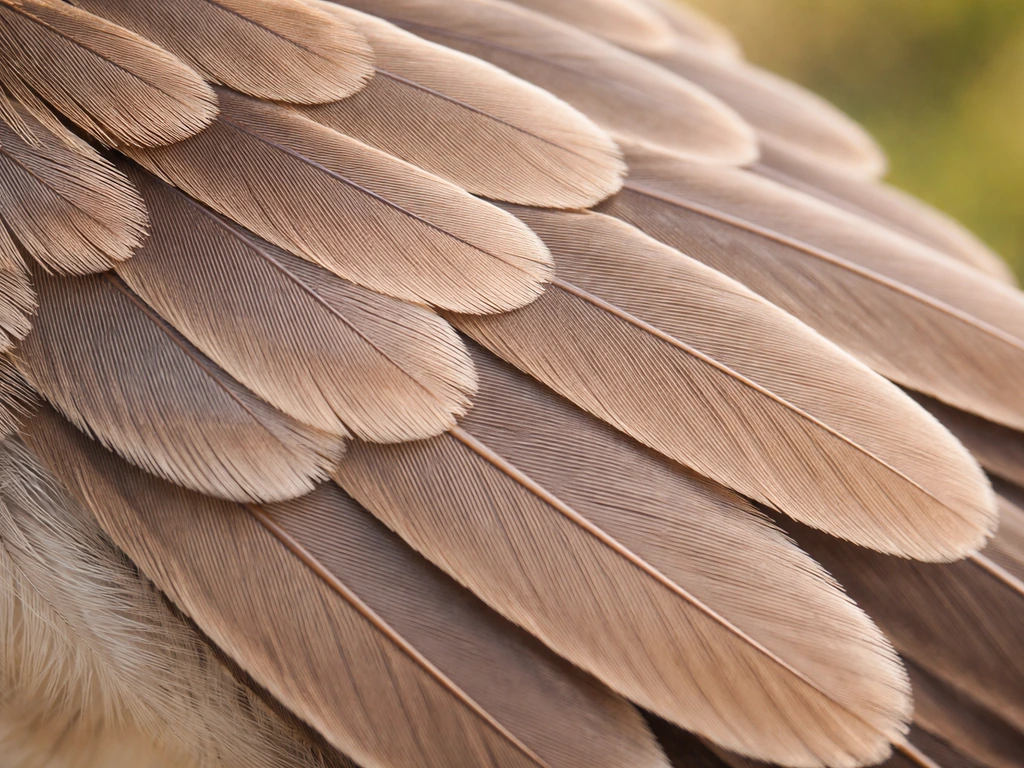
</a>. A Tundra Swan can have more than 25,000. The birds most people are curious about (songbirds, raptors, backyard species) tend to fall somewhere in the 1,500 to 8,000 range. The exact count also shifts across a single bird's lifetime as feathers grow in, wear down, and get replaced through molt.
So there's no universal number, but there are very credible ranges, and once you understand how feathers are organized by region and group, you can estimate a reasonably accurate count for almost any species.
Why there's no single "correct" number
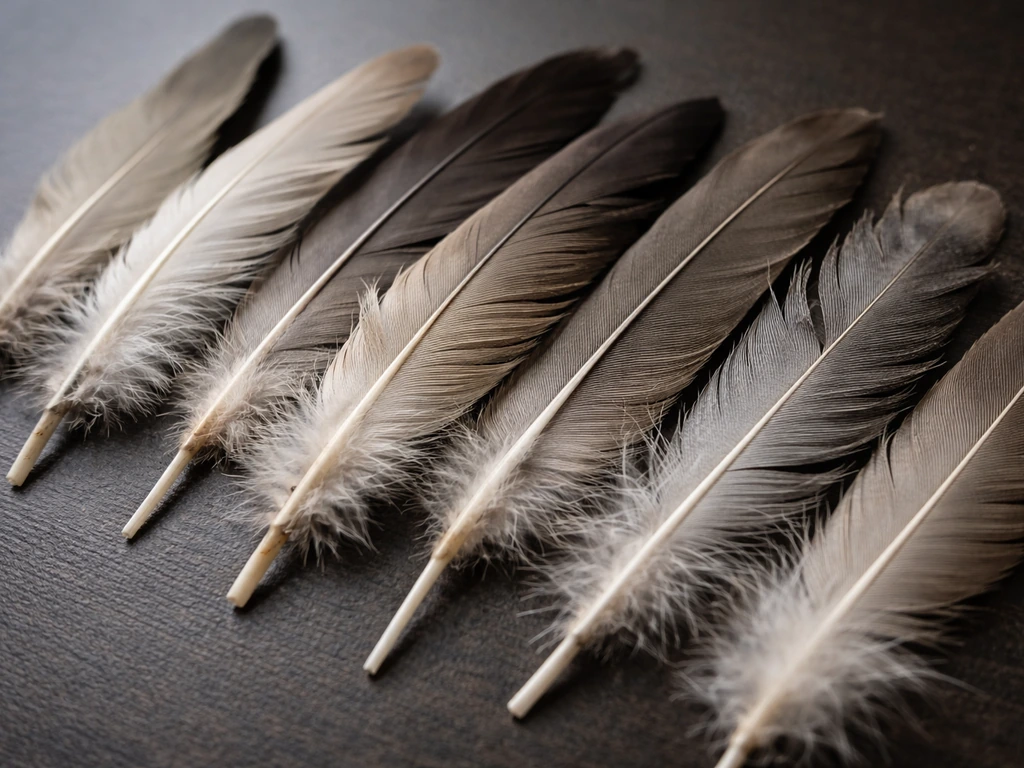
When researchers actually counted feathers on bird specimens (yes, someone sat down and counted thousands of them), they found that about 91% of the variation in feather number comes from differences between species. Only about 9% of the variation is from differences within the same species across time or individuals. That's a useful fact: species is by far the biggest driver. A warbler will always have dramatically fewer feathers than a swan, no matter what season or age you're measuring.
The other source of variation is timing. Feather counts hit their lowest point in summer, right before a bird's main molt cycle kicks off. At that point, old feathers are worn and broken, and the new ones haven't fully grown in yet. This is normal biology, not damage. It just means a single bird counted in July versus October could show noticeably different totals. That's why scientists talk about feather number as a range rather than a fixed value.
How feather counts differ by species
Body size is the most reliable predictor. Larger birds generally have more feathers, both in absolute terms and because they have more surface area to cover. But the relationship isn't perfectly linear, which is part of what makes this interesting. Here are some well-documented examples across a range of species:
| Bird | Approximate Feather Count | Notes |
|---|---|---|
| Ruby-throated Hummingbird | ~940 | One of the lowest counts on record |
| House Sparrow | ~3,500 | Varies by season |
| American Robin | ~2,900–3,100 | Typical small passerine range |
| Bald Eagle | ~7,000–7,200 | Brodkorb 1955 specimen count |
| Herring Gull | ~5,000–6,000 | Mid-sized waterbird |
| Tundra Swan | ~25,000+ | Among the highest counts recorded |
Waterfowl tend to run high because they need dense body plumage for insulation in cold water. Raptors are more moderate. Songbirds (passerines) are typically in the 1,500 to 4,500 range. These aren't just rough guesses, either. Researchers like Pierce Brodkorb spent real time on museum specimens doing actual counts, so the numbers for well-studied species are grounded in physical evidence.
Where all those feathers actually sit on the body
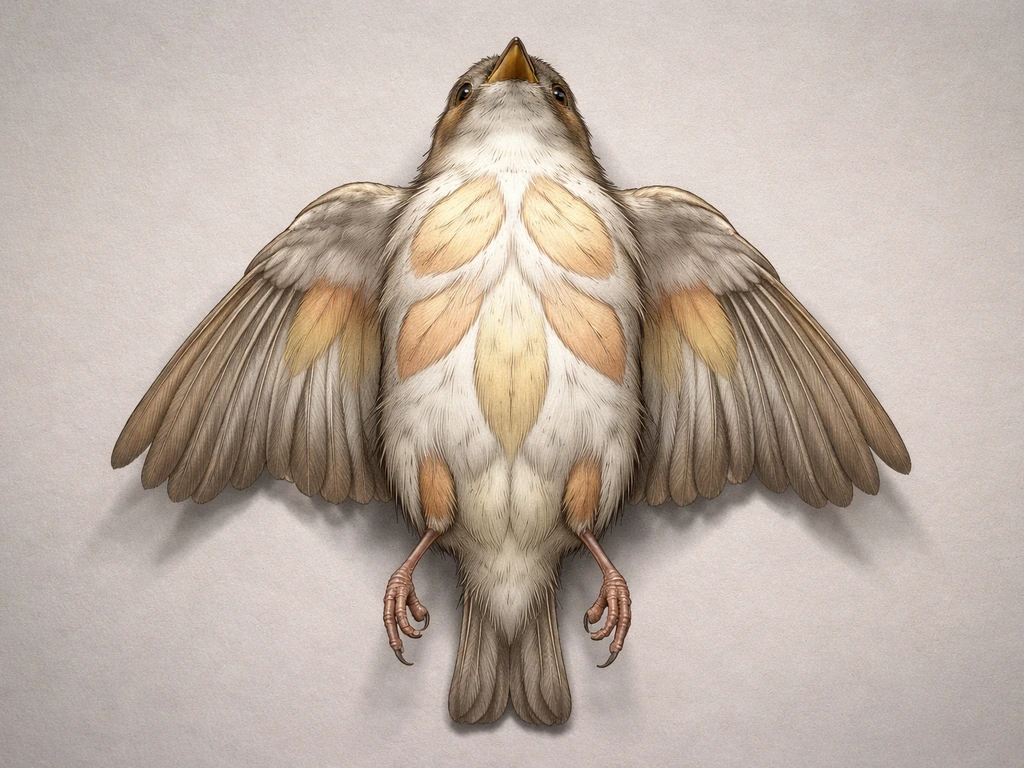
One thing that surprises people (it surprised me) is that feathers don't grow evenly across a bird's skin. They grow in defined patches called feather tracts, or pterylae, separated by bare zones called apteria. The feathers fan out from those tracts to cover the skin between them, so the bird looks fully feathered even though the skin underneath has bald patches. Understanding the main tracts helps you think about where feathers are counted by region.
- Wing feathers (remiges and coverts): The most studied group. Flight feathers on the wing include primaries, secondaries, and tertials. These are covered from above by multiple rows of coverts.
- Tail feathers (rectrices): Most species have 12, arranged symmetrically, 6 on each side. Numbered outward from the center.
- Head and body contour feathers: The largest category by count in most species. These include everything that covers the breast, belly, back, neck, and head.
- Down and semiplume feathers: Soft insulating feathers beneath the contour layer. Often not counted separately in published totals but contribute significantly to overall numbers, especially in waterfowl.
- Specialized feathers: Filoplumes (hair-like sensory feathers), bristles around the bill, and powder down in some species add small additional counts.
How wings are built: primaries, secondaries, and coverts
The wing is where feather counting gets precise and actually tractable. Flight feathers on the wing, collectively called remiges, divide into three groups based on where they attach. Primaries attach to the bones of the "hand" (the fused digits at the wingtip), secondaries attach along the forearm (ulna), and tertials are the innermost secondaries that sit closest to the body. Most passerines have 9 or 10 primaries, 9 secondaries including 3 tertials, and that's consistent enough to use as a baseline.
Covering the base of those flight feathers from above are the coverts, organized in three main rows: greater coverts (directly overlying the flight feathers), median coverts (the middle row), and lesser coverts (the outermost, shortest row closest to the leading edge of the wing). On the outer wing, you have primary coverts overlying the primaries, and on the inner wing, secondary coverts overlying the secondaries. Scientists number primaries outward from the body toward the wingtip, and secondaries in the opposite direction, inward from the wingtip toward the body. Tail feathers are numbered outward from the center on each side.
The number of secondaries varies more across species than primaries do. Most songbirds have 9 secondaries, but in longer-winged birds like albatrosses or large wading birds, secondary count can reach 25 or more. Primaries, by contrast, are usually 9 or 10 in passerines and most familiar species, with a few exceptions (most raptors have 10 functional primaries).
Estimating total feather count from wing feather groups

Here's the practical approach if you want a real estimate rather than a vague range. Wing feathers are the easiest to count precisely because they're large, well-documented, and consistently named across species. Start there, then scale up.
- Count the primaries: For most songbirds, that's 9 or 10. For raptors, usually 10. Look up your specific species in a field guide or a reference like Pyle's identification guides, which list flight-feather counts for North American species.
- Count the secondaries: Most passerines have 9 (including 3 tertials). Larger or longer-winged species can have more. Your field guide or the U.S. Fish & Wildlife Feather Atlas is a good source for this.
- Count the rectrices (tail feathers): Most species have 12. Some have more (pigeons often have 12–16; some raptors 12). A few shorebirds and woodpeckers have fewer.
- Add the coverts: Greater, median, and lesser secondary coverts roughly mirror the number of secondaries. Primary coverts are usually equal in number to the primaries. Counting these precisely requires a specimen or high-resolution image, but you can estimate them as roughly 2 to 3 times the number of flight feathers they overlay.
- Estimate body feathers separately: For a songbird, body feathers (head, breast, belly, back, rump) typically make up the large majority of the total count. A rough heuristic is that body and down feathers account for roughly 70–80% of total feathers in small passerines. So if your wing + tail count adds up to around 150–200 feathers, the total for a songbird is likely in the 2,000–4,000 range.
- Check published specimen counts if available: For well-studied species, someone has already done this. Search for the species name alongside "feather count" or look in ornithological references. Brodkorb's work and similar specimen studies give you real numbers to anchor your estimate.
This method won't give you a number precise to the feather, but it will get you into a credible range fast, and it forces you to actually think about the bird's anatomy rather than just Googling a number that may apply to a completely different species.
What changes feather count over a bird's life
Molt is the process of replacing old feathers with new ones, and it's more complex than most people expect. Birds don't simply drop all their feathers at once and regrow them. Most species molt gradually, replacing feathers in a specific sequence so they're never fully flightless (with a few exceptions like ducks, which do go flightless briefly during wing molt). The molt sequence matters for counting because at any given moment, some feathers are old and worn, some are actively growing (called pin feathers or blood feathers), and some are brand new.
One study of eastern warblers found that during peak primary molt, a typical individual was simultaneously growing and replacing 24 to 32 of its 48 flight feathers, including all 12 tail feathers and 6 to 10 remiges on each wing at once. That's intense, and it means a warbler mid-molt looks and counts very differently from the same bird a month later.
Age also matters. Juvenile birds have a full set of feathers after their first growth (called the juvenal plumage), but these feathers are often flimsier and wear faster. Their first molt may be partial, replacing only some feather groups, or complete, replacing everything. Adults can also have more than one molt per year: many songbirds do a partial molt in late winter or spring that replaces head and body feathers but leaves flight feathers untouched. So the total count is technically stable, but the age and wear state of feathers within that count shifts constantly.
Season matters too. Feather number reaches its lowest point in summer, just before the main molt begins. Birds arrive at breeding grounds in worn plumage, lose more feathers to abrasion and breakage, and then regrow a full set in late summer or fall. If you count feathers in August versus November on the same species, you'll get different numbers.
How to get a more accurate count for a specific bird
If you need a precise or well-sourced number for a particular species, here's how to approach it. No guesswork required, just knowing where to look.
- Check species-specific ornithological literature: Databases like the Birds of the World (Cornell Lab) include detailed molt and plumage accounts for hundreds of species, often with references to feather-count studies.
- Use the U.S. Fish & Wildlife Feather Atlas: It focuses on flight feathers and won't give you total body feather counts, but it's excellent for identifying and counting remiges and rectrices by species. Use it to nail down your wing and tail numbers.
- Look for published specimen studies: Brodkorb's 1955 Bald Eagle count is a classic example. Similar work exists for other well-studied species. Searching Google Scholar for "feather count" plus a species name often surfaces real data.
- Use Pyle's identification guides: Peter Pyle's reference works for North American birds are the standard for molt and plumage sequencing. They list exact feather group numbers and molt patterns for each species, which you can use to anchor a count estimate.
- Visit a natural history museum: Museum specimens are often the only way to count body feathers accurately. Some major collections allow researcher access, and the Field Museum in Chicago, the Smithsonian, and the American Museum of Natural History have extensive bird collections.
- For a practical backyard estimate: If you just want a ballpark for a species you're watching, find the species' family (warbler, sparrow, thrush, hawk) and use the typical range for that family. Most North American songbirds fall between 1,500 and 4,500. Most raptors fall between 5,000 and 8,000. Waterfowl are typically 12,000 to 25,000.
If you're also curious about other structural aspects of bird anatomy, the feather count question connects naturally to questions about how many types of feathers a bird has (contour, down, semiplume, filoplume, bristle, and powder down are the main categories), as well as how feather tracts relate to a bird's skeletal structure. The biology of feathers and bones are deeply intertwined, especially in how birds achieve flight, and exploring one tends to make the other make more sense. If you are wondering about the same kind of “how many” fact for bird anatomy, you might also be asking how many bones a bird has how many bones does a bird have.
The bottom line: if someone asks you how many feathers a bird has, you now have a real answer. For example, the number of types of feathers also varies by category like contour, down, and powder down, and it helps explain how that total count is organized how many feathers a bird has.
Not a fixed number, but a credible range (roughly 1,000 to 25,000 depending on species), a clear explanation of why it varies, and a practical method to estimate or look up the count for any bird you care about. That's a much more satisfying answer than "it depends," even though it does depend.
If you're wondering about wings specifically, the next step is figuring out how wing feather groups and wing structure work on the bird you’re studying how many wings does a bird have. Black Bird season 1 has 10 episodes total. If you were actually wondering about chromosomes instead of feathers, the number varies by bird species and is best checked for the specific species you mean chromosomes in birds.
FAQ
Why can’t I find one exact feather number for “a bird” online?
Because total feather counts are species-specific, and even the same species changes with molt stage, season, and wear. A value that looks exact is usually for a particular specimen category (adult in a specific plumage stage, often museum material), not for the bird “at random.”
Is the “number of feathers” the same as “number of feathers visible on the outside”?
Not always. Feathers grow from tracts in patches, and the skin between tracts can be bare even when the bird looks fully feathered. Also, during molt you may see pin feathers, missing feathers, or newly emerged feathers that are not comparable to a fully feathered set.
Can feather count be estimated without counting every region?
Yes, wing feathers are the most efficient starting point. If you get primaries, secondaries, and tail feathers, then scale using typical coverts and body groups for that species type. This still won’t pinpoint an individual’s exact total, but it narrows to a credible range quickly.
How does molt timing change what feather count I should expect?
If you count near peak primary molt, more flight feathers may be actively growing while others are being replaced, so a single individual can look and count very differently than a month later. Summer, right before the main molt, tends to show the lowest totals due to wear and incomplete replacement.
Do juvenile birds have more feathers than adults?
They can have a full initial plumage set after fledging, but the total and appearance may differ because wear is faster and their first molt can be partial or complete depending on the species. So you may see different totals not because of more feather-producing capacity, but because the plumage state differs.
Are all feathers the same size and thickness, or does that affect counts?
Counts usually treat any distinct feather as one item, but the categories differ a lot. Larger contour feathers, down, and powder down can vary in coverage and functional role, and some types may be denser or patchier depending on habitat, insulation needs, and feather tract organization.
Why do some birds seem “more feathered” even if they have similar totals?
Appearance depends on plumage structure and distribution, not just the count. Birds in cold water often look especially plush because insulation-related feathers (for example, dense contour and down coverage) create thicker-looking layers, even when a simple total-feather comparison might not fully explain the visual difference.
What’s a common mistake when estimating feather counts from wing feathers?
Using the wrong mapping for the species’ wing pattern. Primaries are generally fewer and more consistent than secondaries across many passerines, and secondary counts can vary widely in long-winged birds, so assuming “the same” wing formula across all birds can skew the estimate.
If I want a well-sourced number for one species, where should I look for the data?
Look for studies or specimen-based counts that specify the bird’s species, age class (juvenile vs adult), and plumage stage (molt timing). Many published totals are effectively “snapshot” counts from particular museum specimens, so matching those conditions matters.
Do exceptional cases like flightless periods change how many feathers a bird has?
During certain molt phases some birds can be temporarily less capable of flight, but they still replace feathers rather than losing them permanently. For estimates, you generally want the molt stage, because the number of developing and replaced feathers can temporarily change what a count would show.
Next Articles
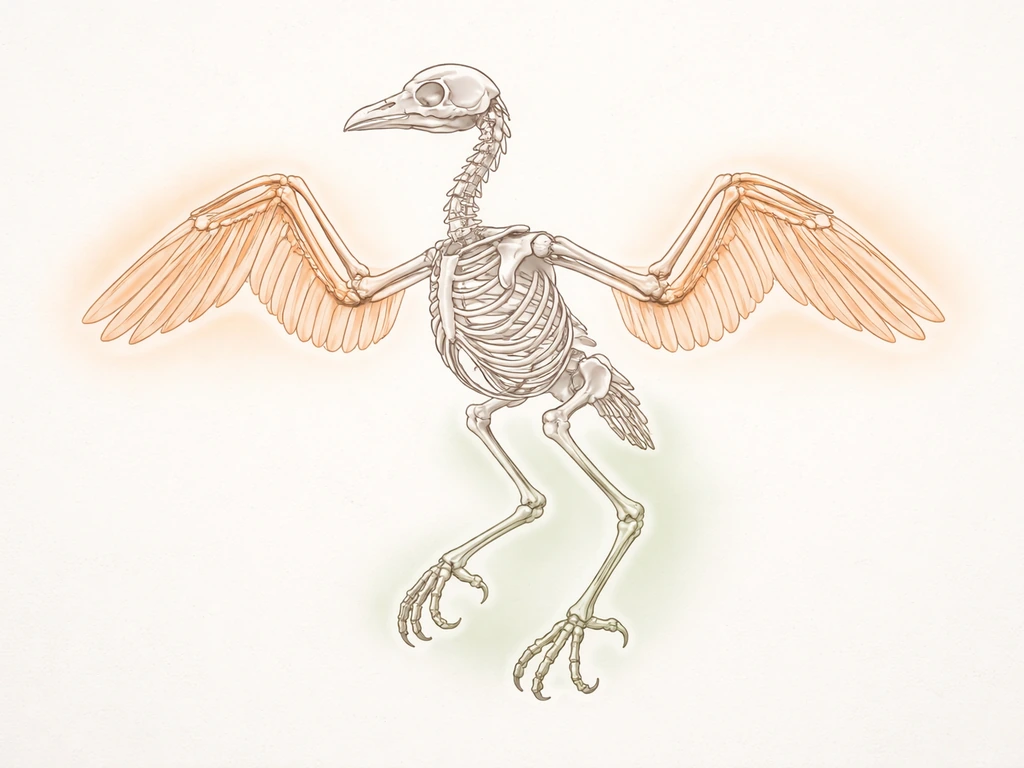
How Many Bones Does a Bird Have Plus Wing and Leg Counts
See how many bones a bird has total, plus bone counts for wings and legs, and why species differ.
How Much Weight Can an Osprey Bird Carry: Numbers & Limits
How much weight can an osprey carry: typical prey 0.5–2 kg (≈30–100% body mass); anatomy, flight limits and evidence.
How Much Weight Can a Bird Carry Payload Limits Explained
Realistic payload ranges for different birds plus a method to estimate how much weight they can carry safely.