
Yes, selection can absolutely act on bird beak form, and if your "Part B" question is asking whether that mechanism is real and biologically valid, the short answer is: it is, and we have some of the clearest evidence for it in all of evolutionary biology. But let me unpack what that actually means, because "selection acts on beaks" is one of those phrases that sounds obvious until you have to explain it on an exam or apply it to a specific scenario.
Can Part B Selection Act on Bird Beaks?

Marcus Chen
12 Apr 2026
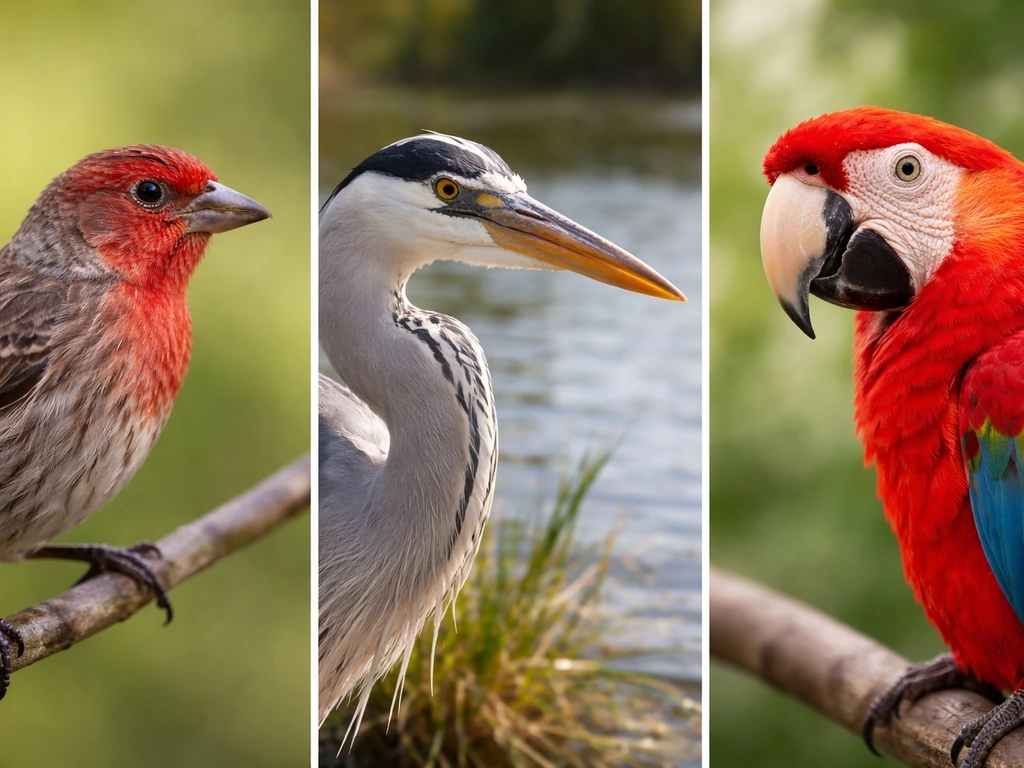
What "selection acts on beak traits" actually means
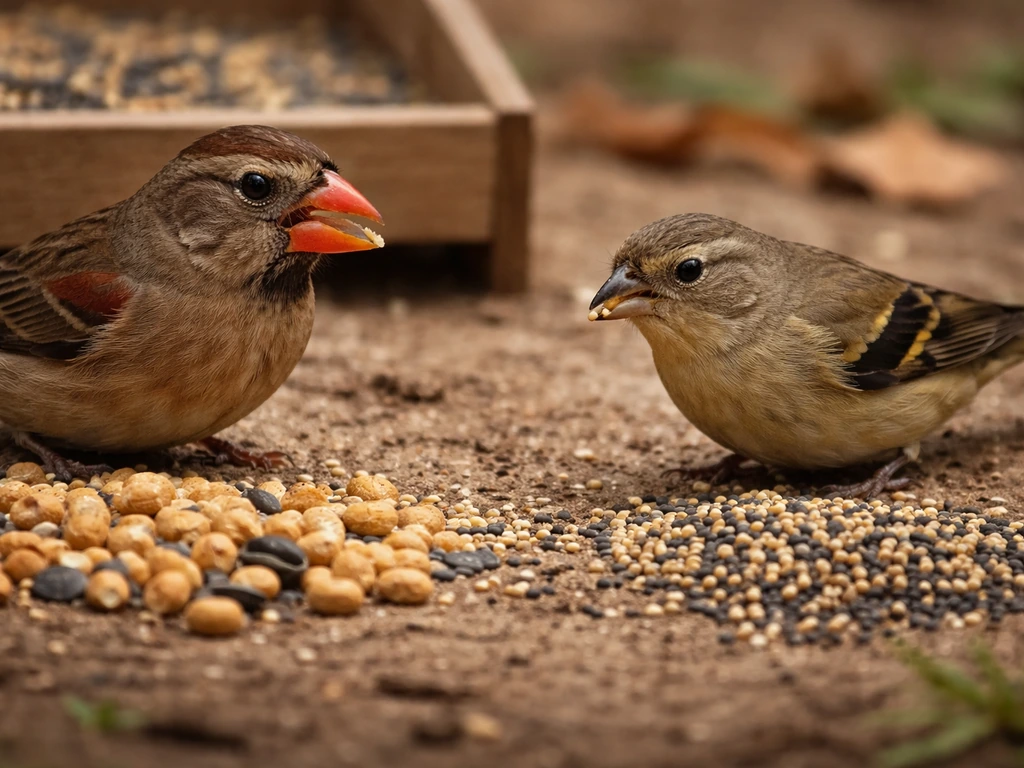
When biologists say selection acts on a trait, they mean individuals with different versions of that trait end up with different reproductive success (how many surviving offspring they produce). That's it. Selection doesn't target genes directly. Population genetics is clear on this: selection operates on phenotypes, the visible, physical traits of an organism, and then the fitness differences ripple backward through the genotype-to-phenotype relationship to shift allele frequencies in the next generation.
So when selection acts on beak shape, what's really happening is that birds with beak shapes better matched to available food survive longer, eat better, and produce more offspring. Their genes, including the ones influencing beak shape, become more common in the population over time. The trait (beak shape) is the thing selection "sees," but the genes are what carry that advantage forward.
A useful way to quantify this: researchers assign each individual a fitness value (W), roughly their reproductive output relative to others. The selection coefficient (s) captures how much a genotype underperforms compared to the best option, defined as s = 1 minus W. A high selection coefficient on beak-related genotypes during a drought, for example, means birds with the wrong beak are really struggling to leave offspring.
Where variation in bird beak shape comes from
Before selection can do anything, variation has to exist. Beak shape isn't a single-gene trait controlled by one on-off switch. It's a complex, quantitative trait shaped by multiple genes interacting during embryonic development. Genome sequencing of Darwin's finches revealed two major genetic regions at play: a 240-kb region around the ALX1 gene, which is strongly associated with beak shape (how curved or pointed the beak is), and a 525-kb region around the HMGA2 gene, which is associated with beak size (how deep and wide the beak is). These aren't the whole story, but they're two of the clearest genetic handles we've found on beak morphology.
On the developmental side, bird beaks are built through tightly regulated modules of gene expression in the embryo. Research combining gene-expression analysis in finch embryos with functional experiments in chickens identified distinct developmental programs that establish beak shape in three dimensions. What this means practically: small differences in when and where certain genes switch on during development can produce meaningfully different beak shapes, giving natural selection something real to work with.
Mutation, recombination, and the shuffling of existing genetic variants all contribute to maintaining variation in beak traits within a population. That standing variation is the raw material selection needs.
How beak shape affects feeding, fitness, and survival
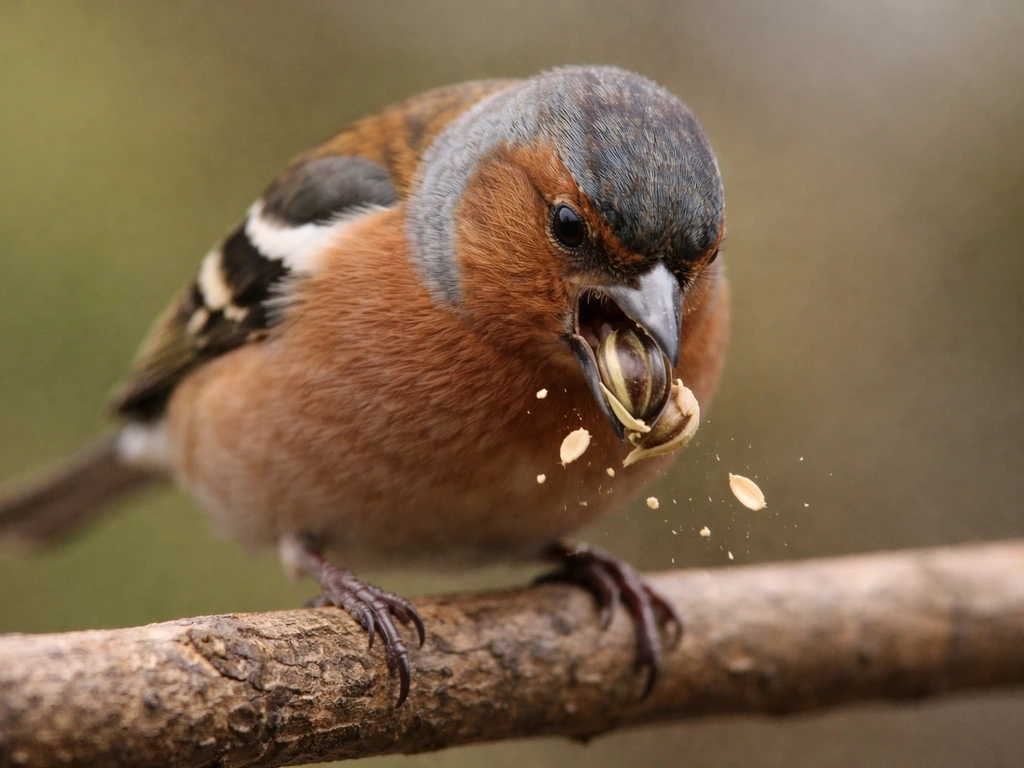
Beak shape isn't just aesthetic. It determines what a bird can eat and how efficiently it can eat it. Experimental work on granivorous (seed-eating) songbirds shows that beak dimensions directly affect feeding kinematics, meaning the mechanical movements the beak makes when handling seeds of different sizes and hardness. A bird with a deeper, more robust beak generates more bite force and can crack harder seeds. A bird with a narrower beak might handle small, soft seeds faster but fail on tough ones.
In seed-cracking finches specifically, husking time is non-linearly related to the ratio of seed hardness to maximal bite force. That non-linearity matters: below a certain force threshold, a bird simply cannot crack a seed at all, no matter how long it tries. This creates a hard fitness cliff. Birds below that threshold on hard seeds either starve or spend so much energy on failed attempts that they have fewer resources left for reproduction.
Inside the beak itself, specialized structures like trabecular bone architecture and the horny palate contribute to mechanical seed processing. Understanding why bird beaks differ across species makes a lot more sense once you appreciate these internal mechanical differences, not just the external shape you can see from a distance.
When natural selection can really drive beak evolution
For selection to produce evolutionary change in beak shape across generations, three conditions have to hold simultaneously. I remember being confused about why all three matter, so let me spell them out clearly.
- Variation must exist: individuals in the population must differ in beak shape or size. (We've already established this is true for most bird populations.)
- The variation must be heritable: beak shape differences must have a genetic component, so parents can pass their beak type to offspring. Heritability (h²) measures the proportion of phenotypic variation that's due to additive genetic effects.
- The variation must affect fitness: individuals with different beak shapes must survive or reproduce at different rates.
When all three are in place, evolutionary change is essentially mathematically guaranteed. The breeder's equation formalizes this: R = h² × S, where R is the evolutionary response (how much the average trait value shifts in the next generation), S is the selection differential (how much the environment favors one end of the trait distribution), and h² is heritability. Plug in real numbers and you can actually predict how fast beak shape will evolve under a given selection pressure.
This is why how nature selects phenotypes such as bird beaks is such a useful lens for understanding evolution broadly. Beaks are one of the cleanest natural experiments we have because the trait is measurable, the fitness consequences are observable, and the heritability is well-documented.
Real-world examples of beak-driven selection pressures
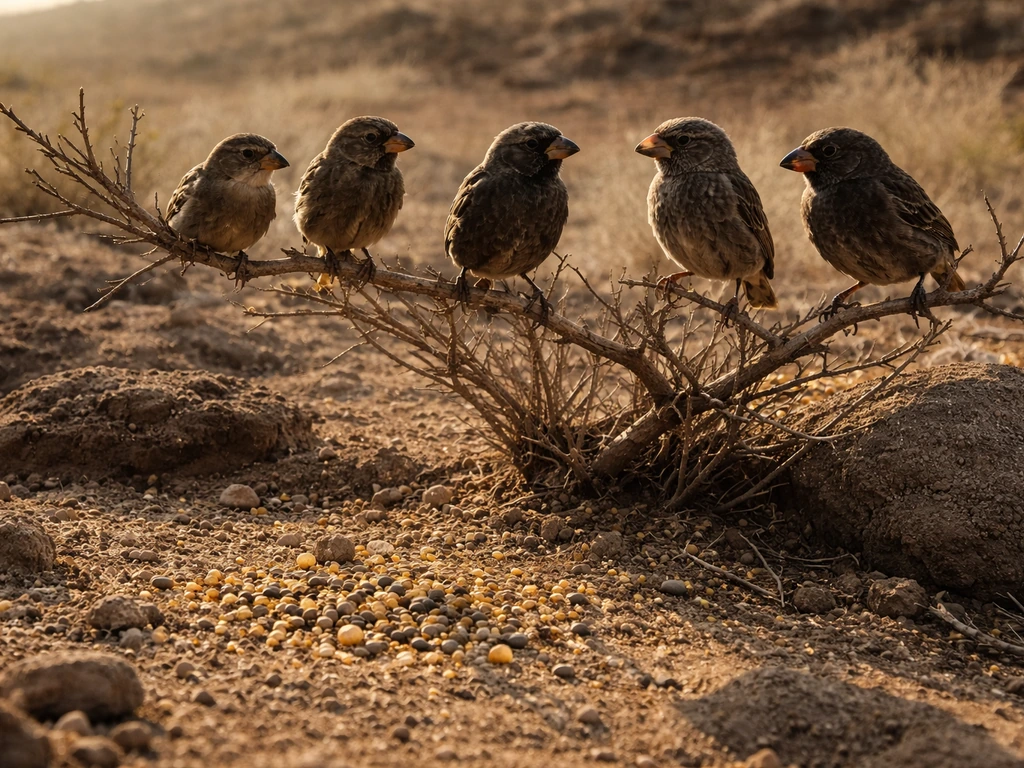
Darwin's finches on the Galápagos are the textbook case, and they deserve that reputation because the evidence is extraordinary. During a severe drought on Daphne Major island in 2004-2005, the seed supply collapsed and the remaining seeds were predominantly large and hard. Larger-beaked medium ground finches (Geospiza fortis) had an advantage cracking those seeds. Smaller-beaked birds died in disproportionate numbers. Researchers then tracked allele frequencies at the HMGA2 locus and found that the proportion of genomic variants associated with smaller beak size dropped noticeably across the population, consistent with selection acting directly on beak-size-linked genetic variation. A genetic-level beak-size locus analysis shows that HMGA2-associated variation tracked with drought-time beak diversification and character displacement during the 2004, 2005 Daphne Major drought HMGA2-associated variation tracked with drought-time beak diversification and character displacement during the 2004–2005 drought period.
What makes this example so scientifically satisfying is that it isn't just "we saw fewer small-beaked birds." The team tracked the genetic signal in the population and watched HMGA2 variant frequencies shift in the direction you'd predict from the survival data. That's the full chain: environmental pressure, phenotype fitness differences, genotype frequency change.
Another compelling case is the African seedcracker (Pyrenestes ostrinus), a songbird with distinct beak-size morphs. Functional experiments confirmed that beak crushing surface variation directly affects seed-cracking performance across seeds of different hardness, providing controlled experimental evidence that morphology matters for fitness-relevant performance, not just correlated with it.
If you want to dig into the full diversity of forms that selection has produced, looking at the different types of bird beaks across species is a great way to see the cumulative outcome of millions of years of exactly this kind of selection.
How to reason through a "Part B" scenario step by step
"Part B" in most biology curricula refers to a specific component of a natural selection explanation, usually the step where you demonstrate that selection can act on the trait in question because the variation is heritable and affects reproductive success. It's not a body part or mechanism name on its own. Think of it as the "so this actually leads to evolution" step in a multi-part argument.
Here's a practical framework for working through any Part B beak-selection scenario:
- Identify the trait: what specific aspect of beak morphology is under discussion? Depth? Length? Curvature? Be precise, because different dimensions are controlled by partly different genetic architecture.
- Establish variation: does the population show measurable differences in that trait? If the scenario tells you beak size ranges from small to large within the population, that's your variation.
- Establish heritability: is there evidence (or a stated assumption) that the trait is passed from parents to offspring? In a real research context, you'd cite h² estimates; in an exam scenario, this is usually stated or implied.
- Connect trait to fitness: how does beak shape affect survival or reproductive success in the described environment? Identify the food source, the relevant mechanical demand, and which beak type performs better.
- Predict the outcome: using the logic of R = h² × S, state that the population average beak trait will shift toward the advantaged form over generations.
- Name the selection mode: is this directional (one extreme favored), stabilizing (intermediate favored), or disruptive (both extremes favored over the middle)? Droughts typically drive directional selection.
One thing I had to internalize: selection acts on the whole phenotype, not just one trait in isolation. If beak depth is correlated with body size, and body size also affects survival in cold weather, you're dealing with correlated selection. Advanced analyses use selection gradients (the Lande and Arnold framework) to tease apart direct versus indirect selection on each trait. For most Part B answers, you don't need that complexity, but it's worth knowing it exists.
What evidence would confirm selection on beaks
If you're being asked to design a study or evaluate whether selection on beaks is actually happening, here's what would be convincing. These are the kinds of observations and tests that distinguish "selection might be acting" from "we have strong evidence selection is acting."
| Evidence type | What you measure | What confirmation looks like |
|---|---|---|
| Phenotypic tracking | Distribution of beak sizes/shapes over multiple generations | Mean beak trait shifts toward the favored form after an environmental pressure event |
| Survival analysis | Survival rates of birds with different beak morphologies during stress periods (drought, food shortage) | Birds with beak shapes better matched to available food survive at significantly higher rates |
| Reproductive success | Number of offspring per individual sorted by beak phenotype | Individuals with favored beak type produce more surviving offspring per breeding season |
| Heritability estimation | Parent-offspring regression of beak measurements | Positive slope of offspring trait on parent trait, with h² significantly above zero |
| Allele frequency change | Genetic tracking of beak-linked loci (e.g., HMGA2, ALX1) across generations | Variants associated with the favored beak type increase in frequency after selection event |
| Functional performance | Feeding trials testing cracking efficiency across seed types for different beak morphs | Beak morphology predicts cracking performance, linking trait to fitness-relevant behavior |
The Galápagos finch drought study is so powerful precisely because it combined multiple rows of that table: survival data, allele frequency tracking, and known beak-trait associations. Any single line of evidence can be questioned; multiple converging lines are compelling.
One honest caveat: scientists still debate the relative contributions of different genetic loci, gene-environment interactions, and developmental plasticity to beak variation. Not every beak difference is fully explained by HMGA2 and ALX1. The genetic architecture of beak morphology across bird families more broadly (beyond finches) is much less characterized. So while the core logic of selection acting on heritable beak variation is rock solid, the specific genes involved will continue to be refined as more genomes are sequenced.
The bottom line for your Part B answer: yes, natural selection can act on bird beak form. The conditions are met in real populations, the genetic basis is documented, the fitness consequences are measured, and we've watched allele frequencies shift in response to environmental pressure in real time. If your scenario provides variation, heritability, and a fitness difference, you have everything you need to make the argument cleanly and confidently.
FAQ
If beak shape affects what birds can eat, is that enough to claim selection acts on beaks (Part B)?
Yes, but only if beak differences change reproductive success through survival, mating, or parental care. In exam language, show that beak-linked performance differences translate into different numbers of surviving offspring, not just better feeding during a short observation window.
How does Part B work if beak shape is not a single-gene, on-off trait?
Selection can act on phenotypic beak differences even when the trait is polygenic, but you must address heritability in aggregate. For Part B, you can describe that multiple genes contribute to beak metrics, and the key criterion is that offspring resemble parents in the relevant beak dimensions.
What if beak size is correlated with body size, does that weaken the “selection acts on beaks” argument?
Not necessarily. If individuals with certain beaks do better only because they also differ in another correlated trait (like body size or plumage), the effect may be indirect. A strong Part B response distinguishes direct beak selection from correlated selection by discussing how fitness changes with beak while accounting for those other traits.
Do I need to say selection acts on genes, or is selection on phenotypes enough for Part B?
Be careful with “selection acts on genes” language. Natural selection changes allele frequencies because phenotypes differ in fitness. In Part B answers, explicitly frame it as phenotype differences (beak shape) leading to differential reproductive success, which then shifts genotype frequencies.
What evidence set is most convincing if my prompt asks whether selection on beaks is actually happening?
Strong evidence typically needs both fitness data and a genetic link to the trait. A useful strategy is to combine (1) measurements showing beak variants differ in survival or reproduction, and (2) evidence that beak variants are heritable or tied to allele-frequency changes across time.
Can beak plasticity confuse Part B if birds change beak use or shape after environmental shifts?
If the trait changes within an individual but is not inherited (true plasticity), that alone does not demonstrate evolutionary selection in the offspring. Part B should specify that the beak differences persist across generations via heritable variation, not just immediate environmental adjustment within a generation.
What if the “best beak” changes between years, does selection still act on beaks?
In a fluctuating environment, selection can alternate between beak types, so net evolution might be slower even though selection is occurring each year. For Part B, it helps to mention that the relevant outcome is change in mean trait value over time, which depends on how directional selection varies across conditions.
Do I need to name ALX1 or HMGA2 to satisfy Part B for beak selection?
Yes, because even without identifying exact loci, selection acting on a heritable quantitative trait can produce predictable evolutionary response. If your assignment is conceptual, you can cite the need for heritability, selection differential, and fitness effects, rather than requiring specific genes.
What is the most common mistake students make on Part B beak-selection questions?
There is a common mistake: claiming selection is present without demonstrating heritable variation. For Part B, make it explicit that offspring inherit a component of beak variation and that the heritability is non-zero, since otherwise the fitness differences cannot drive allele-frequency change across generations.
If I had to design a study, what specific measurements would make a Part B argument airtight?
A rigorous study design includes a clear predictor (beak metric), a clear fitness outcome (survival to breeding, number of offspring), and a control for confounders (age, sex, habitat quality). If you want an operational rule: random mating controls, repeated measures across the relevant season, and genetic or pedigree evidence for inheritance strengthen the Part B conclusion.
Next Articles
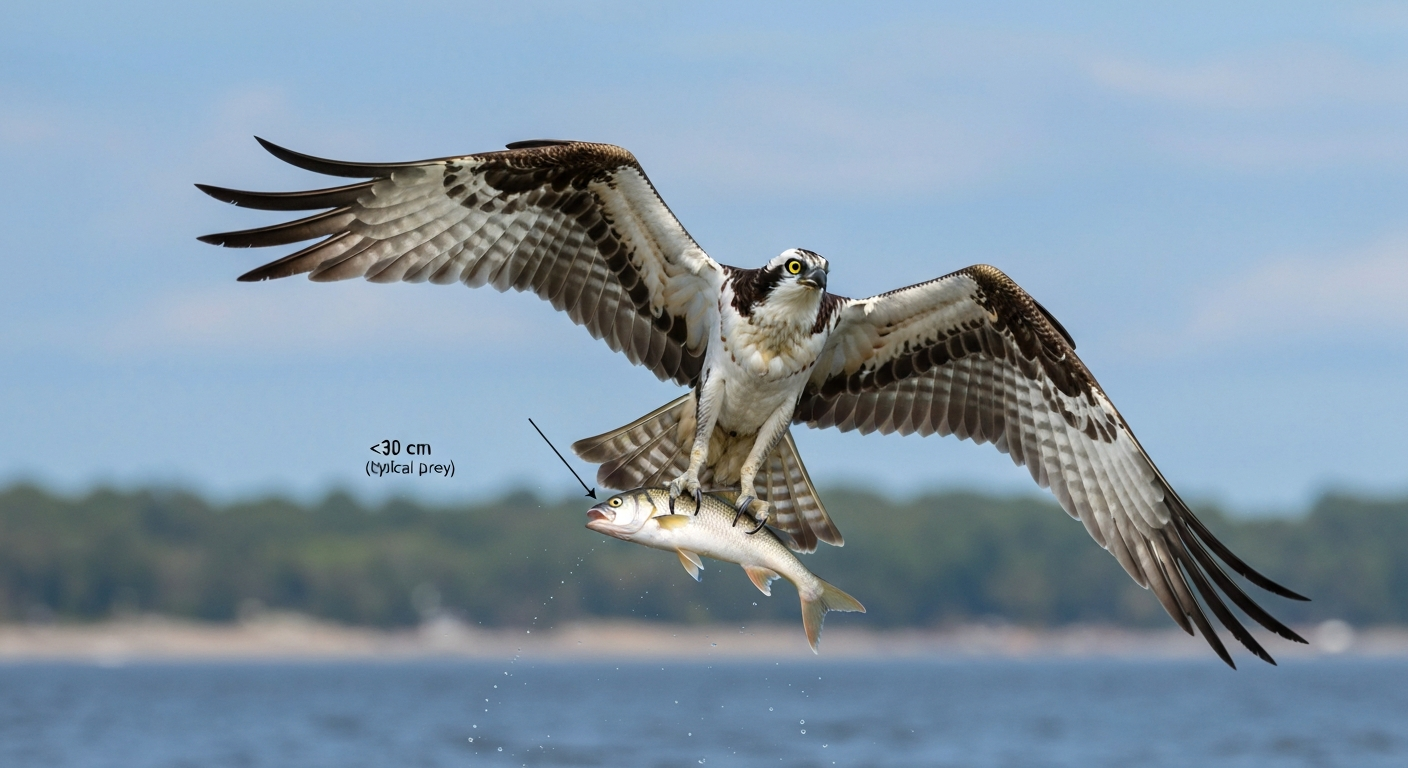
How Much Weight Can an Osprey Bird Carry: Numbers & Limits
How much weight can an osprey carry: typical prey 0.5–2 kg (≈30–100% body mass); anatomy, flight limits and evidence.
How Much Weight Can a Bird Carry Payload Limits Explained
Realistic payload ranges for different birds plus a method to estimate how much weight they can carry safely.
What Bird Has the Highest Heart Rate? Fastest Species Explained
Explains which bird has the highest heart rate, how it’s measured, key contenders, and how to compare readings fairly.