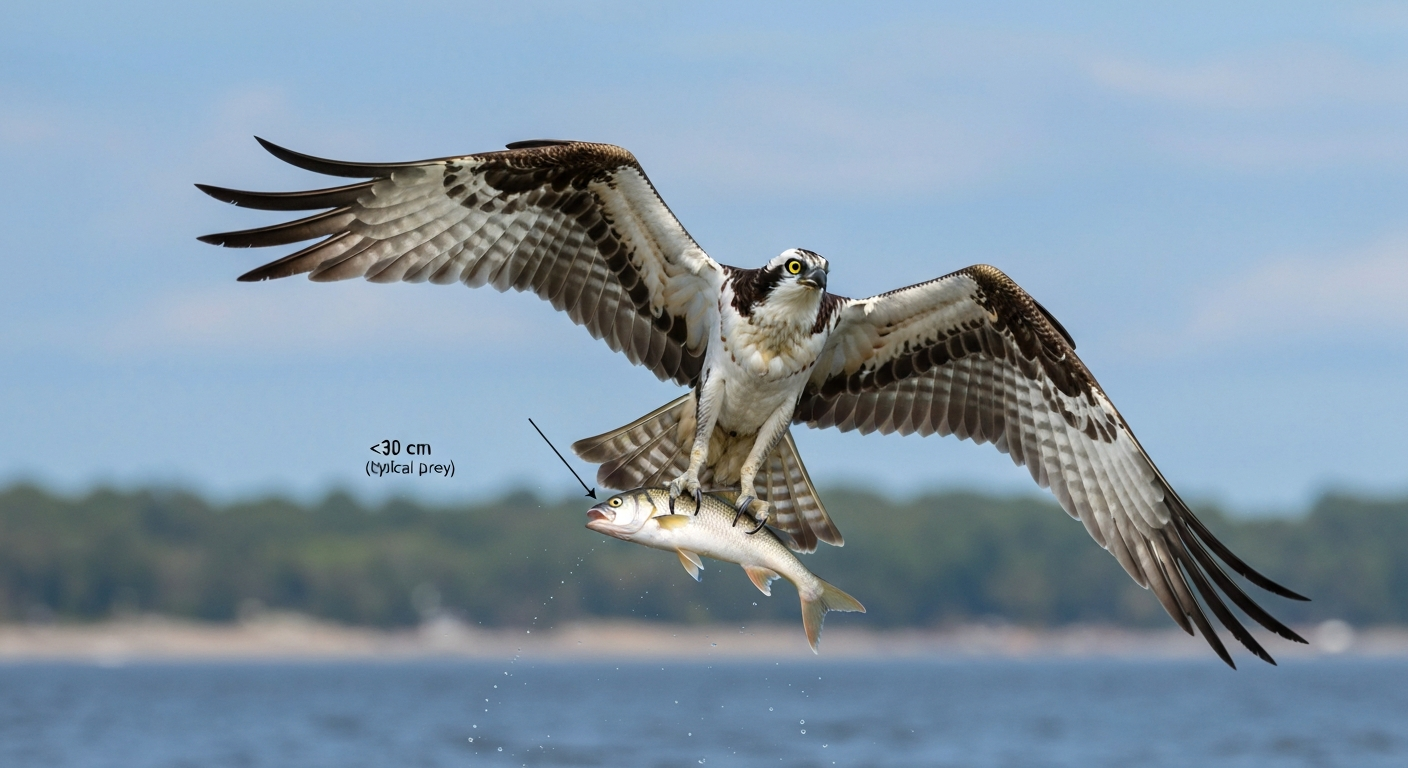
Bird lungs and human lungs are built on completely different engineering principles. Humans breathe in and out through the same airways, swapping stale air for fresh in a back-and-forth cycle. Birds run air through their lungs in one continuous direction, so fresh oxygen-rich air flows across the gas-exchange surface during both inhalation and exhalation. That single design difference is why birds can extract oxygen at least twice as efficiently as a mammal of similar size, and why a bar-tailed godwit can fly nonstop for eleven days over the Pacific without stopping to catch its breath.
Bird Lungs vs Human Lungs: Key Differences and Why They Matter

Marcus Chen
1 Jun 2026
The one-sentence difference
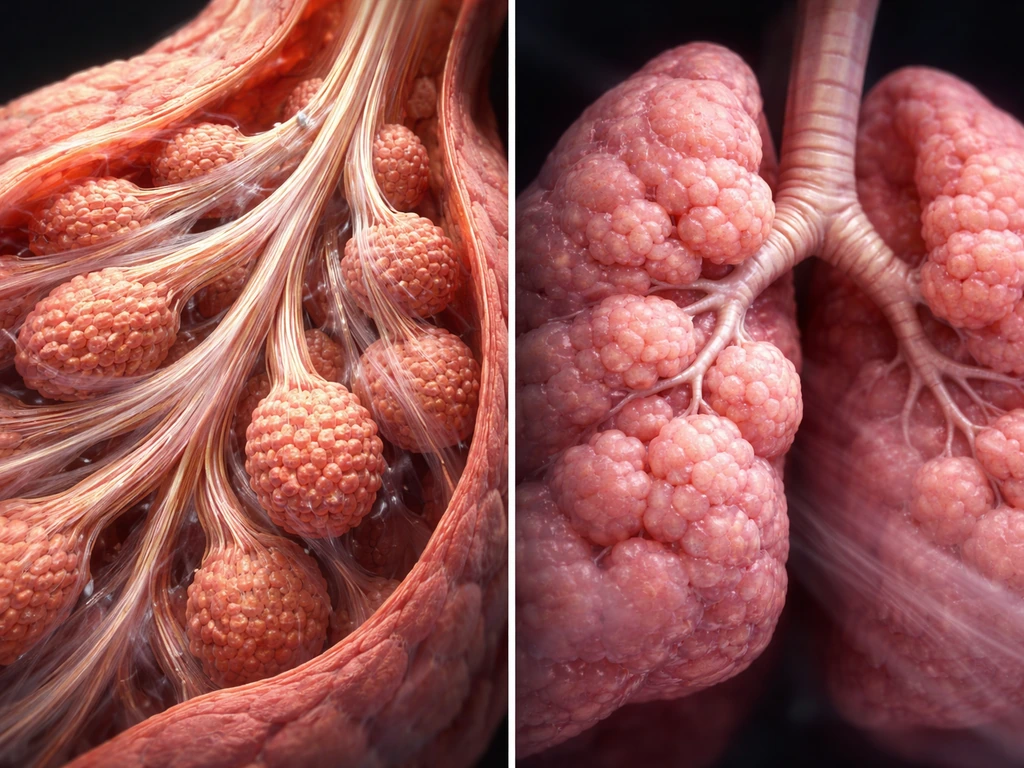
Human lungs use bidirectional, tidal airflow through balloon-like alveoli; bird lungs use continuous, unidirectional airflow through rigid tube-like parabronchi, with a set of air sacs acting as bellows to keep that flow going without the lungs themselves ever needing to expand.
How bird lungs actually work

The first time I tried to picture a bird's respiratory system, I kept imagining miniature versions of human lungs. That's the wrong mental model entirely. A bird's breathing apparatus is functionally split into two separate jobs: gas exchange happens in the lung itself, and ventilation (the mechanical pumping) is handled by a set of air sacs. Understanding each part separately makes the whole system click.
The parabronchi: tubes instead of balloons
Instead of the dead-end balloon-shaped alveoli we have, bird lungs contain parabronchi, which are tiny parallel tubes running through rigid lung tissue. Air travels along the length of these tubes, and the surrounding tissue is loaded with capillaries for gas exchange. Because the parabronchi are open at both ends, there's no need to reverse airflow to flush the lung. Air enters from the back and exits at the front in a single, continuous sweep, flowing from caudal (rear) air-sac groups to cranial (front) air-sac groups during both inhalation and exhalation. In the parabronchi, this airflow is ventilated continuously and unidirectionally (caudocranial, back-to-front) by synchronized actions of cranial and caudal air sacs.
The air sacs: bellows, not gas exchangers
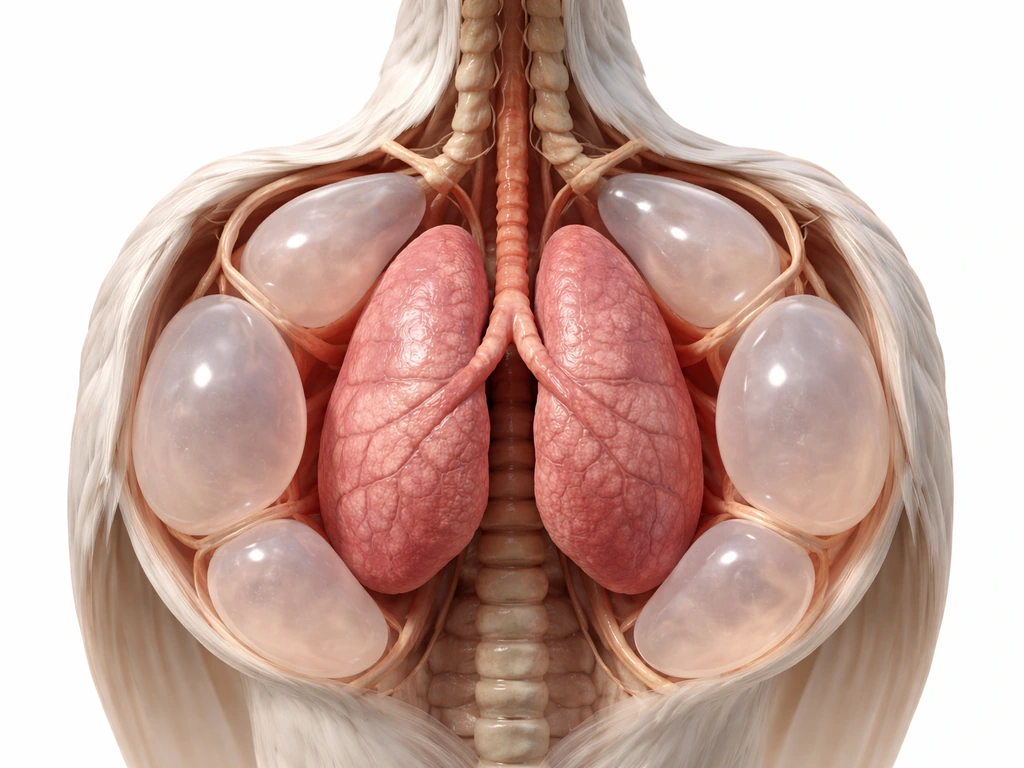
Birds typically have nine air sacs arranged around the body: a group toward the front (cranial) and a larger group toward the rear (caudal), plus a pair flanking the lungs. These sacs do almost no gas exchange themselves. Their job is purely mechanical. They inflate and deflate in a carefully coordinated sequence, functioning like a series of interconnected bellows that keep air moving through the parabronchial lung continuously. When a bird inhales, air flows primarily into the caudal sacs; when it exhales, that same air is pushed forward into the lung's parabronchi and then into the cranial sacs before being expelled. The result is that fresh air is always moving through the exchange surface, even during exhalation.
Cross-current gas exchange
Here's where it gets genuinely elegant. In the parabronchi, air and blood don't flow parallel to each other or in opposite directions: they flow perpendicular to each other. This is called a cross-current system. It's not quite as theoretically perfect as a true counter-current design, but it's dramatically better than the concurrent system humans use in alveoli. The cross-current geometry means blood leaving the exchange area carries more oxygen than the average oxygen concentration of the air inside the lung, which is a trick human lungs simply cannot pull off.
How human lungs work by comparison
Human lungs are built around alveoli, roughly 500 million tiny air-filled sacs clustered at the ends of branching airways. Each alveolus is wrapped in capillaries, and oxygen diffuses across the thin shared wall into the blood while carbon dioxide moves the other way. The system works well for our needs, but it has a structural limitation that birds don't share.
Because alveoli are dead-ends, air has to travel in and then reverse direction to get back out. Every breath in pushes fresh air to the alveolar surface; every breath out pulls that same air (now mixed with CO2) back through the same airways. This tidal, bidirectional flow means there's always a mix of fresh and stale air in the lung at any given moment. Pressure differences driven by muscle action (mainly the diaphragm and intercostal muscles) and the elastic recoil of lung tissue power the whole cycle. Our lungs also expand and contract with each breath, which is something bird lungs don't really do.
At a glance: bird lungs vs human lungs
| Feature | Bird Lungs | Human Lungs |
|---|---|---|
| Gas exchange structure | Parabronchi (tubes) | Alveoli (sacs) |
| Airflow direction | Unidirectional, continuous (caudal to cranial) | Bidirectional, tidal (in and out) |
| Lung expansion | Rigid, does not expand or contract | Flexible, expands and contracts each breath |
| Ventilation mechanism | Air sacs act as separate bellows | Diaphragm and chest muscles pump same airways |
| Gas exchange geometry | Cross-current (air perpendicular to blood flow) | Concurrent (mixed air meets capillaries) |
| Oxygen extraction efficiency | At least 2x that of similar-mass mammals | Baseline mammalian efficiency |
| Stale air mixing | Minimal; fresh air flows continuously through exchange surface | Some mixing of fresh and residual air each cycle |
What gas exchange looks like in practice
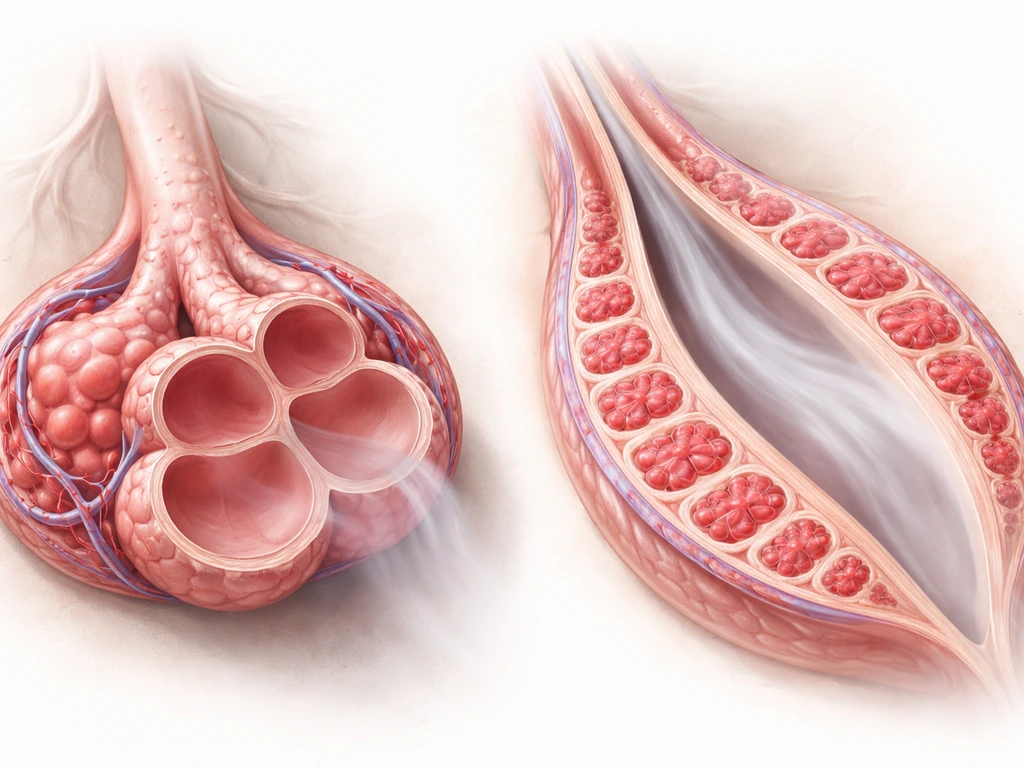
The practical payoff of the bird system is that the gas-exchange surface is never sitting idle. In a human lung mid-exhalation, oxygen uptake slows because you're pushing mixed, oxygen-depleted air past the alveolar walls. In a bird, exhalation is just as productive as inhalation because the parabronchi are receiving a fresh supply of air from the caudal sacs the whole time. Research on ducks has measured that oxygen consumption can spike to about 3 to 3.6 times resting levels during exercise without any apparent bottleneck in the diffusion capacity of the lung. That's the kind of performance buffer that lets birds sustain intense physical output.
Birds also have a higher capillary-to-muscle fiber ratio than most mammals, which means the oxygen that does reach the blood gets delivered to working muscles more efficiently. The lung design and the circulatory delivery system are matched to each other in a way that supports sustained, high-intensity activity. You can read more about how this connects to differences in the bird and mammal circulatory system as a whole, since the two adaptations go hand in hand.
That broader comparison includes the difference between bird and mammal circulatory systems, which help match oxygen delivery to this specialized airflow. Comparing the bird respiratory system vs mammal lungs also helps explain why birds can keep delivering oxygen efficiently during continuous, unidirectional airflow.
Why any of this matters for flight and everyday breathing
Flight is among the most energetically expensive things an animal can do. Wing muscles need a continuous, high-volume oxygen supply without interruption. The bird respiratory system is almost tailor-made for this: because airflow through the parabronchi doesn't depend on lung expansion, the rigid lung can be tucked firmly against the dorsal (back) body wall without interfering with the mechanical demands of wing movement. The air sacs, being flexible, can absorb the postural and pressure changes that come with flapping without disrupting the gas-exchange surface.
There's also an altitude advantage. Birds like bar-headed geese migrate over the Himalayas at elevations where oxygen is scarce enough to incapacitate most mammals. The continuous, unidirectional flow through parabronchi, combined with the cross-current exchange geometry, means birds can extract a higher percentage of available oxygen from thin air than we could. Studies on resting ducks in hypoxic conditions confirm that parabronchial gas-exchange efficiency holds up under low-oxygen conditions better than the mammalian alveolar system does.
For birds that aren't flying at all, like a chicken wandering around a yard, the system is still more efficient than necessary for basic survival. That's actually one reason birds can sustain high core body temperatures (often 40 to 42 degrees Celsius) without their respiratory system becoming a bottleneck. The metabolic demand of staying warm at those temperatures is met more easily when oxygen delivery is inherently efficient.
Misconceptions worth clearing up
A few wrong ideas about bird lungs come up repeatedly, and some of them I held myself before actually reading the biology.
- "Birds breathe with their air sacs." The air sacs are ventilators, not gas exchangers. Oxygen doesn't meaningfully cross into the blood there. The parabronchial lung does the actual work. Treating air sacs as the equivalent of alveoli is one of the most common mistakes in casual comparisons.
- "Air only flows one way when birds inhale." Unidirectional airflow through the parabronchi happens during both inhalation and exhalation. The whole point of the air-sac bellows system is to keep that one-way flow going continuously regardless of which phase of the breath cycle the bird is in.
- "Bird lungs expand and contract like ours." They don't. The parabronchial lung is largely rigid and stays fixed against the back body wall. The air sacs do the expanding and contracting. This is why birds can breathe effectively without a large, flexible thoracic cavity dominating their body plan.
- "More air sacs means more oxygen." Air sacs contribute to efficiency by enabling continuous airflow, but they themselves aren't adding gas-exchange surface area. A bird with more or larger air sacs isn't necessarily extracting more oxygen per breath.
- "Birds just have better lungs than us." It's more accurate to say they have a different lung design that's optimized for different demands. The avian system excels at sustained high oxygen delivery. Human alveolar lungs are excellent at rapid, flexible ventilation adjustments and have served a different evolutionary niche just fine.
How this connects to the rest of bird anatomy
Once you understand the lung and air-sac system, a lot of other bird anatomy starts to make more sense as a connected package. The air sacs don't just stop at the body cavity: diverticula (tiny outgrowths) from the air sacs and lungs actually invade bone, replacing marrow with air-filled spaces. This is called skeletal pneumaticity, and it's why many bird bones feel hollow. The same system that delivers oxygen during flight literally lightens the skeleton. That's an elegant double function that no mammalian respiratory system comes close to matching.
The uncinate processes, small bony projections on the ribs of most birds, play a role here too. They act as levers for the muscles that move the sternum and rib cage, directly assisting the mechanical ventilation that keeps air sacs pumping. So the respiratory system, the skeleton, and the muscles are all mechanically integrated in a way that makes the whole flight apparatus more efficient.
If you're curious about how the full bird respiratory system compares to other mammals beyond just the lung anatomy, that broader comparison covers the circulatory and mechanical sides of the story too. And the differences between bird and mammal digestive systems follow a similar theme: everything in bird anatomy seems shaped around minimizing weight and maximizing energy throughput.
The difference between bird and human digestive system is also tied to how their bodies balance efficiency, energy use, and nutrient processing digestive systems.
If you want a practical mental model to take away from all of this: think of human lungs as a bellows pumping air into a single chamber and back out again, while bird lungs are more like a river flowing one direction through a canyon, with a set of inflatable reservoirs upstream and downstream keeping the current moving. The bird version is more complex to build, but for an animal that needs to sustain intense muscular output at altitude, it's the right design.
FAQ
Do birds breathe in the same way humans do, do they inhale and exhale separately through the same lungs?
Yes and no. Birds do inhale and exhale, but the lungs themselves do not “reset” with each breath the way human lungs do. Ventilation is powered mainly by air sacs, while the gas-exchange part (parabronchi) keeps receiving air in the same overall direction during both phases.
Can a person use bird breathing biology to improve human performance or endurance?
Not directly, because the limiting factor is not just oxygen uptake per second, it is the whole mechanical breathing cycle and the alveolar structure. Replicating unidirectional flow plus cross-current exchange would require major changes in lung architecture, airway mechanics, and blood-gas matching, which is far beyond current clinical or engineering approaches.
Is bird lung efficiency always higher, or are there situations where humans can do better?
Birds are generally efficient at oxygen extraction during steady, high-demand activity, especially across exercise and altitude. Humans can still match or outperform birds for specific contexts where breathing mechanics, energy cost, and mixed-air timing are less limiting (for example, low-intensity activity at normal oxygen levels). The trade-off is that human lungs are structurally optimized for tidal breathing rather than continuous extraction.
Do birds ever suffer from the same kinds of respiratory problems as humans, like asthma or pneumonia?
They can. While the core flow and gas-exchange geometry differ, birds still have airways that can become inflamed, infected, or obstructed. Clinical signs depend on the specific tissue involved (air sacs versus the lung’s exchange surfaces), and in birds the consequences of air-sac disease can be widespread because the air-cell network is extensive.
Do bird lungs have “dead space” like human lungs do?
They do have regions that do not contribute to gas exchange, but the pattern is different. In humans, dead space is largely the conducting airways where air mixes and then is exhaled. Birds also have airflow paths that mainly function for transport or ventilation, and overall system design reduces the extent to which the exchange surface is repeatedly exposed to the same stale air bolus.
How does cross-current gas exchange work in plain terms?
Blood moves through capillaries in one direction while air flows through the parabronchi in a perpendicular direction. That geometry helps maintain a high oxygen partial-pressure gradient across the exchange region as air progresses, so blood leaving the exchange area tends to be more oxygenated than would be expected from the average oxygen level in the air stream.
Why can birds keep flying at night or for very long stretches without “catching their breath”?
A major reason is that airflow through the gas-exchange surface continues during exhalation, so oxygen uptake does not sharply drop mid-breath. Combined with efficient oxygen delivery to muscle (including a circulation matched to high demand), the system provides a steadier supply during prolonged, high-output activity.
Does unidirectional airflow mean birds can breathe effectively while they are holding their wings in awkward positions?
It helps. Because the lung itself does not need to expand and contract to drive the ventilation cycle, birds can tuck a rigid lung near the dorsal body wall and still keep wing movement mechanical demands manageable. The air sacs absorb and buffer pressure and position changes that occur during flapping.
Do air sacs take part in oxygen exchange?
Mostly no. The air sacs mainly act as bellows and distribution reservoirs. Gas exchange occurs primarily in the lung tissue where parabronchi contact capillaries. Some minor exchange may occur in associated structures, but the functional emphasis is ventilation and airflow control.
Are bird lungs heavier or lighter than human lungs, considering the extra air sacs and skeletal pneumaticity?
Often lighter overall in terms of skeletal weight contribution. Bird air-sac diverticula can invade bone (skeletal pneumaticity), replacing marrow with air-filled spaces. That reduces skeletal mass, which helps with flight efficiency even though the respiratory system architecture is more complex.
Next Article
How Much Weight Can an Osprey Bird Carry: Numbers & Limits
How much weight can an osprey carry: typical prey 0.5–2 kg (≈30–100% body mass); anatomy, flight limits and evidence.