The harpy eagle (Harpia harpyja) is the best-supported answer here. It's the bird most credibly documented carrying prey that approaches or matches its own body weight, which can reach around 9 kg (about 20 lb). Guinness World Records even names it the bird of prey capable of killing and carrying away the largest animals. That said, the honest answer depends a lot on how you define "lifting" and how the measurement was taken. A few other contenders show up depending on whether you're talking about grip force, relative carrying load, or raw prey size, and it's worth knowing why those answers differ.
What Bird Can Lift the Most Weight? Answer and Why

Marcus Chen
3 May 2026
The top contenders, ranked by type of lifting

Before diving into muscle and bone mechanics, here's a quick map of the frontrunners, because different definitions genuinely produce different winners.
| Bird | Claim type | Approximate figure | Notes |
|---|---|---|---|
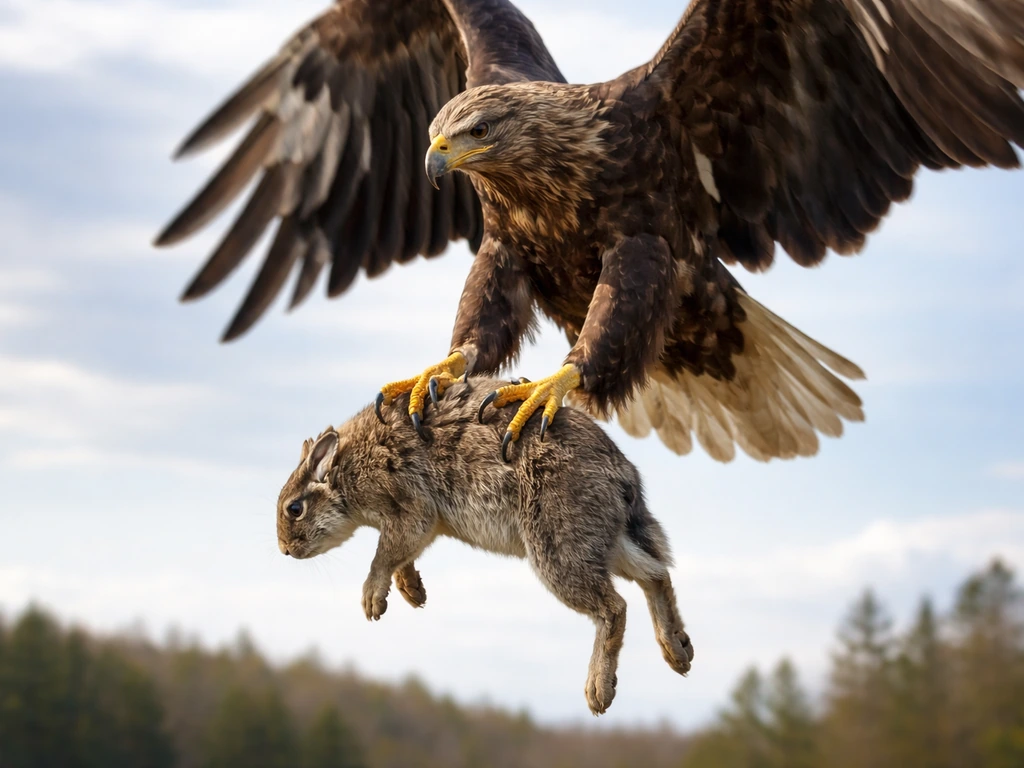
| Harpy eagle | Heaviest prey carried | Up to ~50% of body weight (~4–5 kg) | Guinness-recognized; may eat at kill site if prey is too heavy to transport |
| Bald eagle | General carry estimate | 4–6 kg (8.8–13 lb) | Rule-of-thumb from American Eagle Foundation, not a lab maximum |
| Great horned owl | Grip force relative to size | Higher force-to-body-size ratio than many hawks | Owls produce greater grip forces than hawks of equivalent size in in-vivo studies |
| Golden eagle | Large prey observations | Prey up to small deer reported | Field observations, not controlled measurements; carrying vs. dragging unclear |
The harpy eagle is the clearest winner for "most absolute weight carried in flight." If you're asking about grip force relative to body size, owl species actually outperform many hawks in controlled measurements. And if you're asking about relative load (weight carried as a fraction of the bird's own mass), the answer gets murkier because researchers rarely set up controlled maximum-load tests on wild birds.
How birds generate lifting power: muscle, skeleton, and tendons
When I first started wondering about this, I assumed it was mostly about wing size. It's actually far more about the architecture of the foot, leg, and the tendons connecting everything. Here's how it breaks down.
The muscles doing the real work
In raptors (the broad group of hunting birds including hawks, eagles, and owls), the leg and foot muscles are disproportionately large compared to non-hunting birds. The flexor muscles that curl the talons inward are especially powerful. These muscles run up the leg and connect to the toes via long tendons, which means the bird doesn't need bulky muscle mass right at the foot itself. That's a clever design: it keeps the foot lightweight and aerodynamic while still transmitting enormous force to the grip.
The skeleton: strong but surprisingly light
Avian bones are famously hollow (technically called pneumatized bones in many species), but hollow doesn't mean weak. The internal strut structure, similar to the inside of an airplane wing, gives birds remarkable strength-to-weight ratios. In large raptors like harpy eagles, the leg bones and toe bones are proportionally thick and dense compared to smaller raptors, giving them the structural support to clamp down on and lift heavy prey without snapping their own skeleton.
Tendons: the force-transfer system
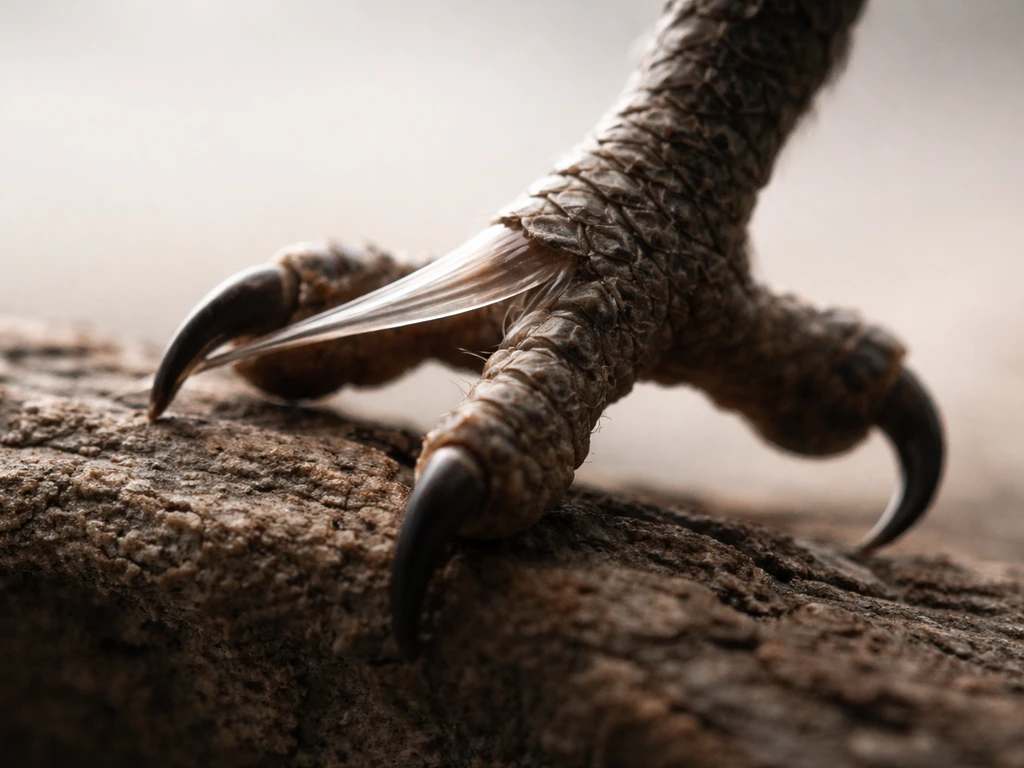
Tendons are the real unsung heroes here. Research into avian foot mechanics frames gripping and carrying as a force-transfer problem: the force applied to the foot (whether from prey struggling or simply from the weight being carried) has to be countered by the summed tension in the flexor tendons pulling the toes closed. In practice, this means a bird with thicker, stiffer tendons can resist greater loads before the grip fails. Harpy eagles have exceptionally robust talon and tendon systems, which is a big part of why they can handle prey as large as monkeys and sloths.
Body-weight scaling: why the 'most weight' answer shifts depending on species and method
This is where things get genuinely interesting, and honestly a little frustrating if you just want a clean answer. The way grip force and carrying ability scale with body size is not linear. In-vivo grip force studies (where researchers measure actual force from live birds gripping a pressure-sensitive perch) show that grip force increases exponentially with body size, not proportionally. A bird twice as heavy doesn't just grip twice as hard; it grips significantly more than twice as hard.
This scaling effect means that the heaviest raptors tend to win on absolute force, but smaller species can look impressive when you calculate force relative to their own body weight. This is why the question "what bird can lift the most weight" needs a follow-up: most weight in absolute terms, or most weight relative to its own size? The best-supported contender to answer the question is the harpy eagle, especially for absolute weight carried in flight most weight in absolute terms. A Cooper's hawk, for example, has been measured producing about 9.77 newtons of grip force in in-vivo tests, which is modest in absolute terms but impressive for a bird that small. A harpy eagle would dwarf that number on an absolute scale.
Related to this: the question of what the heaviest bird in the world actually is (think ostriches, which can exceed 150 kg) is a completely separate conversation, since the world's heaviest birds are flightless and can't lift anything into the air. If you're also wondering which is the heaviest bird in India, note that the heaviest overall and the strongest carrier are often different because flightless mass records do not translate directly to lifting capacity. If you're curious about that angle, it connects to a broader look at bird weight records globally.
Birds most known for carrying and lifting: raptors vs. large scavengers
Raptors and large scavengers get lumped together in these conversations, but they're solving very different physical problems.
Active hunters: harpy eagles, golden eagles, and great horned owls
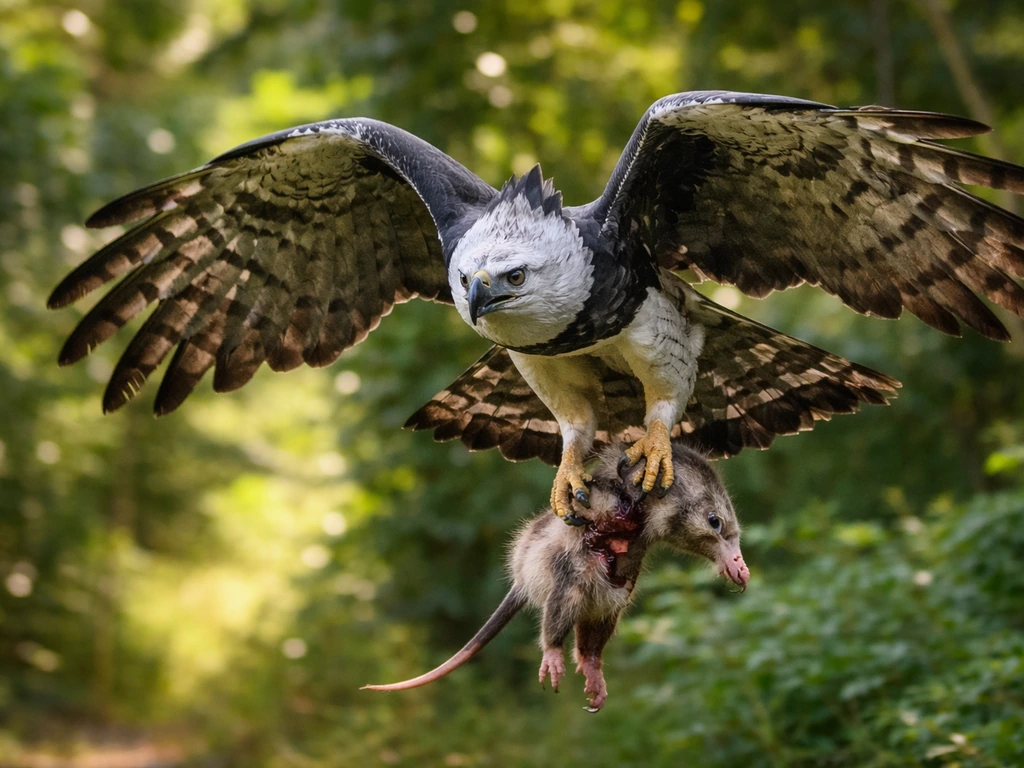
Active predators need to grip, kill, and transport prey, often in a single continuous motion. This selects for explosive grip strength and the ability to carry loads while flying. The harpy eagle is the gold standard here. Its feet are roughly the size of a human hand, and its talons can reach about 8 cm (3 inches) long. Females are larger than males (a pattern called reverse sexual dimorphism, common in raptors) and are the ones doing the heaviest lifting, literally. Great horned owls show up in studies because they produce higher grip forces than hawks of equivalent size, making them worth noting even though they typically handle smaller prey.
Large scavengers: condors and vultures
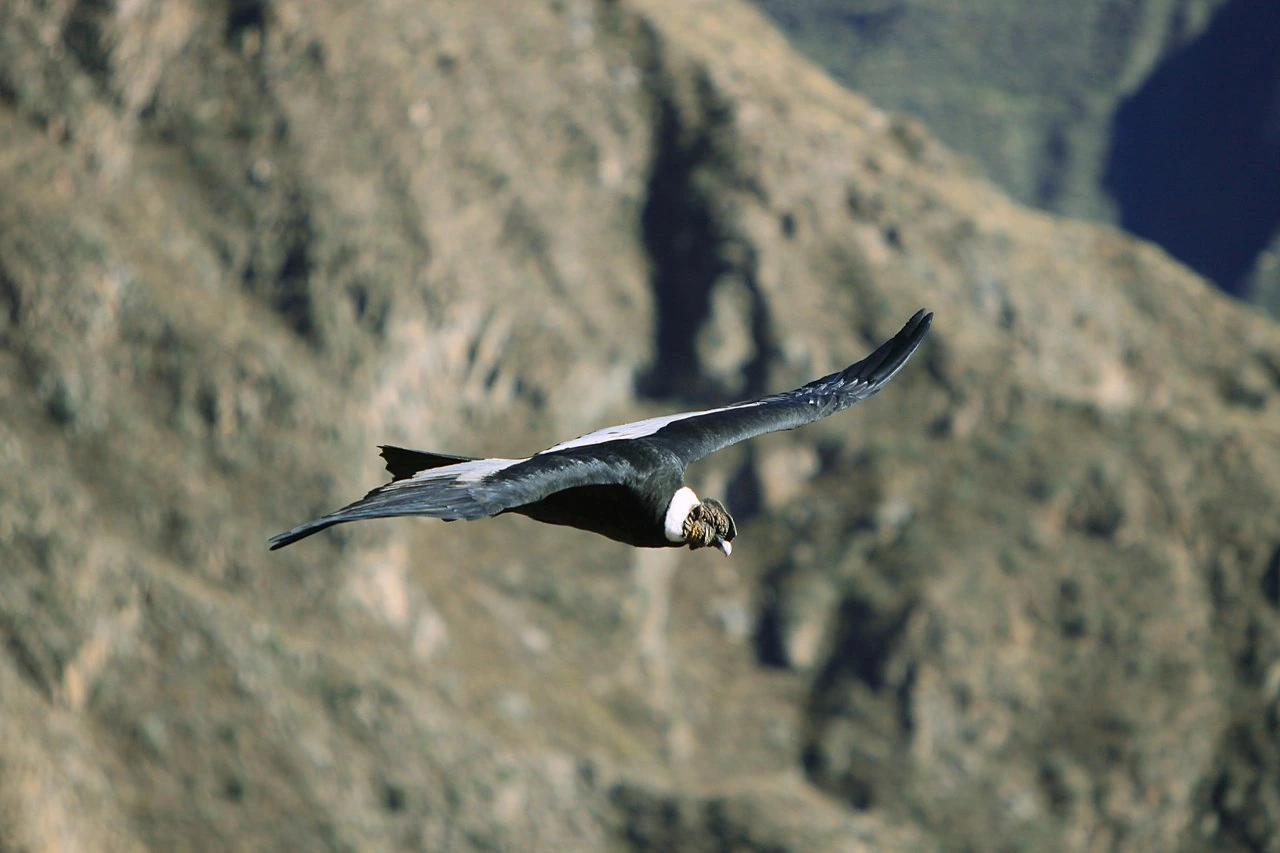
Condors and large vultures often get mentioned in these discussions because of their sheer size. Andean condors have wingspans exceeding 3 meters (10 feet) and can weigh over 11 kg. But their feet are relatively weak compared to raptors because they evolved to walk on carcasses, not grip and subdue live prey. They're not carrying heavy loads in flight; they're soaring long distances to find carrion and feeding in place. So condors win on wingspan and body mass, but lose decisively on carrying ability. This is a good example of why species that weigh the most are not the same as species that can carry the most weight, and those are genuinely different biological questions.
A practical rule of thumb for eagles
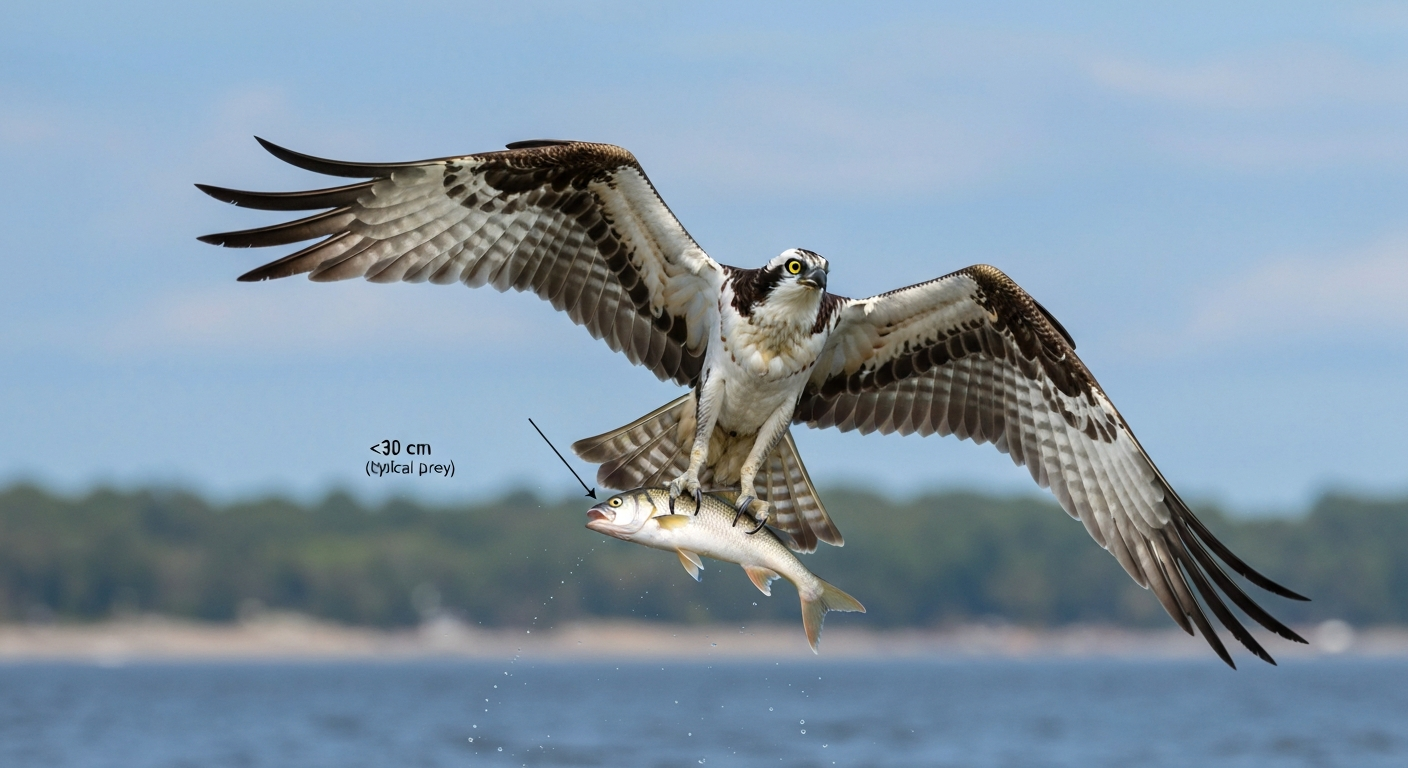
The American Eagle Foundation puts out a commonly cited guideline that eagles can generally carry up to about half their own body weight. For a large bald eagle, that translates to roughly 4 to 6 kg (about 8. Audubon’s field guide for the bald eagle includes weight data and field natural history context, which can help ground numerical examples for bald eagle carry-weight discussions Audubon Field Guide for the bald eagle includes weight data. 8 to 13 lb). This is a practical rule of thumb, not a laboratory maximum, and it aligns with the general pattern seen in harpy eagles, which Wikipedia documents as having carried prey weighing up to roughly half their body weight. This is why discussions about a bird weight 2 kg and is inside are usually not a good fit for real raptor carrying limits. Importantly, Britannica notes that harpy eagles will sometimes eat prey at the kill site rather than carry it, which tells you something real: even the strongest-gripping birds have a transport limit.
Flight mechanics vs. raw strength: what 'lifting' actually means in the air
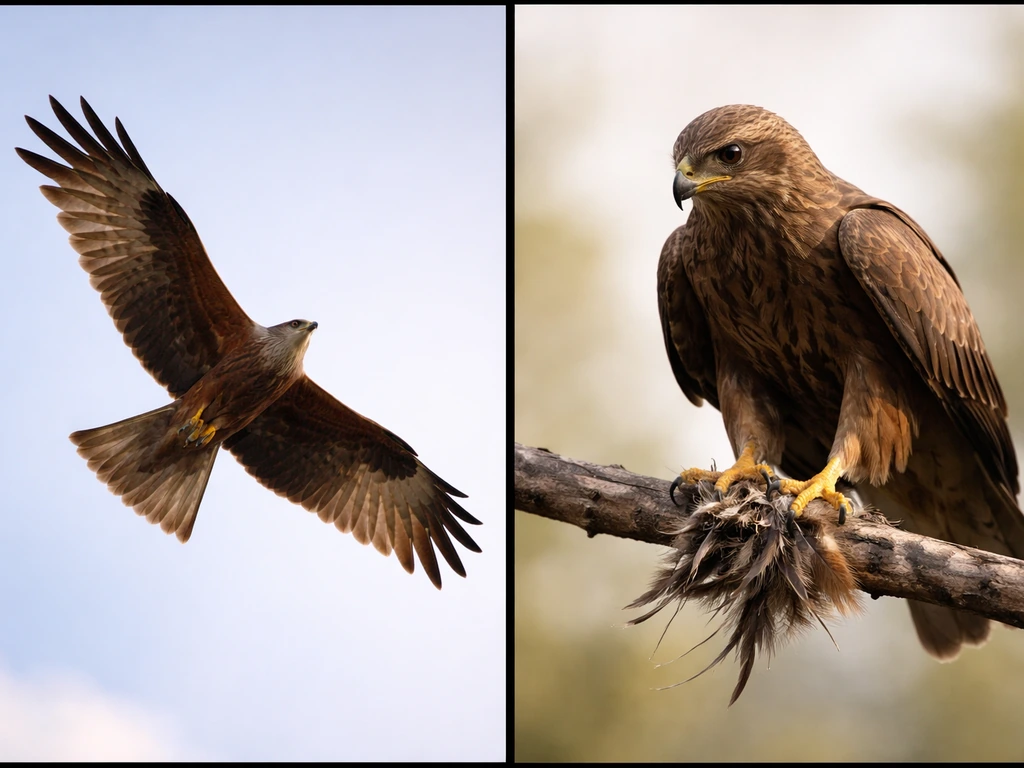
Here's a distinction that tripped me up early on. There are actually two separate physical tasks happening when a bird "lifts" something: generating enough grip force to hold the load, and generating enough aerodynamic lift to get both itself and the load airborne. A bird can have an iron grip but still be unable to fly with a heavy animal if its wings can't produce the required lift force.
Wing loading (body mass divided by wing area) determines how much aerodynamic work the bird has to do to stay airborne. Add extra prey mass and the wing loading increases, requiring more flapping power or better thermal soaring. Large raptors like harpy eagles have relatively broad wings for their size, which helps, but there's a ceiling. This is why the documented loads for carried prey tend to top out around 50% of body weight, even for the strongest species. It's not just about grip; it's about whether the whole system (grip, wing, and muscle) can operate simultaneously under added load.
Talon morphology also matters for flight mechanics. Research on raptor talon shape shows that grip performance is tied to the relative size of prey being targeted, not just the bird's overall body size. The PMC study on predatory functional morphology in raptors links differences in interdigital talon size to prey restraint and immobilisation technique, showing how grip and foot structure affect performance beyond just overall bird size raptor talon shape shows that grip performance is tied to the relative size of prey being targeted. Species that regularly hunt larger prey have evolved longer, more curved talons that improve mechanical advantage for both gripping and puncturing, which directly affects how efficiently they can subdue and transport a load.
How to verify claims: measurement methods, credible sources, and the myths to skip
There's a lot of misinformation floating around on this topic, including some very specific-sounding numbers that don't appear in any actual study. Here's how to tell the credible claims from the noise.
What good measurement looks like
- In-vivo grip force studies: these use pressure-sensitive or hydraulic perches to measure force directly from live birds. The Auk published functional morphology studies on raptor hindlimbs using this approach, and it's the most credible method for grip force data.
- Biomechanical modeling: papers from sources like PubMed Central (PMC) model tendon tensions and grip mechanics mathematically, which allows researchers to estimate forces that would be difficult or impossible to measure directly.
- Field documentation: prey species identified from harpy eagle nests or kill sites, cross-referenced with typical prey body weights. This is observational, not a controlled test, but it gives real-world upper bounds.
- Institutional guidelines (like the American Eagle Foundation's half-body-weight rule): useful rules of thumb, but these aren't laboratory maxima. Treat them as practical baselines.
Common myths worth skipping
- "Eagles can carry a child or a full-grown deer." No credible study supports loads anywhere near this. The physics don't work given wing loading constraints.
- Viral videos of eagles carrying heavy animals are almost always misidentified species, edited clips, or animals much smaller than they appear at distance.
- "The strongest bird can lift 10 times its own weight." This number circulates online with no sourced study behind it. Even insects don't reliably hit this ratio when carrying mass in sustained flight.
- Confusing grip strength with lifting capacity: a bird can have an extremely powerful grip (useful for killing) without being able to carry the same load while flying.
Where to look for reliable information
For grip force and biomechanics, peer-reviewed journals like The Auk (published by the American Ornithological Society) and papers indexed on PubMed Central are your best resources. For record-level claims about prey size and carrying ability, Guinness World Records is actually a reasonable starting point because they require sourced documentation, and their harpy eagle listing is one of the better-supported entries in this area. Some birds are also famous for drinking huge amounts of water, so if you're wondering what bird drinks the most water, the answer can depend on species and environment. For general eagle behavior and carry-weight estimates, the American Eagle Foundation's published guidance is practical and honest about its limitations.
The short version: when you see a specific lifting number online, ask whether it comes from a controlled study, an observational record, or someone just repeating a fun-sounding fact. The harpy eagle's claim to the title is solid because it's supported by multiple independent lines of evidence, including prey records, anatomical studies, and a Guinness designation. Most of the other extreme claims you'll find don't pass that bar.
FAQ
Does the same bird win if I define “lifting” as grip force versus carrying prey weight?
If you mean “lift in flight while actively gripping,” the best-supported answer is the harpy eagle, because documented prey-carrying events approach or match its body mass. If you instead mean “maximum grip force measured on a perch,” some owl species can rank higher than many hawks in controlled tests, even though they do not typically carry the same absolute prey mass.
Is the “half its body weight” rule for eagles and harpy eagles a hard maximum?
“Half its body weight” is best treated as a practical upper range, not a guaranteed maximum. Real limits vary by prey shape and struggle intensity, distance carried, air temperature, wind, and whether the bird can switch from flapping to gliding or thermal soaring.
Why do the biggest birds by weight not always win at carrying capacity?
Not necessarily. A vulture or condor can be very heavy, but it evolved for scavenging on the ground, so it is not optimized for sustained high-force grasping and takeoff with live prey. Raptors are built for killing, gripping, and then flying with the load, which is why their talon and tendon systems matter more for “lifting.”
Can a bird with strong talons still be unable to carry the load into the air?
Yes. For a bird to actually carry heavy prey, it must satisfy two constraints at once: enough grip force to hold the load and enough aerodynamic capability to become airborne and stay airborne. Even a strong taloned bird can fail the “lifting” task if wing loading is too high for the available lift from flapping or soaring.
Why do different studies and sources name different “strongest” birds?
Measurement conditions can change rankings. Observational prey-carry records reflect real hunting circumstances, grip-force studies measure force in a controlled setting, and “relative load” comparisons depend on how researchers normalize by body mass. The winner can shift because each method captures a different part of the process.
In species where females are larger, do the “most capable of lifting” birds tend to be females?
Sex matters in raptors. Because many species show reverse sexual dimorphism (females larger), the heaviest-carrying capability is often associated with females, even if males appear comparable in size-averaged summaries. For “most weight” questions, assume female performance when species show this pattern.
How can I tell whether a specific “max weight lifted” number is reliable?
Yes, be cautious with “records” or viral numbers. A credible claim should specify whether it is a controlled force test, a documented prey-carry event with context, or a rough estimate. If the number has no sourcing method or seems disconnected from known biomechanics (like extreme prey-to-body ratios), treat it as suspect.
Why do smaller raptors sometimes outperform on relative grip but still lose on “absolute weight”?
Smaller birds can look impressive on relative measures, but absolute “most weight” depends on the exponential scaling effect of grip with body size discussed in biomechanical studies. In practice, larger raptors usually dominate the absolute category because they can generate very large forces and also have enough wing area to keep the system airborne.
What real-world factors make carrying heavy prey fail before an animal reaches a theoretical maximum?
Transport limits often reflect where the bird must stop and start. If the bird repeatedly needs to reposition, land, or reset its grip while the prey struggles, the effective carried distance and time drop. That is one reason some birds are reported to eat at the kill site rather than carry the prey long distances.
Should I specify whether I mean lifting off, carrying in flight, or just gripping while perched?
Consider whether you want “lift off,” “carry in flight,” or “hold while stationary.” A bird may hold heavy prey on the ground or perch without being able to launch and fly with it. The article’s two-task framing is the key, but the required outcome changes the answer.