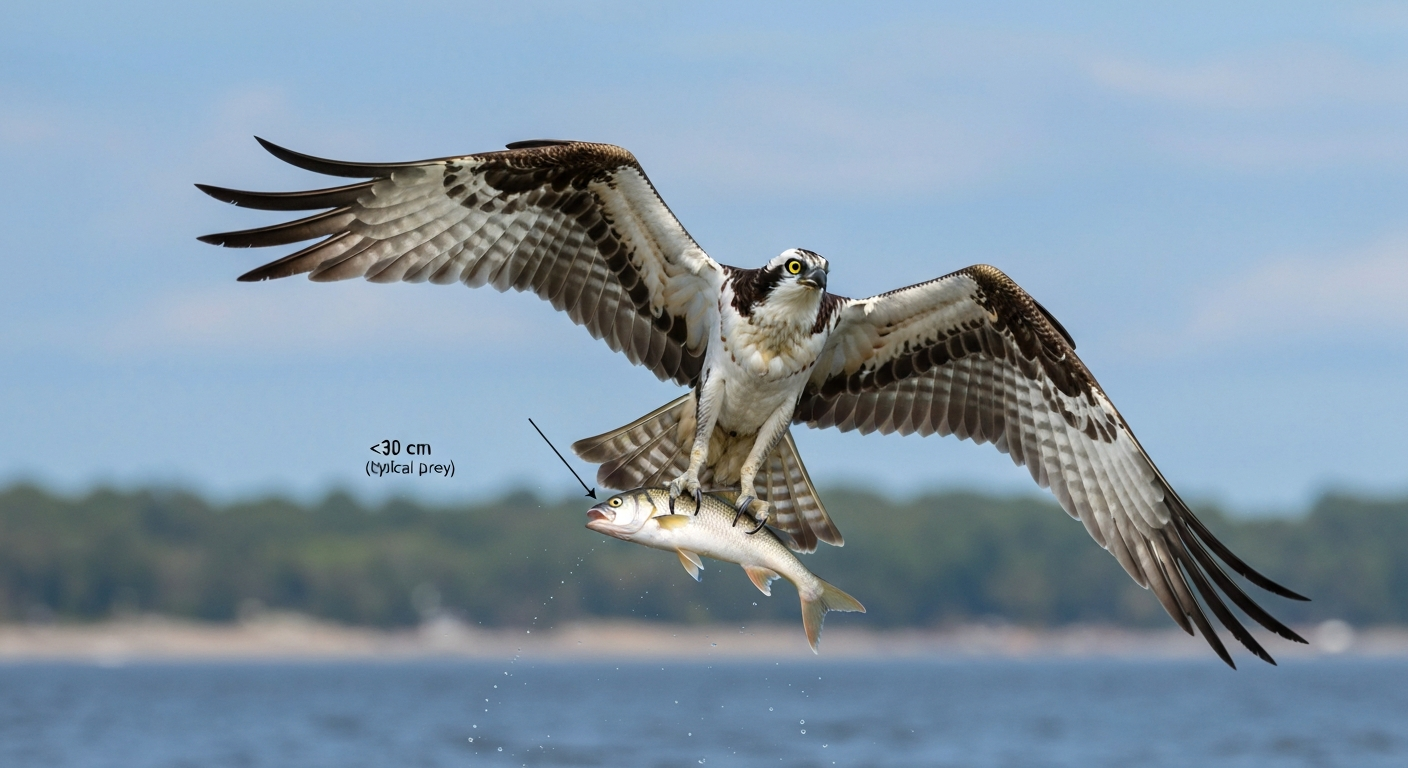
No modern bird has true teeth. That's the short answer. If you saw something in a bird's beak that looked like teeth, what you were actually looking at was almost certainly a serrated beak edge, a hooked tip, or a row of bony ridges along the mandible. These structures can look remarkably tooth-like, but they're completely different from the mineralized dentition that mammals and reptiles grow. Modern birds lost their teeth somewhere around 60 million years ago, and they've been managing just fine without them ever since.
What Bird Has Teeth? Do Any Birds Have Real Teeth?

Marcus Chen
16 Apr 2026
What "teeth" actually means in biology (and why birds don't qualify)
True teeth, in the biological sense, are mineralized structures that grow from dental tissue called odontoblasts. They're embedded in the jaw, usually have a root, and are made of dentin covered by enamel. No living bird grows anything like that. What birds have instead is a beak (technically two mandibles, upper and lower) made of bone covered by a layer of keratin, the same protein that makes up your fingernails and a bird's feathers.
Here's where it gets interesting, though. Researchers have found that the genetic signaling pathways responsible for tooth development (a process called odontogenesis) still exist in birds in a dormant state. The machinery is there; it just gets switched off before teeth form. Ancient birds like Archaeopteryx actually did have teeth, so the loss of dentition in modern birds is a secondary evolutionary event, not something birds never had in the first place. That makes the toothless modern bird beak a relatively recent development in a very long evolutionary story.
The "beak edges" that people mistake for teeth
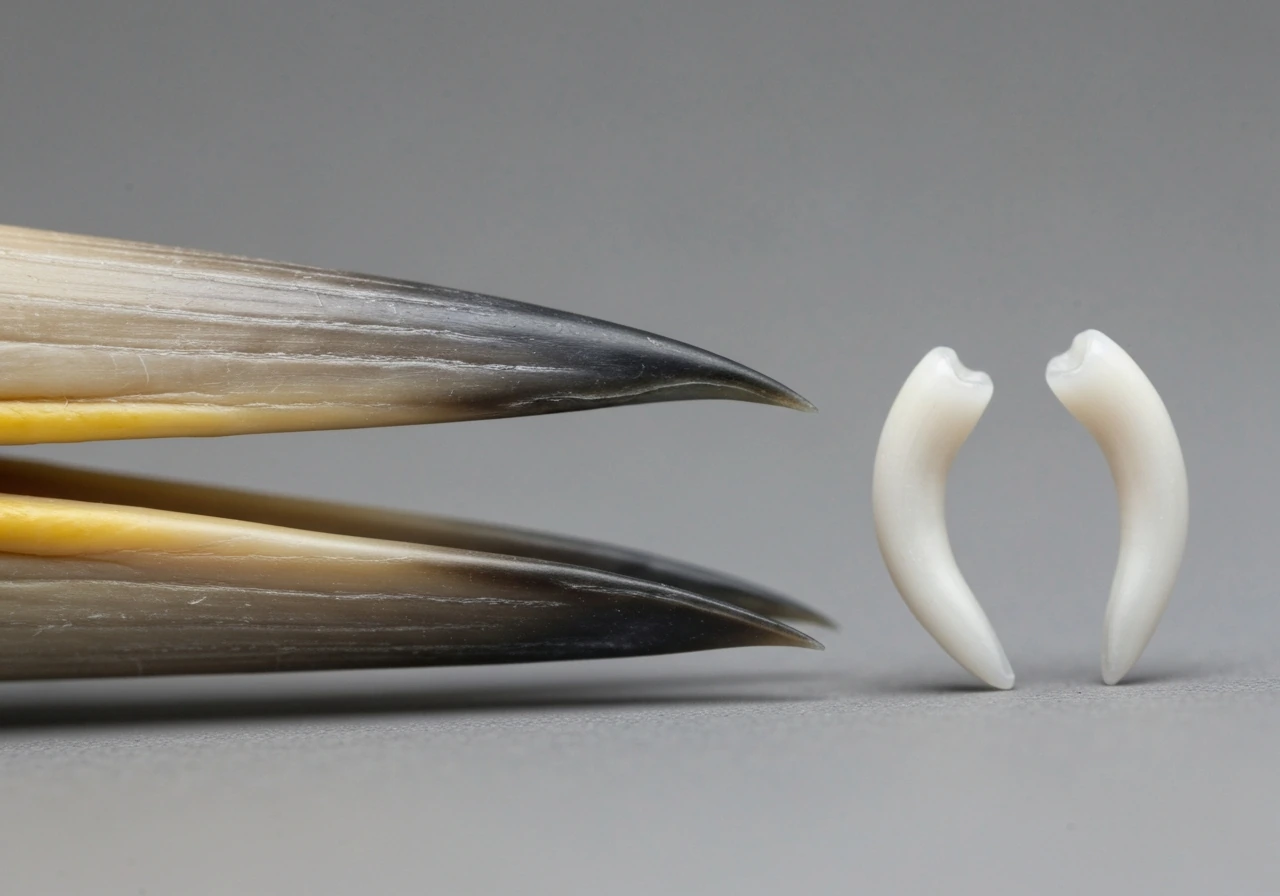
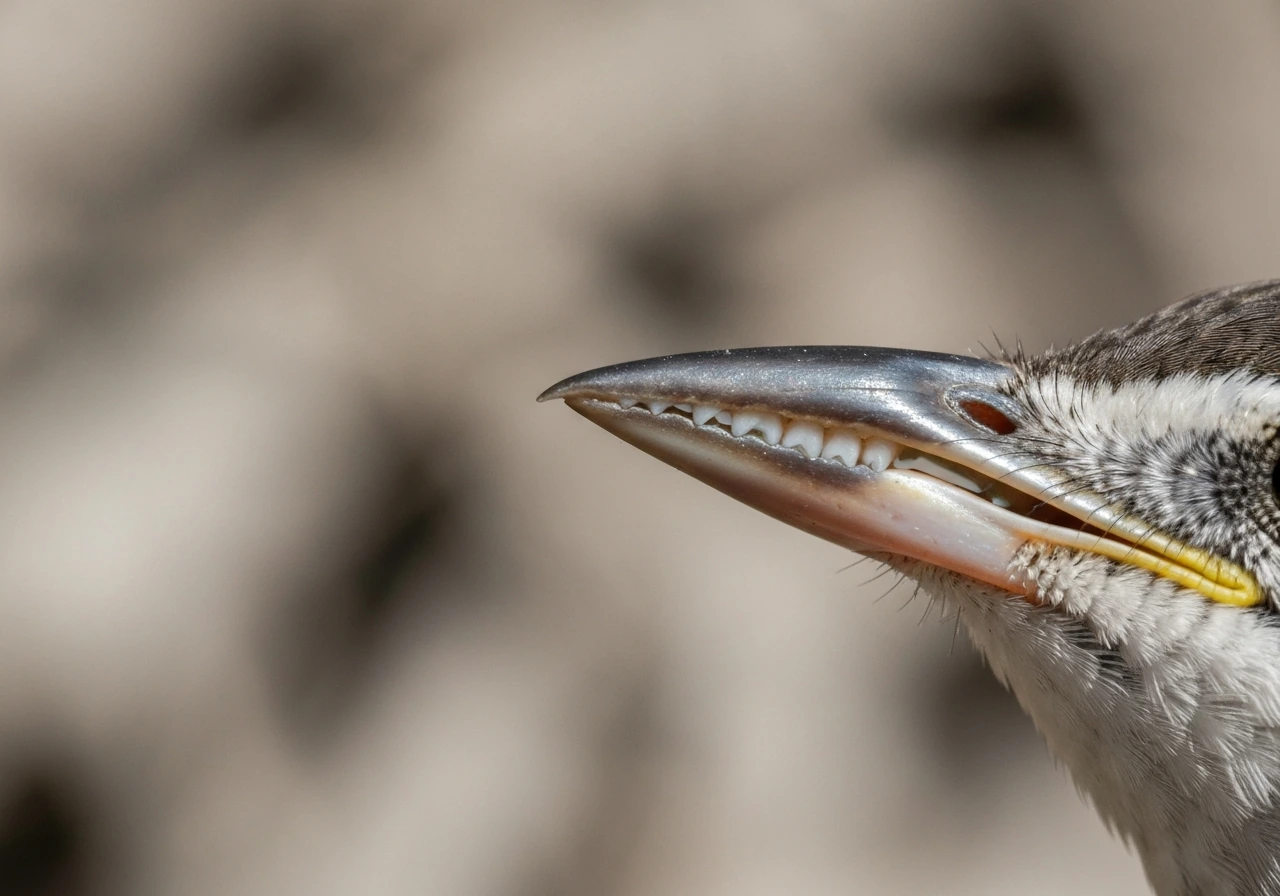
The part of a bird's beak that most often gets confused for teeth is called the tomia (singular: tomium). These are the cutting edges of the upper and lower mandible. In some birds, these edges are smooth and sharp. In others, they're deeply serrated or notched. When you look at a merganser duck from the right angle, those serrated tomia genuinely do look like a row of tiny teeth. They even function a bit like teeth for gripping slippery fish. But they're still just shaped keratin, not dentition.
One fascinating extinct exception is worth knowing about: the Odontopterygiformes, a group of large pelagic seabirds that died out millions of years ago. These birds had what scientists call pseudoteeth, which were bony projections along the jaw that closely mimicked the look and distribution of real teeth. They were conical, serially arranged, and even had a caniniform (canine-like) shape in some species. But despite looking almost identical to teeth externally, pseudoteeth were structurally different from true dentition. They were bone outgrowths, not proper dental structures. It's a classic example of convergent evolution: the same solution, arrived at through a completely different path.
Birds people commonly think have teeth
Some birds are brought up in this conversation more than others, and there are good anatomical reasons for that. Here are the most common ones and what's actually going on with each:
- Mergansers (Common Merganser, Red-breasted Merganser): The most frequently cited example. Their long, narrow beaks have sharp, backward-pointing serrations along both mandibles that look strikingly like teeth. These are tomia adaptations for catching and holding fish. They work brilliantly, but they're not teeth.
- Geese (Canada Goose, Snow Goose): If you've ever gotten too close to an angry goose, you may have noticed jagged-looking ridges along the inner beak and on the tongue. Those are lamellae (filter ridges) and keratinized papillae. They look menacing, and they can cause a bruise, but again: not teeth.
- Falcons (Peregrine Falcon, others): Falcons have a distinct notch or "tomial tooth" on the upper beak used to sever the spinal cords of prey. It looks like a single fang. It's actually a beak projection, but it functions similarly to how a carnivore's tooth might.
- Penguins: Their beaks aren't particularly tooth-like, but the inside of a penguin's mouth is lined with backward-pointing spines made of keratin. These papillae help funnel slippery fish toward the throat. Photos of open penguin mouths go viral regularly because those spines look genuinely unsettling.
- Pelicans and herons: Large fish-eating birds often have hook-tipped beaks designed for stabbing and gripping. The hook can look fang-like in photos.
- Archaeopteryx (extinct): Technically a bird (the earliest known), and it actually did have teeth, along with soft tissue oral papillae on the roof of its mouth. Researchers found traces of fleshy projections in fossil specimens that they compare to oral papillae in living birds. So this ancient animal had both real teeth and other oral structures. Modern birds inherited the papillae but not the teeth.
How beaks do everything teeth would do
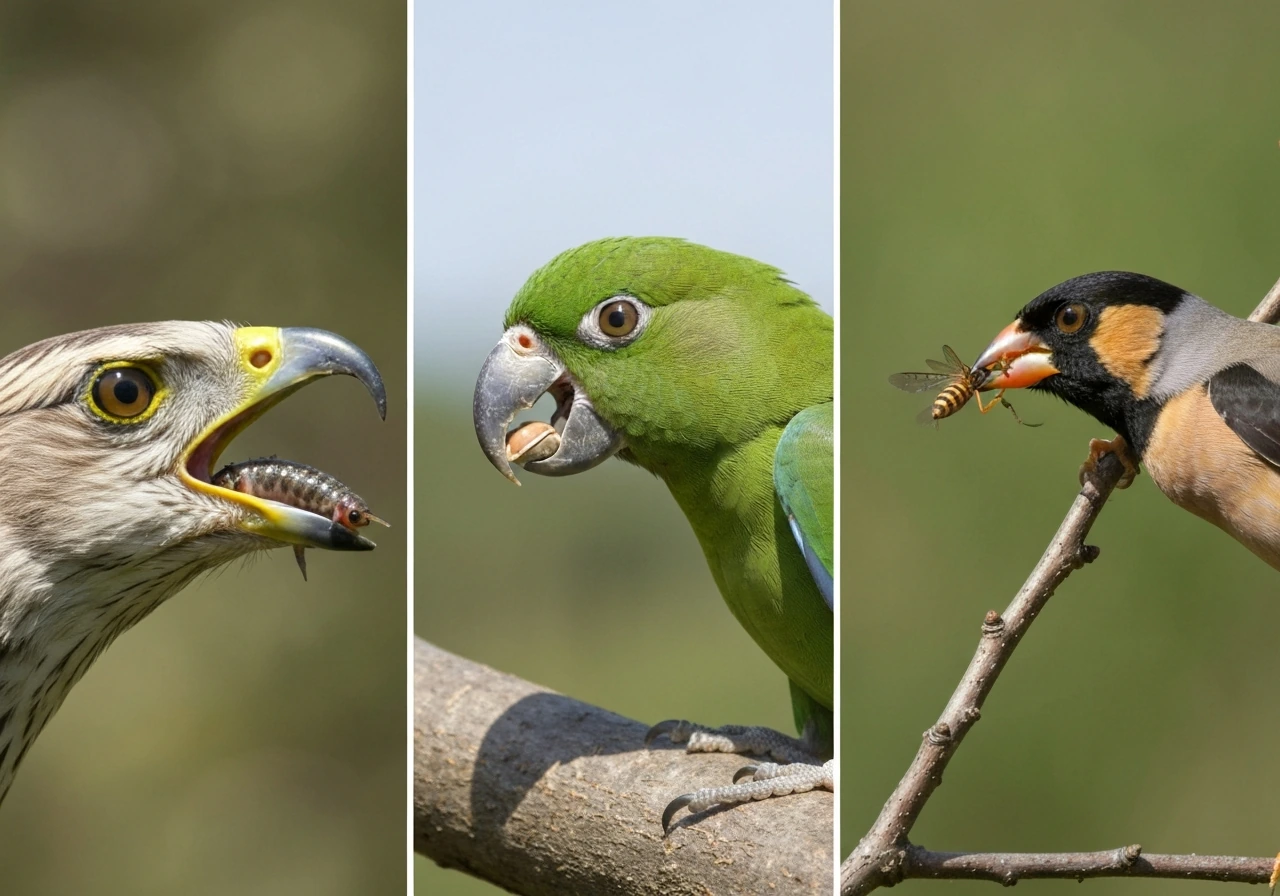
One thing that surprised me when I started looking into this: birds have offloaded a lot of the mechanical work that teeth do in mammals onto several different body systems at once. The beak handles cutting and gripping. The gizzard (a muscular stomach chamber) handles grinding hard food. Stomach acids that are often far stronger than what mammals produce handle chemical breakdown. Swallowing whole is actually a viable strategy when your digestion is powerful enough.
Different beak shapes specialize for different tooth-like tasks. Hooked beaks on raptors tear meat the way carnassial teeth do in cats. Crossbills have beaks that literally cross over each other to pry open pine cones. Finches crack seeds with a thick, conical beak the way your molars crack a nut. If you're curious about which birds push this to the extreme, the bird with the strongest bite force is a good illustration of how far beak mechanics can go without a single tooth involved.
There are also interesting behavioral parallels. Some birds use tool-beak coordination the way predators use teeth and claws together. And if you've ever wondered about the famous relationship between certain birds and large reptiles, the bird that cleans crocodile teeth is a great example of how birds interact with actual dentition without having any themselves. A similar dynamic plays out with the bird that cleans alligators' teeth, using a beak precisely shaped for accessing tight spaces that a toothed mouth could never reach.
Beak ridges vs. real teeth: how to tell what you're actually seeing
If you've got a photo or video of a bird and you're trying to figure out whether you're looking at a strange beak feature or something else, here's a practical checklist:
| Feature | Beak Ridges / Serrations | Would-be Real Teeth |
|---|---|---|
| Location | Along the cutting edge of the mandible (the beak rim) | Would be embedded in the jaw bone, inside the mouth |
| Material | Keratin (same as the rest of the beak) | Enamel and dentin (hard, white, mineralized) |
| Color | Matches beak color: yellow, orange, gray, black | Would appear distinctly white and stand out |
| Shape | Usually pointed rearward (fish-gripping) or uniform serrations | More variable, often with visible roots or gumline |
| Flexibility | Rigid, part of the beak structure | Slightly independent from the jaw surface |
| Presence in living birds | Yes, in many species | No, found only in extinct birds like Archaeopteryx |
The single biggest giveaway is location. Real teeth sit inside the mouth, emerging from the jawbone, often surrounded by soft tissue at the base. Beak serrations and ridges are on the outer rim of the mandible, part of the beak's edge itself. If the structures you're seeing run along the lip of the beak from the outside, they're beak features. If they're inside the oral cavity proper, you might be looking at papillae (those keratinized spines like in penguins), which are still not teeth but are less commonly known. Penguins International explains that these “teeth-looking” papillae are soft keratin spikes that point toward the back of the mouth to help grip fish and guide food down the throat.
It's also worth noting that beak wear and damage can create irregular edges that look nothing like a normal beak. A bird that breaks or loses its beak can end up with jagged keratin edges that look extremely strange in photos. So if you're seeing something weird and asymmetrical on a beak, damage is worth ruling out before jumping to "wait, is that a tooth?"
Quick steps for identifying a bird by its 'tooth-like' features
If you saw a specific bird and the beak features are what caught your attention, here's a practical process for identifying it quickly:
- Capture or find the clearest image you can. A photo from the side showing the full beak profile is most useful for identification.
- Note the overall beak shape first: is it long and thin, short and hooked, flat and wide, or conical? This narrows the family of birds dramatically before you look at tooth-like details.
- Look at where the tooth-like features are. Rim of the beak edge = serrations (think merganser or goose). Inside the open mouth = papillae (think penguin or goose tongue). A single notch near the tip of the upper beak = tomial tooth (think falcon).
- Cross-reference the habitat and behavior. A serrated beak on a waterbird near rivers is almost certainly a merganser. A hooked beak with a tomial notch on a fast-flying bird is almost certainly a falcon.
- Use a bird ID app (Merlin by Cornell Lab is free and excellent) by uploading your photo or entering size, color, and location. It handles beak shape as part of its identification logic.
- If the bird had an unusual beak or you're unsure, search specifically for '[bird name] beak serrations' or '[bird name] beak anatomy' to pull up anatomical diagrams rather than just field guide photos.
One last thing worth mentioning: if your search for 'bird with teeth' turned up celebrity gossip (it happens, I've been there), you're clearly in different territory entirely, like searching about whether Bird Brown had her teeth fixed. The avian biology answer and the pop culture answer just happen to share a search phrase. Hopefully this article made it obvious which one you actually needed.
The bottom line: every bird you'll encounter today is toothless. What looks like teeth is almost always beak anatomy doing an impressive job of filling that role. Merganser serrations, goose lamellae, falcon tomial notches, and penguin mouth spines are all remarkable structures. In falcons, each tomial tooth corresponds with a notch in the lower beak (gnathotheca), which helps explain how the tomial tooth functions via opposing structures falcon tomial notches. They're just not teeth, and the distinction matters if you're trying to understand how these animals are actually built.
FAQ
If I see “teeth-like” spines inside a bird’s mouth, is that still not teeth?
Mouth spines can look like teeth, but in birds they’re usually keratinized projections or papillae at the oral surfaces, not mineralized odontogenic structures. A key check is that true teeth have tooth-like placement anchored in jaw tissue, while spines typically appear as soft-tissue or mouth-lining features rather than a row of embedded dentition.
How can I tell whether what I’m seeing is beak serrations (tomia) versus something inside the mouth?
Jaws and beaks are easy to confuse in photos. If the tooth-like shapes are on the outer edge where the upper and lower mandibles meet, they are typically tomia or other beak margins. If they appear deeper inside the mouth, focus on whether they are mouth-lining papillae or broken keratin, since tomia will not be located along the inner palate or throat wall.
Can beak damage make a bird look like it has teeth, and how do I rule that out?
Yes, broken beaks can create asymmetrical, jagged edges that mimic a row of teeth. If you notice an irregular pattern, swelling, scabbing, or a sudden change compared to typical images of that species, treat the structure as injury or wear first, then consider normal variants like serrated tomia only if the feature matches the species’ usual beak outline.
Are there any living birds with true teeth, or are all “teeth” in the living bird world actually look-alikes?
Most bird “tooth look-alikes” are keratin-covered beak parts, but some fossil groups had jaw bony projections described as pseudoteeth. If you’re evaluating a specific species you encountered alive, assume toothless unless you’re dealing with a documented living-animal case of mineralized dentition, which is not the norm for modern birds.
Why do some fish-eating birds look like they have a “row of tiny teeth”?
The tomia are specialized cutting edges and can be smooth, notched, or heavily serrated depending on diet. If the bird feeds on slippery prey like fish, the serrations often look most tooth-like from the right angle, but they still function as beak mechanics rather than embedded dentition.
What’s a better way to identify a bird than using the “has teeth” search phrase?
If your goal is identification, don’t search by “teeth” alone. Instead, match the bird’s feeding niche and beak form, then look for consistent species patterns such as hooked raptors (tomia used for tearing) or thick conical beaks (seed cracking). Tooth-like edges are often just one trait, and relying on them can misidentify birds with similar-looking beak outlines.
Does beak wear or season-to-season variation change whether the beak looks “toothed”?
Wear patterns can round edges or create missing chunks of keratin, which changes how “dentition” appears between individuals and across time. For a reliable read, compare multiple photos from different angles and look for repeatable geometry, like a species-typical serration pattern, rather than one-time irregularities.
What should I look for frame-by-frame in a video to distinguish teeth from tomia or papillae?
If you’re trying to confirm teeth versus tomia in a blurry video, use a simple frame check: tomia remain aligned with the beak rim and open and close with the mandibles. True dentition would be visibly embedded in the jaw and keep a fixed relationship to jaw tissue, even as the lips and beak open.