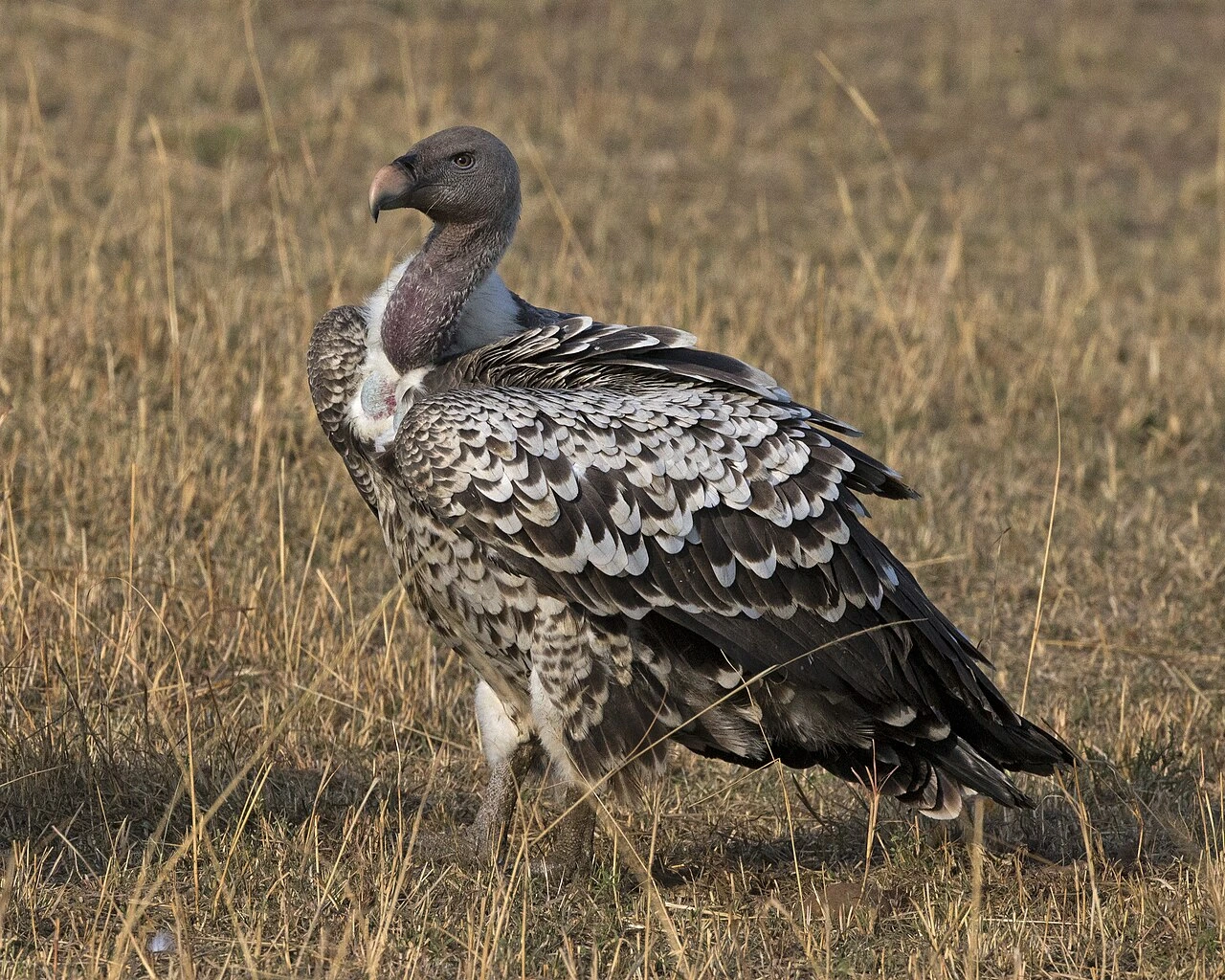
Bird beaks are made primarily of keratin, the same tough structural protein that forms your fingernails and hair. Specifically, the hard outer surface of a beak is a specialized keratin sheath called the rhamphotheca (from Greek, meaning roughly 'beak sheath'). Underneath that sheath sits a layer of living tissue packed with blood vessels and nerves, and beneath that is the bony jaw framework that gives the beak its shape. So it's not one material top to bottom, it's a layered structure, and understanding each layer explains a lot about how beaks work, grow, and feel.
What Are Bird Beaks Made Of? Keratin, Not Bone

Marcus Chen
21 Apr 2026
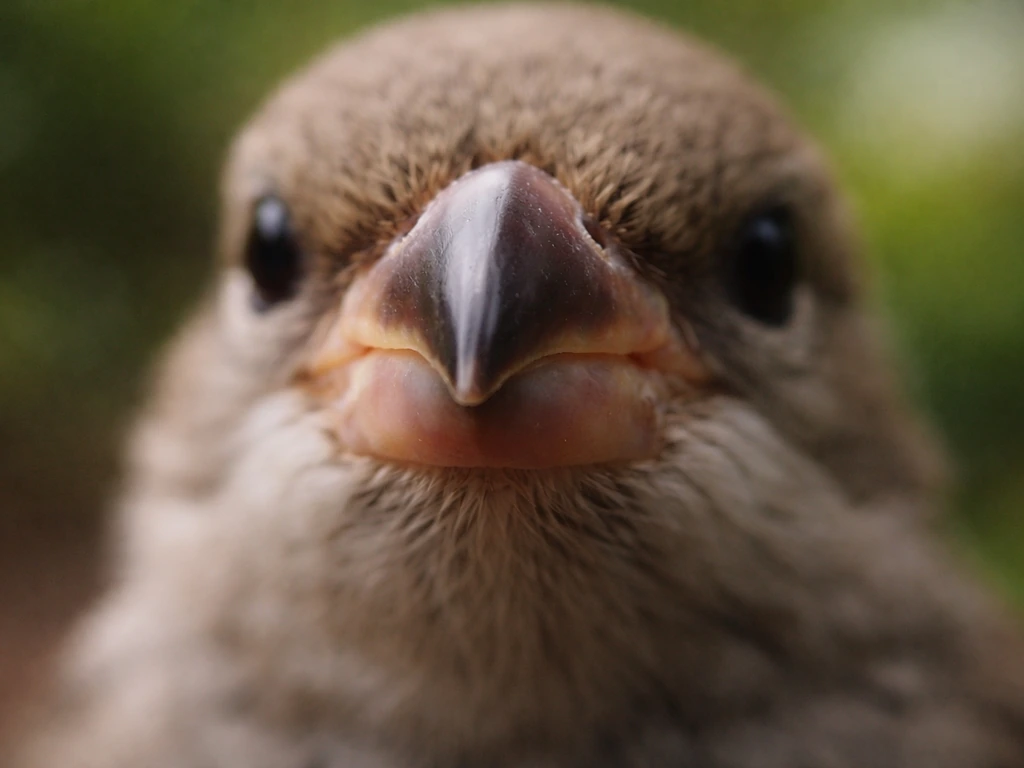
The core material: keratin and the rhamphotheca
Keratin is a fibrous protein, and the beak's outer covering, the rhamphotheca, is made of a specific form called beta-keratin (β-keratin), which is harder and stiffer than the alpha-keratin in mammal hair. Research on the toco toucan's spectacular beak found that the rhamphotheca is built from multiple overlapping sheets of β-keratin, each sheet roughly 2 to 10 micrometers thick, stacking up to a total thickness of about 0.5 to 0.75 millimeters depending on where you measure along the beak. That's thinner than most cardboard, but the layered overlapping structure gives it real toughness.
The rhamphotheca has two named sections: the rhinotheca covers the upper mandible, and the gnathotheca covers the lower. Together they form that smooth, hard, continuous surface you see when you look at a bird's beak. The keratin is produced by the bird's own epidermis (skin cells), starting at the base of the beak, and it moves gradually outward toward the tip as new material is laid down. Think of it a little like how your fingernail grows from the base, pushing the older portion forward.
Layer by layer: what's actually inside a beak
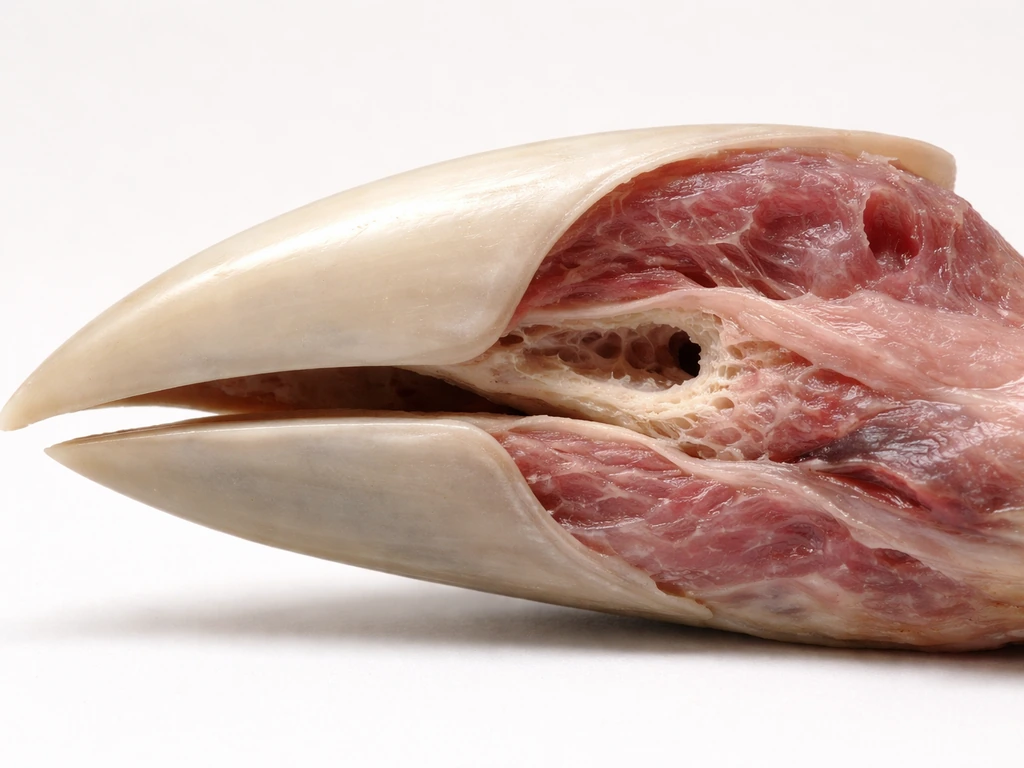
If you could slice a beak crosswise and look at the layers, here's what you'd find from the outside in: A bird beak paring knife is used for precise, small carving and trimming tasks, taking advantage of its sharp, controlled edge what is a bird beak paring knife used for.
- The rhamphotheca: the hard outer keratin sheath you can see and touch. This is the beak's 'fingernail' layer.
- A vascular dermis: a layer of soft connective tissue sandwiched between the keratin and the bone below. This is living tissue with a dense network of blood vessels that supply nutrients to keep the keratin growing, and nerves that give the beak its sensory ability.
- The periosteum: a thin membrane covering the surface of the underlying jaw bones, acting as the anchor point for the layers above.
- The bony mandibles: the actual skeletal jaw bones, which are extensions of the skull and provide the rigid structural frame.
The vascular dermis is really the unsung hero here. Without it, the keratin sheath would have no blood supply and couldn't regenerate. It also carries nerves that, in some birds, actually penetrate upward into the horny keratin layer itself and end in specialized touch receptors called tactile or sensory corpuscles. That's how a shorebird probing wet sand can detect a worm it can't see.
Beak vs. bone vs. teeth: clearing up the confusion
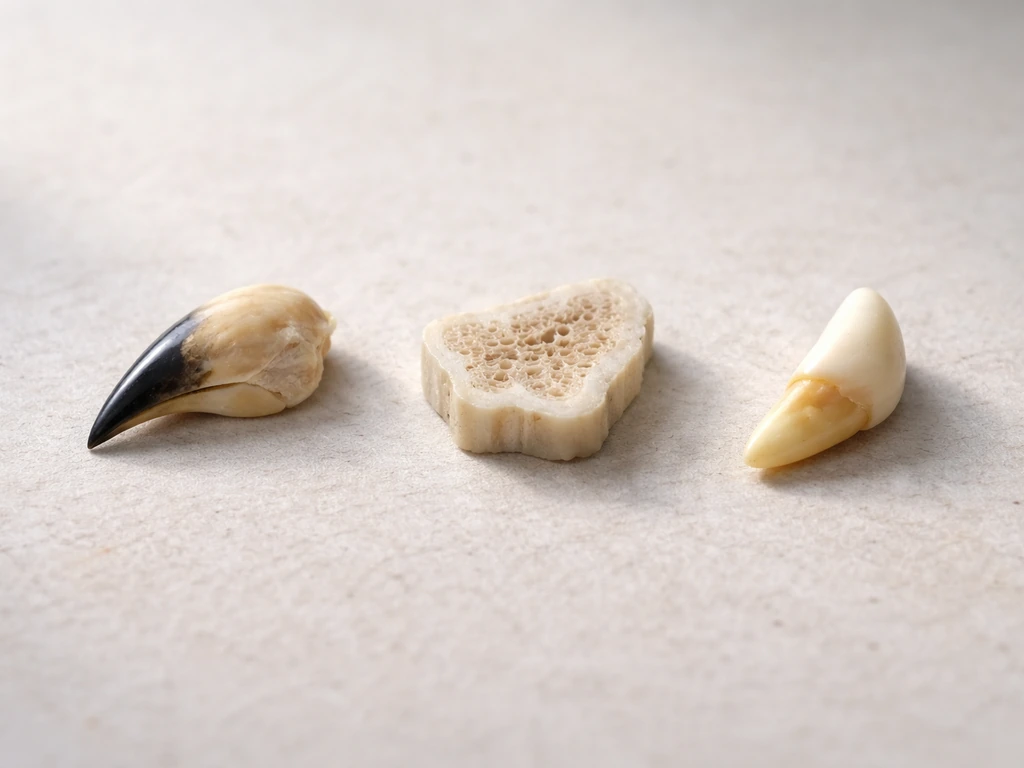
This is probably the most common question that comes up alongside 'what is a beak made of,' and it's worth being direct about it. The beak is not bone, even though bone sits inside it. The hard part you see, the rhamphotheca, is keratin. The underlying jaw bones are genuinely bone, bony elongations of the skull, but they're the hidden internal framework, not the beak's surface material.
Teeth are a completely different story. Modern birds have no teeth at all. Their beaks are described as 'edentulous,' meaning toothless. Evolutionary research shows that as birds' ancestors developed keratinous beak sheaths over the jaw bones, teeth were gradually lost. The keratin sheath took over the cutting, gripping, and processing functions that teeth handle in other animals. So when you're comparing a beak to a mammal jaw, the keratin sheath is doing the job teeth would otherwise do.
How beaks grow, repair, and sense the world
Because keratin is continuously produced at the base of the beak and pushed outward, beaks are always slowly renewing themselves. Normal wear at the tip is offset by this constant growth from the base. In healthy birds, this keeps the beak in a functional shape. In birds that lack enough abrasion (like captive birds that don't forage on hard surfaces), the keratin can overgrow and cause real feeding problems. Avian keratin disorder, documented in species like black-capped chickadees, is a condition where this normal growth and remodeling process goes wrong, producing thickened, misshapen beaks.
Sensation is another underappreciated feature of beaks. Because nerve fibers run through the vascular dermis and can extend into the keratin itself, the beak tip can be genuinely sensitive to touch and pressure. Because nerve fibers extend into the keratin layer, bird beaks can be sensitive to touch and pressure are bird beaks sensitive. Waterfowl like ducks have Grandry corpuscles, specialized mechanoreceptors packed into their bill skin that detect fine tactile information, which is why a duck can filter food through water with impressive precision. Research on quail has also identified specialized nerve-associated cells contributing to mechanosensation along the beak. Whether all birds have this level of beak sensitivity varies by species, and it's still an active area of study.
What beak material means for how birds actually eat
The fact that beaks are made of continuously growing keratin over a bony core has a big practical payoff: it means beak shape can be highly specialized without the bird being stuck with it forever. Keratin wears and regrows, so different feeding behaviors gradually shape the beak tip over an individual bird's lifetime, and across evolutionary time, the keratin's thickness and shape can change dramatically while the underlying biology stays the same.
| Feeding style | Beak shape/feature | How keratin structure supports it |
|---|---|---|
| Seed cracking (finches) | Short, thick, conical | Thick keratin resists cracking forces; strong bony mandible base |
| Probing for invertebrates (shorebirds) | Long, slender, flexible tip | Thin keratin with dense nerve endings for tactile detection |
| Tearing meat (raptors) | Hooked, curved upper mandible | Heavy keratin layer for grip; strong bone-periosteum interface |
| Filter feeding (ducks) | Broad, flat with lamellae | Keratin ridges along edges; Grandry corpuscles for water-pressure sensing |
| Nectar feeding (hummingbirds) | Long, narrow, sometimes curved | Lightweight thin keratin over slender bony mandibles |
The core biology, keratin sheath over vascular tissue over bone, is essentially the same across all these birds. What changes is the thickness, curvature, length, and surface texture of the keratin layer, along with the shape of the underlying bony mandibles. It's a flexible system built on a remarkably consistent blueprint.
Common misconceptions and where to go from here
Misconceptions worth correcting
- Beaks are not made of bone. Bone is inside the beak as structural support, but the hard visible surface is keratin.
- Beaks are not dead material like a fingernail clipping. The rhamphotheca is continuously renewed by living tissue underneath it.
- Beaks are not insensitive. Many birds, especially water birds and probing shorebirds, have highly sensitive beaks loaded with mechanoreceptors.
- All bird beaks don't have identical keratin thickness. It varies by species, position along the beak, and even diet and habitat.
- Birds didn't always lack teeth. Their dinosaurian ancestors had teeth; the keratinous beak sheath evolved as teeth were lost over evolutionary time.
Practical next steps if you want to go deeper
If you want to actually see what's being described here, look up a cross-sectional diagram of a bird bill from an ornithology textbook or museum resource. You'll clearly see the rhamphotheca labeled separately from the underlying bone. The USGS educational materials on bird beaks are a solid free starting point. Museum natural history collections sometimes display cleaned bird skulls where you can see the bony mandibles without the keratin sheath, which makes the layered structure immediately obvious.
A few specific rabbit holes worth exploring from here: whether beaks can grow back after injury (related to how keratin regeneration works at the base), how sensitive different beaks actually are to touch and pressure, and whether the underlying structure really counts as bone in the traditional sense. Each of those questions has a more nuanced answer than the quick version, and they all connect back to the same fundamental anatomy covered here.
The short version you can take away right now: a bird's beak is keratin on the outside, living vascular and nervous tissue in the middle, and bone at the core. Yes, bird beaks do have nerves that run through the living tissue layer and help the beak detect touch and pressure do bird beaks have nerves. The keratin sheath, called the rhamphotheca, is the actual 'beak' material. It grows continuously, it can feel things, and its shape is what makes a pelican different from a hawk. That's the whole picture.
FAQ
If the beak isn’t bone, why can a beak still bleed and hurt a lot when injured?
No. The beak’s outer sheath is keratin, and the inside of the beak contains living tissue with blood vessels and nerves, but the keratin itself does not have blood supply. That is why cutting or cracking the keratin down to the living layer can become dangerous, and why minor surface damage can regrow while deeper injury often requires veterinary care.
Are all bird beaks equally sensitive to touch and pressure?
In many birds, the tip is more sensitive than thicker areas because nerves and sensory structures are concentrated near the skin and the living tissue layer. However, sensitivity varies by species and bill type, so a tactile test like gentle touch will feel different between, for example, shorebirds and raptors.
How can you tell if a bird’s beak is growing normally versus overgrowing?
You can often see it, because keratin wear changes the shape, and regrowth gradually restores surface form from the base. But if the bird has a growth disorder or lacks normal abrasion, the tip may become overly long or uneven, and the surface can develop abnormal thickness instead of returning to the right profile.
Can a bird beak regrow after a chip or cut, and how complete is regrowth?
Keratin regeneration depends on the health of the tissue layer at the beak base. Regrowth can be slow, and it may not fully correct deformities after severe trauma, especially if the underlying living tissue is damaged or scarred.
Is it safe to trim or file a pet bird’s beak yourself?
Yes, “horny” keratin can look like it is purely dead material, but the functional surface is still connected to living tissue that produces it continuously. For that reason, you should not sand, file, or trim a bird’s beak at home, because you can easily cut into the vascular layer and cause bleeding.
What role do diet and habitat play in beak wear if the beak is continuously growing?
Diet and environment influence abrasion and thus how quickly the keratin sheds. Birds that do not have enough tough foraging surfaces (for example, certain captive setups) can develop overgrowth, while birds that regularly chew and probe hard objects may keep the keratin in better balance.
What does it mean when people say the beak has a bony core, is it truly bone in the usual sense?
The “bone framework” inside is part of the skull and mandible anatomy, but the beak you see is not the bone itself. People sometimes call the internal parts “bone” and the outer parts “beak,” which is why the internal structure matters for shape, while the external keratin determines the working cutting or gripping surface.
Is bird beak keratin the same across all species, or does it vary?
Not exactly. Different groups use different keratin arrangements, and bird beaks also have species-specific surface textures and thickness patterns. Even within one beak, the keratin layer thickness and structure can vary from base to tip, affecting hardness and flexibility.
When I look at diagrams, what labels should I search for to confirm which layer is keratin versus bone?
You might find it under names like rhamphotheca (the keratin sheath) and underlying bony mandibles. In practical terms, look for diagrams that label layers separately, because a realistic cross-section will show vascular dermis and bone beneath the keratin rather than treating the whole structure as one material.
Next Article
What Is the Highest Altitude a Bird Can Fly?
Find the highest documented bird flight altitude, how it’s measured, and the biology and flight mechanics behind extreme