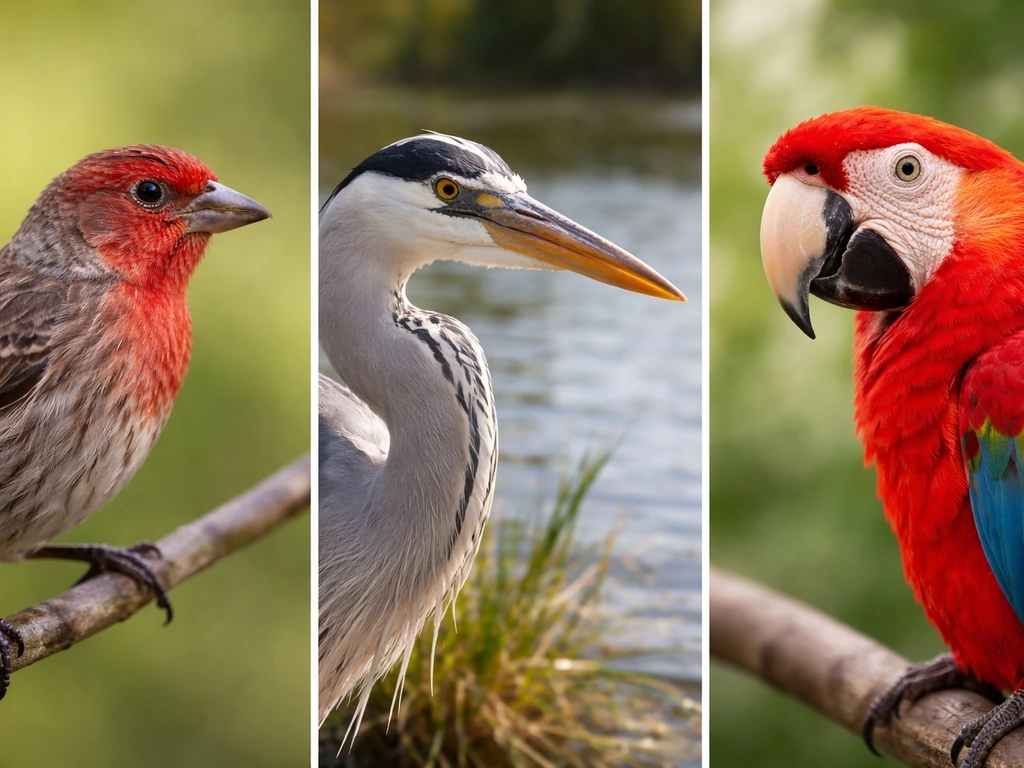
A bird beak is the hard, pointed structure that replaces the lips, teeth, and much of the jaw function found in mammals. It is built around two bony jaws (the upper maxilla and the lower mandible) and wrapped in a tough, continuously growing layer of keratin called the rhamphotheca. That keratin sheath is what you actually see and touch when you look at a beak. No enamel, no teeth, just bone and keratin doing everything from cracking seeds to weaving nest material.
What Are Bird Beaks? Function, Types, and What They Do

Marcus Chen
29 Apr 2026
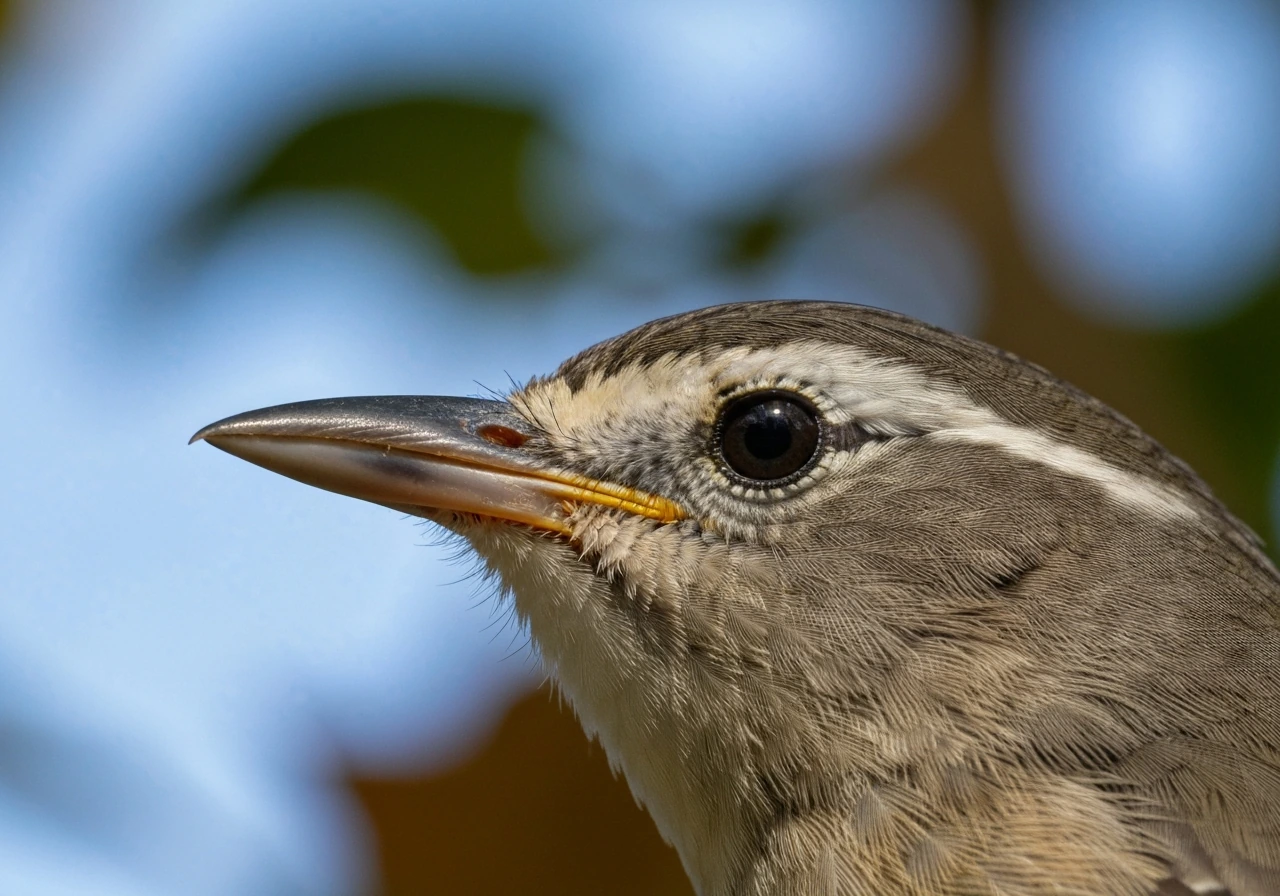
What a bird beak is made of
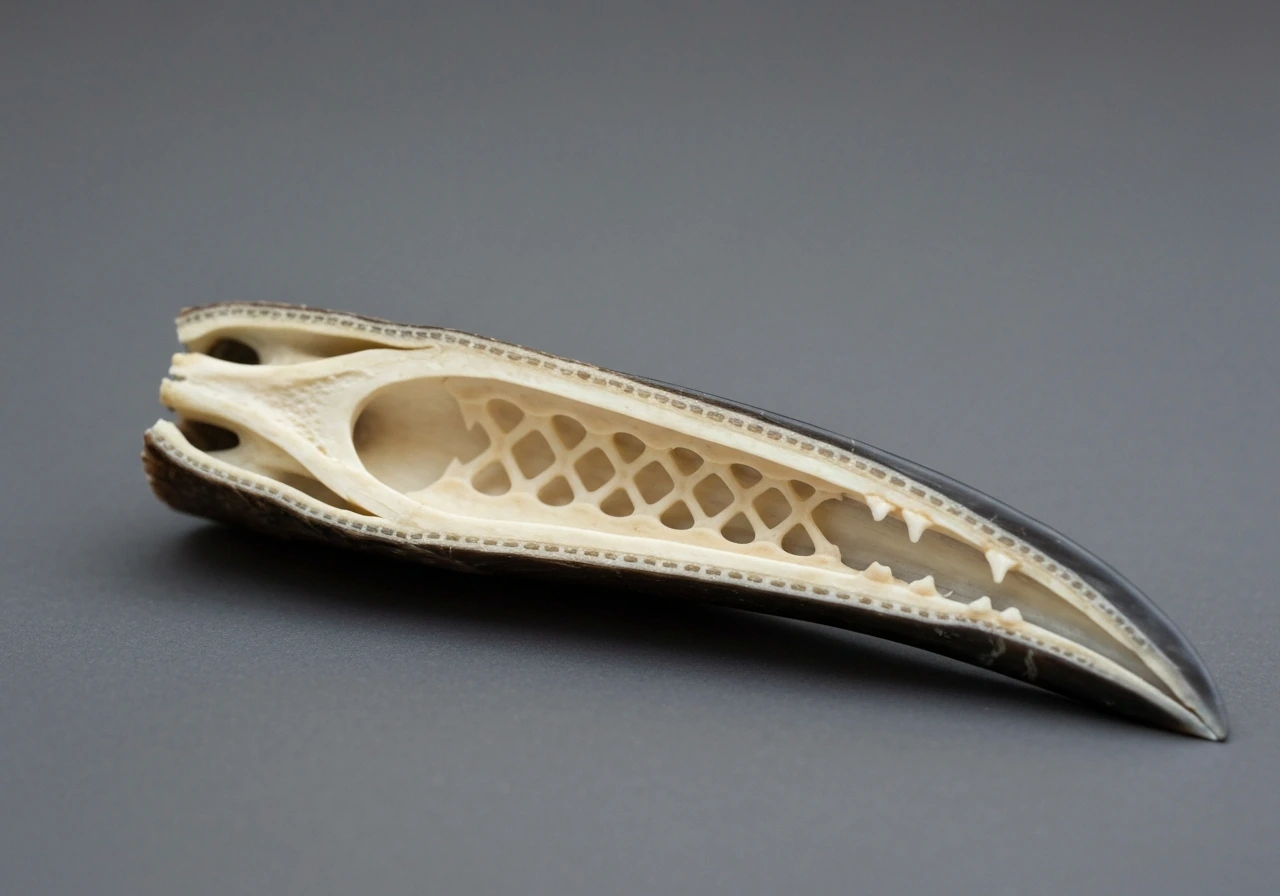
The beak has two main layers working together. The inner core is skeletal: fused bones that form the upper and lower jaws, internally reinforced with bony networks so the beak can take real mechanical stress without shattering. The outer layer is that keratin sheath, the rhamphotheca. It has two named halves: the rhinotheca covers the upper jaw and the gnathotheca covers the lower. Both halves grow continuously throughout the bird's life and get worn down through daily use, which is a neat self-maintaining system. Interestingly, the lower portion (gnathotheca) grows roughly two to three times faster than the upper, probably because the lower jaw takes more wear during feeding.
The cutting edges of the beak are called tomia (singular: tomium). According to Wikipedia, the tomium is the sharp cutting edge of a bird’s beak (the cutting edge of opposing mandibles) the cutting edges of the beak are called tomia (singular: tomium).. These are the keratinous rim surfaces that do the grip-and-slice work that teeth once handled. In most birds the tomia are simple sharpened edges. In falcons, the upper tomia includes a notch or tooth-like projection specifically for tearing flesh. So even within the keratin structure, there is real functional detail if you look closely.
One quick terminology note: "beak" and "bill" mean exactly the same thing anatomically. Ornithologists use both words interchangeably, and there is no structural difference between them. I used to assume "bill" was somehow the more scientific term, but no. Use whichever feels natural.
Why birds have beaks instead of teeth
Modern birds are completely toothless, and that is not an accident. The leading explanation in avian biology is that a keratin beak is significantly lighter than a toothed jaw, which matters enormously for flight. Teeth require dense, heavy enamel and deep-rooted jaw bones. A keratin-over-bone beak achieves the same food-handling function at a fraction of the weight. The trade-off is that food processing moved inward: instead of chewing with teeth, birds let their muscular gizzard do the grinding work further down the digestive tract.
There is still active scientific debate about the exact evolutionary path to toothlessness. What researchers are confident about is that the transition happened once in the lineage leading to modern birds, and that the lightweight beak paired with the gizzard became a highly successful combination. When you watch a pigeon swallow a whole piece of bread without chewing, that is the system in action.
What birds use their beaks for: feeding and foraging
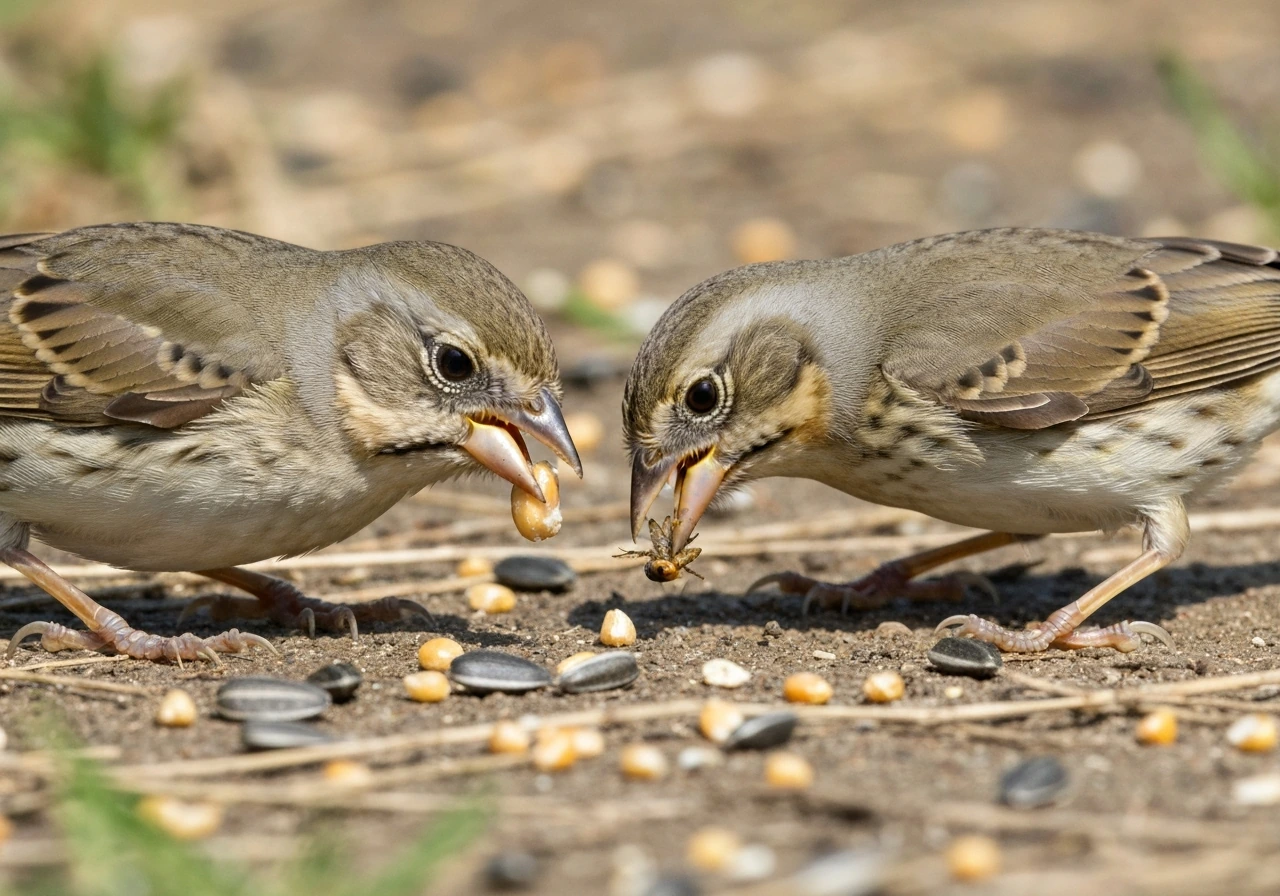
Feeding is the headline function, and the range of techniques birds pull off with essentially the same basic structure is genuinely impressive.
- Seed cracking: Birds like cardinals and goldfinches use short, thick, triangular beaks with ridged tomia to grip, rotate, and split seeds. The hull pops off and the kernel stays.
- Insect picking: Warblers and similar small birds have thin, fine-pointed beaks that work like tweezers, plucking insects from leaves, bark, or the air.
- Tearing flesh: Raptors (hawks, eagles, owls) have strongly hooked upper beaks for tearing prey apart. The curved tip concentrates force on a small area.
- Probing: Shorebirds like sandpipers have long, flexible-tipped bills that they drive into sand or mud to feel for buried invertebrates. The tip can flex slightly without the whole beak moving.
- Filter feeding: Ducks, shovelers, and flamingos have lamellae, comb-like structures lining the bill edges, that strain food particles out of water and mud. Water enters at the tip and exits out the sides.
- Nectar feeding: Hummingbirds have long, slender bills that protect the tongue during flower entry. The tongue itself uses a pump-like mechanism to draw nectar into a reservoir at its tip, then delivers it back to the throat. It is not simple capillary action as people often assume.
It is worth noting that the beak catches and positions food, but getting it into swallow-ready condition often involves the palate, tongue, and throat lining working together. The beak is the front end of a system, not the whole system.
Beak roles beyond eating: drinking, grooming, and nesting
Feeding gets all the attention, but birds rely on their beaks constantly for tasks that have nothing to do with food.
Drinking
Most birds scoop water into their beak, then tilt the head back to let gravity carry it down the throat. Pigeons and doves are unusual in that they can suck water up continuously without raising the head. Hummingbirds drink differently again, using that pump-tongue system described above.
Preening and feather maintenance
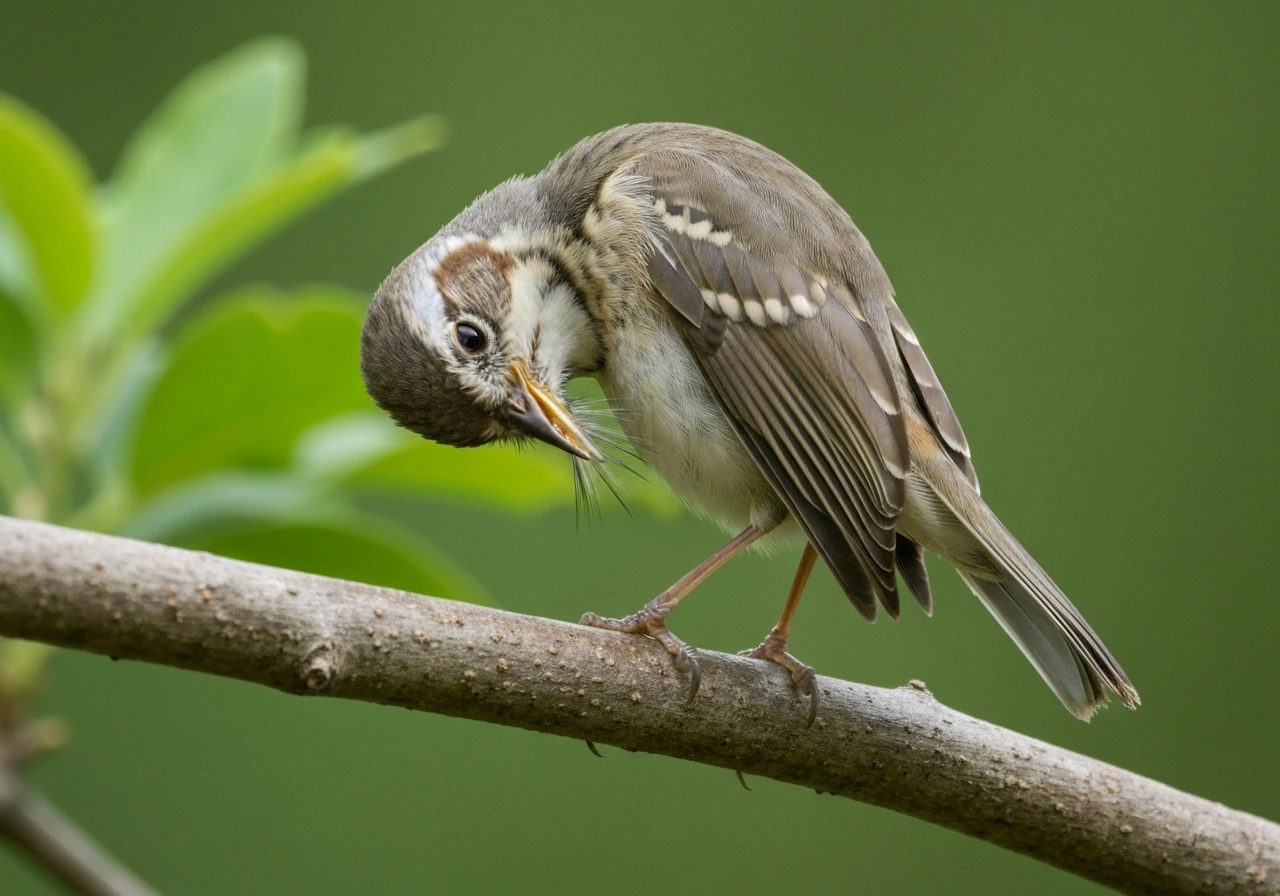
Preening is how birds keep their feathers functional. A bird uses its beak to run along individual feather barbs, re-interlocking the tiny hooks (barbules) that hold the feather's flat surface together. It also uses the beak to spread preen oil from a gland at the base of the tail across feathers for waterproofing, and to dislodge parasites.
Experimental evidence links uropygial gland microbiomes and gland-associated chemistry in preen oil to bird ecology, supporting that preen oil is a functional product of the gland [preen oil from a gland at the base of the tail](https://pmc. ncbi. nlm. nih.
gov/articles/PMC7401573/). If you watch a backyard bird sitting still and systematically working through its plumage feather by feather, that is preening. It is a significant daily time investment.
Nest building
Birds gather, carry, and weave nest materials entirely with their beaks. Some species do remarkably precise construction: weaverbirds knot and loop strips of grass into enclosed chambers using only their bill and feet. Even simpler nesters like robins use the beak to press and shape mud lining into the nest cup. Beak size and shape influence what kind of materials a bird can handle and how the nest ends up being built.
Social behavior and display
Beak color and condition signal health in many species, functioning as a visible indicator during mate choice. Bill-clacking, bill-touching (allopreening), and posturing with the beak open are all part of courtship and bonding rituals across bird families. Even the sounds a bird can produce are shaped in part by bill size and shape, which affects resonance.
How beak shape matches diet and behavior
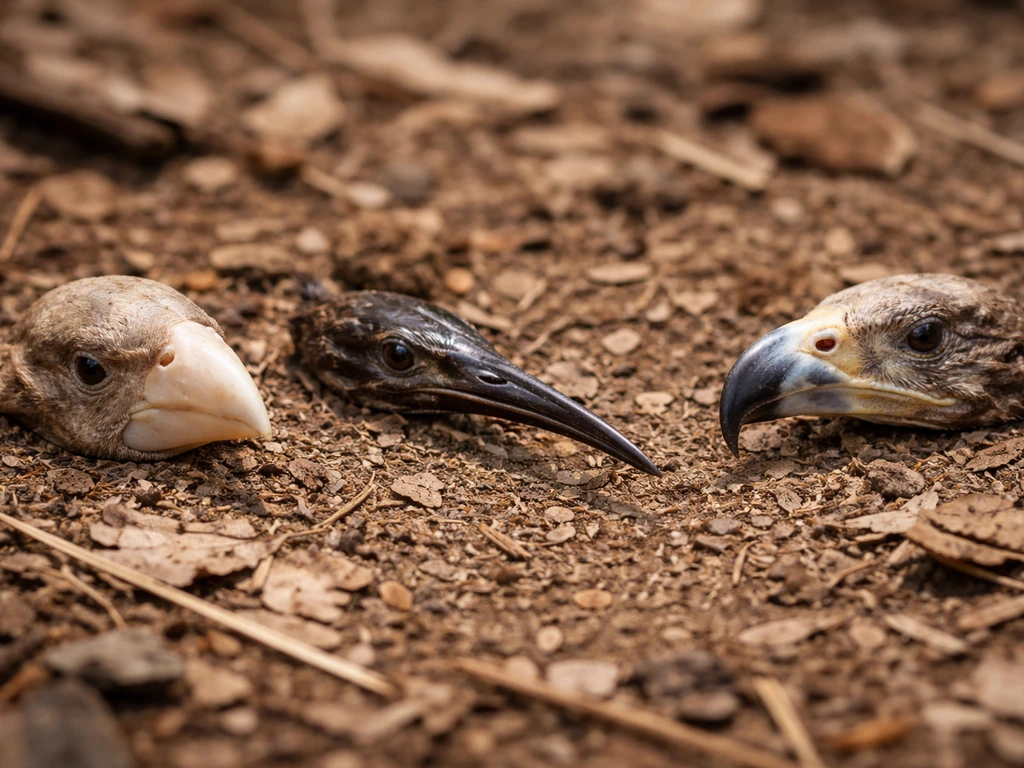
Once you understand the basic connection between beak shape and function, identifying an unknown bird gets a lot easier. Here is a practical reference for the most common beak types you are likely to encounter. Once you start comparing beak shapes across species, you will see the different types of bird beaks that match specific feeding styles.
| Beak shape | What it looks like | Primary function | Example birds |
|---|---|---|---|
| Short, thick, conical | Triangular side profile, wide base | Cracking seeds, husking hard outer shells | Cardinals, sparrows, finches, grosbeaks |
| Thin, pointed, straight | Needle-like, fine tip | Picking insects from foliage or bark | Warblers, vireos, many small songbirds |
| Long, straight, probing | Slender and elongated, sometimes flexible at tip | Probing soil or mud for invertebrates | Sandpipers, snipe, woodcock |
| Hooked, curved tip | Strongly curved upper beak, powerful | Tearing meat, gripping prey | Hawks, eagles, falcons, owls |
| Long, tubular or curved | Slender and often curved downward | Reaching into flowers for nectar | Hummingbirds, sunbirds |
| Broad, flat, lamellate | Wide and spatula-like or shovel-shaped | Straining food from water and mud | Ducks, shovelers, flamingos |
| Strong, chisel-like | Straight, stout, often with a ridge at tip | Drilling and excavating wood for insects | Woodpeckers, sapsuckers |
| Long, dagger-like | Pointed and straight, often large relative to body | Spearing fish or amphibians | Herons, kingfishers, cormorants |
The shape-to-diet connection is genuinely reliable as a first guess. Natural selection favors the beak phenotypes that help birds capture and process their specific foods more effectively in their environments. It is not perfect: some birds with generalist diets have beaks that are relatively versatile and harder to pin down. But if you see a thick triangular beak, it is almost certainly eating seeds, and a strongly hooked beak is almost always a predator. Use shape as your opening hypothesis, then check behavior to confirm.
What beak differences can tell you about the bird you're seeing
When you spot an unfamiliar bird, the beak is often the fastest route to understanding what it does for a living. Before you even reach for a field guide, run through these three questions.
- How long is the beak relative to the head? A beak longer than the head suggests probing or fish-spearing. A beak shorter than half the head length suggests seed-cracking or insect-picking.
- Is the tip straight, curved down, or hooked? A downward curve points toward nectar or probing. A sharp hook points toward predation and tearing.
- How thick is the base? A thick, wide base handles mechanical stress (crushing, cracking). A thin, fine base handles delicate work (picking, probing).
Those three observations will put you in the right functional category most of the time. From there, habitat and behavior fill in the rest. A bird wading in shallow water with a long straight bill is very likely probing for invertebrates or waiting to spear fish. A small bird in a shrub with a fine-pointed bill is almost certainly hunting insects.
The deeper you go, the more interesting it gets. Beak differences between species reflect millions of years of selection pressure, and the variation in beak shapes across birds is one of the clearest visible examples of how anatomy tracks function. Natural selection pressure shapes beak form, so related feeding adaptations also relate to how part B selection can act on bird beaks.
If you want to go further, the questions of why beaks differ between species and how natural selection shapes those differences are genuinely fascinating extensions of everything covered here. These same ideas help answer why do bird beaks differ between species. Natural selection then favors the beak shapes that help particular birds feed and survive, which is essentially how variation becomes different phenotypes over time how natural selection shapes those differences.
FAQ
Do birds have a “real mouth” with teeth, or is the beak the only part that touches food?
Birds are toothless, but they do have a mouth opening behind the beak. The beak handles and positions food, then the tongue, palate, and throat help move it into swallow-ready form. In many species, the gizzard becomes the main grinding area after swallowing, especially for hard or fibrous foods.
If beaks grow continuously and wear down, what happens if a bird does not use the beak much?
Continuous growth is balanced by daily wear. If a bird uses its beak less than usual or cannot feed effectively, the keratin tips and edges can overgrow or become misshapen, which may interfere with picking up food or preening. In rehabilitation settings, this is one reason professionals monitor beak condition closely.
Are “beak” and “bill” always interchangeable for every bird and every situation?
Anatomically they refer to the same structure, so either word is acceptable. The only practical caveat is clarity in conversation: “beak” is more common in everyday language, while “bill” may sound more technical. For identification or education, consistency within a single context helps avoid confusion.
Do all birds eat the same way, or can two birds with similar beaks use them differently?
They can. Beak shape often predicts diet, but it does not guarantee the exact technique. Two birds may both have a pointed bill, one probing in mud and another picking insects from leaves. Behavior, habitat, and time of day are key checks alongside beak form.
Can birds crack seeds or nuts without chewing, and how does the beak avoid breaking under stress?
Yes. Birds rely on beak mechanics plus internal support from the bony jaw core, and the keratin sheath provides a durable cutting or crushing surface. Many seed eaters also use swallowing and gizzard processing rather than jaw chewing, so the beak does not have to perform grinding the way mammal teeth do.
Why do some birds have softer-looking, flexible beak tips compared with others?
Beak tips vary by diet and surface chemistry. Some birds have specialized coatings or smoother, softer keratin at the end that improves handling of prey or water movement, while others have rougher or more sharply edged tomia for cutting or gripping. Tip condition is also influenced by wear and molting patterns.
How can you tell the difference between a beak used for feeding versus one used for signaling?
Many birds use the same beak in multiple ways, so look for context. If the beak is prominently displayed during courtship, open-mouth postures, bill touching, or bill clacking are often signals. If the beak is repeatedly used to probe, tear, or carry items in a consistent feeding or nesting pattern, that points to primary mechanical use.
Do beaks change with age, and does that affect bird identification?
Often they do. Juveniles can have different proportions, duller coloration, or slightly different tip wear compared with adults. Migration and seasonal diet can also change wear patterns. When identifying, combine beak appearance with body size, plumage stage, and behavior rather than relying on beak shape alone.
Are beaks affected by disease or injury, and what visual signs should you watch for?
Yes. A healthy beak usually has proper alignment, appropriate tip shape, and consistent coloration for the species. Watch for cracking, peeling, gaps between upper and lower tomia, uneven overgrowth, or discharge around the base. These can indicate injury, malnutrition, or beak disorders that reduce feeding efficiency.
How reliable is beak shape as an “identification shortcut,” and when should you be cautious?
It is a strong first hypothesis, especially for extremes like thick triangular seed-crushing bills or strongly hooked predator bills. Be cautious with generalist species, juveniles, and birds in unusual seasonal diets. Confirm by observing how the bird actually uses the beak, what it is eating, and where it forages.
Next Article
Can Part B Selection Act on Bird Beaks?
Explains if Part B selection can drive bird beak evolution via genetics, heritability, and fitness tradeoffs across gene