
Birds do sleep, and they do it in some genuinely fascinating ways. Most birds experience both slow-wave sleep (NREM) and REM sleep, just like mammals, but many species can also put only half their brain to sleep at a time while the other half stays alert. They sleep perched on branches, tucked into dense shrubs, floating on water, sometimes even mid-flight, and their sleep timing is tightly controlled by light cycles and season. If you've ever wondered why a bird on your fence looks like it's dozing with one eye half-open, you're not imagining things. That's the biology at work.
How Do Bird Sleep? What It Looks Like and Where They Roost

Marcus Chen
18 May 2026
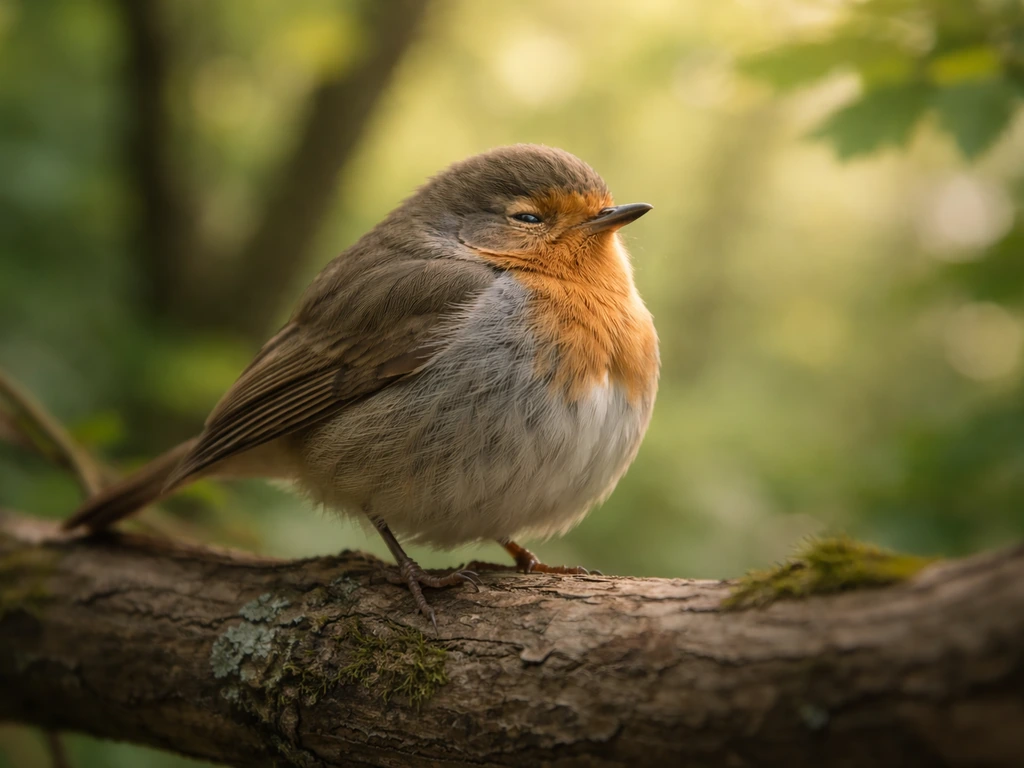
Do birds actually sleep, and what does sleep mean for them?
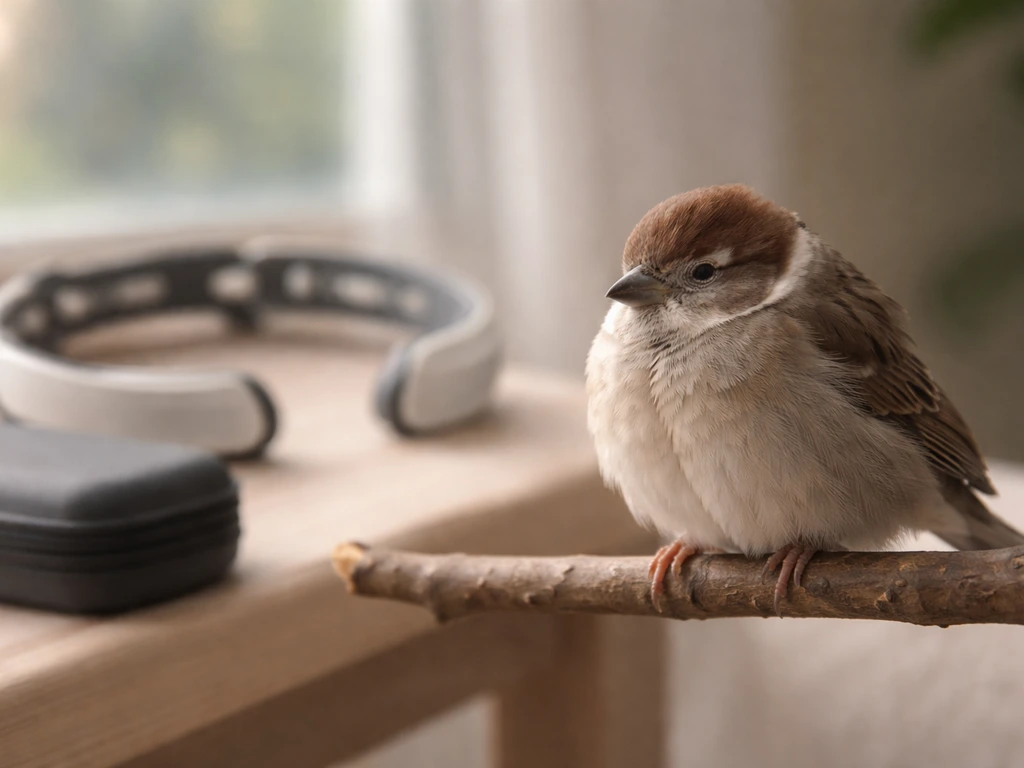
Yes, birds genuinely sleep. It's not just rest or stillness. Researchers have used EEG (electroencephalography, which measures electrical brain activity) on pigeons, mallards, sparrows, and other species and confirmed that birds cycle through recognizable sleep stages. Slow-wave sleep, roughly equivalent to what we call NREM sleep in mammals, shows up as high-voltage, low-frequency brain waves (around 2 to 4 Hz). REM sleep also occurs, and in birds it's characterized by a low-voltage, high-frequency EEG pattern along with small head jerks or rotational eye movements, much like the eye movements that give REM its name in humans.
What's different from mammal sleep is the proportion. Bird REM episodes tend to be much shorter than ours, sometimes just a few seconds at a time, though they occur frequently across a night. The function appears similar though: sleep supports memory consolidation, physiological restoration, and immune function. Think of it as the same biological necessity showing up in a very different body plan. Birds also can't afford the vulnerability of deep unconscious sleep the way a large mammal can, and their sleep architecture reflects that pressure.
How birds sleep: what's happening in the brain and eyes
Here's where bird sleep gets genuinely interesting. Many birds can enter what's called unihemispheric slow-wave sleep, or USWS. One hemisphere of the brain shows sleep-like slow-wave EEG activity while the other hemisphere stays relatively awake. The eye connected to the sleeping hemisphere closes, while the eye connected to the wakeful hemisphere stays open. This means a sleeping bird can literally keep one eye on its surroundings. Pigeon studies showed this clearly: EEG power in the 2 to 4 Hz range was measurably higher in a hemisphere when the eye on the opposite side was closed compared to when it was open.
Mallard duck research took it further by manipulating perceived predation risk. Under higher threat conditions, birds shifted toward more unihemispheric sleep and kept the outward-facing eye open more consistently, especially birds sleeping on the edge of a group. That's facultative control: the bird is actively adjusting how it sleeps based on how safe it feels. Bihemispheric sleep (both halves offline at once) happens too, typically when birds feel secure enough to fully commit to deeper rest.
REM in birds also deserves a note. Imaging in pigeons during avian REM showed widespread activation across sensory and multisensory brain networks, more like a wakeful brain than a deeply resting one. That's actually similar to what happens in mammals during REM. Birds aren't fully offline during REM either. Sleep in birds is genuinely sophisticated neurologically, even if the animals look completely still from the outside.
Mid-flight sleep: yes, it's real
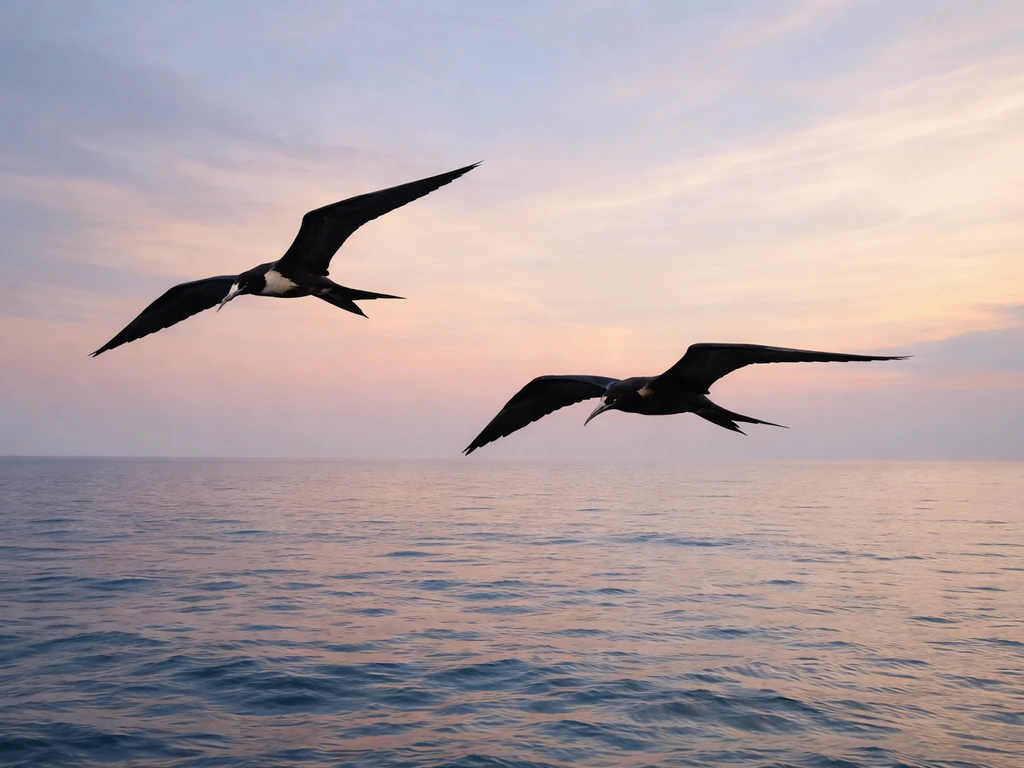
Some birds, like frigatebirds on long oceanic flights, have been recorded showing NREM-like brain wave patterns during flight. EEG data from birds in flight showed both unihemispheric and occasional bihemispheric slow-wave sleep episodes while airborne. The total sleep time during flight was still far less than what birds get on the ground, suggesting they're accumulating some sleep debt and compensating once they land. This isn't the norm for most backyard species, but it shows just how flexible avian sleep can be.
Where birds sleep: roosting spots, perching, and species differences
The word for where a bird sleeps is its roost. Roosting behavior varies enormously across species, and it's worth understanding the main categories because they reflect real differences in each bird's anatomy, predation pressure, and habitat.
- Perch roosting in dense cover: The most common strategy for songbirds. They tuck into thick shrubs, dense tree canopies, or hedgerows where they're hidden from owls and other nocturnal predators. The vegetation provides both concealment and some insulation against cold.
- Open-branch perching: Some larger birds, like raptors, perch on exposed branches or posts. They rely more on their own alertness and sometimes their size as a deterrent.
- Ground roosting: Birds like quail, pheasants, and nightjars roost directly on the ground, often in dense grass or leaf litter. Their cryptic coloration makes up for the lack of height.
- Water roosting: Ducks, geese, and some wading birds sleep on or near water, which provides a moat-like barrier against land predators. This is where edge-of-group USWS vigilance has been studied most closely.
- Cavity roosting: Woodpeckers, some owls, and small birds like chickadees sometimes roost inside tree cavities or nest boxes, which offers excellent predator protection and thermal insulation.
- Communal roosting: Many species, especially starlings and swallows, gather in huge numbers at a shared roost site. There's safety in numbers, and shared body heat helps in cold weather.
Resident (non-migratory) species often return to the same roost site night after night across seasons. Migratory birds, on the other hand, choose wherever is suitable each night along their route, which creates real challenges for them and is part of why some species developed the micro-nap adaptation during migration.
Posture and how birds stay on the perch while sleeping
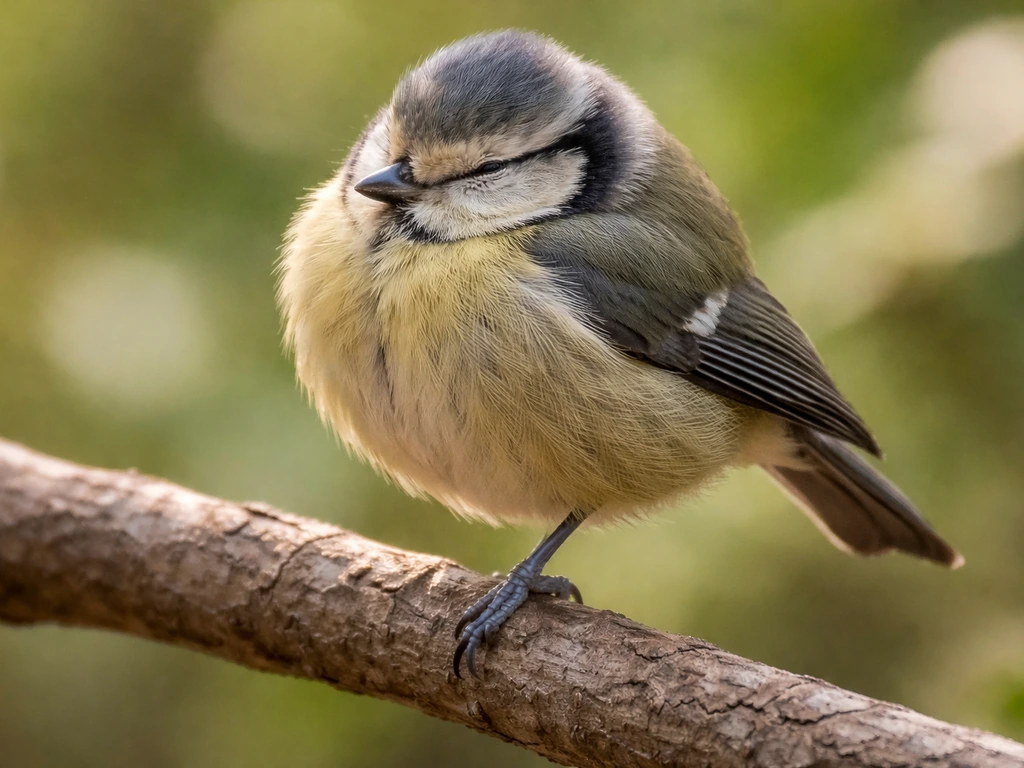
The classic image of a sleeping bird is one perched on a branch, often on one leg with the other tucked up against the body. This works because of a passive gripping mechanism in the leg. When a bird's body weight settles onto a bent leg, tendons running through the foot tighten automatically and lock the toes around the branch. The bird doesn't have to actively grip; the grip tightens with body weight. That's why they don't fall off when they fully relax into sleep.
Sleeping on one leg is common across many species. The most straightforward explanation is heat conservation: tucking a leg against the body reduces surface area exposed to cold air. There's also a possible link to USWS, since the leg a bird chooses to stand on may correspond to the hemisphere that stays more wakeful, but researchers describe this as a plausible hypothesis rather than a settled conclusion. The tucked posture also often includes the bill rotated and buried into back feathers, which reduces heat loss from the respiratory tract. Because birds have a different respiratory anatomy than mammals, the respiratory tract plays a major role in how they exchange air while resting.
Neck retraction during sleep (that puffed-up, head-sunk-in look) serves thermoregulation too. Feathers fluff out to trap an insulating air layer close to the body, reducing heat loss. If you've ever seen a bird looking oddly round and compact on a cold morning, that's exactly what's happening. It ties into the broader biology of how birds regulate temperature, which overlaps with their respiratory physiology since breathing rate slows during rest.
If you are also checking birds' breathing during rest, see which of the statements about bird respiration is true as a quick related checkpoint. Breathing in birds is closely tied to their metabolism and rest, including changes in how they regulate airflow and oxygen use while resting how does a bird breathe.
What shapes when and how long birds sleep
Light cycles: the main driver
Photoperiod, the daily cycle of light and dark, is the single most important environmental cue controlling when birds sleep. It acts as the primary zeitgeber, a German word meaning 'time giver,' for the avian circadian clock. Light detected through the eyes (and in many birds, through photoreceptors in the brain itself) drives melatonin rhythms, which in turn regulate sleep onset and duration.
A jackdaw study testing artificial reversed light-dark cycles confirmed that birds track darkness as their core sleep signal: when you flip the light schedule, their sleep shifts accordingly. Artificial light at night disrupts this system, which is why urban light pollution is a genuine concern for bird health and migration.
A review in the MDPI journal summarizes that artificial light at night and photoreceptor or clock mechanisms can alter clock gene expression and melatonin, and that photoperiod influences the amount, timing, and composition of sleep in birds artificial light at night disrupts this system.
Season and migration
Sleep amount changes across seasons. White-crowned sparrow research using actigraphy (movement-based sleep tracking) found measurable variation in sleep proportion across the year, with photoperiod manipulation affecting how much the birds slept. During migration season, nocturnal migrants like Swainson's thrushes essentially face a sleep deprivation problem: they fly at night when they'd normally sleep. The solution many use is daytime micro-napping, short bursts of unihemispheric sleep-like brain states taken between migration flights. EEG studies on thrushes during migration season documented these micro-nap states, showing the hemisphere corresponding to the closed eye entering slow-wave-like activity while the bird appeared to simply be resting quietly.
Temperature and weather
Temperature affects sleep architecture. A corvid study found that mean sleep cycle duration was positively correlated with ambient temperature, meaning cycles tended to be longer in warmer conditions. Cold weather also pushes birds toward communal roosting for shared warmth, toward cavity roosting for insulation, and toward deeper feather-fluffing postures. Extreme cold or storms can cause birds to enter a shallow torpor-adjacent state, cutting activity and metabolic rate further, though full torpor (like hummingbirds use) is distinct from normal sleep.
Perceived safety and flock position
As the mallard predation-risk research showed, perceived threat directly changes sleep quality and composition. Birds at the edge of a roosting flock spend more time in USWS and keep the outward-facing eye open longer. Birds in the center of a group get more bihemispheric sleep. This is why communal roosting isn't just about warmth: positioning within the roost affects how deeply each individual can rest. Dominant individuals often claim central positions for exactly this reason.
What you can do today: observe, avoid disturbing, and spot problems
Observing roosting birds without causing harm
The best time to observe roosting behavior is the hour before and after sunrise or sunset, when birds are settling in or departing their roost. Watch dense shrubs, hedgerows, or reed beds from a comfortable distance. Binoculars are ideal. Look for the characteristic postures: one leg tucked, bill buried in back feathers, puffed-up silhouette. You may catch one-eye-open behavior if you're patient and the bird doesn't register you as a threat.
Avoid using bright white or blue-toned artificial lights near roost areas at night. U.S. Fish and Wildlife Service guidance recommends bird-conscious lighting practices specifically because bright lights disorient birds, especially during migration. If you find birds trapped by bright exterior lights, switching the lights off for 15 to 20 minutes can allow them to reorient and depart. Warmer-toned, shielded lighting causes significantly less disruption.
When observing, follow the practical ethics used by organizations like the American Birding Association: stay back, move slowly, avoid repeated flushing of roosting birds, and don't play calls near a known roost. Flushing a bird repeatedly at night forces it to expend energy and relocate, which is a real cost during cold weather or migration.
What normal vs. abnormal sleeping looks like
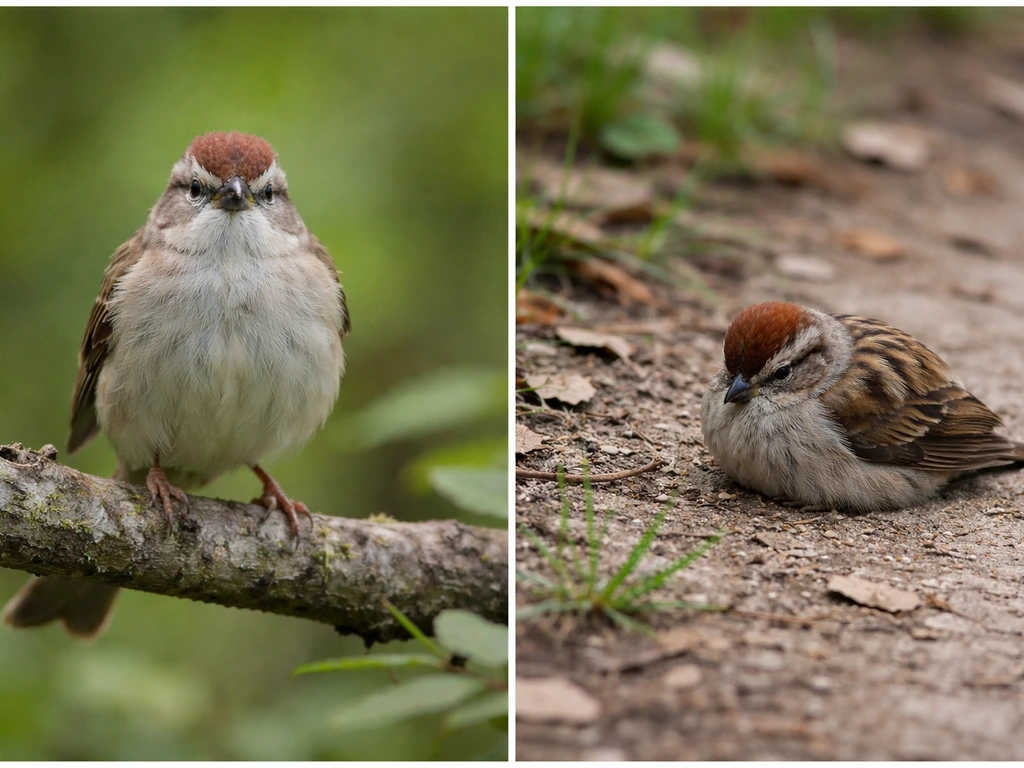
Normal roosting birds are alert and flush quickly if approached closely. A bird that doesn't move when you walk within a meter or two, or that's sitting on the ground in the open during daylight, is a red flag. Other warning signs include a drooping wing, visible wounds, labored breathing, inability to stand upright, or lying on its side. These are not sleeping behaviors; they indicate injury or illness. If you're curious about the deeper respiratory system behind how birds breathe, you may also want to read about does a bird have lungs.
If you find a bird showing these signs, resist the urge to handle it extensively. Place it gently in a ventilated cardboard box lined with a soft cloth, keep it in a quiet and dark location, and contact a licensed wildlife rehabilitator as quickly as possible. Organizations like Audubon and Mass Audubon maintain directories of rehabilitators by region. Do not offer food or water unless advised by a professional, since the wrong intervention can cause harm.
| Sign | Normal or Concerning? | What to do |
|---|---|---|
| Bird perched, eyes half-closed, one leg tucked | Normal sleeping posture | Observe from a distance, don't disturb |
| Bird flushes when approached | Normal healthy response | Back away and give space |
| Bird on ground, doesn't move when approached | Concerning | Contact a wildlife rehabilitator |
| Drooping wing or visible wound | Concerning | Box the bird, call a rehabilitator |
| Labored breathing or open-mouth breathing | Concerning | Contact a rehabilitator immediately |
| Puffed feathers on cold morning, perched normally | Normal thermoregulation | No action needed |
| Bird on ground but alert, takes off after a moment | Often normal (stunned from window strike) | Monitor from distance for 30 minutes |
Bird sleep is one of those topics that opens up a surprisingly deep view into avian biology. The same basic need for rest that drives your sleep schedule is running through every bird on your feeders, shaped by millions of years of pressure to stay alert, conserve energy, and navigate a world full of predators.
Bird lungs are more efficient in part because birds can exchange oxygen through a one-way airflow system that supports high metabolic needs during flight why are bird lungs more efficient. If you're curious about smoke, some species have entirely different survival behaviors that can produce visible smoke under specific conditions produce smoke. That same specialized physiology is also why bird lungs and breathing patterns work in sync with their sleep bird lungs work.
Once you know what to look for, watching a bird tuck in for the night stops feeling mundane and starts looking like a small, elegant piece of evolutionary engineering.
FAQ
If a bird looks like it’s sleeping with one eye open, is it actually asleep?
A common reason is stress or perceived danger. Birds will often shift toward more unihemispheric slow-wave sleep and keep one eye open at higher threat levels, so “half-open” looking doesn’t automatically mean they are fully awake.
Can a bird be sleeping even if it seems to be watching me?
Yes, but it’s usually subtle. In many species, the eyes can stay partially open even when one hemisphere is in slow-wave sleep, so the outward appearance can look like alertness even though brain activity is cycling through sleep-like stages.
Do birds sleep in one long stretch like humans?
Backyard birds generally do not sleep continuously in long blocks. They cycle through brief bouts, and many species also use micro-naps (especially during migration) rather than one uninterrupted nighttime sleep.
Why do some birds look unusually still or unresponsive during cold snaps or storms?
It can be. During very cold weather or storms, some birds may enter a torpor-adjacent, energy-saving state that reduces metabolic rate and deep sleep signals, so they may seem less responsive than normal but not be following typical “full sleep” patterns.
How does porch or street lighting affect where and when birds sleep?
Artificial light can delay or fragment sleep onset because birds use darkness as a core cue. If lights remain on late, you can end up with later settling, altered roosting behavior, and reduced quality of sleep cycles.
Why do some birds in a group roost seem more “on guard” than others?
Position matters in communal roosts. Birds at the edge or outside the main cluster tend to spend more time in unihemispheric sleep, while birds in the center often get more opportunity for bihemispheric sleep.
Is tucking one leg always a sign a bird is sleeping?
Leg tucking is common, but not universal. Some species use different resting postures based on footing, wind exposure, and roost type (branch, cavity, ground, or floating), so you may see variations that still serve heat conservation.
Do birds that sleep on water or in reeds sleep differently than perch-sleeping birds?
Yes. Swimming birds and some water roosters can sleep afloat or in dense cover, but their roosting choice changes which risks they manage, for example current, visibility to predators, and keeping balance while minimizing vulnerability.
Do birds sleep the same hours year-round?
Yes for most species, but the timing can shift by light cycles. If days lengthen or shorten, sleep onset and duration can change seasonally, and some migrants face a mismatch between their usual sleep window and when they must fly.
How can I tell if a bird is sleeping versus sick or injured?
Sometimes. Birds that are injured, sick, or overheated can become abnormally still, but the key distinction is responsiveness and posture, for example inability to stand, labored breathing, visible wounds, or remaining on the ground in daylight.
What should I do if I suspect a bird is not just resting but actually needs help?
If you find a bird showing red flags, use the least handling possible and prioritize warmth, darkness, and ventilation in a secure box. Avoid offering food or water unless you are instructed by a wildlife rehabilitator, since incorrect feeding can worsen injuries or cause aspiration.
When and how should I observe roosting birds without disturbing them?
You can increase the odds of seeing normal roosting by watching around crepuscular hours, staying far enough away to prevent repeated flushing, and using binoculars instead of approaching for a closer look.
Why don’t birds seem to fall while they’re asleep on branches?
They may still sleep while perched, but they are not “fully relaxed” the way many mammals are. The ability to use unihemispheric sleep reduces the time fully committed to deep unconsciousness, which helps them respond quickly if risk suddenly changes.
Next Articles
How Much Weight Can a Bird Carry Payload Limits Explained
Realistic payload ranges for different birds plus a method to estimate how much weight they can carry safely.
What Bird Has the Highest Heart Rate? Fastest Species Explained
Explains which bird has the highest heart rate, how it’s measured, key contenders, and how to compare readings fairly.
What Is the Highest Altitude a Bird Can Fly?
Find the highest documented bird flight altitude, how it’s measured, and the biology and flight mechanics behind extreme